



Laser Printers vs All-in-One Printers: Which Is Best for You?
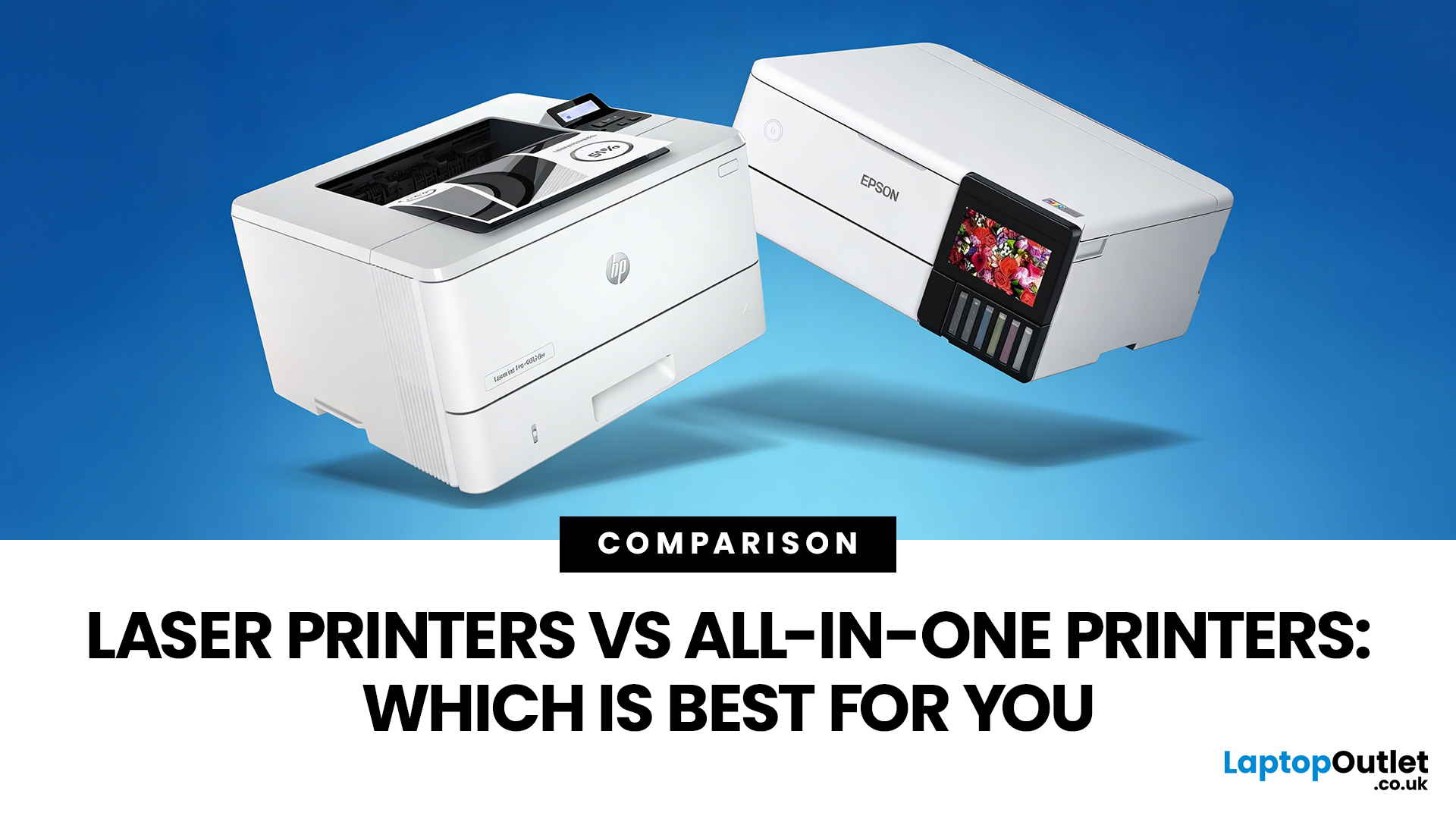
Choosing between Laser printers vs all-in-one printers sounds simple until you realise the two terms do not describe the same thing.
A Laser printer refers to the way the printer works. An all-in-one printer refers to the machine's capabilities, usually printing, scanning, and copying in one unit. That means some all-in-one printers are Laser models, while others are inkjet. So, when people compare all-in-one vs Laser printers, what they are really trying to work out is whether they need stronger print performance or broader day-to-day flexibility.
For some buyers, the Laser is the clear winner. For others, an all-in-one makes far more sense. The right choice depends on how often you print, what you print most, and whether scanning and copying matter as much as printing itself.
If your priority is fast document printing, crisp text and lower running costs over time, a Laser model is usually the smarter fit. If you want one machine that can handle household paperwork, scanning, copying and occasional mixed printing, an all-in-one often proves more useful in everyday life.
If you are still weighing up your options, start with the wider printer collection, then narrow your shortlist based on how and where the printer will be used.
What Is the Difference Between an All-in-One Printer and a Laser Printer?
The simplest way to understand the difference between all-in-one and Laser is this: one describes technology; the other describes function.
A Laser printer uses toner and heat to produce text and graphics on the page. It is best known for speed, sharp black text and stronger performance on document-heavy workloads.
An all-in-one printer, by contrast, is built around convenience. It combines several tasks in one machine, usually printing, scanning and copying, and sometimes fax as well. That makes it a practical option for homes, students, hybrid workers and smaller offices that want one machine to cover multiple jobs.
So, the Laser printer vs all-in-one decision is not really about which label sounds better. It is about which machine suits your workload.
If you mostly print invoices, reports, forms, labels, coursework and general paperwork, a Laser usually has the edge. If your routine also includes scanning signed forms, copying documents and handling mixed household printing, an all-in-one may be the better choice.
New to Laser printing? Our complete Laser printer guide explains how it works, where it performs best, and what to look for before buying.
Laser Printer vs All-in-One: Which Is Better for Everyday Printing?
This depends entirely on what “everyday use” means for you.
If everyday printing means contracts, returns labels, admin packs, spreadsheets or black-and-white paperwork, Laser tends to feel better almost immediately. It is faster, cleaner on text, and usually more efficient when the print queue starts to build.
If everyday printing means the occasional school form, passport copy, travel document, colour page and scanned letter, an all-in-one often feels more useful. It gives you more flexibility without needing a separate scanner or copier.
That is why Laser vs all-in-one printer is not really a one-size-fits-all comparison.
Choose Laser if your day-to-day printing revolves around:
- Reports
- Invoices
- Forms
- Contracts
- Revision notes
- Shipping labels
- Regular office paperwork
Choose all-in-one if your day-to-day routine includes:
- Scanning forms
- Copying ID or letters
- occasional colour documents
- General family paperwork
- Mixed home-office tasks
- Lower or moderate print volume
Are Laser Printers Better Than All-in-One Printers?
Not always. But they are often better for the right kind of user.
If your real question is whether Laser printers are better than all-in-one printers, the honest answer is this: Laser printers are usually better for people who print often, mostly print documents, and care about speed, text clarity and long-term running efficiency.
They are especially well-suited to:
- Home offices
- Small businesses
- Students with text-heavy workloads
- Admin-heavy roles
- Shared office environments
- Users printing regularly rather than occasionally
All-in-one printers are usually better for buyers who want more versatility from one machine. They are a strong fit for mixed home use, light office admin, occasional printing, and any situation where scanning and copying are just as important as printing.
So no, Laser printers are not automatically better. They are simply better when your printing habits make their strengths worth paying for.
All-in-One Printing vs Laser Printing: Cost, Quality and Convenience
When buyers compare all-in-one printing vs Laser printing, the decision usually comes down to three things: cost, print quality, and convenience.
Upfront cost
All-in-one printers, especially entry-level models, are often easier on the budget at the start. Laser printers usually require a larger upfront investment, particularly if you are looking at business-ready machines or multifunction Laser models.
If price is your first concern and your printing needs are fairly light, an all-in-one may feel like the safer buy.
Running costs
This is where Lasers can start to look more attractive. If you print regularly, particularly black-and-white documents, Laser printing often works out better over time. Toner tends to last longer than standard ink cartridges, which makes a real difference when you print every week rather than every now and then.
For light use, the savings may not be dramatic. For steady document printing, it often is.
Print quality
Laser printers are usually stronger on crisp black text, reports, letters, spreadsheets, and business documents. If your pages are mostly words rather than photos, Laser output tends to look cleaner and more consistent.
Many all-in-one printers, especially inkjet models, are more appealing for colour variety, family use and occasional image printing. They are often the more flexible option, but not always the strongest on high-volume document work.
Convenience
This is where all-in-one printers make their case. One machine that can print, scan, and copy solves more everyday problems, especially in homes and hybrid workspaces where the printer needs to handle more than one task.
If convenience matters more than raw throughput, all-in-one often wins. If reliability is a concern, our Laser printer troubleshooting guide covers the most common issues and how to fix them.
Laser vs All-in-One Printer: Which Is Best for Home Use?
For many households, an all-in-one is the easier fit.
Home printing is rarely consistent enough to justify buying only for speed. One week you are printing school forms, the next you are scanning ID, copying a letter, or printing the odd colour page. In that environment, flexibility matters more than specialist performance.
That is why all-in-one models are often the better place to start for buyers looking for affordable home printing solutions. They suit mixed routines, limited space, and people who want one machine to handle the small but regular admin tasks of everyday life.
That said, a Laser printer can still be the smarter home buy if your usage is document-led. If you work from home, print regularly, and mostly need sharp black text rather than scanning or photo output, a Laser can feel like the more efficient long-term choice.
Laser vs All-in-One Printer: Which Is Best for Office Use?
In office settings, Lasers often start to pull ahead.
If the machine is used for reports, invoices, internal paperwork, order sheets, labels, and day-to-day printing, the Laser printer’s strengths become much more obvious. It is built for pace, consistency, and document-led workflows.
For buyers looking at printers for office use, Laser usually makes the most sense where speed, throughput and cost per page matter more than occasional flexibility.
The exception is where teams also rely heavily on scanning and copying. In that case, a multifunction Laser model can offer the best of both worlds.
To get the best long-term performance from your machine, read our guide on how to maintain a Laser printer for long-term use.
Should You Buy a Laser Printer or an All-in-One Printer?
A practical way to settle the all-in-one printer vs Laser printer question is to ask 4 simple things:
- How often do you print?
- What do you print most?
- Do you need scanning and copying?
- Are you buying for home convenience or sustained document work?
Buy a Laser printer if:
- You print often
- Your output is mainly text-based
- Speed matters
- You want cleaner black text
- You want lower long-run document costs
Buy an all-in-one printer if:
- You need print, scan and copy together
- Your use is mixed rather than specialist
- You print at light or moderate volume
- Convenience matters more than raw speed
- You want one machine for general home or hybrid-office admin
If your priority is performance, browse Laser printing solutions built for text-heavy, document-led printing. If you want flexibility first, the all-in-one printer range is the more natural place to begin.
Which Printer Brand Should You Consider?
Once you know whether you need Laser performance or all-in-one convenience, the brand becomes much easier to judge.
If you are exploring HP printing solutions, HP offers a broad mix of home, office and multifunction options across both Laser and all-in-one formats.
If you are comparing Canon printing solutions, Canon remains a strong choice for buyers who want flexible printing for home, study and mixed office use.
If your priority is dependable on document output, reliable Brother printers are often worth a closer look.

The Smartest Choice for Your Printing Needs
The best answer to Laser printers vs all-in-ones is not about which sounds more advanced. It is about choosing the machine that best suits how you actually print.
If your priority is speed, crisp text, and lower running costs for regular document printing, a Laser printer is usually the smarter choice. If you want one machine that can print, scan and copy for a more varied home or hybrid routine, an all-in-one is often the better fit.
That is the real difference between a Laser printer vs an all-in-one: Laser is the stronger specialist, while all-in-one is the more flexible all-rounder.
If you are ready to compare options, start with the Laser Printer category for document-first models, the All-in-One printer range for multi-tasking home setups, or browse the wider printer collection if you are still narrowing down the right fit.

Laser Printer Questions, Answered
What are the downsides of Laser printers?
The main downsides of Laser printers are the higher upfront cost, larger size, and weaker photo-printing performance compared with many inkjet models. They are excellent for fast, sharp document printing, but they are not always the best choice for occasional home users or anyone mainly printing glossy photos and image-heavy pages.
Is a Laser printer better than a normal printer?
A Laser printer is usually better than a standard inkjet printer for fast, frequent, document-heavy printing. It delivers sharper text, quicker output, and often lower running costs over time for offices, students, and home workers. For photo printing or lighter mixed use, an inkjet printer may be the better fit.
Are LaserJet printers being discontinued?
No, LaserJet printers are not being discontinued as a category. HP still sells LaserJet printers across home, business, and enterprise ranges. Specific models may be retired over time, but LaserJet remains an active printer line rather than a discontinued one.
Which lasts longer, Laser or inkjet?
Laser printers often last longer than inkjet printers in document-heavy environments because they are built for repeated, higher-volume printing. They also avoid issues linked to drying ink. That said, lifespan depends on build quality, maintenance, and the extent of use.
What type of printer is best for home use?
The best printer for home use depends on what you print most. An all-in-one inkjet printer is often the best choice for general home use because it combines printing, scanning, and copying in a single machine. A Laser printer is usually better for home users who print lots of text documents and want faster output with lower long-term running costs.
What type of printer is best for personal use?
The best printer for personal use is usually the one that matches your routine. If you print forms, tickets, letters, and occasional documents, an all-in-one printer is often the most practical option. If your personal printing is more frequent and mostly text-based, a compact Laser printer can be a better long-term choice.
| Read More: |
| How to Choose the Right Printer for Your Needs |
| Why Is My Printer Not Working? Easy Fixes for Common Issues |
| Canon Printer Buying Guide: How to Pick the Perfect One |
Related Articles

Last Updated: June 18, 2026
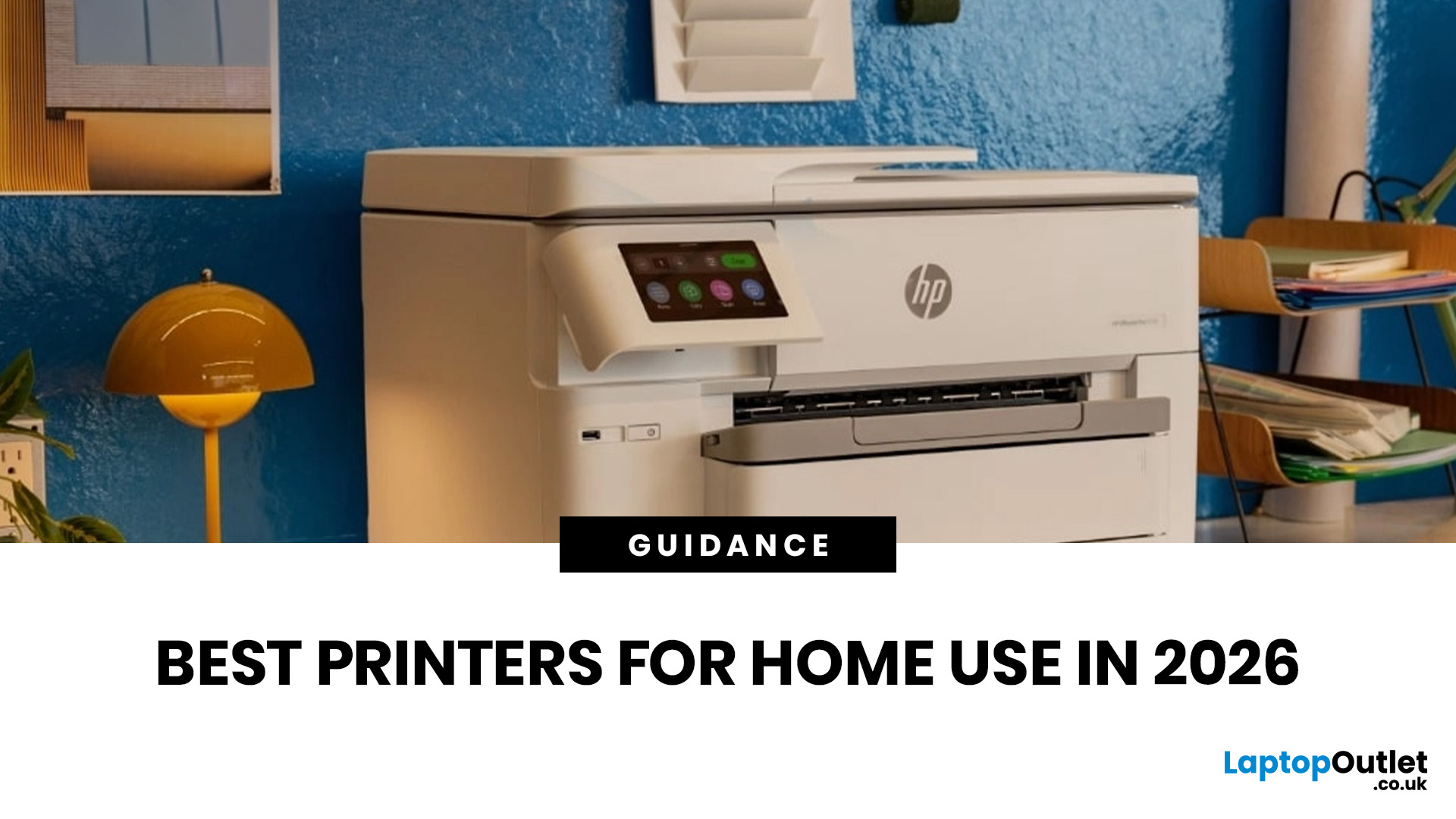
Buying the best home printer can seem overwhelming; the market is flooded with multiple brands offering a host of features. You must determine which printer suits your needs by looking at their specifications, running a comparison among different models, and making the final selection. Remember, we have a wide variety of exceptional printer models, so set aside ample time for this task.
However, if you are short on time, which we assume you are, just read this blog. It provides a curated list of the best computer printers for home use. They are suitable for everyday printing, especially at home, delivering professional-standard results. So, let’s look at them.
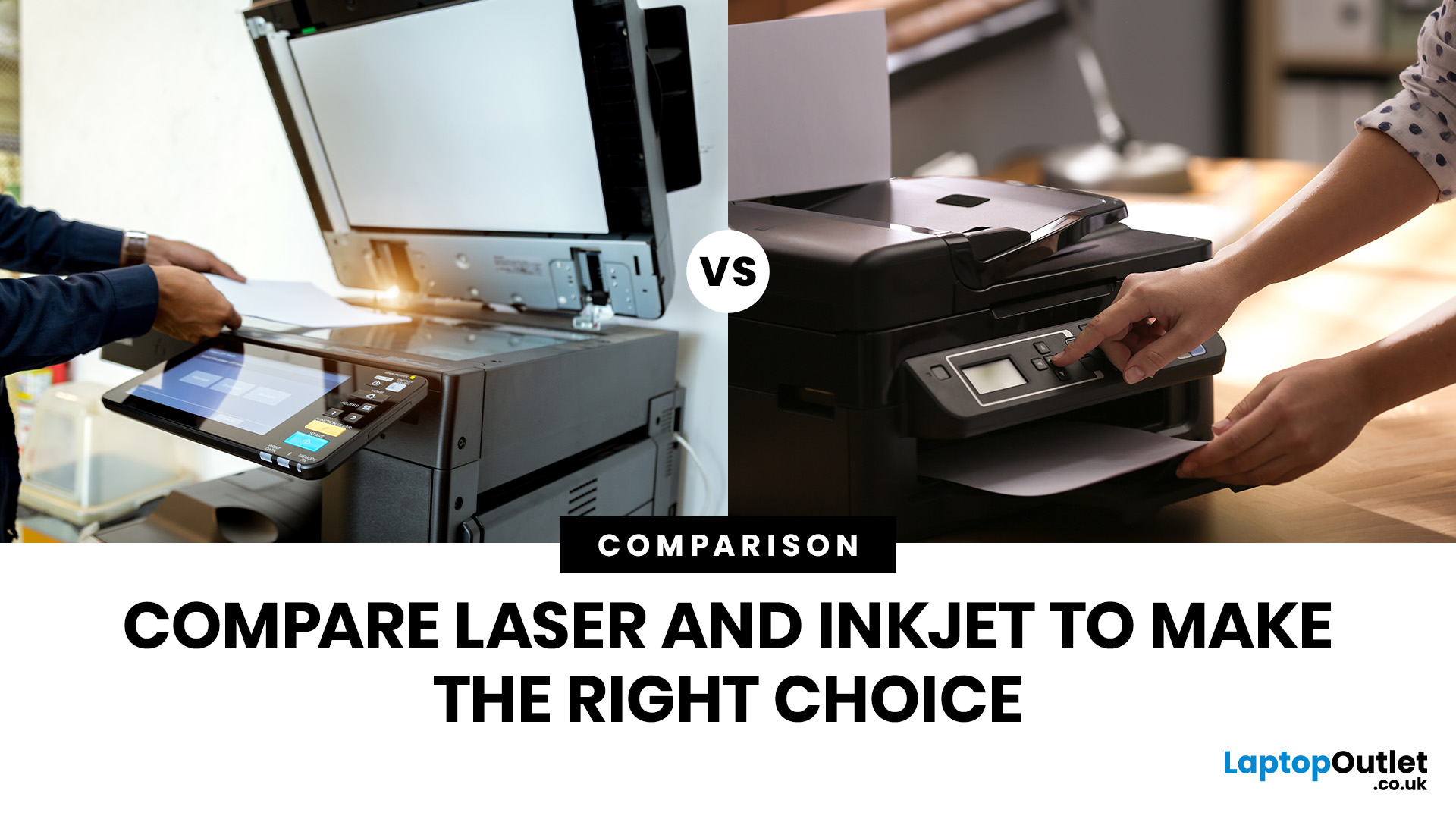
Types of Printers: Inkjet vs. Laser
Before you choose the right printer, it helps to know about inkjet and laser printers, the two main printer types. The following comparison will assist you in choosing the right type for your needs:
| Feature | Inkjet Printers | Laser Printers |
| Usage | Colour printing (photos, graphics) | Fast, high-volume |
Last Updated: October 13, 2026
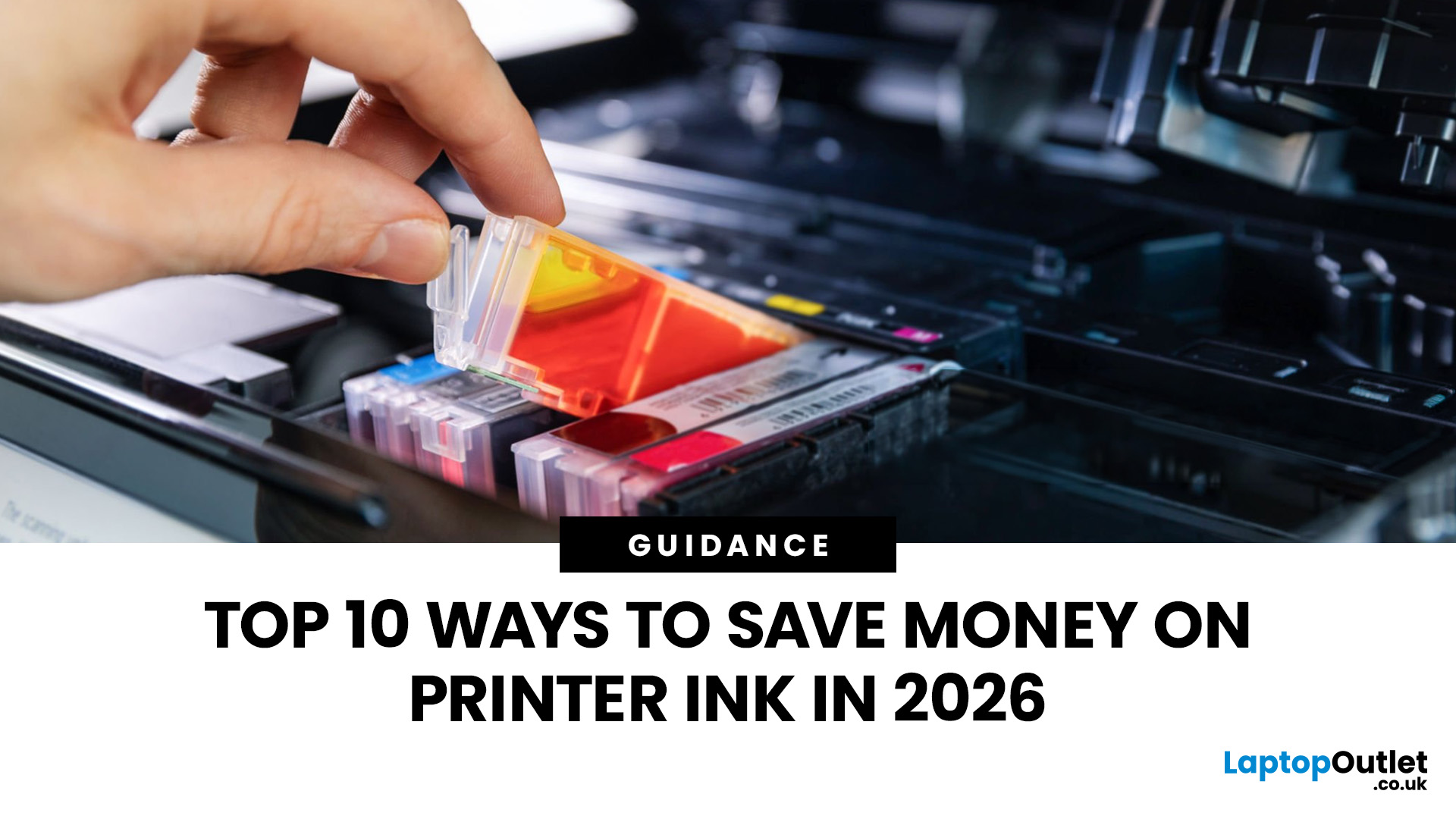
Printer ink is one of those costs that sneaks up on you. The printer itself can feel affordable, but the ongoing cartridge replacements are where the budget starts to hurt. If you print at home, for school, or for a small business, it can genuinely feel like you’re paying premium prices for something you go through far too quickly.
The good news is most people can cut printing costs without changing their whole setup. Small setting changes, smarter habits, and a couple of “do this once and forget it” tweaks can stretch cartridge life and reduce how often you’re buying replacements.
Here are 10 practical ways to reduce ink spend in 2026, without turning your prints into faint, unreadable pages.
1) Use Draft or Economy Mode for Everyday Printing
If you’re printing internal documents, rough drafts, return labels, school worksheets, or anything that doesn’t need to look perfect, switch to draft or economy mode. Many printers reduce ink density in this setting, so you use less ink per page while
Last Updated: April 03, 2026
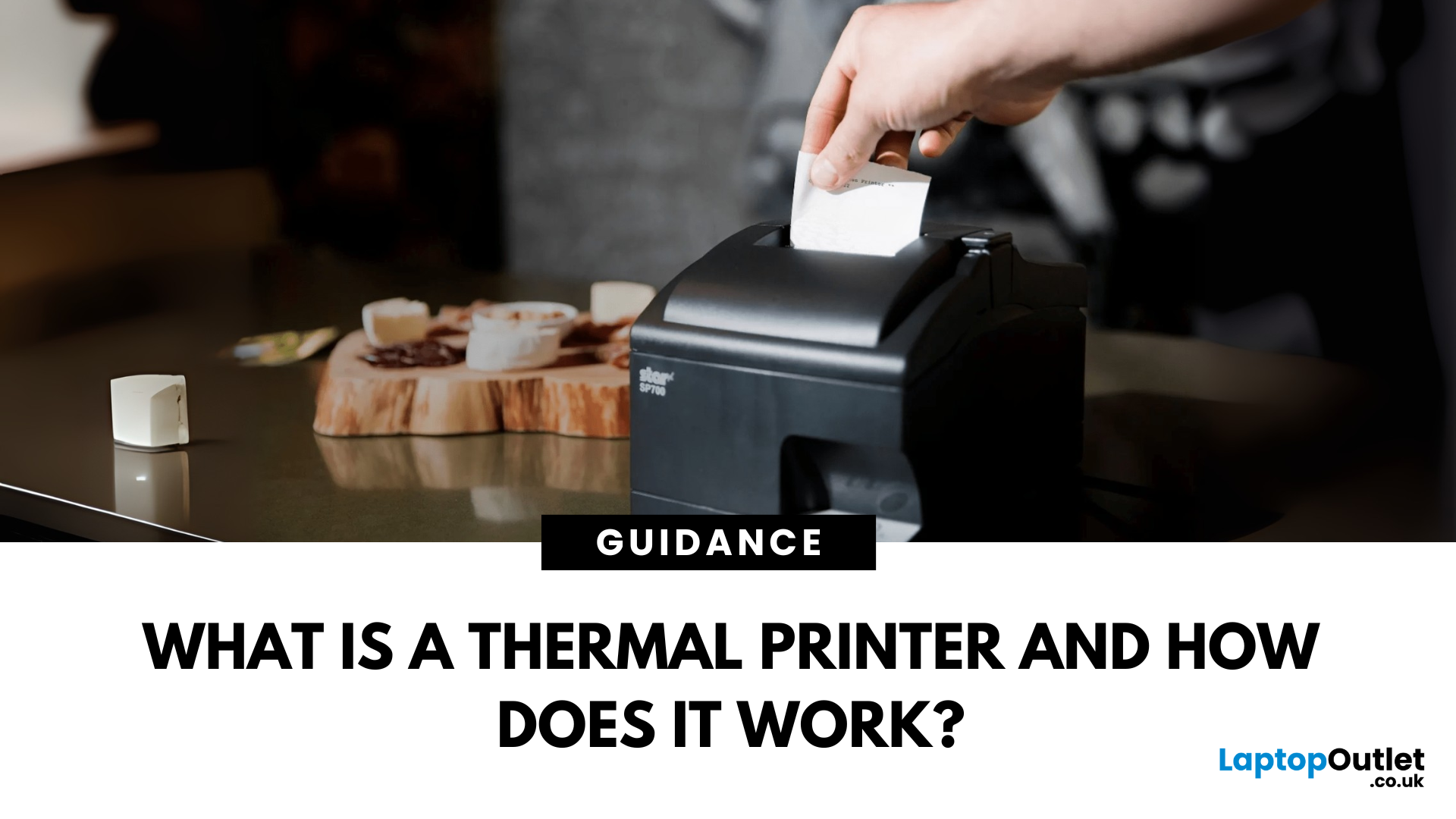
Thermal printers are essential tools across retail, healthcare, manufacturing, and logistics sectors. They are fast, efficient, and remarkably low maintenance. If you've ever wondered how a small device without ink or toner can produce crisp, high-speed prints especially for labels and receipts - this in-depth guide will give you the full picture. Whether you're using a mini thermal printer at a pop-up stall or a thermal printer for shipping labels in a warehouse, the core principles remain the same.
From the science behind thermal printing to choosing between direct thermal and thermal transfer models, this blog explores how thermal printers work, what they're best used for, their benefits and drawbacks, and how to maintain them. Let's dig deep.
What Is a Thermal Printer?
A thermal printer is a specialised type of printer that produces images or text using heat. Unlike inkjet or laser printers that rely on ink cartridges or toner, thermal printers generate output by applying heat to a
Last Updated: April 03, 2026
Tired of high printing costs or dealing with slow, unreliable printers? You’re not alone. Choosing the right printer, especially a refurbished one, can be tricky, but it doesn’t have to be.
Whether you're looking for speed, colour quality, or overall value, understanding refurbished laser vs inkjet printers is key. Each has its own strengths, and the best choice depends on how you plan to use it.
In this blog, we’ll break it all down in simple terms helping you find the right printer for your home, office, or study setup, without the stress or confusion.
Let’s dive in.
Understanding the Two Types: Laser vs. Inkjet Printers
Before you decide which refurbished printer is right for you, it helps you to understand how each type works and what they’re best at.
Laser Printers
Laser printers use a completely different method to print pages. Instead of spraying ink, they use a laser beam, heat, and powdered toner to produce text and images. These printers are known for speed, consistency, and
Last Updated: April 22, 2026
In the late 1980s, owning a printer wasn’t simple, unlike today - it was expensive, rare, and felt like a luxury. Printing was something most people could only dream of having at home.
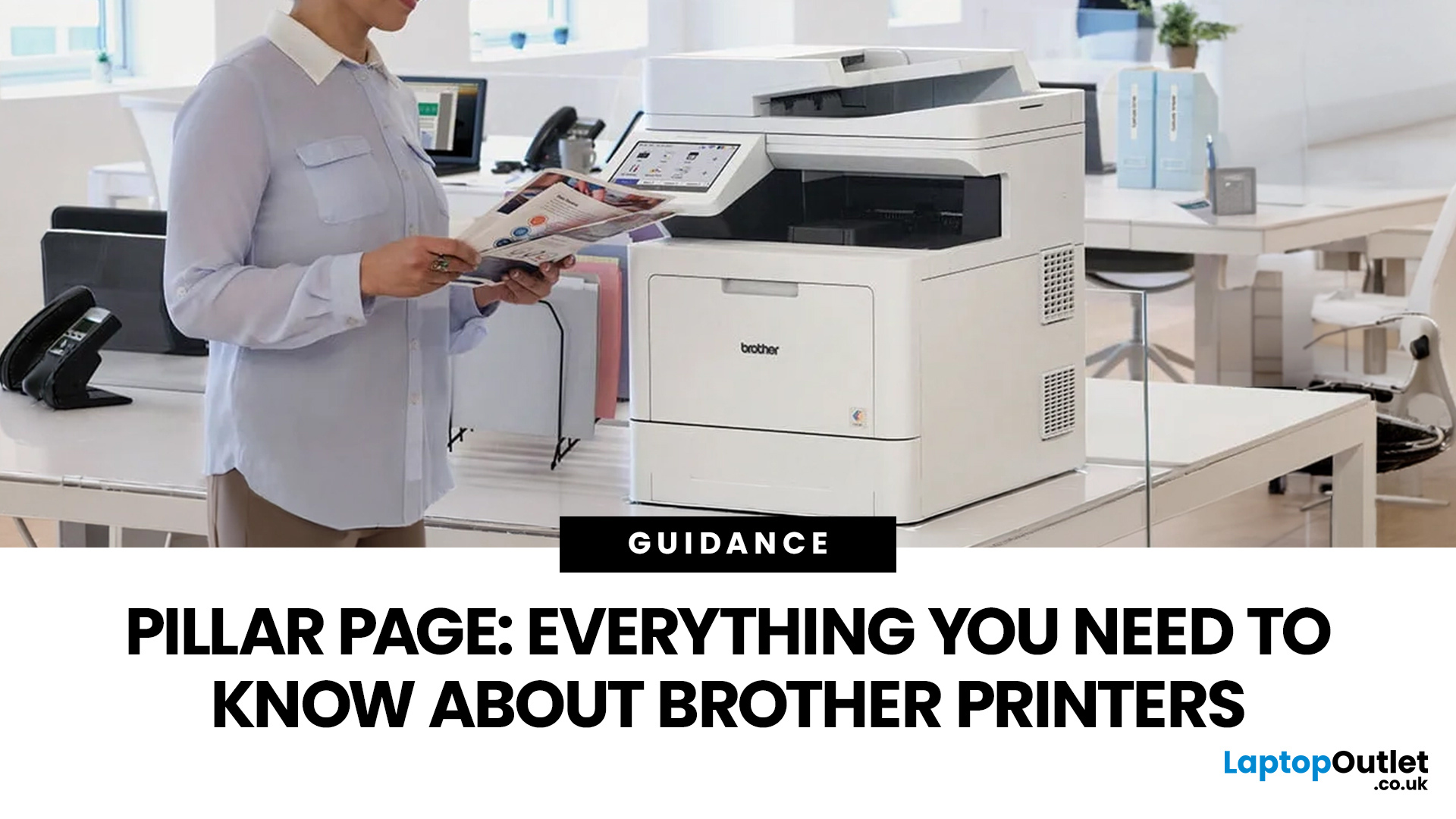
Then Brother stepped onto the scene, redefining what a printer could be. They didn’t just enter the market, they changed it. By combining reliability, efficiency, and affordability, their printers quickly became a staple in offices and homes, setting a new standard for what printing could be.
Brother printers are widely used across the UK because they offer a practical mix of reliability, performance, and ease of use. However, with so many options available, inkjet, laser, all-in-one, wireless, the real challenge is understanding which one actually suits your needs.
This guide shows how their reliable, affordable, and easy-to-use printers fit real-life needs and helps you pick the right one without the tech overload.
What Makes Brother Printers So Popular?
Brother has built its reputation by focusing on
Last Updated: April 22, 2026
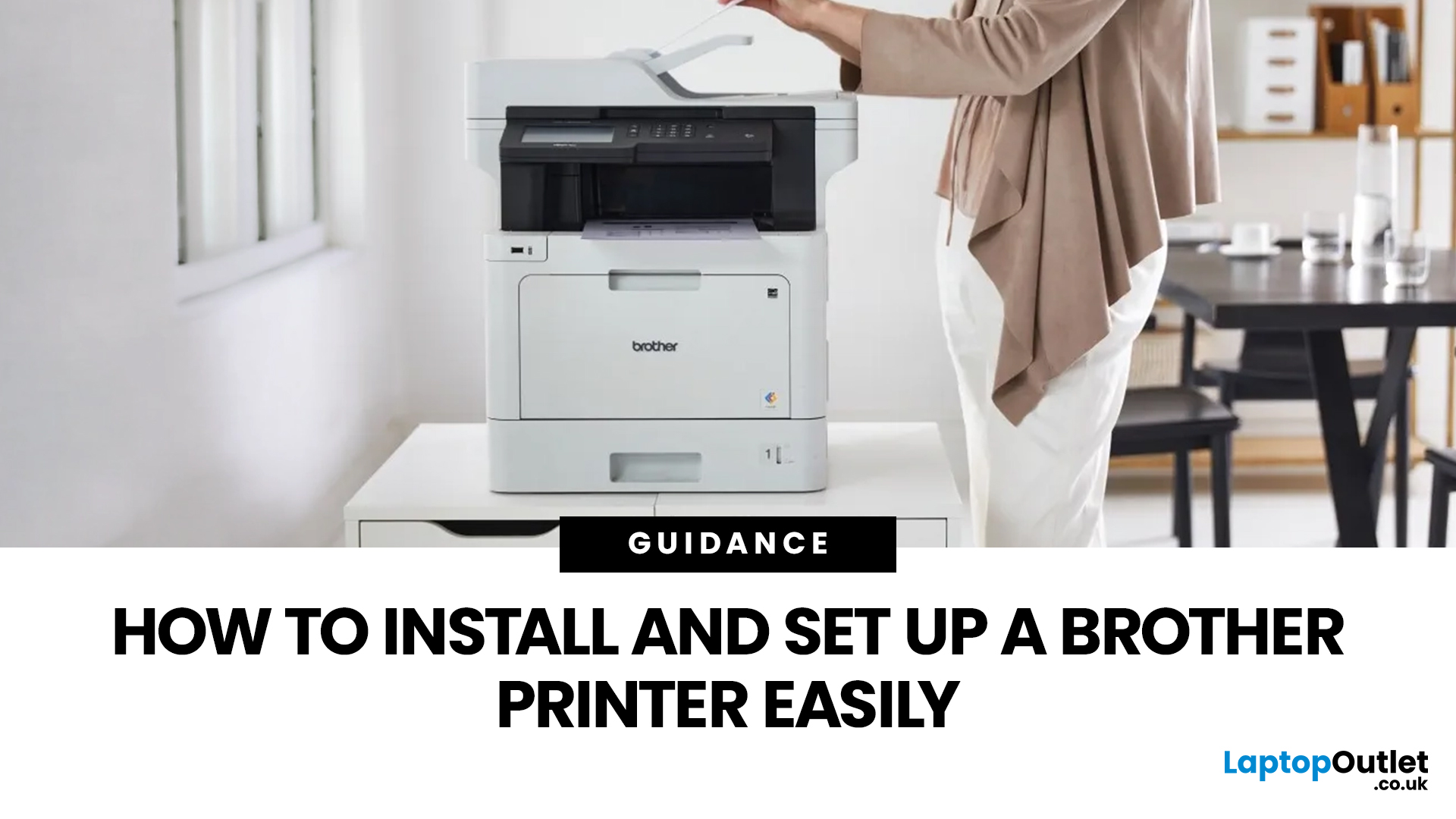
Setting up a new printer should be simple, but for many users, it can quickly become confusing. From installing toner to connecting to Wi-Fi and downloading drivers, even small steps can feel overwhelming if you are not sure what to do first.
This guide is designed to make Brother printer setup straightforward and stress-free. Whether you are installing a printer for the first time, replacing an old device, or setting up a wireless connection in a home or office environment, this step-by-step guide will walk you through everything you need to know.
By the end of this guide, you will have your Brother printer fully installed, connected, and ready to use.
Before You Start: What You Need for Brother Printer Setup
Before jumping into the installation process, it helps to prepare everything in advance. This avoids interruptions and makes the setup process much smoother.
You will typically need:
- Your Brother printer
- Power cable
- Ink cartridges or toner (included with most models)
- Paper for testing
Last Updated: April 22, 2026
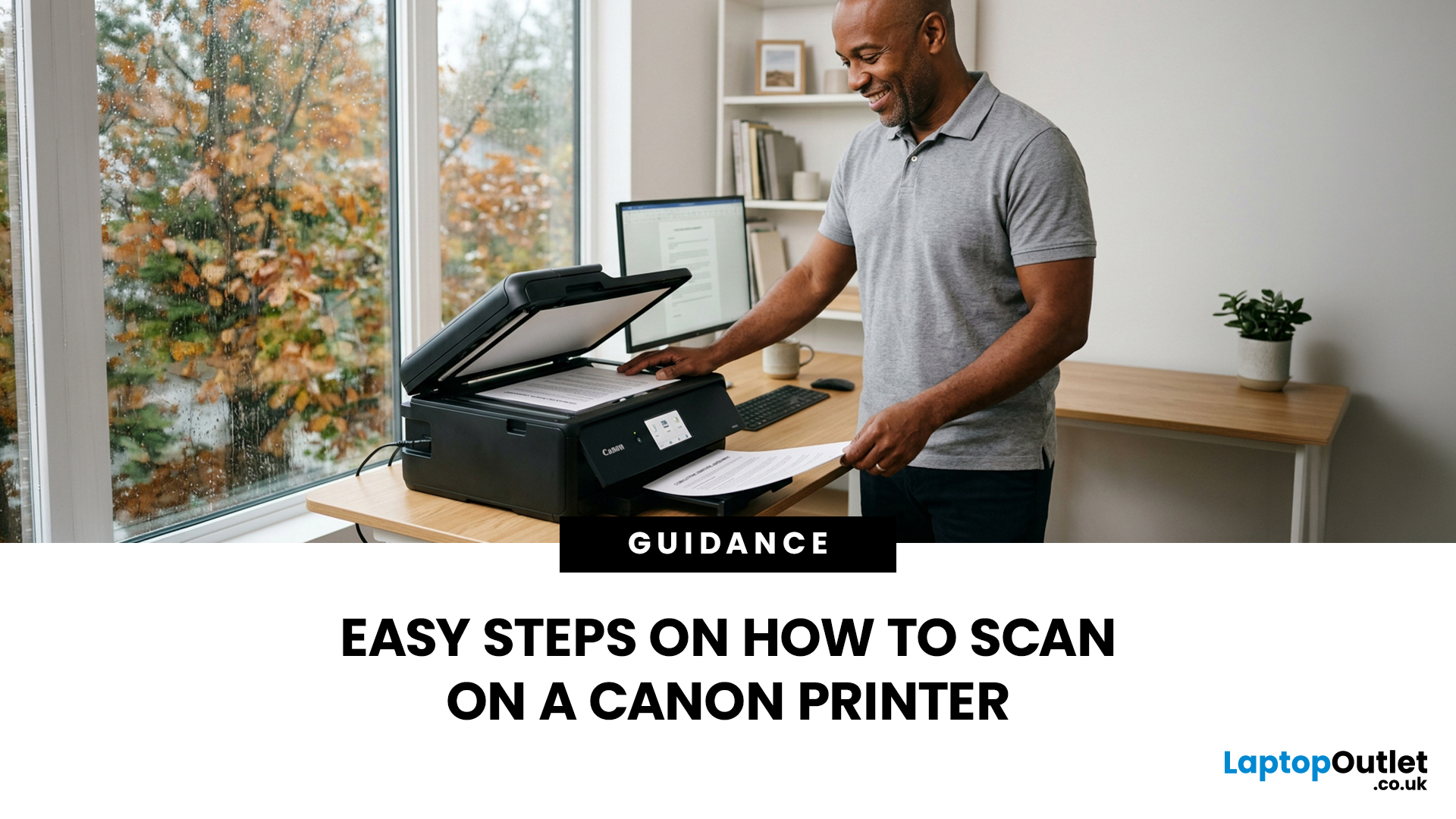
Canon makes some of the most popular multipurpose printers on the market, and for good reason. They're reliable, straightforward to use, and the scanning function is genuinely one of the better ones you'll find on a home or office printer. But if you've never used it before, staring at the control panel wondering where to start is a perfectly normal experience.
This guide covers everything you need to know to scan a document on a Canon printer, whether you're on Windows, Mac, or going straight from the printer itself. No fluff, just the steps that actually work.
Get These Things Sorted Before You Start
You don't need much to get going, but skipping these checks is how people end up wasting twenty minutes troubleshooting something obvious.
Make sure your Canon printer is switched on and connected to your computer, either by USB or over Wi-Fi. If it's a wireless connection, both your printer and computer need to be on the same network. Also confirm that your Canon drivers are installed.
Last Updated: April 22, 2026
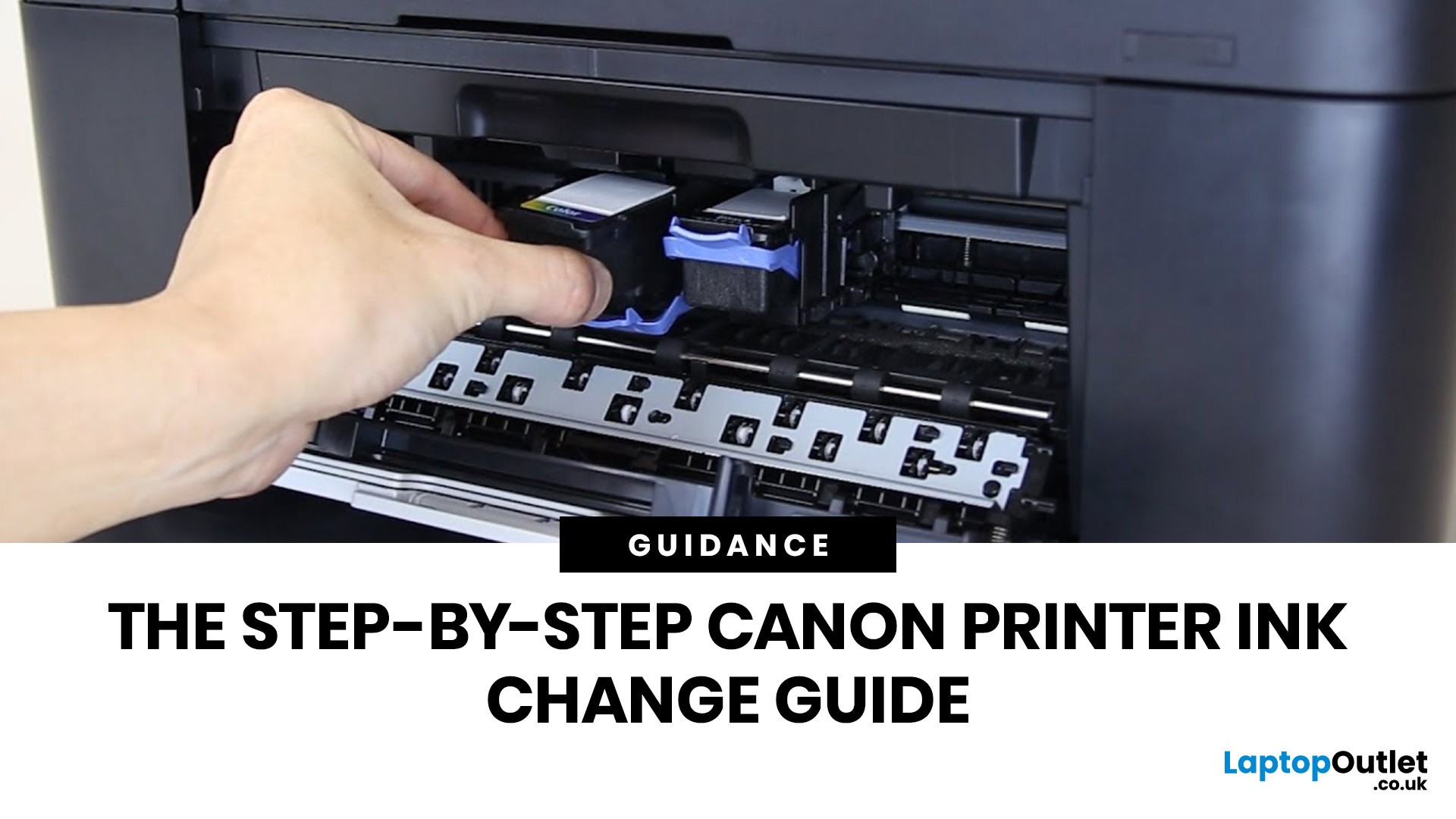
Running out of ink at the wrong moment is genuinely frustrating. Knowing how to change ink in a Canon printer quickly and confidently means less downtime, less wasted paper, and no panicked Googling mid-print.
Canon makes some of the most reliable inkjet printers on the market, and replacing the ink is one of those tasks that feels daunting the first time but becomes routine very quickly. This guide covers everything from the tools you need to the steps themselves, plus tips on cartridge costs, common mistakes, and what to do if problems persist after installation.
What You Need Before You Start
Before diving into the steps, it's worth taking a moment to get everything in order. A well-prepared workspace makes a Canon printer cartridge change much smoother and avoids unnecessary mess or confusion.
Here's what to have ready:
- The correct replacement cartridge for your specific Canon model
- A clean, flat surface to work on
- A tissue or lint-free cloth for any small drips
Always check your
Last Updated: April 22, 2026
Getting your Canon printer onto your home or office WiFi is easier than you might think. This guide covers every method available to help you connect Canon printer to WiFi, whether you have a touchscreen model, a basic entry-level printer, or you prefer to set things up from your phone. We have also included a troubleshooting section at the end for when things do not go quite to plan.
What to Have Ready Before You Begin
It is worth taking two minutes to gather everything before you start setting up Canon printer to WiFi, as it will save you stopping halfway through. Most connection problems come down to one missing detail at this stage.
Here is what you will need:
- Your WiFi network name (SSID) and password (case-sensitive)
- A Canon wireless printer with the WiFi indicator light present
- The Canon PRINT Inkjet/SELPHY app if you plan to set up via smartphone
One thing worth checking: most Canon
Last Updated: June 05, 2026
Buying a new printer sounds straightforward until you're faced with dozens of models, confusing specs, and overlapping features. If you're specifically looking at the best Canon printers, you've already made a solid start. Canon is one of the most trusted names in printing, with a range that covers everything from budget-friendly home models to high-volume business workhorses.
This Canon printer buying guide walks you through every series, every key feature, and every use case, so you can buy with confidence and get exactly what you need.
Start With Your Printing Needs and Usage Type
Before choosing a Canon printer, it is important to understand how often you will use it and what tasks you need it for, as this directly affects performance, features, and overall cost. A clear understanding of your usage helps narrow down the best options quickly.
Light Home Use Vs Heavy Office Workloads
If you only print occasionally, such as documents, tickets, or homework, basic home printers are usually

