



Top 10 Ways to Save Money on Printer Ink in 2026
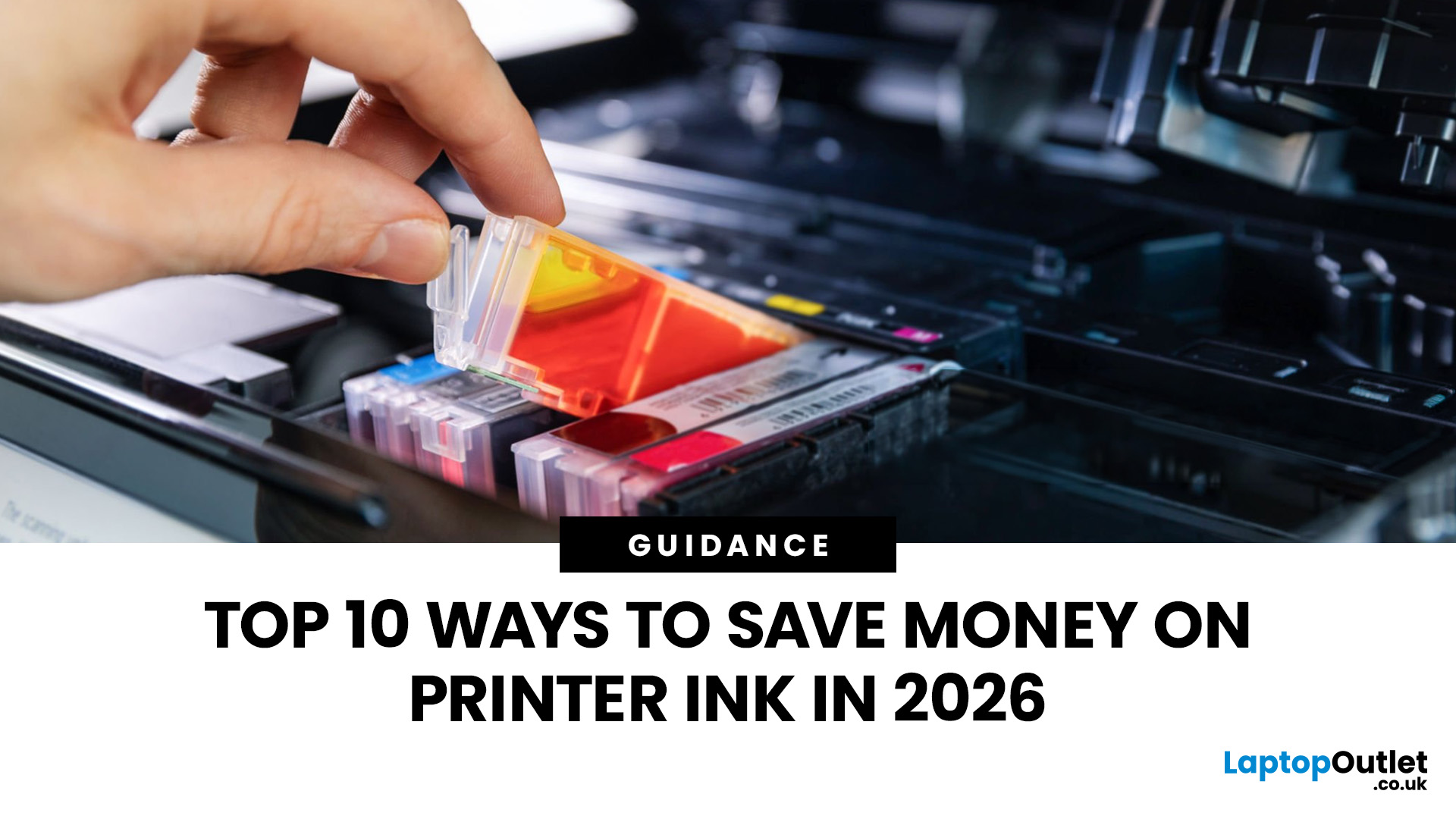
Printer ink is one of those costs that sneaks up on you. The printer itself can feel affordable, but the ongoing cartridge replacements are where the budget starts to hurt. If you print at home, for school, or for a small business, it can genuinely feel like you’re paying premium prices for something you go through far too quickly.
The good news is most people can cut printing costs without changing their whole setup. Small setting changes, smarter habits, and a couple of “do this once and forget it” tweaks can stretch cartridge life and reduce how often you’re buying replacements.
Here are 10 practical ways to reduce ink spend in 2026, without turning your prints into faint, unreadable pages.
1) Use Draft or Economy Mode for Everyday Printing

If you’re printing internal documents, rough drafts, return labels, school worksheets, or anything that doesn’t need to look perfect, switch to draft or economy mode. Many printers reduce ink density in this setting, so you use less ink per page while keeping text readable.
Quick tip: Save a preset called “Everyday Draft” so you don’t have to change settings each time.
2) Print in Black and White Whenever Colour Isn’t Needed
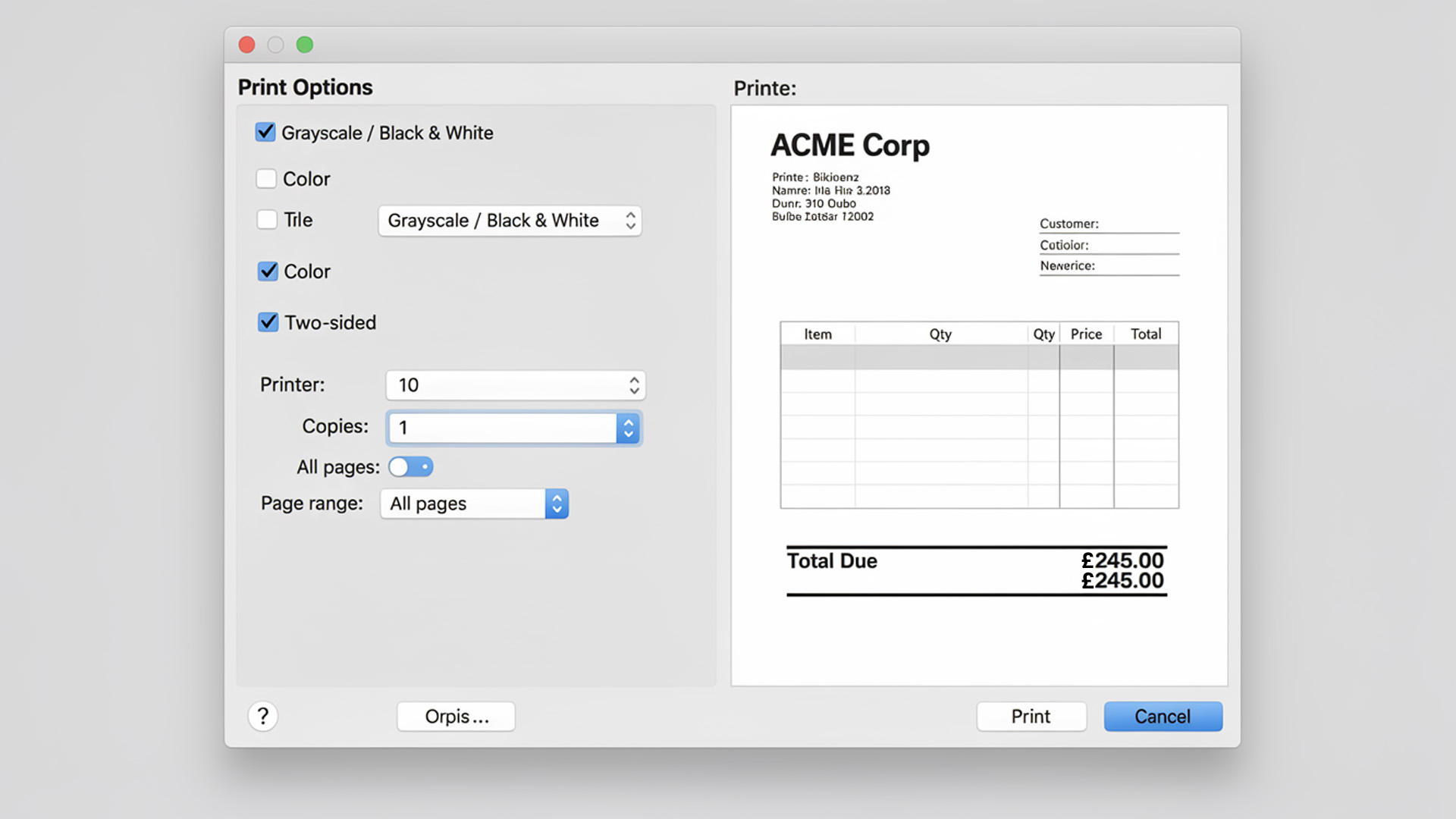
Colour inks drain faster than most people expect, and many printers will use colour even for documents that look “mostly black” unless you force grayscale.
If you’re printing invoices, forms, schoolwork, or anything text-based, set the printer to grayscale or black-only. It’s one of the easiest ways to stop colour cartridges disappearing early.
Quick tip: If you only need a logo in colour, keep the digital version for email and print the rest in black.
3) Print Double-Sided to Cut Waste
Duplex printing doesn’t directly halve ink use, but it reduces overall waste, and it often reduces the number of “extra” pages you print by mistake. It’s also one of the simplest ways to lower printing cost per job, because you’re using fewer sheets to get the same work done.
Quick tip: If your printer doesn’t support automatic duplex, manual duplex still saves money once you get used to it.
4) Reduce the Default Print Quality
Many printers default to higher quality than most everyday tasks need. If you’re printing standard documents, lowering DPI or switching from “Best” to “Normal” can reduce ink use without making text look rough. (blog.viking-direct.co.uk)
Quick tip: Keep “High Quality” for final documents or anything client-facing.
5) Choose an Ink-Efficient Font for High-Volume Text
If you print a lot of text, font choice can make a difference over time. Some fonts use less ink simply because the letters are thinner or designed with less fill. Century Gothic is commonly mentioned as an ink-saving option for everyday documents.
Ecofonts are another option. They’re designed with tiny cutouts so they use less ink while still looking normal at regular reading distance.
Quick tip: For internal printing, switch long documents to an ink-efficient font and keep your usual font for client work.
6) Always Use Print Preview and Remove What You Don’t Need
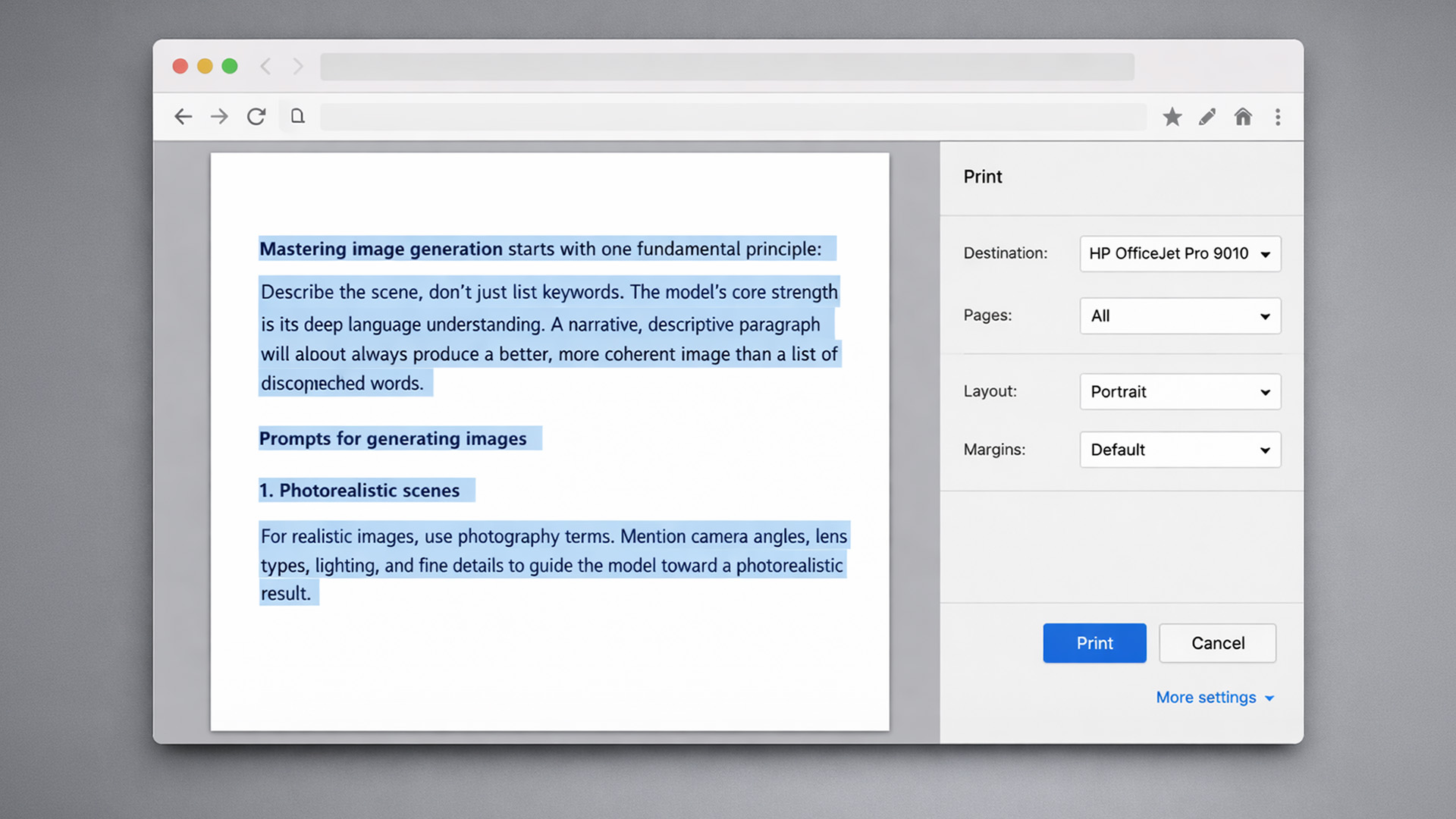
A surprising amount of ink spend comes from printing things you didn’t intend to print: cookie banners, blank pages, navigation menus, and “extra” pages from web articles.
Before you hit print:
- delete unnecessary images
- remove headers or footers if they’re not needed
- print selection only (not the whole page)
- avoid printing entire web pages when you only need one section
This is a habit shift, but it’s one of the biggest long-term savings for home users and students.
Quick tip: If you’re printing a web page, use reader mode or copy-paste into a document first.
7) Avoid Triggering Extra Cleaning Cycles
Print head cleaning can be useful, but it consumes ink. Many people run cleaning cycles repeatedly when prints look faint, when the real issue is the wrong settings, low-quality paper, or an almost-empty cartridge. Use cleaning only when you need it and start with the lightest cleaning option if your printer offers more than one. Over-cleaning is a quiet ink drain.
Quick tip: If print quality suddenly drops, first check you’re not in draft mode by mistake and run a nozzle check before running multiple cleans.
8) Store and Use Cartridges Properly
Ink dries faster when cartridges are stored poorly, or when the printer sits unused for long periods. If you print rarely, try to print a simple page every couple of weeks, so ink doesn’t dry in the nozzles.
Also:
- keep cartridges sealed until needed
- store them at normal room temperature
- avoid leaving a printer in direct sunlight or near heat sources
These small habits can prevent the “clogged head” problem that leads to wasted ink and unnecessary cleaning.
Quick tip: If you only print occasionally, print a short black text page every two weeks.
9) Consider Subscription Ink Plans If Your Printing Is Predictable
If you print a consistent number of pages per month, subscription plans can reduce cost and remove the “panic buy” problem when you run out.
For example, HP Instant Ink is a page-based subscription where plans in the UK are advertised from £1.79 per month, with cartridges shipped when the printer reports low ink. This isn’t right for everyone, but it can be cost-effective if your monthly printing is stable.
Quick tip: Subscription models work best when your print volume is steady, not random.
10) If You Print a Lot, Switch to High-Yield or Tank Printing
If you print regularly, the biggest long-term savings usually come from reducing costs per page.
Two common approaches:
- high-yield cartridges (often labelled XL)
- ink tank printers, where you refill bottles rather than replacing cartridges
Quick tip: If you print weekly or for a home business, tank printers often pay for themselves faster than people expect.
Common Printing Mistakes That Waste Ink
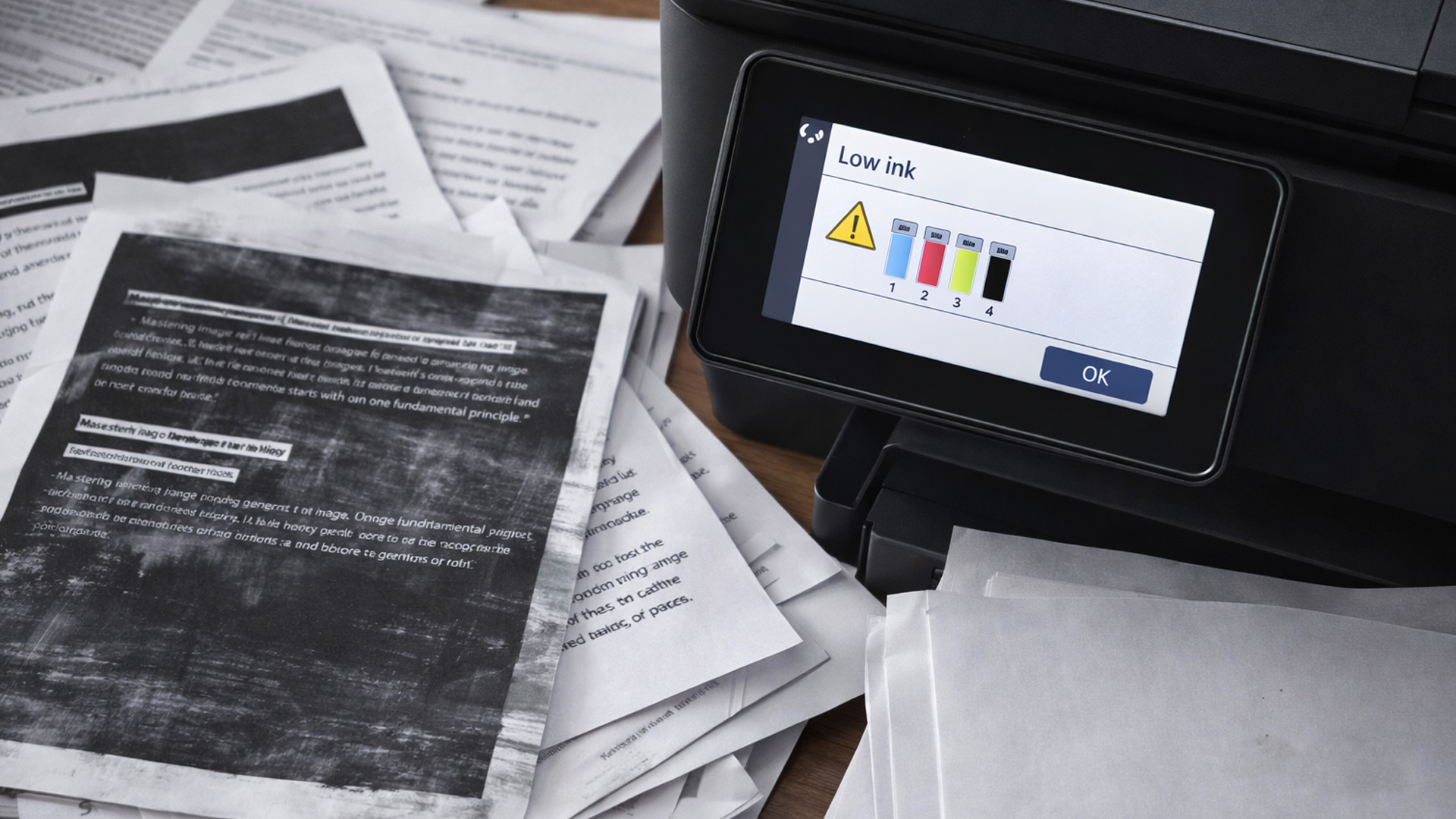
A lot of ink money is wasted without people realising. It’s rarely one big mistake. It’s usually small habits that add up across weeks and months. Fixing these doesn’t require buying anything new, and most of them take seconds once you know what to look for.
Printing web pages exactly as they appear
Web pages are one of the biggest hidden ink drains. They often include large headers, background shading, navigation menus, adverts, and blank space that your printer happily turns into ink on paper. If you only need an article or a section of instructions, printing the full page is usually overkill.
What to do instead!
Use reader mode in your browser or copy the text into a document and print only what you need. If your print menu has an option to remove backgrounds, switch it on. You’ll usually get a cleaner page and spend less ink.
Leaving colour on by default
Many printers will use colour ink even for documents that look like plain black text, especially when there are icons, small logos, or shaded elements. If you print a lot of forms, schoolwork, or internal documents, colour can disappear fast.
What to do instead!
Set your default printer profile to grayscale or black-only for everyday printing. Keep a second profile for the times you genuinely need colour.
Using “Best Quality” for everything
High quality settings have their place, but they are often unnecessary for everyday work. If you print shopping lists, notes, internal drafts, or basic forms, the difference between “Normal” and “Best” usually isn’t worth the extra ink.
What to do instead!
Make “Normal” or “Draft” your default. Switch to higher quality only when you need polished output.
Running multiple deep cleaning cycles
Cleaning cycles can fix clogged nozzles, but they also consume ink. People often run several cleans in a row because one page looks faint, when the real issue might be low ink, the wrong print setting, or paper that doesn’t suit the job.
What to do instead!
Start with a nozzle check. If cleaning is needed, use the lightest option first. Avoid repeating deep cleans unless the printer specifically recommends it.
Not printing for long periods
If you print rarely, ink can dry in the system, which can trigger cleaning cycles and cause wasted ink. This is frustrating because the ink doesn’t even go onto a useful page.
What to do instead!
Print a simple black text page every couple of weeks. It’s a small habit that can reduce drying issues for many home users.
Printing larger than you need
This is common for emails, tickets, and receipts. If the text is huge, or the page layout is wide, you end up using more ink than necessary.
What to do instead!
Use print scaling. Many print menus let you fit content to the page or reduce size slightly while keeping text readable.
Your Printing Style: Everyday Moves to Cut Ink Costs
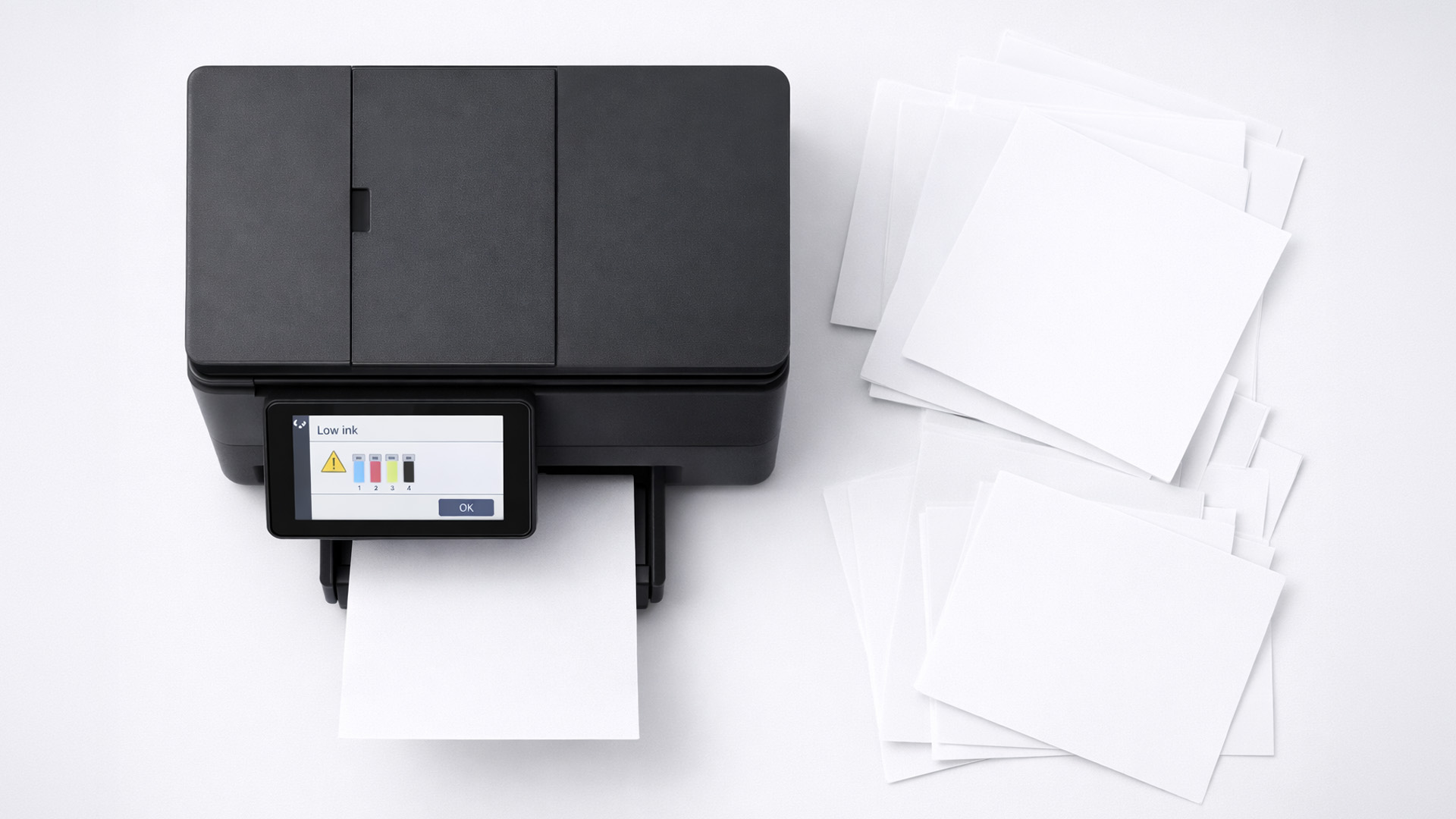
Everyone’s printing habits are different. What saves money for a student printing worksheet isn’t always the same as what saves money for someone printing occasional travel documents. Here are a few common scenarios and the best moves for each.
If you print occasionally (once a week or less)
Main problem: ink drying out, cleaning cycles, and cartridges expiring before they’re used properly.
What should you do:
- Keep your default profile on draft or normal and grayscale
- Print a small black-text page every couple of weeks
- Avoid running deep cleans repeatedly
- Use print preview to avoid waste when you do print
This approach keeps the printer “active” enough to reduce drying issues and stops you wasting ink on maintenance cycles.
If you print school or home paperwork often
Main problem: lots of pages, and many of them don’t need high quality.
What should you do:
- Draft mode as default
- Grayscale as default
- Duplex on for larger packs
- Use print selection for worksheets and PDFs
- Remove backgrounds, especially from browser prints
This combination reduces ink usage across dozens of pages without making documents unreadable.
If you print for a small business (invoices, labels, admin)
Main problem: steady volume plus the temptation to print everything in high quality.
What should you do:
- Create an “Invoices” preset: grayscale, normal quality, duplex
- Print logos in colour only when needed
- Use scaling to avoid reprints caused by clipped margins
- Keep a consistent paper type so print quality stays stable
- Avoid printing emails or web pages directly without cleaning them up first
This keeps output professional while cutting unnecessary ink spend.
If you print colour sometimes (forms, kids projects, occasional photos)
Main problem: colour cartridges running out quickly because colour is being used when it isn’t required.
What should you do:
- Use colour only when you need it
- Keep grayscale as your everyday default
- Avoid printing web pages with colour-heavy layouts
- For colour jobs, check preview and remove anything extra first
That way, colour ink is reserved for the prints where it actually matters.
If you print a lot every month
Main problem: cost-per-page becomes the big issue, not just settings.
What should you do:
- Use draft or economy mode for non-client work
- Stick to high-yield cartridges if available
- Consider ink tank printing if volume is consistently high
- Track how many pages you print in a month so you can pick the most cost-effective approach
High-volume printing is where long-term strategies pay off most. Even small savings per page add up quickly.

Final Verdict
Saving money on printer ink in 2026 isn’t about one magic trick. It comes from stacking a few simple habits that quietly cut waste every time you hit print. Draft or economy mode, grayscale by default, double-sided printing, and using print preview before you commit can stretch a cartridge much further than most people expect.
If you print occasionally, focus on preventing ink waste from drying and unnecessary cleaning cycles by printing a small test page every couple of weeks and only running a light clean when you truly need it. If you print regularly for school or work, locking in an “Everyday” preset and stripping out web page extras can reduce your costs month after month.
And if you print a lot, that’s where the bigger savings usually live. High-yield cartridges and refillable tank printing tend to offer a lower cost per page and fewer last-minute replacements.
Start with the easiest wins today: set an everyday draft preset, switch to grayscale for text, turn on duplex, and always check print preview. Do those four things consistently, and your ink spend should drop without sacrificing readable, useful prints.
Looking for a printer that saves you money on ink?
At Laptop Outlet, we stock a wide range of low-cost, high-efficiency printers designed to reduce your printing expenses. From EcoTank models to high-yield laser printers, we’ve got something for every budget and need. Shop printers now and start saving on ink today!

Frequently Asked Questions
Does draft mode really save ink?
Yes. Draft or economy modes typically reduce ink density, which lowers ink use for everyday documents.
Why does my printer run out of colour ink when I mostly print black text?
Some printers still use small amounts of colour ink for maintenance and output, unless you force grayscale or black-only printing.
Which font saves the most ink for everyday printing?
Ink-efficient fonts tend to be thinner and use less filled-in area. Century Gothic is commonly recommended for ink saving, and ecofonts are designed specifically to reduce ink use.
Are subscription ink plans worth it in the UK?
They can be if your printing volume is predictable. HP Instant Ink is page-based, with UK plans advertised from £1.79 per month and automatic deliveries when ink is low.
Do compatible ink cartridges damage printers?
They can, but it mainly comes down to quality. Well-made compatible cartridges often work fine, while poorly made ones can leak, clog, or cause inconsistent print quality. If a printer develops a fault, manufacturers typically won’t refuse support just because you used a compatible cartridge unless they can show it caused the issue.
Why does colour ink run out when I’m only printing in black?
Many inkjet printers still use colour ink during maintenance routines to keep printheads working, and some also create “composite” greys using a mix of inks depending on settings. That’s why colour cartridges can drop even if you mostly print text.
Is HP Instant Ink cheaper for low-volume printing in the UK?
It can be, especially if you print a predictable number of pages each month. HP’s UK Instant Ink plans are page-based and start from a low monthly price, with ink shipped when levels run low. It’s usually most cost-effective when your monthly printing stays within the plan allowance rather than being random.
When should I switch to an ink tank printer?
If you print regularly and your ink costs are consistently high, tank printers can reduce cost per page because you refill ink rather than replacing cartridges. Some models are marketed with high page yields per set of inks.
| Read More: |
| How to Choose the Right Printer for Your Needs |
| How Do I Find a Printer's IP Address? |
| Why Is My Printer Not Working? Easy Fixes for Common Issues |
Related Articles

Last Updated: April 03, 2026
From compact inkjet printers for home use to heavy-duty laser printers for businesses, each model is designed with specific users in mind. While buying a printer may feel challenging, one important thing to remember is that the features you value will greatly impact your long-term satisfaction. Knowing how to choose the right printer for your needs ensures you get value for money, efficiency, and the features that matter most.
Why Choosing the Right Printer Matters
A printer is more than just an accessory, it’s a productivity tool. Picking the wrong one could mean high running costs, slower performance, or features you never use. The right printer, on the other hand, will save time, reduce costs, and fit seamlessly into your lifestyle or workplace.
Things to Consider Before Buying a Printer
What Will You Be Printing?
Not all printers are created equal, and the type of documents you print most often should guide your choice. If you're only printing everyday documents like work reports,
Last Updated: June 18, 2026
Buying the best home printer can seem overwhelming; the market is flooded with multiple brands offering a host of features. You must determine which printer suits your needs by looking at their specifications, running a comparison among different models, and making the final selection. Remember, we have a wide variety of exceptional printer models, so set aside ample time for this task.
However, if you are short on time, which we assume you are, just read this blog. It provides a curated list of the best computer printers for home use. They are suitable for everyday printing, especially at home, delivering professional-standard results. So, let’s look at them.
Types of Printers: Inkjet vs. Laser
Before you choose the right printer, it helps to know about inkjet and laser printers, the two main printer types. The following comparison will assist you in choosing the right type for your needs:
| Feature | Inkjet Printers | Laser Printers |
| Usage | Colour printing (photos, graphics) | Fast, high-volume |
Last Updated: June 10, 2026
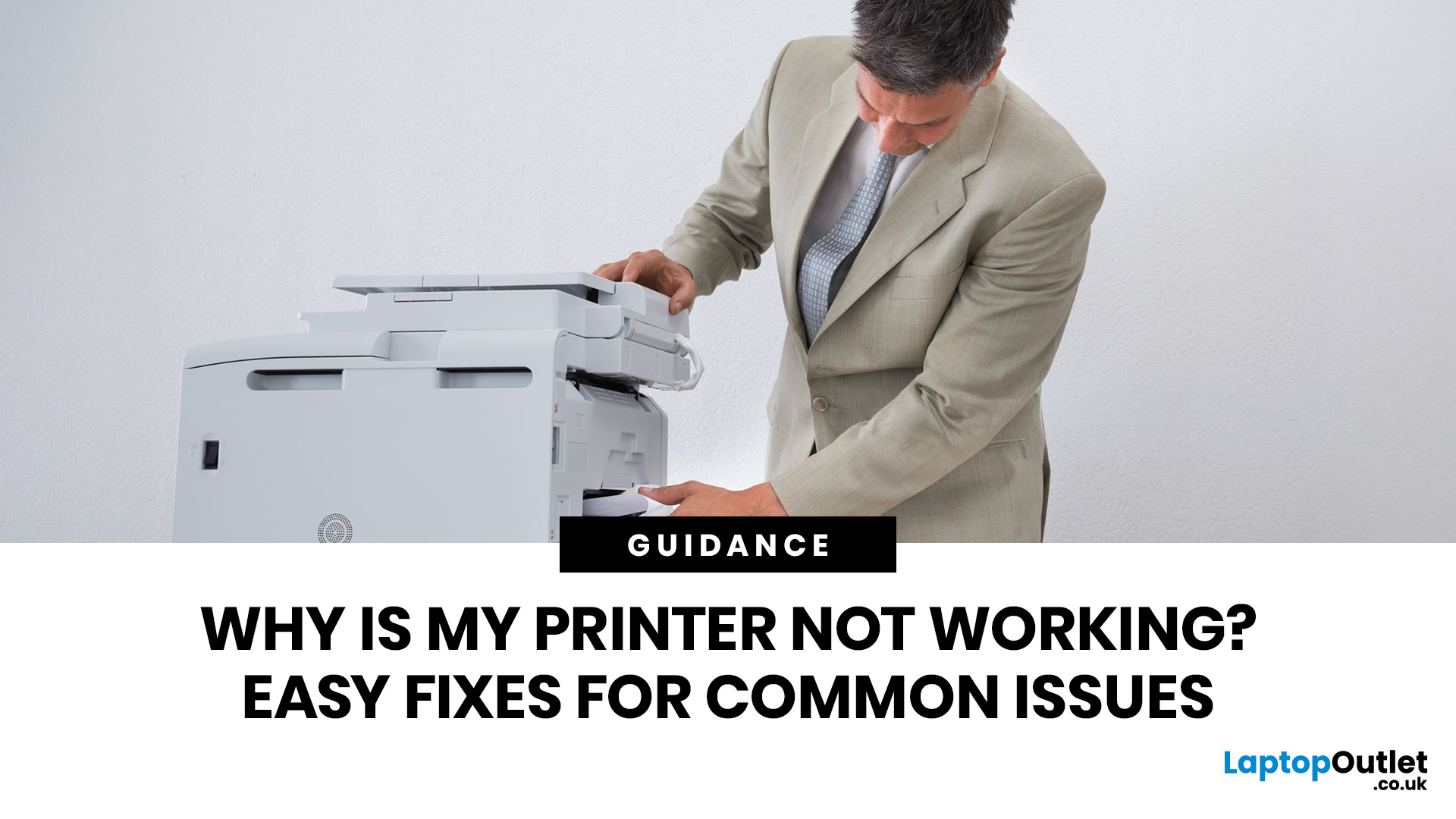
Quick Answer: If your printer is not working, start by checking it is powered on, connected to the correct Wi-Fi network, and set as the default printer. Clear any stuck print jobs from the queue, update or reinstall the printer driver, and restart the Print Spooler service on Windows. On Mac, reset the printing system via System Settings. Most printer problems are solved within minutes with these steps.
A ‘printer not working’ issue is one of the most common tech complaints in UK homes and offices. The good news? Most printer problems are surprisingly easy to fix once you know where to look. This guide covers every major printer fault, with accurate, step-by-step fixes for both Windows 11 and macOS.
What Should I Check First When My Printer Stops Working?
Before diving into software fixes, run through this 60-second physical checklist. You would be surprised how often the simplest things are the actual culprit.
- Power: Is the printer switched on and showing a ready or
Last Updated: April 02, 2026
Why You Need Your Printer’s IP Address
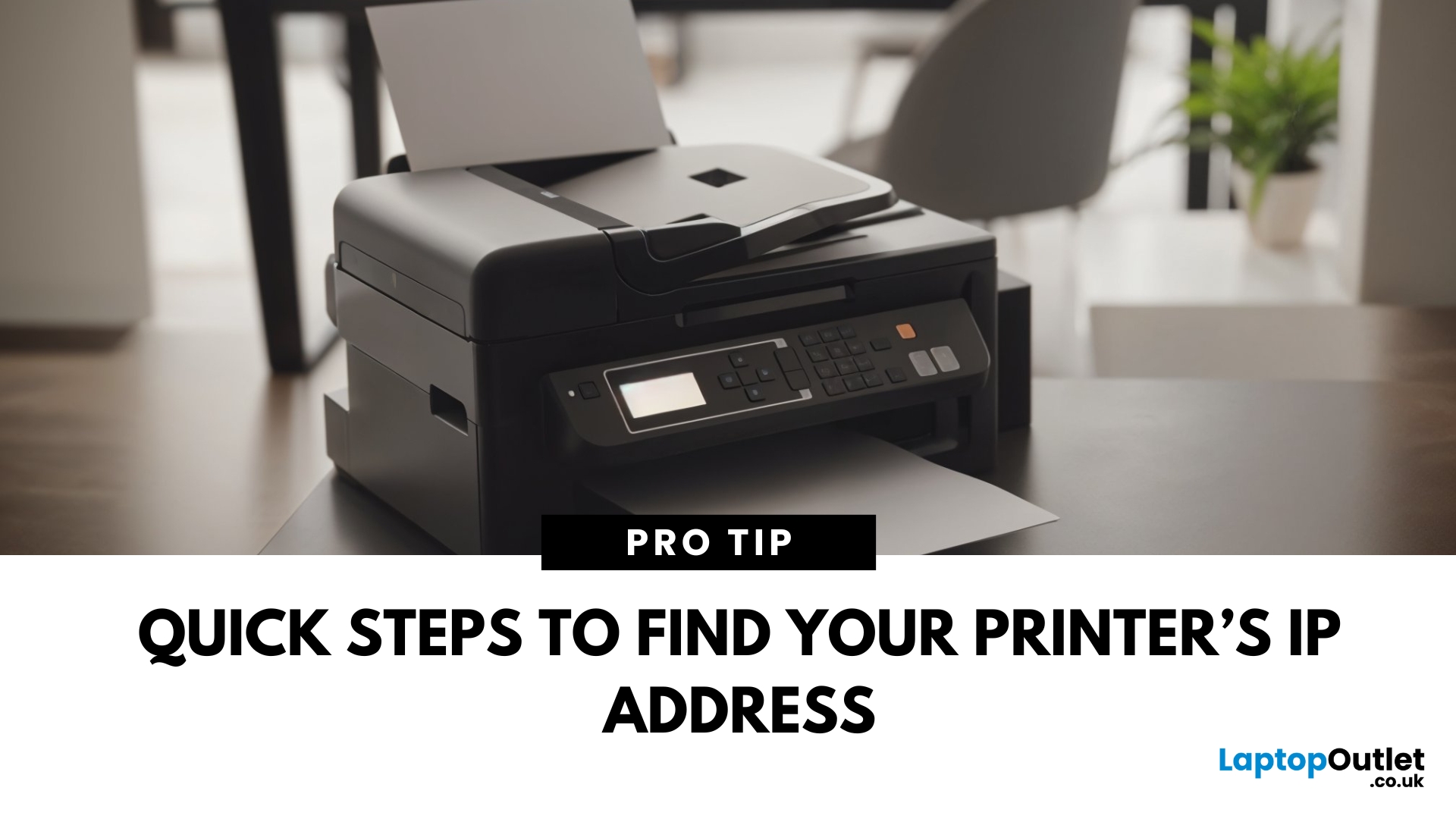
Whether you’re setting up a new device, troubleshooting, or connecting wirelessly—knowing your printer’s IP address is essential. It’s how your laptop or phone finds and communicates with the printer over Wi-Fi. Here’s how to find it in a few simple steps.
How to Find a Printer’s IP Address
1. Check the Printer’s Display Screen (If Available)
- Most modern printers display their network settings.
- Press Menu or Settings on the printer
- Navigate to Network Settings > Wi-Fi Settings
- Look for IP Address
2. Print a Network Configuration Page
- Many printers allow you to print a page showing their network information.
- Go to Settings > Network > Print Network Configuration
- Look for the IPv4 Address or IP Address section on the printout
3. Find Printer IP Address on Windows
- Click Start > Settings > Devices > Printers & Scanners
- Select your printer > Manage > Printer Properties
- Go to the Ports tab and look for the IP address
Alternatively:

Last Updated: April 03, 2026
Mobile Printing Made Simple
Need to print a document, photo, or ticket from your phone? You don’t need to transfer files to a laptop first. Mobile printing lets you print directly from your smartphone or tablet to a wireless printer—fast and hassle-free. Here’s how to do it on both iPhone and Android.
What You’ll Need
Before you start:
- A Wi-Fi-enabled printer
- Your smartphone or tablet
- Both devices connected to the same Wi-Fi network
How to Print from an iPhone (iOS)
1. Use Apple AirPrint
Most modern printers support AirPrint, Apple’s built-in wireless printing feature.
Steps:
- Open the document, photo, or webpage you want to print
- Tap the Share icon (box with arrow)
- Tap Print
- Select your printer from the list
- Choose print settings (number of copies, pages, etc.)
- Tap Print
2. Use the Printer Manufacturer’s App
- If your printer doesn’t support AirPrint:
- Download the manufacturer’s app (e.g., HP Smart, Canon PRINT, Epson iPrint)
- Follow the in-app instructions

Last Updated: April 03, 2026
Printer Offline? Let’s Fix That.
You hit print—and your computer tells you the printer is offline. Frustrating, right? Whether you’re using Windows or macOS, this common error usually has a simple fix. Let’s explore the reasons why your printer might say it’s offline and how to get it back online.
1. What Does “Printer Offline” Mean?
It means your computer can’t communicate with the printer. This could be due to:
- Connection issues (Wi-Fi, USB, or cable)
- Printer being powered off or asleep
- Incorrect default printer settings
- Outdated or corrupted drivers
It doesn’t always mean your printer is broken—just that the computer can’t detect it.
2. Check the Printer Connection
- Ensure the printer is powered on
- Check Wi-Fi or Ethernet connections
- If using USB, confirm the cable is securely plugged in
- Try restarting the printer and your computer
3. Set the Printer as Default (Windows)
Sometimes your computer sends the job to a different printer.
Steps:
- Go to Settings
Last Updated: September 09, 2025
Printers might not get the same hype as laptops or smartphones, but for students, professionals, small businesses, and even home offices; they're essential. Whether it’s printing out coursework, client contracts, shipping labels, or your child’s homework, a reliable printer is still a core part of modern-day convenience.
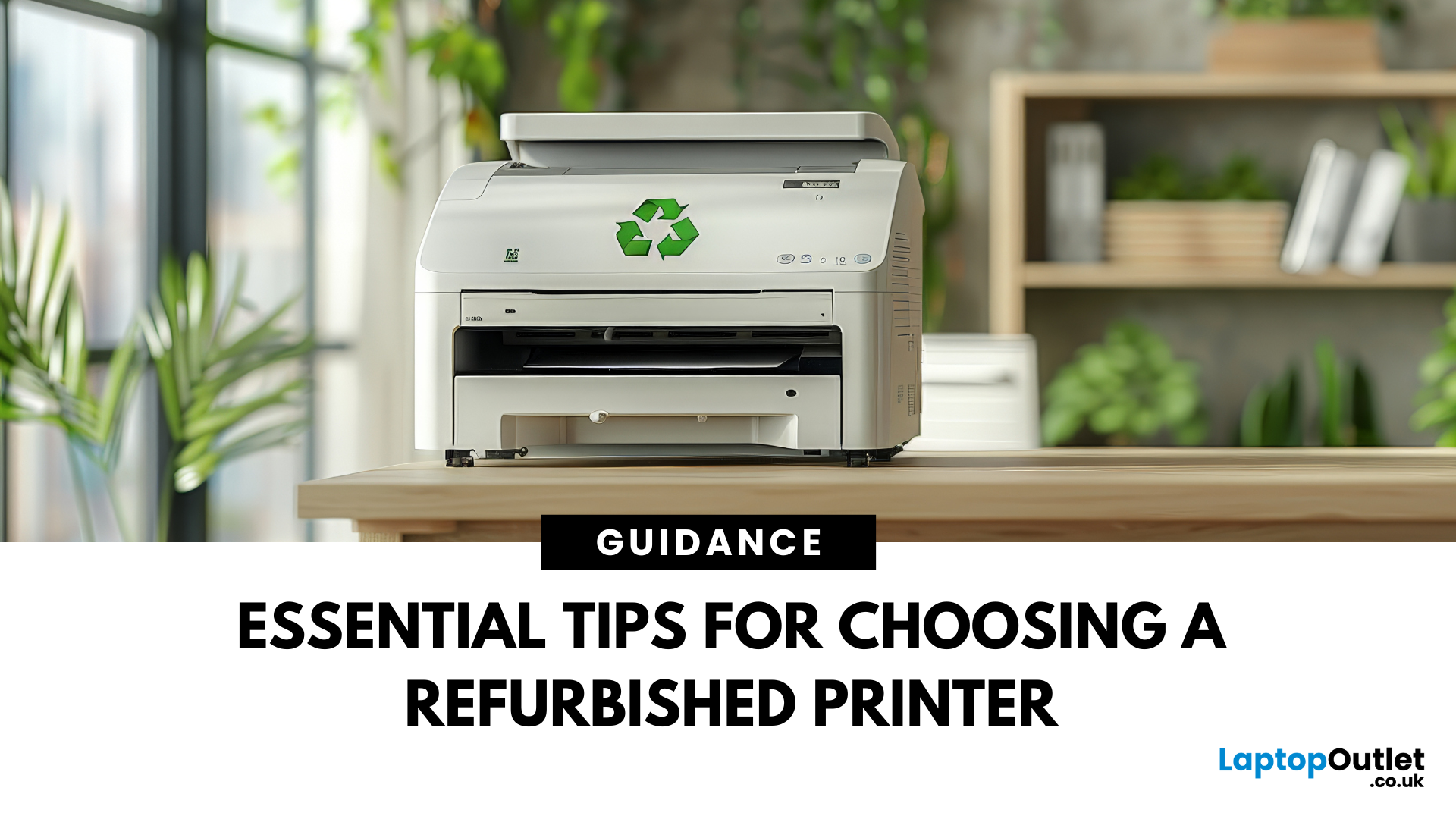
But buying a brand-new printer can quickly become expensive, especially if you want high-speed printing, scanning, copying, or colour capabilities. That’s where buying a refurbished printer becomes a smart alternative. A refurbished printer can save you a considerable amount of money without compromising performance or quality if you know what to look for.
In this guide, we’ll walk you through everything you should consider before buying a refurbished printer, from print quality and page yield to connectivity and warranty.
What to Look for When Buying a Refurbished Printer – A Complete Breakdown
Buying a refurbished printer can deliver excellent value, but you need to look
Last Updated: April 03, 2026
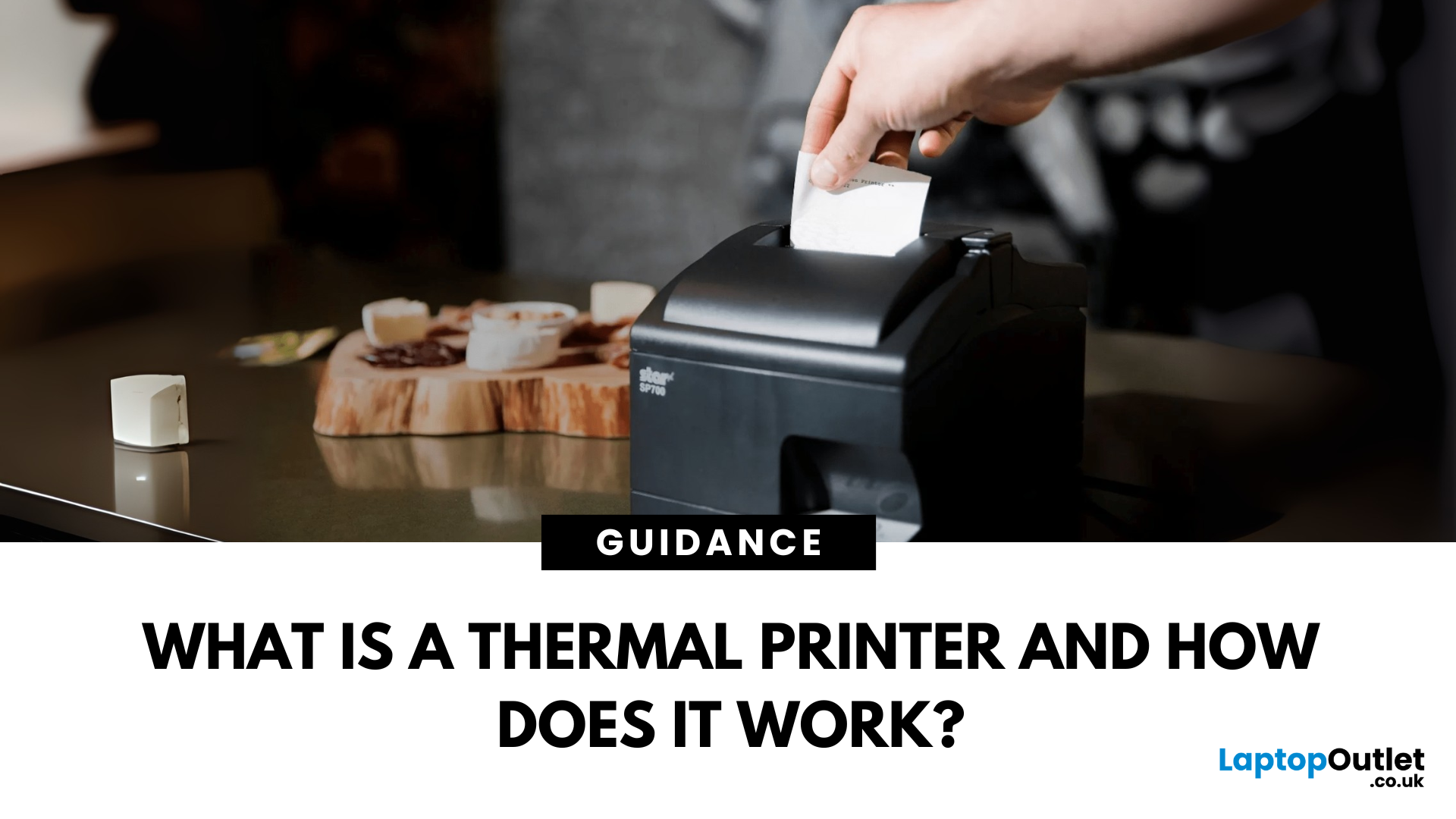
Thermal printers are essential tools across retail, healthcare, manufacturing, and logistics sectors. They are fast, efficient, and remarkably low maintenance. If you've ever wondered how a small device without ink or toner can produce crisp, high-speed prints especially for labels and receipts - this in-depth guide will give you the full picture. Whether you're using a mini thermal printer at a pop-up stall or a thermal printer for shipping labels in a warehouse, the core principles remain the same.
From the science behind thermal printing to choosing between direct thermal and thermal transfer models, this blog explores how thermal printers work, what they're best used for, their benefits and drawbacks, and how to maintain them. Let's dig deep.
What Is a Thermal Printer?
A thermal printer is a specialised type of printer that produces images or text using heat. Unlike inkjet or laser printers that rely on ink cartridges or toner, thermal printers generate output by applying heat to a
Last Updated: April 03, 2026
Tired of high printing costs or dealing with slow, unreliable printers? You’re not alone. Choosing the right printer, especially a refurbished one, can be tricky, but it doesn’t have to be.
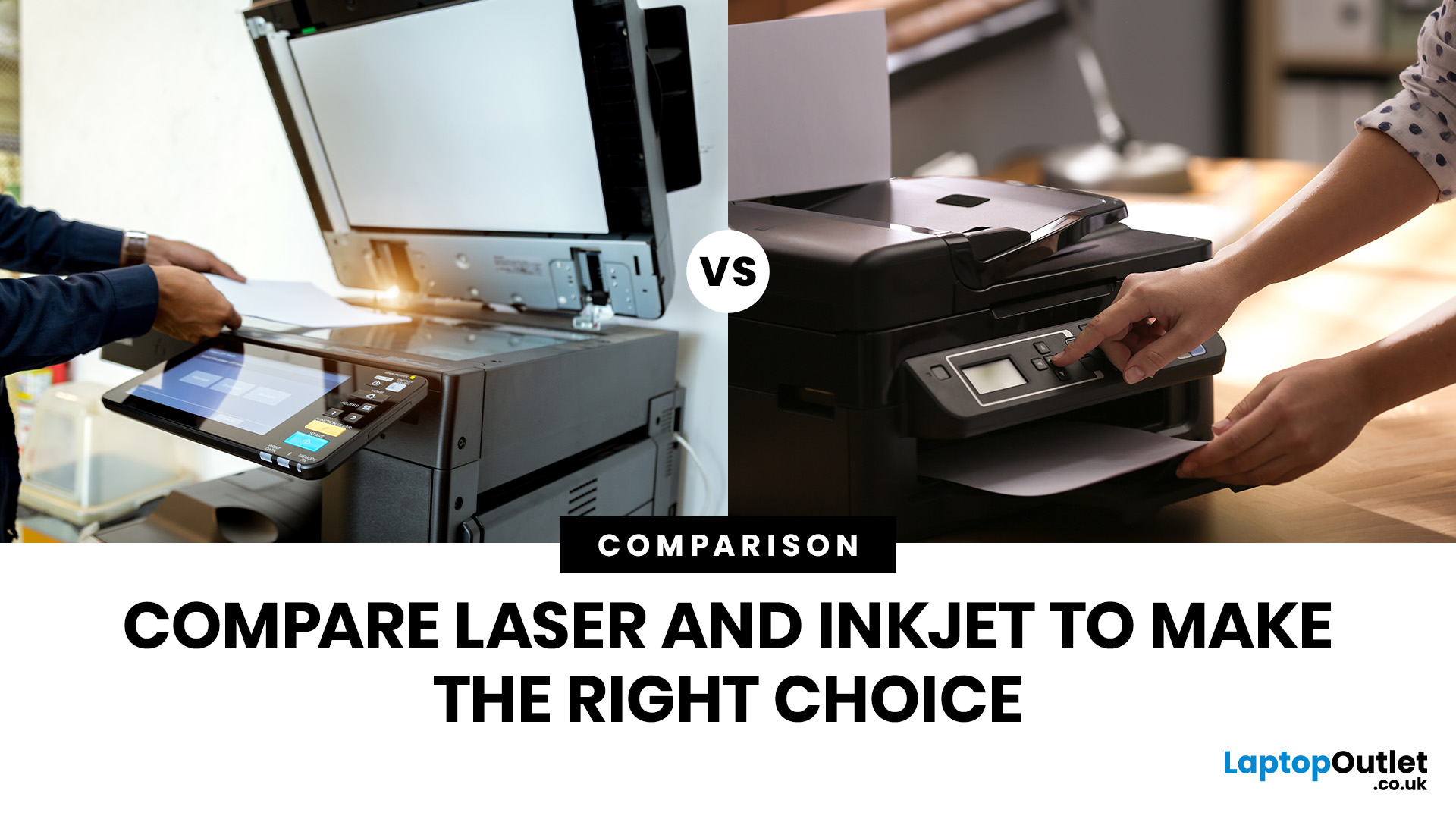
Whether you're looking for speed, colour quality, or overall value, understanding refurbished laser vs inkjet printers is key. Each has its own strengths, and the best choice depends on how you plan to use it.
In this blog, we’ll break it all down in simple terms helping you find the right printer for your home, office, or study setup, without the stress or confusion.
Let’s dive in.
Understanding the Two Types: Laser vs. Inkjet Printers
Before you decide which refurbished printer is right for you, it helps you to understand how each type works and what they’re best at.
Laser Printers
Laser printers use a completely different method to print pages. Instead of spraying ink, they use a laser beam, heat, and powdered toner to produce text and images. These printers are known for speed, consistency, and

Last Updated: April 03, 2026
A printer upgrade may not sound exciting, but it makes a real difference—clean prints, quick scans, and no paper jams. That’s why New Year printer deals matter, as January is when people reset workspaces and prepare for school or home offices.
Printer New Year deals 2026 aren’t just about lower prices—they’re about choosing the right printer for your needs. From HP and Canon for home use to Brother and Xerox for high-volume printing, the best deal is the one that fits your habits and keeps costs low.
If you’re browsing Laptop Outlet, it’s easiest to begin broad and then narrow. Many shoppers start by clicking Start 2026 with New Year Tech Deals and then head into the printers section once they’ve set a budget and a goal—because the sale covers a wide range of tech categories and often includes meaningful discounts. From there, you can compare models across inkjet, laser, and multifunction types in one place via best document pc printers (don’t worry, we’ll keep it simple and practical below).

