



Network Cards: Boost Your PC Connectivity in the UK

Whether you are gaming, working from home, or streaming 4K content, having a slow internet connection is frustrating. While many people blame their ISP or router, the culprit might be inside your computer. Upgrading to high-quality network cards can transform your online experience.
In this guide, we will explore the best options available in the UK. We will also explain the technology behind these devices to help you make an informed choice.
What is a Network Card?
A network card, also known as a Network Interface Controller (NIC), is a hardware component that allows a computer to connect to a network. It acts as a middleman. It takes data from your computer and translates it into a format that can travel through cables or radio waves.
How Network Cards Work
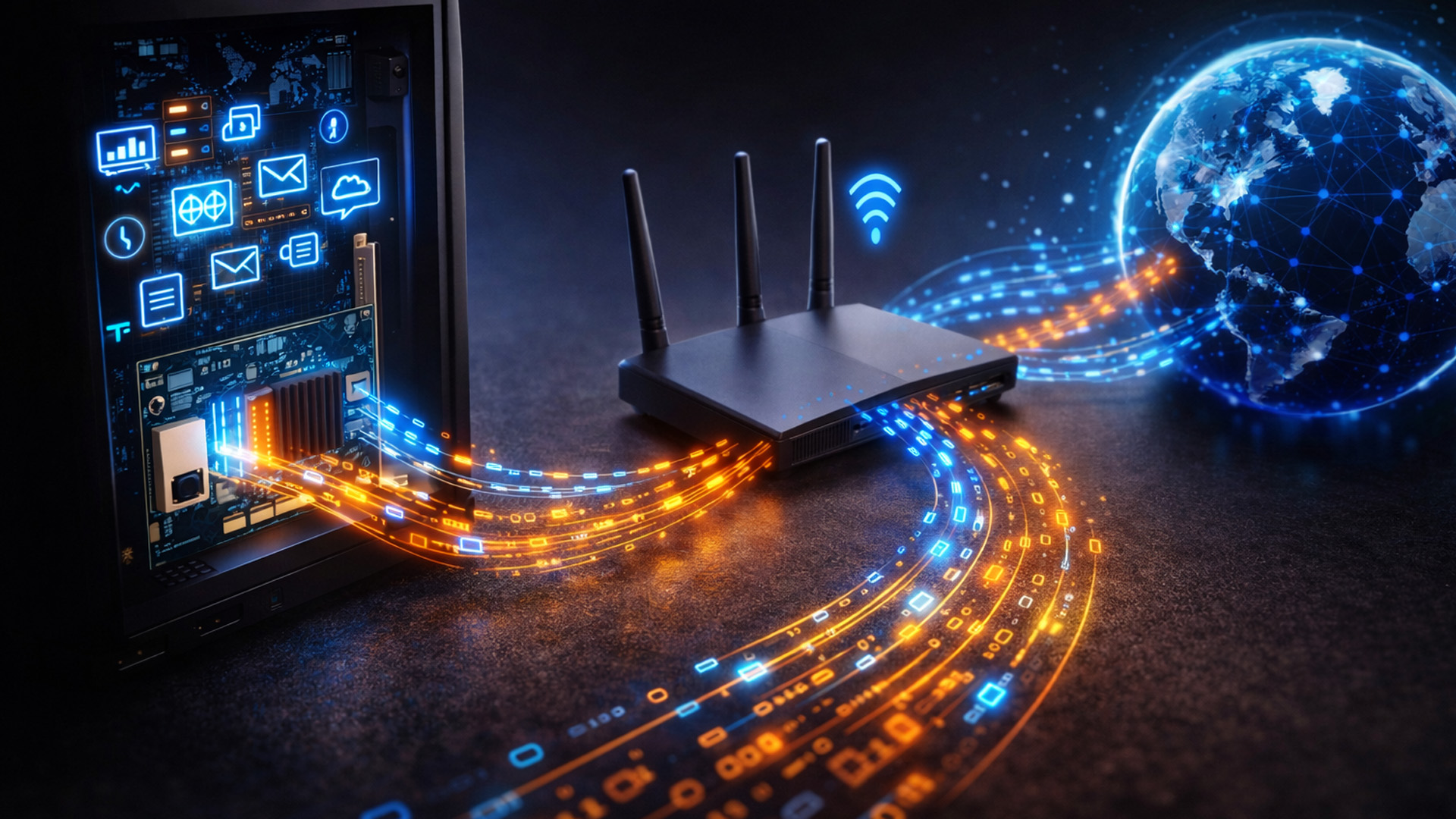
If you are wondering how network cards work, think of them as a translator. Your computer processes data in a specific way. To send this data to a router or another PC, it needs to be packaged correctly.
The network card prepares this data, sends it out, and receives incoming data to translate back for your computer. This happens in milliseconds. A high-quality network card ensures this translation is fast and error-free, reducing "lag" or latency.
Types of Network Cards for UK Users
When shopping for network cards, you have several choices. The right one depends on your PC type and your speed requirements.
1. PCIe Network Cards
These are internal cards that plug directly into your motherboard. They are popular for desktop users because they offer the most stable connection. A PCIe network card often includes large antennas for better Wi-Fi reception or high-speed ports for wired internet.
2. Ethernet Network Cards
For those who demand the fastest speeds, a wired connection is king. An Ethernet network card (often called LAN cards) uses a physical cable to connect to network switches or routers. This eliminates interference from walls or other devices.
3. Wireless Adapters
If you cannot run a cable through your house, adapters are the solution. These can be internal cards or USB plug-ins. Modern Wi-Fi network cards UK users prefer often support the latest standards like Wi-Fi 6 or even Wi-Fi 7.
What Specs Actually Matter When Choosing a Network Card
When you browse network cards, the technical jargon can be overwhelming. Here is a breakdown of what you actually need to look for:
1. Maximum Throughput (Speed)
This is usually measured in Megabits per second (Mbps) or Gigabits per second (Gbps).
1Gbps (Gigabit): The standard for modern wired connections. It’s perfect for the UK's "Superfast" or "Ultrafast" fibre packages.
2.5Gbps or 10Gbps: Ideal for "Power Users" who move huge files between computers on a local network (LAN) or have high-end NAS storage.
2. The Interface (How it Connects)
PCIe (Internal): These offer the best performance. Look for the "lane" count (e.g., PCIe x1 or x4). Most standard cards use x1, which fits into any small PCIe slot on your motherboard.
USB (External): Convenient for laptops. Ensure it uses USB 3.0 or USB-C. A Gigabit card plugged into an old USB 2.0 port will be throttled to roughly 1/3 of its potential speed.
3. Wi-Fi Standards (For Wireless)
If you are looking for Wi-Fi network cards in the UK, pay attention to the version:
Wi-Fi 6 (802.11ax): The current sweet spot for speed and efficiency.
Wi-Fi 6E: Adds a 6GHz band, which is like a VIP lane for your internet—perfect if you live in a crowded flat with many competing signals.
Wi-Fi 7: The cutting-edge standard for future-proofing your setup.
4. Form Factor and Low-Profile Brackets
If you have a "Small Form Factor" (SFF) PC or a slim office desktop, ensure the card comes with a low-profile bracket. This is a smaller metal piece that allows the card to fit into narrower cases.
Top Network Cards to Choose From
If you are looking to buy a network card, we have highlighted four excellent options currently available at Laptop Outlet.
1. TP-Link TG-3468 Gigabit Network Card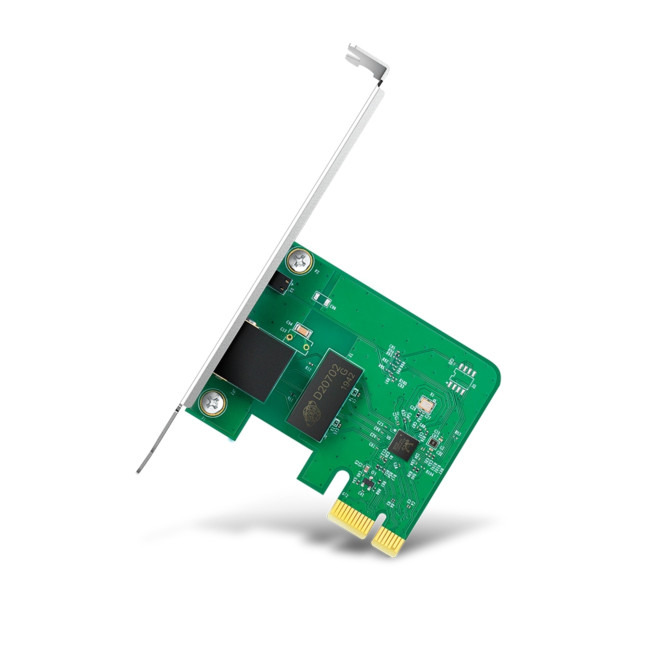
The TP-Link TG-3468 network adapter offers high-speed, stable wired connectivity for desktop computers via a PCI Express slot.
Key Specifications
- Speed: Supports 10/100/1000 Mbps network speeds with auto-negotiation, providing full Gigabit Ethernet connectivity.
- Interface: Utilises a 32-bit PCI Express (PCIe) interface for high data throughput and compatibility with modern motherboards.
- Wake-on-LAN (WOL): Includes Wake-on-LAN technology, allowing for remote power-on/off management of the connected computer.
- Flow Control: Complies with various IEEE standards including IEEE 802.3, 802.3u, 802.3ab, and 802.3x for flow control.
- Versatile Form Factor: Comes with both standard and low-profile brackets in the box, enabling installation in both standard and mini-tower PC cases.
- OS Compatibility: Wide operating system support including Windows 11, 10, 8.1, 8, 7, Vista, XP, and various Linux kernels.
Who is it Good For
This adapter is an excellent, cost-effective choice for desktop users needing a stable, high-speed wired internet connection for general use, gaming, or large file transfers, especially if their existing onboard network port is broken or only 10/100 Mbps.
2. ASUS IPMI Expansion Card
The ASUS IPMI Expansion Card provides advanced remote management capabilities for compatible desktop and workstation motherboards.
Key Specifications
- Chipset: Features the ASPEED AST2600A3 Baseboard Management Controller (BMC) chip.
- Interface: Connects via a PCIe 3.0 x1 host interface.
- Remote Management: Fully compliant with the IPMI 2.0 protocol for out-of-band management.
- Connectivity: Includes a dedicated 1 GbE management network port (RJ45) and a VGA output port for virtual console functionality.
- Monitoring: Offers extensive sensor monitoring (temperature, voltage, etc.) and control for up to eight chassis fans.
- Remote Access/Control: Key remote management functions include a web-browser-based console (HTML5 WebUI), KVM (Keyboard, Video, Mouse) support, virtual media redirection (remote CD/DVD/HDD), and remote BIOS/firmware updates.
Who is it Good For
This card is ideal for system administrators and power users needing server-grade remote management on non-server ASUS motherboards, facilitating off-site monitoring and troubleshooting.
3. StarTech 4-Port PCIe Gigabit Network Adapter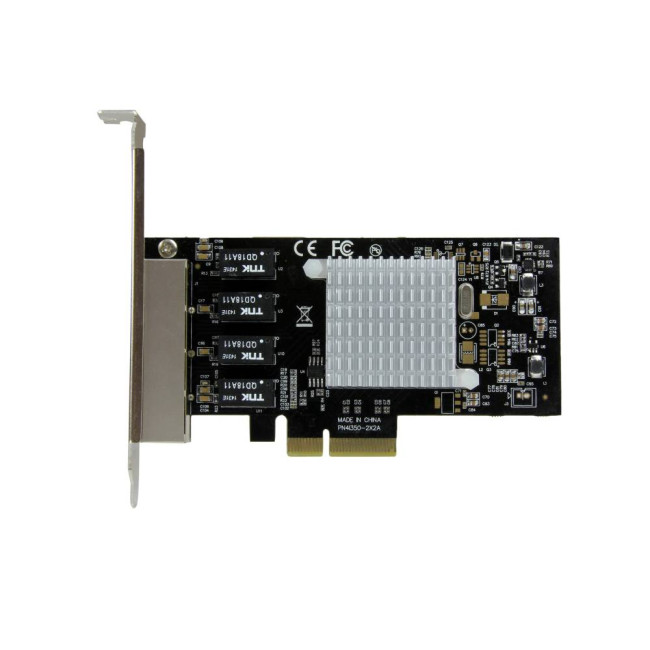
The StarTech 4-Port PCIe Gigabit Network Adapter is a versatile, high-performance card designed for servers and workstations requiring expanded network connectivity.
Key Specifications
- Host Interface: PCI Express x4
- Number of Ports: 4 x RJ-45 Gigabit Ethernet ports
- Chipset: Intel® I350-AM4 chipset with Intel® Virtualisation Technology for Connectivity (VT-c)
- Data Rate: Maximum throughput of up to 1000Mbps in each direction (2000 Mbps total full-duplex bandwidth)
- Key Features: Supports advanced features like 9K jumbo frames, IEEE 802.1Q VLAN tagging, Wake-on-LAN (WoL), and link aggregation (teaming)
- Form Factor: Dual-profile design with both full-sized and low-profile brackets included for versatile installation in various chassis sizes
Who is it Good For
This Ethernet network card is ideal for IT professionals managing servers or workstations needing multiple network connections for redundancy, virtualisation, or secure access to multiple networks, perfect for high-end corporate or government environments.
4. TP-Link UE300C USB Type-C to RJ45 Adapter
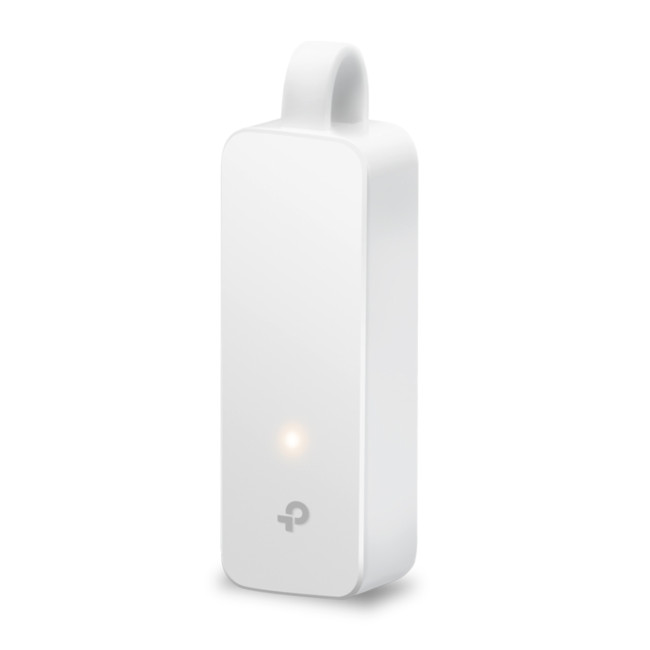
The TP-Link UE300C is a portable network adapter that provides a stable, high-speed wired internet connection via a USB Type-C port.
Key Specifications
- Input Interface: 1 USB 3.0 Type-C Port.
- Output Interface: 1 10/100/1000 Mbps Gigabit RJ45 Ethernet Port.
- Data Transfer Rate: Supports network speeds up to 1000 Mbps (1 Gbps).
- Compatibility: Wide range of OS support including Windows 11/10/8.1/8/7, macOS (10.6 and later), iPadOS, Chrome OS, and Linux OS (Ubuntu).
- Plug & Play: Works with no driver installation required on most modern systems (Windows 10/11, macOS 10.9+, Chrome OS, Linux OS).
- Design: Compact, lightweight, and features a foldable design, making it highly portable for travel.
Who is it Good For
This adapter is ideal for users with modern laptops, tablets, and Ultrabooks lacking an Ethernet port, needing a fast, stable, wired internet connection for activities like streaming, gaming, and large file transfers.
Installation Tips for Your New Network Card
Once you have chosen your network card, it is time to get it up and running. Whether you have opted for an internal upgrade or a portable solution, follow these steps for a smooth setup.
Installing a PCIe Network Card
- Safety First: Shut down your computer and unplug the power cable from the wall to prevent electric shock.
- Open the Case: Remove the side panel of your desktop PC to access the motherboard.
- Locate a Slot: Find an available PCI Express (PCIe) slot on your motherboard (often the smaller, longer slots).
- Remove Slot Cover: Unscrew and remove the metal bracket cover at the back of the case that corresponds to the chosen slot.
- Insert the Card: Align the card's connector with the slot and press down firmly and evenly until it's fully seated and the retention clip (if any) clicks.
- Secure the Card: Screw the card's bracket to the case to hold it in place.
- Attach Antennas (If Applicable): Screw the antennas onto the ports at the back of the card.
- Reassemble & Power On: Replace the case panel, plug the power cord back in, and turn on your computer.
- Install Drivers: Windows might automatically install drivers, but if not, install the software from the CD or the manufacturer's website.
Installing a USB Wireless Adapter
- Plug It In: Find an available USB port on your computer and plug the adapter in.
- Driver Installation: For many modern adapters, Windows will automatically detect and install the necessary drivers, and you can connect to Wi-Fi immediately.
- Manual Drivers (If Needed): If it doesn't work, use the provided CD or visit the manufacturer's website to download and install the drivers.
Troubleshooting Common Issues
If your connection isn't perfect immediately, don't panic. Most network card issues are easily fixed with these troubleshooting tips.
|
Issues |
Solutions |
|
Card Not Detected |
If your PC doesn't see the card, try re-seating it. For PCIe cards, ensure it is pushed all the way into the slot. For USB, try a different port. |
|
Slow Speeds |
Ensure you are using the correct network cables. A Gigabit card requires at least a Cat5e or Cat6 cable to reach full speed. |
|
Intermittent Connection |
Check for driver updates in the Device Manager. Right-click your card, select 'Update Driver', and search automatically. |
|
Check Power Management |
In Windows Device Manager, right-click your card and ensure "Allow the computer to turn off this device to save power" is unticked. |
|
Disable Onboard Networking |
If your motherboard has built-in Wi-Fi or Ethernet, disable it in the BIOS or Device Manager to avoid conflicts. |
|
Reset the Network |
If all else fails, go to Windows Settings > Network & Internet > Advanced network settings > Network reset. This often clears up stubborn software glitches. |
Enhancing Your Home Network Beyond the Card
A great network card is only one piece of the puzzle. To get the best results, you should look at your entire setup.
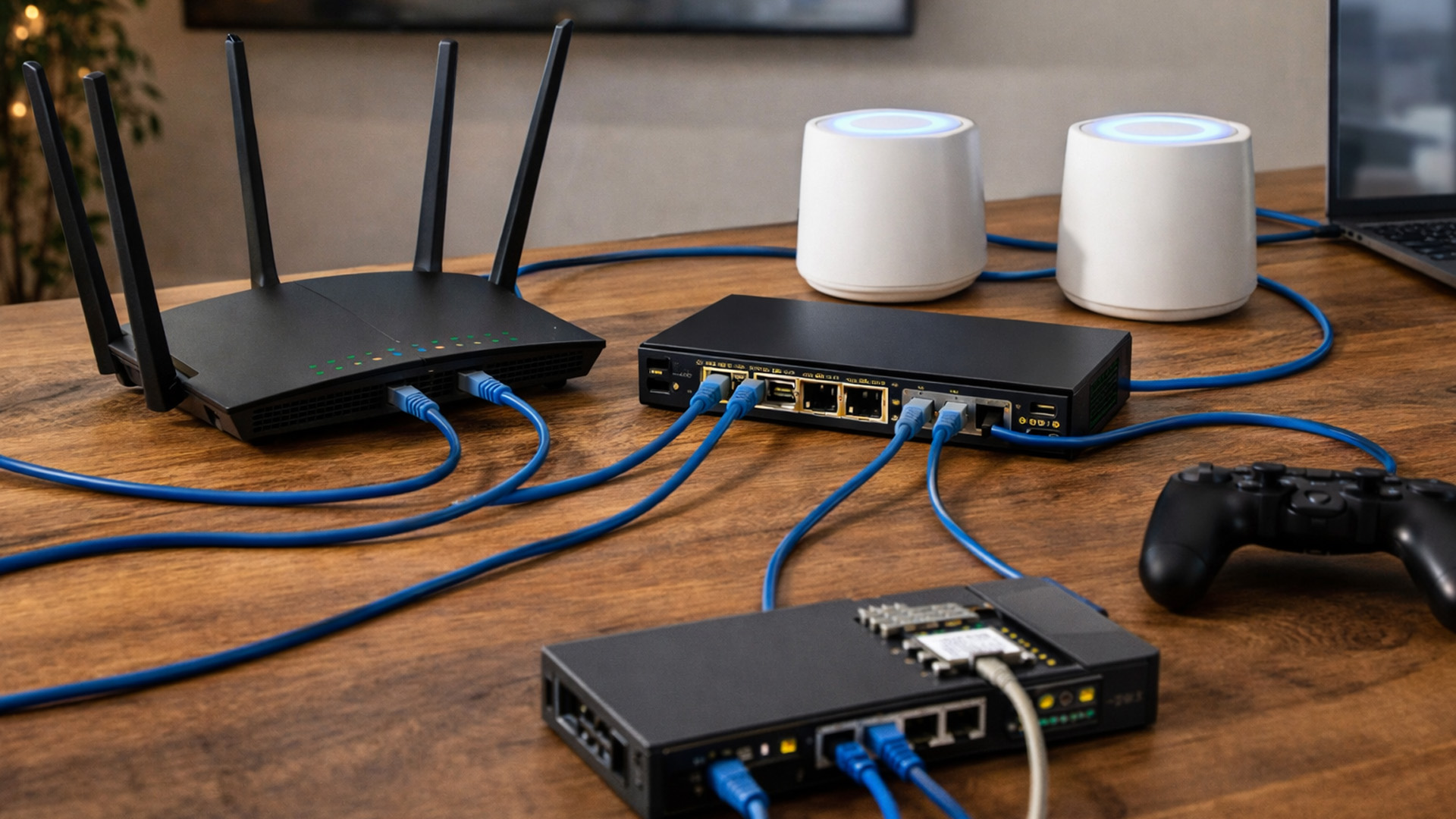
- Gaming Routers: Invest in gaming routers to prioritise your traffic. This reduces lag during intense online matches and ensures a smooth experience.
- Mesh Wi-Fi: Use mesh Wi-Fi to eliminate dead zones. These systems spread the signal evenly across every floor and room in your home.
- Network Switches: If you have many wired devices, network switches expand your ports. They allow consoles, PCs, and TVs to share one stable connection.
- Powerline Adapters: Try powerline adapters to send internet through your mains. This is a brilliant way to get wired speeds in rooms without Ethernet cables.
- Access Points: Use access points to extend your wireless reach. These are perfect for large offices or homes with thick walls that block signals.
- Quality Adapters: Sometimes you just need simple adapters. These bridge the gap between different ports, ensuring all your legacy hardware stays connected.
- Wi-Fi 7 Technology: Future-proof your home with Wi-Fi 7 hardware. This latest standard offers incredible speeds and much lower latency for modern devices.
- Range Extenders: Affordable Wi-Fi range extenders can boost weak signals. They are a simple "plug-in" fix for bedrooms that struggle with poor connectivity.
- Network Cables: Don't settle for old wires; get high-quality network cables. Cat6 or Cat7 cables ensure your data travels at its maximum possible speed.
- Server Racks: For the ultimate enthusiast setup, housing your networking gear in server racks keeps everything cool, organized, and professional.
At Laptop Outlet, we stock the biggest names in networking. Whether you prefer the reliability of Netgear, the value of TP-Link, or the high-end features of ASUS, we have you covered. Each brand offers unique software features to help you manage your home and office network effectively.

Upgrade Your Connection Today
Investing in the right network cards is a game-changer for your PC experience. From the high-speed stability of an Ethernet network card to the flexibility of wireless adapters, there is an option for every UK user.
By focusing on how network cards work and matching the hardware to your specific environment, you can ensure your home or office is ready for the future of high-speed internet.
Ready to upgrade? Explore the full range of network cards at Laptop Outlet today and say goodbye to slow connections.

Just So You Know…
How do I know if I need a new network card?
If you experience frequent disconnections, slow speeds despite a good ISP plan, or high ping in games, your current network card or on-board chip might be the bottleneck.
What is the difference between a LAN card and a NIC?
They are actually the same thing. A LAN (Local Area Network) card is a common name for a Network Interface Controller (NIC) or network card.
Can I use a Wi-Fi adapter if I already have an Ethernet port?
Yes, you can. Many users add a wireless card to their desktop so they have the flexibility to move their PC without needing a long cable.
How long is the warranty on these products?
Most network cards at Laptop Outlet come with a standard 1-year manufacturer warranty, ensuring your purchase is protected against any technical faults or hardware defects.
Can I spread out the cost of my purchase of a network card?
Yes, with Laptop Outlet. Our flexible solutions like PayPal Pay in 3 let you split your purchase into three interest-free payments, while PayPal Credit offers up to 24 months of 0% interest. We also offer Klarna.
Is a PCIe card better than a USB adapter?
Generally, yes. A PCIe card has a more direct connection to the motherboard and often features larger antennas, providing better range and more consistent speeds for desktop users.
| Read More: |
| ASUS Routers: Premium Wi-Fi Solutions for UK Homes |
| Network Switches: Expand Your Home or Office Network Efficiently |
| Network Adapters: Upgrade Your Connectivity in the UK |
Related Articles

Last Updated: July 01, 2025
That Little Button Isn’t Just for Looks
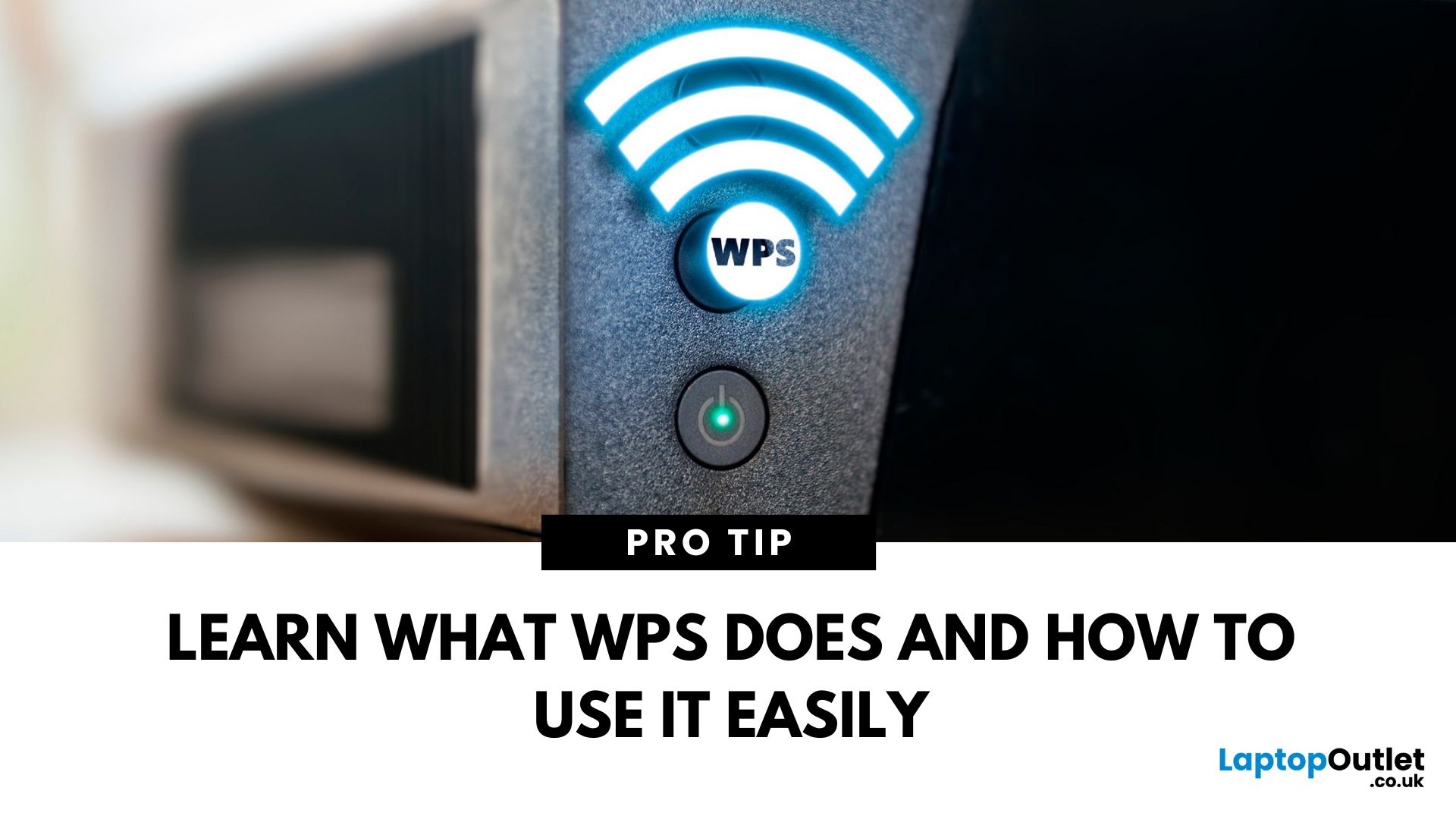
If you’ve spotted a mysterious button labelled WPS on your Wi-Fi router, you might be wondering: What does it do—and should I use it? Here’s a beginner-friendly explanation of what the WPS button is and how it simplifies connecting devices to your Wi-Fi.
What Does WPS Stand For?
WPS stands for Wi-Fi Protected Setup. It’s a feature that helps you connect devices to your Wi-Fi network without typing in the Wi-Fi password.
Designed for convenience, especially for smart TVs, printers, and Wi-Fi extenders
What Does the WPS Button Do?
When you press the WPS button:
Your router enters a two-minute pairing mode
During this time, you can connect a compatible device without entering the password
It uses WPA2 security, so it’s secure for most home networks
How to Use the WPS Button
Steps:
Turn on the device you want to connect (e.g., printer or smart TV)
Go to its Wi-Fi settings and select your Wi-Fi network
Choose WPS connection
Last Updated: July 01, 2025
Your Wi-Fi Starts Here
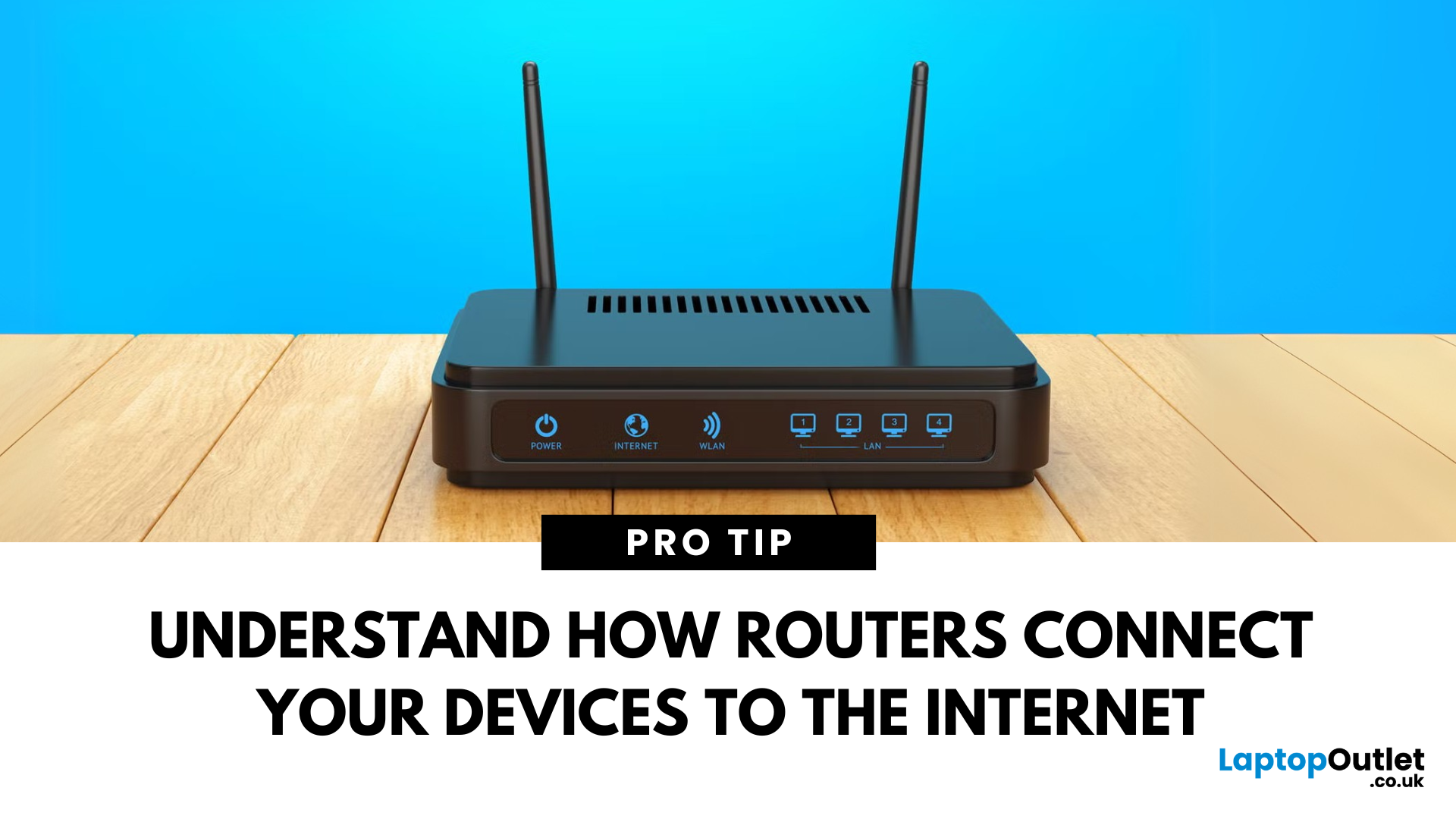
You’ve probably seen it flashing away in the corner of the room—but what is a router, and why is it essential for your internet connection? Here’s everything you need to know about this small but powerful device.
What Is a Router?
A router is a device that connects your home or office to the internet by routing data between your internet service provider (ISP) and your connected devices (like phones, laptops, smart TVs, and more).
It’s the heart of your Wi-Fi network, sending and receiving data from the web
How Does a Router Work?
- Connects to a modem (or includes one in some models)
- Assigns local IP addresses to devices in your network
- Sends and receives data packets to and from the internet
- Uses Wi-Fi or Ethernet to link devices wirelessly or via cable
Types of Routers
- Standalone Router: Connects to a separate modem
- Modem-Router Combo: Two-in-one device with both modem and router
- Mesh Wi-Fi Router: Covers large homes with multiple units
Last Updated: July 01, 2025
The Backbone of Your Internet
Your internet experience starts with a router—but what exactly does it do? Whether you’re streaming, gaming, working from home, or scrolling on your phone, the router keeps your digital life connected. Let’s break down what a router does and why it’s so important.
What Is a Router?
A router is a networking device that connects your devices to the internet and manages how they communicate with each other.
It “routes” traffic between your local devices (like your phone or laptop) and the broader internet
What Does a Router Actually Do?
- Distributes internet access from your modem to all connected devices
- Creates a local network so devices can talk to each other
- Assigns IP addresses to each device
- Directs data packets so the right information reaches the right device
Wi-Fi vs Router – What’s the Difference?
- Router: Manages traffic and connects devices
- Wi-Fi: The wireless signal your router creates
The router gives you internet; Wi-Fi
Last Updated: July 01, 2025
Keep Your Wi-Fi Safe and Secure
Your router password protects your home network from unwanted access. Whether you're updating your Wi-Fi credentials or changing the admin login, it’s a smart step for security. Here’s how to change your router password in just a few steps.
1. Know Which Password You’re Changing
- Wi-Fi Password: The one users enter to connect to your network
- Router Admin Password: Used to access router settings via web browser
It’s best to change both regularly for security
2. Connect to Your Router
- Make sure you're connected to your Wi-Fi or directly via Ethernet
- Open a web browser and type your router’s IP address (usually 192.168.0.1 or 192.168.1.1)
- Enter your admin username and password (often printed on the router or found in your manual)
3. Change Your Wi-Fi Password
Steps:
- Log in to your router settings
- Navigate to Wireless Settings or Wi-Fi Settings
- Locate the SSID (network name) and password fields
- Enter your new password (use a strong,

Last Updated: December 23, 2025
When it comes to competitive gaming or smooth 4K streaming, your internet connection is only as good as the router powering it. High latency, buffering, and packet drops can turn a winning game into frustration or ruin a live stream in seconds. That’s why choosing the right router—and configuring it correctly- is just as important as having fast broadband.
Ubiquiti has become a go-to name for gamers, streamers, and tech enthusiasts who want more than basic Wi-Fi. From the powerful UniFi Dream Machine to the gamer-centric AmpliFi series, Ubiquiti routers combine enterprise-grade stability with features built for demanding home setups. With the right optimisation - like low-latency settings, QoS for gaming traffic, and GeForce NOW tweaks - you can unlock their full potential.
In this guide, we’ll explore the best Ubiquiti routers for gaming and streaming and reveal the settings that give you a true performance edge.
Why Router Quality Matters for Gaming & Streaming
Every gamer and streamer

Last Updated: December 09, 2025
Wi-Fi acting weird? Pages not loading? Passwords forgotten? You’re not alone - sometimes even the most reliable routers like TP-Link need a fresh start. Whether your internet is unstable, you changed too many settings, or you just want to start over, resetting your router can fix a surprising number of problems.
In this complete guide, we’ll walk you through how to reset your TP-Link router, both the quick way (via the Reset button) and the advanced way (through the web interface). We’ll also explain what happens after a reset, how to reconfigure your network, and what to do if your reset doesn’t work.
Understanding What “Reset” Really Means

Before you hit any buttons, it’s important to know what a router reset actually does.
When you reset a TP-Link router, you’re restoring it to its factory default settings, exactly how it was when you first took it out of the box.
That means:
- All Wi-Fi names (SSID) and passwords you’ve set will be erased.
- Any changes to IP addresses, DNS, or security
Last Updated: January 26, 2026
If you’re still using the free router that came with your broadband deal, you need to read this gaming router guide UK. With faster broadband speeds, competitive multiplayer titles, cloud gaming services, and always-connected consoles and PCs, your home network plays a critical role in how well you play. A powerful gaming PC or next-gen console can only perform at its best if it’s supported by a reliable, high-performance router. Whether you’re a competitive PC gamer, a PS5 warrior, a streamer juggling Twitch and Discord, or someone who just wants smooth online gaming without drama, this guide breaks down the best gaming routers UK gamers should actually care about, with real detail, not fluff.
What Makes a Router Good for Online Gaming?
Not all routers are created equal, and “gaming” isn’t just a marketing label. Understanding the core features will help you choose the right router for online gaming setup.
Low Latency and Stable Connections
Latency, often referred to as ping, is the
Last Updated: January 26, 2026
From working remotely and online learning to 4K streaming, smart home devices, and competitive gaming, UK households are placing more demand than ever on their home networks. Yet many homes still struggle with weak signals, dead zones, and inconsistent speeds. This is where mesh Wi-Fi explained properly can make all the difference.
In this guide, we’ll break down exactly how mesh Wi-Fi works, why it’s ideal for British homes, and how to choose the right system for your space. Whether you live in a Victorian terrace with thick brick walls, a multi-storey townhouse, or need reliable connectivity in a garden office, a modern Wi-Fi mesh system could be the upgrade your home network needs.
Mesh Wi-Fi Explained: What is a Mesh Network?
Traditional home Wi-Fi usually relies on a single router placed near where your broadband enters the property. While this can work in smaller flats, it often struggles to deliver consistent coverage across larger or more complex homes. Signal strength drops rapidly
Last Updated: March 12, 2026
Most Wi-Fi guides start with specs. That’s already the wrong place.
To choose the best Wi-Fi router for your home, you first need to understand how Wi-Fi behaves inside real buildings, especially UK homes, which are often older, brick-built, and not designed for wireless signals.
What Wi-Fi Really Is (Without the Marketing Spin)
Wi-Fi is not “internet speed in the air”. It’s a radio signal that carries data between your router and your devices.
That signal:
- Weakens over distance
- Loses strength passing through walls
- Competes with other signals nearby
This is why Wi-Fi performance changes dramatically depending on where you are in your home, even when your broadband speed stays the same.
Important reality check:
Your router doesn’t “push” Wi-Fi evenly in all directions. It broadcasts radio waves that are:
- Reflected
- Absorbed
- Blocked
UK homes often make this worse because of:
- Solid brick and stone walls
- Metal-backed insulation
- Floor heating systems
- Older layouts with thick internal walls
This
Last Updated: January 26, 2026
In today’s UK homes and offices, networking isn’t optional - it’s the backbone of how we work, study, stream, and stay connected. From remote meetings and online gaming to smart homes and cloud storage, everything relies on reliable networking accessories and networking devices working together behind the scenes.
Yet many people still struggle with slow Wi-Fi, unstable connections, or poor coverage, not because their internet provider is bad, but because their networking equipment isn’t set up correctly.
What Is Networking? (A Simple Explanation)
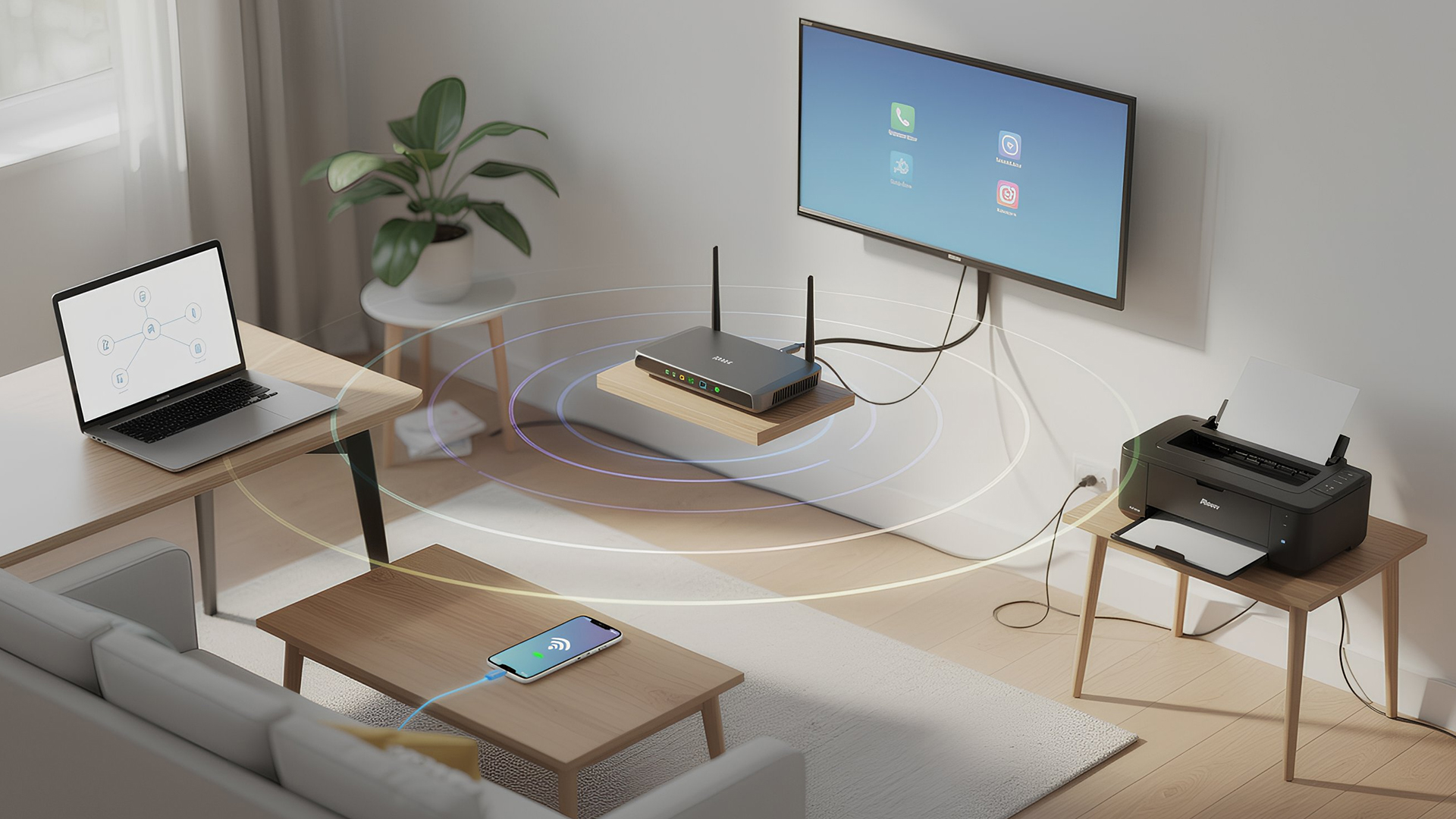
Networking is the process of connecting devices so they can communicate, share data, and access the internet. These devices might include:
- Laptops and desktops
- Smartphones and tablets
- Printers and scanners
- Smart TVs and streaming devices
- Smart home systems (lights, cameras, thermostats)
To make this possible, you need a combination of networking devices (like routers and access points) and networking accessories (such as network cards, adapters,

