



Mesh Wi-Fi Systems: Full Coverage Networking Solutions for UK Homes
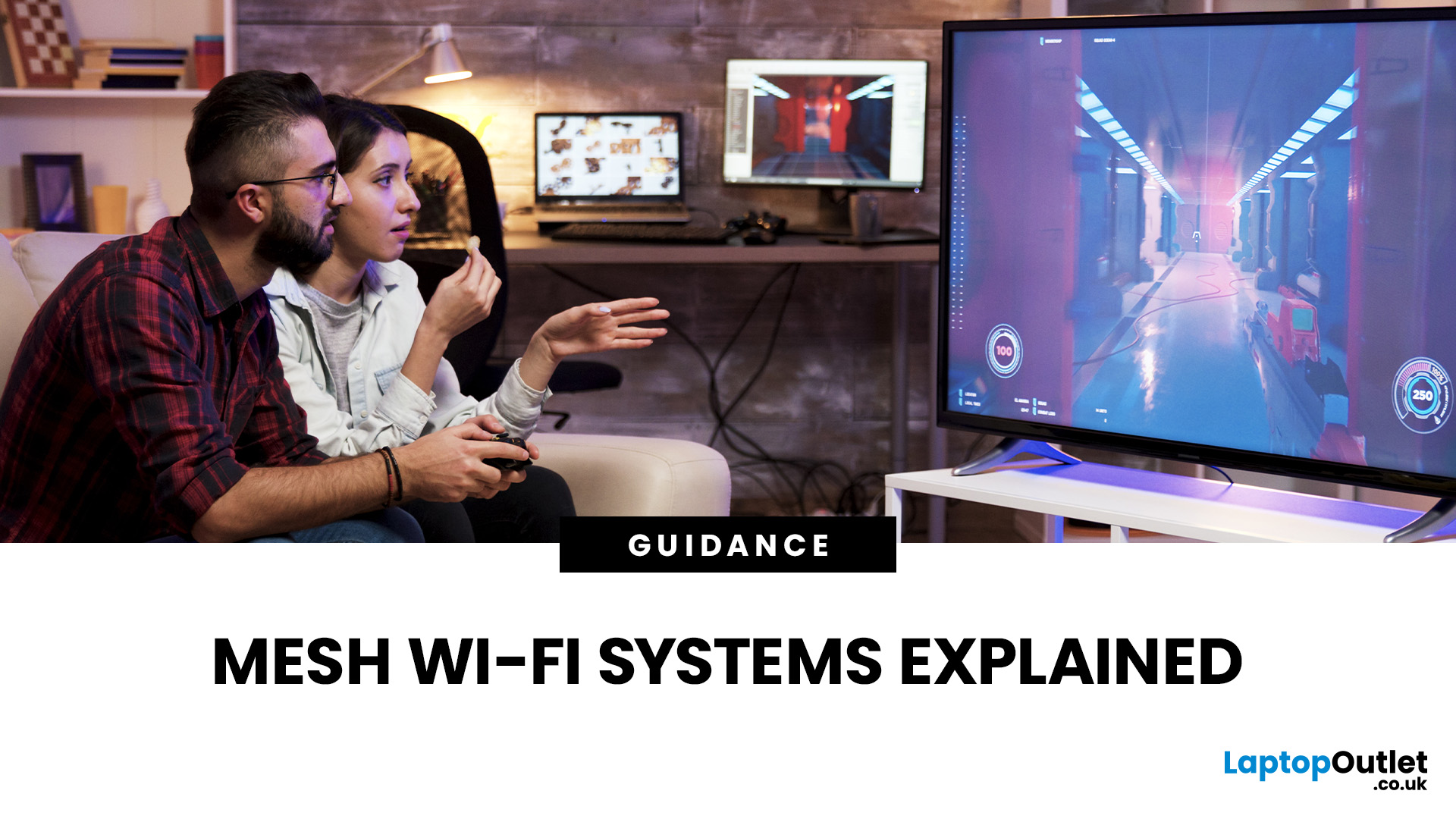
From working remotely and online learning to 4K streaming, smart home devices, and competitive gaming, UK households are placing more demand than ever on their home networks. Yet many homes still struggle with weak signals, dead zones, and inconsistent speeds. This is where mesh Wi-Fi explained properly can make all the difference.
In this guide, we’ll break down exactly how mesh Wi-Fi works, why it’s ideal for British homes, and how to choose the right system for your space. Whether you live in a Victorian terrace with thick brick walls, a multi-storey townhouse, or need reliable connectivity in a garden office, a modern Wi-Fi mesh system could be the upgrade your home network needs.
Mesh Wi-Fi Explained: What is a Mesh Network?
Traditional home Wi-Fi usually relies on a single router placed near where your broadband enters the property. While this can work in smaller flats, it often struggles to deliver consistent coverage across larger or more complex homes. Signal strength drops rapidly as it passes through walls, floors and obstacles, a common issue in many UK properties.
A wireless mesh network solves this problem by using multiple interconnected devices, often called nodes or mesh routers, that work together as one unified system. Instead of broadcasting Wi-Fi from a single point, mesh routers create a seamless blanket of coverage across your entire home.
With mesh Wi-Fi systems, your devices automatically connect to the strongest node as you move around the house. There’s no need to manually switch networks or deal with sudden dropouts, making mesh Wi-Fi a smarter and more user-friendly alternative to traditional setups.
Why Mesh Wi-Fi Is Ideal for UK Homes

UK homes present unique challenges for wireless networking. Thick walls, older building materials, narrow layouts and multiple floors can all interfere with Wi-Fi signals. A home mesh Wi-Fi UK setup is designed to overcome these issues.
Key Benefits of Mesh Wi-Fi for UK Properties
- Large home Wi-Fi coverage without dead zones
- Seamless roaming between rooms and floors
- Improved stability for smart home devices
- Better performance in homes with thick walls
- Scalable systems that grow with your needs
Unlike basic routers or even Wi-Fi range extenders, mesh systems are designed to work intelligently together. Each node communicates with the others, ensuring optimal performance across the entire network rather than simply rebroadcasting a weakened signal. Learn how Wi-Fi range extenders can boost your home network coverage and improve connectivity in hard-to-reach areas.
Mesh Routers vs Traditional Routers and Extenders
Many households try to fix weak Wi-Fi by upgrading their router or adding extenders. While this can help, it often creates more complexity.
Traditional Routers
A single router can struggle to deliver consistent coverage, especially in larger homes. Even powerful gaming routers can hit limitations when dealing with thick walls or long distances.
Wi-Fi Range Extenders
Extenders boost signal reach, but they often create separate networks and reduce overall speed. This can lead to connection drops and frustration. You can explore the latest ASUS networking solutions shaping faster, smarter connectivity across the UK in 2026.
Mesh Routers
Mesh routers are designed from the ground up for whole-home coverage. They create a single network name (SSID), manage traffic intelligently and provide consistent performance throughout the property. For most modern households, mesh Wi-Fi systems offer the best balance of performance, simplicity and scalability.
Large Home Wi-Fi Coverage Without Compromise

If you live in a detached or semi-detached home, achieving reliable coverage in every room can be a challenge. A Wi-Fi mesh system excels at delivering large home Wi-Fi coverage, even across multiple floors. With the right placement, a wireless mesh network can eliminate dead spots entirely. Each mesh node acts as a relay point, extending coverage without sacrificing speed. This makes mesh ideal for:
- Multi-storey homes
- Properties with loft conversions
- Homes with garages or extensions
- Families with multiple connected devices
Best Mesh Wi-Fi for Thick Walls in the UK
Older UK homes often feature solid brick or stone walls that block wireless signals. Choosing the best mesh Wi-Fi for thick walls UK means looking for systems with:
- Strong backhaul connections between nodes
- Dual-band or tri-band support
- Advanced beamforming technology
Many premium mesh routers, including models from leading brands such as ASUS routers, are specifically designed to handle challenging environments. These systems maintain fast, stable connections even when signals need to pass through dense materials.
Mesh Wi-Fi for Garden Offices and Outdoor Spaces

With remote and hybrid working on the rise, reliable connectivity in garden offices has become essential. Running Ethernet cables outdoors isn’t always practical, but a mesh system can bridge the gap.
The best Wi-Fi mesh system for garden office use typically includes weather-resistant placement options and strong long-range performance. By placing a node near the back of the house and another inside the garden office, you can enjoy stable internet for video calls, cloud applications and streaming, without relying on mobile data or unstable extenders.
Best Budget Mesh Wi-Fi UK: Affordable Performance
Mesh Wi-Fi isn’t just for high-end homes or tech enthusiasts. Today, there are excellent options for those seeking the best budget mesh Wi-Fi solutions. Affordable mesh systems now offer:
- Easy app-based setup
- Reliable coverage for small to medium homes
- Automatic updates and security features
If you’re upgrading from a basic router or struggling with dead zones, even an entry-level system can deliver a noticeable improvement. For cost-conscious buyers, choosing the best budget mesh Wi-Fi UK option can transform everyday internet use without overspending.
Mesh Wi-Fi and Smart Homes
Smart homes rely on stable connectivity. From smart thermostats and security cameras to voice assistants and lighting systems, all these devices need consistent Wi-Fi access. A wireless mesh network ensures that smart devices remain connected wherever they are placed. This reduces lag, prevents disconnections and allows your smart home ecosystem to function smoothly.
Mesh Wi-Fi for Gaming and Streaming
Online gaming and high-resolution streaming demand low latency and stable speeds. While powerful gaming routers are still popular, combining them with mesh technology offers the best of both worlds. Mesh systems prioritise traffic intelligently, ensuring smooth gameplay, faster downloads and uninterrupted streaming, even when multiple users are online at the same time.
Integrating Mesh Wi-Fi with Your Existing Network
One of the advantages of modern mesh systems is flexibility. This allows you to build a customised network that suits your home and usage patterns. Many mesh routers can work alongside existing equipment such as:
- Broadband routers from UK ISPs
- Network switches for wired devices
- High-performance ASUS routers in hybrid setups
Choosing the Right Mesh Wi-Fi System
For flats and smaller homes, a two-node system may be sufficient. Larger properties may benefit from three or more nodes to ensure full coverage. When selecting a mesh solution, consider:
- Size and layout of your home
- Number of connected devices
- Wall thickness and building materials
- Budget and future expansion needs

In conclusion, understanding mesh Wi-Fi explained clearly shows why these systems have become the go-to solution for modern UK homes. By delivering seamless coverage, improved stability and the flexibility to scale as your needs grow, mesh Wi-Fi systems solve the common challenges of weak signals, thick walls and hard-to-reach spaces like garden offices. Whether you’re looking for the best budget mesh Wi-Fi UK, upgrading for large home Wi-Fi coverage, or building a reliable smart home network, a well-chosen Wi-Fi mesh system offers long-term performance and peace of mind.

Your What & Why!
What does mesh Wi-Fi mean?
Mesh Wi-Fi uses multiple connected nodes to create a single wireless network that covers your entire home, eliminating dead zones and providing consistent performance.
Is mesh Wi-Fi suitable for UK homes with thick walls?
Absolutely. Many systems are designed to handle dense walls, making them ideal for older UK properties.
Can mesh Wi-Fi reach a garden office?
Yes. With proper placement, mesh Wi-Fi is one of the best solutions for providing reliable internet access to garden offices.
Are there affordable mesh Wi-Fi options?
Yes. There are several best budget mesh Wi-Fi UK options that deliver excellent performance without a high price tag.
Can I use mesh Wi-Fi with network switches and gaming routers?
Most mesh systems are compatible with existing hardware, including network switches and gaming routers, allowing for flexible network setups.
| Read More: |
| Network Cables: Essential Wired Connections for UK Networks |
| Organize Your Network Equipment in the UK |
| Netgear Routers: Reliable Wi-Fi Solutions for UK Homes |
Related Articles

Last Updated: July 01, 2025
That Little Button Isn’t Just for Looks
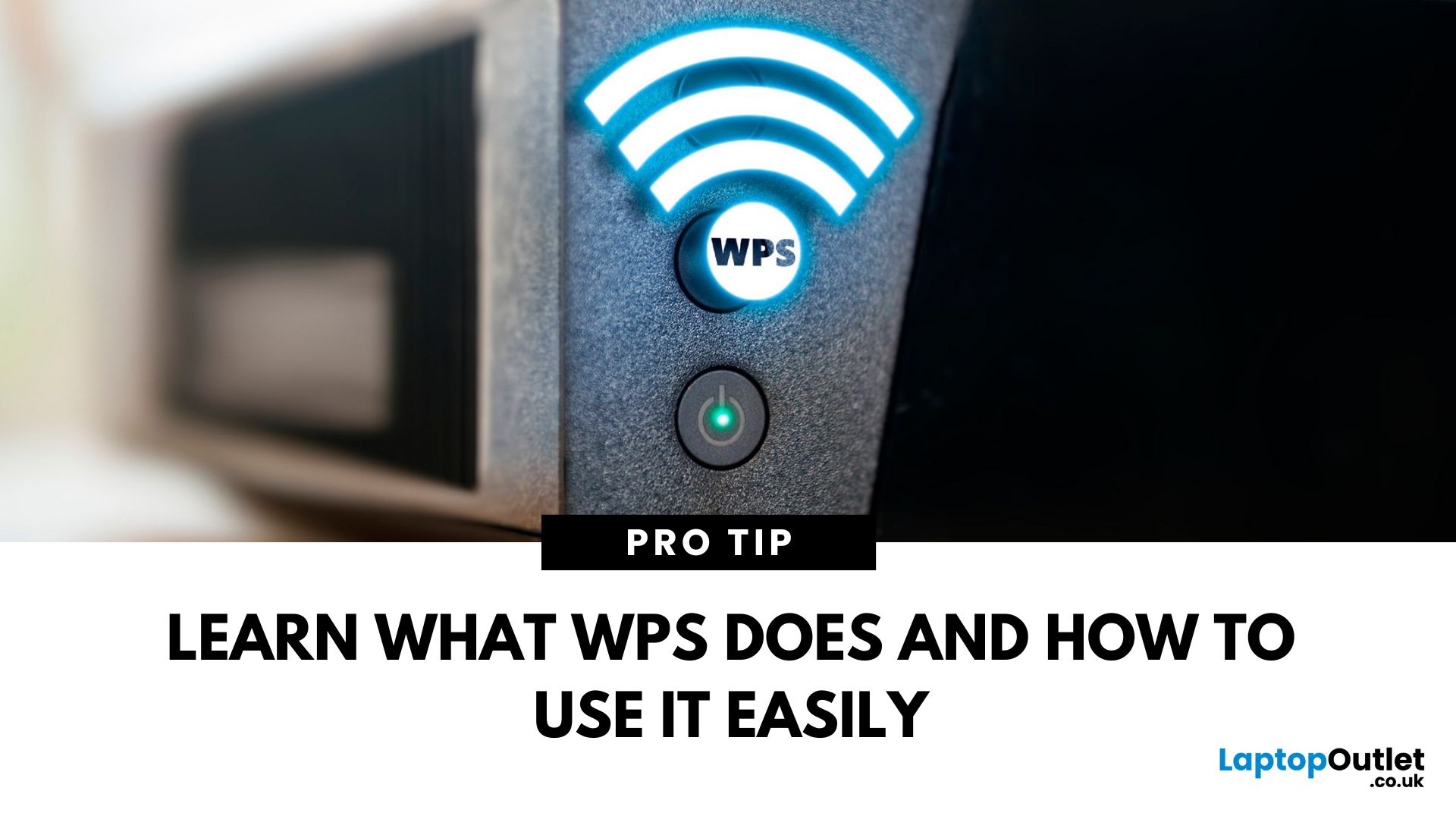
If you’ve spotted a mysterious button labelled WPS on your Wi-Fi router, you might be wondering: What does it do—and should I use it? Here’s a beginner-friendly explanation of what the WPS button is and how it simplifies connecting devices to your Wi-Fi.
What Does WPS Stand For?
WPS stands for Wi-Fi Protected Setup. It’s a feature that helps you connect devices to your Wi-Fi network without typing in the Wi-Fi password.
Designed for convenience, especially for smart TVs, printers, and Wi-Fi extenders
What Does the WPS Button Do?
When you press the WPS button:
Your router enters a two-minute pairing mode
During this time, you can connect a compatible device without entering the password
It uses WPA2 security, so it’s secure for most home networks
How to Use the WPS Button
Steps:
Turn on the device you want to connect (e.g., printer or smart TV)
Go to its Wi-Fi settings and select your Wi-Fi network
Choose WPS connection

Last Updated: July 01, 2025
The Power of Digital Connections
In today’s world, few devices operate in isolation. Whether you’re sharing files, streaming media, or collaborating online, computer networking is at the heart of it all. So what exactly is networking in computers? Let’s break it down simply.
What Is Networking in Computers?
Networking in computing refers to connecting multiple computers and devices so they can share data, resources, and communication.
It’s how laptops, smartphones, printers, and servers talk to each other
Why Is Networking Important?
- Enables file and data sharing
- Supports remote access and teleworking
- Allows internet access for all connected devices
- Powers smart home and office automation
How Does Computer Networking Work?
- Devices connect via physical cables or wirelessly (Wi-Fi)
- A router or switch directs traffic
- Data travels in packets to the right device using IP addresses
Each device gets a unique network ID to manage communication
Types of Computer Networks

Last Updated: September 09, 2025
Say Goodbye to Dead Zones
Weak WiFi can turn streaming, gaming, or even browsing into a nightmare. If you're tired of buffering and connection drops, it’s time to improve your signal. Here’s how to boost your WiFi signal and keep your connection stable.
1. Reposition Your Router
- Place it in a central, elevated location (not in a cupboard)
- Avoid placing it near walls, metal objects, or appliances
- Keep antennas upright for optimal coverage
Walls, mirrors, and microwaves can block or reflect signal
2. Update Router Firmware
- Log into your router settings
- Check for firmware updates and install if available
- Some routers update automatically, others need manual action
3. Change WiFi Channel
- Use router settings to switch to a less crowded channel
- Especially useful in flats or busy buildings
- Apps like WiFi Analyzer (Android) can help find the best channel
4. Upgrade Your Router or Antenna
- Older routers = slower speeds and weaker signal
- Consider a dual-band or WiFi
Last Updated: January 16, 2026
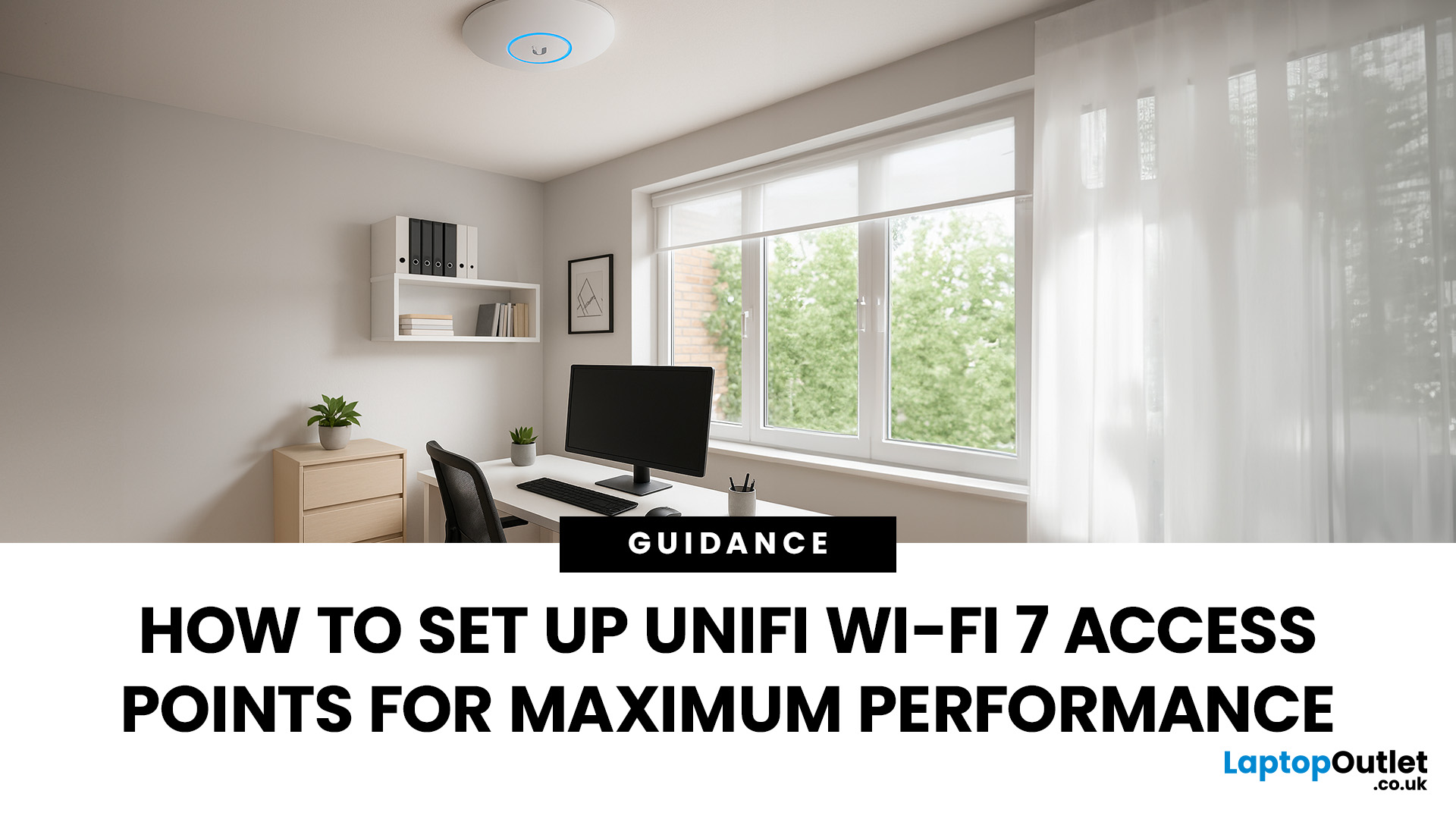
If you’ve just got your hands on the latest UniFi WiFi 7 access points, you’ll want to ensure you’re squeezing out every bit of performance they can offer. WiFi 7 promises faster speeds, lower latency, and smoother connectivity, but those benefits only appear when the setup is done properly.
This guide is for anyone planning their UniFi WiFi 7 Access Point Setup. Whether you’re installing them at home, in an office, or across a larger site, we’ll walk through everything step-by-step: adoption in the UniFi Controller, WiFi 7 access point configuration, 6 GHz band setup, and making the most of Multi-Link Operation.
Step 1: Prepare Your Space
Before you even plug anything in, take a moment to prepare. A little planning saves a lot of fixing later.
Do a quick site survey
Walk around with a phone or laptop and check for dead WiFi zones. Look for thick concrete walls, metal surfaces, or areas where you’ve always struggled with signal.
Plan where to mount
The golden rule is high and central.

Last Updated: December 23, 2025
When it comes to competitive gaming or smooth 4K streaming, your internet connection is only as good as the router powering it. High latency, buffering, and packet drops can turn a winning game into frustration or ruin a live stream in seconds. That’s why choosing the right router—and configuring it correctly- is just as important as having fast broadband.
Ubiquiti has become a go-to name for gamers, streamers, and tech enthusiasts who want more than basic Wi-Fi. From the powerful UniFi Dream Machine to the gamer-centric AmpliFi series, Ubiquiti routers combine enterprise-grade stability with features built for demanding home setups. With the right optimisation - like low-latency settings, QoS for gaming traffic, and GeForce NOW tweaks - you can unlock their full potential.
In this guide, we’ll explore the best Ubiquiti routers for gaming and streaming and reveal the settings that give you a true performance edge.
Why Router Quality Matters for Gaming & Streaming
Every gamer and streamer

Last Updated: December 23, 2025
The Problem Everyone’s Talking About
iPhone 17 is in the market, but it wouldn’t be a proper Apple launch without a bit of drama, would it? We’ve had the camera bug, a few battery wails, and now the hot topic on Reddit and TikTok: Wi-Fi connection issue. Yep, some users are finding their shiny new iPhone keeps dropping out of Wi-Fi for no apparent reason. One minute you’re streaming Netflix, the next you’re staring at the dreaded “No Connection” pop-up. Not ideal on a £1,000+ device.
This growing chatter has been dubbed the iPhone 17 wi-fi issue. The good news? It’s not your router having a meltdown, and no, you don’t need to throw your phone at the wall just yet.
What Does the Wi-Fi Glitch Look Like?

Here’s what people are reporting:
- Random Dropouts: Wi-Fi disconnects even when the signal is strong.
- Slow Reconnections: The iPhone takes forever to rejoin a saved network.
- Auto-Switching to Data: iOS quietly flips you onto mobile data without asking.
- Laggy Browsing: Pages hang or apps

Last Updated: April 01, 2026
Every few years, Wi-Fi takes a leap forward - and with it, our entire online experience changes. We saw it with Wi-Fi 5, which brought gigabit speeds to homes, and then again with Wi-Fi 6, which improved reliability in device-packed households. Wi-Fi 6E nudged things further by opening up the 6GHz spectrum. Now we’ve arrived at the next big question: is Wi-Fi 7 worth it in 2026?
Wi-Fi 7 (also known as IEEE 802.11be) promises a trio of improvements: faster speeds, lower latency, and better stability. On paper, it looks like the ultimate upgrade. But real life isn’t just about headline speeds - it’s about whether you’ll notice the difference in your day-to-day use, and whether the cost of new routers and devices makes sense right now.
In this guide, we’ll weigh up the pros and cons, compare Wi-Fi 7 against Wi-Fi 6 and 6E, and answer the golden question: should you upgrade now, or wait a little longer?
What Is Wi-Fi 7? Quick Recap
Before we dive into the debate, let’s quickly answer: what
Last Updated: October 08, 2025
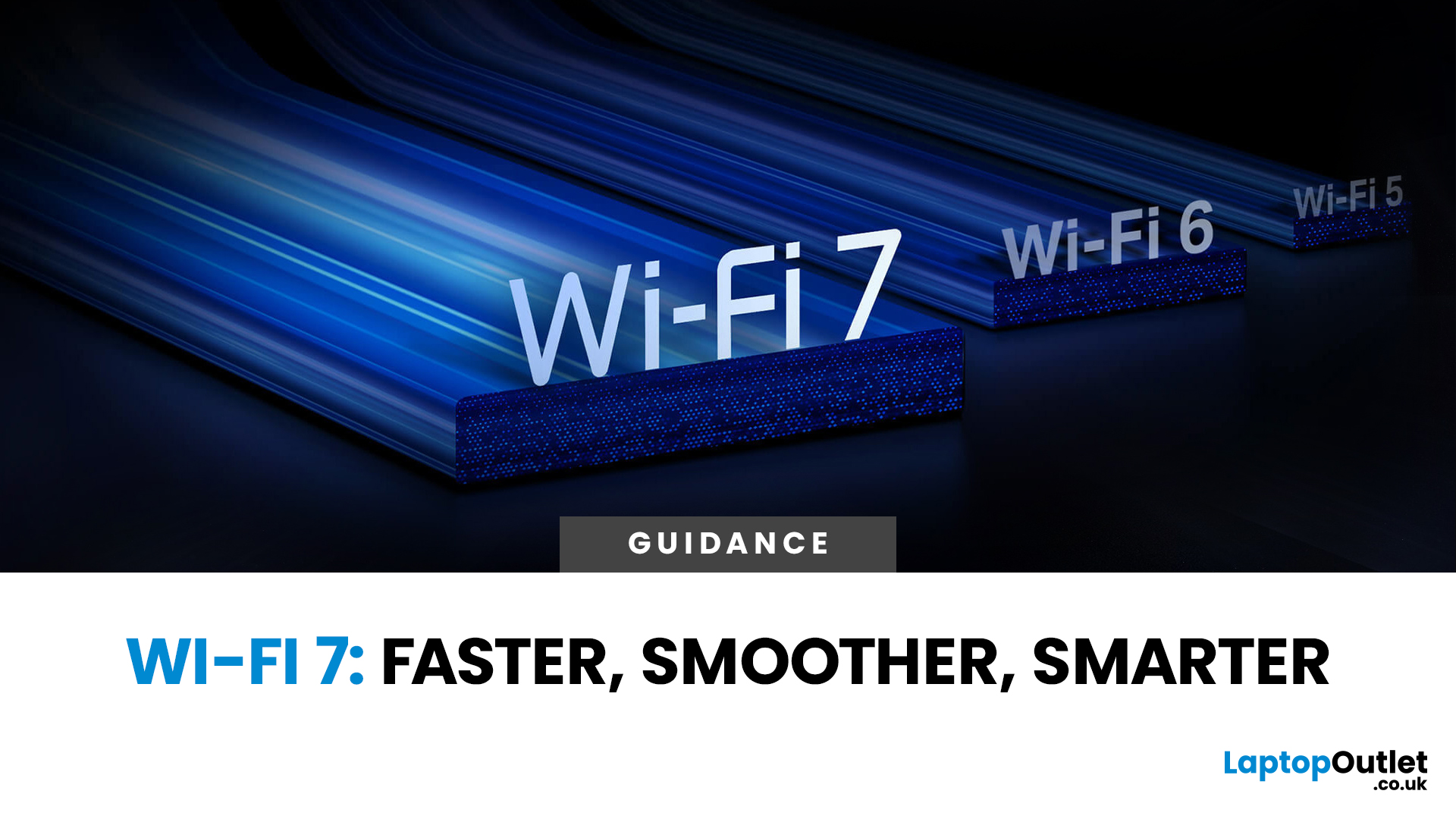
Wi-Fi has quietly become the unsung hero of our daily lives. From streaming films on Netflix to working from home, gaming online, or controlling smart home gadgets, most of what we do now depends on fast, stable wireless connections. Over the years, each new Wi-Fi standard has stepped things up a gear: Wi-Fi 5 brought gigabit speeds, Wi-Fi 6 improved efficiency for crowded households, and Wi-Fi 6E opened new spectrum in the 6GHz band.
Now we’re on the cusp of another leap forward: Wi-Fi 7. But what is Wi-Fi 7, and why should you care? Officially known as IEEE 802.11be, Wi-Fi 7 promises to deliver not just faster speeds, but also lower latency and better stability - three things that matter more than ever in 2025.
In this guide, we’ll break down everything you need to know how Wi-Fi 7 works, its key features, what sort of speeds you can expect, and whether it’s worth upgrading. Think of it as a no-nonsense deep dive into the future of wireless internet.
The Basics – What Is Wi-Fi 7?
At

Last Updated: December 09, 2025
Wi-Fi acting weird? Pages not loading? Passwords forgotten? You’re not alone - sometimes even the most reliable routers like TP-Link need a fresh start. Whether your internet is unstable, you changed too many settings, or you just want to start over, resetting your router can fix a surprising number of problems.
In this complete guide, we’ll walk you through how to reset your TP-Link router, both the quick way (via the Reset button) and the advanced way (through the web interface). We’ll also explain what happens after a reset, how to reconfigure your network, and what to do if your reset doesn’t work.
Understanding What “Reset” Really Means

Before you hit any buttons, it’s important to know what a router reset actually does.
When you reset a TP-Link router, you’re restoring it to its factory default settings, exactly how it was when you first took it out of the box.
That means:
- All Wi-Fi names (SSID) and passwords you’ve set will be erased.
- Any changes to IP addresses, DNS, or security
Last Updated: January 26, 2026
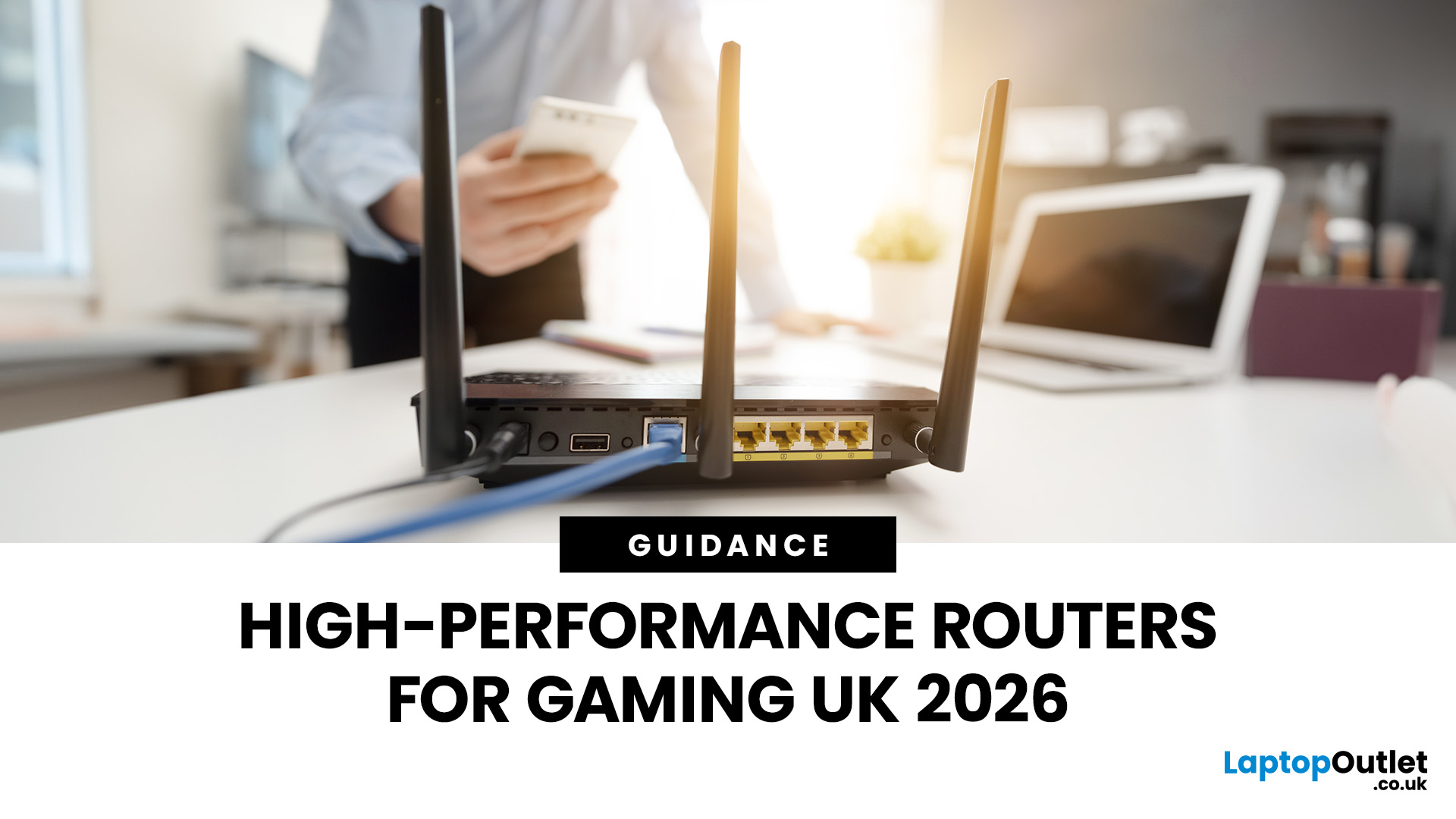
If you’re still using the free router that came with your broadband deal, you need to read this gaming router guide UK. With faster broadband speeds, competitive multiplayer titles, cloud gaming services, and always-connected consoles and PCs, your home network plays a critical role in how well you play. A powerful gaming PC or next-gen console can only perform at its best if it’s supported by a reliable, high-performance router. Whether you’re a competitive PC gamer, a PS5 warrior, a streamer juggling Twitch and Discord, or someone who just wants smooth online gaming without drama, this guide breaks down the best gaming routers UK gamers should actually care about, with real detail, not fluff.
What Makes a Router Good for Online Gaming?
Not all routers are created equal, and “gaming” isn’t just a marketing label. Understanding the core features will help you choose the right router for online gaming setup.
Low Latency and Stable Connections
Latency, often referred to as ping, is the

