



Choose Your AI: Why WWDC26 Could Let You Pick Claude, Gemini, or ChatGPT on iPhone
Apple is expected to announce support for Claude, Gemini, and ChatGPT on iPhone at WWDC26. Rumoured plans suggest a new "Extensions" framework would let you choose which AI powers Siri, Writing Tools, and Image Playground directly from your iPhone's Settings. The feature is expected to be available on iPhone 15 Pro, iPhone 16, and later models, with a public release anticipated in September 2026.
NOTE: Nothing has been officially confirmed by Apple, but reports from credible tech publications point strongly in this direction.
What Is WWDC26 and Why Does It Matter for AI?
Apple's Worldwide Developers Conference (WWDC26) is scheduled for 8 to 12 June 2026, with the keynote kicking off on Monday the 8th. This is the annual event where Apple unveils the next major versions of iOS, macOS, iPadOS, and its other operating systems. This year, the spotlight is squarely on artificial intelligence.
Apple has been playing catch-up with generative AI on iPhone. While tools like ChatGPT and Gemini have become household names, Siri has often been criticised for lagging behind. WWDC26 is widely seen as Apple's moment to close that gap, and fast.
What Is Expected to Be Announced at WWDC26?
Rumours and credible industry reports point to a sweeping AI overhaul across Apple's platforms. The key items expected to be unveiled include:
- iOS 27, iPadOS 27, and macOS 27 with a rebuilt Siri experience at their core
- A new "Extensions" framework that lets third-party AI services plug directly into Apple Intelligence features
- User choice of Apple AI assistants, with Claude, Gemini, and ChatGPT all reportedly in the mix
- A standalone Siri app with a chat-style interface, Dynamic Island integration, and conversation history
- Deeper Apple Intelligence integration across Photos, Safari, Shortcuts, and Wallet
| Worth noting: WWDC26 is a developer conference first. Features announced in June may arrive in a September public release, with some potentially rolling out in later software updates. |
What Is the Rumoured "Extensions" System and How Might It Work?
At the heart of the iPhone AI integration excitement is a feature reportedly called "Extensions." This is the mechanism expected to allow Claude, Gemini, or ChatGPT on iPhone to go far beyond just being standalone apps. Instead, they would be woven directly into iOS itself.
Think of it like how iOS already lets you pick a default browser or email app. Extensions could work in much the same way, but for AI. You install the Claude app, set it as your preferred AI, and every time Siri needs a boost or Writing Tools kicks in, it routes through Claude instead.
Where Would the Setting Appear?
According to reports based on test builds of iOS 27, the Extensions setting is expected to live inside Settings > Apple Intelligence & Siri. From there, users would reportedly see a list of compatible AI apps they have installed, with download links provided for those they have not yet got.
Which Apple Intelligence Features Could Be Affected?
Leaked internal descriptions from iOS 27 test builds describe Extensions as allowing users to "access generative AI capabilities from installed apps on demand, through Apple Intelligence features such as Siri, Writing Tools, Image Playground and more." That is a notably broad AI chatbot support.
|
Apple Intelligence Feature |
Potentially Powered by Your Chosen AI |
Currently Available |
|---|---|---|
|
Siri (complex queries) |
Claude, Gemini, or ChatGPT |
ChatGPT only (iOS 26) |
|
Writing Tools |
Claude, Gemini, or ChatGPT |
Apple on-device models |
|
Image Playground |
Potentially via chosen AI |
Apple on-device models |
|
Spotlight / System Search |
Rumoured AI-powered upgrade |
Not yet live |
|
Shortcuts automation |
Expected to support Extensions |
Partial support in iOS 26 |
Claude, Gemini, or ChatGPT on iPhone: What Is the Difference?
If the rumoured choice does come to pass, picking between Claude, Gemini, and ChatGPT on iPhone will be a meaningful decision. These are not interchangeable tools. Each has a distinct set of strengths, and the right pick will depend heavily on how you actually use AI day to day.
Here is a quick breakdown to help you think it through before WWDC26 even happens.
|
Claude Best For
|
Gemini Best For
|
ChatGPT by OpenAI Best For
|
What Does the Comparison Look Like Across Specific Tasks?
Choosing the right AI isn’t about finding the 'smartest' model, but rather matching the specific tool to the task at hand.
|
Use Case |
Top Pick |
Why |
|---|---|---|
|
Coding and debugging |
Claude |
Widely regarded as the strongest coder in 2026, with fewer hallucinations and cleaner output |
|
Research and current events |
Gemini |
Native Google Search integration delivers real-time results without extra setup |
|
Voice conversations |
ChatGPT |
Most natural voice flow; widely rated as the best conversational AI for spoken interaction |
|
Long document analysis |
Claude |
Industry-leading context window, ideal for summarising lengthy documents or emails |
|
Image and video analysis |
Gemini |
Native multimodal capabilities across image, video, and audio make it the clear choice here |
|
Creative writing |
ChatGPT |
Versatile and strong across a wide range of creative formats and tones |
|
Following complex instructions |
Claude |
Consistently rated the highest for precision when given detailed, multi-step prompts |
|
Everyday quick queries |
ChatGPT |
Broad general knowledge and the widest ecosystem of integrations for daily use |
Will You Be Able to Mix and Match?
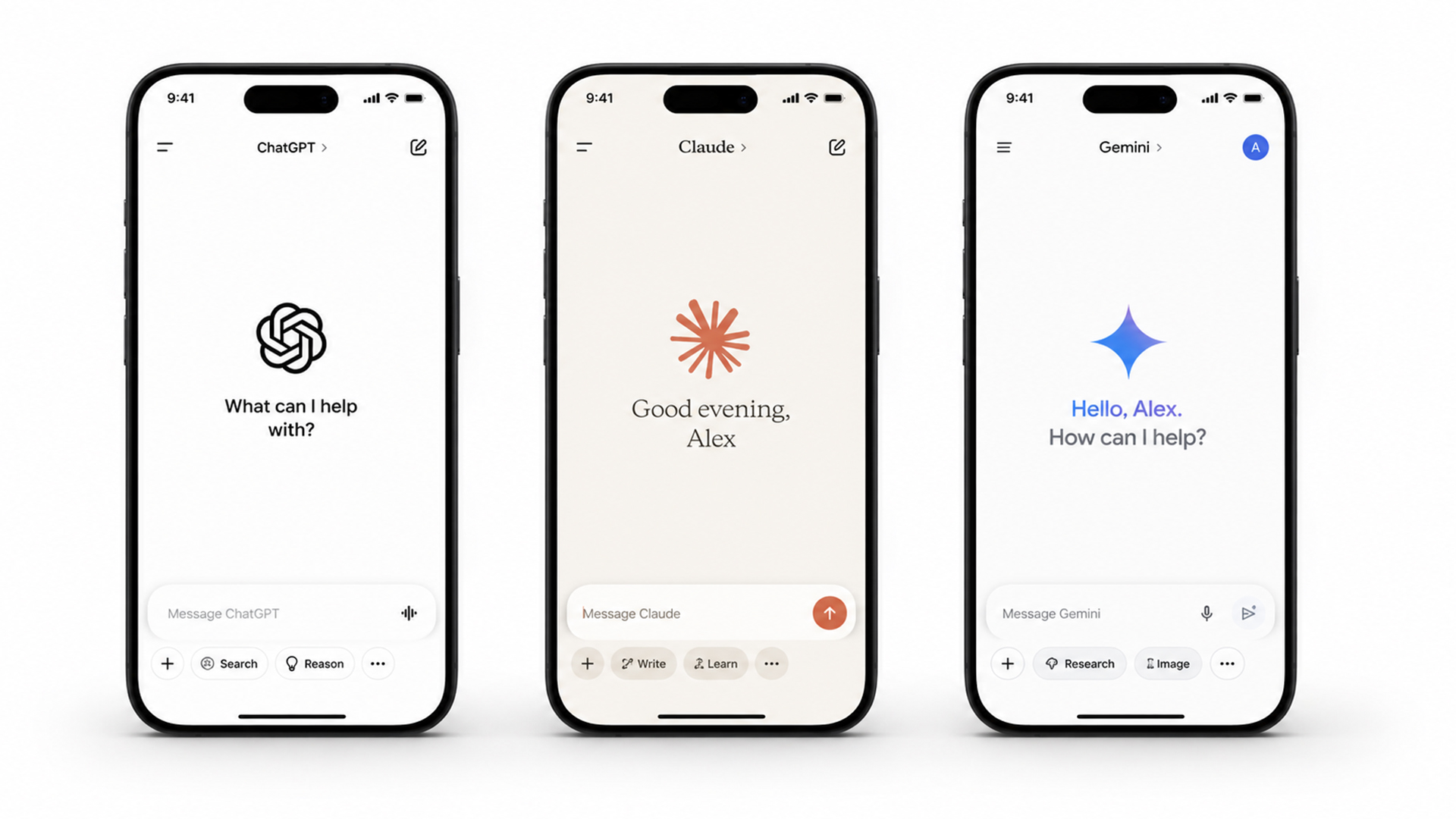
One detail that has surfaced in reports is particularly exciting. Some sources suggest you may not be limited to a single AI for everything. There are indications that different AI models could potentially be assigned to different tasks, such as Gemini for text generation and Claude for image-related prompts within Image Playground.
Reports also mention that Apple may assign different voices to each AI provider. So when Claude is answering through Siri, you would hear a voice associated with Claude rather than Apple's standard Siri voice. It is a small touch, but a telling one: Apple appears to expect users to actively switch between providers rather than simply picking one and forgetting about it.
What Do the AI Subscriptions Cost in the UK?
All three offer free tiers with usage limits, plus paid plans. For reference, as of May 2026:
- Claude Pro: approximately £16 per month
- ChatGPT Plus: approximately £16 per month
- Gemini Advanced: approximately £19 per month (included with Google One AI Premium)
Connecting a paid subscription would likely unlock premium model access inside Apple Intelligence. Free tier users would still be able to use Extensions, but with the usage limits that apply to their chosen provider's free plan.
Which iPhones Would Support the New AI Features in iOS 27?
Not every iPhone in use today will be able to take advantage of the new WWDC26 AI features. Compatibility matters, particularly for anyone thinking about upgrading ahead of the autumn launch.
|
iPhone Generation |
iOS 27 Support |
Apple Intelligence (Full) |
AI "Extensions" & Siri 2.0 |
|---|---|---|---|
|
iPhone 18 Pro/Max/Fold (TBR) |
Yes |
Yes (Native) |
Yes |
|
iPhone 18 / 18e (TBR) |
Yes |
Yes (Native) |
Yes |
|
iPhone 17 Series (All) |
Yes |
Yes (Native) |
Yes |
|
iPhone 16 Series (All) |
Yes |
Yes (Native) |
Yes |
|
iPhone 15 Pro / 15 Pro Max |
Yes |
Yes (Native) |
Yes |
|
iPhone 15 / 15 Plus |
Yes |
Limited |
Limited |
|
iPhone 14 Series |
Yes |
No |
No (Basic iOS 27 only) |
|
iPhone 13 Series |
Yes |
No |
No (Basic iOS 27 only) |
|
iPhone 12 Series |
Yes |
No |
No (Basic iOS 27 only) |
|
iPhone SE (3rd Gen) |
Yes |
No |
No (Basic iOS 27 only) |
|
iPhone 11 & Earlier |
No |
No |
No |
Note: This information comes from leaks and reports from April/May 2026. Nothing is officially confirmed by Apple.
If your iPhone is on the older end, now could be a good time to start planning an upgrade. At Laptop Outlet, you can explore a wide range of iPhones to ensure you don’t miss out on new Apple AI features.
How Does This Fit into Apple's Broader AI Strategy?
It is important to understand that the rumoured Extensions system is one part of a much larger picture. Apple's relationship with third-party AI is already more layered than many people realise, and what is expected at WWDC26 builds on that foundation rather than replacing it.
Apple's current arrangement with ChatGPT, which became part of iOS 18, was the first crack in Siri's closed ecosystem. iOS 26 deepened that, making ChatGPT more accessible across Writing Tools, Siri, and Image Playground. The expected iOS 27 Extensions framework is the next step: turning a bilateral arrangement with one AI company into an open platform for multiple providers.
What Is Happening to Siri Itself?
Reports indicate the Siri AI upgrade is a full rebuild, not just patched. Expected changes include:
- A dedicated standalone Siri app where you can hold proper back-and-forth conversations and review your chat history
- Dynamic Island integration with animated indicators and transparent response cards
- An iMessage-style chat interface for text-based interactions when you do not want to speak aloud
- System-wide "Ask Siri" and "Write with Siri" shortcuts accessible from anywhere in iOS
- Onscreen awareness so Siri can understand and act on what is currently displayed on your screen
The rebuilt Siri is reportedly codenamed "Campos" internally and is described by those familiar with it as a full conversational AI rather than the command-based assistant Siri has been until now. Think less "Hey Siri, set a timer" and more genuine back-and-forth assistance.
Is Apple Building Its Own ChatGPT Rival?
Yes, reportedly. Apple is said to be developing its own chatbot-style AI tool that sits deep within iOS, iPad OS, and macOS. This internal tool would compete with, or at least complement, the third-party options available through Extensions. Whether this launches at WWDC26 or arrives later in iOS 27's development cycle is not yet known.
What Does This Mean for the App Store and Developers?
Beyond the user-facing changes, the Extensions system is expected to create a significant new opportunity for AI developers. Reports suggest Apple may introduce a dedicated App Store section specifically for AI apps that support the Extensions framework, giving these apps a prominent new discovery channel.
For users, this means the list of supported AI providers could grow well beyond the initial three. Grok, Perplexity, and other AI services are reportedly among those that could join the Extensions ecosystem, provided they build the necessary integration.
| What this means practically: When you open the App Store after iOS 27 launches, there may well be an AI section dedicated to apps that can power your Siri and Writing Tools experience. It would not be unlike the way browser or email apps are surfaced when you change your defaults today. |
When Can You Expect These Features and What Happens Next?
WWDC26 runs from 8 to 12 June 2026, with Apple's keynote on the Monday morning. Developer betas of iOS 27, iPadOS 27, and macOS 27 are expected to follow the keynote very shortly afterwards. A public beta would typically arrive weeks later, with the full release expected in September 2026, in line with Apple's usual autumn update cycle.
There is an important caveat here: not every feature shown at WWDC makes it into the initial public release. Apple has a history of announcing features that then arrive in point updates throughout the year. It is quite possible that some of the Extensions functionality could roll out in stages.
What should you do right now?
- Check your device compatibility. Make sure you are on an iPhone 15 Pro, 15 Pro Max, or iPhone 16 series to access these features.
- Enable Apple Intelligence on your device now if you have not already done so, via Settings > Apple Intelligence & Siri.
- Download the AI apps you are interested in, whether that is Claude, Gemini, or ChatGPT, so you are ready to set your preference on day one.
- Watch the WWDC26 keynote on 8 June for the official picture, since everything before then remains rumour and speculation.

Apple’s AI Turning Point
WWDC26 is shaping up to be one of the most significant moments in iPhone AI history. The widely expected announcement of an Extensions framework for iOS 27 could finally let iPhone users choose Claude, Gemini, or ChatGPT on iPhone as the AI behind Siri, Writing Tools, and much more. This is not just a feature update; it is a shift in Apple's fundamental approach to AI, moving from a single exclusive partnership towards an open, user-driven platform.
A Few More Things to Know...
What is WWDC26 and when does it take place?
WWDC26 is Apple's annual developer conference, widely expected to run from 8 to 12 June 2026, with the main keynote streamed live from Apple Park in California at 6pm UK time.
Will iPhone users be able to choose Claude, Gemini, or ChatGPT on iPhone with iOS 27?
Multiple credible reports suggest iOS 27 will introduce an Extensions framework letting users select their preferred third-party AI model for Siri, Writing Tools, and Apple Intelligence features. Nothing is confirmed yet.
What is Apple's "Extensions" framework for AI on iPhone?
It is Apple's rumoured system allowing third-party AI apps like Claude and Gemini to integrate with Siri, Writing Tools, and Image Playground through a standardised API accessed via installed App Store apps.
Which AI is best for iPhone users: Claude, Gemini, or ChatGPT?
It depends on your needs. Claude leads for writing and coding precision, Gemini excels at real-time research and multimodal tasks, and ChatGPT is strongest for natural voice interaction and general daily use.
Which iPhones will support Apple Intelligence AI Extensions in iOS 27?
Apple Intelligence features are expected to require at minimum an iPhone 15 Pro or any iPhone 16 model due to chip requirements.
| Read More |
| WWDC26: Everything Apple Is Expected to Announce on June 8 |
| The New Siri Is Everything iOS 18 Promised and Didn't Deliver |
| iOS 27: Apple's Biggest Siri Overhaul Yet Is Almost Here |
Related Articles
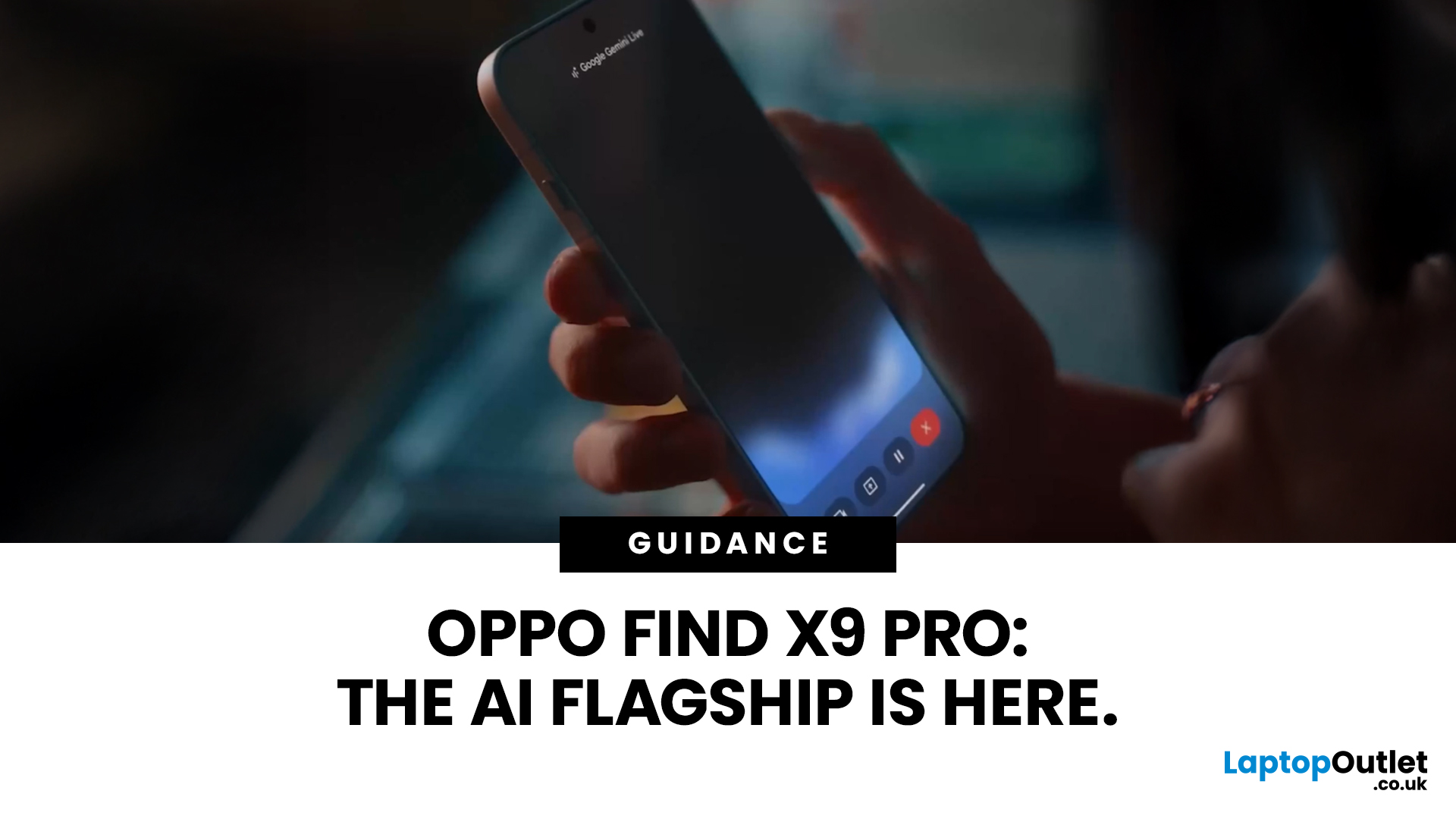

Last Updated: November 19, 2025
The New Standard for Smart. Expect to pay £1,099.
The year 2025 marks a turning point for smartphones. It's no longer just about fast processors and sharp cameras; it’s about intelligence.
This is where the OPPO Find X9 Pro 5G comes in.
While the official specs of this device are certainly top-tier (flagship-level), the most exciting changes are in OPPO's software. We're talking about deep Google Gemini integration, the revolutionary Oppo Mind Space app for seamless productivity, and a suite of ColorOS 16 AI tools designed to simplify your digital life.
If you are looking for a new Android phone that truly redefines what "smart" means, then this detailed OPPO Find X9 Pro review is exactly what you need to read before you buy.
Design, Display, and Core Performance
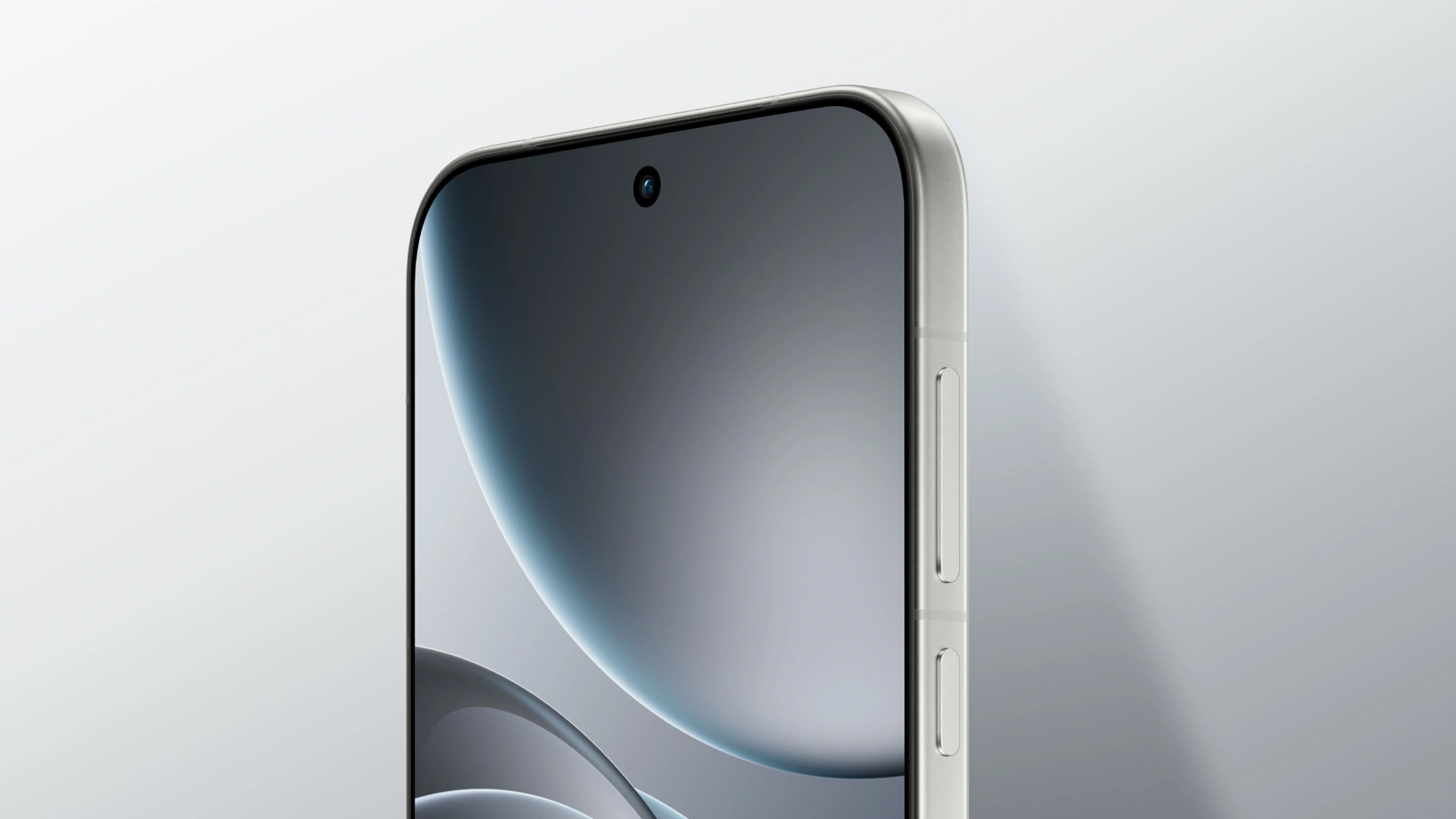
The Oppo Find X9 Pro maintains the Oppo mobiles’ reputation for premium design and build quality, offering a stunning device that feels substantial and luxurious in the hand.
Design and Durability
The phone features an elegant,

Last Updated: November 07, 2025
Artificial intelligence is no longer something futuristic or far-fetched- it's here, quietly sitting inside your laptop, ready to help you work, create, and connect in smarter ways than ever before. The arrival of laptops with Google Gemini built in marks a turning point in personal technology. It's not just another upgrade; it's a complete rethink of how we use our computers.
Let's take a closer look at what makes these new machines so exciting, how they work, and why they're shaping the future of everyday computing.
Inside the New Laptops with Built-In Google Gemini AI
The phrase "built-in AI" might initially evoke visions of self-driving cars or robotics, but in the context of laptops, it means something more practical and immediate. You might have used Gemini through the web or mobile apps already, but what's new is that it's now built directly into laptops.
That means you don't need to open a browser tab or sign into a separate AI service. Gemini becomes an integral part of the
Published: November 19, 2025
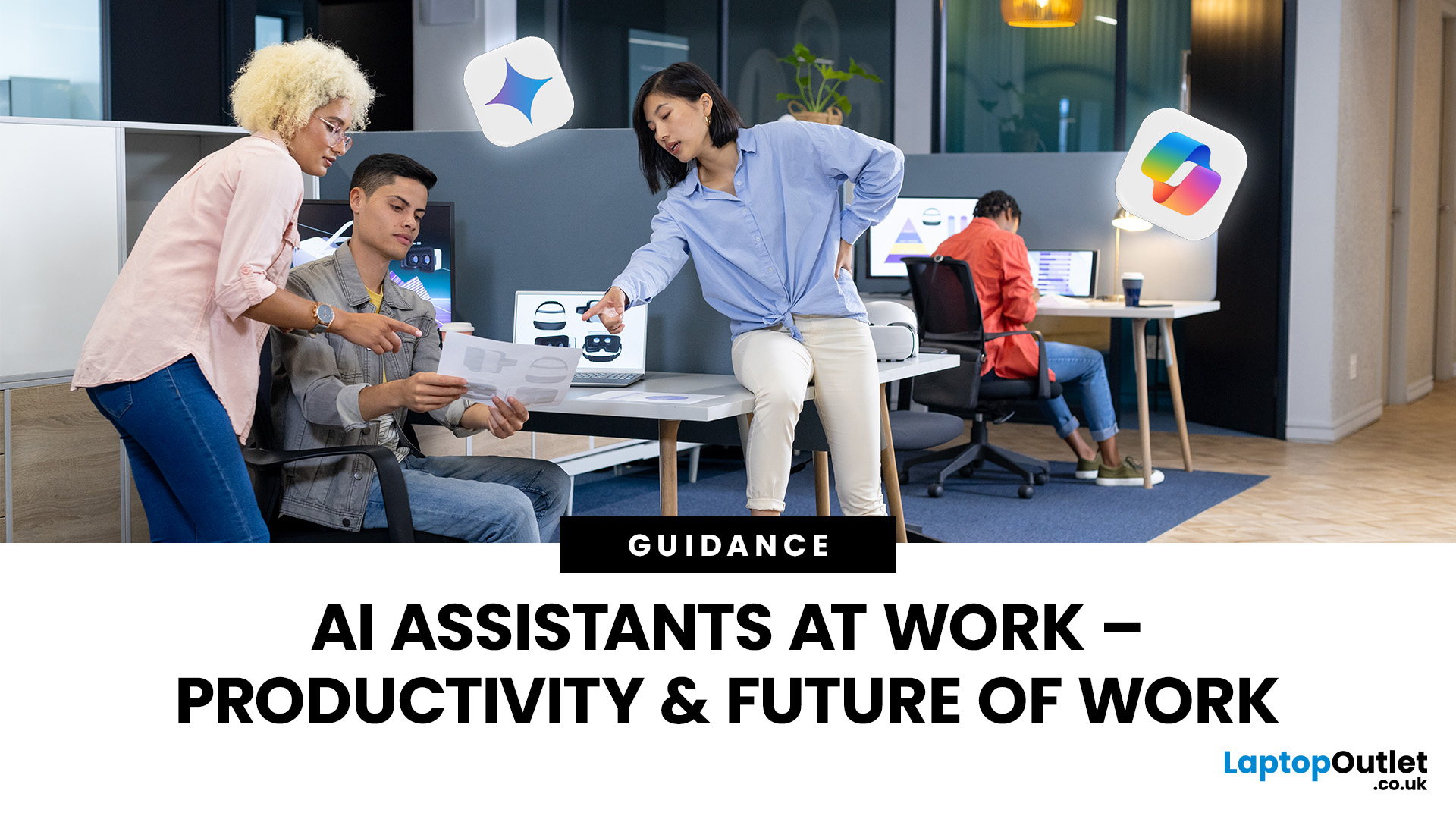
In 2025, the phrase “AI assistant” has moved from buzzword to boardroom talking point. When you hear names like Microsoft Copilot or Google Gemini, what you’re really hearing is: “Here’s a tool that’s supposed to make your workday shorter, smarter and more efficient.” But do these AI assistants actually improve real productivity in the workplace - or is it just hype wrapped in convenience?
This article dives into how workplace-AI tools are changing the game, what the data says about productivity gains, where the real value lies (and where it doesn’t), and how organisations and individuals can get the most out of these assistants without falling into pitfalls.
What are these AI assistants, and why are they gaining traction?
Let’s start by clarifying what we mean by an “AI assistant” in a workplace context. These tools are built on large-language models (LLMs) and often combine natural language understanding, automation, context awareness, and integration within productivity suites.
- Microsoft
Last Updated: March 04, 2026
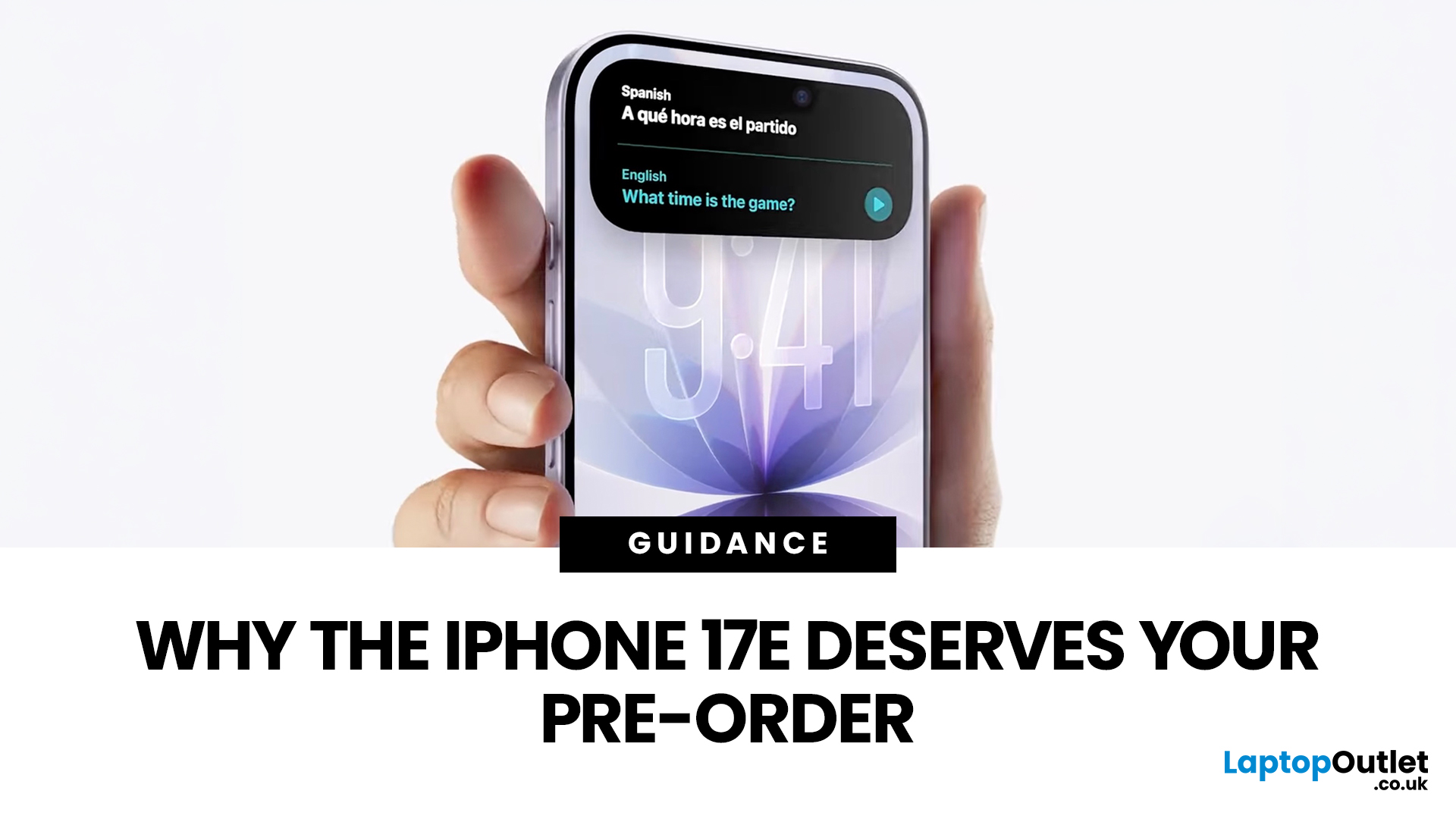
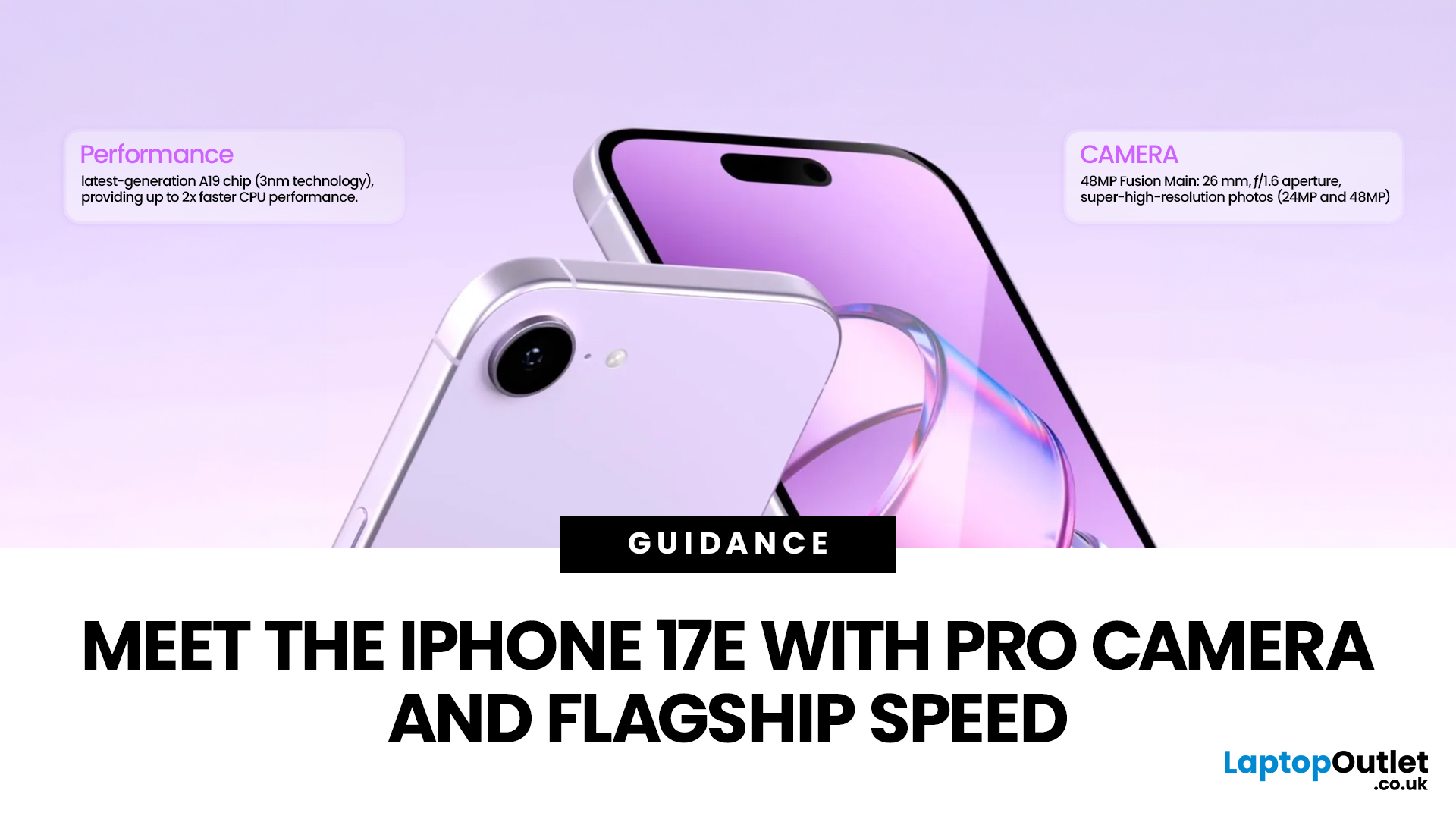
If you’re in the UK and you’ve been waiting for an iPhone that hits the sweet spot between price, features, and longevity, the iPhone 17e is shaping up to be exactly that. Apple’s UK Store listing shows pre-orders open at 2:15 pm on 4th March, with availability from 11 March, starting at £599.
So… should you place an iPhone 17e pre-order as soon as it opens? Here are the top 5 reasons UK buyers might genuinely want to.
Quick UK iPhone 17e facts (at a glance)
- UK pre-order date & time: 2:15pm on 4th March
- UK availability: 11th March
- UK price: £599 (256GB) / £799 (512GB)
- Colours: Black, White, Soft Pink
- Standout upgrades: MagSafe (up to 15W), 48MP Fusion camera, A19 chip, Ceramic Shield 2
1) You’ll have the best shot at getting the colour + storage you actually want
Pre-orders aren’t just hype, they’re practical.
When demand spikes, it’s usually specific combinations that go first (popular colour + storage). With iPhone 17e you’ve got three colours (including the new Soft Pink) and two
Last Updated: March 04, 2026
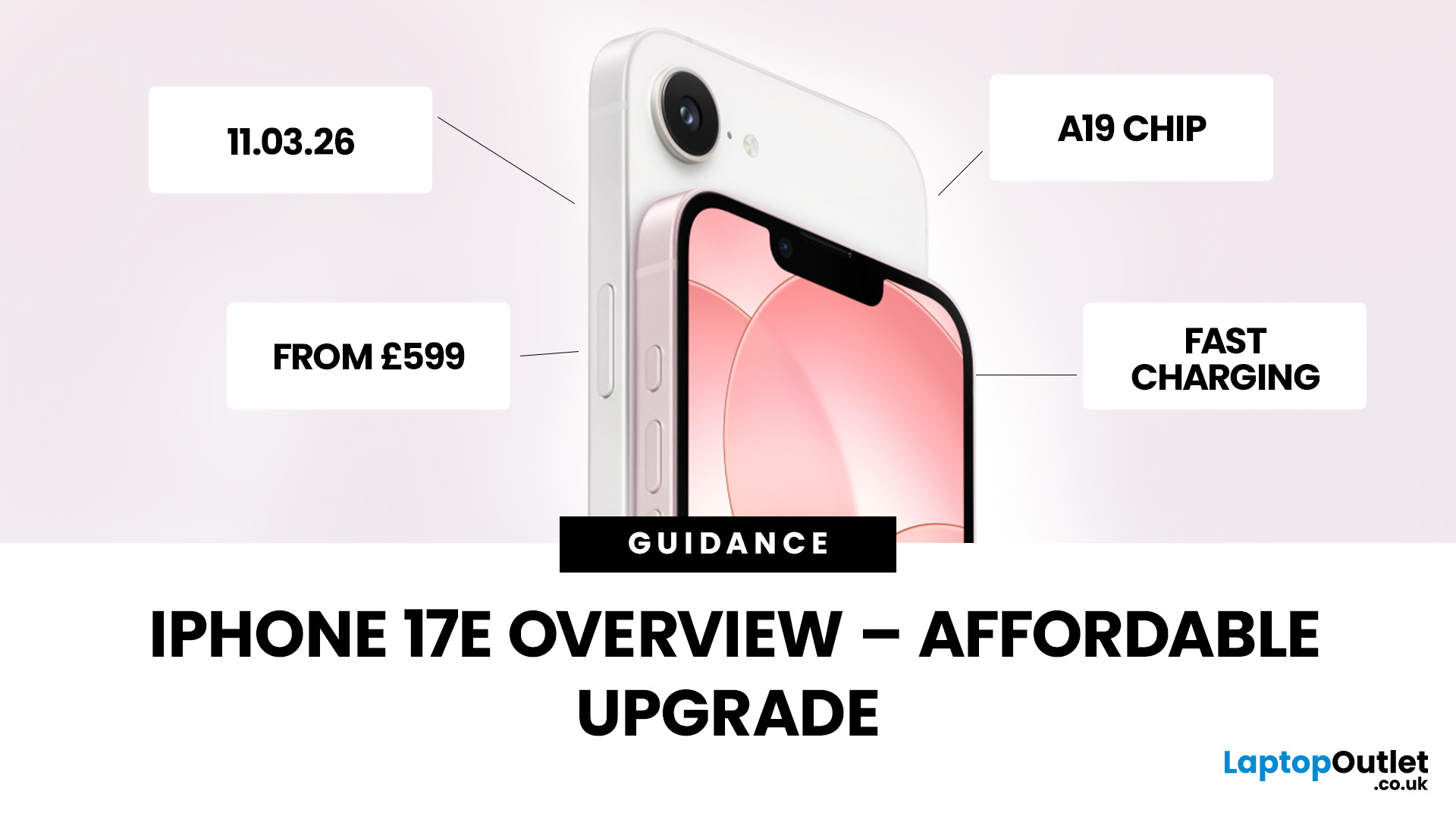
Apple launched the iPhone 17e on 2 March 2026, and it has already caught a lot of attention. Priced at £599 with 256GB of base storage, it sits as the most affordable entry point into the iPhone 17 family. That is £200 less than the standard iPhone 17, yet the two share the same A19 chip generation.
But affordable does not mean basic. This iPhone packs serious upgrades, particularly in camera and performance. So, is it worth your money in 2026? Let us break it all down.
iPhone 17e Camera System: What's New in 2026
The iPhone 17e camera is one of the biggest talking points of this release. Apple has kept a single rear camera setup, but what it does with that one sensor is genuinely impressive.
48MP Fusion Camera: A 2-in-1 System
The rear camera features a 48MP Fusion sensor with an f/1.6 aperture and optical image stabilisation. On the surface, the megapixel count matches the iPhone 16e. However, Apple has made meaningful improvements underneath.
The most notable addition is the optical-quality
Last Updated: March 04, 2026
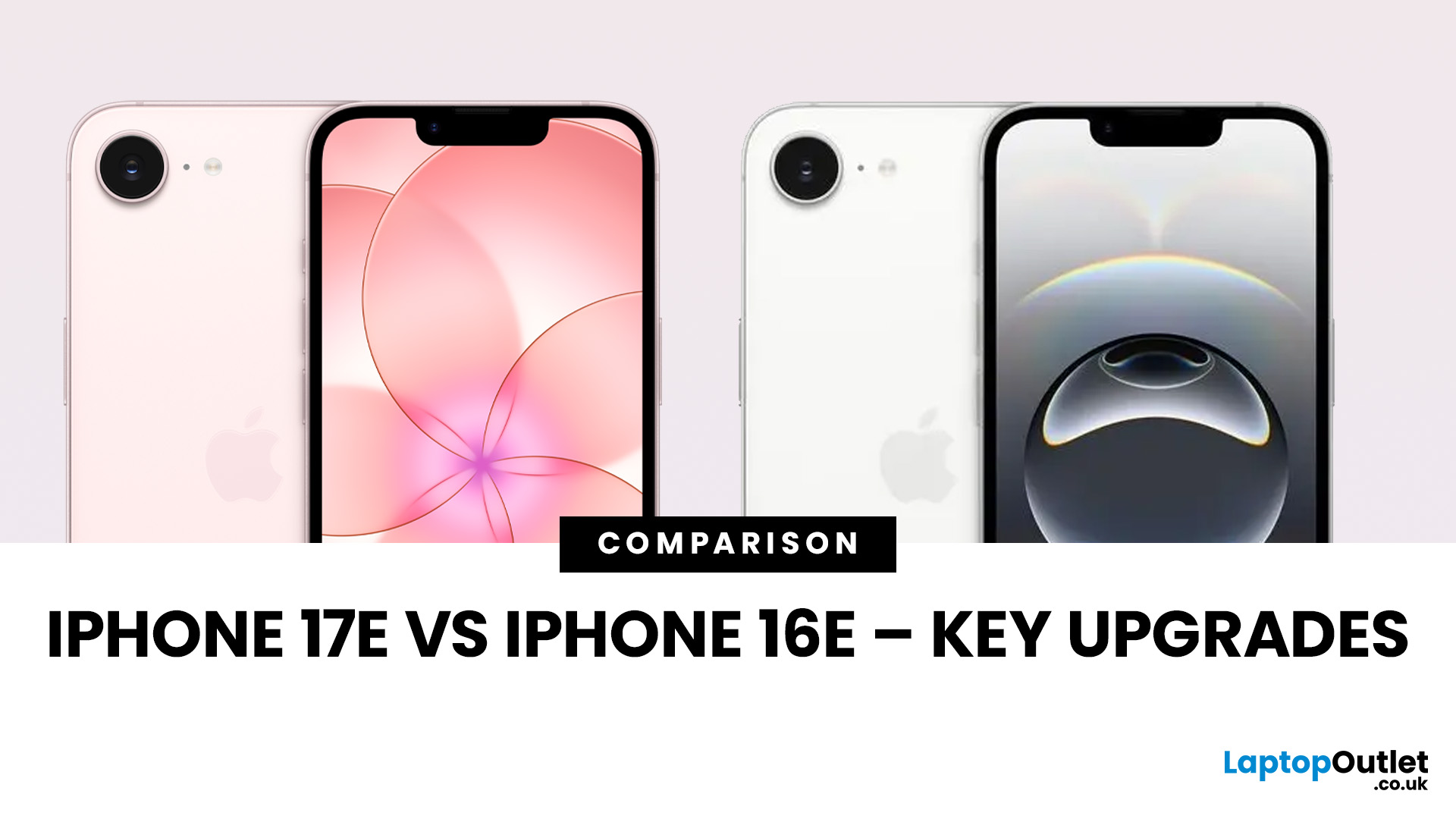
Apple has officially unveiled the iPhone 17e, positioning it as the most affordable way to get into the iPhone 17 lineup in 2026. If you’re in the UK and weighing up whether this is the right upgrade, here’s everything you need to know, including the iPhone 17e release date, UK price, specs, colours, features, and how it compares to the iPhone 17 and iPhone 16e.
iPhone 17e Release Date (UK)
Apple confirmed that pre-orders begin on 4 March, with the iPhone 17e available from 11 March.
That means UK buyers won’t have long to wait, and as with previous launches, early stock could sell quickly, especially for popular colours and higher storage configurations.
iPhone 17e UK Price and Storage
The iPhone 17e starts at £599 in the UK for the 256GB model, with the 512GB version priced at £799 .
Apple is also offering 0% finance options, with monthly payments available from £24.95 per month over 24 months.
What this means for UK buyers
- It’s £200 cheaper than the standard iPhone 17, which starts
Last Updated: March 04, 2026
Apple’s “e” iPhones are the simple buys in the lineup: modern OLED screen, strong main camera, long battery, and a price that does not try to compete with the Pro models. The iPhone 17e keeps that formula but fixes a couple of pain points from the iPhone 16e and adds upgrades that matter in daily use, not just on a spec sheet.
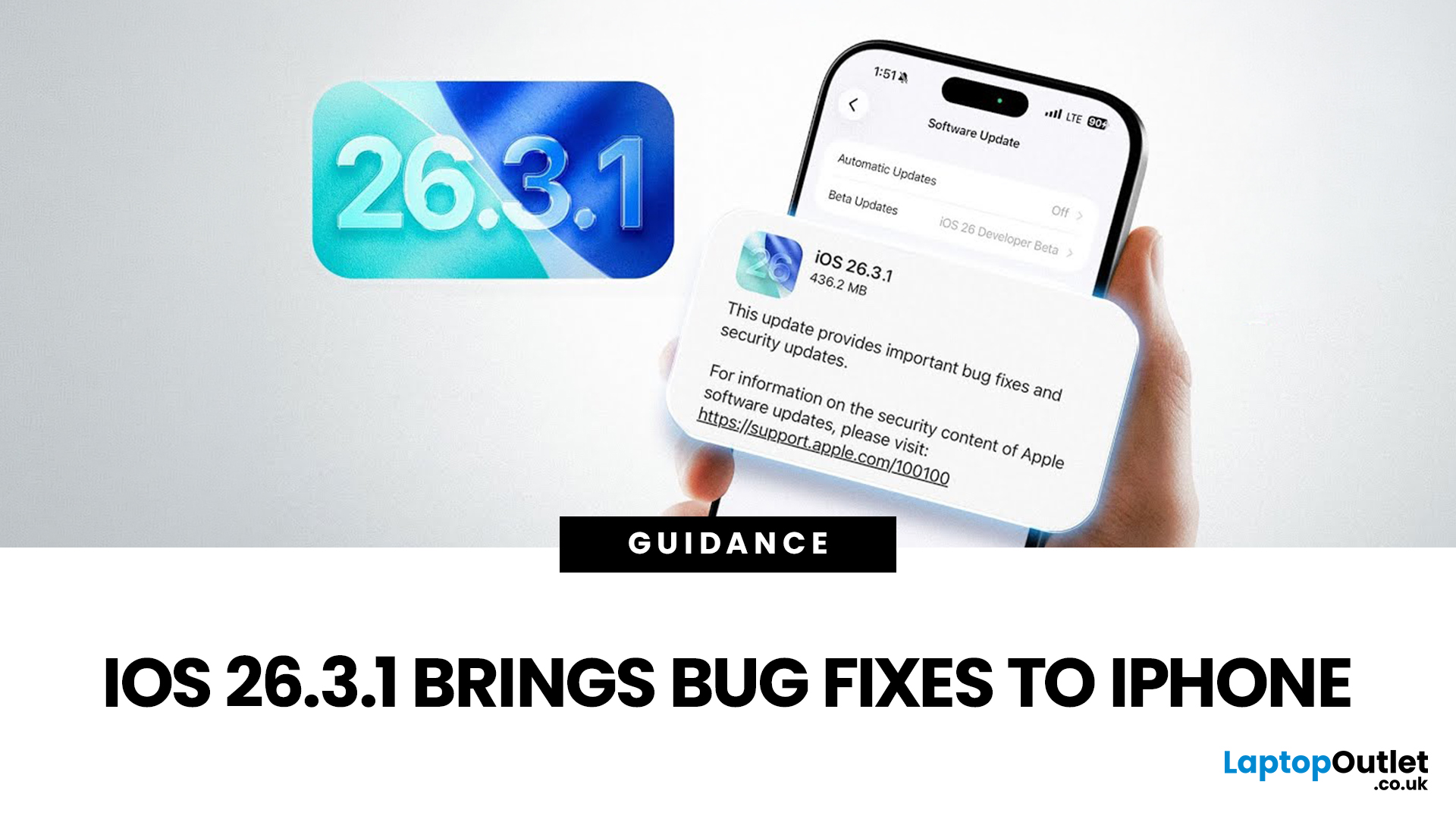
If you are deciding between iPhone 17e vs iPhone 16e, the short version is this: iPhone 17e is the better long-term buy because it brings MagSafe back, doubles the base storage, and moves to the newer A19 chip, while keeping the same starting price in major markets like the UK.
Quick Answer: Which One Should You Buy?
Buy iPhone 17e if you want the smarter default choice
You should choose iPhone 17e if you care about any of these:
- MagSafe accessories and better wireless charging convenience
- More storage without paying extra
- A newer chip for longer iOS and Apple Intelligence headroom
- Slight durability improvements on the front glass
Buy iPhone 16e if the discount
Published: March 05, 2026
Apple has officially rolled out the iOS 26.3.1 update for iPhone users, bringing several important bug fixes, security patches, and performance improvements. While this is not a major feature update, it focuses on improving system stability and fixing issues reported in the previous iOS 26.3 version.
Minor iOS updates like iOS 26.3.1 are important because they often resolve bugs that affect everyday performance, connectivity, and device security. If you own a compatible iPhone, installing the iOS 26.3.1 update can help ensure smoother performance and better protection against vulnerabilities.
In this guide, we’ll cover the iOS 26.3.1 release date, features, download steps, supported devices, and answer the common question: Should you update to iOS 26.3.1?
iOS 26.3.1 Release Date
Apple released the iOS 26.3.1 update on March 04, 2026, after the launch of iOS 26.3, aiming to fix several issues discovered after the previous version went live.
Typically, Apple rolls out minor updates like
Last Updated: March 06, 2026
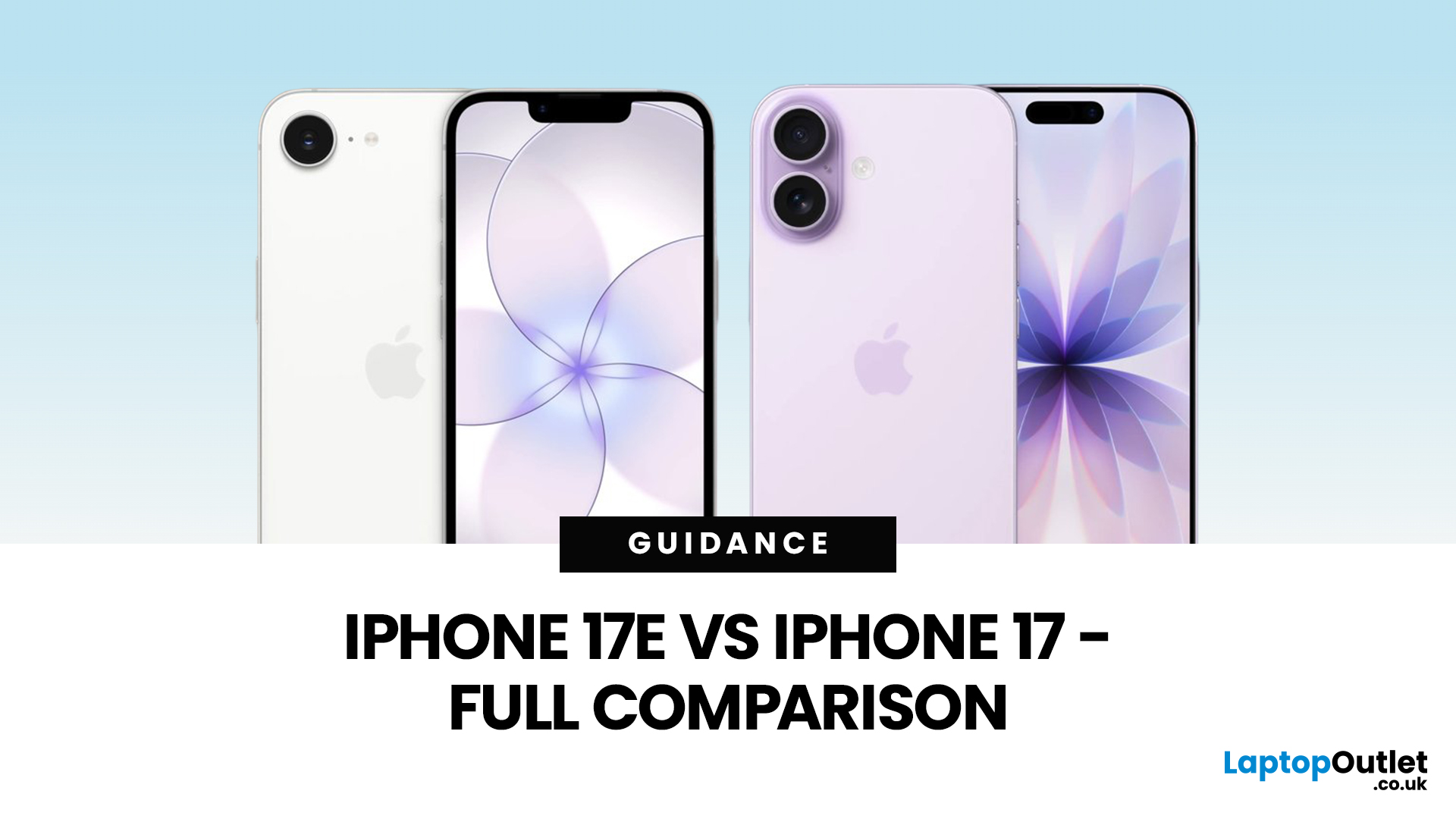
Apple has done that thing again where two phones look nearly the same… until you’re about to pay and suddenly it’s “wait, why am I spending £200 more?” If you’re deciding between iPhone 17 vs iPhone 17e, you’re basically trying to answer one question: will you feel the upgrades, or is it just spec-sheet sparkle?
The iPhone 17e (sometimes written as iPhone 17 e) is Apple’s newest “value” iPhone, designed to give you the essentials without the flagship price tag. In the UK, the iPhone 17e price starts at £599 for 256GB, while the standard iPhone 17 starts at £799 for 256GB, that’s the main reason the difference between iPhone 17 and 17e matters so much.
On paper, the iPhone 17e vs iPhone 17 looks closer than you might expect. Both share the A19-generation performance, but the iPhone 17 adds upgrades you’ll notice daily, especially smoother screens and more flexible cameras.
We cover everything UK shoppers need: size, display, cameras, battery, charging, connectivity, price, and iPhone 17e

Published: March 12, 2026
The foldable phone market is growing fast. And 2026 is shaping up to be its most exciting year yet.
Samsung's Galaxy Z Fold 7 is already here, refined and polished after seven generations. Apple's iPhone Fold, set to arrive in autumn 2026, is the most anticipated foldable debut in smartphone history. So, when it comes to iPhone Fold vs Galaxy Z Fold 7, which one is actually worth your money?
This foldable smartphone buying guide covers every major spec, feature, and difference between the two. Whether you are a longtime Samsung user or a loyal iPhone owner eyeing something new, read on.
| Important note: The iPhone Fold has not been officially announced at the time of writing. All iPhone Fold details are based on credible leaks, analyst reports from Ming-Chi Kuo and Mark Gurman (Bloomberg), and supply-chain sources. |
Full Specs at a Glance: Apple iPhone Fold vs Galaxy Z Fold 7
Here is a complete, detailed Galaxy Z Fold 7 specs comparison against the expected iPhone Fold. Every

