



Apple iPhone Fold vs Samsung Galaxy Z Fold 7: Which Foldable Is Worth It

The foldable phone market is growing fast. And 2026 is shaping up to be its most exciting year yet.
Samsung's Galaxy Z Fold 7 is already here, refined and polished after seven generations. Apple's iPhone Fold, set to arrive in autumn 2026, is the most anticipated foldable debut in smartphone history. So, when it comes to iPhone Fold vs Galaxy Z Fold 7, which one is actually worth your money?
This foldable smartphone buying guide covers every major spec, feature, and difference between the two. Whether you are a longtime Samsung user or a loyal iPhone owner eyeing something new, read on.
| Important note: The iPhone Fold has not been officially announced at the time of writing. All iPhone Fold details are based on credible leaks, analyst reports from Ming-Chi Kuo and Mark Gurman (Bloomberg), and supply-chain sources. |
Full Specs at a Glance: Apple iPhone Fold vs Galaxy Z Fold 7
Here is a complete, detailed Galaxy Z Fold 7 specs comparison against the expected iPhone Fold. Every major specification is covered before we break each one down in full.
|
Specification |
Apple iPhone Fold (Expected) |
Samsung Galaxy Z Fold 7 |
|
Release Date |
Autumn 2026 |
July 2025 |
|
Form Factor |
Book-style foldable |
Book-style foldable |
|
Colours |
Black, White |
Jet Black, Blue Shadow, Silver Shadow, Mint |
|
Inner Display Size |
~7.7 to 7.8 inches |
8.0 inches |
|
Inner Panel Type |
LTPO OLED |
Dynamic AMOLED 2X |
|
Inner Resolution |
2,713 x 1,920 |
2,184 x 1,968 |
|
Cover Display Size |
~5.4 to 5.5 inches |
6.5 inches |
|
Cover Panel Type |
OLED |
Dynamic AMOLED 2X |
|
Refresh Rate |
Up to 120Hz |
1 to 120Hz adaptive |
|
Crease |
Near-invisible |
Reduced but present |
|
Chipset |
Apple A20 Pro, 2nm |
Snapdragon 8 Elite for Galaxy, 3nm |
|
CPU |
Expected 6-core (2+4) |
8-core (2x4.47GHz + 6x3.53GHz) |
|
GPU |
Apple GPU |
Adreno 830 |
|
RAM |
12GB |
12GB / 16GB (1TB model) |
|
Internal Storage |
256GB / 512GB / 1TB |
256GB / 512GB / 1TB |
|
Main Rear Camera |
48MP, wide (expected) |
200MP, f/1.7, OIS |
|
Secondary Rear Camera |
48MP, ultrawide (expected) |
12MP, f/2.2, 120-degree ultrawide |
|
Tertiary Rear Camera |
None expected |
10MP, f/2.4, 3x optical zoom, OIS |
|
Cover Selfie Camera |
Yes |
10MP, f/2.2 |
|
Inner Selfie Camera |
Yes |
10MP, f/2.2, hole-punch |
|
Video (Rear) |
TBC (likely 4K @ 60fps) |
8K @ 30fps, 4K @ 120fps |
|
OIS |
Expected |
Yes (main + telephoto) |
|
AI Camera Features |
Apple Intelligence |
ProVisual Engine + Galaxy AI |
|
Battery Capacity |
~5,400 to 5,800 mAh |
4,400 mAh |
|
Wired Charging |
35W |
25W |
|
Wireless Charging |
Expected MagSafe |
15W fast wireless |
|
5G |
Yes |
Yes (Sub-6GHz + mmWave) |
|
Wi-Fi |
Wi-Fi 7 |
Wi-Fi 7 (802.11 a/b/g/n/ac/ax/be) |
|
Bluetooth |
Bluetooth 5.4 |
Bluetooth 5.4 |
|
NFC |
Yes |
Yes |
|
USB Port |
USB-C |
USB-C (USB 3.2 Gen 2) |
|
Frame Material |
Titanium alloy |
Advanced Armor Aluminium |
|
Hinge Material |
Liquid metal + titanium |
Armor FlexHinge |
|
Water Resistance |
Expected IPX8 |
IP48 |
|
Fingerprint Sensor |
Touch ID in side button (expected) |
Side-mounted fingerprint sensor |
|
Face Unlock |
Not Expected |
Yes (2D face recognition) |
|
Speaker Setup |
Stereo speakers |
Stereo speakers |
|
Operating System |
iOS 27 |
Android 16 |
|
UI |
iOS 27 foldable mode |
One UI 8 |
|
Update Promise |
~6 to 7 years (expected) |
7 years OS + security |
|
AI Platform |
Apple Intelligence |
Galaxy AI + Google Gemini |
|
S Pen Support |
No |
No (removed in Z Fold 7) |
|
DeX Mode |
No |
Yes |
Design and Build Quality: Materials, Dimensions, and Finish
Design is where first impressions are made. Both phones take the book-style folding approach, but the iPhone Fold vs Galaxy Z Fold 7 comparison reveals very different priorities in terms of materials and engineering.
Samsung Galaxy Z Fold 7
Samsung has made thinness the centrepiece of the Z Fold 7. It measures just 4.2mm when unfolded, making it one of the slimmest foldables ever built. Folded, it sits at 8.9mm. It weighs 215 grams, lighter than the Galaxy S25 Ultra.
The new Armor FlexHinge uses a water-droplet design to visibly reduce creasing. The frame uses Advanced Armor Aluminium, claimed to be 10% harder than its predecessor. Gorilla Glass Ceramic 2 protects the cover screen, and Gorilla Glass Victus 2 covers the rear.
Available in Jet Black, Blue Shadow, Silver Shadow, and an exclusive Mint finish through Samsung's UK website.
Apple iPhone Fold
Apple is chasing near-perfection with its first foldable. According to Ming-Chi Kuo and Bloomberg's Mark Gurman, the iPhone Fold will feature a titanium alloy frame with a hinge built from liquid metal and titanium. This combination is designed to solve the crease problem permanently.
Multiple supply-chain sources suggest the inner display will be virtually crease-free, thanks to a metal stress-dispersion plate beneath the panel. Unfolded thickness is expected at around 4.5 to 4.8mm, directly rivalling the Z Fold 7. Folded, it sits at approximately 9 to 9.5mm.
The rumoured Apple iPhone Fold is expected to weigh around 220–255 grams.
Display Technology: Screens, Brightness, and Foldable Display Technology Differences
The display is the defining feature of any foldable. These foldable display technology differences between the two phones are significant and worth understanding closely before choosing between the iPhone Fold vs Galaxy Z Fold 7.
Samsung Galaxy Z Fold 7 Display
The Z Fold 7 features two Dynamic AMOLED 2X panels with 1 to 120Hz adaptive refresh rates. The inner display measures 8.0 inches at 2,184 x 1,968 resolution, delivering a near-square tablet format. The cover screen is a 6.5-inch, 2,520 x 1,080 panel with a conventional 21:9 aspect ratio, a big improvement over the narrow, awkward panels on older Z Fold models.
Peak outdoor brightness reaches 2,600 nits with Vision Booster active. Colours are vivid and accurate. The crease has been reduced through the new hinge design, though it remains faintly visible at certain angles.
Apple iPhone Fold Display
Apple is expected to use OLED panels on both displays. The inner screen is rumoured at 7.7 to 7.8 inches with a resolution of 2,713 x 1,920. The cover display is expected at 5.4 to 5.5 inches, notably more compact than Samsung's outer screen.
The standout claim is near-complete crease elimination. Samsung Display is expected to supply the OLED panels, but Apple's proprietary treatment process and metal stress-dispersion plate aim to deliver a flat, seamless viewing surface that no current foldable can match.
Apple iPhone Fold vs Galaxy Z Fold 7 Performance and Hardware
Foldable phones push processors harder than standard smartphones. Running multiple apps in split view, processing AI tasks, and powering two screens simultaneously demands serious hardware.
Samsung Galaxy Z Fold 7: Snapdragon 8 Elite for Galaxy
The Z Fold 7 is powered by the Snapdragon 8 Elite for Galaxy, a slightly overclocked version of Qualcomm's flagship chip. Built on a 3nm process, it features two Oryon V2 performance cores at 4.47GHz and six efficiency cores at 3.53GHz.
Samsung claims gains of 41% on AI tasks, 38% on CPU performance, and 26% on GPU workloads over the Z Fold 6. Standard models ship with 12GB LPDDR5X RAM. The 1TB model upgrades to 16GB RAM. Storage options use UFS 4.0 technology across all configurations. There is no microSD slot.
Apple iPhone Fold: A20 Pro on 2nm
Apple's iPhone Fold is expected to be powered by the A20 Pro chip, shared with the iPhone 18 Pro and Pro Max. Analyst Jeff Pu confirmed this chip allocation. The A20 Pro is built on a cutting-edge 2nm process node, which typically delivers better energy efficiency and stronger sustained performance than 3nm chips.
Apple's silicon has consistently led mobile benchmarks in single-core performance and power efficiency. RAM is reportedly 12GB. Storage configurations are expected to be 256GB, 512GB, and 1TB . There is no microSD slot expected.
Connectivity: 5G, Wi-Fi, Bluetooth, USB, and More
Connectivity is often overlooked in foldable comparisons, but it matters significantly for productivity users and everyday speed. Here is how the Apple iPhone Fold vs Samsung Galaxy Z Fold 7 compare across every major connectivity option, from 5G bands to USB transfer speeds.
Samsung Galaxy Z Fold 7 Connectivity
Samsung covers virtually every connectivity standard available in 2025. The Z Fold 7 supports 5G on both Sub-6GHz and mmWave bands, giving it the fastest 5G performance in compatible areas. Wi-Fi 7 (802.11 be) support means faster wireless speeds and lower latency compared to Wi-Fi 6E devices.
The USB-C port supports USB 3.2 Gen 2, enabling data transfer speeds of up to 10 Gbps. This is meaningful for transferring large files, using the phone as a laptop accessory via DeX, or connecting to external displays. Bluetooth 5.4 is included for earbuds and peripherals. NFC enables contactless payments via Samsung Pay. UWB (Ultra-Wideband) and satellite connectivity round out the package.
Apple iPhone Fold Connectivity
Apple's iPhone Fold is expected to match or exceed Samsung across every connectivity front. 5G is highly anticipated. Wi-Fi 7 is a near-certainty given Apple's recent track record. Bluetooth 5.4 is also expected. NFC for Apple Pay is standard across all modern iPhones.
The USB-C port will be included, though transfer speed remains unconfirmed. iPhone 18 Pro models are widely expected to support USB 3.2 or Thunderbolt, which would give the iPhone Fold a significant edge for professionals connecting to monitors, storage, or docking stations. UWB is expected for AirDrop precision and AirTag functionality.
Camera System: iPhone Fold vs Galaxy Z Fold Camera Head-to-Head
The iPhone Fold vs Galaxy Z Fold camera comparison is one of the most striking in this matchup. Samsung and Apple have taken completely different approaches to what a foldable camera system should look like, and the hardware gap is significant.
Samsung Galaxy Z Fold 7 Cameras
Samsung has made a headline upgrade. The Z Fold 7's rear system is led by a 200MP wide-angle main sensor at f/1.7 with OIS, the same sensor found in the Galaxy S25 Ultra. This is backed by Samsung's ProVisual Engine for AI-powered noise reduction, always-on HDR processing, and scene detection.
The full camera setup includes:
- 200MP wide-angle (main) at f/1.7, OIS, ProVisual Engine
- 12MP ultra-wide at f/2.2, 120-degree field of view
- 10MP telephoto at f/2.4, 3x optical zoom, OIS
- 10MP cover screen selfie at f/2.2
- 10MP inner display hole-punch selfie at f/2.2
Video recording supports up to 8K at 30fps and 4K at 120fps. Galaxy AI's Audio Eraser removes background noise from videos automatically.
Apple iPhone Fold Cameras
Apple has chosen to keep the camera system lean in order to maintain the thin profile. Leaks point to a dual rear system with two 48MP sensors: one standard wide and one ultrawide. No telephoto lens is expected on this first generation. Two front-facing cameras handle selfies in both folded and unfolded states.
What Apple lacks in hardware quantity, it attempts to compensate for with computational photography. Apple Intelligence and the A20 Pro's neural engine will power Smart HDR, Photonic Engine, and advanced video stabilisation. Apple's video is expected to reach at least 4K at 60fps, possibly higher.
Battery Life and Charging: iPhone Fold Battery Life Expectations vs Z Fold 7
Bigger screens need bigger batteries. iPhone Fold battery life expectations are among the most discussed rumours ahead of its launch. The contrast with the Z Fold 7 is striking, and for many buyers this comparison could be the deciding factor.
Samsung Galaxy Z Fold 7 Battery
The Z Fold 7 carries a 4,400 mAh battery (IEC rated at 4,272 mAh). Charging support includes 25W wired charging, 15W fast wireless charging, and 4.5W reverse wireless charging.
The 25W wired charging speed is a recurring criticism for a phone priced from £1,799. Many competitors and even some mid-range phones charge faster. In practice, Samsung's chip efficiency and mDNIe display technology help stretch the battery through a full day of moderate use.
Apple iPhone Fold Battery
The iPhone Fold is rumoured to carry a substantially larger battery. CAD leaks and supply-chain sources estimate capacity between 5,400 and 5,800 mAh, a major advantage over the Z Fold 7.
Paired with the A20 Pro chip on a 2nm process, which delivers superior energy management, the iPhone Fold could offer genuinely strong all-day performance. Charging speeds remain unconfirmed, though Apple has been steadily increasing speeds on its Pro models. MagSafe wireless charging is expected.
Biometrics and Security: How Each Phone Keeps You Protected
For a device used for banking, payments, and sensitive work, biometrics and security matter. Both the iPhone Fold vs Galaxy Z Fold 7 offer robust protection, but they approach it in different ways with different hardware and software layers.
Samsung Galaxy Z Fold 7 Biometrics and Security
The Z Fold 7 uses a side-mounted capacitive fingerprint sensor that doubles as the power button. It is fast and accurate in everyday use. A 2D face recognition system is also available for quick unlock, though it is less secure than a 3D system since it can be fooled by a photo.
On the software side, Samsung Knox provides enterprise-grade security from the chip level up. Knox Vault stores sensitive data, including biometrics and encryption keys, in a separate, isolated processor. The Z Fold 7 is certified for use in government and enterprise environments, and supports Samsung Pass for password management.
Apple iPhone Fold Biometrics and Security
Apple is expected to use Touch ID integrated into the side power button, a design already used on the iPad mini and some iPad Air models. Some analyst reports suggest Face ID may also be included, though packaging it inside a foldable form factor is a significant engineering challenge.
Apple's Secure Enclave stores all biometric data on a dedicated, isolated chip. This means fingerprint and facial data never leaves the device and is never sent to Apple's servers. Combined with iOS 27's enhanced privacy controls and Private Cloud Compute, the iPhone Fold is expected to be among the most secure consumer smartphones available.
Audio Quality: Speakers, Sound Tuning, and Headphone Options
Audio is rarely the headline feature of a foldable phone, but for media consumption on a 7.8 to 8.0-inch inner display, it matters more than you might expect. Here is how both phones compare on sound quality and audio features.
Samsung Galaxy Z Fold 7 Audio
The Z Fold 7 features stereo speakers tuned by AKG, a Samsung subsidiary with a strong audio pedigree. The speakers support Dolby Atmos for spatial audio when watching compatible content. There is no 3.5mm headphone jack, so wired audio requires a USB-C adapter. Bluetooth 5.4 handles wireless audio with low latency for supported codecs.
Apple iPhone Fold Audio
Apple is expected to fit stereo speakers on the iPhone Fold. Apple's speaker tuning across its recent iPhones and iPads has been consistently impressive, with a wide stereo soundstage that punches above its hardware size.
There will be no 3.5mm headphone jack. AirPods integration will be a key feature, with Lossless Audio over USB-C available for wired listening. Spatial Audio support is expected for compatible content through Apple TV+ and other platforms.
Sensors: What Is Inside Each Phone and Why It Matters
Sensors power everything from screen rotation and fitness tracking to navigation and gaming. Both the iPhone Fold vs Galaxy Z Fold 7 carry a comprehensive sensor suite, though the Z Fold 7 adds a few extras that Apple has not confirmed for its foldable yet.
|
Sensor |
iPhone Fold (Expected) |
Galaxy Z Fold 7 |
|
Accelerometer |
Yes |
Yes |
|
Gyroscope |
Yes |
Yes |
|
Barometer |
Yes |
Yes |
|
Proximity Sensor |
Yes |
Yes |
|
Compass / Magnetometer |
Yes |
Yes |
|
Hall Sensor |
Yes |
Yes |
|
Grip Sensor |
TBC |
Yes |
|
Hinge Angle Sensor |
TBC |
Yes |
|
Ambient Light Sensor |
Yes |
Yes |
The hinge angle sensor and grip sensor on the Z Fold 7 are particularly useful. The hinge sensor enables Flex Mode, which splits the interface when the phone is partially folded. The grip sensor prevents accidental touches along the sides of the wide inner display. Apple's implementation of similar features is unconfirmed but expected.
Software and User Interface: Apple vs Samsung Foldable UI Experience
Software makes or breaks a foldable phone. The Apple vs Samsung foldable UI experience is one of the most debated aspects of this comparison. Samsung brings years of foldable-specific refinement. Apple brings a brand-new iOS 27 built with the foldable format in mind from the ground up.
Samsung One UI 8 on Galaxy Z Fold 7
The Z Fold 7 ships with Android 16 and One UI 8. Samsung has refined the foldable experience across multiple generations. Multi-Window supports three simultaneous apps on the inner display. Flex Mode activates a practical split-screen layout when the phone is partially folded between 75 and 115 degrees.
DeX Mode lets you connect the phone to a monitor for a desktop-like computing experience. Galaxy AI brings Generative Edit for photos, Live Translate, Now Brief daily summaries, and Audio Eraser. Google Gemini integration enables real-time screen-sharing AI assistance. Samsung promises seven years of OS and security updates.
Apple iOS 27 on iPhone Fold
Apple's iPhone Fold will run iOS 27, which is expected to include new features designed specifically for the foldable form factor. Bloomberg's Mark Gurman has confirmed iOS 27 is a refined, focused update prioritising quality and performance improvements over headline feature additions.
Apple Intelligence will power on-device writing tools, photo editing, smart notification summaries, and a greatly improved Siri. The larger inner screen is expected to support Stage Manager and iPad-style split-view multitasking.
Apple typically provides six to seven years of iOS updates, matching Samsung's commitment. Seamless handoff with Mac, iPad, and Apple Watch remains unmatched.
Foldable Phone Durability Comparison Between Apple and Samsung
The foldable phone durability comparison matters enormously at this price point. Durability has historically been foldable phones' biggest weakness. Both Apple and Samsung are taking it seriously, each with different engineering solutions.
Samsung Galaxy Z Fold 7 Durability
The Z Fold 7 carries an IP48 rating, protecting against solid objects over 1mm and water immersion up to 1.5 metres for 30 minutes. The hinge is rated for 200,000 folds, which Samsung estimates equates to around 10 years of normal daily use.
The Armor FlexHinge multi-rail structure distributes bending stress evenly, reducing panel fatigue. Gorilla Glass Ceramic 2 protects the cover screen. Gorilla Glass Victus 2 covers the rear. The Advanced Armor Aluminium frame is harder than previous Z Fold generations.
Apple iPhone Fold Durability
Apple is targeting an IPX8 water resistance rating, potentially exceeding Samsung's IP48. The liquid metal hinge, formed through die-casting, is far more resistant to permanent deformation than standard alloys.
Supply-chain sources claim Apple has essentially solved the crease problem using a metal stress-dispersion plate beneath the display. A transparent polyimide film is also being evaluated as a protective layer over the ultra-thin glass. Hinge fold rating has not been disclosed.
iPhone Fold Price vs Galaxy Z Fold 7: Full UK Pricing Breakdown
When comparing iPhone Fold price vs Galaxy Z Fold 7, you are looking at two of the most expensive smartphones ever sold in the UK. Price certainty is one area where Samsung has a clear advantage right now, with fully confirmed UK pricing across all configurations.
Samsung Galaxy Z Fold 7 UK Pricing
The Galaxy Z Fold 7 launched in the UK in July 2025. Official Samsung UK prices are:
- 256GB / 12GB RAM: £1,799
- 512GB / 12GB RAM: £1,919
- 1TB / 16GB RAM: £2,099
Samsung offers trade-in deals of up to £697 off and free Samsung Care+ for three months. Available through Samsung UK, EE, O2, Vodafone, and all major UK retailers like Laptop Outlet.
Apple iPhone Fold Expected UK Pricing
Apple has not announced any pricing. Based on analyst estimates, the iPhone Fold is expected to start between £1,700 and £2,000 for the base model, with configurations potentially reaching £2,200 to £2,500 at the top end. As Apple's first foldable, a premium positioning is almost certain.
Carrier financing through EE, O2, and Vodafone are expected once it launches in autumn 2026.
Pros and Cons: Side by Side
Here is a quick summary of the key strengths and weaknesses of iPhone Fold and Galaxy Z Fold 7 to help you decide.
|
iPhone Fold: Pros |
Galaxy Z Fold 7: Pros |
|
Nearly crease-free display (rumoured) A20 Pro chip – top-tier performance Deep iOS ecosystem integration iOS 27 built for foldables Larger battery (~5,400- 5,800 mAh) Liquid metal hinge for durability |
Available right now Slimmest foldable at 4.2mm 200MP flagship camera Proven 200,000-fold hinge rating Galaxy AI + Gemini built in Wider 6.5-inch cover screen |
|
iPhone Fold: Cons |
Galaxy Z Fold 7: Cons |
|
Not yet released - specs unconfirmed Could slip to 2027 Expected very high price Loses Face ID (Touch ID instead) Only dual rear cameras |
4,400mAh battery is modest 25W charging is slow No S Pen support Creasing still visible Steep £1,799 starting price |
The Future of Foldable Smartphones
Apple's entry into foldables changes everything. The future of foldable smartphones is about to accelerate.
Samsung has built and refined the book-style foldable for seven generations. The Z Fold 7 is genuinely excellent as the best foldable phone of 2026 available right now. But Apple's arrival means more competition, faster innovation, and likely more stable pricing over time.
Key trends shaping what comes next include:
- Thinner and lighter builds across all brands
- Improved crease elimination becoming a baseline expectation
- Deeper on-device AI integration replacing cloud dependency
- Longer software update commitments as standard
- Satellite connectivity and advanced health sensors in foldables
Both Apple and Samsung will shape the next chapter of the Samsung foldable smartphone comparison landscape. The category is no longer niche. It is mainstream.

Which Foldable Phone Should You Buy?
This foldable smartphone buying guide comes down to one core question: which phone suits your actual life? Both the iPhone Fold vs Galaxy Z Fold 7 target tech-forward professionals and enthusiasts, but they suit different priorities.
Buy the Samsung Galaxy Z Fold 7 If You...
- Need a foldable right now and cannot wait until autumn 2026
- Use Android and are already in the Samsung or Google ecosystem
- Want the best camera hardware, including 200MP resolution and a telephoto zoom lens
- Need a large 8.0-inch inner screen for multitasking, media, and productivity
- Require enterprise-grade security with Samsung Knox and DeX Mode for desktop use
- Want confirmed pricing, available stock, and carrier deals right now in the UK
- Value Dolby Atmos audio and AKG speaker tuning for media consumption
Wait for the Apple iPhone Fold If You...
- Own Apple devices and want seamless ecosystem integration with Mac, iPad, and Apple Watch
- Want a near-crease-free display as your top priority in a foldable
- Prioritise privacy, with on-device Apple Intelligence and Private Cloud Compute
- Want strong battery life from a rumoured 5,400 to 5,800 mAh cell with a 2nm chip
- Need iOS 27 and all the Apple-native apps, services, and app ecosystem
- Can wait until autumn 2026 and are comfortable buying at an unconfirmed price

Just So You Know...
When is the iPhone Fold release date?
iPhone Fold release date rumours point to autumn 2026, likely alongside the iPhone 18 Pro. Apple has not officially confirmed a date or the product name.
How much will the iPhone Fold cost in the UK?
Estimated UK pricing sits between £1,700 and £2,500 depending on storage configuration. No official price has been confirmed by Apple.
Is the Samsung Galaxy Z Fold 7 still worth buying in 2026?
Yes. It is the best foldable phone available right now. Strong specs, mature foldable software, confirmed UK pricing from £1,799, and seven years of updates make it a solid investment.
Does the iPhone Fold have a visible crease?
Supply-chain sources claim the iPhone Fold will feature a near-crease-free inner display thanks to a metal stress-dispersion plate beneath the panel. This cannot be verified until the device is officially released.
Which phone wins the camera comparison between iPhone Fold and Galaxy Z Fold 7?
The Galaxy Z Fold 7 leads on hardware with its 200MP triple rear camera system and 8K video. The iPhone Fold is expected to offer a dual 48MP setup with no telephoto lens, relying on Apple's computational photography to compete.
Does the Galaxy Z Fold 7 support the S Pen?
No. Samsung removed S Pen support from the Z Fold 7 to achieve its ultra-thin 4.2mm unfolded profile. The stylus is no longer compatible with this model.
| Read More: |
| Samsung Mobiles Compared: Which Galaxy Phone Is Right for You? |
| Which iPhone Should You Buy in 2026? Complete Buying Guide |
| Best 5G Smartphones to Buy in the UK in 2026 |
Related Articles


Last Updated: May 05, 2026
Smartphones have come a long way in the past decade, from simple communication tools to powerful pocket-sized computers. But 2025 marks a turning point. The biggest upgrades are no longer about camera megapixels or faster processors. The real revolution is happening behind the scenes with AI in smartphones.
Artificial intelligence is reshaping how phones think, respond, predict, and interact with users. Whether it’s personalisation, photography, battery management, or voice assistance, AI is quietly powering the features we rely on every day. And with the next generation of AI chips, on-device assistants, and multimodal models, smartphones are evolving at a pace we’ve never seen before.
In this article, we break down how AI is transforming the smartphone industry, what it means for users, and what the future of mobile tech looks like in an AI-driven world.
What Does AI in Smartphones Actually Mean?
While “AI” can sound like marketing hype, its role in smartphones is very real-and very
Last Updated: April 21, 2026
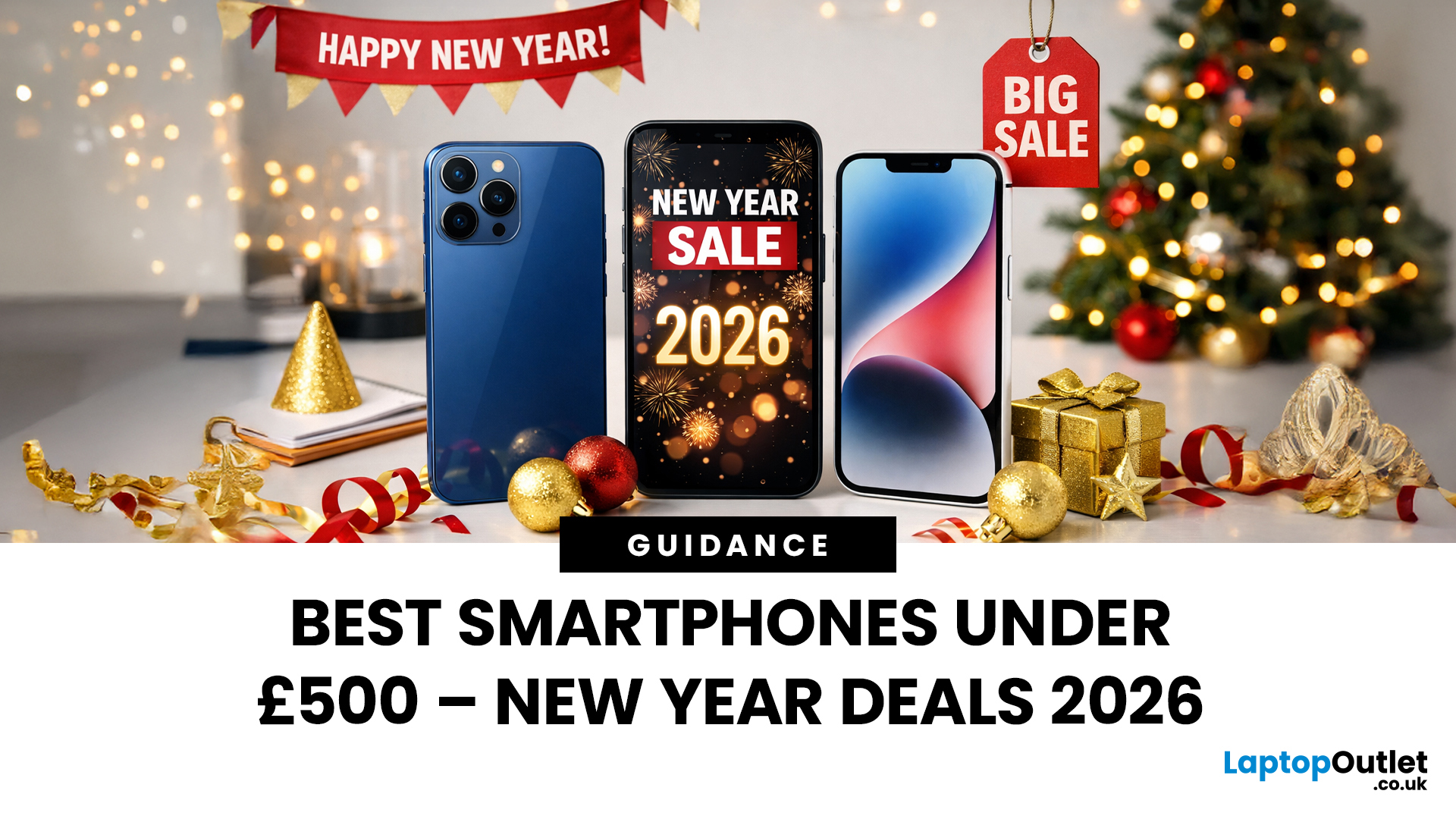
A new year, a fresh scroll, and maybe… a phone that doesn’t need charging twice a day. If that sounds like a goal, you’re in the right place. New Year smartphone deals in 2026 are shaping up to be one of the best times to upgrade without blowing past the £500 mark.
Thanks to rapid tech upgrades and fierce competition, smartphones under £500 in 2026 are no longer “budget compromises.” We’re talking flagship-style cameras, 5G speeds, premium displays, and batteries that actually last a full day (and then some). Whether you’re hunting for Android phone New Year discounts, eyeing iPhone deals, or comparing specs like a pro, this guide breaks it all down, minus the boring bits.
Why New Year Is the Sweet Spot for Smartphone Deals
New Year sales are kind of the underrated MVP of tech shopping. While Black Friday grabs the headlines, January is when retailers quietly drop serious discounts—especially on last year’s premium and mid-range models.
Here’s why New Year Smartphone Deals hit different:

Last Updated: April 21, 2026
In 2026, a 5G connection is no longer a "nice to have"—it is essential. Whether you are commuting through London or working from a coastal town, you need a device that keeps up with the national rollout of ultra-fast networks.
Finding the best 5G smartphones can feel overwhelming. With so many latest 5G phones hitting the market, how do you choose? You need a phone that balances speed, battery life, and price. From premium Apple iPhones to versatile Android smartphones, the options are better than ever.
In this guide, we break down the top 5G smartphones UK users should consider.
New 5G Phone Deals UK: Top Picks for 2026
If you want the latest technology, the following brand-new models, available at Laptop Outlet, offer the best performance and future-proofing.
1. Oppo Reno13 F 5G (CPH2699L Blue)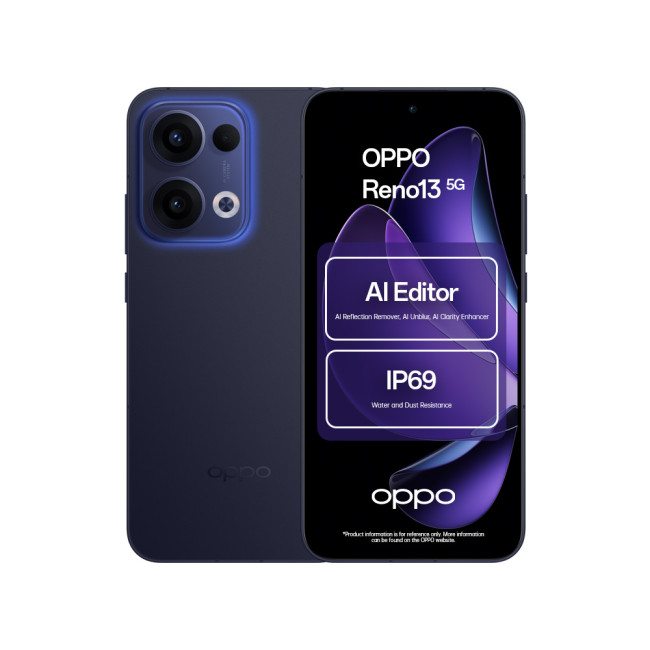
Key Specifications
- Display: 6.67-inch AMOLED, 120 Hz refresh rate
- Resolution: 1080 x 2400 Pixels.
- CPU: Qualcomm Snapdragon 6 Gen 1
- RAM: 8 GB
- Storage: 256 GB
Published: March 02, 2026
Samsung has officially pulled back the curtain on the Galaxy S26 series — and it is safe to say the company came prepared.
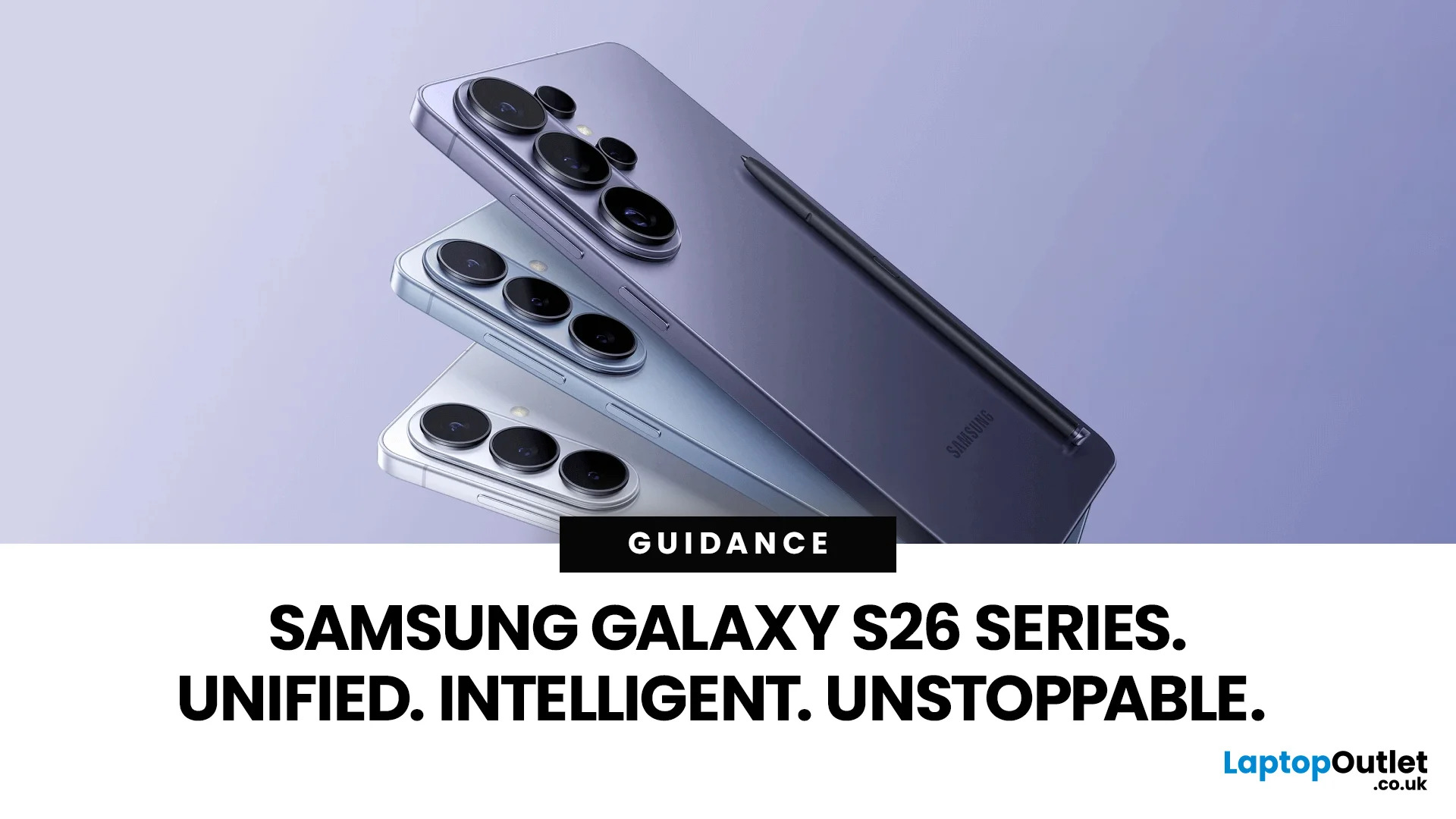
On 25 February 2026, at Galaxy Unpacked 2026 in San Francisco, Samsung introduced the Galaxy S26, S26+, and S26 Ultra to the world. These are Samsung's third-generation Galaxy AI phones, and they represent a clear step forward in how artificial intelligence can shape daily smartphone use.
From a revolutionary Privacy Display to a smarter, more proactive Galaxy AI experience, the Galaxy S26 lineup is built around one simple idea: your phone should do more of the work, so you don't have to.
Let's break it all down.
A New Era of Unified Design
For several years, the Ultra model looked very different from the base and Plus models. The Ultra usually had sharp, blocky corners, while the others were rounded.
This year, Samsung decided to bring the whole family together. The Galaxy S26 Ultra now has smooth, rounded edges that match the Galaxy S26 and S26+. This creates a
Last Updated: March 04, 2026
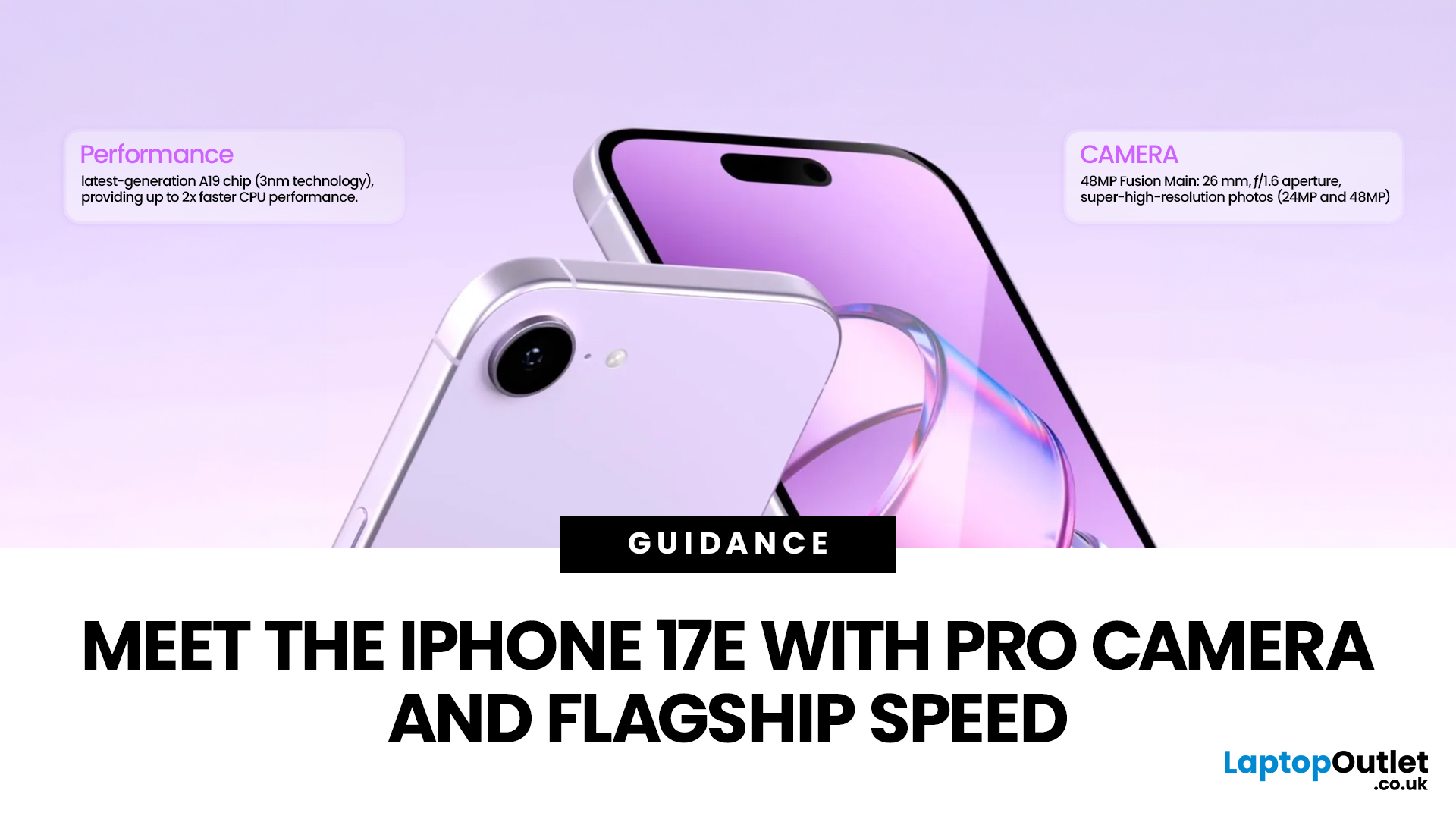
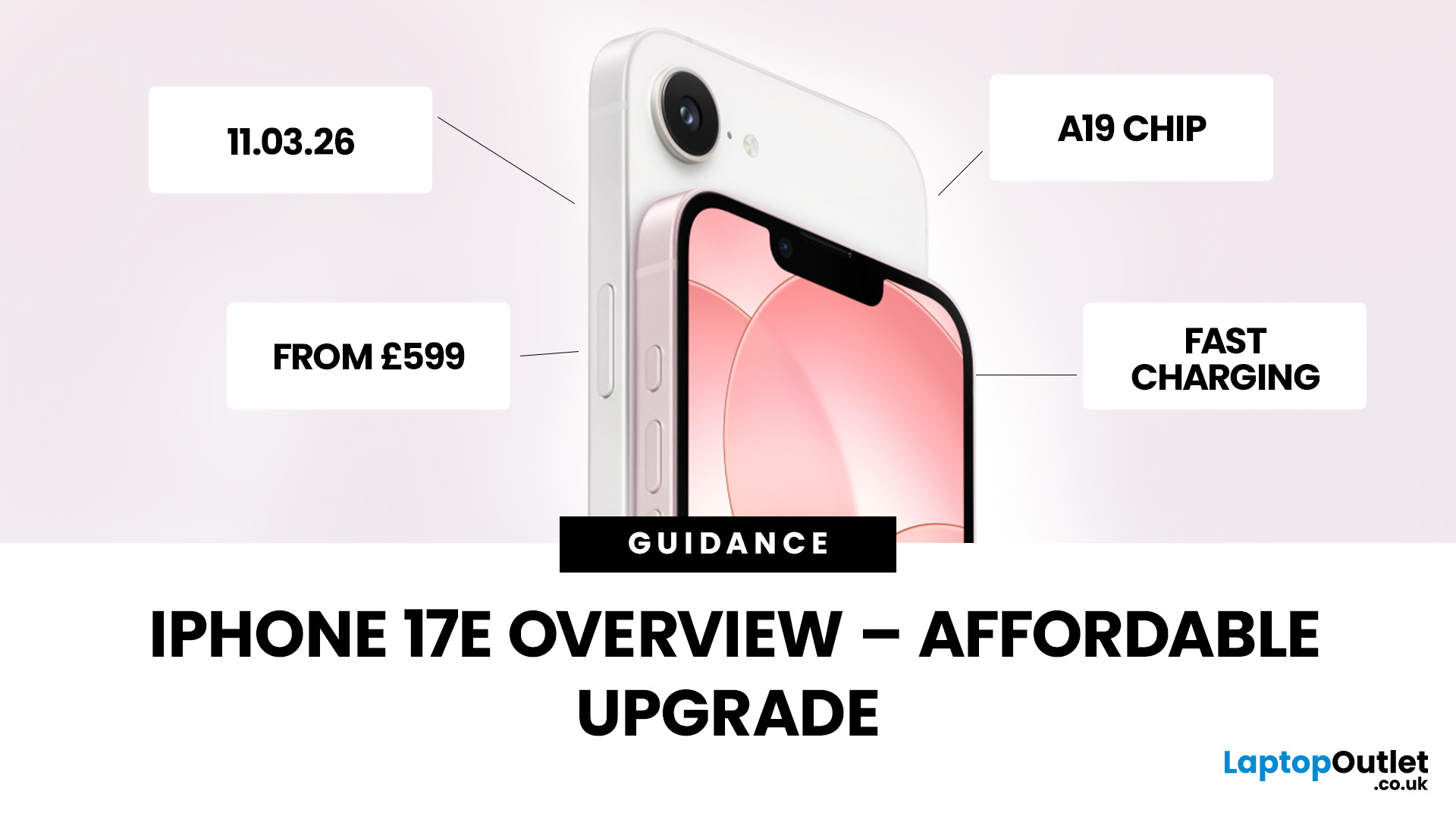
Apple launched the iPhone 17e on 2 March 2026, and it has already caught a lot of attention. Priced at £599 with 256GB of base storage, it sits as the most affordable entry point into the iPhone 17 family. That is £200 less than the standard iPhone 17, yet the two share the same A19 chip generation.
But affordable does not mean basic. This iPhone packs serious upgrades, particularly in camera and performance. So, is it worth your money in 2026? Let us break it all down.
iPhone 17e Camera System: What's New in 2026
The iPhone 17e camera is one of the biggest talking points of this release. Apple has kept a single rear camera setup, but what it does with that one sensor is genuinely impressive.
48MP Fusion Camera: A 2-in-1 System
The rear camera features a 48MP Fusion sensor with an f/1.6 aperture and optical image stabilisation. On the surface, the megapixel count matches the iPhone 16e. However, Apple has made meaningful improvements underneath.
The most notable addition is the optical-quality
Last Updated: March 04, 2026
Apple has officially unveiled the iPhone 17e, positioning it as the most affordable way to get into the iPhone 17 lineup in 2026. If you’re in the UK and weighing up whether this is the right upgrade, here’s everything you need to know, including the iPhone 17e release date, UK price, specs, colours, features, and how it compares to the iPhone 17 and iPhone 16e.
iPhone 17e Release Date (UK)
Apple confirmed that pre-orders begin on 4 March, with the iPhone 17e available from 11 March.
That means UK buyers won’t have long to wait, and as with previous launches, early stock could sell quickly, especially for popular colours and higher storage configurations.
iPhone 17e UK Price and Storage
The iPhone 17e starts at £599 in the UK for the 256GB model, with the 512GB version priced at £799 .
Apple is also offering 0% finance options, with monthly payments available from £24.95 per month over 24 months.
What this means for UK buyers
- It’s £200 cheaper than the standard iPhone 17, which starts
Last Updated: March 04, 2026
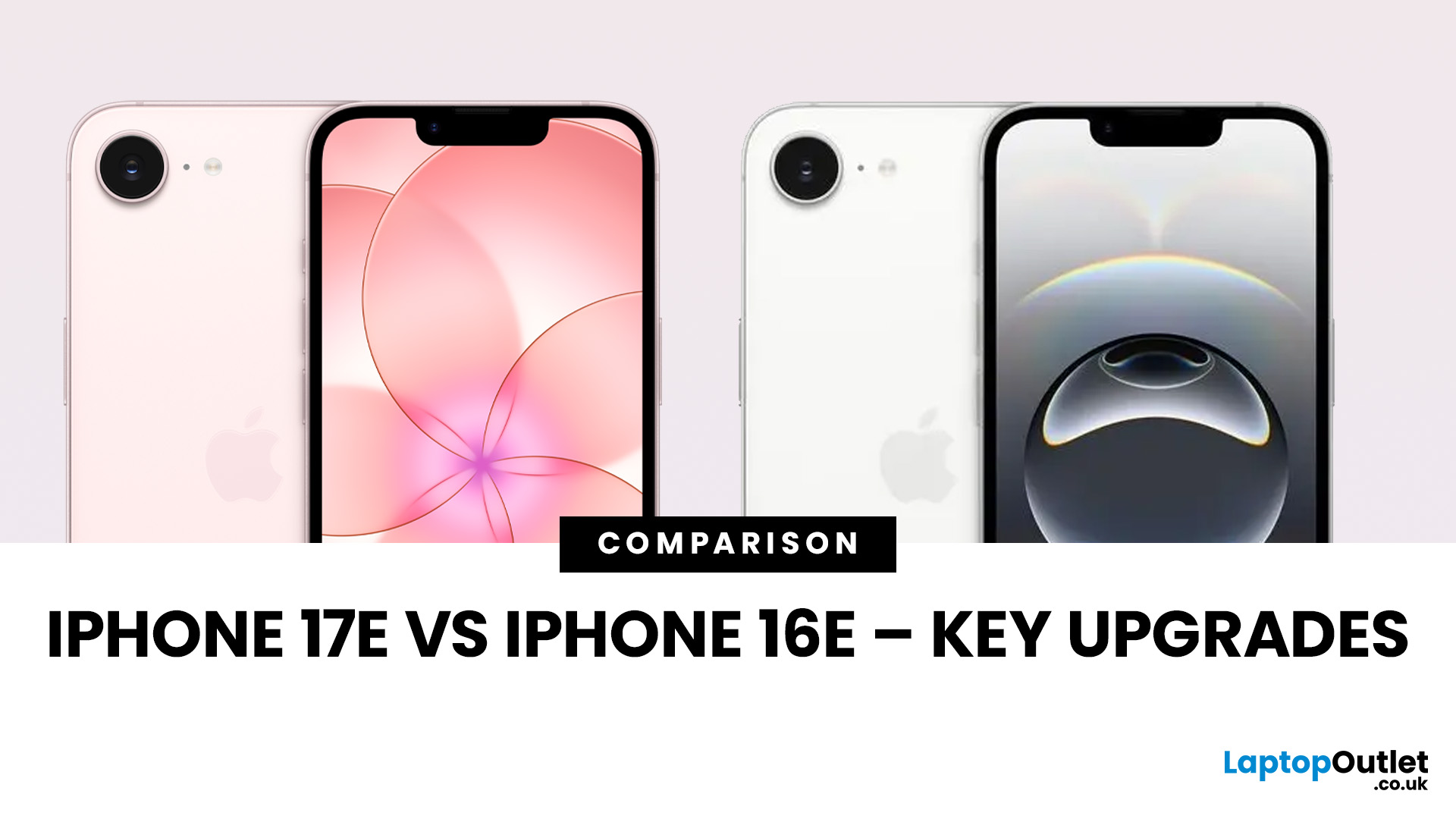
Apple’s “e” iPhones are the simple buys in the lineup: modern OLED screen, strong main camera, long battery, and a price that does not try to compete with the Pro models. The iPhone 17e keeps that formula but fixes a couple of pain points from the iPhone 16e and adds upgrades that matter in daily use, not just on a spec sheet.
If you are deciding between iPhone 17e vs iPhone 16e, the short version is this: iPhone 17e is the better long-term buy because it brings MagSafe back, doubles the base storage, and moves to the newer A19 chip, while keeping the same starting price in major markets like the UK.
Quick Answer: Which One Should You Buy?
Buy iPhone 17e if you want the smarter default choice
You should choose iPhone 17e if you care about any of these:
- MagSafe accessories and better wireless charging convenience
- More storage without paying extra
- A newer chip for longer iOS and Apple Intelligence headroom
- Slight durability improvements on the front glass
Buy iPhone 16e if the discount
Published: March 05, 2026
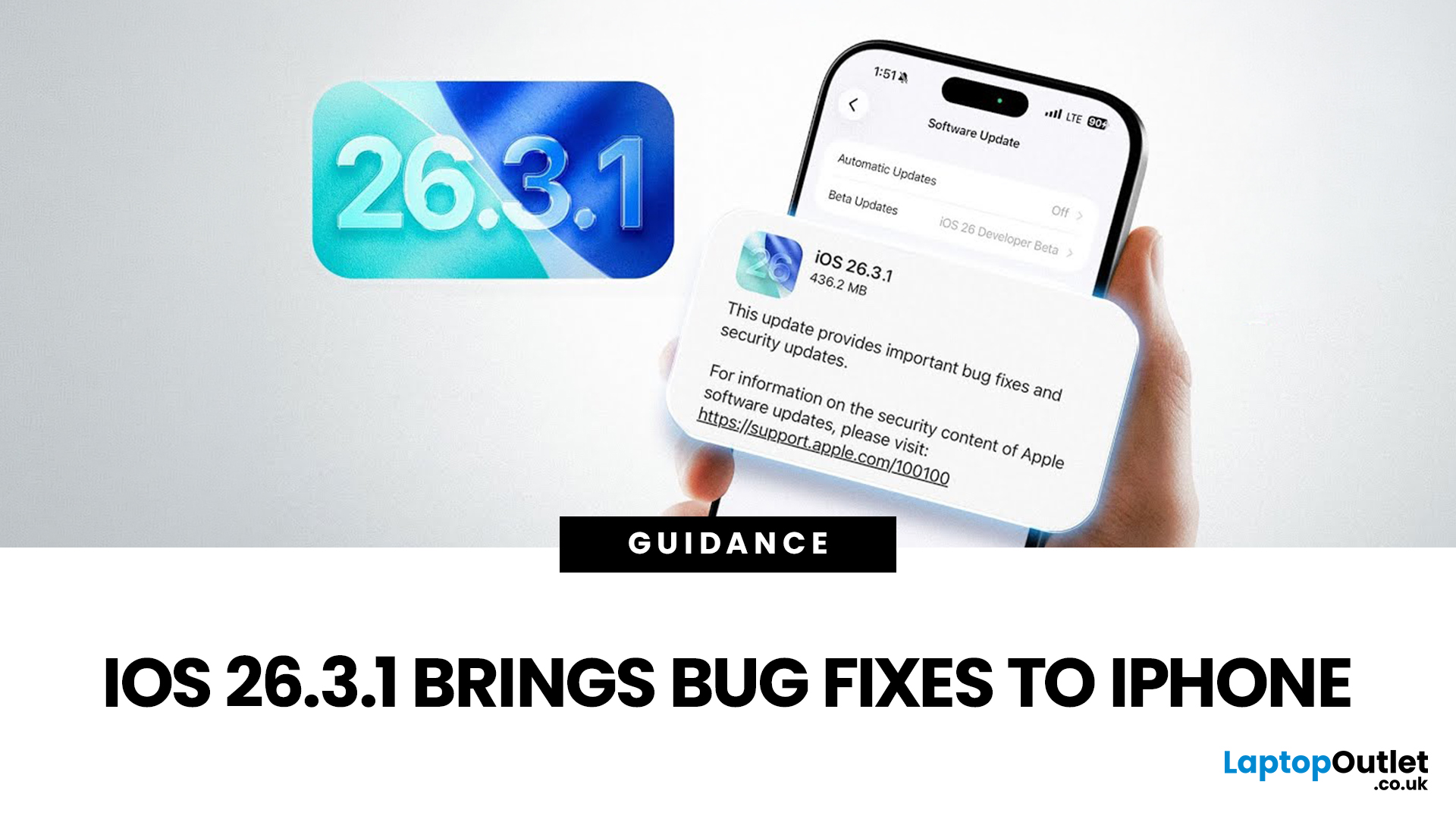
Apple has officially rolled out the iOS 26.3.1 update for iPhone users, bringing several important bug fixes, security patches, and performance improvements. While this is not a major feature update, it focuses on improving system stability and fixing issues reported in the previous iOS 26.3 version.
Minor iOS updates like iOS 26.3.1 are important because they often resolve bugs that affect everyday performance, connectivity, and device security. If you own a compatible iPhone, installing the iOS 26.3.1 update can help ensure smoother performance and better protection against vulnerabilities.
In this guide, we’ll cover the iOS 26.3.1 release date, features, download steps, supported devices, and answer the common question: Should you update to iOS 26.3.1?
iOS 26.3.1 Release Date
Apple released the iOS 26.3.1 update on March 04, 2026, after the launch of iOS 26.3, aiming to fix several issues discovered after the previous version went live.
Typically, Apple rolls out minor updates like
Last Updated: March 06, 2026
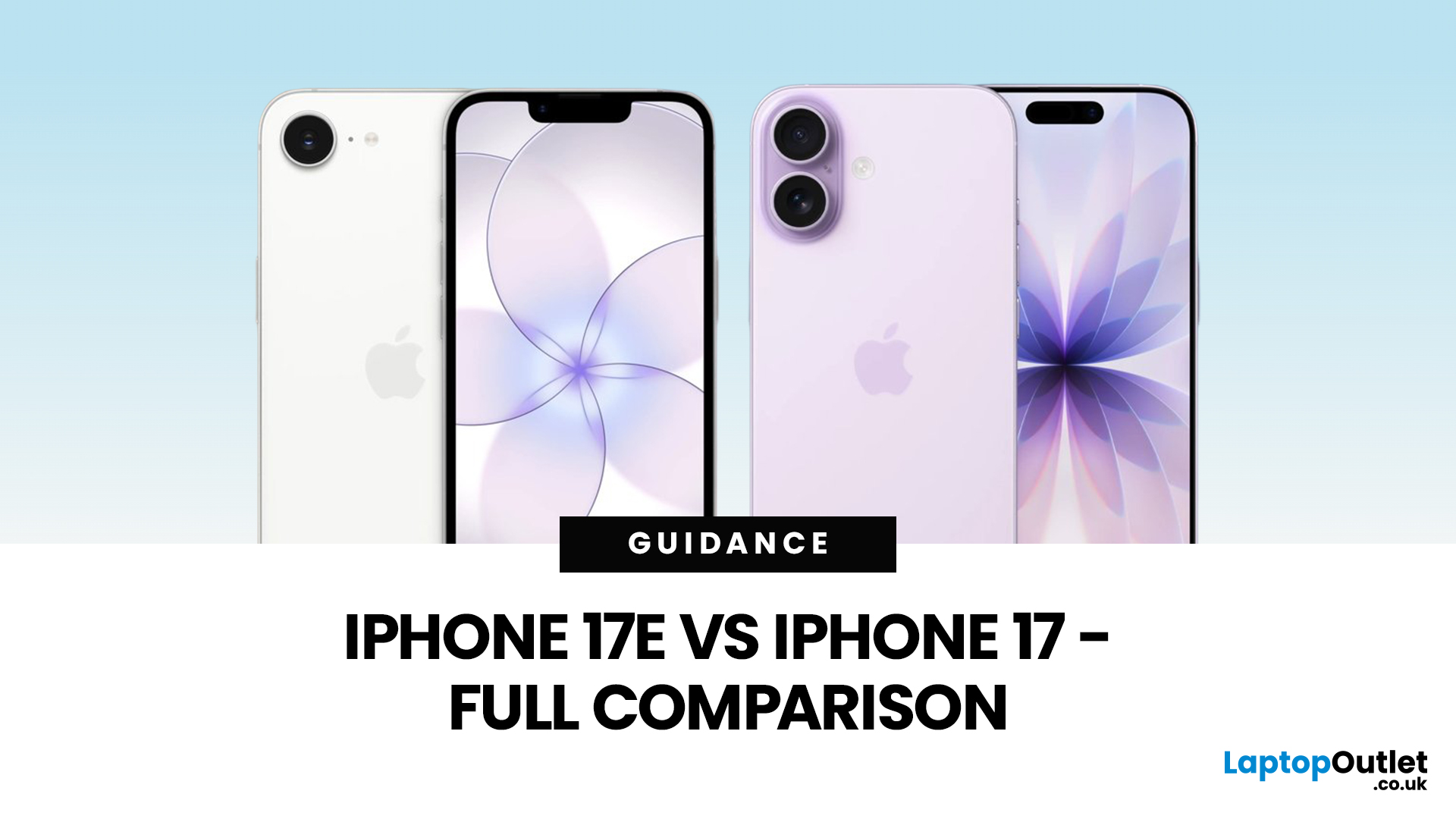
Apple has done that thing again where two phones look nearly the same… until you’re about to pay and suddenly it’s “wait, why am I spending £200 more?” If you’re deciding between iPhone 17 vs iPhone 17e, you’re basically trying to answer one question: will you feel the upgrades, or is it just spec-sheet sparkle?
The iPhone 17e (sometimes written as iPhone 17 e) is Apple’s newest “value” iPhone, designed to give you the essentials without the flagship price tag. In the UK, the iPhone 17e price starts at £599 for 256GB, while the standard iPhone 17 starts at £799 for 256GB, that’s the main reason the difference between iPhone 17 and 17e matters so much.
On paper, the iPhone 17e vs iPhone 17 looks closer than you might expect. Both share the A19-generation performance, but the iPhone 17 adds upgrades you’ll notice daily, especially smoother screens and more flexible cameras.
We cover everything UK shoppers need: size, display, cameras, battery, charging, connectivity, price, and iPhone 17e
Published: March 10, 2026
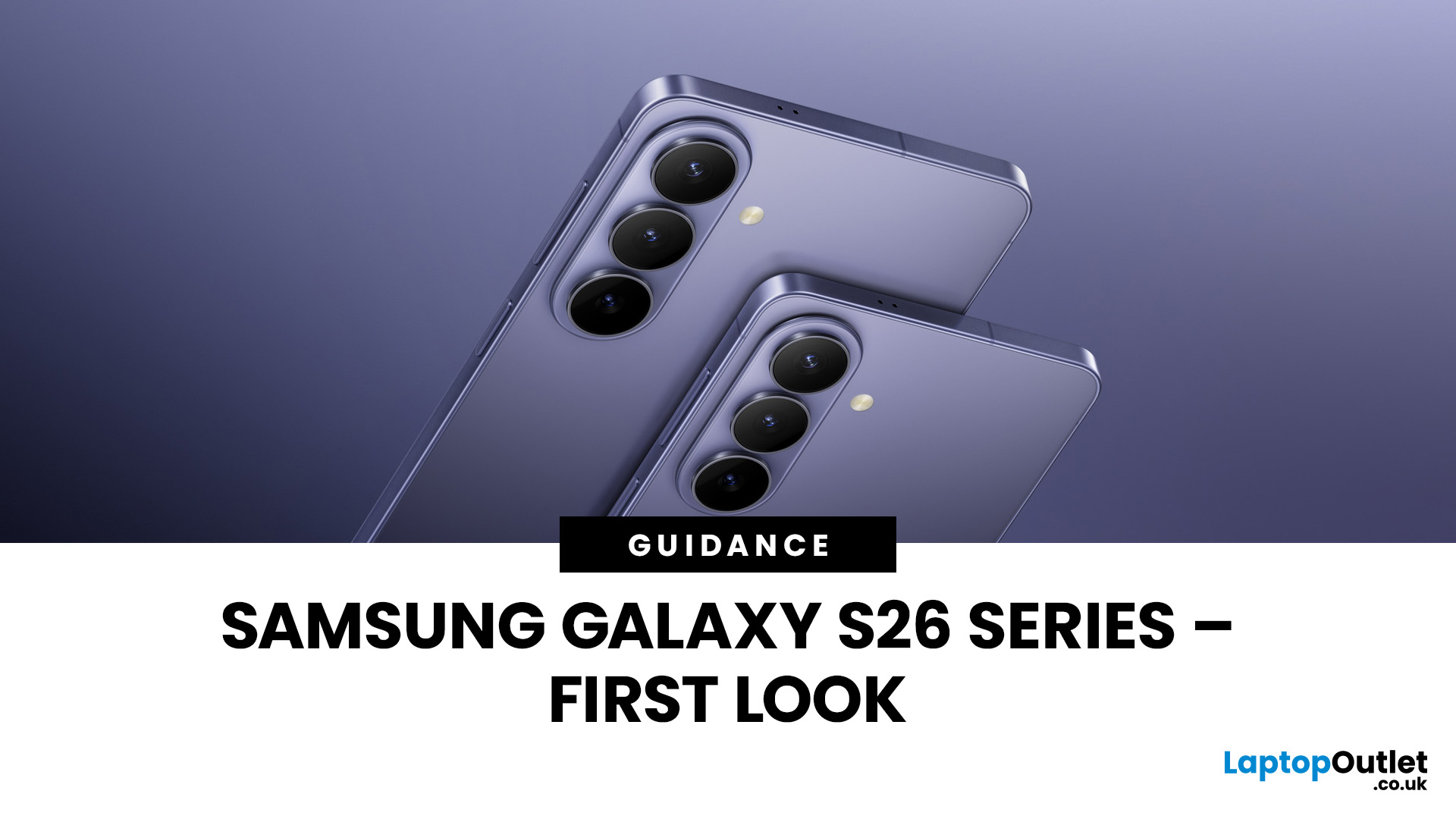
The Samsung Galaxy S26 series is shaping up to be one of the most exciting flagship smartphone lineups of the year, bringing together the Galaxy S26, Galaxy S26+, and Galaxy S26 Ultra with a fresh mix of premium design, smarter AI tools, camera refinements, and faster performance. For Samsung fans and Android users alike, this new generation looks focused on meaningful upgrades rather than just small annual changes.
From display enhancements and battery life improvements to advanced photography features and next-level Galaxy AI, the lineup appears designed to deliver a more polished flagship experience across every model. In this first look, we explore everything that makes the Samsung Galaxy S26 series worth watching.
Samsung Galaxy S26 Series at a Glance
The Samsung Galaxy S26 series includes three flagship models built for different users. The Galaxy S26 offers compact flagship performance, the Galaxy S26+ adds a larger display and battery, while the Galaxy S26 Ultra leads with premium

