



Best Laptops for Teachers in the UK 2026: Top Picks for Educators

Choosing the best laptops for teachers in the UK is not about chasing the highest specs or the most expensive model. It is about finding a device that aligns with the realities of teaching. That means smooth multitasking for lesson planning, marking, presentations, browser-based platforms, video calls, and the everyday admin that comes with school life. A good teacher's laptop should feel reliable from the first lesson of the day to the last task in the evening.
In 2026, teachers need more from their laptops than ever. Hybrid working, online meetings, digital classroom tools, and resource-heavy workflows have made performance, portability, and practicality far more important than they used to be. For most buyers, the right choice comes down to a balance of speed, battery life, screen size, webcam quality, and the ports that still matter in real classrooms.
This guide focuses on laptops that make sense for teachers in the UK today. Whether you need a lightweight everyday device for commuting, a dependable all-rounder for classroom and home use, or a more powerful model for creative and technical workloads, the goal is simple: to help you choose a laptop that works properly for teaching, not just one that looks good on paper.
Best Laptops for Teachers in the UK 2026
Here is the refined shortlist, with each option matched to a real teaching use case rather than just a spec sheet.
1. HP 15s-fq5021na (Core i5, 8GB/256GB): The Straightforward Budget Workhorse 
For many teachers, the HP 15s is a sensible choice: plenty of screen space, mainstream specs, and a price that doesn’t sting. On the product page, it’s listed with an Intel Core i5-1235U, 8GB RAM, and a 256GB SSD, and it’s available to order.
Why it makes sense for teaching: It hits the basics well for lesson planning, browser-based platforms, Office work, and video calls, especially if you’re not the kind of user who keeps 40 tabs open while screen sharing. It also has practical connectivity listed (USB-C/USB-A/HDMI and Ethernet noted in the highlights).
The honest limitation: 8GB RAM is where budget laptops feel “tight” over time, particularly if your workflow is heavy on Teams and multiple apps. If you already know you multitask hard, move up to a 16GB model.
2. Refurbished Acer TravelMate P2 (Core i5, 8GB/512GB, 16"): Bigger Screen, Strong Storage, Business Lean 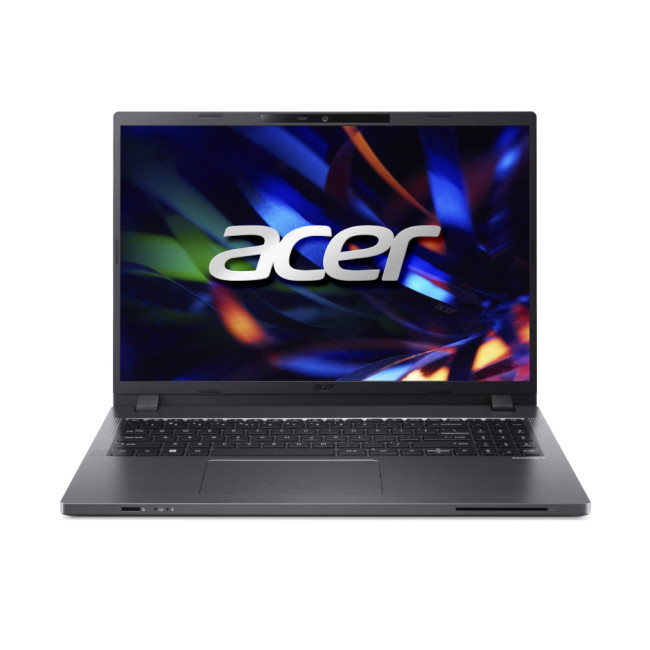
If you mainly work on-screen (spreadsheets, seating plans, marking rubrics side-by-side), the 16-inch display on this refurbished TravelMate is a real quality-of-life upgrade. This model lists a 13th Gen Intel Core i5-1335U, 8GB RAM, 512GB SSD, and Windows 11 Pro, and it’s shown as available to order.
Why it’s good for classroom and home-office teachers: You get a larger panel and a roomier SSD, which is great if you download a lot of resources or store video clips locally. It’s also positioned as “Refurbished - Excellent,” which can be a smart way to stretch a school or personal budget.
The honest limitation: It’s still 8GB RAM. If you want the big screen and expect heavy multitasking, consider upgrading to more RAM (or keep your browser tab habits under control).
3. ASUS VivoBook M1407KA-LY015W (Ryzen AI 7, 16GB/1TB, 14"): The Practical “Do-It-All” Teacher Laptop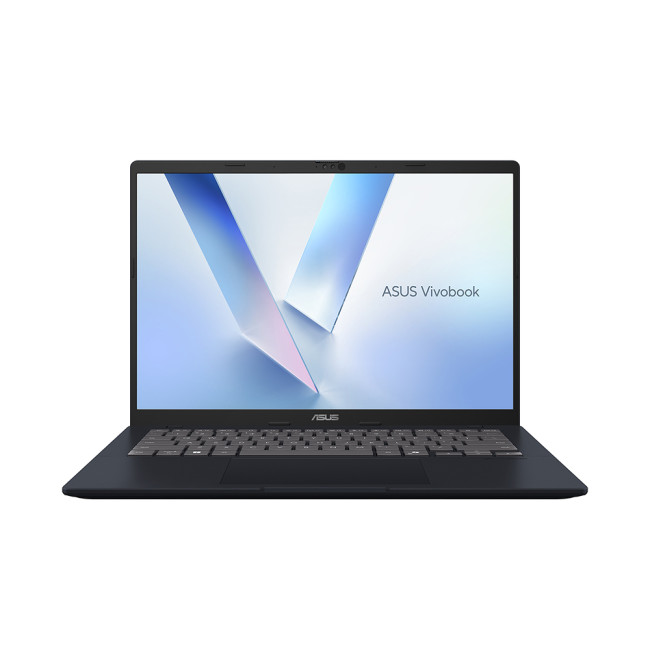
This is the sort of spec mix that suits a lot of teachers in 2026: 14-inch portability, 16GB RAM for real multitasking, and a 1TB SSD so you’re not constantly managing storage. The listing includes an AMD Ryzen AI 7 350 processor, 16GB RAM, and 1TB SSD, and it’s marked as a Copilot+ PC. It also lists HDMI and Ethernet among the connections, which is genuinely useful for classroom setups.
Weight is also stated as 1.46 kg, which is a practical detail if you carry your laptop between home, classrooms, and meetings.
Why it’s a strong pick for educators and tutors: It’s well suited to “fast laptops for multitasking teaching work,” especially if you live in Teams/Zoom, keep cloud resources open, and run presentation software without wanting your laptop fan to sound like a hairdryer. If you’re specifically comparing newer AI-driven performance laptops, it’s also worth browsing our AI laptops range.
4. Refurbished ASUS Zenbook 14 (Core Ultra 5, 16GB/512GB): Lightweight, Premium Feel, Teacher-Friendly Portability 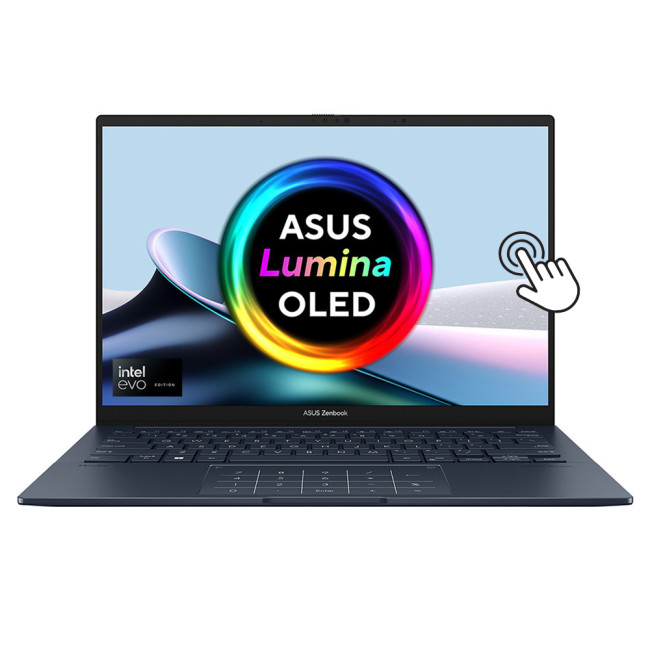
Some teachers want a laptop that feels compact and “nice” to use daily, without jumping straight to ultra-premium pricing. This refurbished Zenbook 14 is listed as manufacturer-certified refurbished (excellent condition) and features an Intel Core Ultra 5 125H, 16GB RAM, 512GB SSD, and a 14-inch 3K OLED touchscreen display.
The standout practical detail: it lists weight as 1.28 kg. If your day includes moving from room to room, that difference is noticeable by week three of the term.
Why it’s called the most “lightweight laptop for teachers UK”: The combination of 16GB RAM and a high-quality display suits planning, marking, and content prep, and the lower carry weight helps for commuting or school-site movement.
If you teach creative subjects (media, design, art) and want to compare similar screen-focused models, the creative professional laptops at Laptop Outlet has something for you.
5. ASUS ExpertBook B1 (Core i7, 16GB/512GB, Windows 11 Pro): Traditional Business Laptop, Built for Staff Work 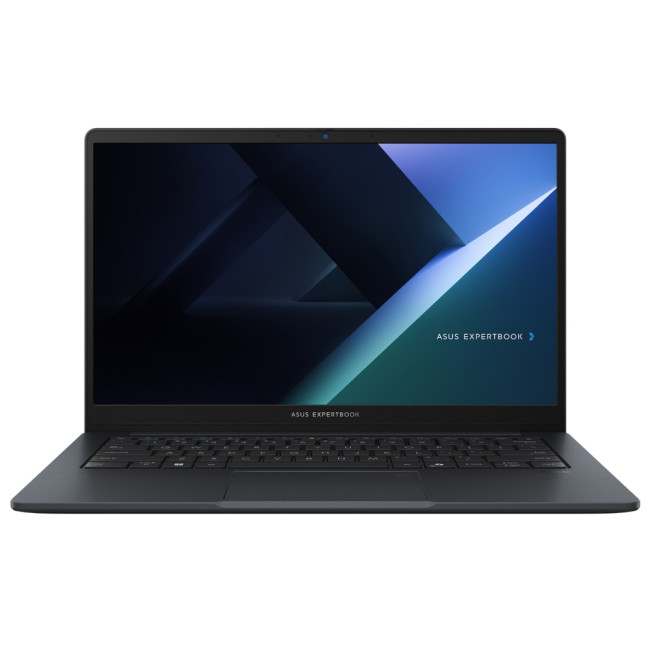
If you want a “business laptop that just behaves,” the ExpertBook B1 fits that brief. It’s listed with Intel Core i7-13620H, 16GB RAM, 512GB SSD, and Windows 11 Pro, and it’s available to order. It also lists HDMI and Ethernet, which are still useful in classrooms and meeting rooms.
It also lists a weight of 1.68 kg, which is fine for a 15.6-inch-class laptop, but it’s not the lightest option in this guide.
Why it’s relevant for UK school staff and admin-heavy roles: Windows 11 Pro can be a better fit in managed environments, and the spec mix suits “computer programs for teachers” that are more admin-heavy, plus day-to-day productivity.
6. ASUS VivoBook 14 Flip (Core Ultra 7, 16GB/1TB, 2-in-1): Strong for Lesson Delivery, Annotation, and Flexible Teaching Setups 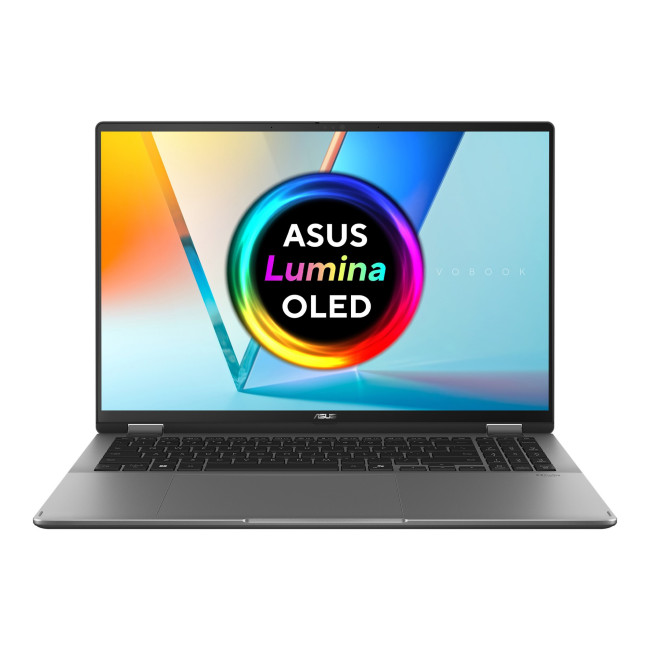
This is one of the most classroom-friendly form factors in 2026 because it can accommodate both laptop work and tablet-style teaching. The product page lists an Intel Core Ultra 7 256V, 16GB RAM, 1TB SSD, a 14-inch OLED touchscreen, and it’s positioned as a Copilot+ PC. It also lists HDMI 2.1 and Thunderbolt 4 among its connections.
Weight is listed as 1.57 kg, which is reasonable for a 2-in-1 with this feature set.
Why it’s great for teachers: If you annotate PDFs, demonstrate processes, mark with a stylus, or want a device that moves easily between “desk work” and “front of class,” this style of laptop can genuinely reduce friction.
7. Apple MacBook Air M2 (16GB/256GB): A Sensible Mac for Planning, Content, and Everyday Teaching 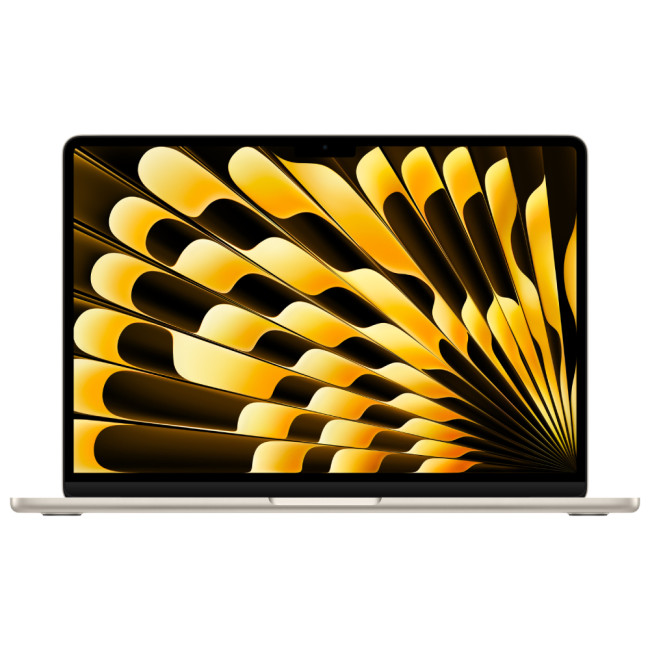
For teachers who prefer macOS, this is the clear standout in the list. The MacBook Air M2 remains one of the most appealing lightweight laptops for everyday professional use. It is slim, easy to carry, and strong enough for planning, communication, video calls, browser-heavy work, and day-to-day productivity.
Why it suits teachers: It’s portable, capable for everyday work, and the 16GB RAM gives it useful longevity for multitasking.
One practical note: The listed connectivity highlights include Thunderbolt 3. In many classrooms, that means you’ll likely use an HDMI hub or adapter. That’s not a dealbreaker, just something to plan for.
Compare it across other Apple laptops and choose the device that suits you.
8. Refurbished HP ZBook Firefly G11 (Core Ultra 7, 16GB/1TB, RTX A500): The Power Pick for Creative and Tech Teachers 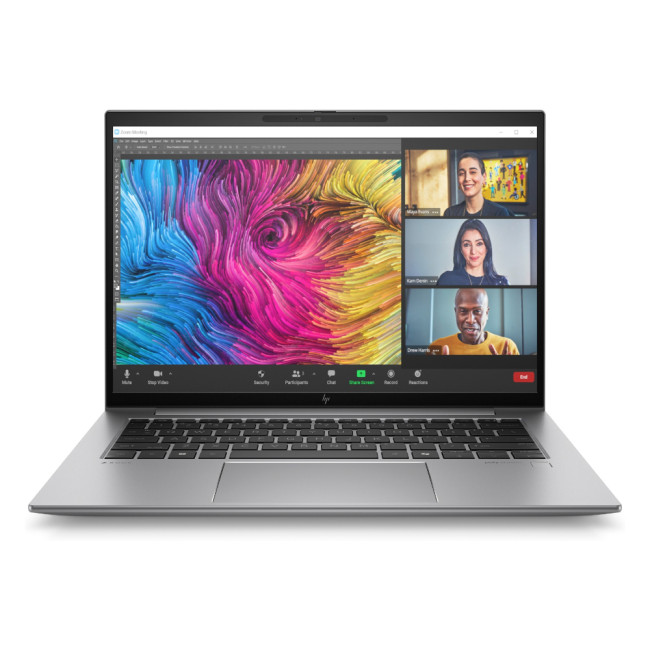
Most teachers do not need workstation-level power. But some absolutely do. If you teach media, design, digital arts, computing, or anything that involves heavier software, a stronger machine can save you time and frustration. The ZBook Firefly G11 gives you more headroom than a standard classroom laptop, while still keeping the screen size and portability manageable.
Why it’s a good fit for teachers: It gives you extra headroom for creative tools and heavier workloads while staying in a 14-inch footprint.
9. Microsoft Surface Laptop EP2-31268 (16GB/512GB): Premium Windows Portability for Hybrid Teaching

This is one for buyers who want a polished, premium-feeling Windows laptop that travels well and feels purpose-built for hybrid work.
The Surface Laptop is a strong fit for teachers, tutors, and education professionals who spend a lot of time moving between locations, teaching online, or working across school and home. It has the kind of clean, portable design that suits modern professional use, especially if you value portability as much as raw power.
Why it works for teachers: It’s easy to carry, capable for video calls and content prep, and suits “laptops for Zoom and online classes” setups where portability matters. Zoom specifically calls out the need for a speaker, mic, and webcam, and Teams has similar device requirements, which is part of why premium ultra-portables remain popular for hybrid teaching.
To explore more Microsoft options, check out our selection of Microsoft Surface laptops.
10. Lenovo IdeaPad 3 Chrome (8GB/128GB): A Web-First Option for Google Workspace Schools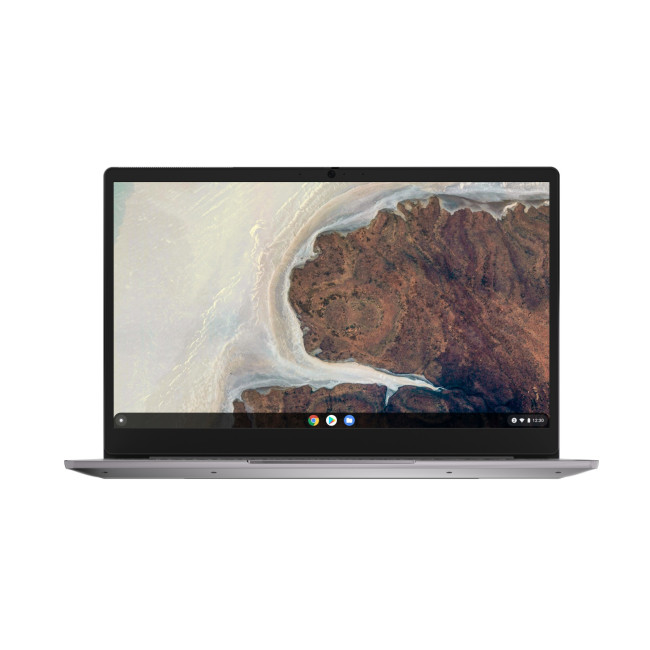
Not every teacher needs a full Windows machine. If most of your work happens in the browser through Google Classroom, Docs, Slides, email, and cloud-based platforms, a Chromebook can make a lot of sense.
This Lenovo IdeaPad 3 Chrome keeps things simple. It gives you a 15.6-inch Full HD screen, a clean Chrome OS experience, and enough performance for online teaching, admin, and lesson prep if your workload is mostly web-based.
Why it’s relevant for teachers: It boots quickly, stays simple, and covers many web-first teaching tasks without the housekeeping that sometimes comes with full Windows devices.
The honest limitation: If you rely on Windows-only school software, a Chromebook may not be the right fit. In that case, stick with Windows 11 devices.
For more budget-friendly and student-friendly options (useful if you’re also buying for a household), browse laptops for students at Laptop Outlet.
Other Great Laptops for Teachers in 2026
|
Laptop |
Best For Teachers Who… |
Key Specs That Matter for Teaching |
Where to Buy |
|
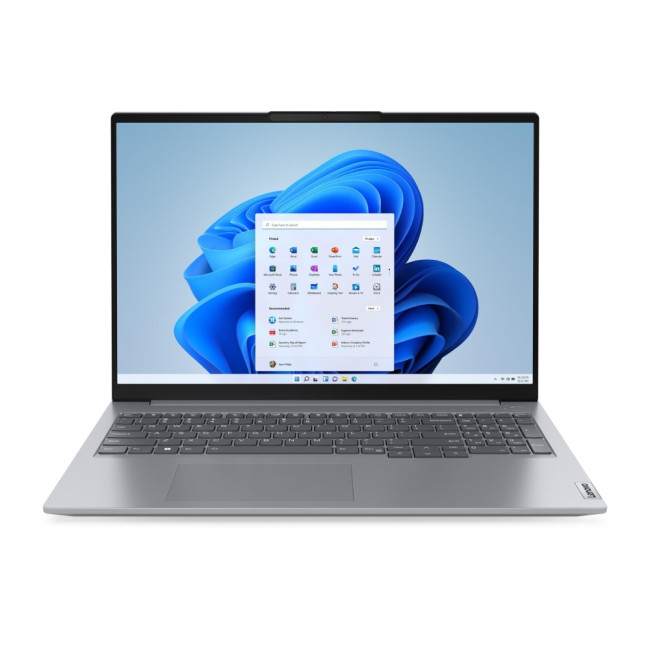
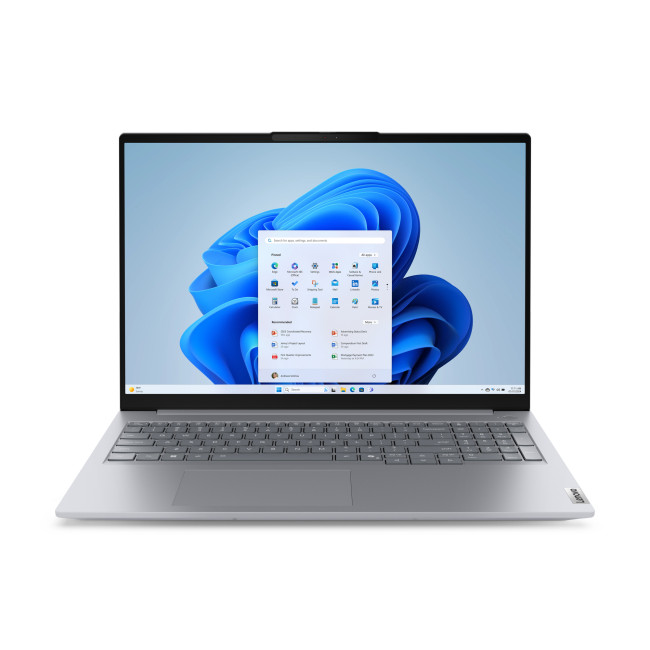
Lenovo ThinkBook 16 Gen 6 ABP (21KK00B9UK) |
want a practical, bigger-screen Windows 11 Pro laptop for planning, marking, and staff admin with proper classroom ports |
Ryzen 3 7330U, 16GB RAM, 256GB SSD, 16" IPS, HDMI + Ethernet, Integrated webcam + mic, 1.7 kg |
|
|
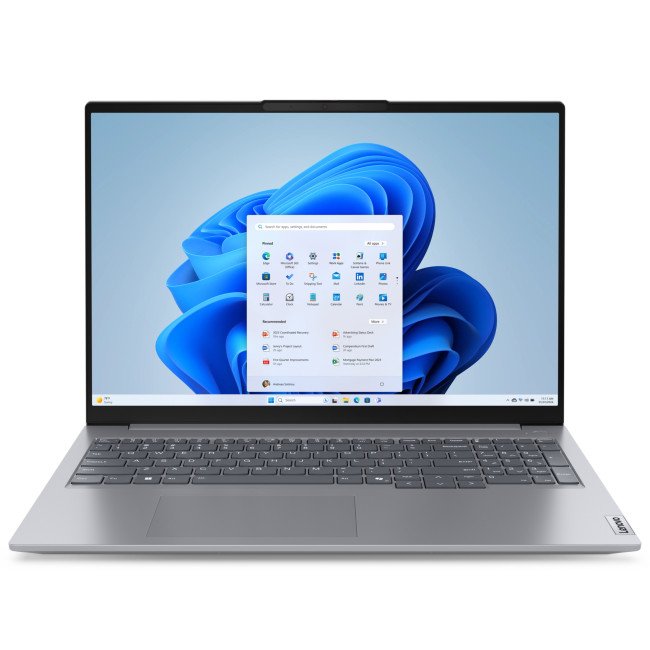
Lenovo ThinkBook 16 G7 ARP (21MW002DUK) |
want a stronger CPU for heavier multitasking (MIS + browser tabs + Teams) while keeping a roomy 16-inch screen |
Ryzen 5 7535HS, 16GB RAM, 256GB SSD, 16" 1920 x 1200 IPS, HDMI + Ethernet, Integrated webcam + mic, 1.7 kg |
|
|
Lenovo ThinkBook 16 G8 IAL (21SK007EUK) |
want a more future-friendly Windows 11 Pro business laptop with extra storage for resources, videos, and files |
Intel Core Ultra 7 255H, 16GB RAM, 512GB SSD, 16" WUXGA IPS, HDMI + Ethernet, Integrated webcam + mic, 1.7 kg |
|
|
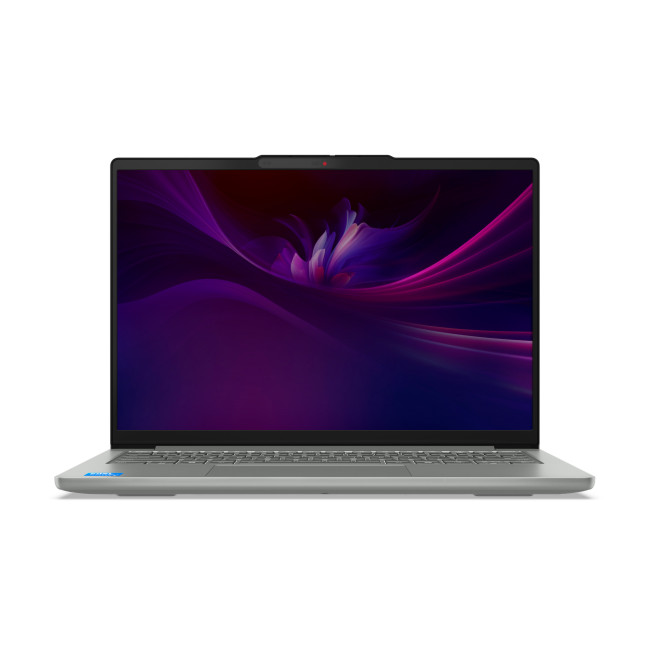
Lenovo IdeaPad Slim 5 14IRH10 (83HR00BGUK-LIPS5) |
want a portable 14-inch Windows laptop that still feels fast for teaching workflows, lesson planning, and online meetings |
Core i7-13620H, 16GB RAM, 512GB SSD, 14" WUXGA IPS, HDMI, Integrated webcam + mic, 1.47 kg |
|
|
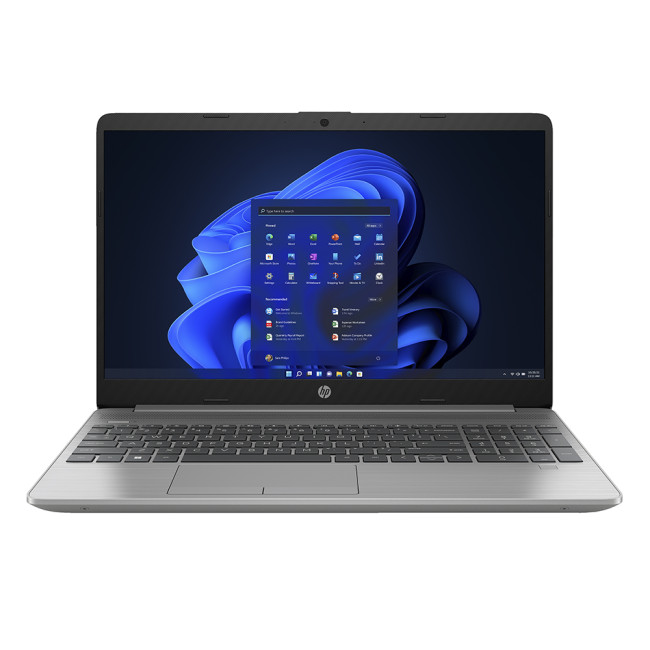
HP 255 G9 (816R4EA#ABU) |
want strong everyday performance with Windows 11 Pro and “real classroom ports” at a sensible price point |
Ryzen 7 5825U, 16GB RAM, 512GB SSD, 15.6" FHD IPS, HDMI + Ethernet, Integrated webcam + mic, 1.74 kg, 41 Wh battery capacity |
 |
|
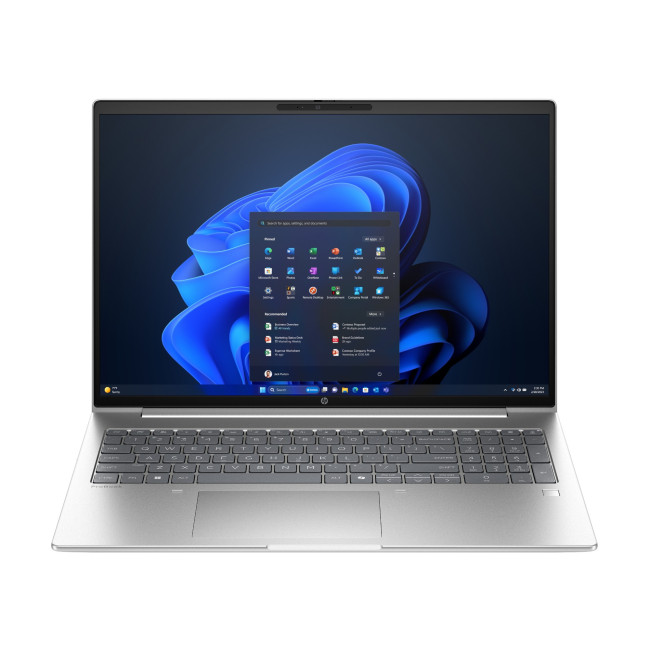
HP ProBook 4 G1iR (B3AC8AT#ABU) |
want a business-style Windows 11 Pro laptop for staff work and long-term everyday reliability |
Intel Core 5 120U, 16GB RAM, 256GB SSD, 16" 1920 x 1200 IPS, HDMI + Ethernet, Integrated webcam + mic, Weight unspecified |
|
|
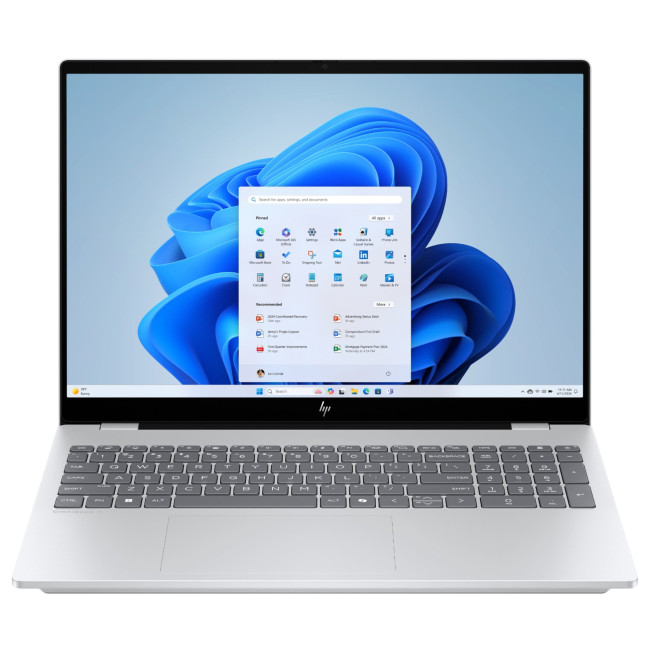
HP OmniBook 7 AI 16-ay0003na (BG3G9EA#ABU) |
want a modern “AI-ready” daily driver with lots of storage for resources, recorded lessons, and files |
Core Ultra 5 225H, 16GB RAM, 1TB SSD, 16" WUXGA IPS, HDMI + Thunderbolt 4 + USB-C, Integrated webcam + mic, 1.91 kg |
|
|
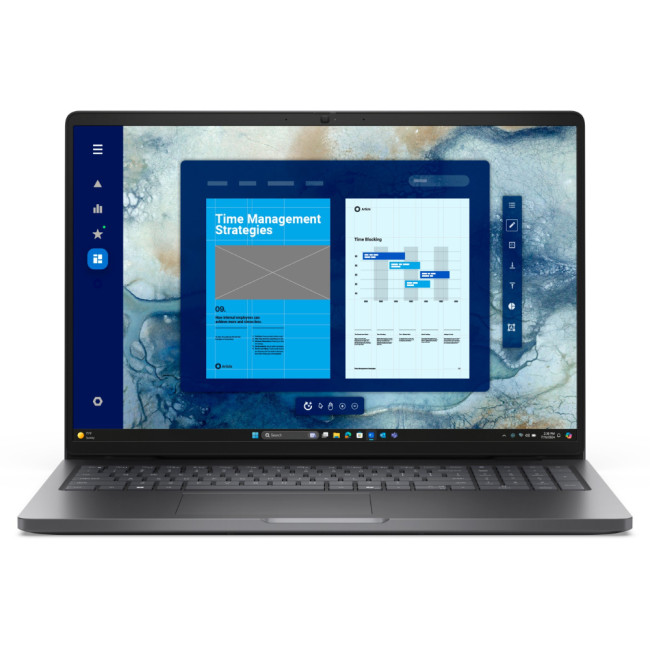
DELL Pro PC16250 (HT0V6) |
want a more “IT-friendly” business laptop with strong connectivity options for docks and external displays |
Intel Core 5 120U, 16GB RAM, 512GB SSD, 16" 1920 x 1200 IPS, HDMI + Thunderbolt 4, Integrated webcam + mic, 1.92 kg |
|
|
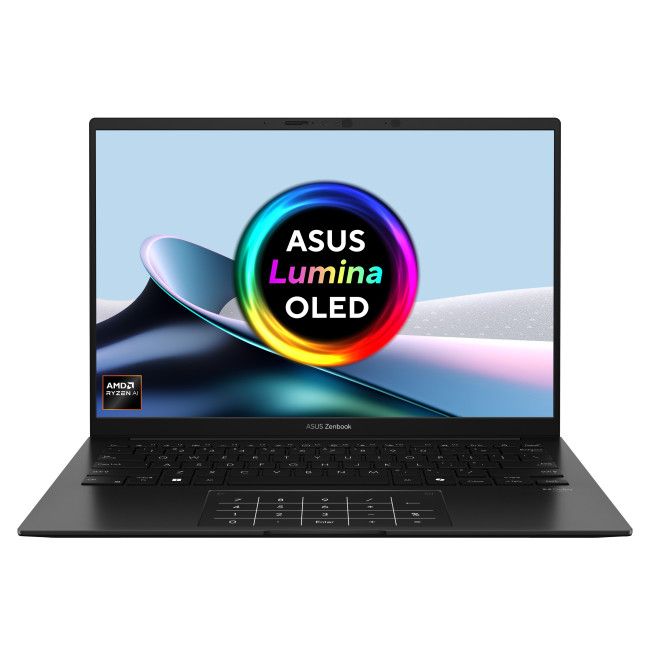
ASUS ZenBook UM3406KA-PP005W |
want a genuinely lightweight laptop for daily carrying between classrooms without giving up 16GB RAM |
Ryzen AI 7 350, 16GB RAM, 1TB SSD, 14" 2880 x 1800 OLED, HDMI + Ethernet, Integrated webcam + mic, 1.2 kg |
|
|
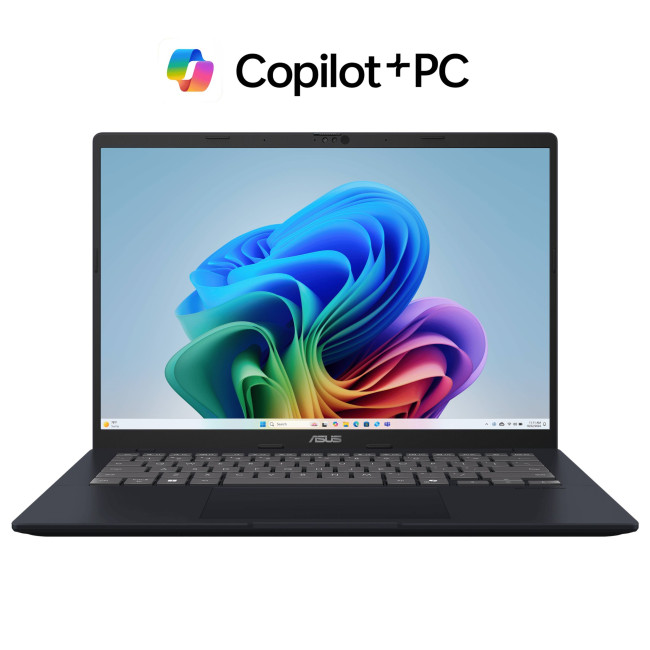
ASUS VivoBook M1407KA-LY014W |
want a “teaching-ready” 14-inch Windows laptop with 16GB RAM and the ports that help in real school settings |
Ryzen AI 5 340, 16GB RAM, 512GB SSD, 14" 1920 x 1200 IPS, HDMI + Ethernet, Integrated webcam + mic, 1.46 kg |
|
|
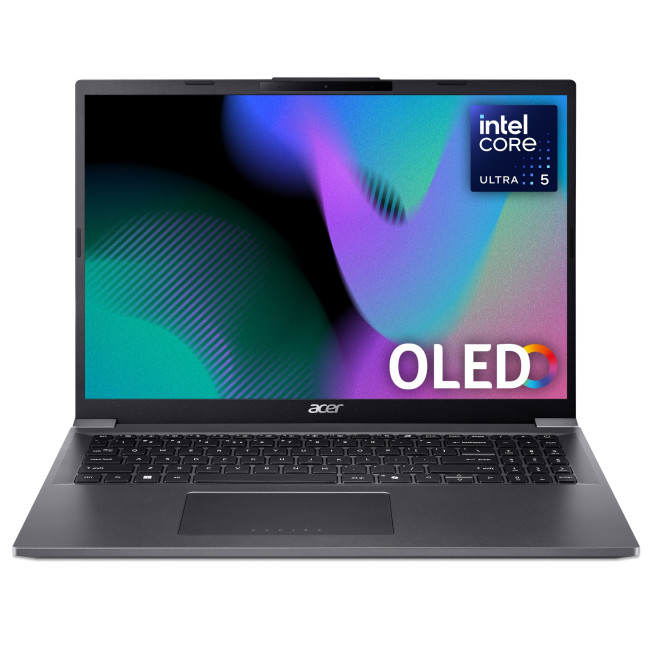
Acer Aspire 16 A16-71M (NX.J5LEK.003) |
want a big-screen laptop that still feels modern for multitasking, online teaching, and resource-heavy browsing |
Core Ultra 5 125H, 16GB RAM, 512GB SSD, 16" OLED 2048 x 1280, HDMI + Ethernet, Integrated webcam + mic, 1.64 kg |
|
|
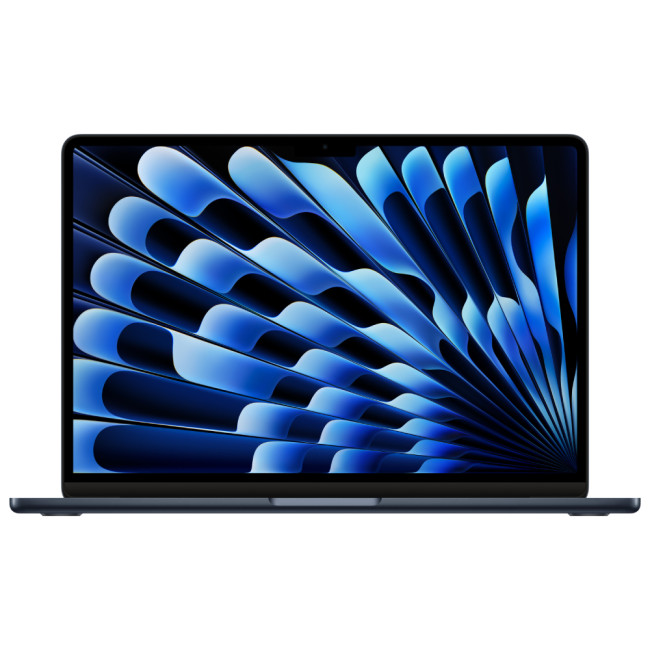
Apple MacBook Air M3 (MC8K4B/A) |
prefer macOS for planning, writing, and video calls, and want something light enough to carry every day |
Apple M3, 16GB RAM, 256GB SSD, 13.6" 2560 x 1664, Thunderbolt 3 (adapter likely for HDMI/Ethernet), Integrated webcam (Yes), 1.24 kg |
|
How To Choose a Laptop for Teaching In 2026
Teachers do not buy laptops for benchmark scores. They buy laptops that can keep up with planning, marking, video calls, browser tabs, and everyday school admin.
That is why the best laptop for teaching in 2026 should be chosen around real classroom use in the UK, not just specs on paper.
Start with the programs you actually use
Common computer programs for teachers include Microsoft Word, PowerPoint, and Excel, as well as OneNote, Teams, Zoom, browser-based learning platforms, and school MIS tools. If you run video meetings, Zoom’s baseline requirements are straightforward: a solid internet connection, speakers/mic, and a webcam. Teams’ baseline requirements for Windows include 4GB RAM and a USB 2.0 camera, plus standard camera/mic/speakers.
Avoid buying into an OS dead-end
Windows 10 reached the end of support on October 14, 2025. Microsoft states that after this date, technical assistance, feature updates, and security updates are no longer provided, and it recommends moving to Windows 11 (or ESU if you must stay temporarily). For most buyers in 2026, that makes a Windows 11 laptop the safer long-term purchase.
Prioritise these specs in this order
- RAM: 8GB can work for lighter days, but 16GB is the sanity-saving choice for multitasking teaching work (Teams + tabs + documents + screen sharing). Teams can run with 4GB of RAM on paper, but Microsoft’s own guidance also recommends higher amounts for certain scenarios.
- Ports: HDMI is still the classroom hero. Ethernet is a bonus for rock-solid connectivity during online classes or live lessons (and it can also help when school Wi-Fi is overloaded).
- Webcam and mic: even if you teach mainly in person, parent meetings and safeguarding conversations increasingly take place online. Zoom explicitly expects a webcam and speakers/mic.
- Weight: if you carry your laptop daily, anything near 1.2–1.5 kg feels meaningfully easier than a chunkier 15–16-inch model.
- Battery: A published battery figure is helpful, but not every product page lists it. In this guide, missing battery info is marked as unspecified.
Quick Teacher Laptop Checklist:
Look for Windows 11, 16GB RAM, SSD storage, HDMI, reliable Wi-Fi, a built-in webcam, and a weight that matches how often you carry it.

The Right Laptop Makes Teaching Easier
Choosing the best laptop for teaching in 2026 comes down to what will make your working day easier, not what looks best on a spec sheet. The right device should be able to keep up with lesson planning, marking, video calls, classroom presentations, and the constant multitasking that comes with modern teaching.
For most teachers in the UK, the smartest buy is a laptop that balances speed, portability, reliability, and practical classroom features. That might mean a budget-friendly everyday Windows laptop, a lighter premium model for commuting, or a more powerful option for creative and technical work. What matters most is choosing a machine that suits the way you actually teach.
The good news is that there are strong in-stock options available across different budgets and use cases. Whether you want a dependable all-rounder, a lightweight carry-everywhere laptop, or a higher-spec model built for heavier workloads, there is now a much better range of teacher-friendly laptops than ever before. Check out our laptop buying guide for teachers to narrow down what matters most to you, then choose a laptop that will support your work properly from the first lesson to the last task of the day.

FAQs About Laptops for Teachers
What is the best laptop for teachers in the UK in 2026?
For most teachers, a 14-inch Windows 11 laptop with 16GB RAM and an SSD is the sweet spot for performance and portability. A strong example in stock right now is the ASUS VivoBook M1407KA-LY015W (16GB/1TB, 14").
Is 8GB RAM enough for teaching?
It can be, especially for lighter workloads. Microsoft lists 4GB RAM as the requirement for Teams on Windows, but also recommends higher specs for certain usage scenarios, and busy teaching days can push 8GB hard. If you regularly multitask (Teams + browser + resources + screen sharing), 16GB tends to feel better in the long term.
Should teachers buy a Windows 10 laptop in 2026?
Usually, no. Microsoft states Windows 10 support ended on October 14, 2025, and it no longer receives security updates after that date. Unless you have a specific upgrade plan or a managed exception, choose Windows 11.
What laptop specs do I need for Zoom and online classes?
Zoom lists the essentials as a broadband internet connection, speakers and microphone, and a webcam (built-in or external). For smoother teaching, prioritise a decent webcam and enough RAM for multitasking while screen sharing.
Are Chromebooks good laptops for teachers?
They’re good if your teaching tools are web-first (Google Workspace, browser-based platforms) and you do not rely on Windows-only school software. A current example is the Lenovo IdeaPad 3 Chrome with 8GB RAM and a 15.6-inch Full HD display.
Do teachers need a dedicated graphics card?
Most do not. A dedicated GPU becomes useful for creative and technical workloads (media creation, heavier design software, certain STEM workflows). A higher-power option in stock is the refurbished HP ZBook Firefly G11 with RTX A500 graphics.
Related Articles

Last Updated: April 07, 2026
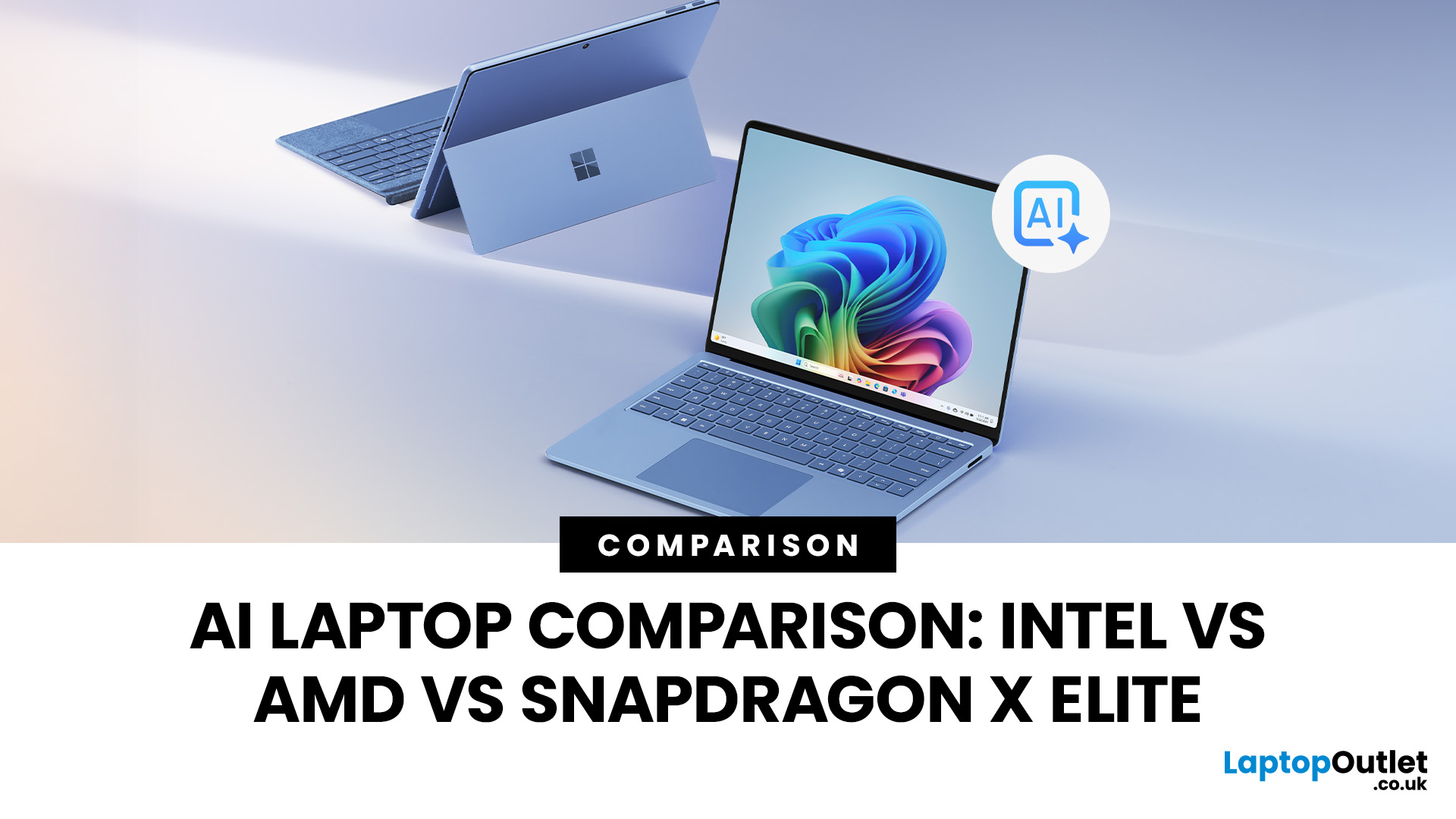
Buying an AI laptop in 2026 should be a quick decision. You pick a size, set a budget, and choose the “best” chip, right? In reality, the AI label is doing far too much work. Two laptops can sit side by side, both advertised as “AI-powered”, yet behave completely differently once you start writing documents, editing photos, joining video calls, or trying the latest Windows features.
That confusion usually comes down to one thing: people treat “AI laptop” as a single spec, when it’s really a mix of three engines working together.
- CPU: the general performance engine for everything you already do
- GPU: the visual and creative engine, also used for some AI workloads
- NPU: the efficiency engine for AI tasks that are built to run locally
This guide compares the 3 platforms shoppers are most likely to cross-shop when searching for an AI laptop today: Intel Core Ultra 200V (Lunar Lake), AMD Ryzen AI 300 (XDNA 2), and Qualcomm Snapdragon X Elite. We’ll keep it practical, explain the specs, and help
Last Updated: March 09, 2026
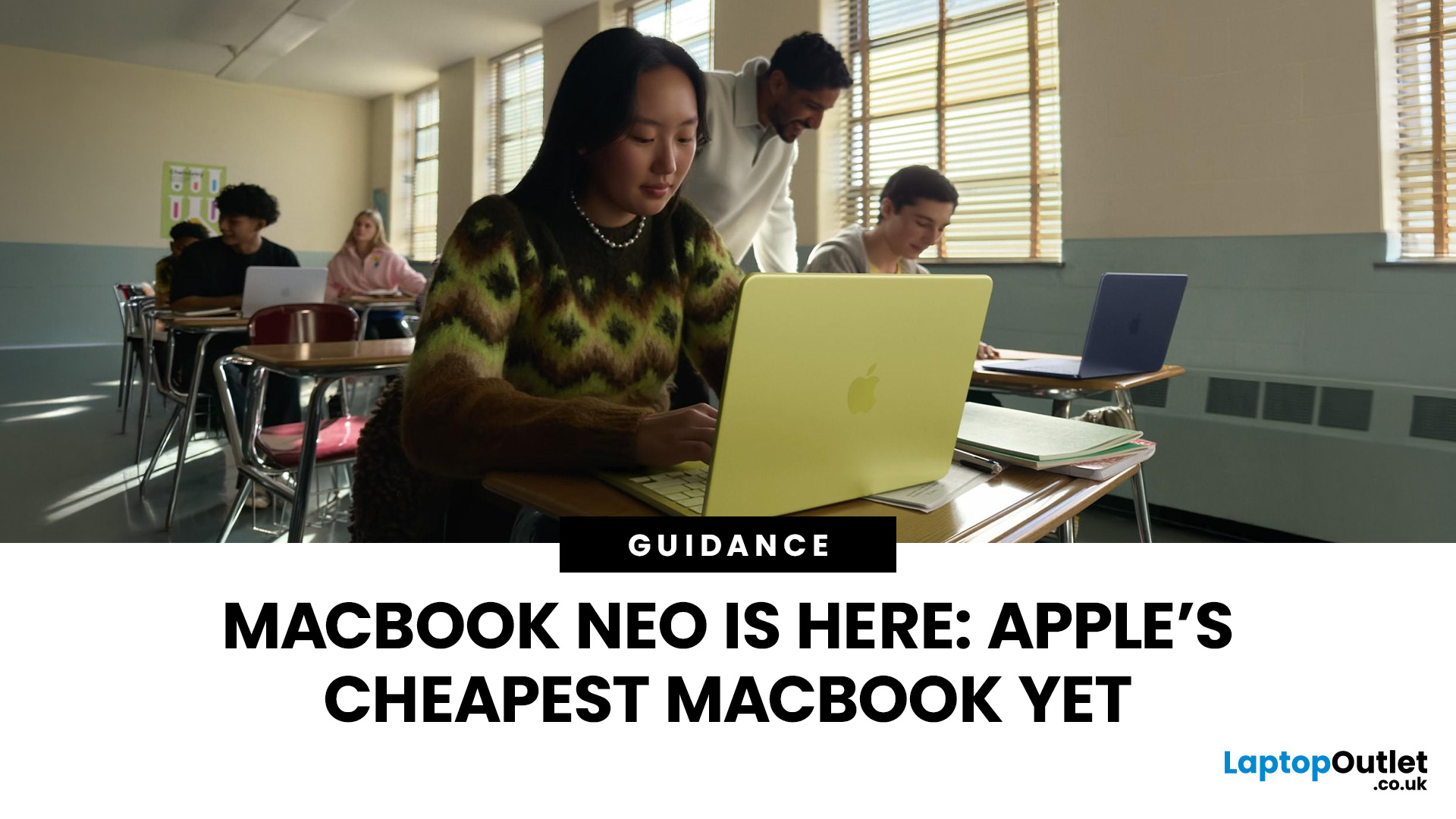
If you have been waiting for a proper budget Mac, it is finally here. MacBook Neo launched as Apple’s most affordable laptop ever, and it is clearly built for students, first-time Mac buyers, and anyone who just needs a reliable everyday laptop for browsing, documents, streaming, and calls. The big headline is the price. In the UK, MacBook Neo starts at £599, with £499 education pricing, and it goes on sale on Wednesday, March 11, 2026. Pre-orders are open now.
This guide breaks down what MacBook Neo is, who it is for, what you get for the money, and the trade-offs you should know before ordering.
Want to Buy a MacBook Neo? Quick Verdict
Buy MacBook Neo If You Want the Cheapest New Mac
MacBook Neo makes sense if your daily laptop life looks like this:
- Browsing and web apps
- Word, PowerPoint, Google Docs
- Email and admin
- Zoom or FaceTime calls
- School work and research
- Light photo editing and creative hobbies
It is designed to feel like a real MacBook, just at a lower cost.
Skip MacBook
Last Updated: March 09, 2026
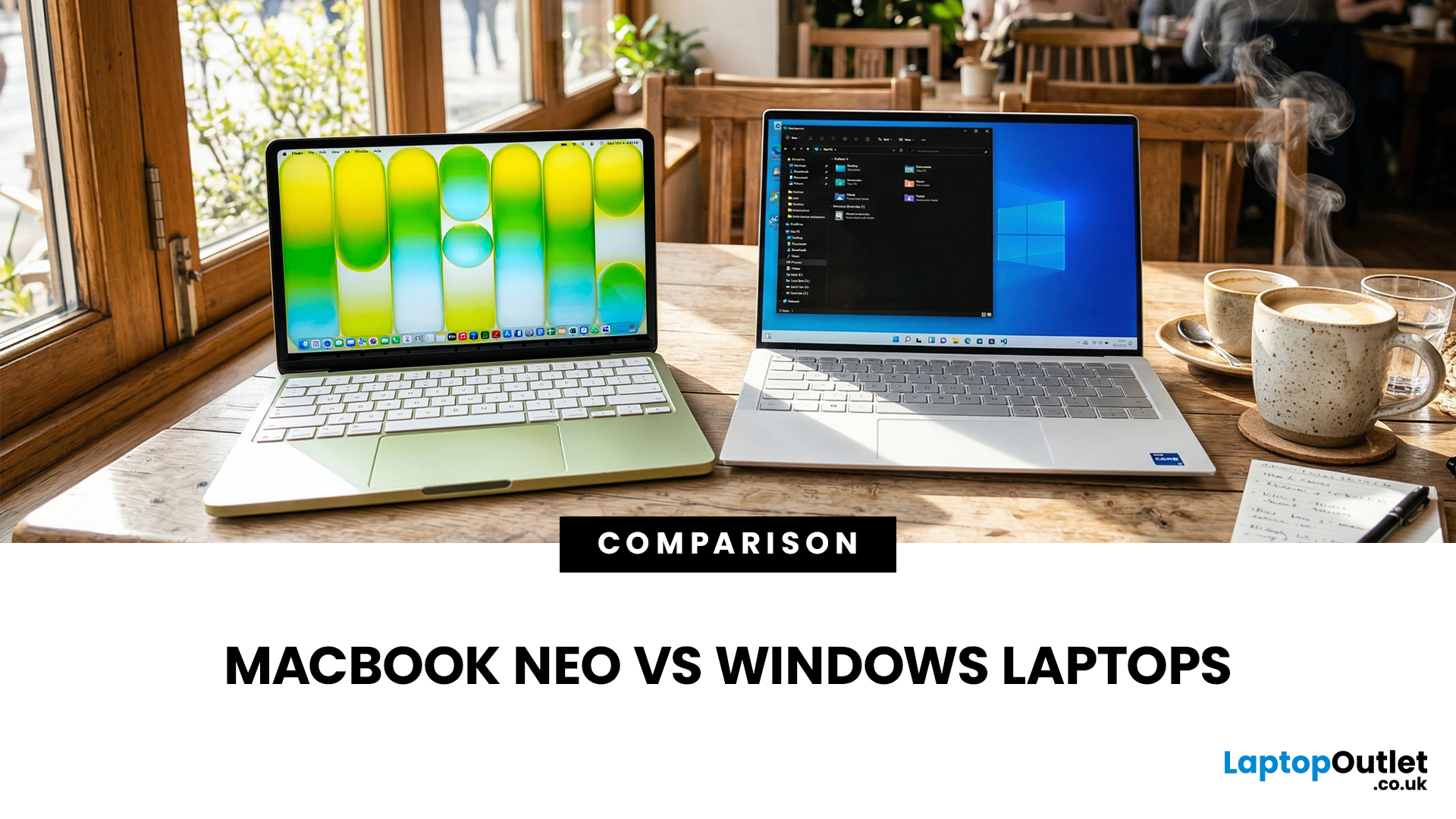
If you are comparing MacBook Neo vs Windows laptops, you are really asking one question: should you buy Apple’s cheapest Mac, or get a budget Windows laptop with more ports and more choice?
MacBook Neo is new, starts at £599, and is designed to be a simple, premium-feeling everyday laptop with macOS, long battery life, and strong call quality.
Budget Windows laptops can offer more screen sizes, more ports, and sometimes better upgrade options. But quality is inconsistent in this price range, and that’s where Neo tries to win.
Below is the practical, buyer-focused breakdown.
10-Second Answer Box
Choose MacBook Neo if
- You want the cleanest everyday experience for browsing, school, docs, and calls
- You value build quality and trackpad feel
- You want a laptop that stays fast and quiet for years, without tweaking settings
Choose a budget Windows laptop if
- You want more ports like HDMI and USB-A built in
- You need a bigger screen for the money
- You want the flexibility of Windows software and lots
Last Updated: July 06, 2026
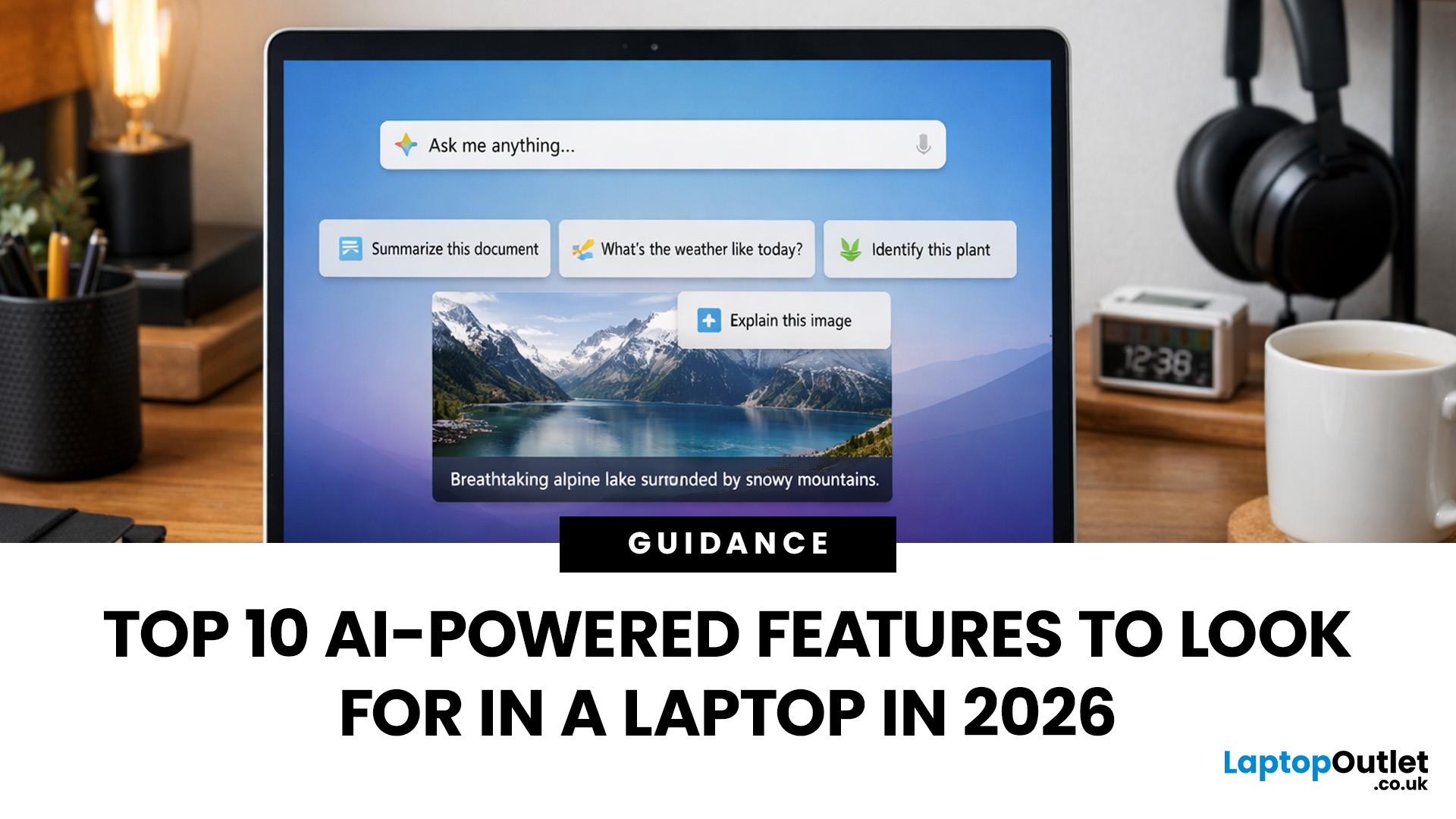
AI-powered laptop features matter in 2026 for one reason: they change the everyday feel of a laptop, not just the spec sheet. The key shift is on-device AI. When tasks like search, captions, camera effects, and quick actions run locally on an NPU, they tend to respond faster, waste less battery, and rely less on a perfect internet connection. That is why “AI-ready” is now a real buying category, not a vague label.
If you are upgrading this year, focus less on hype and more on the features that will save time each week: an NPU you can trust, OS-level AI tools that sit inside your workflow, practical call and meeting upgrades, and enough RAM and storage headroom to keep those features running smoothly for years.
Why AI Laptop Features Matter in 2026
Laptop marketing always finds a new headline, but this cycle is different because it is tied to real platform requirements. Microsoft has separated “regular Windows laptops” from Copilot+ PCs by setting expectations around NPU capability, RAM,
Published: March 10, 2026
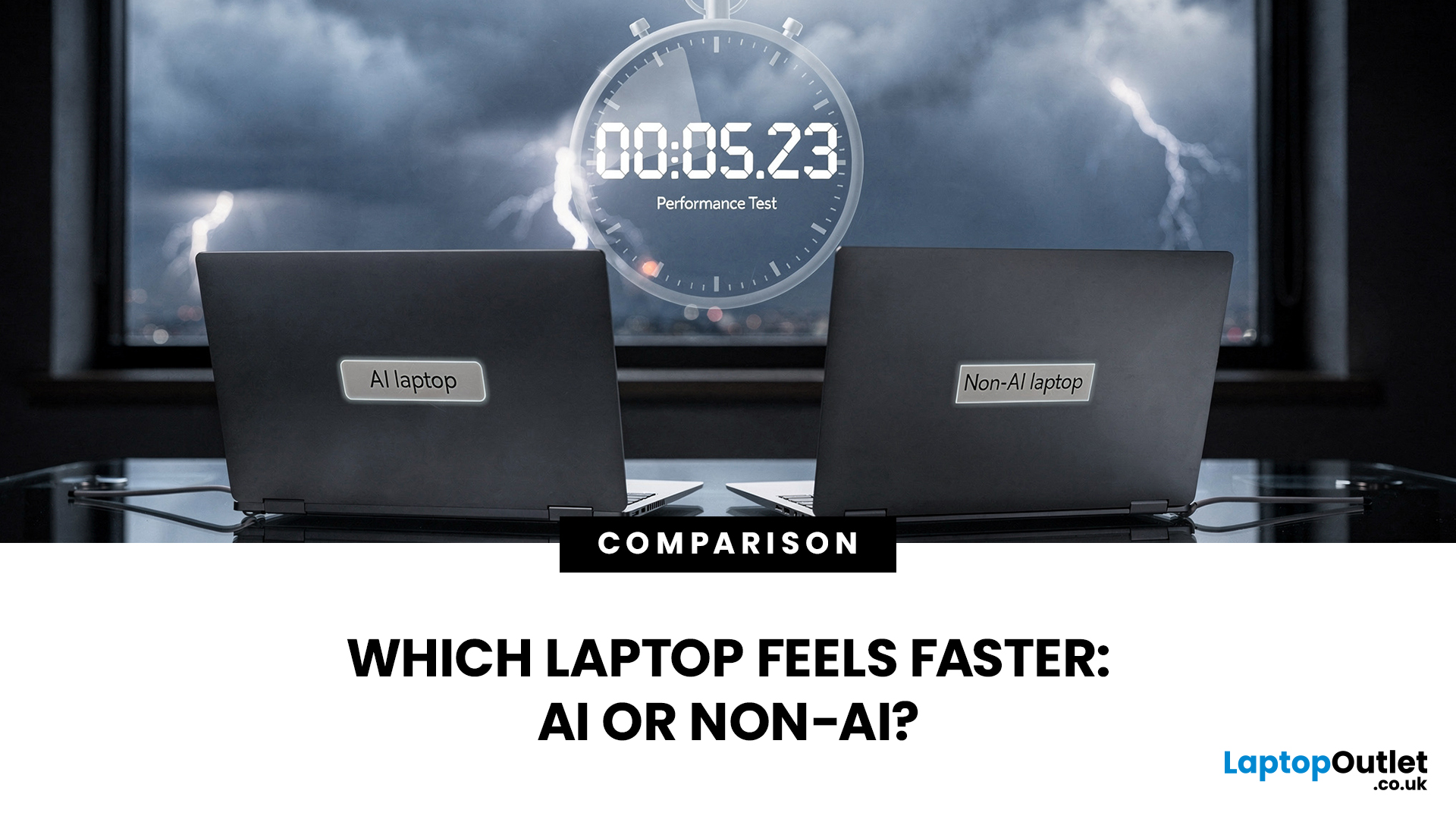
If you’re comparing AI vs non-AI laptops in 2026, the most important thing to understand is this: an “AI laptop” is not automatically faster at everything. In everyday tasks like browsing, working with Office documents, email, and file management, a powerful non-AI laptop can feel just as fast as a newer AI model.
Where AI laptops change, the experience is when you stack AI features on top of normal usage, and the laptop stays smooth. That’s the difference buyers actually feel: better battery efficiency under mixed workload, quieter operation, and on-device features that don’t steal as much CPU and GPU time.
This guide works like an AI laptop performance test, using the kind of checks you can actually repeat at home or at work: wake-from-sleep, app launch behaviour, video calls with camera effects enabled, captioning latency, and battery drain under a realistic office day. It will help you decide whether an AI laptop is worth it for your workload, or whether a well-specced non-AI laptop
Last Updated: June 05, 2026
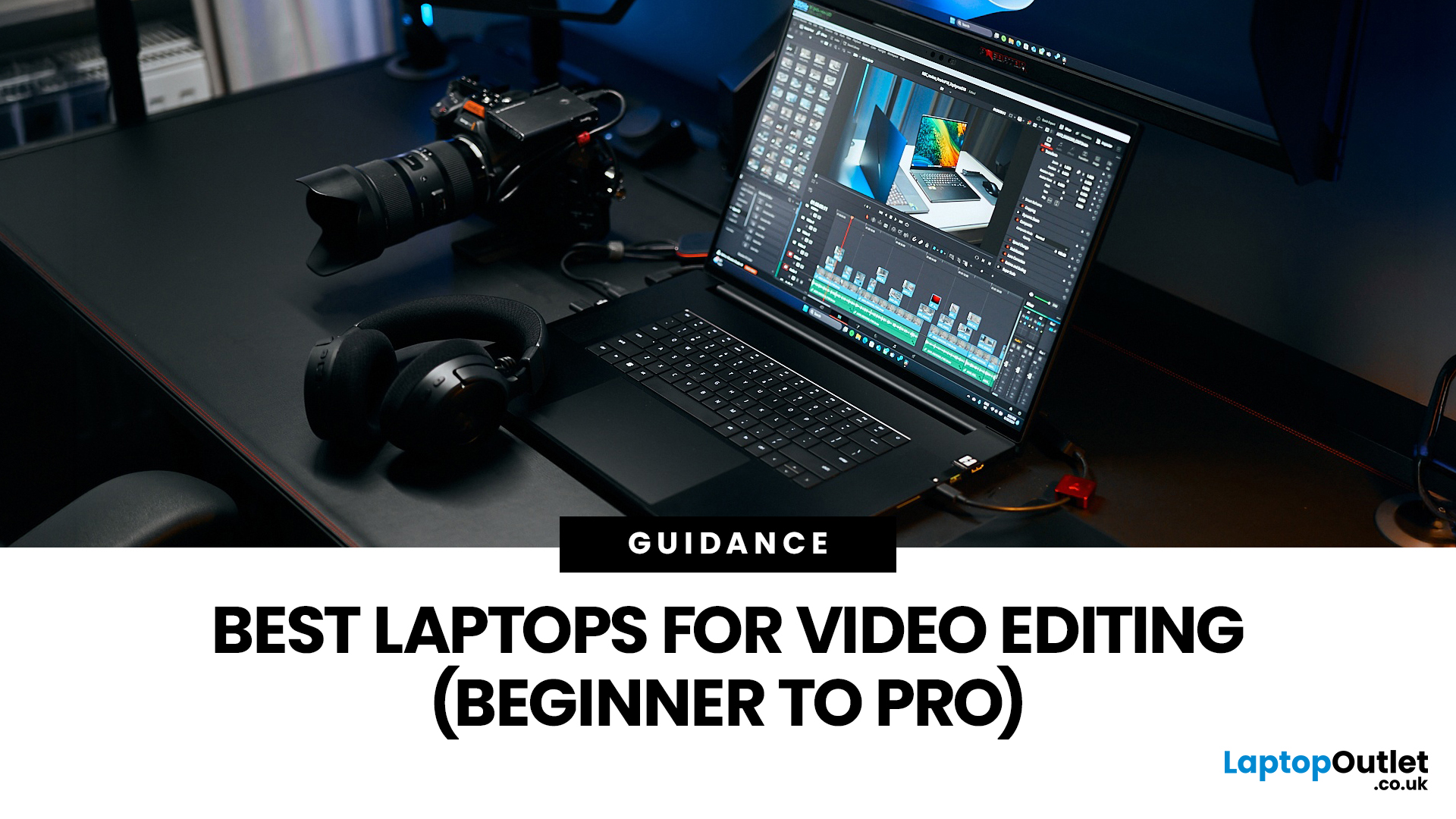
Choosing the right laptops for video editing can feel far more complicated than it should. Some brands focus on AI features; others push gaming specs, and many guides make it sound as though you need a studio-grade machine just to edit a few clips.
In reality, the best laptop depends on the type of editing you do.
A beginner creating YouTube videos, reels, or student projects will not need the same machine as someone working on commercial edits, colour grading in DaVinci Resolve, or handling large 4K client timelines. That is why this guide breaks down the best laptops for video editing by editing level, workflow, and real-world use case.
Whether you need a machine for social content, advanced post-production, or portable editing on the move, these are the options worth considering.
If your creative work also includes Photoshop, Illustrator, or wider Adobe software, it is worth reading our guide to the best laptops for Adobe Creative Cloud apps as well.
What to Look for in Laptops for Video

Last Updated: April 22, 2026
Choosing between Intel and AMD is no longer a simple case of picking the “faster” processor. If you are comparing Intel Core i5 vs Ryzen 5, you are looking at two highly capable mid-range options that power a large share of laptops available in the UK today.
Both deliver strong everyday performance, but they are designed with slightly different priorities. Understanding those differences is what helps you avoid overspending or buying a laptop that does not quite suit how you use it. This guide focuses on real-world use, not just specs, so you can make a confident decision in 2026.
Core i5 vs Ryzen 5: What is the Real Difference?
At a surface level, both processors handle everyday tasks comfortably. The difference comes from how they manage performance behind the scenes.
Intel’s modern Core i5 processors use a hybrid architecture that splits workloads between performance cores and efficiency cores. This allows the system to stay responsive even when multiple processes are running in the

Last Updated: September 22, 2026
Choosing between an Intel Core i3 and Core i5 laptop can be confusing, especially when two laptops with the same processor tier can perform very differently. Your everyday workload, processor generation, power class and overall laptop specification all play a part in deciding which option makes more sense.
Core i3 is generally enough for browsing, Office apps, streaming and lighter study, while Core i5 is better suited to heavier multitasking, creative work, coding and more demanding software. In 2026, however, you should compare the exact processor generation and suffix, such as U, H or HX, rather than choosing a laptop based on the i3 or i5 badge alone.
Intel's laptop range has also evolved beyond the familiar Core i3 and Core i5 names, with newer machines using Intel Core 3, Core 5 and Core Ultra branding. This guide breaks down the differences so you can understand which processor type better matches the way you use your laptop.
Core i3 vs Core i5: What Is the Difference?
Traditionally,
Last Updated: June 18, 2026
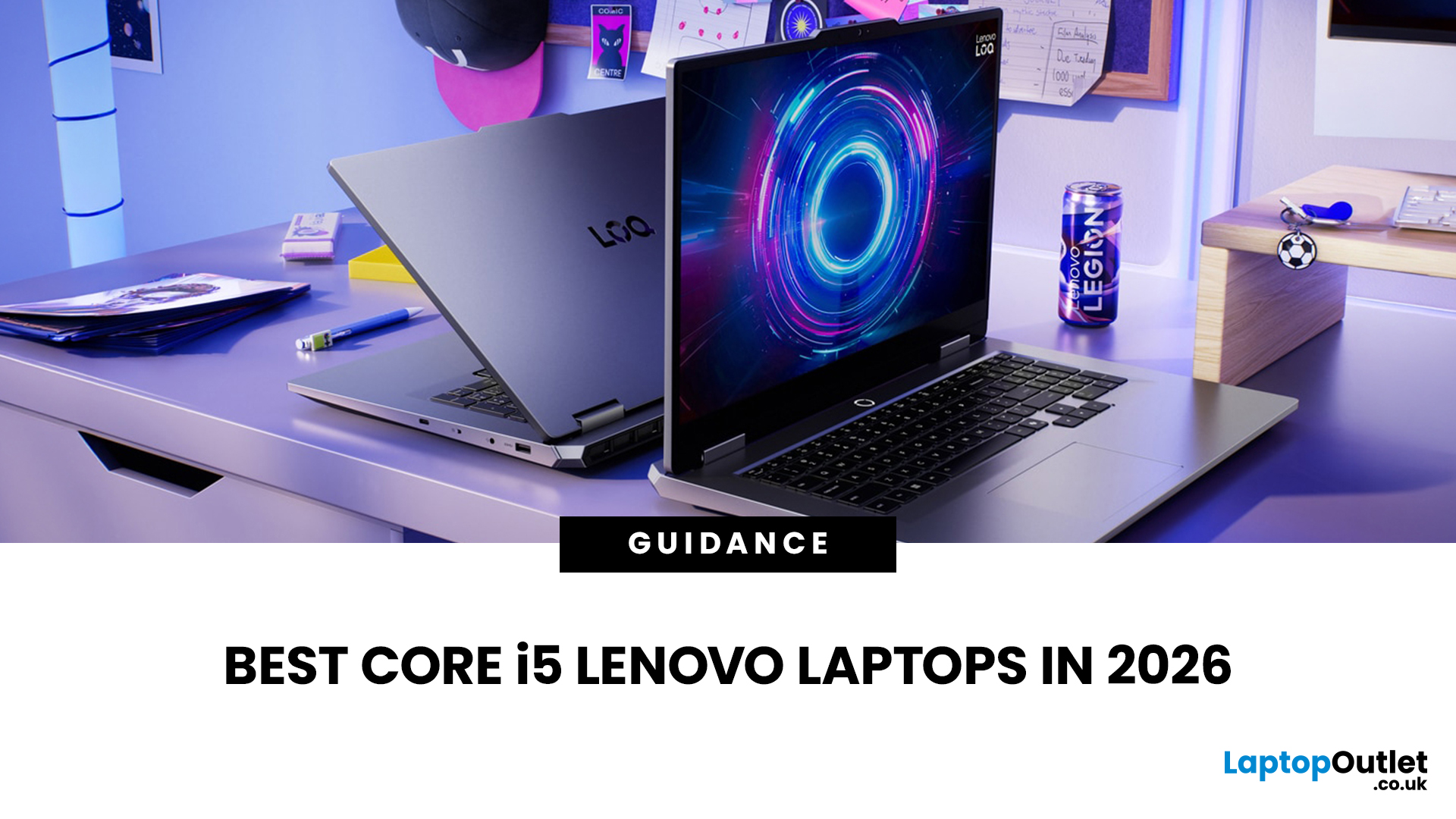
If you are searching for Core i5 Lenovo laptops, you are likely looking for a balance of performance, price, and reliability. And that is exactly where Lenovo stands out in 2026. From affordable everyday machines to durable business devices, Lenovo’s Core i5 lineup covers a wide range of use cases. Whether you need a laptop for work, study, or general productivity, there is a model that fits without pushing into premium pricing.
This guide breaks down the best options available right now, with a focus on real-world usability, value, and what each model is good for.
Why Choose a Lenovo Core i5 Laptop in 2026?
Lenovo continues to be one of the most consistent brands when it comes to mid-range laptops. Its Core i5 models are particularly popular because they offer:
- Reliable everyday performance
- Strong build quality across price ranges
- Good keyboard and typing experience
- Wide choice across business and budget segments
For most users, a Core i5 processor is more than enough for:
- Office work

Last Updated: May 01, 2026
Streaming accounted for over 38% of total TV and video consumption globally last year, overtaking traditional viewing for the first time. That means more people are now watching films on laptops, tablets, and personal screens than ever before, not TVs.
But here’s the problem: most laptops aren’t actually built for a good viewing experience.
You can open the same film on two different laptops and get completely different results. On one, colours look rich, scenes feel immersive, and everything flows smoothly. On another, the image feels dull, brightness struggles in daylight, and the whole experience falls flat - even if the specs look similar on paper.
That’s where most buyers get caught out. Terms like “Full HD,” “OLED,” or “high brightness” sound impressive, but they don’t always translate into a better streaming experience. Many people end up choosing based on performance or price, while overlooking what actually matters for watching films.
This guide breaks that down clearly - focusing

