



How to Maintain an All-in-One Printer for Long-Term Use

If you want an all-in-one printer to last, the best approach is simple: keep it clean, use the built-in maintenance tools properly, and deal with small print-quality issues before they turn into bigger faults. Good all in one printer maintenance is less about deep cleaning every week and more about doing the right checks at the right time.
For most homes and small offices, that means cleaning the scanner glass and document feeder areas regularly, using printhead cleaning only when print quality drops, keeping paper and supplies in good condition, and not treating laser and inkjet models the same way. That last point matters. A multifunction printer cleaning routine for an inkjet is not the same as multifunction printer care for a laser model with a separate drum unit.
The Best Way to Keep an All-in-One Printer Working Well
The simplest all-in-one printer maintenance guide starts with routine care, not emergency fixes. Keep dust off the exterior, keep the scanner glass and ADF strip clean, run printhead cleaning only when you see streaks or missing colours, and use the printer regularly enough that ink does not sit unused for months. Canon’s support guidance says using an inkjet at least once a month can help prevent the print head drying out or clogging.
If you have a laser multifunction printer, focus more on the paper path, toner area, and drum-related print defects rather than ink-style nozzle cleaning. Brother’s support guidance also makes it clear that drum cleaning is a specific process and that the drum surface should not be touched casually or cleaned with liquids.
A well-maintained printer should do three things consistently: print clean pages, scan without lines, and feed paper without jams. If one of those starts slipping, the fastest fix is usually targeted maintenance rather than a full reinstall or immediate replacement.
What All-in-One Printer Maintenance Actually Includes
All-in-one printer care and maintenance covers more than wiping the outside. A proper routine includes exterior cleaning, scanner-glass cleaning, ADF maintenance, printhead or drum care when needed, software and firmware updates, and making sure consumables are replaced before they start causing secondary problems. HP says printer firmware updates can fix bugs, improve print quality or speed, and add features, while Canon’s support hub points users to the latest software and drivers for their models.
That matters because many “printer faults” are really maintenance issues in disguise. Faded output can be a printhead problem. Lines in scans can be dirty scanner glass. Repeating marks on laser pages can point to the drum. Slow, awkward, or inconsistent behaviour can come from outdated software just as easily as worn hardware.
If you want a broader look at features, model types, and where multifunction devices fit into the market, our guide to all-in-one printers explained is a useful next read.
How Often Should You Maintain an All-in-One Printer?
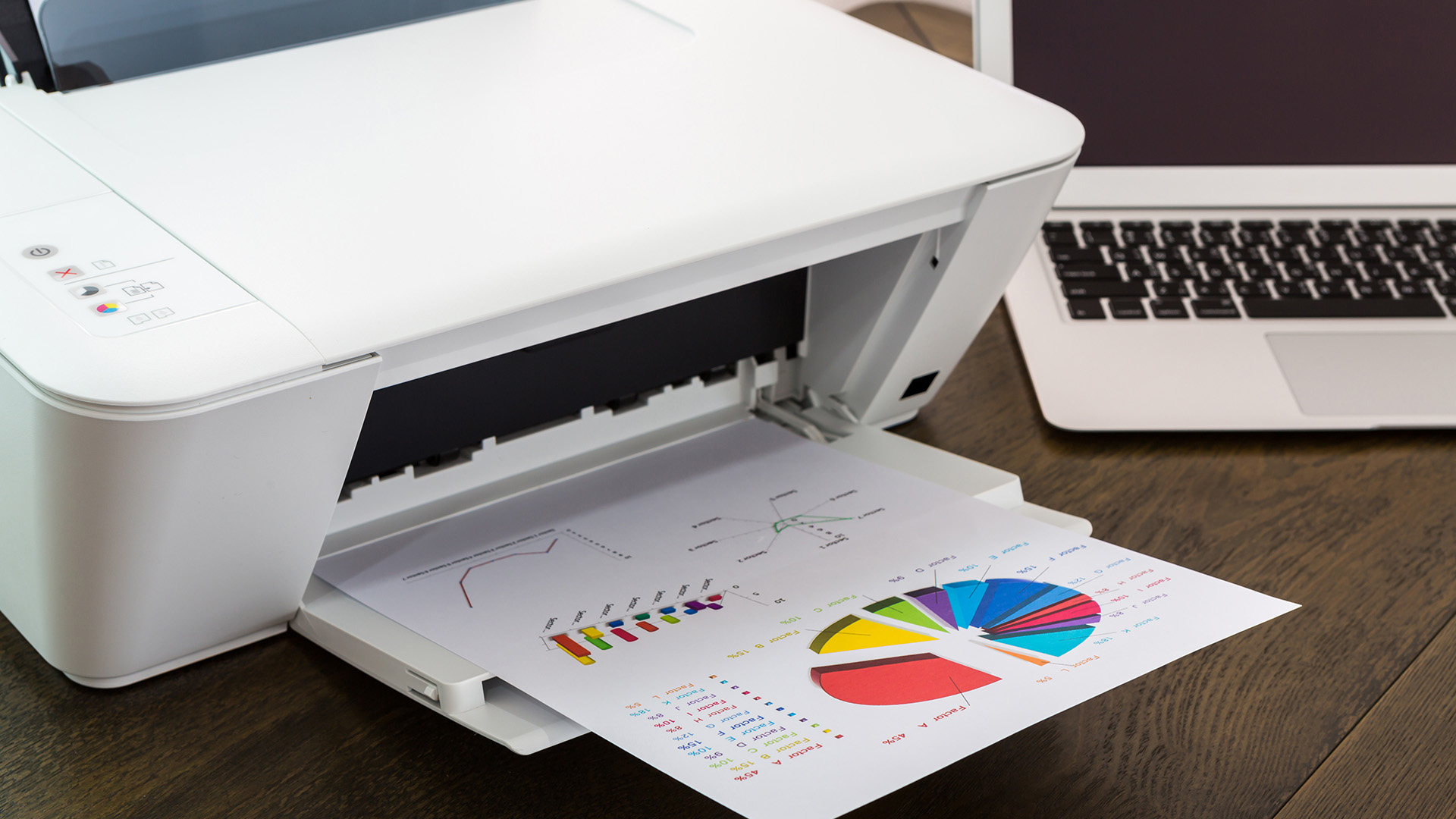
There is no single universal schedule, because print volume changes everything. A home printer used once or twice a week does not need the same care pattern as a busy office machine scanning invoices every day. Still, a light routine works well for most users.
|
Task |
Sensible Routine for Most Users |
Why It Matters |
|
Dust exterior and trays |
Every 1 to 2 weeks |
Stops debris building up around feeds and controls |
|
Clean scanner glass and ADF strip |
Monthly, or sooner if scans show lines |
Prevents streaks and copy defects |
|
Check paper condition and tray alignment |
Every paper refill |
Helps reduce feed issues and skew |
|
Run printhead cleaning |
Only when print quality drops |
Cleaning uses ink, so it is not a routine job |
|
Check for firmware or driver updates |
Every few months |
Helps with reliability, compatibility, and bugs |
|
Inspect toner, drum, or ink status |
Monthly |
Avoids preventable print defects and stoppages |
That schedule is an editorial rule of thumb, but it lines up well with current manufacturer advice. HP says ADF cleaning frequency depends on use and environment, and notes that monthly cleaning is reasonable if the feeder is used several times a week. Canon recommends using an inkjet at least once a month if possible to help avoid dried or clogged print heads.
How to Clean an All-in-One Printer Safely
The first step in any all-in-one printer cleaning guide is to turn the printer off and unplug it if you are cleaning inside, around the scanner, or anywhere near moving parts. HP and Xerox both tell users to disconnect power before reaching into the machine, which is especially relevant on MFPs with feeders, scanner lids, and internal paper paths.
For everyday external cleaning, keep it simple. Brother says to wipe dust and marks from the main unit with a soft, dry cloth, or one slightly dampened with water if needed. Xerox similarly recommends a soft, lint-free cloth lightly dampened with water for control panels, ADF areas, trays, and outer surfaces.
Where people go wrong is with cleaning products. Brother warns against paint thinner, benzene, alcohol, and other organic solvents on the case, and separately warns against ammonia, alcohol sprays, or flammable cleaning substances inside certain machines. Xerox also warns against household cleaners or detergents that may damage the finish. In practice, the safest rule is to use only what the manual or official support page allows for your model.
What Should You Clean Regularly?
The best routine all-in-one printer maintenance focuses on the parts that collect dust, residue, and paper debris during normal use.
Scanner Glass and ADF Strip
If copies or scans show lines, the scanner glass is one of the first places to check. Brother says to clean both the main scanner glass and the narrow ADF glass strip with a soft lint-free cloth moistened with water, and to repeat the cleaning if you can still feel dirt or debris. Canon’s support guidance also points to dirty scanning glass and rollers as common reasons for streaks or dirty scanned images.
This is one of the easiest high-value jobs in multifunction printer cleaning. A printer can seem fine overall while still producing streaked scans simply because the ADF strip has picked up dust, correction fluid, or pencil residue. HP also notes that ADF cleaning becomes more important when rollers are visibly dirty, documents stop feeding properly, or vertical streaks appear in scanned images.
Paper Trays and Feed Areas
Paper dust and scraps build up quietly over time. Xerox recommends removing dust, lint, and small pieces of paper around the printer before wiping the outside, and Canon notes that paper dust in the feed path should be cleaned out when visible.
This matters more than it sounds. A lot of “random” paper jams start with curled paper, dusty trays, or feed-path debris rather than a major mechanical fault. Good all-in-one printer care tips start with the simple things because they are the problems most users can prevent.
Control Panel and Exterior
External cleaning is basic, but still worth doing. Dust around buttons, touchscreens, and tray edges can work its way into the parts you use most. Xerox explicitly recommends regular cleaning of the control panel, display, ADF, output tray, and other outside areas to keep dust and dirt under control.
Inkjet vs Laser: Maintenance Is Not the Same
The biggest mistake in all-in-one printer maintenance is assuming every model needs the same care. Inkjet printers and laser printers fail differently, clean differently, and respond to different warning signs.
|
Printer Type |
What Usually Needs Attention |
Typical Warning Sign |
Best First Fix |
|
Inkjet all-in-one |
Printhead, nozzles, ink path, scanner glass |
Faded colours, missing lines, streaky output |
Run nozzle check, then built-in head cleaning only if needed |
|
Laser all-in-one |
Toner, drum, paper path, scanner glass |
Repeating marks, toner smears, feed issues |
Inspect consumables, clean approved areas, check drum-related faults |
Canon says standard cleaning should be used when printing is faint or a specific colour fails, while deep cleaning should be reserved for cases where normal cleaning has not solved the issue. Brother’s support guidance on drum cleaning is clearly laser-specific and warns users not to touch the drum surface or clean it with liquids.
That distinction is also useful when shopping. If your use is light and colour-heavy, inkjet printing solutions often make more sense. If you print a lot of documents and want easier long-term running for office work, laser printing solutions are often the better fit.
How to Maintain an Inkjet All-in-One Printer
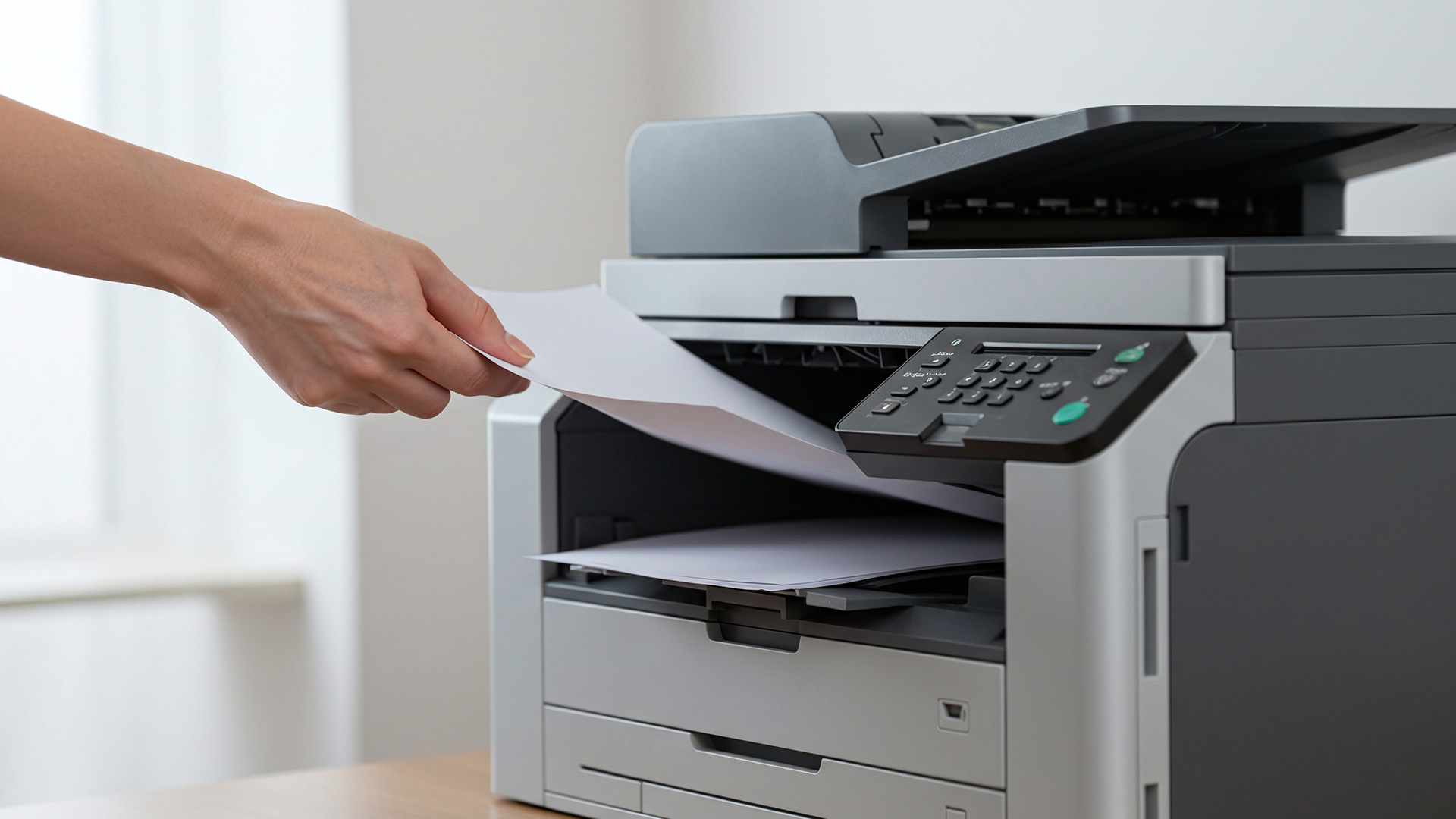
The first rule with an inkjet is not to over-clean it. Canon and HP both say printhead cleaning is for actual print-quality problems, and HP states clearly that cleaning uses ink. Canon also says deep cleaning is more thorough and should be used only if normal cleaning has not solved the problem.
That means the right order is usually:
- Print a nozzle check or test page
- Run normal cleaning if colours are missing or output is faint
- Check the result
- Use deep cleaning only if standard cleaning fails
- Stop repeating cycles if the issue does not improve and move to troubleshooting or service
This is where “routine” maintenance should stay disciplined. Repeated deep-cleaning cycles waste ink and do not always solve a mechanical or cartridge-related fault. Canon also advises regular printer use to help avoid dried or clogged heads, recommending use at least once a month if possible.
How to Maintain a Laser All-in-One Printer
Laser multifunction printer care is more about toner handling, drum condition, paper path cleanliness, and spotting repeat-pattern defects early. Brother’s current drum-cleaning guidance says repeating marks at 94 mm intervals can indicate foreign material on the drum, and it instructs users to clean the drum surface gently with a dry cotton swab only. It also warns not to use any liquids or sharp objects on the photosensitive drum.
That is why “cleaning all-in-one printer drum” is not a casual wipe-down job. It is a model-specific process, and it only applies to printers that actually use a separate drum system. Brother also warns that touching the drum surface can degrade print quality, and notes that drum units eventually reach end of life and need replacement.
How to Maintain the Scanner, Copier, and Document Feeder
For many users, the scanner side gets neglected until scans start showing vertical lines. The problem is usually not complex. Brother and Canon both point users to the scanner glass, white backing areas, and rollers when copied or scanned pages look dirty or streaked. Canon also notes that if lines remain after cleaning the glass and rollers, the scanning glass may be scratched and the device may need service.
That makes scanner care one of the most important but overlooked parts of an all-in-one printer maintenance checklist. If you scan forms, invoices, or signed documents through the feeder often, clean the ADF strip regularly rather than waiting for visible defects. HP’s support guidance also links dirty ADF rollers with feeding trouble and scan streaks, which is why frequent feeder users benefit from a light monthly clean.
All-in-One Printer Maintenance Checklist
A good all-in-one printer maintenance checklist should feel realistic enough to keep doing.
|
Frequency |
Maintenance Task |
|
Weekly |
Wipe dust from exterior surfaces, check trays, remove loose debris |
|
Monthly |
Clean scanner glass and ADF strip, inspect paper path, check supplies |
|
Every few months |
Check driver and firmware updates, review print quality, run alignment if needed |
|
As needed |
Run printhead cleaning, clean approved rollers, inspect drum-related marks |
|
Before replacing supplies |
Confirm the fault is really the consumable and not dirt, glass residue, or settings |
The point is not to create a long admin routine. It is to catch the simple issues before they become expensive ones. HP’s support pages for printheads and firmware updates, Canon’s guidance on regular use and maintenance, and Brother’s detailed cleaning steps all point in the same direction: targeted, model-aware maintenance works better than aggressive guesswork.
When Should You Troubleshoot, Repair, or Replace?
Troubleshoot first if the problem is clearly tied to print quality, scanner streaks, paper feed, or outdated software. Those are the faults most likely to improve with routine all-in-one printer maintenance, proper cleaning, or a driver update.
Repair becomes more likely if the scanner glass is scratched, the drum is damaged, the printer keeps reporting consumable faults after replacement, or cleaning no longer improves results. Canon says scratched scanning glass can require service, and Brother notes that drum units do eventually reach the end of their life.
Replace the printer when maintenance is becoming a cycle instead of a fix. If jams keep returning, scan quality stays poor, the cost of supplies is climbing, or the device no longer suits the way you work, replacement is often the cleaner decision. For lighter everyday use, our range of reliable home printers is a sensible place to start. For broader category comparison, browse all printing solutions.
What Buyers Often Overlook Before Buying a New Printer

The first thing many buyers miss is that low purchase price does not always mean low-maintenance ownership. If you print only occasionally and need colour, an inkjet can still be the right fit, but it benefits from regular use. Canon’s guidance that inkjets should ideally be used at least once a month is a good reminder that very infrequent printers can be more maintenance-sensitive than people expect.
The second thing buyers miss is software support. Firmware and driver updates can improve stability, print quality, speed, and compatibility, so it is worth choosing brands with solid support pages and clear update tools. That is one reason readers often compare dedicated category pages such as Canon printing solutions or Brother printing solutions before they buy.

The Smart Long-Term Move for Most Buyers
For most readers, the best all in one printer maintenance plan is simple: keep the scanner and feeder clean, clean the outside lightly but regularly, use printhead cleaning only when output tells you to, and treat drum-related cleaning as a laser-specific job rather than a general printer habit. That is the routine that protects print quality without wasting ink, toner, or time.
If your current machine still suits your workload, maintain it properly and you will usually get longer, more reliable service from it. If it is already slipping into repeat faults and awkward running costs, move on before “maintenance” turns into constant interruption. Our all-in-one printing solutions page is the best next step if you are ready to compare replacements.

FAQs
How often should you maintain an all-in-one printer?
For most users, light cleaning every few weeks and scanner or ADF cleaning about once a month is a sensible routine, though higher-volume use may need more frequent attention. HP says ADF cleaning frequency depends on how often you use it and the type of paper you feed through it.
How do you clean an all-in-one printer safely?
Turn the printer off, unplug it if you are cleaning inside or around moving parts, and use a soft lint-free cloth with only the cleaning method approved for your model. Manufacturers commonly recommend water-dampened cloths for many outer and glass areas, while warning against harsh household cleaners and solvents.
Should you run printhead cleaning regularly?
No. Printhead cleaning is best used only when print quality is poor, because cleaning cycles use ink. Canon and HP both position it as a corrective tool, not a routine weekly task.
How do you stop an inkjet printer from clogging?
The best prevention step is regular use. Canon says using the printer at least once a month, if possible, helps stop the print head drying out or clogging.
Can you clean a printer drum yourself?
Sometimes, but only on models that support it and only by following the manufacturer’s method. Brother warns not to touch the drum surface unnecessarily and not to clean it with liquids or sharp objects.
Related Articles

Last Updated: April 22, 2026
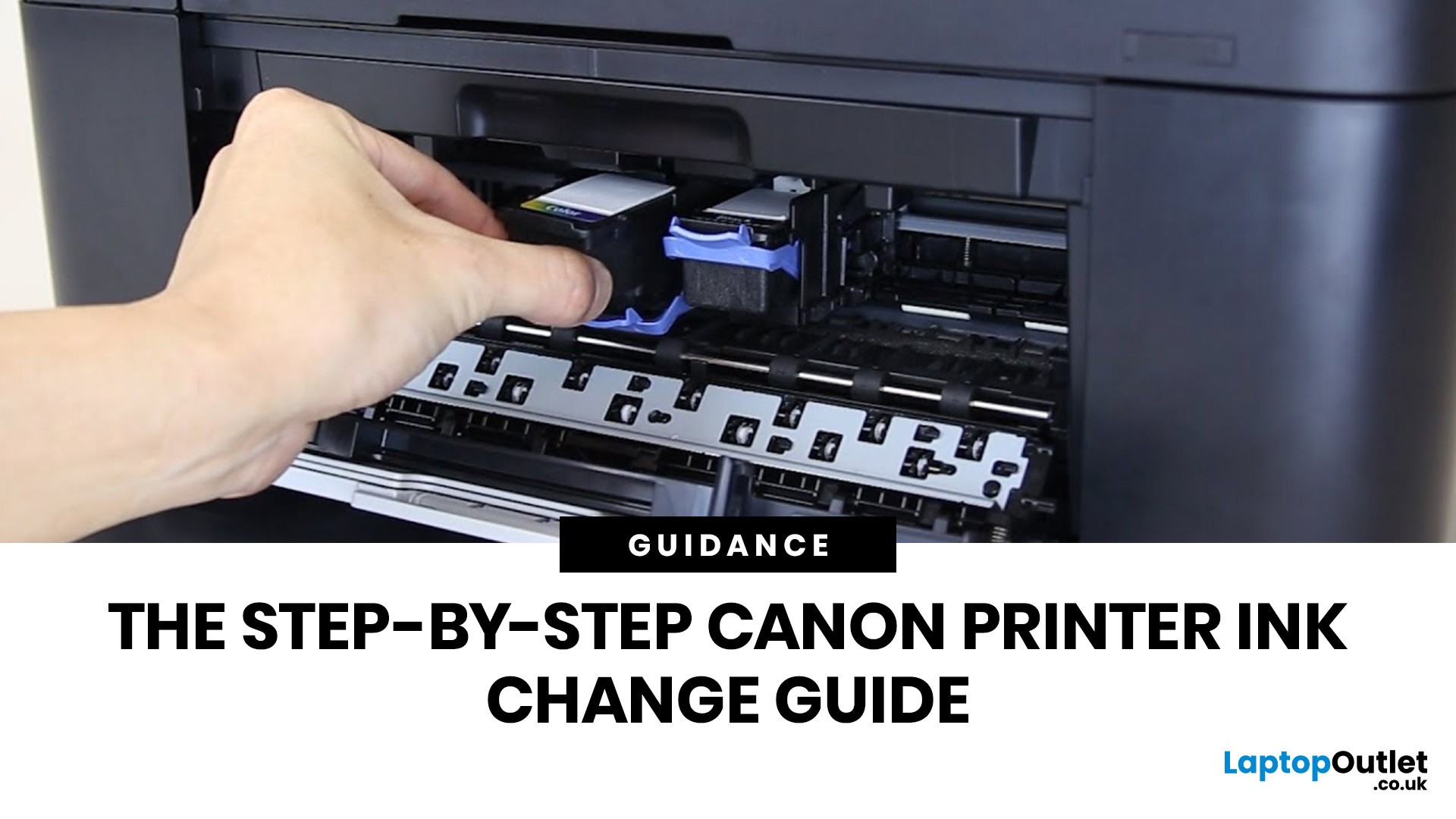
Running out of ink at the wrong moment is genuinely frustrating. Knowing how to change ink in a Canon printer quickly and confidently means less downtime, less wasted paper, and no panicked Googling mid-print.
Canon makes some of the most reliable inkjet printers on the market, and replacing the ink is one of those tasks that feels daunting the first time but becomes routine very quickly. This guide covers everything from the tools you need to the steps themselves, plus tips on cartridge costs, common mistakes, and what to do if problems persist after installation.
What You Need Before You Start
Before diving into the steps, it's worth taking a moment to get everything in order. A well-prepared workspace makes a Canon printer cartridge change much smoother and avoids unnecessary mess or confusion.
Here's what to have ready:
- The correct replacement cartridge for your specific Canon model
- A clean, flat surface to work on
- A tissue or lint-free cloth for any small drips
Always check your

Last Updated: April 22, 2026
Getting your Canon printer onto your home or office WiFi is easier than you might think. This guide covers every method available to help you connect Canon printer to WiFi, whether you have a touchscreen model, a basic entry-level printer, or you prefer to set things up from your phone. We have also included a troubleshooting section at the end for when things do not go quite to plan.
What to Have Ready Before You Begin
It is worth taking two minutes to gather everything before you start setting up Canon printer to WiFi, as it will save you stopping halfway through. Most connection problems come down to one missing detail at this stage.
Here is what you will need:
- Your WiFi network name (SSID) and password (case-sensitive)
- A Canon wireless printer with the WiFi indicator light present
- The Canon PRINT Inkjet/SELPHY app if you plan to set up via smartphone
One thing worth checking: most Canon
Last Updated: June 05, 2026
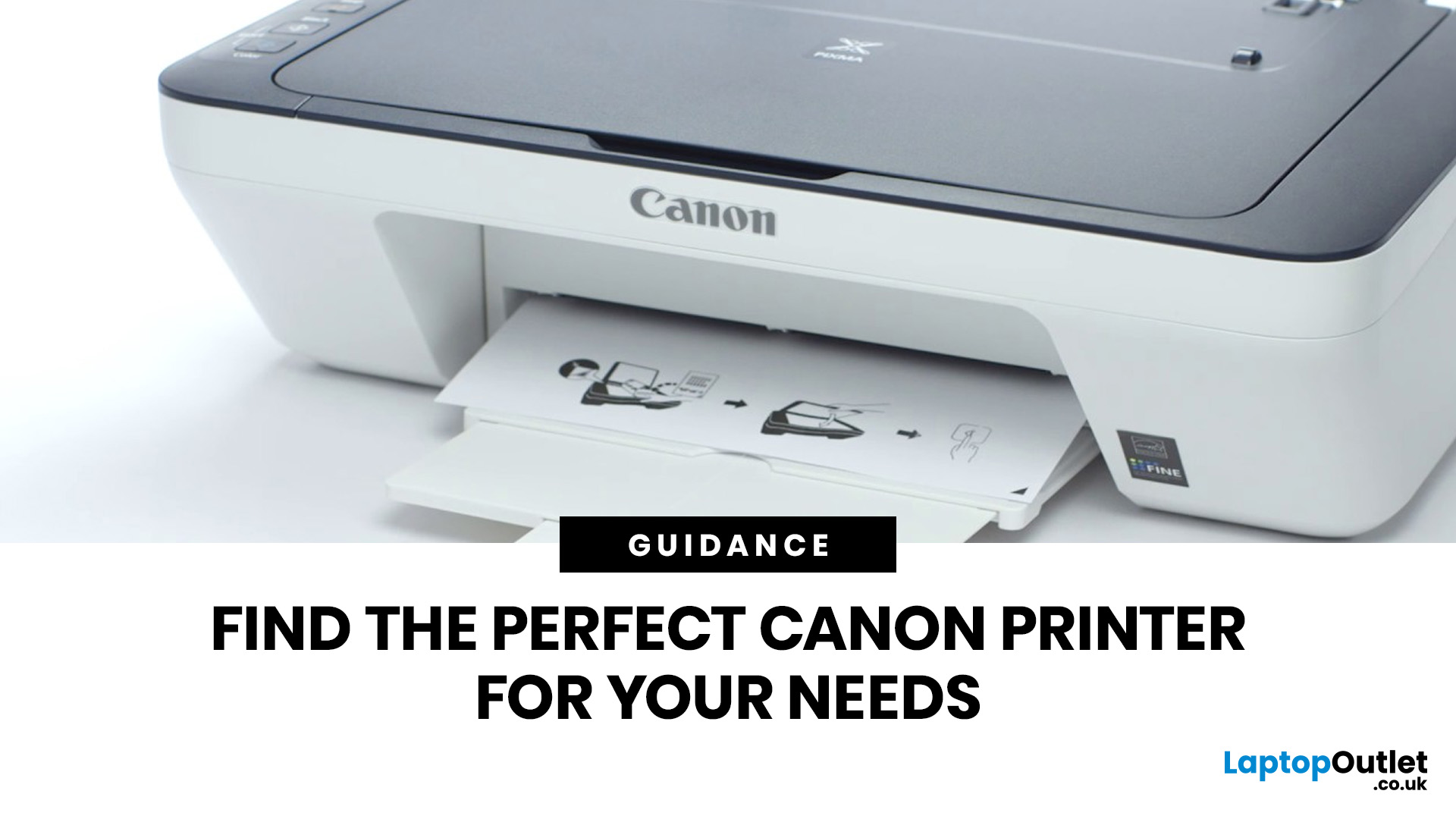
Buying a new printer sounds straightforward until you're faced with dozens of models, confusing specs, and overlapping features. If you're specifically looking at the best Canon printers, you've already made a solid start. Canon is one of the most trusted names in printing, with a range that covers everything from budget-friendly home models to high-volume business workhorses.
This Canon printer buying guide walks you through every series, every key feature, and every use case, so you can buy with confidence and get exactly what you need.
Start With Your Printing Needs and Usage Type
Before choosing a Canon printer, it is important to understand how often you will use it and what tasks you need it for, as this directly affects performance, features, and overall cost. A clear understanding of your usage helps narrow down the best options quickly.
Light Home Use Vs Heavy Office Workloads
If you only print occasionally, such as documents, tickets, or homework, basic home printers are usually

Last Updated: April 22, 2026
Printers are one of those devices you only notice when something goes wrong. One day everything works fine, and the next day your printer refuses to print, shows as offline, or gets stuck with a paper jam. These issues can be frustrating, especially when you need something printed urgently.
The good news is that most Brother printer problems are not serious. In many cases, the issue is related to setup, connectivity, or simple maintenance rather than a fault with the printer itself. Once you understand how to diagnose and fix these problems, you can save time and avoid unnecessary replacements.
This guide covers the most common Brother printer issues and provides clear, practical solutions. Whether you are using a home printer, a multifunctional device, or a printer for office use, this troubleshooting guide will help you get things working again quickly.
Understanding Common Brother Printer Problems
Before jumping into fixes, it helps to understand why problems occur in the first place.
Last Updated: April 22, 2026
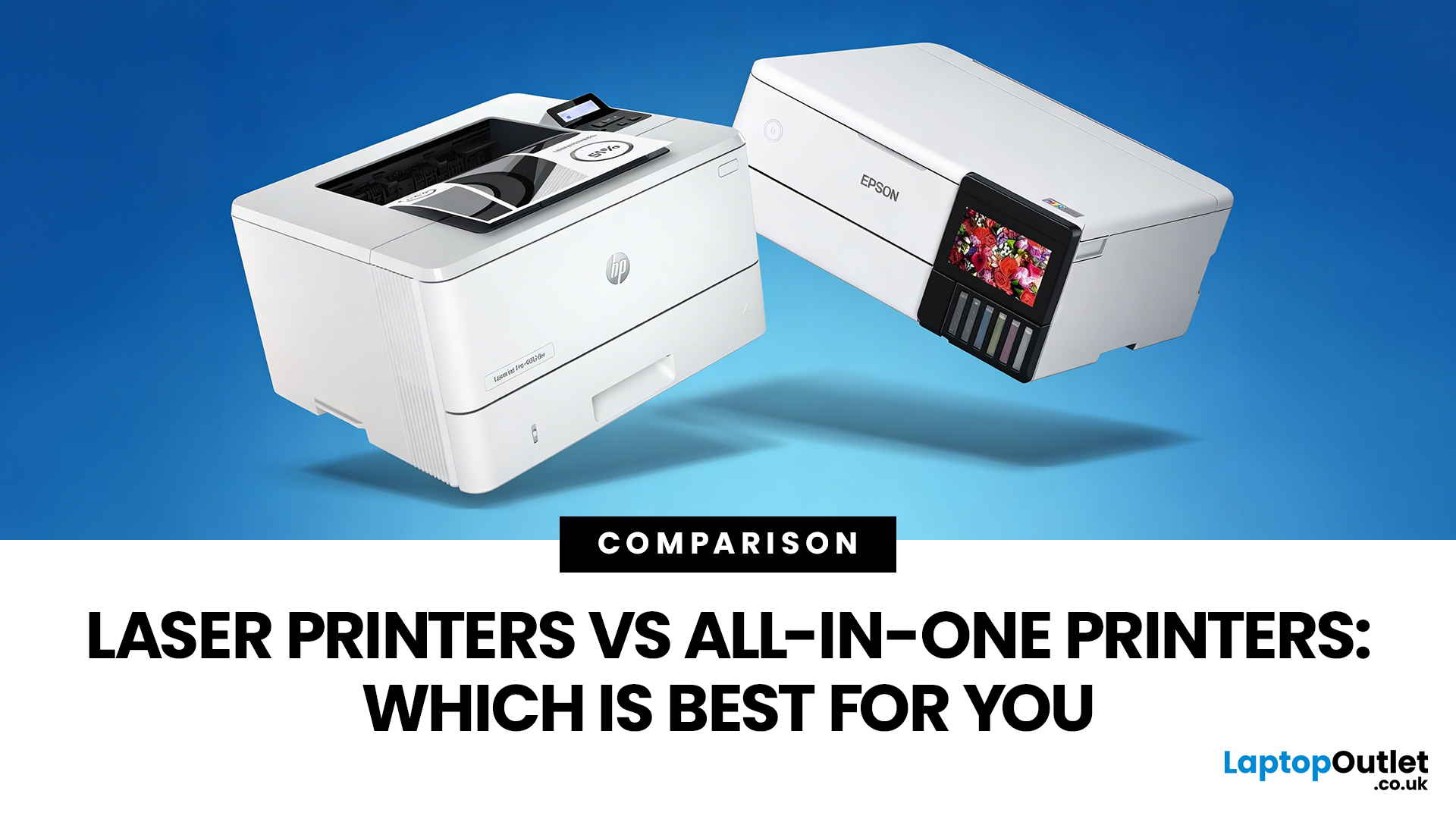
Choosing between Laser printers vs all-in-one printers sounds simple until you realise the two terms do not describe the same thing.
A Laser printer refers to the way the printer works. An all-in-one printer refers to the machine's capabilities, usually printing, scanning, and copying in one unit. That means some all-in-one printers are Laser models, while others are inkjet. So, when people compare all-in-one vs Laser printers, what they are really trying to work out is whether they need stronger print performance or broader day-to-day flexibility.
For some buyers, the Laser is the clear winner. For others, an all-in-one makes far more sense. The right choice depends on how often you print, what you print most, and whether scanning and copying matter as much as printing itself.
If your priority is fast document printing, crisp text and lower running costs over time, a Laser model is usually the smarter fit. If you want one machine that can handle household paperwork, scanning, copying and

Last Updated: April 22, 2026
If most of your printing revolves around invoices, reports, coursework, labels, forms, shipping documents, and everyday admin, a Laser printer usually makes more sense than many buyers first realise. A lot of people still think of Laser printers as large, office-only machines built for big companies, but that view is out of date. Today, you can find compact monochrome models for home desks, colour models for presentation-heavy work, and multifunction machines that print, scan, copy, and fax without dominating your space.
That matters because the right Laser printer can save time every week, keep text consistently sharp, reduce day-to-day hassle, and lower running costs when your workload is document-heavy. The wrong one can leave you paying extra for features you never use or relying on a machine that isn't actually built for the way you print.
This guide explains how Laser printers work, where they perform best, the main advantages and disadvantages to weigh up, and which features matter

Published: April 13, 2026
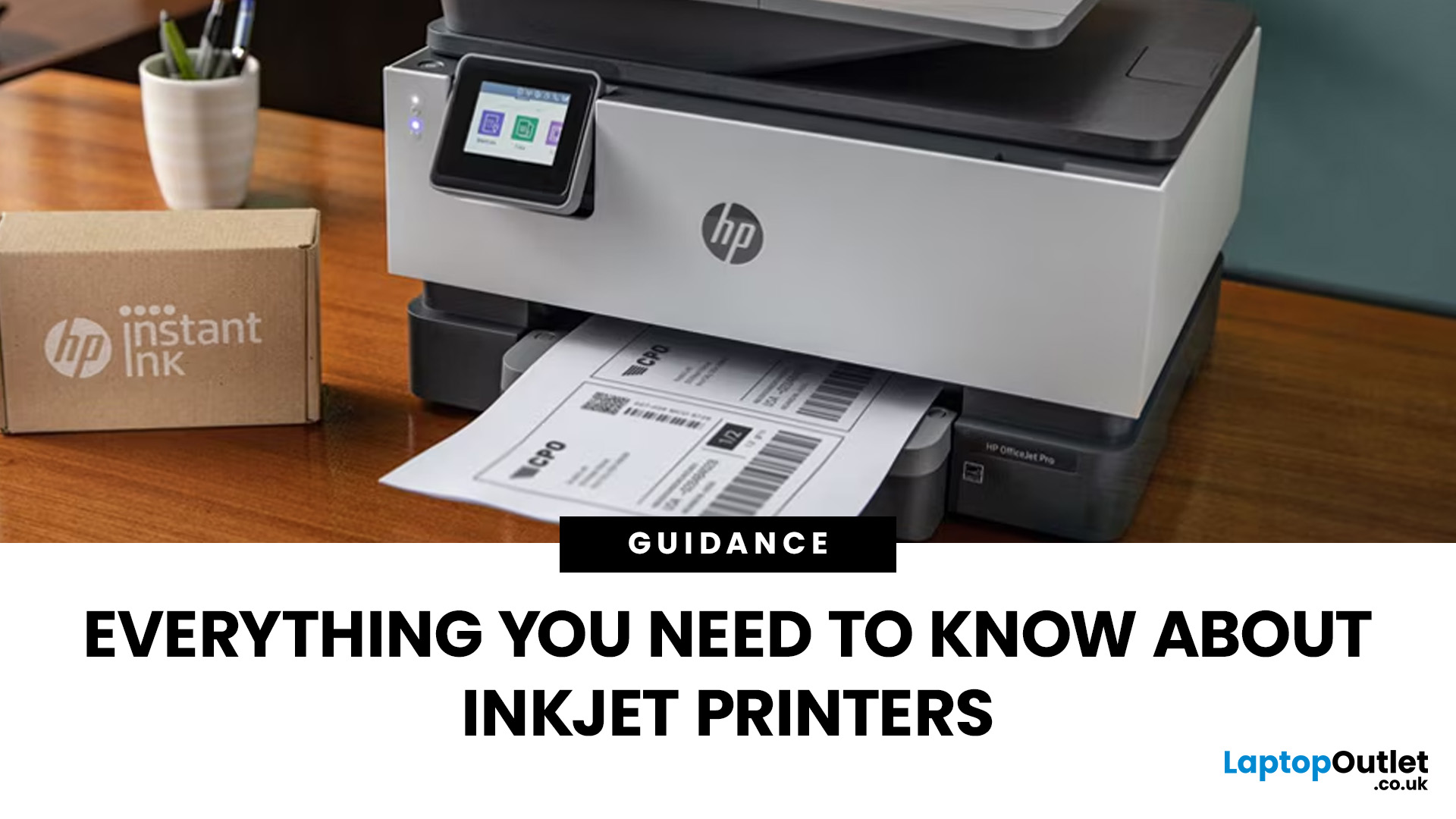
Inkjet printers are one of the most widely used printing solutions across UK homes, students, and small offices. They are affordable, versatile, and capable of producing high-quality colour output. But if you have used one for any length of time, you already know they can also be frustrating.
From faded prints to clogged nozzles and random error messages, inkjet printer problems are common. The good news is that most of these issues are not serious faults. In many cases, they are caused by usage habits, maintenance gaps, or simple setup errors. This guide goes beyond quick fixes. It explains why these problems happen, how to fix them properly, and how to prevent them in the future so your printer stays reliable long-term.
Why Inkjet Printer Problems Are So Common
To understand inkjet printer troubleshooting, you need to understand how these printers work in real use. Unlike laser printers, inkjet printers rely on liquid ink. That ink is pushed through extremely small nozzles to create
Last Updated: April 14, 2026
Buying a printer sounds simple until you start comparing print types, running costs, features, and maintenance. That is usually where inkjet models come into the picture. They are widely used, available at different price points, and often marketed as flexible printers for home and small office use. Even so, many buyers still have the same questions: what is an inkjet printer, how does it work, and is it the right fit for the way you print?
This inkjet printer guide breaks it down properly. It covers how inkjet printers work, the main types available, the real cost of ownership, how they compare with laser options, and what you need to know before buying one. Whether you need a printer for occasional homework, colour documents, creative work, or general home use, understanding the strengths and limits of inkjet printing makes it much easier to choose well.
What is an Inkjet Printer?
When people ask what is an inkjet printer, the simplest answer is that it is the most common type of printer
Last Updated: July 06, 2026
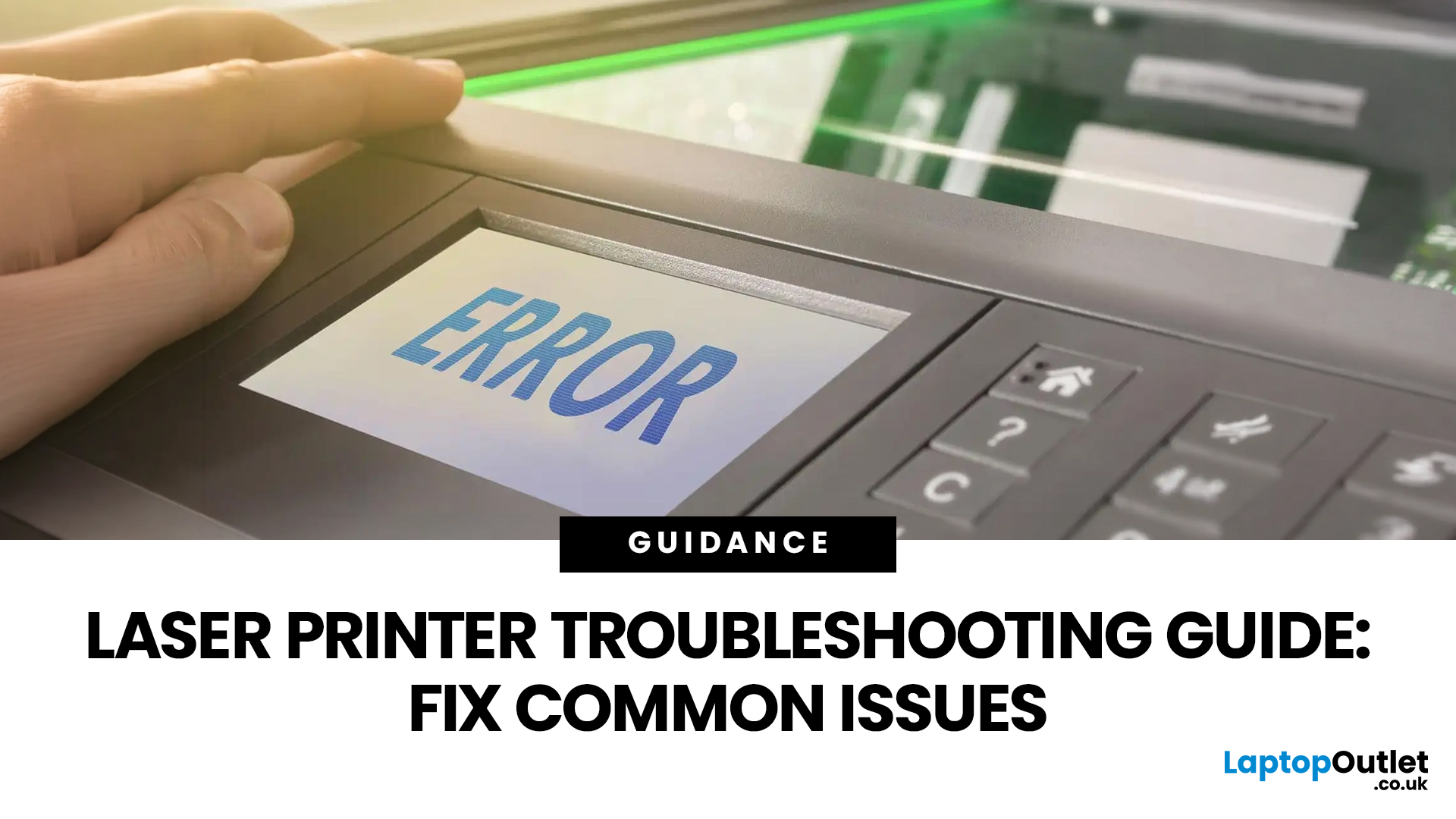
Laser printers are built for sharp text, fast output, and lower long-term running costs, but even reliable machines can develop faults. Smudged pages, streaks, repeated paper jams, faded print, offline errors, slow printing, and ghosting are common laser printer problems that occur in homes, student setups, and busy offices alike. The good news is that many laser printer issues can be diagnosed and fixed without calling support straight away.
This guide covers practical laser printer troubleshooting for the problems people hit most often, what usually causes them, and the steps worth trying before you replace parts or upgrade the printer.
If you want a clearer picture of how laser printers work before you start diagnosing faults, read our complete guide to laser printers, including how they work, where they perform best, and who should buy one.
A Quick Diagnostic Table for Common Laser Printer Problems
Before getting into the details, start here. In most cases, the symptom points you towards

Last Updated: April 22, 2026
Laser printers are built for sharp text, fast output, and dependable running costs, but they still need routine care to stay reliable year after year. Dust, paper debris, toner residue, worn feed parts, and poor storage habits can all shorten a printer’s life long before any major component actually fails.
The good news is that laser printer maintenance does not need to be complicated. A sensible routine can help reduce smudging, paper jams, streaks, faded print, and unnecessary consumable waste. It can also help you maintain stable print quality for longer, which matters whether you are printing coursework at home, handling household paperwork, or managing documents in a busy office.
This guide covers the practical side of laser printer cleaning and long-term care, including how to clean a laser printer safely, what to check regularly, how to handle toner and drum maintenance, and when maintenance stops making sense, and replacement becomes the smarter choice. If you are still weighing

