



How AI Is Shaping the Future of the FIFA World Cup 2026

AI FIFA World Cup 2026 technology touches almost every part of the tournament, from semi-automated offside calls and 3D player avatars to AI-stabilised broadcasts, biometric stadium entry, and Football AI Pro tactical analysis for all 48 teams. Human officials and decision-makers still hold final authority throughout.
The 2026 FIFA World Cup, hosted across the United States, Canada, and Mexico, is the biggest and most heavily monitored tournament in football history. With 48 teams playing 104 matches across 16 stadiums, FIFA and its technology partners have built a layer of AI underneath nearly everything fans see and experience.
This guide breaks down exactly where AI-powered football tech systems are being used, what they actually do, where the limits sit, and what UK fans should know before kick-off. We'll also look at the security risks AI brings, since that's just as important as the innovation itself.
Why AI Has Become Central to the FIFA World Cup 2026
FIFA describes 2026 as its most technologically advanced tournament yet, with artificial intelligence woven into officiating, broadcasting, security, and fan engagement rather than sitting on the sidelines as a gimmick.
The Scale Problem AI Is Solving
Three host nations, four time zones, and 48 competing nations create logistical complexity no previous World Cup has faced. This digital transformation in football helps FIFA manage this scale consistently, applying the same officiating standards and analytical tools whether a match is played in Toronto or Mexico City.
A Joint Effort Between FIFA, Lenovo, and Google
FIFA's official technology partner Lenovo has built much of the AI infrastructure, while Google has positioned Gemini as the consumer-facing layer for fans and several national teams. Lenovo's chairman Yuanqing Yang has said the 2026 tournament, powered by Lenovo AI, will be the most technologically advanced in the competition's history.
Semi-Automated Offside Technology: The Most Visible AI Upgrade
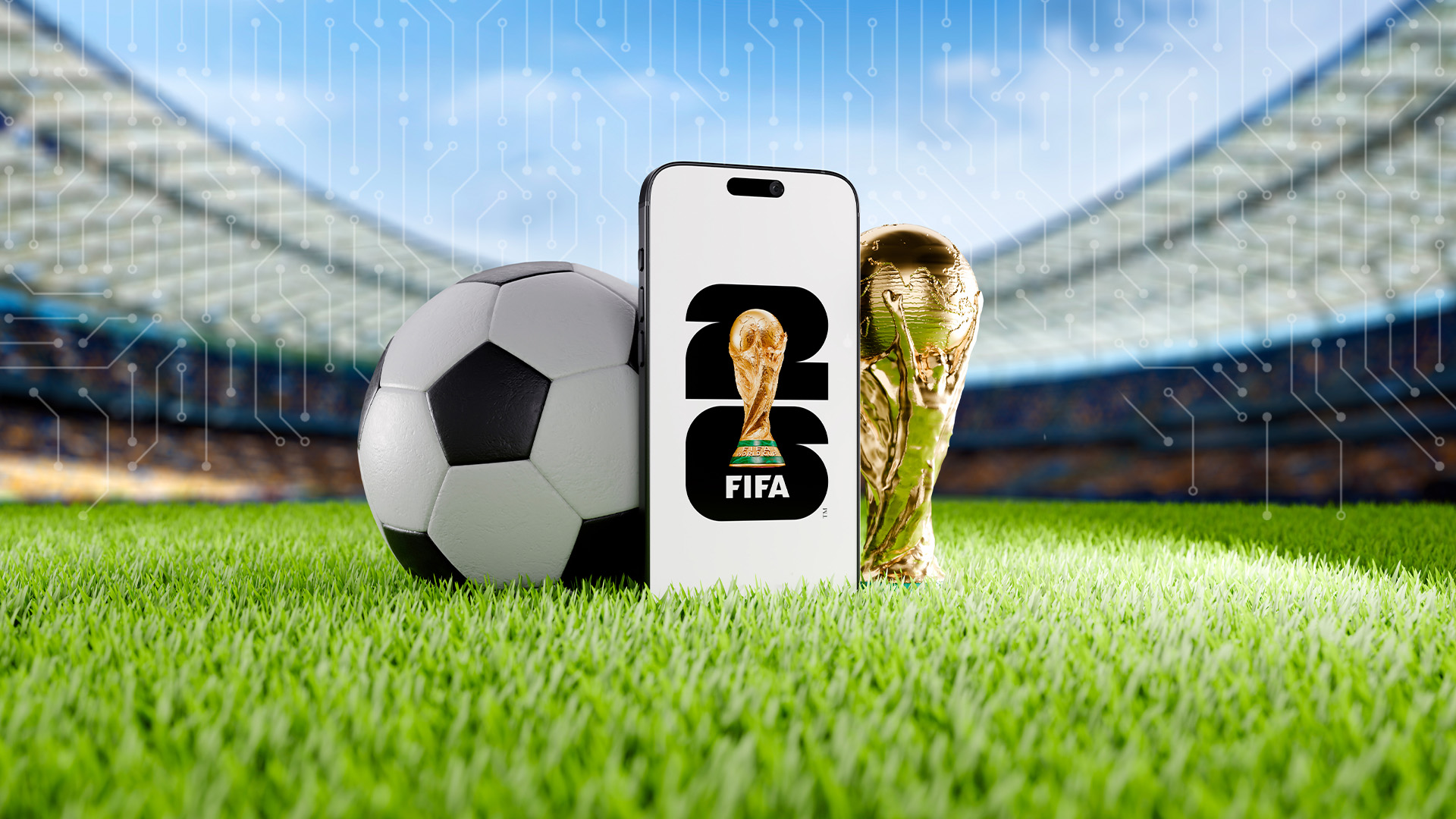
The headline in FIFA technology trends for 2026 is the upgraded Semi-Automated Offside Technology, known as SAOT, which now reacts faster and judges far tighter margins than the version used at Qatar 2022.
How the System Actually Works
Cameras track 29 body points 50 times a second and combine that with the ball's kick data to draw the offside line automatically. The connected match ball, the Adidas Trionda, plays a key role here too.
The ball contains a lightweight inertial measurement unit sensor that records acceleration and movement in three dimensions at around 500Hz, capturing information 500 times every second during a match. This data pinpoints the exact moment the ball is kicked, which is the hardest part of any offside decision to judge accurately.
The revamped system can now flag a player as offside when they are more than 10cm beyond the defensive line, a significant tightening from the previous 50cm threshold. Rather than routing all offside data through the video booth first, the upgraded system sends automated, real-time audio alerts directly into the earpieces of the on-field linesmen, allowing flags to go up far sooner on clear-cut cases.
3D Player Avatars Explained
Before the tournament, every participating player undergoes a quick one-second digital body scan to create a highly accurate 3D model. This means FIFA has created digital scans of all 1,248 players across the 26-man squads of the 48 competing nations.
FIFA describes these AI-enabled 3D avatars as a significant development in semi-automated offside technology. The benefit isn't only for officiating; broadcast replays now look more like the actual players involved, making offside calls immediately obvious to viewers at home.
Fancy more immersive replays at home? Browse our virtual reality accessories and see match highlights from entirely new angles.
Who Actually Makes the Final Call
The system is intentionally scoped to measure only what can be judged objectively, a player's position at the moment of a kick, while the separate judgement of whether that player interfered with play remains entirely human. This distinction matters because it shows AI's role is measurement, not judgement.
|
OFFSIDE TECHNOLOGY |
2022 WORLD CUP |
2026 WORLD CUP |
|---|---|---|
|
Offside threshold |
50cm clearance needed |
10cm clearance needed |
|
Alert routing |
Through VAR booth only |
Direct audio alert to linesmen |
|
Player visuals |
Generic mannequin avatars |
Realistic 3D scanned avatars |
|
Ball sensor frequency |
500Hz (introduced) |
500Hz (refined kick-point accuracy) |
Football AI Pro: Levelling the Tactical Playing Field
One of the more understated AI-powered football stories is Football AI Pro, a generative AI assistant built by FIFA and Lenovo to give every nation, not just the wealthiest, access to elite-level analysis.
What Football AI Pro Actually Does
Football AI Pro analyses hundreds of millions of FIFA-owned football data points to generate validated insights presented as text, video, graphs, and 3D visualisations. The interface supports prompts in multiple languages and delivers consistent intelligence based on millions of data points per match.
Coaches can use natural language queries before and after matches to dissect opponent tendencies and refine their own squad's performance. Crucially, the tool is restricted to pre-match and post-match analysis and cannot be used during live play, keeping tactical decision-making in human hands once the whistle blows.
Why This Matters for Smaller Footballing Nations
On the analytics side, debut nation Cape Verde has access to the same Football AI Pro platform as football powerhouse Brazil. That said, equity is only partial, since several wealthier federations have separately secured bespoke AI partnerships on top of the shared tool.
Argentina, France, Morocco, Iraq, Turkey and the United States have each secured Google Gemini as a commercial AI partner, using it for injury prevention, tactical preparation, and team communications during the tournament.
Want AI tools running this smoothly on your own machine? Explore our laptops with AI features built with NPUs for fast, efficient local AI processing.
AI-Powered Broadcasting and the Fan Viewing Experience

For armchair fans watching from the UK, the most noticeable AI FIFA World Cup changes will appear on screen, particularly through stabilised referee footage and smarter second-screen tools.
Referee View and Body Camera Stabilisation
FIFA's body-worn Ref Cam, trialled at the 2025 Club World Cup, is now written into the Laws of the Game and available in every match, with selected moments fed to broadcasters and stadium screens. Lenovo uses AI to clean up this footage, claiming up to 50 per cent less motion blur from a sprinting referee.
By eliminating rapid motion blur through AI-powered stabilisation, global audiences gain a clearer, more transparent, and more immersive on-field perspective than ever previously offered.
Google Gemini's Role in the Fan Experience
Searching for a match through Google on Android or iOS lets fans pin live scores directly to their phone's lock screen, with goals, red cards, and final results triggering quick real-time score animations. A FIFA-themed match bar also displays upcoming fixtures and kickoff times, useful given matches are spread across three countries and several broadcasters.
The Gemini app's World Cup upgrade functions more like a real-time sports dashboard than a standard chatbot, pulling live scores, highlights, standings, and statistics into a visual hub rather than blocks of text.
Tip:
If you're following multiple matches across different time zones this summer, a laptop with strong battery life and a sharp display makes multitasking between live streams, stats dashboards, and work considerably easier than relying on a phone alone.Following matches while you work? Check out our laptops for work and entertainment, built for smooth multitasking between streams and tasks.
Player Welfare: AI Behind the Scenes of Performance and Safety
Away from the cameras, AI in football is increasingly used to protect players physically, monitoring fatigue and injury risk long before a problem becomes visible on the pitch.
Wearables and Injury Prediction
Wearable sensors embedded in training vests monitor heart rate variability, sprint load, and muscle fatigue in real time, while computer vision systems map every touch, run, and defensive shape across 90 minutes without human input.
AI uses this wearable data to monitor muscle activation and joint angle movements, helping forecast injury hazards so players can receive customised training programmes rather than generic conditioning plans.
Hydration Breaks and Physical Welfare
FIFA has introduced mandatory three-minute hydration breaks in each half, taken around the 22nd minute regardless of stadium roof or temperature conditions, specifically to prioritise player welfare. While not an AI feature itself, it works alongside AI-driven workload monitoring as part of a broader player protection strategy.
Stadium Security: AI Surveillance and the Privacy Trade-Off
Security at the FIFA World Cup 2026 leans heavily on AI FIFA World Cup surveillance tools, and this is the area attracting the most scrutiny from civil liberties groups.
Facial Recognition and Biometric Entry
Several US stadiums, including Gillette in Boston, Hard Rock in Miami, and Mercedes-Benz in Atlanta, are using AI-powered facial recognition for entry and payments, allowing registered fans to use their face instead of a traditional ticket or card.
A biometric identity layer runs alongside the consumer AI layer across all 16 host cities, letting fans move through entry checkpoints without physical documentation.
Worth knowing:
More than 120 civil society groups, including the ACLU and Amnesty International, have issued a travel advisory for the tournament, warning of facial recognition risks. UK fans attending matches in the US should check entry requirements at their specific stadium in advance, since standard digital ticketing remains available where biometric entry isn't compulsory.Digital Twins and Crowd Management
Lenovo is running digital twins of all 16 stadiums for crowd and security management purposes. FIFA has built an Intelligence Command Centre that connects data across matches, venues, and broadcasters, helping security teams anticipate congestion before it becomes a safety issue.
The same AI principles work closer to home. Our AI security cameras bring intelligent monitoring and smart alerts to your own front door.
AI-Driven Scams: What UK Fans Need to Watch For

The same AI tools improving the tournament are being exploited by criminals targeting fans, and this is the gap most coverage of AI FIFA World Cup 2026 technology overlooks entirely.
Fake Ticket and Hospitality Websites
Fortinet FortiGuard reported more than 13,000 FIFA World Cup 2026-themed domains registered between January and May 2026 alone. The FBI has identified at least 36 fraudulent domains spoofing FIFA's official website, used to sell bogus tickets and harvest personal and financial data.
One particularly sophisticated operation built an exact pixel-for-pixel replica of the official FIFA website, including a fake login flow and support for 11 languages. This level of detail makes spotting fake sites by eye alone genuinely difficult.
How to Protect Yourself
|
RISK |
PROTECTIVE STEP |
|---|---|
|
Fake ticket websites |
Only buy through FIFA.com/tickets rather than clicking search ads |
|
Phishing emails or texts |
Never click links claiming to be from FIFA; verify by visiting the official site separately |
|
Deepfake promotions |
Treat celebrity-endorsed ticket or merchandise deals on social media with scepticism |
|
Peer-to-peer ticket sales |
Avoid paying strangers through peer-to-peer payment apps for tickets |
Warning:
Security experts warn that artificial intelligence in sports is making scams more convincing by enabling personalised phishing messages, realistic fake websites, and deepfake content designed specifically to deceive fans. If a deal looks too good ahead of a major match, verify it independently before paying anything.Which Laptop Suits Following the World Cup and AI Tools Best
If you're tracking live stats, running multiple browser tabs for scores, or using AI tools like Gemini alongside work or streaming, your laptop's processor matters more than people expect.
Comparing Processors for Multitasking and Streaming
|
PROCESSOR |
BEST FOR |
BATTERY LIFE |
AI TASK HANDLING |
|---|---|---|---|
|
Intel Core Ultra (Series 2) |
Multitasking, video streaming, light AI workloads |
Strong, improved efficiency cores |
Built-in NPU handles on-device AI tasks well |
|
AMD Ryzen AI 300 Series |
Heavier multitasking, gaming alongside streaming |
Very strong battery efficiency |
Dedicated AI engine, strong for local AI features |
|
Apple M-series |
Smooth all-day use, lightweight portability |
Excellent, often longest-lasting |
Capable but ecosystem-locked for some AI apps |
For most fans simply following matches, browsing stats, and using AI-powered sports apps casually, an Intel Core Ultra or AMD Ryzen AI laptop offers the best balance of price and performance. Those wanting longer battery life for travel between fan zones or matches may prefer the efficiency of AMD Ryzen AI or Apple's M-series chips.
Want one machine for streaming and gaming? Check out our gaming laptops for live sports, built for 4K streams and smooth gameplay alike.

The Future of Football is Here
AI FIFA World Cup 2026 technology has reshaped officiating, broadcasting, security, and fan engagement, from 10cm offside accuracy to AI-stabilised referee footage and Football AI Pro's levelled tactical playing field. Human judgement still governs every major decision on the pitch.
For UK fans, the practical takeaway is twofold: enjoy genuinely smarter viewing tools, but stay alert to AI-powered scams targeting tickets and merchandise. Whether you're tracking stats, streaming matches, or working alongside the tournament, having reliable hardware makes the experience smoother throughout this historic 48-team competition.

Just a Couple More Things...
Is FIFA using AI?
Yes, FIFA heavily relies on AI. For the 2026 tournament, it drives automated offside tracking, player data analysis, crowd digital twins, and advanced broadcast stabilisation for global viewers.
Can I use ChatGPT to predict football matches?
You can use ChatGPT to analyse team form, historical statistics, and tactical matchups. However, because football involves unpredictable human variables, these AI predictions remain fluid estimates, not absolute guarantees.
How will AI be used in the FIFA World Cup 2026?
AI is integrated into officiating via highly accurate offside alerts, backend squad tactics with Football AI Pro, biometric stadium entry systems, live mobile dashboards, and predictive player health monitoring tools.
What are the benefits of AI in the FIFA World Cup 2026?
AI improves match fairness by accelerating tight refereeing decisions, protects players from injuries through load monitoring, optimises stadium traffic, and provides smaller nations equal access to elite tactical analytics software.
How does AI improve the fan experience at the FIFA World Cup?
Fans enjoy seamless stadium entry via facial recognition, clearer TV broadcasts using stabilised referee cameras, realistic 3D offside replays, and smart, interactive mobile platforms for live scores and tournament tracking.
Related Articles

Last Updated: May 05, 2026
Smartphones have come a long way in the past decade, from simple communication tools to powerful pocket-sized computers. But 2025 marks a turning point. The biggest upgrades are no longer about camera megapixels or faster processors. The real revolution is happening behind the scenes with AI in smartphones.
Artificial intelligence is reshaping how phones think, respond, predict, and interact with users. Whether it’s personalisation, photography, battery management, or voice assistance, AI is quietly powering the features we rely on every day. And with the next generation of AI chips, on-device assistants, and multimodal models, smartphones are evolving at a pace we’ve never seen before.
In this article, we break down how AI is transforming the smartphone industry, what it means for users, and what the future of mobile tech looks like in an AI-driven world.
What Does AI in Smartphones Actually Mean?
While “AI” can sound like marketing hype, its role in smartphones is very real-and very

Published: December 02, 2025
Something is reassuring about apps that don’t fall apart the moment your connection does. Whether you’re travelling, sitting on a long flight, or simply tired of apps that demand WiFi for every tiny task, offline AI tools feel like a breath of fresh air. They’re fast, private, and surprisingly capable, and the best part is that many of them are completely free.
Below are our best picks for the top AI apps you can rely on even when you’re fully disconnected.
Why Offline AI Apps Are Worth Keeping Around
Most AI features today rely on cloud servers, which makes them useless the moment your phone switches to airplane mode or you hit a dead signal zone. Offline AI apps bypass this problem by processing all the data directly on your device.
Here’s what that means for you in real life:
- Your work doesn’t pause when the network does.
- Your data stays on your device, not sent to remote servers.
- Responses are faster because nothing needs to be uploaded or downloaded.
- You avoid subscription fatigue

Last Updated: January 13, 2026
NVIDIA used CES (Consumer Technology Association)2026 to outline what it believes is the next major shift in computing — a move away from general-purpose processors towards systems designed primarily for artificial intelligence.
Speaking in Las Vegas, CEO Jensen Huang positioned NVIDIA not just as a graphics company, but as a platform provider for what it calls the “AI era”, spanning data centres, gaming PCs, gaming laptops, robotics, autonomous vehicles and cloud services.
Rather than focusing on a single blockbuster product, NVIDIA announcements CES 2026 centred on a broad ecosystem update. Key themes included the next-generation Rubin compute platform, and advances in AI-driven graphics through DLSS 4.5, new RTX AI PCs.
The Rubin Platform: NVIDIA’s Next-Generation AI Architecture

The biggest news for businesses was the Rubin platform. It is the successor to the successful Blackwell architecture. This system is a team of six different chips working together.
NVIDIA designed this platform
Last Updated: April 21, 2026
The world of computing is changing fast. We are no longer just looking for faster processors or thinner designs. Today, the focus has shifted to intelligence.
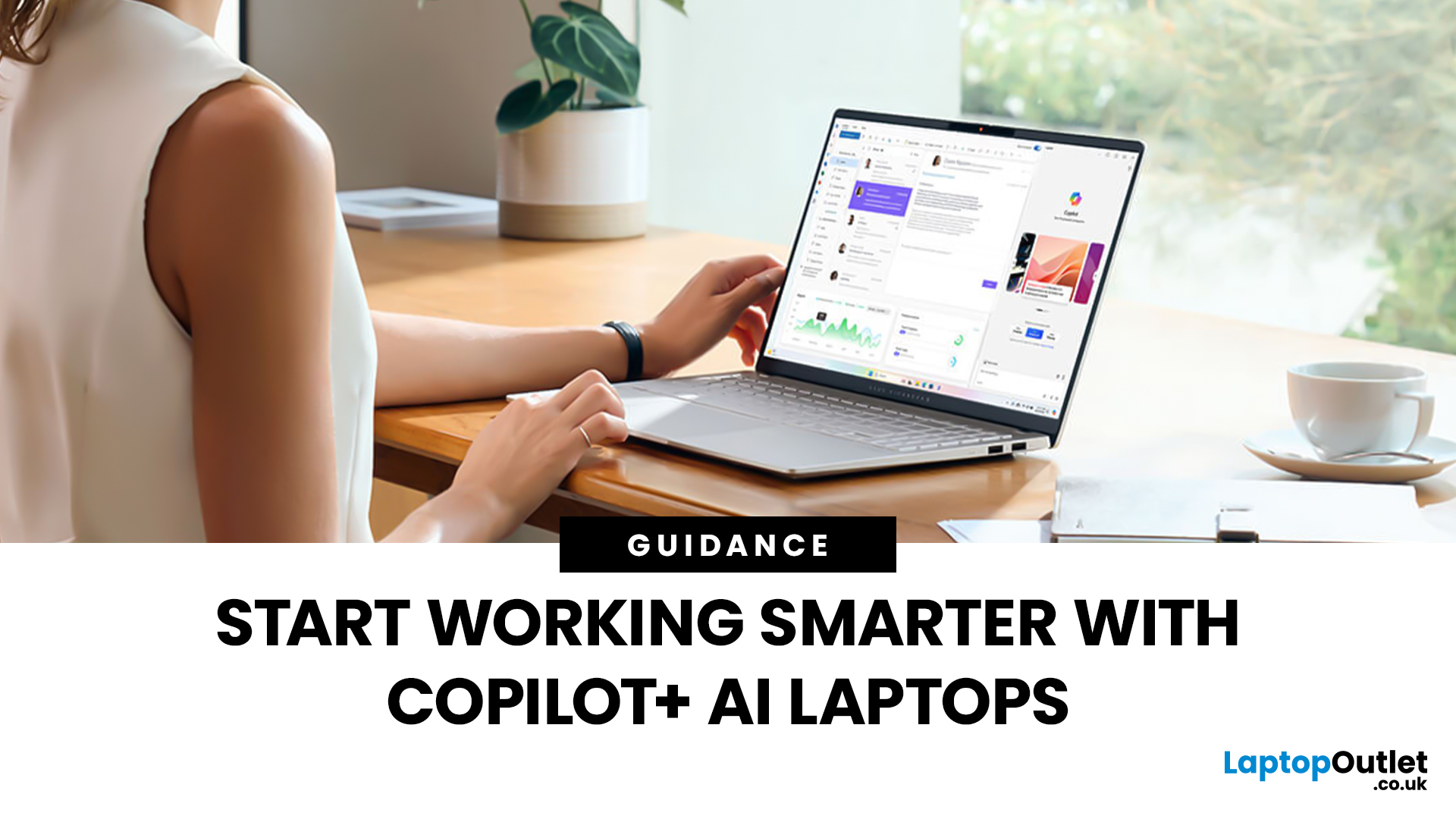
To understand this shift, we need to look at a new category of devices: Copilot+ Laptops. These are not just standard computers; they are AI-powered laptops designed to think, learn, and assist you in real-time.
Whether you are a busy professional, a digital artist, or a student, Windows Copilot+ PCs offer a new way to interact with technology. By integrating hardware and software more tightly than ever before, these machines handle complex tasks with ease.
In this guide, we will explore why these next-generation Windows laptops are the ultimate choice for your next upgrade.
What are Copilot+ Laptops?
Copilot+ Laptops are a new class of Windows 11 laptops with dedicated hardware for advanced Artificial Intelligence (AI) tasks. They offer enhanced performance, security, and unique features that run locally on the device.
Unlike

Last Updated: January 28, 2026
We don’t usually abandon a tech purchase because of the price. It’s the delivery that makes us hesitate to move the things from whislist to place the order. Unexpected charges, unclear arrival dates, or slow dispatch can stop us right at checkout. And it feels unfair and cruel that we need to sacrifice our favourite gadget due to this delivery obstacle.
That’s why Laptop Outlet’s free standard delivery is kept clear and upfront, so you know exactly what you’re paying and when your order will arrive before you commit.
Let’s make it simple for you to understand that how free standard delivery by Laptop Outlet works, explore the key shipping benefits, and explain why it’s one of the smartest ways to stretch your tech budget further.
What Is Laptop Outlet’s Free Standard Delivery?
Free standard delivery by Laptop Outlet is designed to keep things simple, transparent, and affordable for customers across the UK.
Here’s how it works:
- Spend over £200 and your order qualifies for free standard

Last Updated: January 28, 2026
Buying tech online isn’t just about specs and price; delivery speed, flexibility, and reliability matter just as much. Whether you’re replacing a broken work laptop, upgrading your home setup, or ordering a last-minute gift, knowing your delivery options can make all the difference. In this guide, we explain Laptop Outlet delivery services options, how they work, and which service is best for your needs, from free standard delivery to next-day and book-a-slot delivery.
What Delivery Options Does Laptop Outlet Offer?
Laptop Outlet provides multiple delivery services designed to suit different customer needs, budgets, and timeframes. Each option is clearly shown at checkout, so you can choose the delivery speed and convenience level that works best for you. These include:
- Free Standard Delivery
- Next-Day/Priority Delivery
- Book-a-Slot Scheduled Delivery
How Does Laptop Outlet Delivery Work?
For full details, customers can always refer to the dedicated delivery info page. Laptop Outlet’s

Last Updated: January 28, 2026
Let’s be honest — when your tech lets you down, waiting is the last option you want. Maybe your laptop stopped working the night before a deadline, your PC failed mid-project, or you’ve just realised you need a new device now, not next week. That’s exactly where Laptop Outlet next-day / priority delivery comes in. If you need fast, reliable tech delivery in the UK, this guide explains how Laptop Outlet’s next-day service works, what you can order, and why it’s the smart choice for urgent tech needs.
Why Speed Matters When Ordering Tech Online
When your laptop or PC breaks, everything slows down — work, study, gaming, even staying connected. Waiting days for a replacement just isn’t practical. With next-day laptop delivery, you don’t have to put life on pause. Laptop Outlet’s express service is built for:
- Last-minute replacements
- Urgent work-from-home setups
- Business and study deadlines
- Time-sensitive gifts or upgrades
If speed matters to you, Laptop Outlet Express shipping delivers when

Last Updated: January 28, 2026
Let’s be real — waiting around all day for a delivery is no one’s idea of fun. You’ve got meetings, errands, school runs, and about a million other things going on. The last thing you want is to be stuck at home wondering “Will it arrive now… or later?” That’s exactly why customers love Laptop Outlet book-a-slot delivery.
This delivery option puts you in control, letting you choose when your tech arrives, not the other way around. Here’s how it works, why it’s so popular, and whether it’s the right choice for your next order.
What is Laptop Outlet Book-a-Slot Delivery?
Laptop Outlet’s book-a-slot delivery service is a scheduled tech delivery service that allows you to pick a specific delivery day and time slot at checkout. Instead of waiting around all day, you get a clearly defined delivery window, so you know exactly when your order is arriving. In short:
- You choose the day, time, and location
- The courier delivers within that slot
- Your tech arrives when it suits you
It’s one of Laptop

Last Updated: February 20, 2026
If you have been considering a high-performance processor upgrade this year, you may have noticed pricing staying firmer than expected. High-End CPU prices 2026 are under upward pressure, and in the UK, this often shows up as fewer meaningful discounts, shorter sale windows, and popular models holding close to launch pricing for longer.
A key driver is the scale of AI hardware demand 2026 and the wider push to expand AI data centres. While GPUs get most of the attention, large AI deployments also consume huge volumes of CPUs for orchestration, data handling, virtualisation, networking, and general system control. Recent industry reporting has pointed to rising pressure in high-end server CPU prices and tighter availability in some regions as AI-related demand ramps up.
This article explains what is changing, why it matters for premium desktop and laptop processors, how these pressures can filter into UK retail pricing, and what practical steps you can take to get better value when shopping

Published: March 02, 2026
Samsung has officially pulled back the curtain on the Galaxy S26 series — and it is safe to say the company came prepared.
On 25 February 2026, at Galaxy Unpacked 2026 in San Francisco, Samsung introduced the Galaxy S26, S26+, and S26 Ultra to the world. These are Samsung's third-generation Galaxy AI phones, and they represent a clear step forward in how artificial intelligence can shape daily smartphone use.
From a revolutionary Privacy Display to a smarter, more proactive Galaxy AI experience, the Galaxy S26 lineup is built around one simple idea: your phone should do more of the work, so you don't have to.
Let's break it all down.
A New Era of Unified Design
For several years, the Ultra model looked very different from the base and Plus models. The Ultra usually had sharp, blocky corners, while the others were rounded.
This year, Samsung decided to bring the whole family together. The Galaxy S26 Ultra now has smooth, rounded edges that match the Galaxy S26 and S26+. This creates a

