



Why AI Demand Could Push High-End CPU Prices Higher in 2026

If you have been considering a high-performance processor upgrade this year, you may have noticed pricing staying firmer than expected. High-End CPU prices 2026 are under upward pressure, and in the UK, this often shows up as fewer meaningful discounts, shorter sale windows, and popular models holding close to launch pricing for longer.
A key driver is the scale of AI hardware demand 2026 and the wider push to expand AI data centres. While GPUs get most of the attention, large AI deployments also consume huge volumes of CPUs for orchestration, data handling, virtualisation, networking, and general system control. Recent industry reporting has pointed to rising pressure in high-end server CPU prices and tighter availability in some regions as AI-related demand ramps up.
This article explains what is changing, why it matters for premium desktop and laptop processors, how these pressures can filter into UK retail pricing, and what practical steps you can take to get better value when shopping or upgrading in 2026.
1) AI Growth Increases CPU Demand Alongside GPUs

Most people associate AI hardware with graphics cards, but AI data centres rely on CPUs for many critical tasks. CPUs help manage data pipelines, handle storage and networking tasks, run containers and virtual machines, and coordinate workloads across accelerators. This connection between AI model training hardware and the wider compute stack is one reason AI hardware demand 2026 can influence CPU pricing as well.
The important point is that this demand tends to be steady and sustained. It is not limited to seasonal consumer buying patterns. As cloud computing infrastructure expansion and AI deployment accelerate, the market can remain tight for longer, especially for higher performance parts that rely on advanced manufacturing and packaging.
2) Enterprise Procurement Signals are Tightening Supply and Pricing
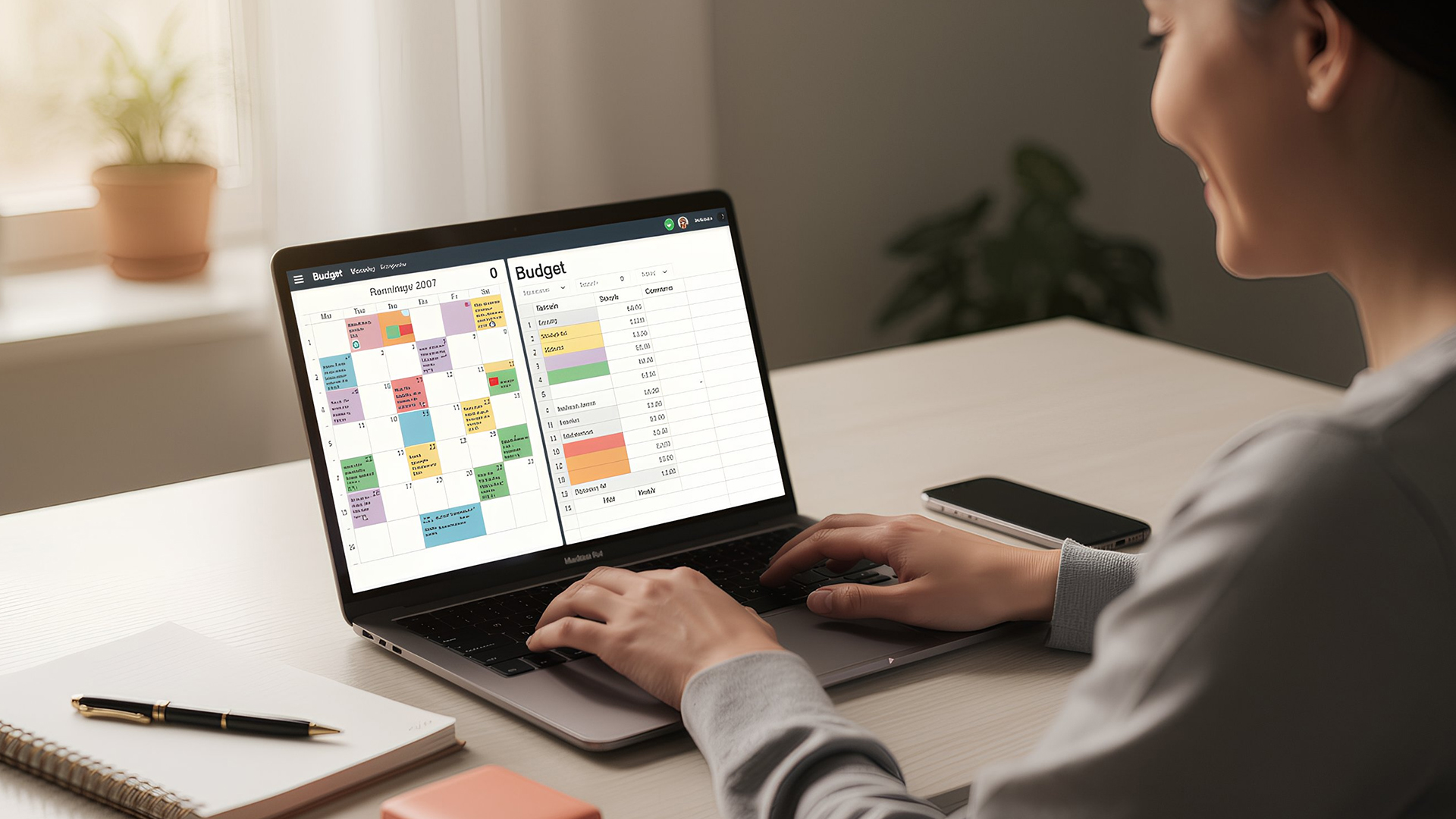
A strong signal comes from enterprise procurement rather than consumer launches. In 2026, enterprise CPU market trends are being shaped by rapid AI buildouts and by competition for the same upstream resources.
Recent reporting has indicated shortages and longer lead times for Intel and AMD server CPUs in parts of the market, with associated price increases for some chips and potential delays on orders. While that reporting focused on China, it still reflects broader server chip supply shortage conditions and related enterprise processor pricing pressure when enterprise demand accelerates.
This matters because the enterprise segment buys in enormous volume. When there are chip supply chain constraints, global allocation can tighten, and that can influence availability and deal frequency across premium CPU categories.
3) Advanced Semiconductor Manufacturing is Getting More Expensive
High-end CPUs rely on leading edge nodes, complex multi-die designs, and expensive production flows. This is where advanced semiconductor manufacturing cost shifts can push pricing fimness across the market.
Industry coverage has reported that TSMC is expected to raise pricing for advanced process nodes in 2026, with reports citing increases that can reach around 10 percent depending on node and commercial terms. That affects the cost base behind data centre processor costs and also influences premium client CPUs that use similar advanced processes.
When combined with tighter silicon fabrication capacity at the leading edge, the result is often less aggressive discounting. Even when list prices do not visibly increase, the overall effect is clear: High-End CPU prices 2026 are staying higher for longer as high performance models remain expensive.
4) Packaging and the Wider AI Infrastructure Hardware Cost Stack
Modern high performance processors increasingly depend on advanced packaging, multi-chip designs, and specialised materials. These dependencies can become bottlenecks during periods of hyperscaler infrastructure growth, especially when data centre programmes scale rapidly.
Industry discussion has highlighted advanced packaging as a key area for scaling AI and high performance computing, with significant effort going into expanding capacity. That matters for HPC (high-performance computing) processors as well as premium CPUs, because many rely on similar packaging ecosystems.
Beyond packaging, upstream component pricing can matter too. One example is power related components, where a report noted price increases for certain power switches and ICs, with the broader point that upstream pricing changes can influence the final cost of many electronic devices and contribute to AI infrastructure hardware costs indirectly.
This wider ecosystem includes areas like high-bandwidth memory demand, which is heavily associated with AI accelerators, and it adds to overall pressure in the supply chain even when the final cost impact is not isolated to a single part.
5) What this Means for High-end Server CPU Prices and Premium Models in 2026
The most likely outcome is not a single universal price jump. Instead, expect a set of overlapping effects that still create upward pressure:
Premium pricing holds for longer
When supply is tight and cost bases rise, high-end server CPU prices and premium desktop grade parts tend to stay close to launch pricing longer. Discounts can be smaller and less frequent.
Availability driven price swings
Some models may briefly spike when stock is limited, then normalise after restocks. This is especially common when there is a server chip supply shortage or when allocation prioritises enterprise demand.
Product mix shifts upward
Brands may prioritise higher margin models, which can reduce the number of genuinely good value configurations at the top end. In practice, this reinforces enterprise processor pricing trends and keeps premium tiers elevated.
6) What This Means When Buying a Laptop or Desktop in 2026
Gaming focused machines
Premium configurations can hold their price longer, and popular models can go in and out of stock depending on supply timing. Where the premium segment is tight, the result often looks like High-End CPU prices 2026 even when the sticker price is unchanged.
Creator and workstation setups
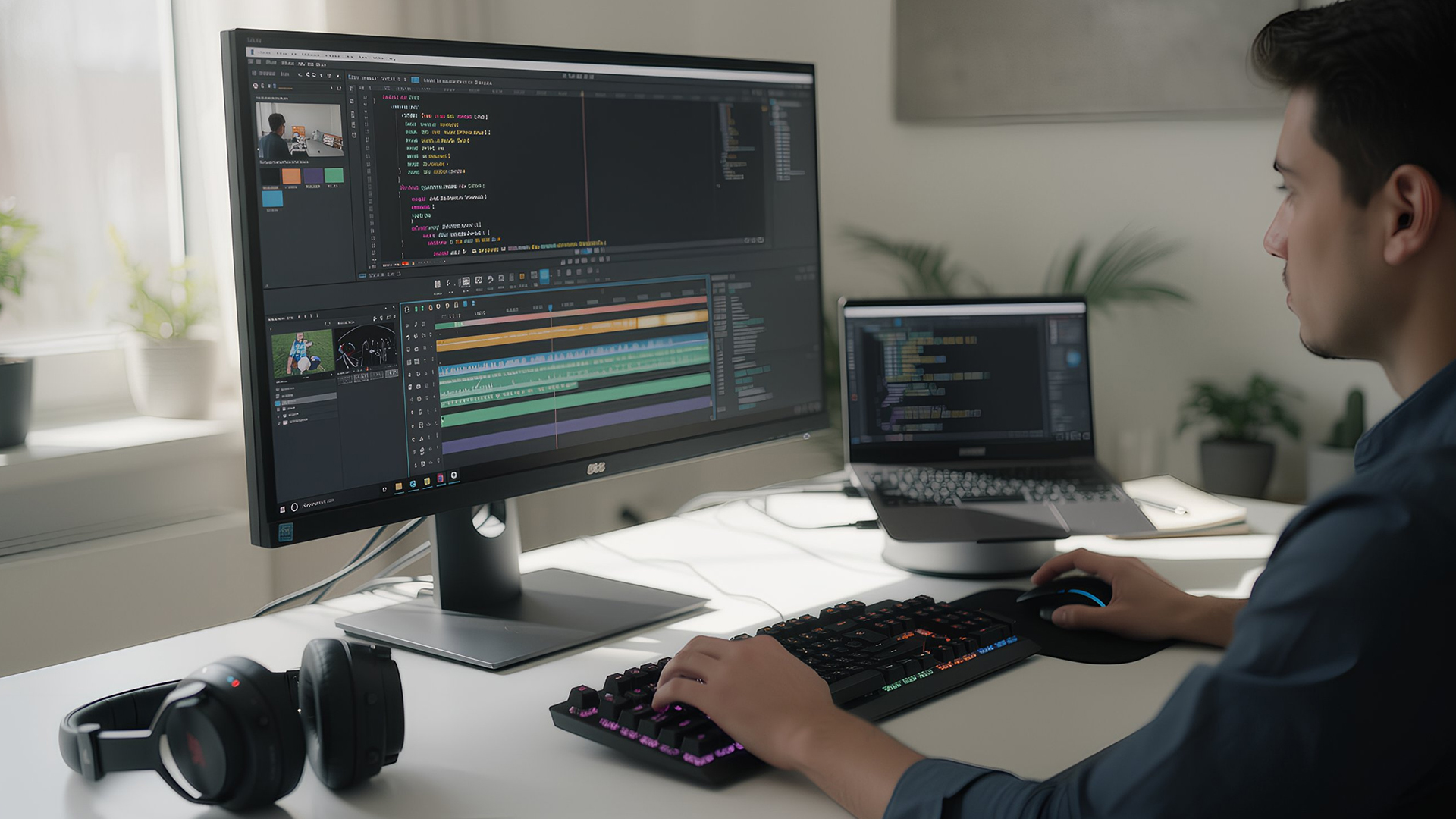
CPU heavy tasks like video work, code compilation, and 3D workloads can push people toward higher tiers, which are also the tiers most exposed to advanced nodes, packaging constraints, and rising data centre processor costs.
Everyday productivity systems
Mainstream systems are generally more insulated because of higher volume and competition. The pressure is more visible at the premium end than across the entire market.
7) Practical UK shopping Strategy in 2026

1) Buy to your workload, not the highest tier
Many people overspend on a flagship CPU when RAM, storage, or thermals are the real limit. For a lot of use cases, stepping down one tier and upgrading RAM or SSD capacity gives better real world results.
2) Stay flexible on exact CPU models
If you only want one specific chip, you are more exposed to availability swings. Choose a performance level and compare multiple models that meet it.
3) Consider last generation premium
Last generation high-end parts often deliver excellent performance and can offer better value once newer lines land and retailers rebalance stock.
4) Judge the whole platform
A powerful CPU in a poorly cooled chassis can underperform. Cooling, sustained performance, display quality, and upgradeability can matter as much as the processor name.
8) What to Watch During 2026
If you want simple signals that hint at direction across enterprise CPU market trends and the consumer knock-on effects:
- Reports of server CPU lead time issues and shortages, which often signal a server chip supply shortage
- Advanced node pricing changes, which feed into advanced semiconductor manufacturing costs
- Continued heavy AI data centre investment and big tech infrastructure spend plans
- Upstream component price moves that influence the broader AI infrastructure hardware costs stack
These forces also shape enterprise IT hardware budgets, since higher infrastructure build costs can pressure purchasing cycles and refresh decisions.

Conclusion
High-End CPU prices in 2026 are best understood as a combination of sustained AI infrastructure expansion, tight allocation patterns, and higher costs at the manufacturing and packaging layers. The result is likely to be premium CPUs staying expensive for longer, fewer standout discounts, and occasional availability driven price bumps tied to wider chip supply chain constraints.
For UK shoppers, the safest approach is value-led buying. Choose the performance tier you actually need, stay flexible on exact models, and prioritise overall platform quality rather than chasing only the top end.

FAQs
1) Why are High-End CPU Prices 2026 staying high even when new models launch?
Because AI infrastructure buildouts are keeping demand steady for premium compute, while advanced manufacturing and packaging costs remain high. That combination often reduces the depth and frequency of discounts on top-tier CPUs.
2) Is AI hardware demand 2026 really affecting CPUs, or only GPUs?
It affects CPUs too. Data centres use CPUs to manage AI workloads, handle data pipelines, storage, networking, virtualisation, and system orchestration, so CPU demand rises alongside accelerator demand.
3) What do enterprise CPU market trends mean for home users and small businesses?
When enterprise buyers face server chip supply shortages or longer lead times, suppliers may prioritise large contracts. That can tighten availability of certain high-end models and keep prices firmer across premium consumer and workstation categories.
4) Will high-end server CPU prices increase desktop and laptop CPU prices in the UK?
Not always directly, but it can influence the market. If server supply tightens and costs rise, it can reduce overall flexibility in the supply chain and keep premium pricing stronger for longer, especially for top-end configurations.
5) Are data centre processor costs rising because of manufacturing changes?
They can be. Advanced semiconductor manufacturing at leading-edge nodes is expensive, and when foundry pricing and capacity constraints tighten, it increases cost pressure for high-performance chips and can limit discounting.
6) What is the smartest way to avoid overpaying for a high-end CPU in 2026?
Stay flexible on exact CPU models, consider last-generation premium options, and prioritise overall system value (cooling, RAM, SSD) rather than chasing the absolute top tier. Many workloads benefit more from extra memory or faster storage than from a small CPU tier jump.
| Read More: |
| How Intel CPUs Work in Gaming Desktops: Performance and Technology Explained |
| New Year Processor Deals 2026: Cheap Processors for Gaming, Streaming & Work |
| What Processor is Right for You? |
Related Articles


Last Updated: September 09, 2025
When selecting a suitable PC processor, finding the sweet spot between price and performance can be tricky. An ideal scenario would be a processor that fulfils your requirements while remaining within your budget.
In this comprehensive guide, we’ll walk you through some of the best budget processors available today for office work and everyday use. This blog will examine different AMD and Intel processors to identify which ones deliver maximum performance at affordable prices.
So, let’s get into it. Your search for a low-cost processor concludes here. Whether you want to build a new system or are going for an upgrade, here’s what you need to know.
What Makes a Processor "Budget-Friendly"?
Understanding the criteria which define a budget-friendly processor necessitates an initial discussion regarding processor attributes. A processor is considered budget-friendly when it provides excellent performance at competitive costs. Budget processors need to strike a sensible balance between price
Last Updated: September 09, 2025
The Brain Behind Your Computer
Every laptop, PC, tablet, or smartphone relies on one powerful chip to function smoothly—the processor. But what is a processor, exactly? Here’s a beginner-friendly guide to understanding what a CPU does and why it’s critical for your device’s performance.
What Is a Processor? (CPU)
A processor, also known as a CPU (Central Processing Unit), is the main chip in your device that handles all instructions from software and apps.
Think of it as the brain of your computer—it interprets, calculates, and executes commands to keep everything running.
What Does a Processor Do?
- Executes program instructions (open apps, load files, browse the web)
- Performs millions of calculations per second
- Coordinates tasks between memory, storage, and graphics
Processor Specs to Know
Cores:
- More cores = better multitasking
- Dual-core, quad-core, hexa-core, octa-core, etc.
Threads:
- Virtual cores that boost efficiency
- More threads improve performance in multitasking
Last Updated: October 15, 2025
Choosing the right processor can transform your computing experience, whether you're building a high-performance gaming rig or crafting a workstation for creative projects and demanding tasks. With so many options available, selecting the best processor for both gaming and productivity can be overwhelming.
Our picks below will show you the best processor for gaming and other resource-demanding tasks. From AMD's latest Ryzen 9000 Series to Intel's groundbreaking Core Ultra 5, this guide will help you confidently navigate your next processor upgrade.
Let's explore these processors to discover which perfectly balances gaming brilliance and productivity prowess.
AMD Ryzen 9 7900: The Multitasking Powerhouse
The AMD Ryzen 9 7900 is a superb choice for users seeking a harmonious blend of high gaming CPU performance and productivity capabilities. With 12 cores and 24 threads, this processor for gaming is built to handle everything from fast-paced games to complex multitasking workloads.
-
Max Boost
Last Updated: September 09, 2025
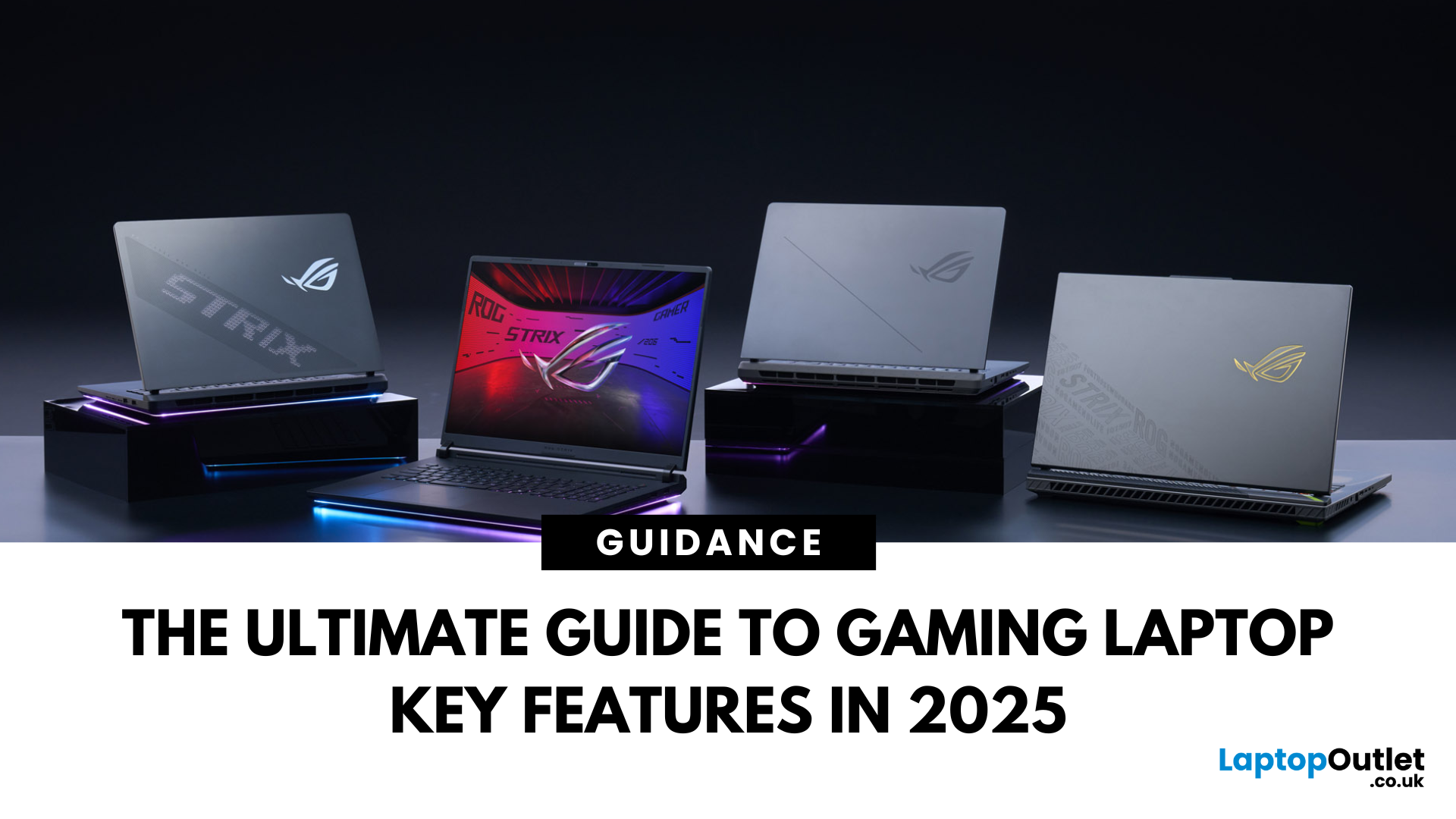
Choosing a gaming laptop today is all about understanding the gaming laptop key features that move the needle foryourgames and workflow. In 2025, the big shifts are real: next‑gen GPUs with AI frame generation, smarter CPUs with onboard NPUs, faster storage that feeds data straight to the GPU, premium displays (OLED/Mini‑LED) at esports‑grade refresh rates, and cooling systems that can keep all of it performing sustainably.
However, what does all of that actually mean when you just want smooth gameplay and a machine that lasts? Below, we have you covered with a clear, up‑to‑date walkthrough of what to look for in a gaming laptop with the evidence to back it. Whether you’re looking at entry-level models around £900, mid-range workhorses at £1,500, or premium powerhouses above £2,000, this guide focuses on the essential gaming laptop key features.
If you’d like a broader perspective from budgeting to comparisons, you can check out our full gaming laptop buying guide.
GPU: the first decision
Last Updated: October 08, 2025
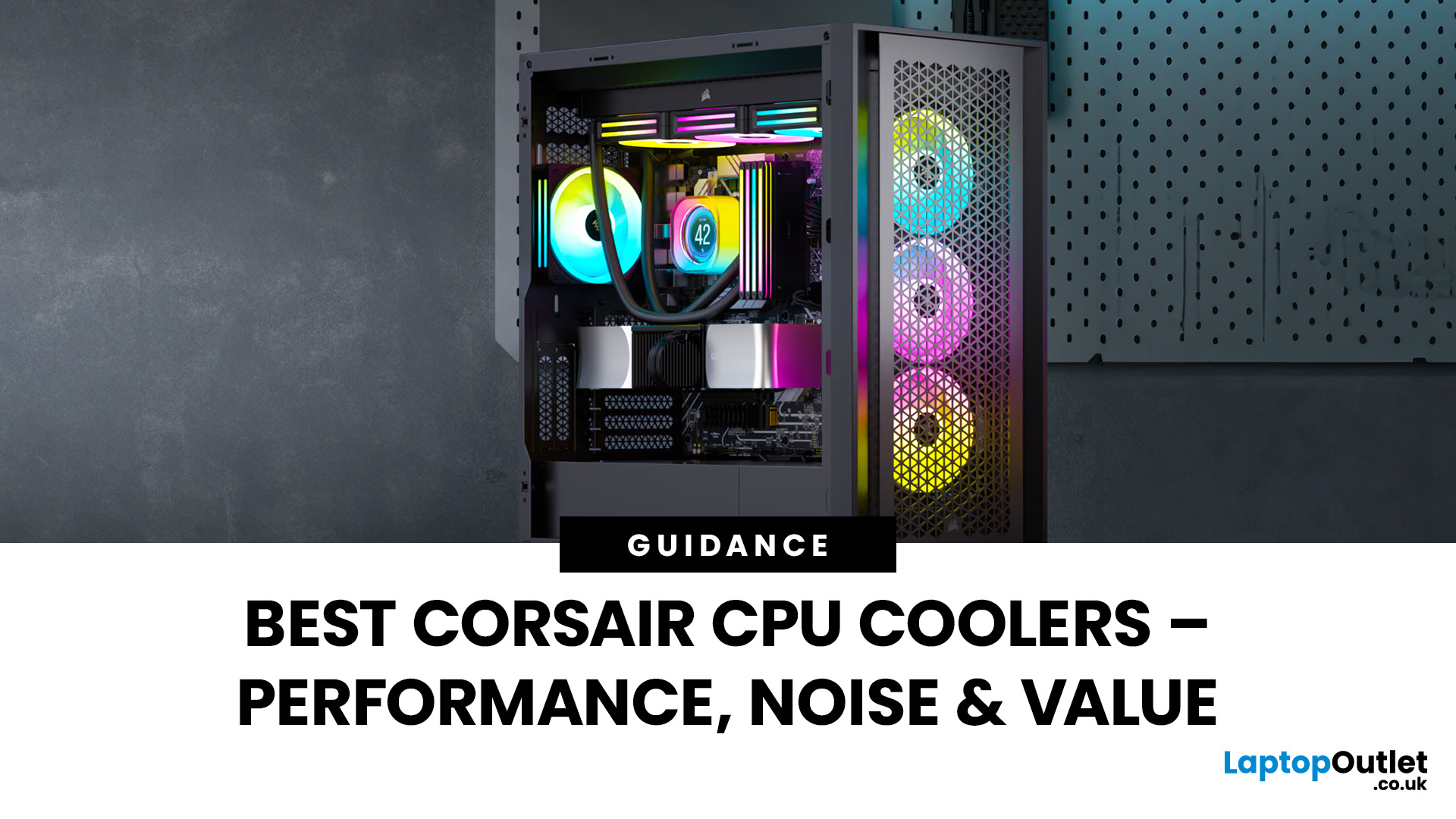
Keeping your PC cool is one of the most important factors in maintaining performance, extending hardware lifespan, and ensuring a stable computing experience. Processor of a gamer, or a professional creative generates heat that must be managed effectively. Air cooling may be sufficient for entry-level builds, but high-performance desktops and overclocked CPUs demand more advanced solutions. This is where Corsair steps in.
Corsair has earned a strong reputation for delivering reliable and innovative cooling systems. Let’s explore the best Corsair CPU cooler options in 2025, review their performance, noise levels, installation process, and software features.
Why Choose a Corsair CPU Cooler?
Before diving into the product reviews, it’s important to understand why Corsair CPU coolers continue to dominate the PC cooling market in 2025. Corsair has consistently evolved its product line to meet the demands of modern processors, gaming rigs, and workstation builds.
Proven Reliability and Build
Last Updated: December 31, 2025
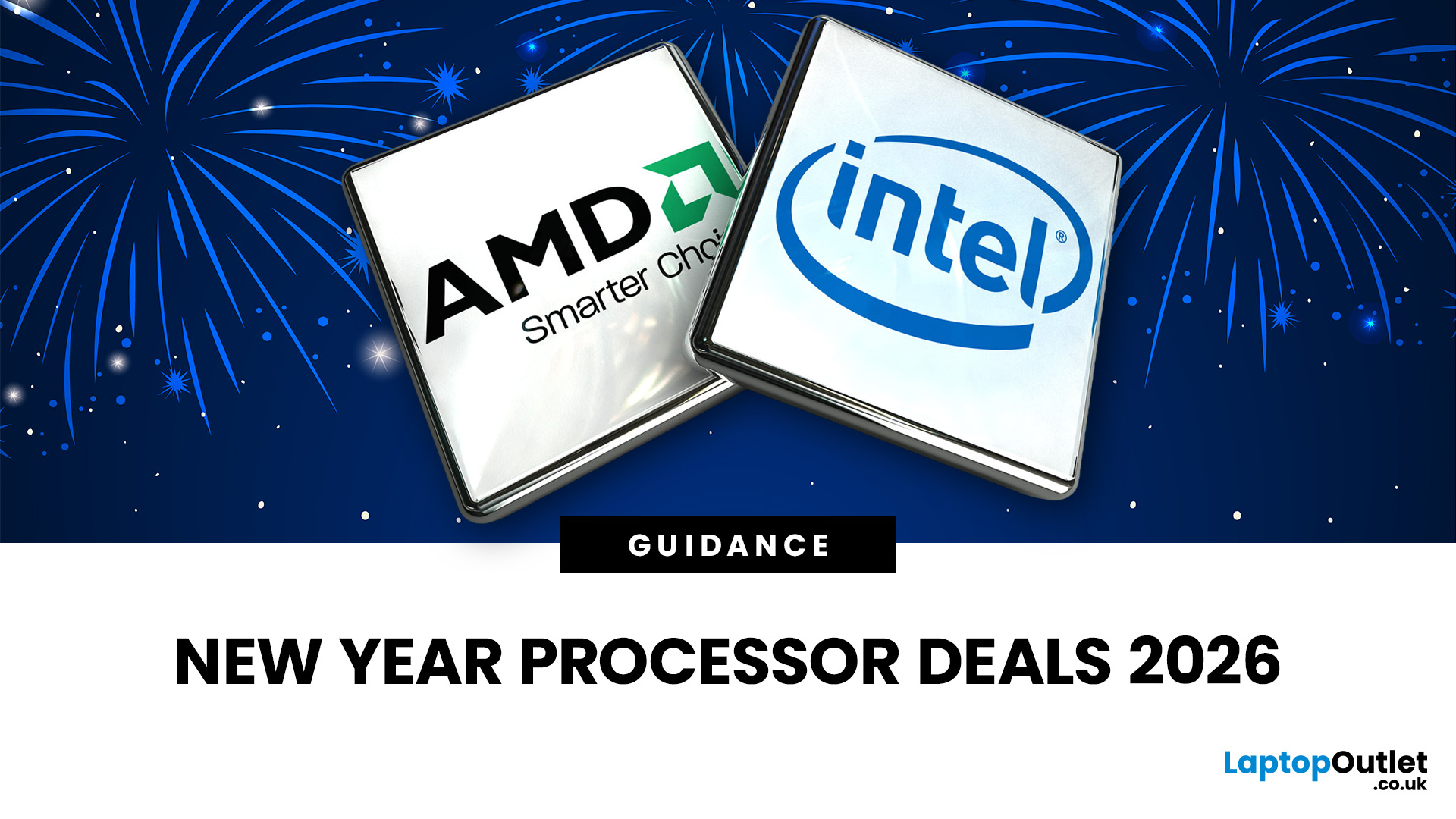
If you’re planning a new PC build or looking to breathe life into an older rig, New Year processor deals can be one of the smartest ways to upgrade without overspending. The start of 2026 is a prime time for CPU discounts: retailers clear stock, bundle components, and compete hard on price. The trick is knowing which processor deal is genuinely good, what to prioritise for your workload, and how to avoid buying the wrong platform.
In this guide to processor New Year deals 2026, you’ll find practical buying advice, use-case recommendations for gaming and productivity, and a simple checklist for compatibility. Whether you’re chasing high FPS, smoother streams, faster creative exports, or a snappier work machine, you’ll be able to shop with confidence.
Intel Core i5/i7 Discounts: Why they’re Best CPU for in 2026
When you see Intel Core i5/i7 discounts during New Year sales, they usually appeal to buyers who want a strong all-round PC: quick responsiveness, solid gaming performance,

Last Updated: May 06, 2026
year is more than just a fresh calendar; it’s one of the best times of the year to upgrade your PC hardware for less. As retailers clear stock, introduce refreshed product lines, and compete for attention during seasonal sales, motherboard New Year deals 2026 unlock savings that simply aren’t available during regular months. Whether you’re planning a brand-new desktop build, upgrading an ageing system, or finally pairing a powerful CPU with a compatible board, New Year sales make high-end components far more affordable.
New Year Sale on AMD Motherboards
This New Year, AMD motherboard discounts make it easier than ever to build or upgrade your PC with powerful AM5 boards at lowered prices.
1. ASUS TUF GAMING X870E-PLUS WIFI7 ATX AMD Socket AM5 Motherboard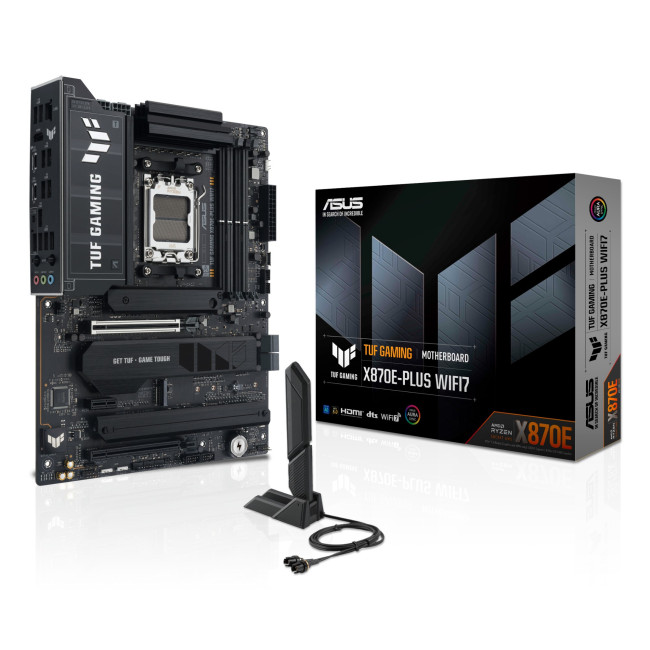
This flagship TUF board typically sits in the upper mid-range price bracket, but New Year Sale pricing often brings it into compelling territory compared to standard retail tags, shaving a noticeable percentage off regular prices.

Last Updated: April 21, 2026
The world of computing is changing fast. We are no longer just looking for faster processors or thinner designs. Today, the focus has shifted to intelligence.
To understand this shift, we need to look at a new category of devices: Copilot+ Laptops. These are not just standard computers; they are AI-powered laptops designed to think, learn, and assist you in real-time.
Whether you are a busy professional, a digital artist, or a student, Windows Copilot+ PCs offer a new way to interact with technology. By integrating hardware and software more tightly than ever before, these machines handle complex tasks with ease.
In this guide, we will explore why these next-generation Windows laptops are the ultimate choice for your next upgrade.
What are Copilot+ Laptops?
Copilot+ Laptops are a new class of Windows 11 laptops with dedicated hardware for advanced Artificial Intelligence (AI) tasks. They offer enhanced performance, security, and unique features that run locally on the device.
Unlike

Last Updated: January 27, 2026
Intel has remained a titan in the world of PC gaming for decades. Their processors power some of the most capable high-performance gaming desktops on the market today.
Recently, we have seen a massive shift in how these chips operate. The evolution from the classic Core i-series to the brand-new Ultra Core processors marks a new era. These advancements are not just about speed; they are redefining the entire gaming experience.
If you want a top-tier machine, understanding how Intel CPUs work in gaming desktops is essential.
The Role of a CPU in Gaming
The CPU acts as the brain of your computer. It handles every logic calculation and physics instruction required for your game.
CPU vs GPU: Understanding the Balance
The GPU handles the visuals and graphics rendering. Meanwhile, the CPU manages physics, logic, and artificial intelligence.
You need a strong balance between both components to avoid lag. If one is too slow, the other cannot perform at its full potential during intense sessions.
Last Updated: January 27, 2026
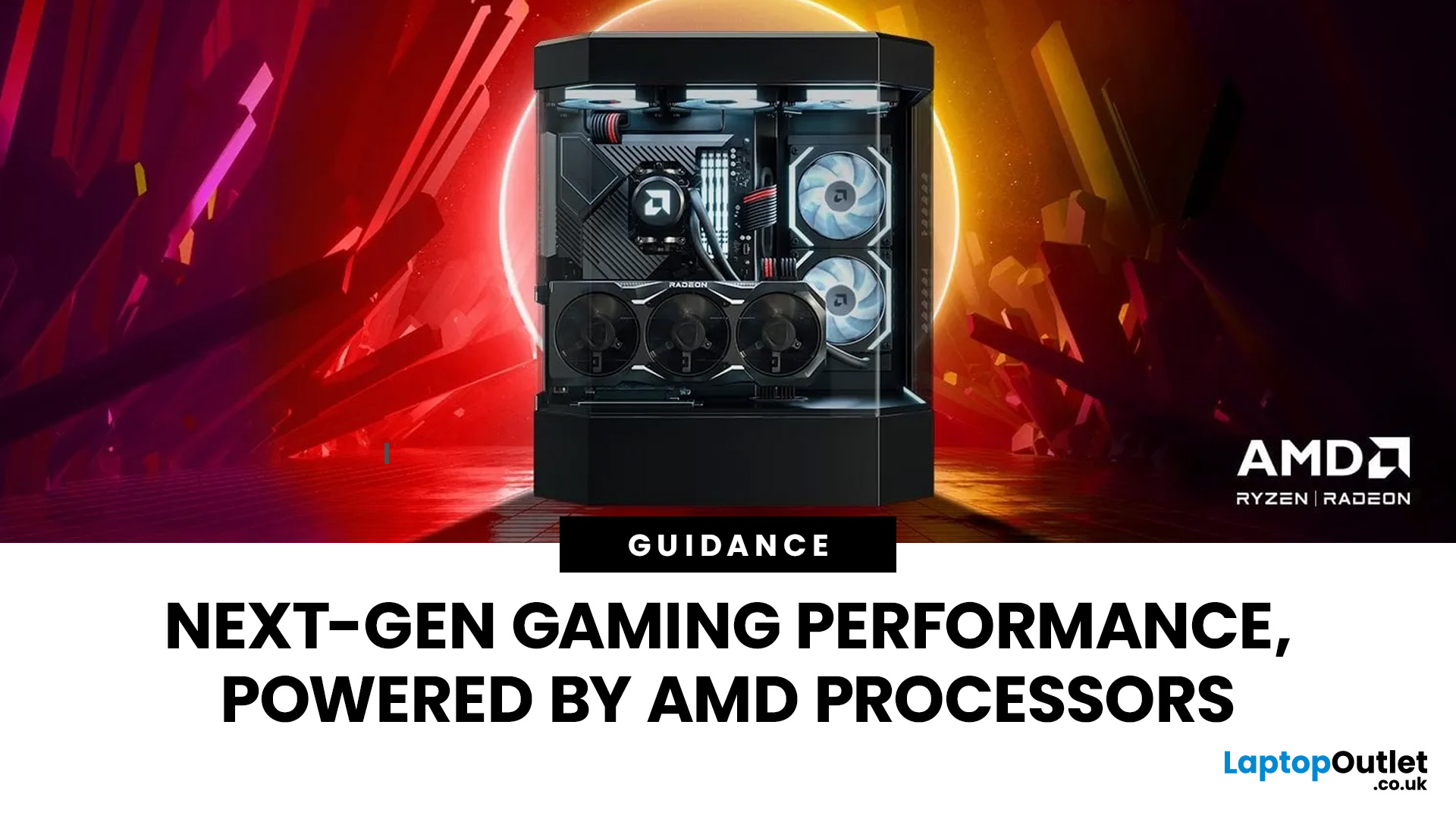
Over the past decade, AMD has transformed from an underdog in the CPU market to a dominant force in gaming PCs.
With its Ryzen series, AMD has consistently delivered processors that combine high performance, competitive pricing, and innovative features. For UK gamers, this has meant more choice, better value, and the ability to build powerful rigs without overspending.
In this guide, we’ll explore exactly how AMD processors work in gaming PCs, the key features that make them stand out, and the benefits they bring to gamers.
Understanding AMD Processors in Gaming PCs
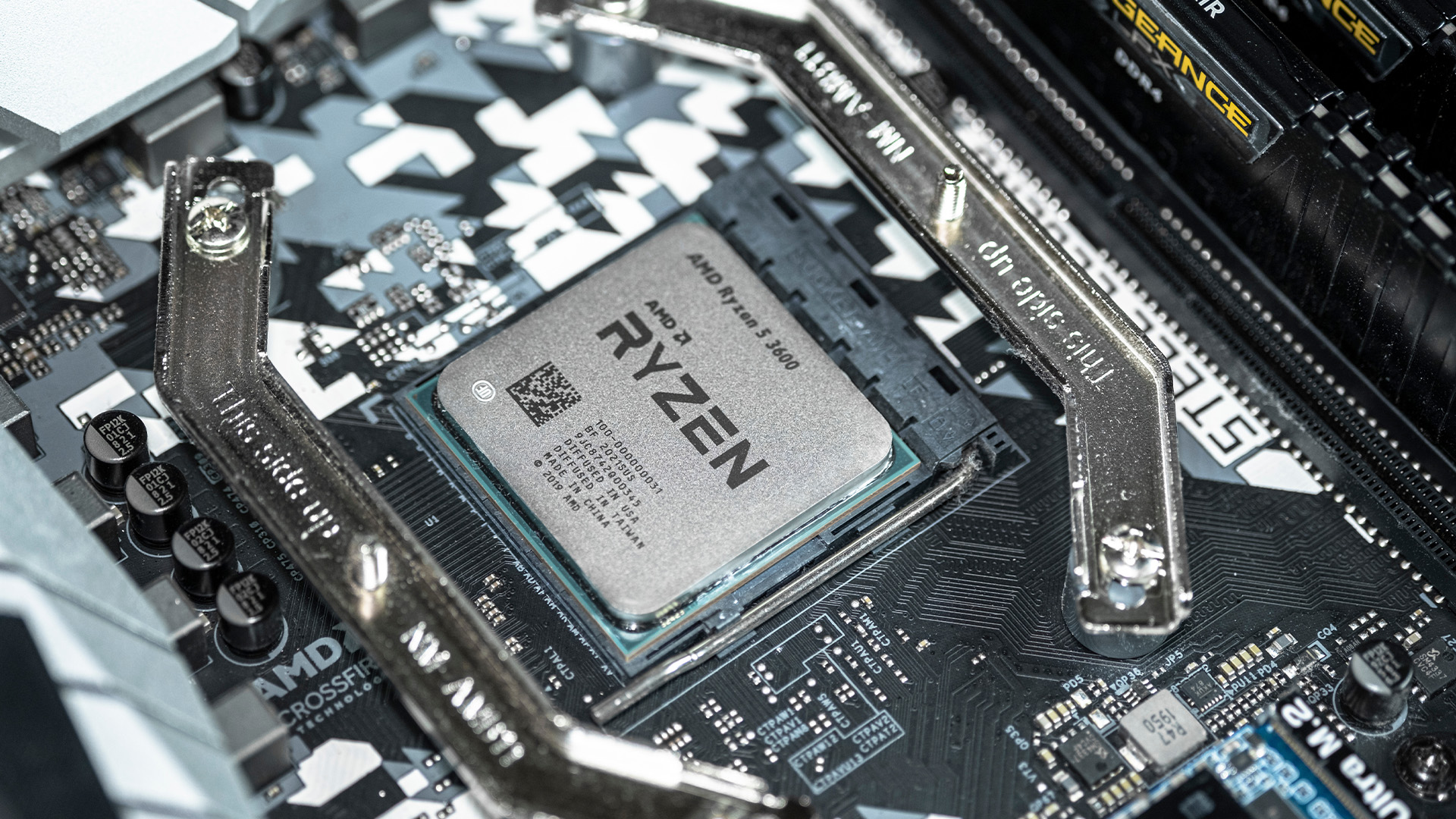
In any gaming setup, the Central Processing Unit (CPU) acts as the primary coordinator. It handles complex AI logic, processes game physics, and manages all background system tasks while your graphics card renders the visuals.
AMD has revolutionised this space by moving away from traditional "monolithic" chip designs where everything is on one piece of silicon. Instead, the modern AMD CPU architecture uses a modular

