



Black Friday is here! Get an extra £10 off when you spend £200 with code: BF10LO. T&Cs apply*
The Rise of AI in Smartphones: How It’s Changing Mobile Tech
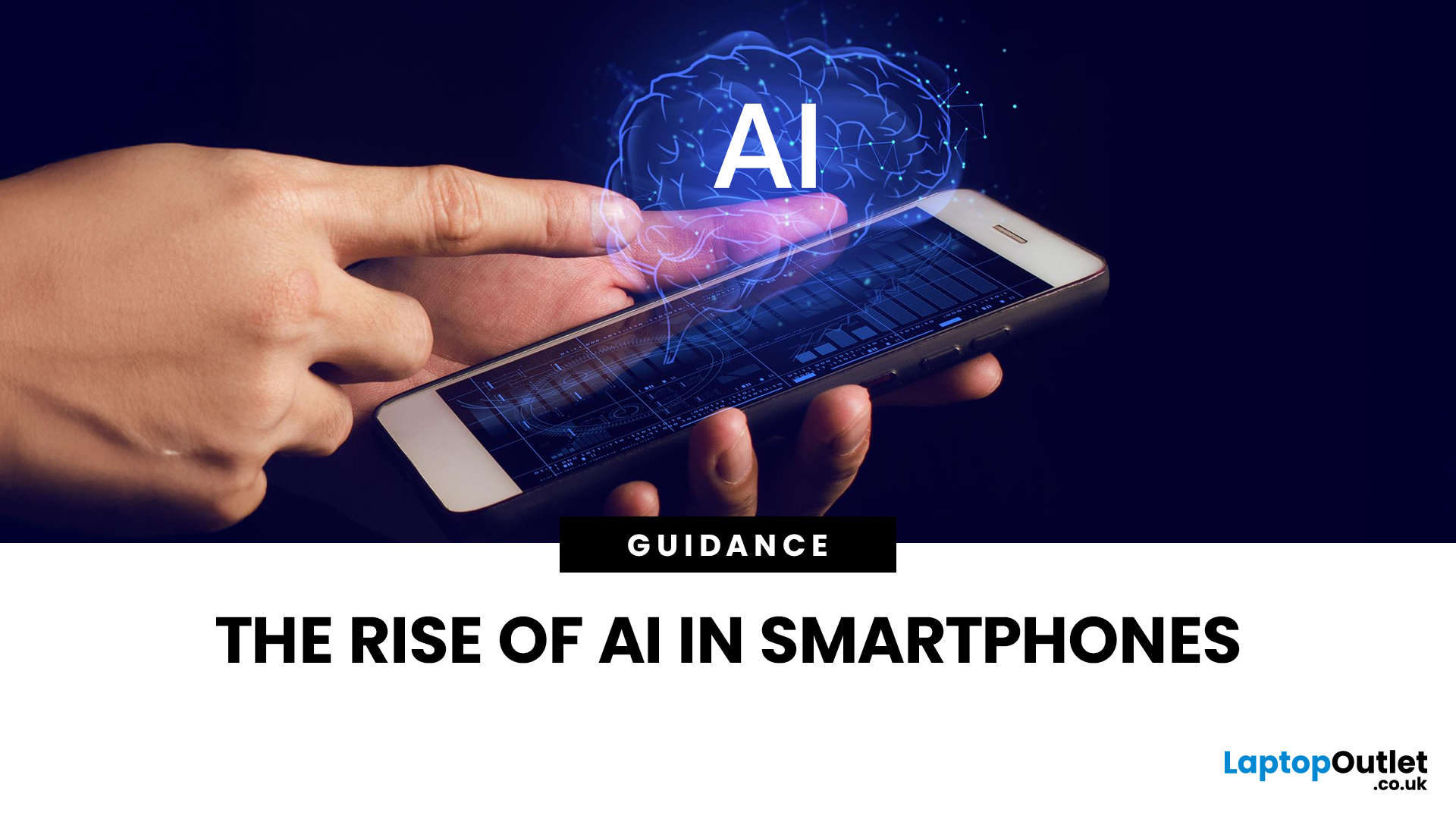
Smartphones have come a long way in the past decade, from simple communication tools to powerful pocket-sized computers. But 2025 marks a turning point. The biggest upgrades are no longer about camera megapixels or faster processors. The real revolution is happening behind the scenes with AI in smartphones.
Artificial intelligence is reshaping how phones think, respond, predict, and interact with users. Whether it’s personalisation, photography, battery management, or voice assistance, AI is quietly powering the features we rely on every day. And with the next generation of AI chips, on-device assistants, and multimodal models, smartphones are evolving at a pace we’ve never seen before.
In this article, we break down how AI is transforming the smartphone industry, what it means for users, and what the future of mobile tech looks like in an AI-driven world.
What Does AI in Smartphones Actually Mean?
While “AI” can sound like marketing hype, its role in smartphones is very real-and very practical.
AI in smartphones refers to machine learning and deep learning systems built into the phone’s hardware and software to enhance performance, personalise experiences, and automate complex tasks.
Key elements include:
- AI processors / Neural Processing Units (NPUs)
- On-device and cloud AI models
- AI-enhanced camera systems
- Predictive algorithms
- Natural language processing (NLP)
- Generative AI assistants
In short: AI helps your phone work smarter, not harder. If you're exploring how AIimpactsmodern smartphones, you may also find this guide helpful for understanding performance tiers across today’s mobile devices: Mid-Range Gaming Laptops – Balance Between Price & Performance.
AI-Powered Photography: Smartphones Becoming DSLR Rivals

AI has completely transformed mobile photography, to the point where your phone often outperforms traditional cameras for everyday use.
AI now helps with:
- Scene detection (knows if you’re shooting food, nights, pets, landscape)
- Real-time optimisation (brightness, sharpness, colour grading)
- Portrait mode bokeh accuracy
- Night mode stacking (capturing multiple frames and merging them)
- Removing noise and blur
- Auto-fixing overexposure
- Intelligent zoom (combining optical + digital data)
AI makes it possible for smartphones to deliver stunning results, even in tricky lighting, by analysing images in milliseconds.
2025 Trend:
Generative AI photography-phones can now remove objects, swap skies, or enhance details instantly without external apps.
Smarter Battery Life & Performance Management
Modern smartphones run dozens of apps, background tasks, and notifications and AI ensures everything remains smooth.
AI-powered battery optimization now:
- Learns your usage pattern
- Predicts which appsyou’llopen
- Reduces power for unused apps
- Manages refresh rates intelligently
- Regulates CPU/GPU performance for gaming
Many phones now guarantee longer battery life not because batteries are bigger, but because AI is handling energy smarter.AI-powered photography is reshaping the camera market, and this blog provides additional insight into how high-performance devices are evolving with advanced imaging and processing: High-End Gaming Laptops – For Hardcore & Professional Gamers
AI Assistants: From Voice Commands to Full Digital Companions

Voice assistants are evolving from scripted, single-command tools to intelligent, conversational helpers.
AI assistants now:
- Understand context
- Predict next actions
- Summarise texts and messages
- Generate emails and replies
- Translate in real-time
- Control apps via voice
- Create content (notes, images, reminders)
2025 sees a shift from “assistant that listens” to “assistant that understands.”
On-Device AI: Faster, Private, More Capable
Smartphones now come with dedicated AI chips (NPUs) capable of processing billions of operations per second,without sending data to the cloud.
Benefits of on-device AI:
- Faster responses
- Offline functionality
- Better privacy & security
- Improved multitasking
This is crucial for tasks like facial recognition, spam detection, camera processing, or predictive typing.
Phones are becoming AI computers, not just gadgets.
AI Security: Smarter Protection for Users
Security used to mean passwords and PINs. Now, AI helps keep your phone safe in more advanced ways:
- Enhanced facial recognition
- Behaviour-based authentication (how you type/touch)
- AI spam andscamcall detection
- Fraud app blocking
- Real-time threat detection
By learning patterns, AI can identify unusual activity faster than humans can.
AI and Connectivity: Faster, More Efficient Networks
AI optimizes mobile networks by...
- Improving 5G connectivity
- Reducing network noise
- Maintaining signal stability
- Enhancing Wi-Fi performance
- Managing multiple connections intelligently
AI-driven connectivity means fewer dropped calls and faster downloads, especially in crowded areas.
AI in Gaming: Smoother, Faster, More Dynamic
Smartphone gaming is booming, and AI is making the experience even better.
AI helps with:
- FPS stabilisation
- Adaptive game performance
- Heat management
- AI-enhanced graphics
- Game streaming optimisation
Cloud gaming also relies heavily on AI for latency reduction and predictive rendering. As AI becomes the new benchmark in smartphones, this comparison helps you understand how different device categories handle intelligent features and processing loads: Gaming Laptop Comparisons: Entry-Level, Mid-Range & High-End Options
Personalised User Experience: Your Phone Knows You Better
AI studies habits, not creepily, but intelligently-to customise your phone experience.
Your smartphone can now:
- Organise apps based on usage
- Suggest routines
- Auto-sort photos
- Predict text like a human
- Recommend content
- Suggest messages and replies
- Adjust screen brightness based on behaviour
This results in a phone that feels tailor-made for your life.
Generative AI: The Next Big Leap
2025 is the year smartphones become creative tools, not just communication devices.
GenAI on phones can now:
- Summarise long texts instantly
- Create custom wallpapers
- Edit photos and videos
- Writemessages/emails
- Create notes from voice
- Generate playlists
- Assistin learning/work tasks
- Build personalised AI profiles
Future smartphones will feel more like mini personal assistants than tech devices. If you are interested in how AI is shaping the future of all personal devices, not just smartphones-this evolution guide is a perfect contextual reference: Introduction to Gaming Laptops: Evolution, Market Trends & Key Innovations
How AI Is Transforming the Smartphone Industry

Manufacturers are shifting focus:
- From hardware specs →AI capabilities
- From bigger sensors →smarter cameras
- From battery size →AI power management
- From voice assistants →context-aware digital companions
This means:
- More phones will feature AI processors
- Software updates will become AI-driven
- Smaller models will still feel powerful
- AI will become a key buying factor
AI is now the deciding factor in what makes a smartphone “flagship” or “budget”.
What’s Next? The Future of AI in Smartphones
Here’s what’s coming next:
✔ Fully conversational AI assistants
Your phone will talk, plan, and act more naturally than ever.
✔ AI agents that complete tasks autonomously
Book flights, manage calendars, draft emails — all without direct commands.
✔ Real-time multimodal understanding
Phones will interpret:
- Speech
- Images
- Text
- Gestures
- Context
All at once.
✔ AI-powered personal health monitoring
Predicting illnesses
Tracking stress
Recommending lifestyle adjustments
✔ Ultra-personalised interfaces
No two phones will look the same, because AI will build a custom UI for each user.

Your What's and Why's
1. What are the main benefits of AI in smartphones for everyday users?
AI improves almost every part of the smartphone experience-from taking better photos and extending battery life to enabling smarter voice assistants and faster app performance. It also enhances security by detecting unusual activity and personalises your device based on your habits, making everything feel smoother and more intuitive.
2. Is AI processing done on the cloud or on the device?
Both - but 2025 marks a major shift towardon-device AI.
Modern smartphones now include dedicated NPUs (Neural Processing Units) that handle tasks like facial recognition, image enhancement, translation, and predictive typing locally.
This means:
- Faster performance
- Improved privacy
- Less reliance on internet connectivity
Cloud AI is still used for heavy tasks, but the balance is shifting.
3. How does AI improve smartphone cameras?
AI enhances photography through real-time scene detection, noise reduction, night mode optimisation, HDR balancing, and portrait mode improvements. More advanced phones also use AI image stacking, object removal, and generative enhancements to create DSLR-quality results. AIessentially makes the camera think before capturing a shot and the results show it.
4. Does AI drain the battery on smartphones?
Surprisingly, no - AI oftenextendsbattery life.
Modern AI algorithms manage background tasks, predict app behaviour, optimise refresh rates, and regulate power-hungry processes. Many phones now achieve longer battery life not by using bigger batteries, but by usingsmarter AI-driven power management.
5. Will AI replace traditional smartphone features in the future?
AI won’t replace hardware features, but it will redefine how they work.
Expect:
- Cameras driven by AI instead of lenses
- Assistants acting like digital companions rather than command-based bots
- Interfaces that adapt to each user
- Tasks completed autonomously by AI agents
In essence, AI won’t replace smartphone features, it will evolve them.

AI Is Shaping the Future of Smartphones
AI in smartphones is no longer an add-on feature, it’s the foundation of modern mobile technology. From smarter cameras and longer battery life to predictive assistance and enhanced security, AI is seamlessly woven into everyday smartphone experiences.
As AI models become faster and smarter, and as on-device processing continues to grow, our phones will evolve into intelligent partners that understand our needs, adapt to our habits, and help us live more efficiently.
The future of smartphones isn’t about more megapixels or gigahertz, it’s about smarter, more intuitive AIthat transforms what a mobile device can do.
| Read More: |
| Should You Upgrade to iPhone 17 from iPhone 14 or 15? |
| Which iPhone 17 Model Should You Buy? Standard, Pro or Pro Max? |
| Black Friday Phone Deals: Last Year’s Flagship vs New Mid-Range |
Related Articles

Last Updated: May 19, 2025
Last Updated: October 02, 2025
Don’t Let Your Old Phone Gather Dust
So you’ve upgraded to a shiny new phone—but what about your old one? Instead of letting it rot in a drawer, there are plenty of useful, profitable, or eco-friendly ways to put it to good use. Here’s exactly what to do with old mobile phones (that doesn’t involve forgetting about them forever).
1. Trade It in for Cash or Credit
- Most retailers, mobile networks, and tech stores offer trade-in programmes.
- Get store credit or instant cash
- Helps reduce e-waste
2. Donate It to Charity
- Many organisations accept old phones:
- Help survivors of domestic abuse, refugees, or people in crisis
- Some charities refurbish and resell phones to raise funds
3. Recycle Responsibly
- Phones contain valuable materials—and harmful ones, too. Don’t bin it!
- Use local e-waste recycling centres or certified recycling schemes
- Some brands (Apple, Samsung) offer mail-in recycling
4. Turn It into a Backup Phone
- Accidents happen. Having a backup means you’re
Last Updated: April 08, 2026
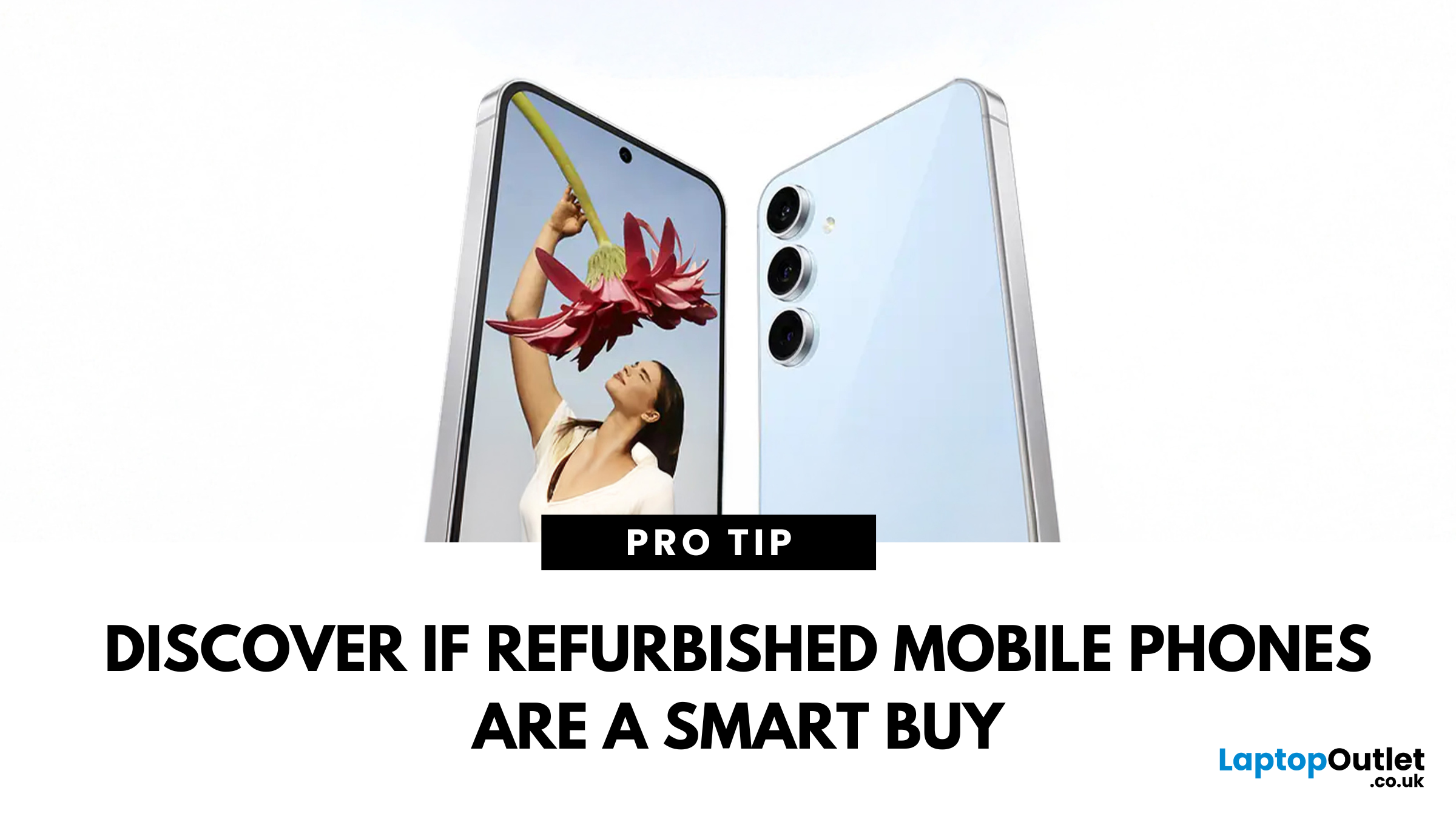
Refurbished Mobile Phones: Is it really a smart saving or a compromise?
Buying a new smartphone can be expensive. But what if you could get a high-quality phone at a much lower price? That’s where refurbished mobile phones come in.
Refurbished phones are pre-owned devices that have been tested, repaired, and certified to work like new. They are a budget-friendly and eco-friendly alternative to buying a brand-new phone.
But are refurbished phones worth buying over new phones? Let’s find out!
What is a Refurbished Phone?
A refurbished phone is a pre-owned smartphone that has been professionally restored to full working condition. It is different from a used phone because:
- ️ Inspection & Testing – The phone is checked for defects.
- Repairs & Replacement – Any faulty parts, like the battery or screen, are replaced.
- Software Update & Reset – The phone is wiped clean and updated to the latest software.
- Grading – The phone is rated based on its cosmetic condition (Excellent/Good/Fair).

Last Updated: August 18, 2025
When it comes to saving money on your next smartphone, you’re probably torn between two options—refurbished phones and used phones. On the surface, they might seem like the same thing: second-hand devices sold at lower prices. But in reality, they’re very different.
Knowing the difference between refurbished vs. used phones can help you avoid hidden issues, make smarter purchases, and get better value for your money.
In this blog, we’ll break down the key differences between refurbished vs. used phones, including benefits, risks, grading systems, and how to get the best value for your money. Let’s help you decide which one is worth your hard-earned cash.
What is a Refurbished Phone?
A refurbished phone is a device that has been returned, inspected, repaired (if necessary), and tested to ensure it works like new. These phones are typically restored by professionals, often with new parts, and are sold with a warranty.
Why are phones refurbished? Phones are commonly refurbished

Last Updated: September 10, 2026
Second-Hand or Smart Choice?
With smartphone prices rising every year, many buyers are asking: are refurbished phones good? The answer is yes—if you know what to look for. This guide explains what refurbished phones really are, their pros and cons, and why they might just be your smartest tech buy.
1. What Is a Refurbished Phone?
A refurbished phone is a pre-owned device that’s been returned, repaired (if needed), tested, and cleaned before being resold.
It’s not the same as “used”—refurbs go through quality checks and often come with a warranty.
2. Pros of Buying a Refurbished Phone
- Cost-effective: Save up to 50% vs new phones
- Eco-friendly: Reduces e-waste
- Tested for quality: Most are professionally inspected
- Comes with warranty: Often includes 6–12 months cover
- Unlocked options: Use with any SIM network
3. Cons of Buying a Refurbished Phone
- Not brand new: May have minor cosmetic marks
- Battery life: May be slightly lower than new devices
- Limited stock: Specific models

Last Updated: April 28, 2026
The smartphone market in 2025 is more exciting than ever. With major leaps in AI integration, display technology, camera systems, and fast charging, mobile phones are evolving rapidly to meet the diverse needs of users. From professionals and content creators to students and budget-conscious shoppers, there's a perfect phone for everyone.
This guide explores the best mobile phones of 2025 across different categories. Whether you're looking for a flagship powerhouse, a reliable all-rounder, or the best mobile phone deals on a budget, this roundup will help you decide which smartphone is right for you.
Top Smartphones for Every Type of Buyer in 2025
Flagship Phones That Set the Standard in 2025
High-end smartphones continue to push the boundaries in 2025, delivering unmatched performance, incredible cameras, and industry-leading displays. Here are the most powerful mobile phones leading the charge this year.
iPhone 15 Plus

Apple’s iPhone 15 Plus stands out as one of the best

Last Updated: November 03, 2026

Last Updated: October 16, 2026
Last Updated: November 06, 2026
Black Friday 2026 falls on Friday 27 November, followed by Cyber Monday on 30 November. For Apple buyers, the smartest approach is to track the exact MacBook, iPhone or iPad specification before November, then judge the sale price against its usual selling price. New releases will attract attention, but recent generations and refurbished Apple devices could prove just as worthwhile.
Apple has changed a lot of its hardware since last Black Friday. MacBook Neo has joined the laptop family, MacBook Air has moved to M5, MacBook Pro now stretches from M5 through to M5 Pro and M5 Max, while iPhone 18 Pro has arrived ahead of the first foldable iPhone, the iPhone Duo.
The iPad range has moved forward as well, with M4 powering the latest iPad Air and M5 inside iPad Pro. That makes Black Friday 2026 particularly interesting because shoppers are likely to see brand-new hardware sitting alongside capable previous-generation models.
This guide breaks down the Apple products worth watching, the specifications

