



Most Common Windows 11 Update Problems and How to Solve Them
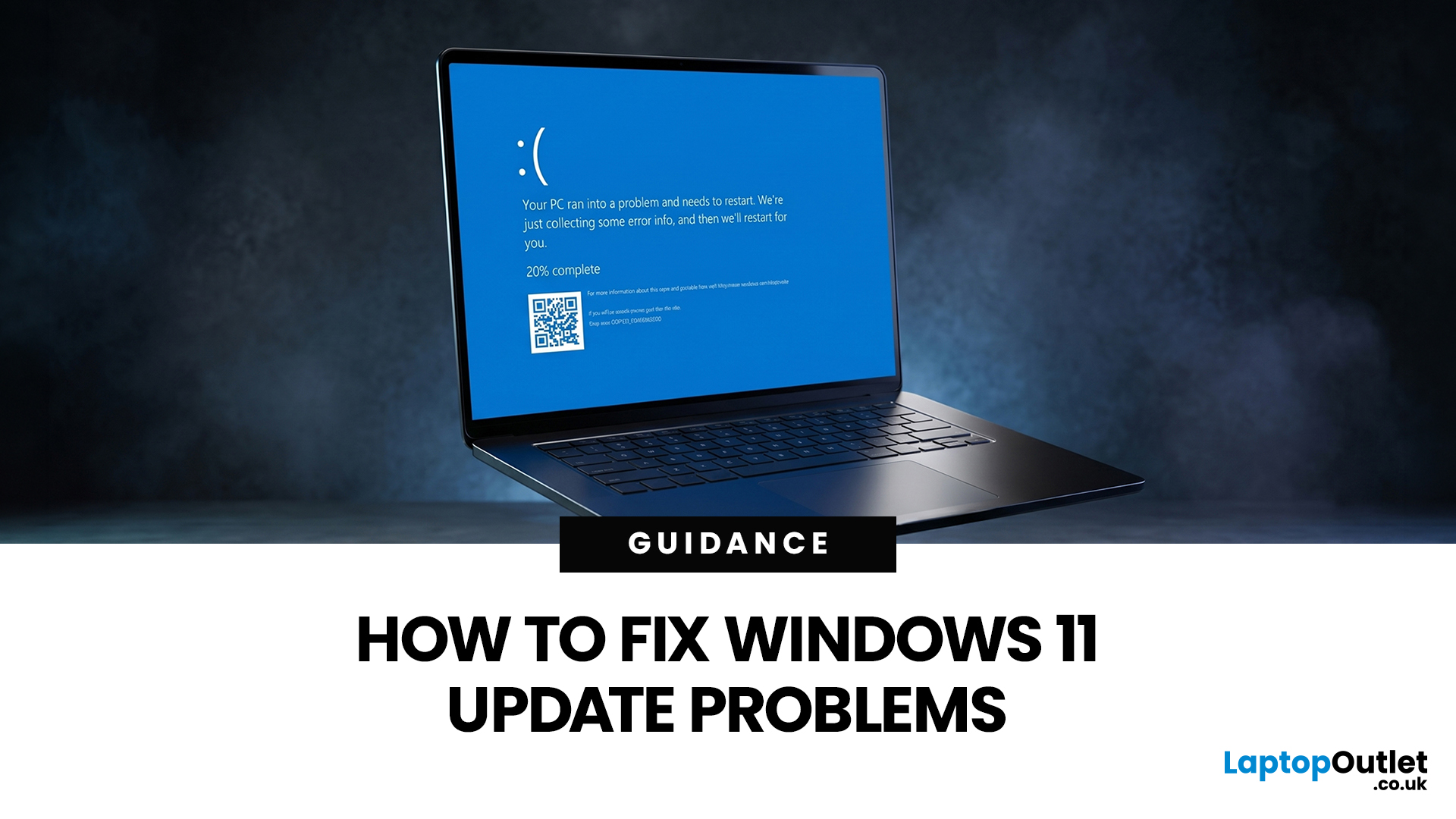
If your PC has decided that today is the day it will freeze at 61%, throw out a random error code, or restart at the worst possible time, you are very much not alone. Windows 11 update issues are one of those annoyingly common problems that can feel dramatic in the moment, but a lot of them are fixable with the right steps.
The good news is that most Windows 11 update problems usually come down to a handful of familiar causes: not enough storage, damaged update files, a disabled service, app conflicts, or a known issue that Microsoft is already tracking. Microsoft’s own support guidance still points users first to the built-in Windows Update troubleshooter and its broader update troubleshooting flow, which is usually the fastest place to start.
Why Windows 11 update fails in the first place
Let’s keep it real: when a Windows 11 update failed message pops up, it does not tell you much. The actual cause is usually one of these:
A Windows 11 update stuck during download or install can be linked to an incomplete download, connection issues, or missing update files. Microsoft also flags low storage, corrupted system files, stopped update services, incompatible drivers, and other programs blocking the update process as common triggers for Windows 11 update errors.
That means if your Windows 11 laptop update not working feels random, it probably is not. There is usually a pattern behind it.
The Most Common Windows 11 Update Problems
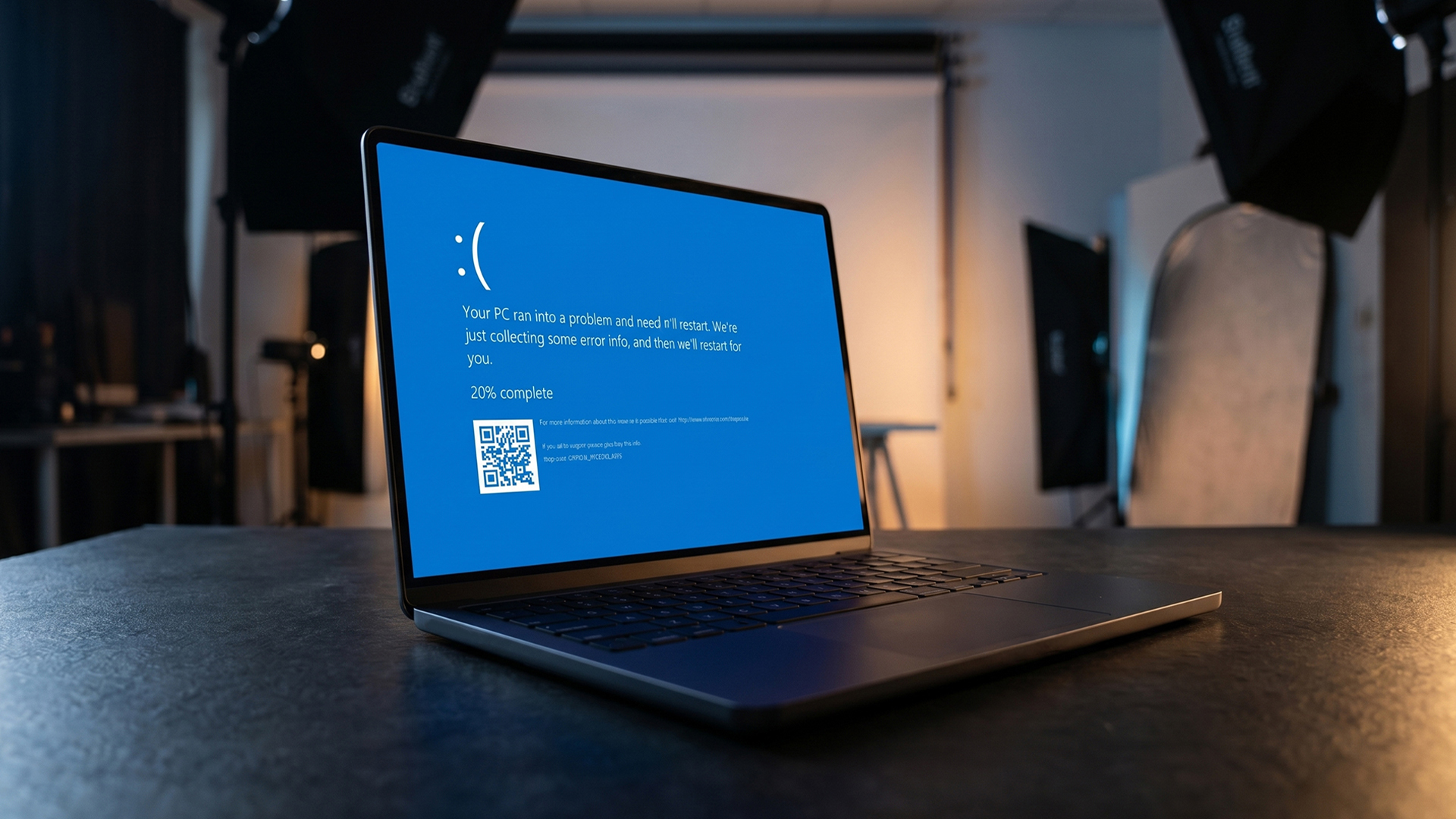
1. Windows 11 update keeps failing
You click update, it downloads, it tries to install, then it rolls back like nothing happened. Microsoft links repeated failures to issues such as corrupted or missing system files, incomplete downloads, blocked services, driver conflicts, or not having enough free space.
2. Windows 11 update stuck at a percentage
If the update sits forever at a certain percentage, the usual suspects are connection issues, an incomplete update process, or missing files. Microsoft specifically ties error 0x80240034 to an update process that is stuck because of an incomplete update or a connection problem.
3. Problems after Windows 11 update
Sometimes the update installs, but then your laptop starts acting weird afterwards. Apps stop opening, sign-ins break, performance dips, or something feels off. Microsoft’s release health pages show that post-update issues do happen, but they are often specific, time-limited, and sometimes caused by third-party software rather than Windows itself.
4. Storage-related update issues
Low storage is a classic. Microsoft says insufficient space can block updates and notes that some devices may need external storage to complete the process. Storage Sense and Cleanup recommendations are part of Microsoft’s own suggested fix path.
5. Service and software conflicts
If the Windows Update service is disabled, error 0x80070422 can appear. If another app or process is getting in the way, Microsoft links that to error 0x80070020. In plain English: background tools, antivirus, firewall settings, or broken services can absolutely be the reason your update is refusing to behave.
For a broader look at getting your device running properly, explore the complete Windows guide: setup, updates & fixes for practical help from first setup to everyday troubleshooting.
Is the Latest Windows 11 Update Causing Problems?
This is the question everyone asks the minute their laptop starts moving sideways. At the time of writing, Windows 11 version 25H2 is the latest version of Windows available, and Microsoft says it is available to eligible devices through its rollout process.
So, is the latest Windows 11 update causing problems? Sometimes, yes, but not in the doom-and-gloom way the internet can make it sound. Microsoft’s official release-health pages show that recent Windows 11 latest update problems have included a March 2026 sign-in issue affecting some Microsoft-account logins in apps like Teams Free, OneDrive, Edge, Excel and Word, but Microsoft says that was resolved by later updates released on 21 March 2026 and after.
There was also a separate March 2026 issue where some Samsung devices lost access to the C: drive after a security update. Microsoft says that investigation found the root cause was the Samsung Galaxy Connect app, not the Windows monthly update itself, and published recovery steps with Samsung.
So if you are wondering, “is Windows 11 update causing problems?” the smartest answer is this: sometimes an update does introduce bugs, but sometimes the update simply exposes a device-specific or software-specific issue that was already waiting to happen.
How to Fix Windows 11 Update Issues
Here is the part you actually need.
1. Run the Windows Update troubleshooter first
This is the easiest win. Microsoft recommends starting with the automated Windows Update troubleshooter in the Get Help app on Windows 11 because it can run diagnostics and attempt to fix common update failures automatically. For a lot of users, this is the quickest way to start proper Windows 11 update troubleshooting without guessing.
2. Restart your laptop and check your connection
Very boring advice. Also very real. Microsoft’s troubleshooting guidance still recommends restarting the PC and checking your internet connection for certain update errors. If you use a VPN, Microsoft also suggests disabling it when dealing with specific install failures such as 0x800f0922.
3. Free up storage space
If your problem Windows 11 update is linked to low storage, clear space before doing anything more advanced. Microsoft recommends using Storage Sense, checking Cleanup recommendations, and, if needed, using an external storage device to complete the update.
4. Repair system files
If your Windows 11 update keeps failing, damaged system files might be the reason. Microsoft’s support guidance includes running System File Checker with sfc /scannow, and for wider system repair it also documents using DISM.exe /Online /Cleanup-image /Restorehealth. This is one of the most useful steps when you are trying to fix Windows 11 update issues properly rather than just retrying the same broken install.
5. Make sure the Windows Update service isrunning
It sounds obvious, but error 0x80070422 happens when the Windows Update service is disabled or stopped. Microsoft’s official fix is too open services.msc, find Windows Update, set the startup type to Automatic, and start the service if needed.
6. Reset the update cache if files are missing
For missing or unavailable update files, Microsoft’s troubleshooting steps include stopping the Windows Update service, clearing the contents of C:\Windows\SoftwareDistribution, and then starting the service again. That can help when the update download itself is the thing that broke.
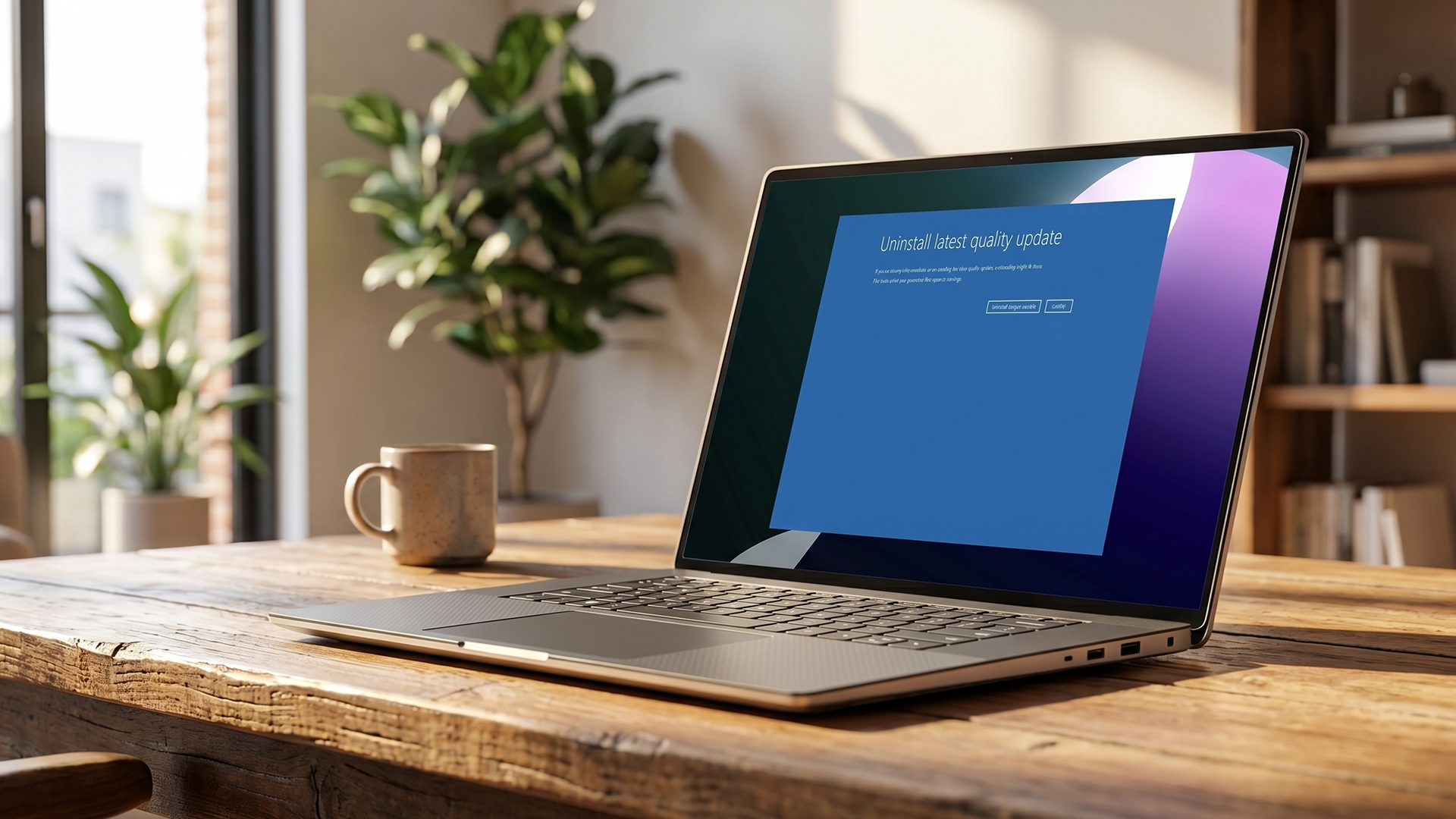
7. Uninstall the recent update if problems started after it
If everything was fine before the update and chaos arrived immediately after, uninstalling the most recent update can be the cleanest move. Microsoft says you can remove updates through Settings, and if Windows will not boot properly, you can go into Windows Recovery Environment and choose Troubleshoot > Advanced options > Uninstall Updates.
If a recent app is causing conflicts or slowing your system down, our how to uninstall apps on Windows 10 & 11 guide shows you how to remove it quickly and cleanly.
8. Use Microsoft’s reinstalloptionfor Windows 11
This is one of the most underrated fixes. Microsoft now offers Fix problems using Windows Update, which reinstalls the current version of Windows already on your PC, repairs system files and components, and keeps your apps, files and settings. If standard troubleshooting has failed, this is a very strong next step before jumping to a full reset.
If you are setting up a new device or checking your software is fully enabled, read how to activate Windows and Microsoft Office for a simple step-by-step walkthrough.
How to Troubleshoot Windows 11 Update Problems Without Making Things Worse
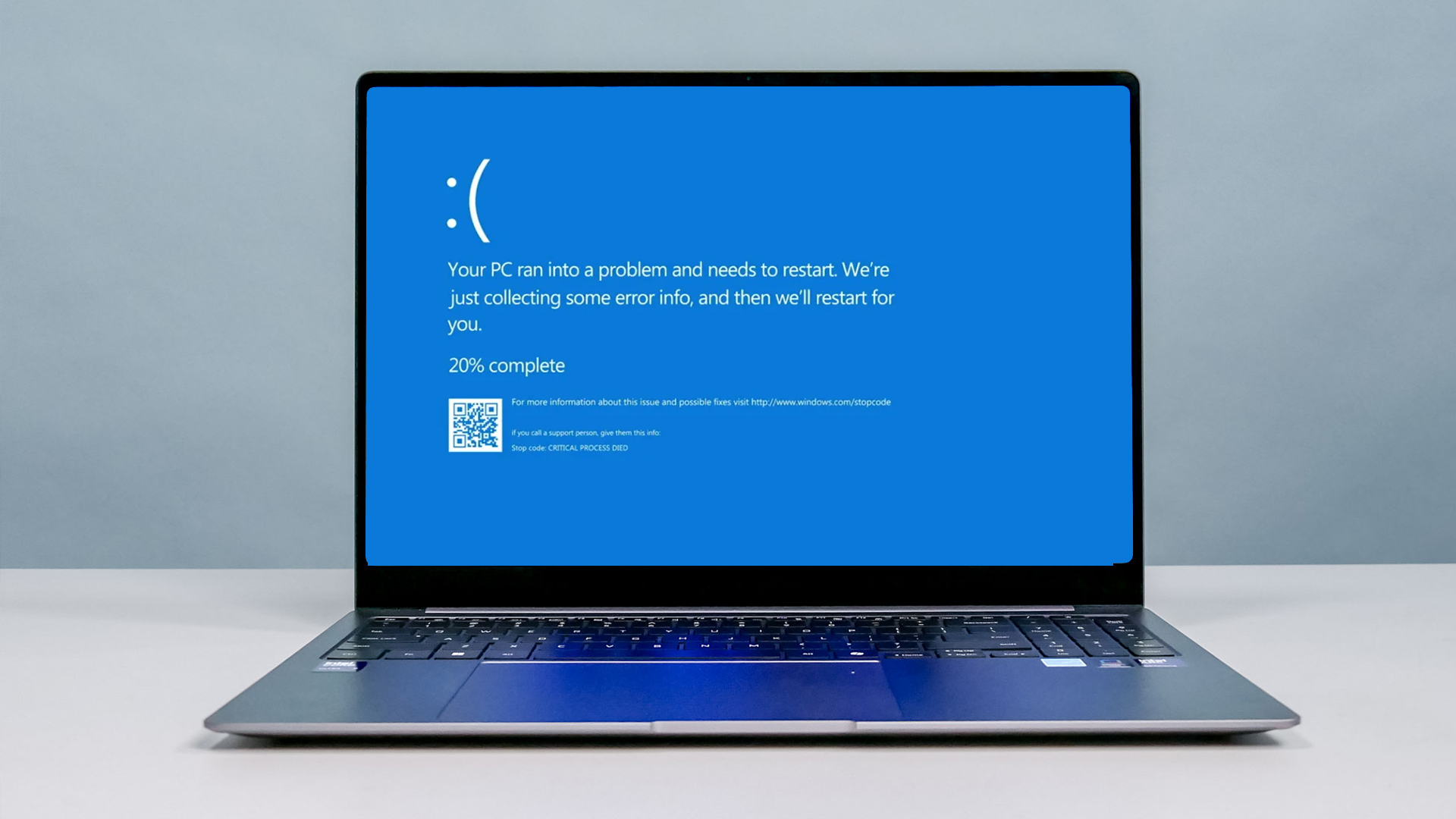
When people panic-fix update issues, they usually make one of two mistakes: they either keep hammering “Check for updates” and hope for magic, or they uninstall random things they probably needed. A smarter order is:
- Run the troubleshooter.
- Restart and check your connection.
- Free up space.
- Repair system files.
- Check services.
- Uninstall the latest update only if the issues started straight after installation.
- Reinstall your current Windows version using Microsoft’s repair option if the problem still will not quit.
That is the least chaotic path for anyone searching how to fix Windows 11 update problems or how to troubleshoot Windows 11 update problems. Thinking about upgrading? Our Windows 11 upgrade guide explains how to make the move with less stress and fewer surprises.

Final Thoughts
Most problems with Windows 11 update installs are fixable, and not every scary post-update issue means your laptop is doomed. Sometimes the update really is the problem. Sometimes your storage is full, a service is disabled, or a driver or app is clashing behind the scenes. The key is using a proper, sensible troubleshooting flow instead of going full panic mode.
And if your current device is older, constantly struggling with updates, or just not keeping up anymore, it may be time for a fresh start with newer hardware built around modern Windows performance and support.

Still Got Questions?
Why do Windows 11 update issues happen?
Windows 11 update issues usually happen because of low storage, corrupted update files, internet connection problems, driver conflicts, or a Windows Update service that is not running properly. In some cases, a recent update may also clash with certain apps or device settings.
How can I fix Windows 11 update problems?
To fix Windows 11 update problems, start by restarting your laptop, checking your internet connection, and running the Windows Update troubleshooter. If that does not work, free up storage space, repair system files, and make sure the Windows Update service is enabled.
What should I do if a Windows 11 update is stuck?
If a Windows 11 update is stuck, wait a little first to make sure it is not still processing in the background. If it stays frozen for a long time, restart your device, run the troubleshooter, and check whether there is enough free storage available for the update to complete properly.
Is the latest Windows 11 update causing problems?
Sometimes the latest Windows 11 update can cause problems on certain devices, but it is not always the update itself. Issues can also be linked to drivers, third-party software, or device-specific compatibility problems, which is why troubleshooting the exact cause is important.
How do I stop Windows 11 update errors from happening again?
The best way to reduce future Windows 11 update errors is to keep enough free storage on your device, install driver updates regularly, avoid interrupting updates during installation, and make sure your laptop meets the latest Windows 11 requirements. Using a newer, up-to-date device can also help updates run more smoothly.
Related Articles


Published: October 15, 2025
So, you’ve just cracked open a shiny new Windows 11 laptop, maybe something sleek from ASUS or one of the new-gen ultrabooks from the Windows 11 laptop range and you’re ready to dive in.
But before you start downloading Spotify, Chrome, or every game-on-game pass, let’s get one thing straight: Windows 11 runs beautifully… when it’s set up properly.
Out of the box, most laptops are loaded with trialware, telemetry, and services you’ll never use, all quietly eating battery and slowing things down. The good news? You can sort it all out in under an hour with the right steps.
This isn’t one of those “just click next” guides. This is your no-fluff, Gen Z-approved, tech-expert walkthrough, from the first boot to a fully optimised, smooth, private, and battery-efficient setup.
Let’s go.
First Boot: Don’t Just Click Next — Be Smarter Than Setup
The Windows 11 first boot is full of small traps. Microsoft really wants you to sign into a Microsoft Account, connect to Wi-Fi, and enable every cloud

Published: October 15, 2025
When it comes to choosing your next laptop, the debate between Windows 11 and macOS remains one of the most important decisions. Both operating systems offer sleek design, advanced performance, and productivity features, but they cater to very different kinds of users. Whether you’re a student, professional, or gamer, knowing how Windows 11 vs macOS comparison stacks up can help you find the right fit for your workflow.
In this guide, we’ll compare Windows 11 and macOS across key areas, including productivity, performance, gaming, user interface, and security, so you can decide which OS works best for your everyday needs.
Windows 11 vs macOS: Overview

Windows 11, released in 2021 and continuously updated through 2025, represents Microsoft’s vision of a modern, intelligent, and AI-integrated operating system. macOS, on the other hand, continues Apple’s tradition of seamless integration with its ecosystem, known for its stability and clean design.
Both systems focus on user experience,
Published: October 21, 2025
Simple ways to boost speed, improve battery life, and keep your Windows 11 laptop running smoothly.
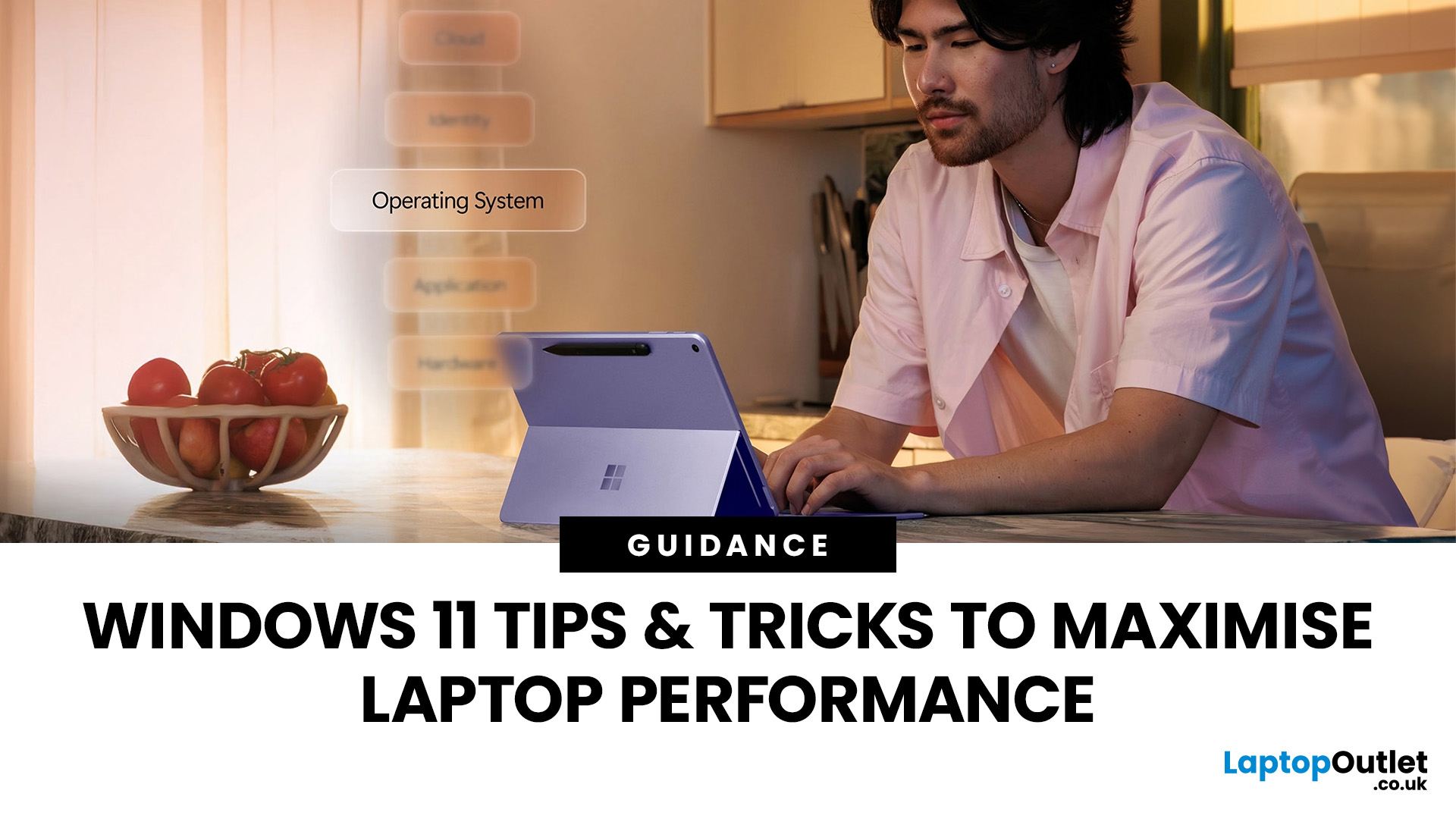
Windows 11 has brought a modern, elegant design and a range of improvements that make computing smoother, smarter, and more secure. However, even the best laptops can slow down over time if not maintained properly. Whether the laptop is brand new or has been used for a while, a few clever Windows 11 laptop performance tweaks can make a big difference to speed, responsiveness, and battery life.
Thinking about upgrading but not sure if Windows 11 is really worth it? Find out how it compares to Windows 10 in terms of speed, features and everyday performance in our full breakdown on Windows 11 vs Windows 11 laptop.
This guide covers easy, practical Windows 11 laptop tips to help you speed up your laptop and keep it performing at its best.
Why Laptop Performance Slows Down
Over time, laptops may take longer to boot, apps can lag, and multitasking can feel sluggish. This is usually caused by
Last Updated: May 06, 2026
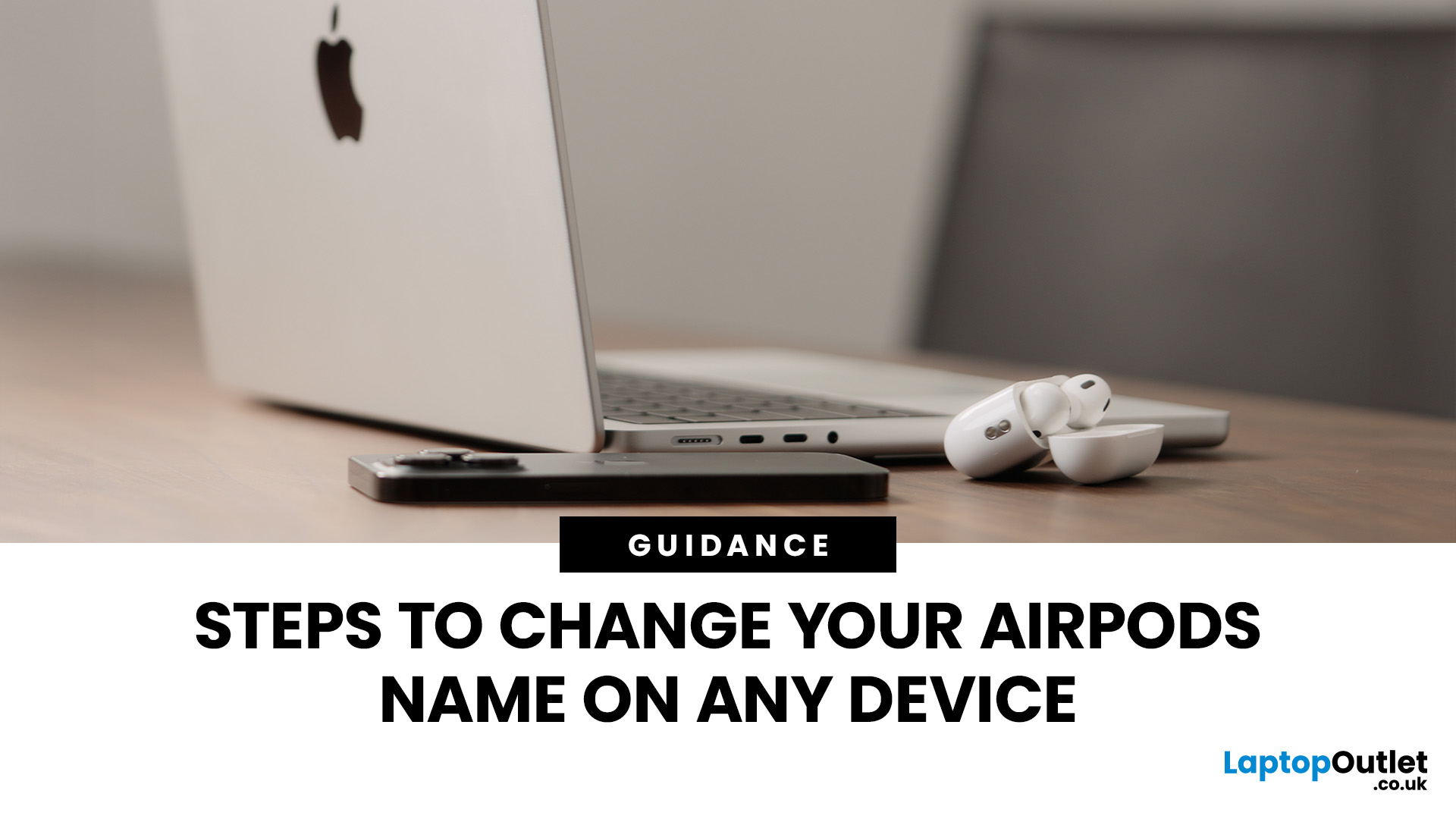
Your Apple AirPods are a brilliant piece of kit, but sometimes the default name – usually something like '[Your Name]'s AirPods' – just doesn't feel personal enough.
Perhaps you have multiple pairs, or maybe you've bought them second-hand and want to shake off the previous owner's tag. Whatever your reason, learning how to rename AirPods is a simple process that helps you personalise your wireless earbuds.
This comprehensive guide will walk you through the simple steps to rename AirPods across all the common platforms.
Renaming Your AirPods on iPhone or iPad (The Easiest Way)
Renaming your AirPods on an iOS or iPadOS device is arguably the simplest method. The change will then update automatically on any other Apple device you own that uses the same Apple ID.
Steps to Rename Your AirPods on iPhone or iPad
- Ensure Connection: Make sure your AirPods are connected to your iPhone or iPad. The quickest way to do this is to open the AirPods case lid near your unlocked device, or place the AirPods

Last Updated: January 21, 2026
For a long time, tablets were seen as secondary devices. Great for Netflix, decent for browsing, but not serious enough for work or study.
That perception is officially outdated.
In 2026, Windows tablets have evolved into some of the most versatile devices you can buy. They’re no longer just tablets that can do work, they’re powerful, flexible computers that happen to be touch-first.
Whether you’re a student, a professional, or someone who wants one device that does everything, this guide breaks down the top Windows tablets in the UK 2026, how they perform in real life, and which models actually make sense to buy right now.
No hype. No spec-sheet dumping. Just clarity.
Why Windows Tablets Matter More Than Ever in 2026

The biggest reason Windows tablets have taken off again is simple: people want flexibility without compromise.
Windows tablets sit in a unique position between laptops and Android tablets. They give you:
- Full desktop software
- Proper multitasking
- Touch and pen support
- Detachable

Last Updated: January 21, 2026
Windows tablets have quietly become one of the most practical tech buys in the UK, especially if you want proper laptop features without paying laptop money. Whether you’re studying, working remotely, or just need a flexible everyday device, a Windows tablet (or budget 2 in 1 Windows tablet) can often do the job of both a tablet and a laptop.
In this 2026 guide, we’re breaking down the best Windows tablets in the UK by price, under £300, and £500 and explaining what you can realistically expect at each level. No hype, no spec overload, just clear advice to help you spend smart.
Why Choose a Windows Tablet Instead of Android or iPad?

Before diving into budgets, it’s worth understanding why people choose Windows tablets in the first place.
A Windows tablet gives you:
- A full desktop operating system
- Proper file management (folders, drives, downloads)
- Compatibility with Microsoft Office and desktop apps
- Keyboard and mouse support
- Often, a 2-in-1 experience with detachable or foldable keyboards
Last Updated: March 09, 2026
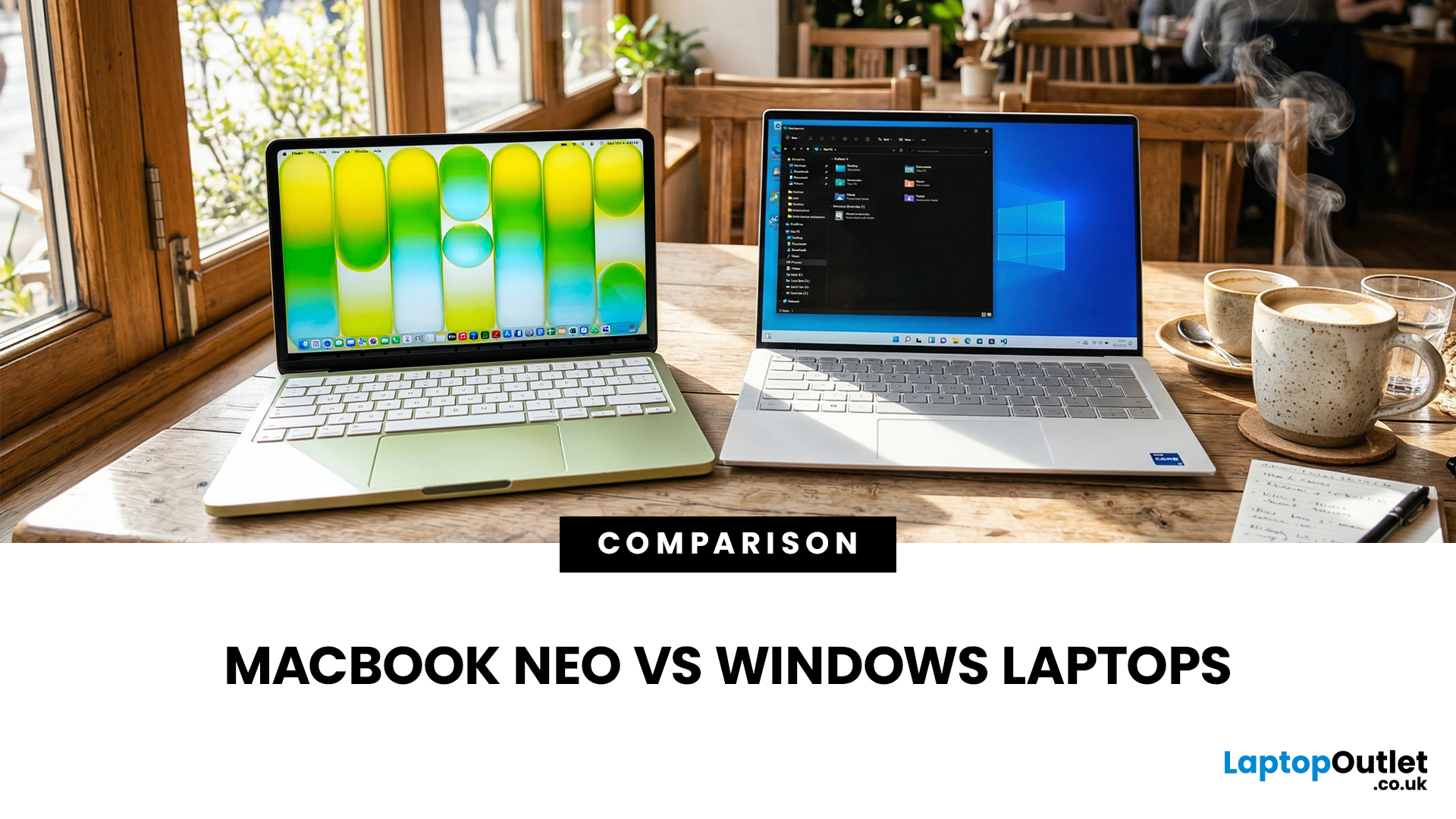
If you are comparing MacBook Neo vs Windows laptops, you are really asking one question: should you buy Apple’s cheapest Mac, or get a budget Windows laptop with more ports and more choice?
MacBook Neo is new, starts at £599, and is designed to be a simple, premium-feeling everyday laptop with macOS, long battery life, and strong call quality.
Budget Windows laptops can offer more screen sizes, more ports, and sometimes better upgrade options. But quality is inconsistent in this price range, and that’s where Neo tries to win.
Below is the practical, buyer-focused breakdown.
10-Second Answer Box
Choose MacBook Neo if
- You want the cleanest everyday experience for browsing, school, docs, and calls
- You value build quality and trackpad feel
- You want a laptop that stays fast and quiet for years, without tweaking settings
Choose a budget Windows laptop if
- You want more ports like HDMI and USB-A built in
- You need a bigger screen for the money
- You want the flexibility of Windows software and lots
Published: March 06, 2026
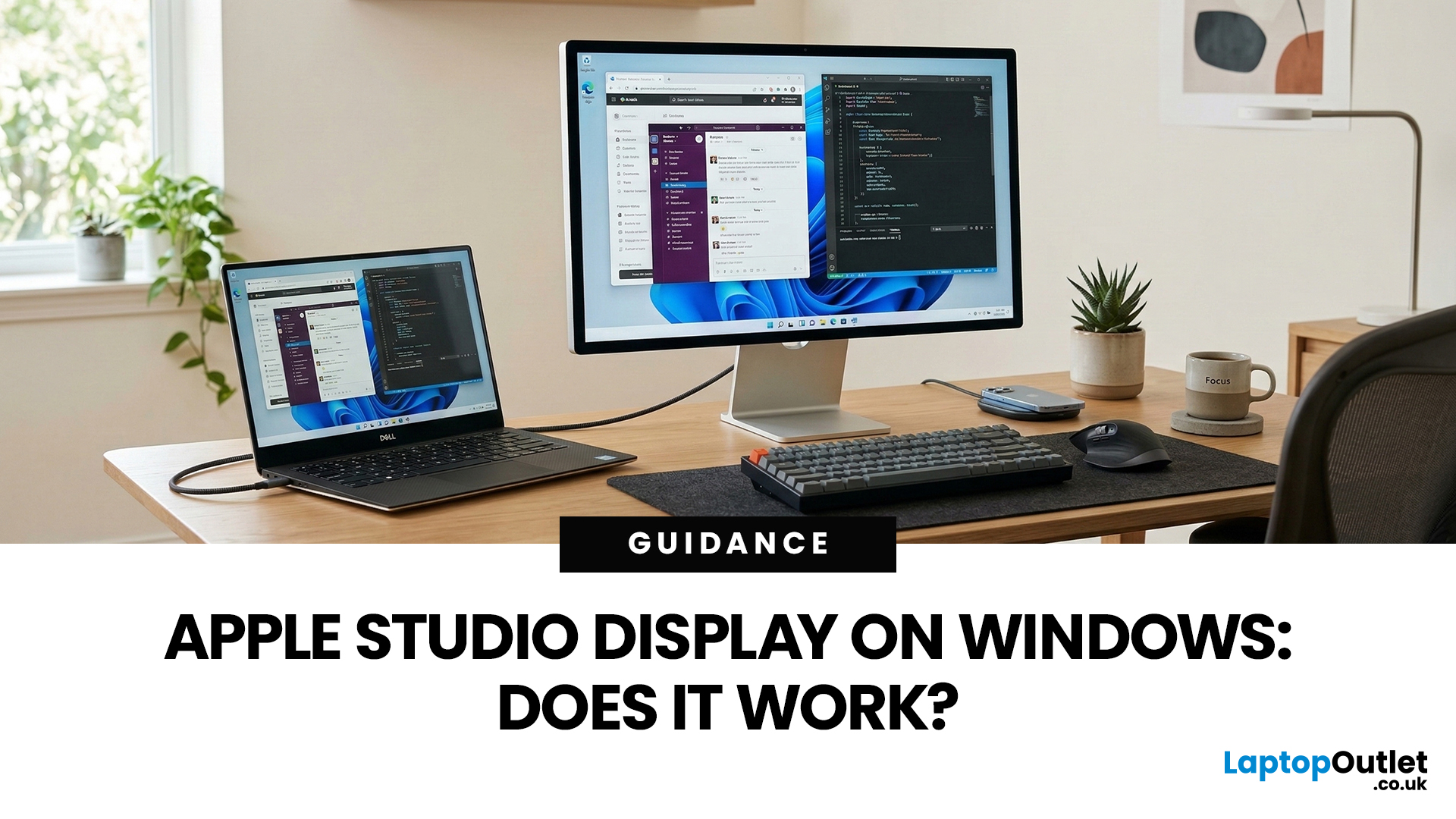
You’ve seen the Apple Studio Display. It’s sleek, stupidly sharp, and it makes your desk look like you’ve got your life together. But you’re on Windows. So, the big question is: Does Apple Studio Display work with Windows PCs? Yes, it can. But you won’t always get the full “Apple magic” experience on Windows.
Apple Studio Display + Windows: What Works vs What Doesn’t
Core Monitor Functions (generally work)
The good news: the basics are solid.
- You’ll get a picture (yep, it’s a monitor)
- Resolution and scaling can be adjusted in Windows settings
- It can act as an audio device (the built-in speakers often show up as an output option)
In other words: for day-to-day “I need a stunning screen”, you’re fine.
Features that May be Limited or Not Supported on Windows
Here’s where the “Apple ecosystem” bit starts showing:
- Center Stage (auto-follow webcam feature): usually not available as intended on Windows
- True Tone (auto colour temperature shifts): Generally not supported
- Firmware updates: typically
Last Updated: July 06, 2026
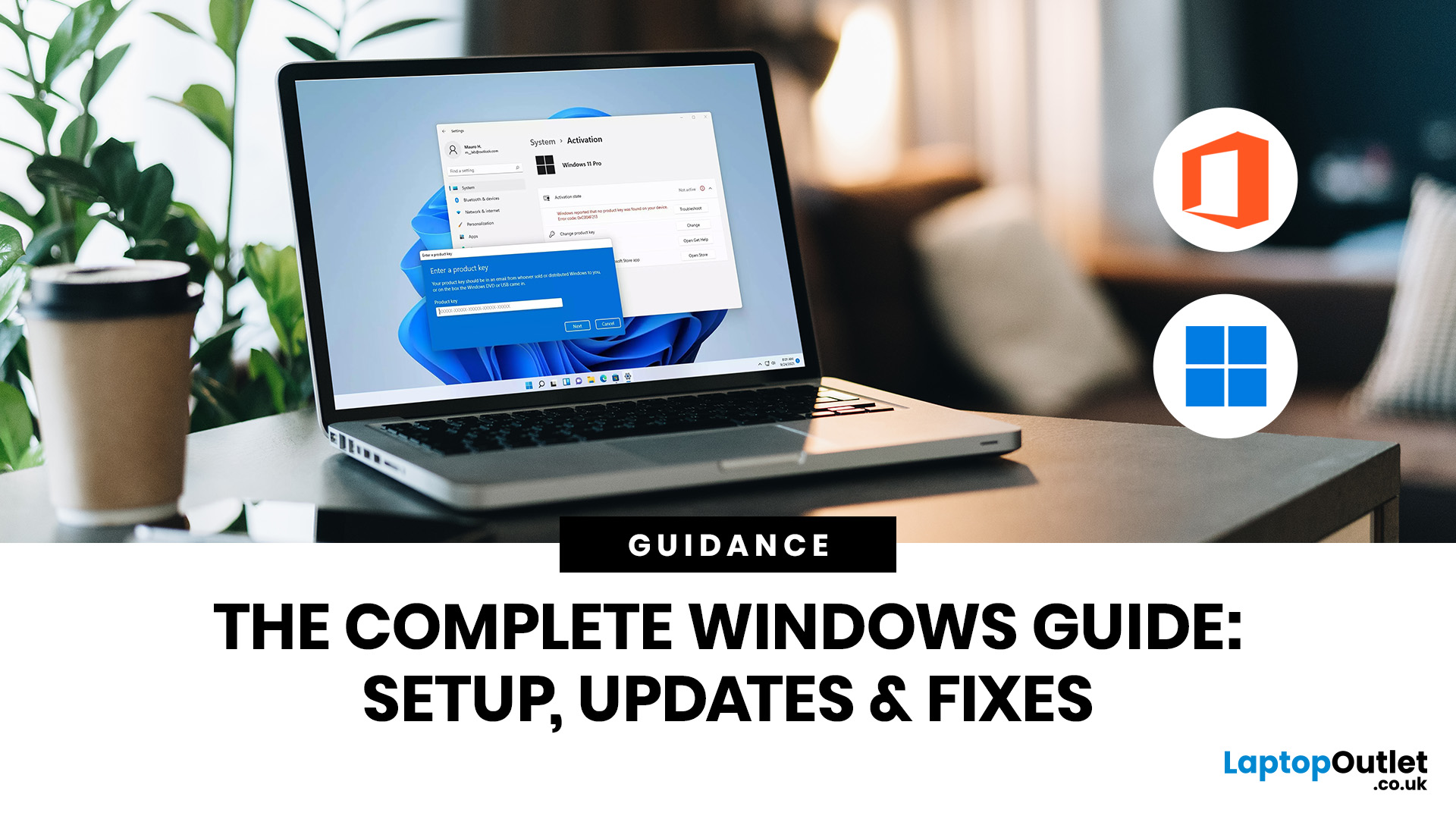
If you need to activate Windows Office key products on a new or existing device, the good news is that the process is usually straightforward once you know which licence you have. Whether you are looking for a Windows activation guide, Microsoft Office activation steps, or a quick fix for an activation error, this guide walks you through it in plain English.
Windows 10 and Windows 11 can be activated with either a 25-character product key or a digital licence, while Microsoft 365 and standalone Office versions are typically activated by signing in with the Microsoft account, or work or school account, linked to the purchase.
What is a Microsoft Activation Key?
A Microsoft activation key is usually a 25-character code used to activate Windows or redeem certain Office purchases. For Windows, activation depends on either a product key or a digital license. For newer Office and Microsoft 365 products, the Microsoft account attached to your purchase often replaces the product key for reinstalling
Last Updated: April 22, 2026
Stop reaching for the mouse every five seconds. Windows keyboard shortcuts are one of the fastest, simplest ways to boost your daily output - whether you're writing reports, navigating spreadsheets, or juggling a dozen open tabs at once.
This complete guide covers every shortcut worth knowing across Windows 10 and Windows 11, from the basics to the more advanced tricks that most people never discover.
Why Keyboard Shortcuts Are Worth Learning
Most people pick up one or two shortcuts by accident and never go any further. Yet the productivity gap between someone who relies on a mouse and someone genuinely fluent in shortcuts is striking - you spend less time clicking, less time searching, and considerably more time actually doing the work.
Here's what mastering shortcuts gives you:
- Speed: Tasks that take three clicks happen in milliseconds
- Concentration: Your hands stay on the keyboard, your eyes on the screen
- Less strain: Reduced repetitive mouse movement means fewer aches over a long

