




Blog Categories





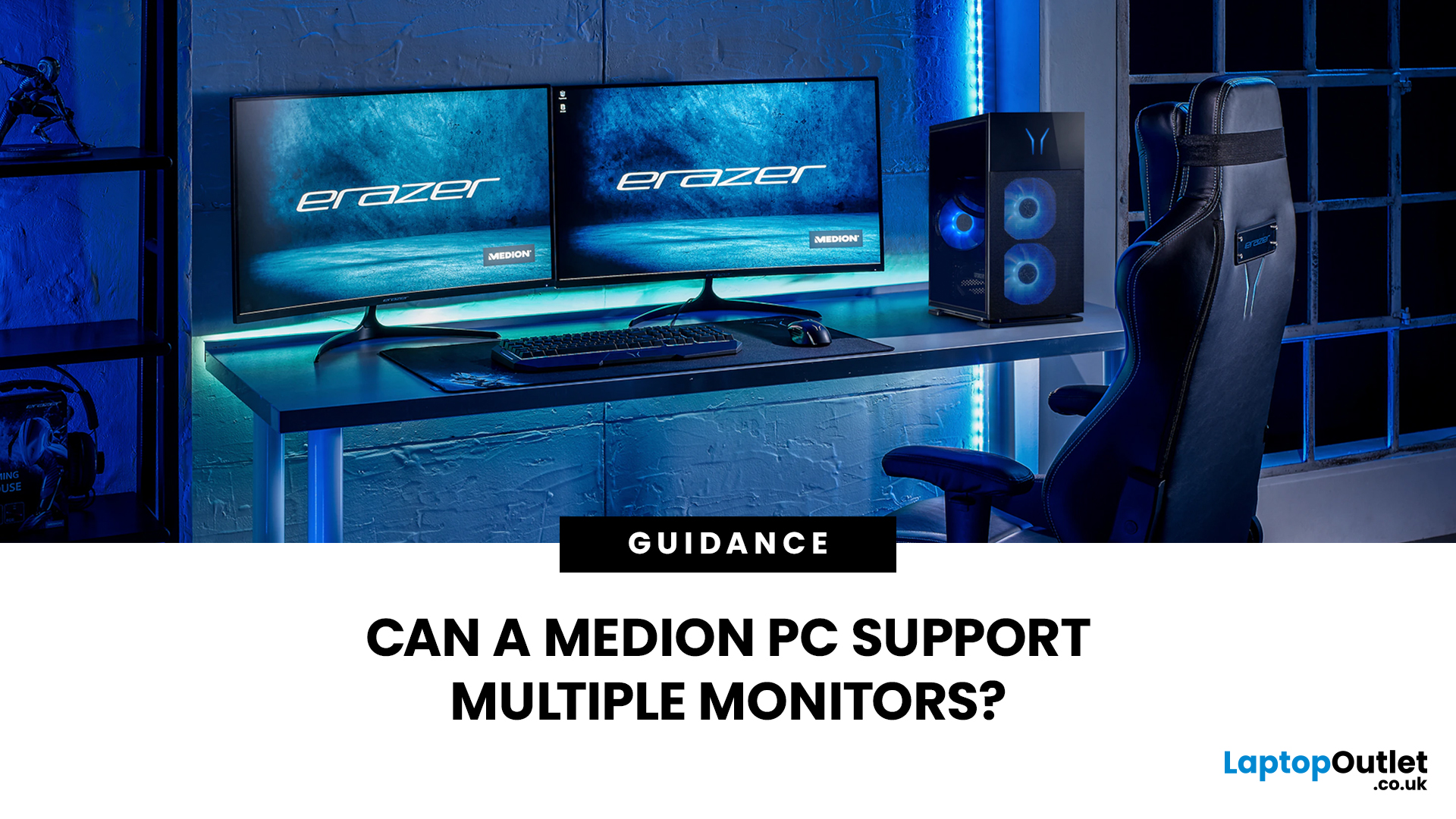 Can a Medion PC Support Multiple Monitors?

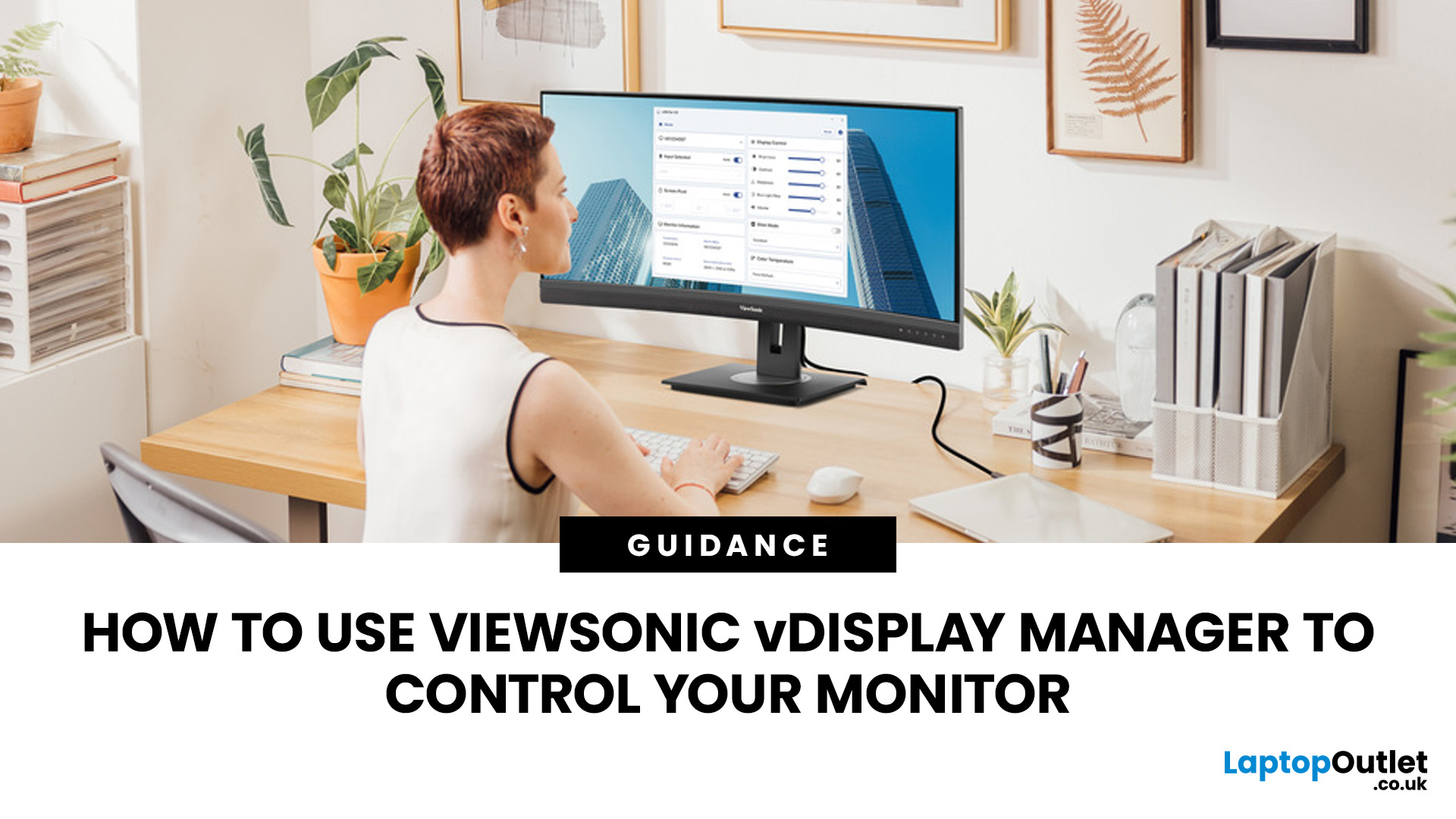 How to Use ViewSonic vDisplay Manager to Control Your Monitor
Reaching behind your monitor every time you want to change the brightness or switch inputs can quickly become inconvenient. ViewSonic vDisplay Manager gives you another option by bringing compatible monitor controls directly onto your computer.
With the software, you can manage settings such as brightness, contrast, input source, ViewMode, colour temperature and screen orientation using your mouse. The exact controls available depend on your ViewSonic monitor model.
This guide takes you through downloading the software, connecting your display and adjusting the settings you are most likely to use.
What is ViewSonic vDisplay Manager?
It is desktop software designed to let you manage compatible ViewSonic monitor settings from your computer. Instead of navigating the monitor's physical OSD controls each time, you can make supported adjustments through a software interface.
This is particularly useful if you regularly alter your screen for different tasks, switch between connected devices or
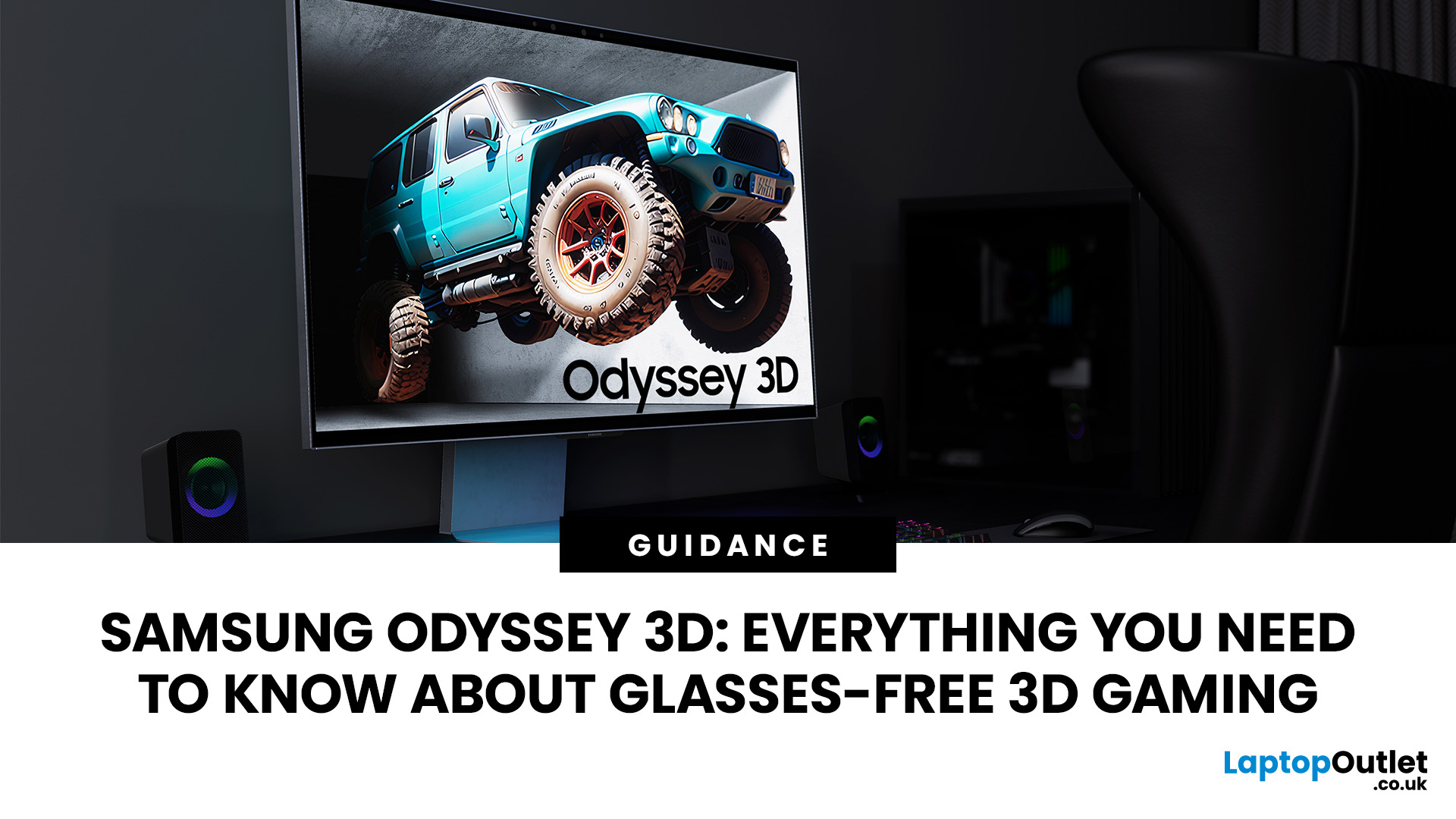 Samsung Odyssey 3D: Everything You Need to Know About Glasses-Free 3D Gaming
The Samsung Odyssey 3D takes a different route to gaming immersion. Instead of requiring a headset or 3D glasses, this 27-inch 4K monitor uses eye tracking, view mapping and a lenticular lens to create a stereoscopic 3D display from your normal seated position. You can also switch back to conventional 2D gaming whenever you want.
What is the Samsung Odyssey 3D?
The Samsung Odyssey 3D G90XF is a 27-inch flat IPS gaming monitor combining 4K UHD, 165Hz and a 1ms GtG response time with Samsung's Odyssey 3D Hub software. It also supports HDR10+ Gaming, AMD FreeSync Premium, and NVIDIA G-SYNC compatibility.
Key Features of the Samsung Odyssey 3D
Its headline feature is Samsung glasses-free 3D technology, powered by real-time eye tracking and view mapping. You also get stereo speakers, Edge Lighting, an adjustable stand, HDMI 2.1 and DisplayPort 1.4.
Who is the Samsung Odyssey 3D designed for?
This Samsung 3D gaming monitor suits PC gamers who value immersion, play supported titles and want one
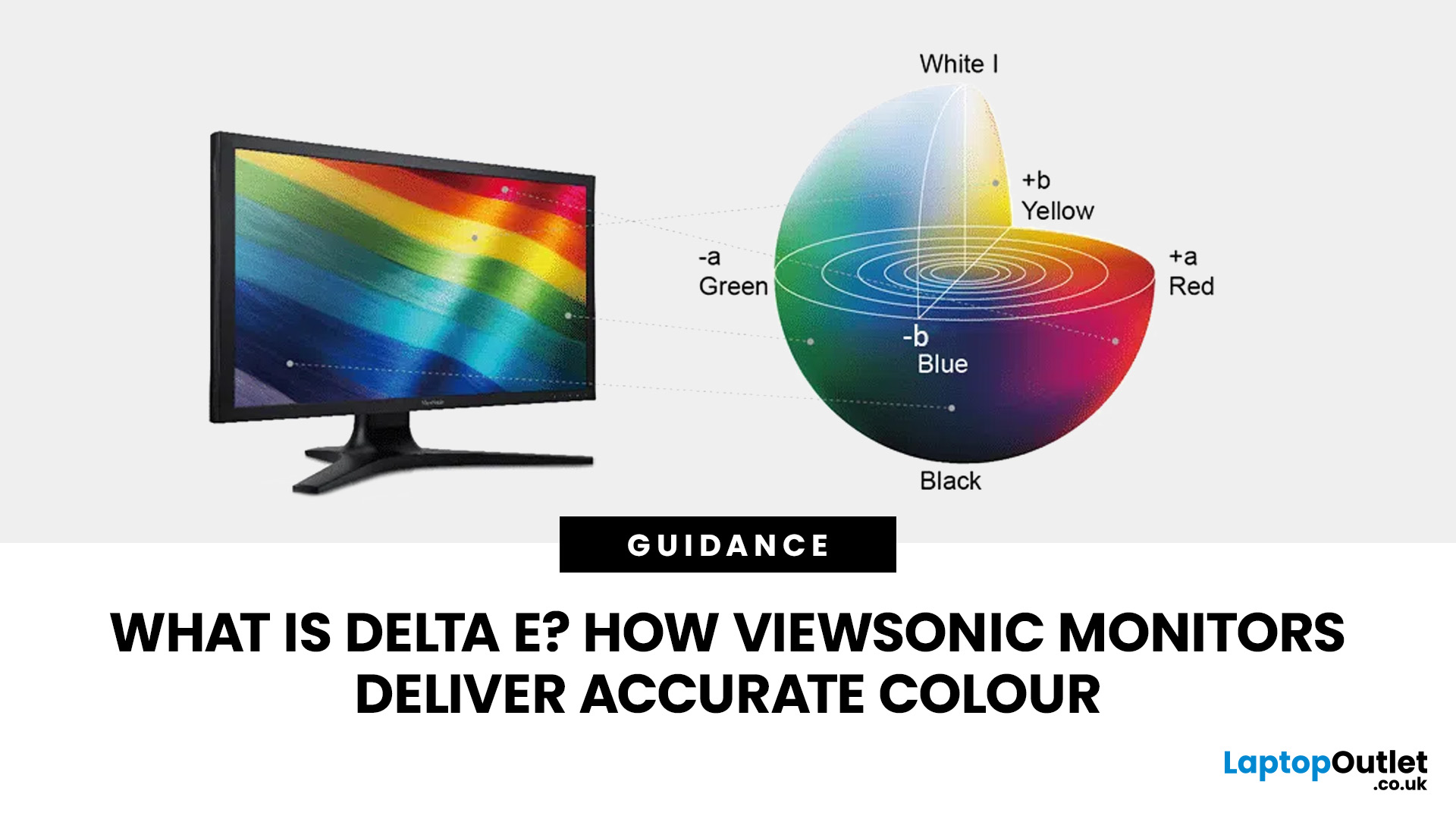 What is Delta E How ViewSonic Monitors Deliver Accurate Colour
Have you ever edited a photo until it looked perfect on your screen, only to see different colours elsewhere? This often comes down to monitor colour accuracy. Delta E measures how closely a display matches true colours, the lower the value, the more accurate the screen. It’s especially important for photographers, designers, and video editors. ViewSonic’s ColorPro range, including models like the VP2766-2K, is factory calibrated for Delta E < 2 accuracy. Here’s what Delta E means and how it compares to sRGB coverage when choosing a monitor.
What Does Delta E Mean on a Monitor?
Delta E, written as ΔE, is a colour difference measurement. It calculates how far a reproduced colour differs from a reference colour.
Think of it this way: if your editing software tells the monitor to display a precise shade of red, Delta E helps quantify how closely the red appearing on the screen matches that intended colour.
A Delta E of zero represents no measurable difference between the target and reproduced
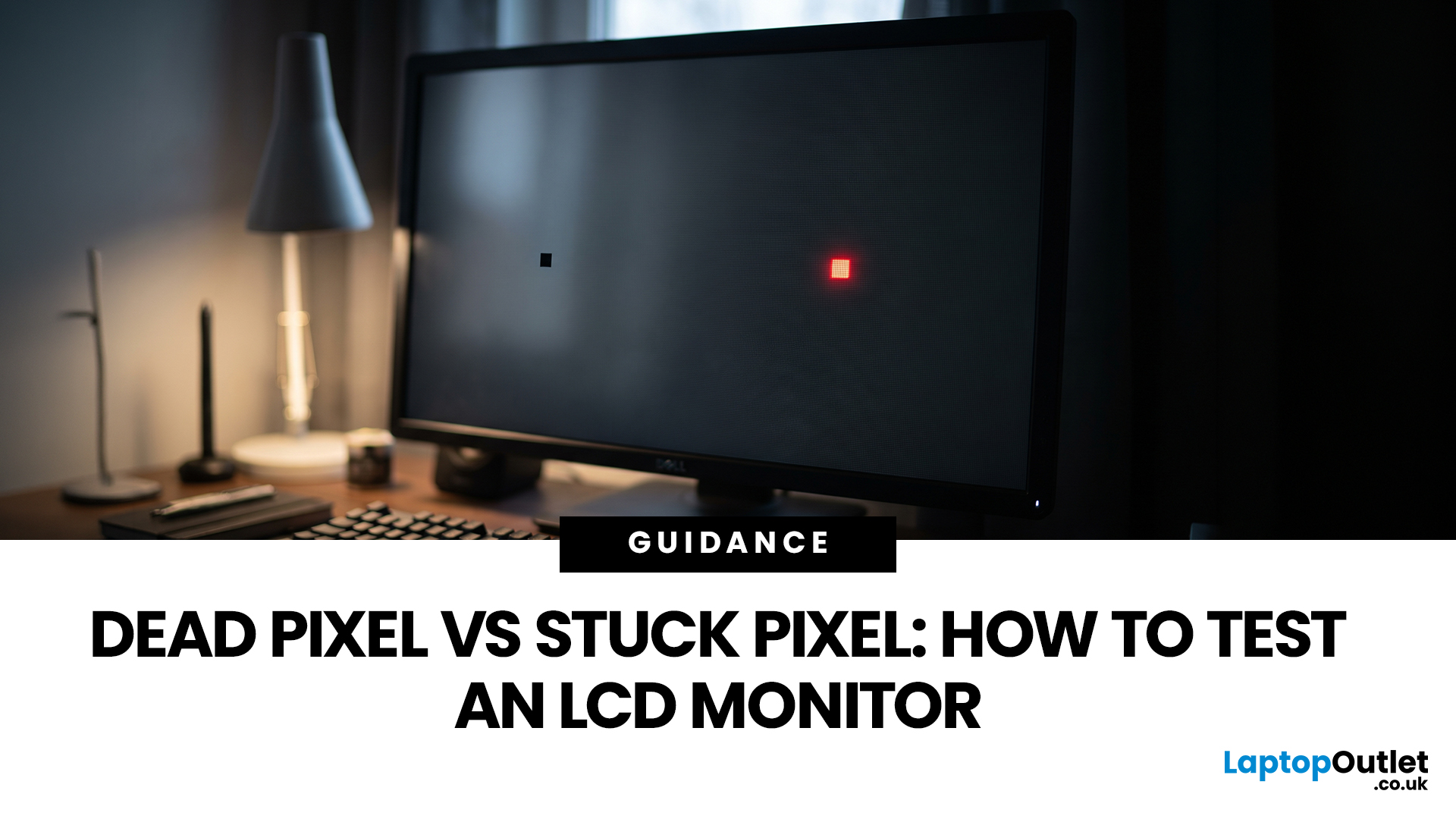 Dead Pixel vs Stuck Pixel: How to Test an LCD Monitor
A tiny black, white or coloured dot can be hard to ignore once you notice it on an LCD monitor. The mark may be a pixel fault, a subpixel problem, dust on the panel or an image issue from the connected device.
Understanding dead vs stuck pixel behaviour helps you identify what you are seeing before you try to fix it. This guide explains how the defects differ, what causes them, how to run a safe LCD monitor pixel test, and when repair, return or replacement makes more sense.
How Pixels and Subpixels Work on an LCD Monitor
An LCD screen creates an image from a grid of pixels. A standard colour pixel is normally made from red, green and blue subpixels. By changing how much light each subpixel passes, the display produces different colours.
This structure explains why faults can look different. If all colour components at one position fail to produce the required output, the point may appear black. If only one subpixel remains on or off, the result may look red, green, blue or slightly different
 Are 4k gaming monitor 144hz Worth It in 2026? Benefits, Performance and Buying Guide
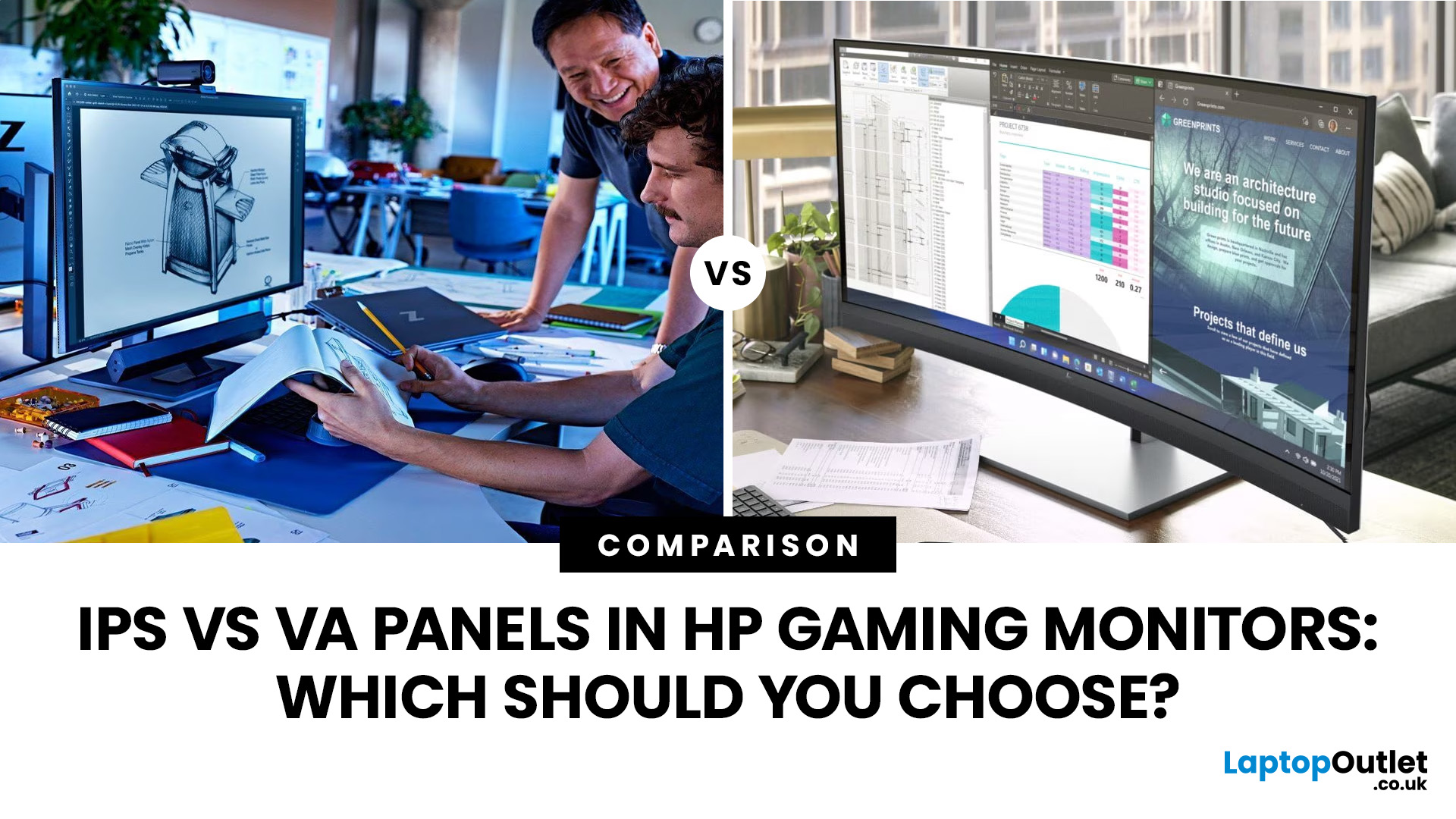 IPS vs VA Panels in HP Gaming Monitors Which Should You Choose
IPS panels are usually the better choice for competitive gaming, wider viewing angles and mixed gaming and creative work. VA panels generally deliver deeper blacks and stronger contrast, making them attractive for immersive games in darker rooms. However, the IPS vs VA panel decision should also consider the monitor’s exact response time, refresh rate, resolution, adaptive sync, and measured performance. Read our complete guide to gaming monitor panels for a full breakdown of IPS vs VA and other display technologies.
IPS vs VA Panels: Quick Comparison
| Feature | IPS Panel | VA Panel |
| Native contrast | Usually lower | Usually higher |
| Black depth | Blacks can appear grey in dark rooms | Deeper blacks in suitable conditions |
| Viewing angles | Wider and more consistent | Narrower, with more off-centre variation |
| Fast-motion clarity | Generally cleaner | Can show dark smearing |
| Colour consistency | Usually strong across the screen | Can change more when viewed off-centre |
| Colour accuracy | Depends on the individual monitor | Depends |
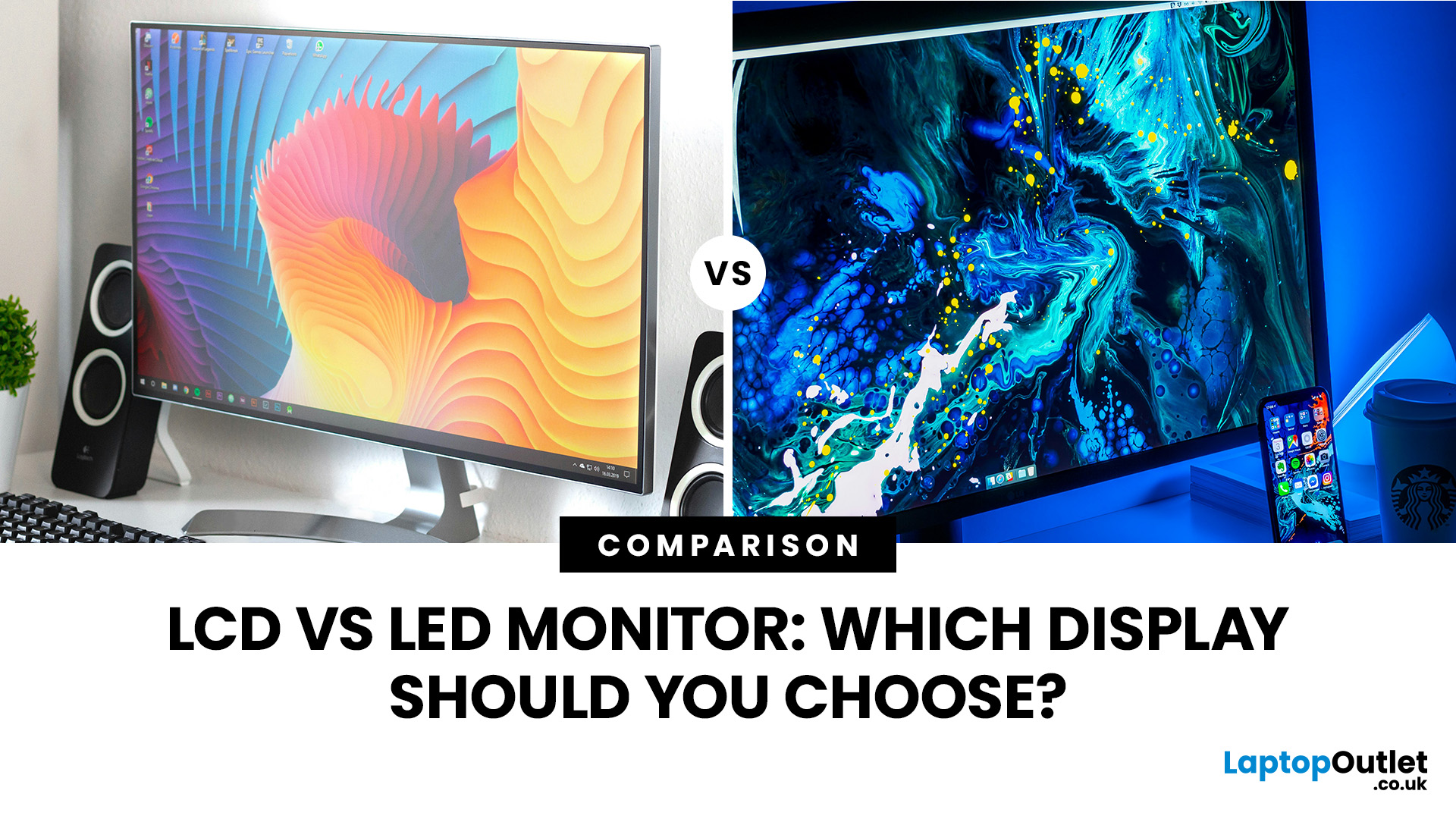 LCD vs LED Monitors Which Display Should You Choose
Comparing LCD vs LED monitors? An LED monitor is an LCD that uses energy-efficient LED backlighting, while older LCDs typically use fluorescent CCFL lights.
LED-backlit models are generally slimmer, more efficient and more widely available. However, the LED label alone does not guarantee better colours, smoother gaming or greater eye comfort. Panel type, refresh rate, response time, resolution and brightness all matter too.
LCD vs LED Monitors at a Glance
The main difference between a traditional LCD monitor and an LED monitor is the backlight. A traditional LCD commonly uses CCFL tubes, while an LED monitor uses smaller light-emitting
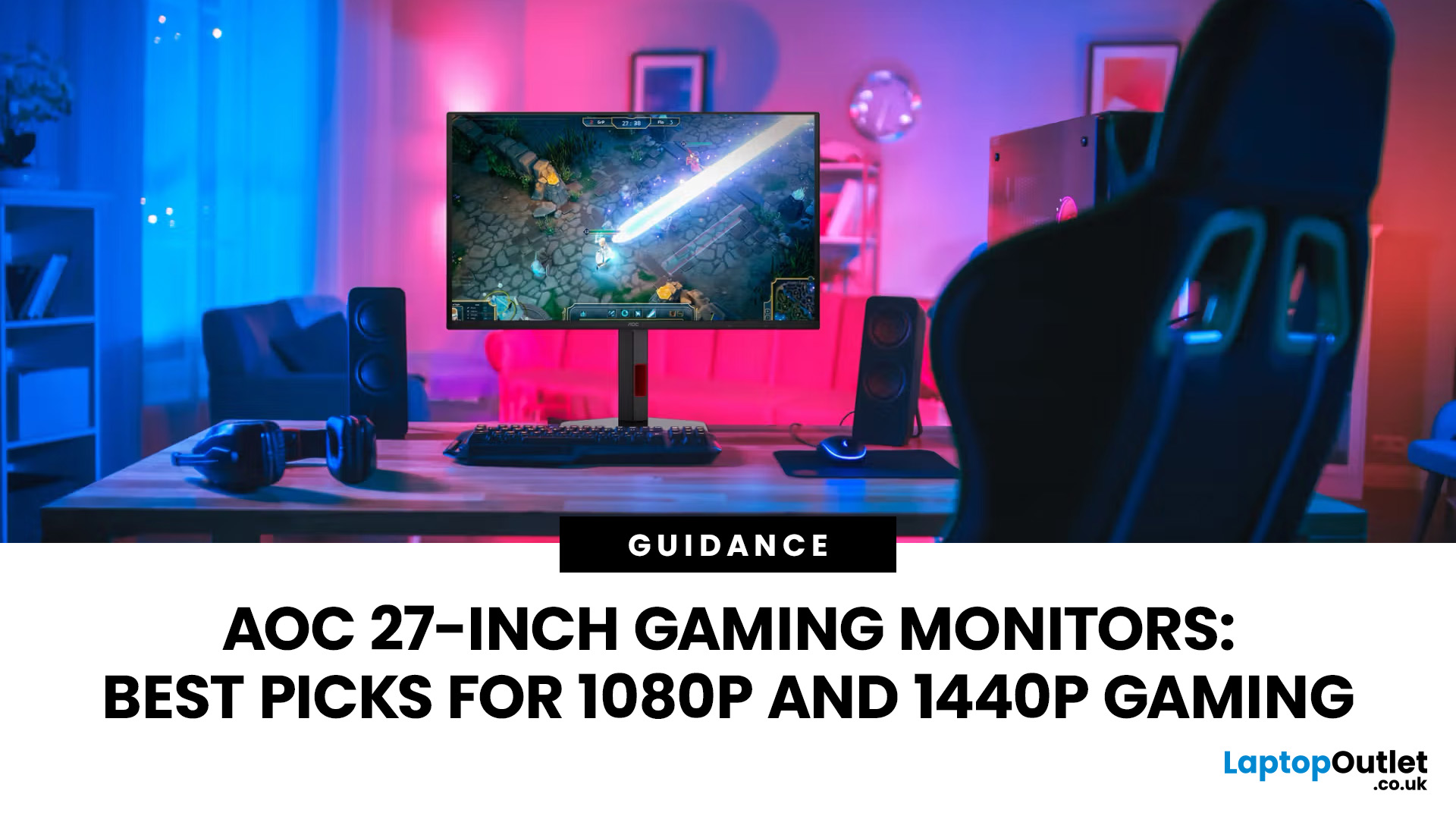 AOC 27-Inch Gaming Monitors: Best Picks for 1080p and 1440p Gaming
An AOC gaming monitor 27 inch screen gives you plenty of room to play without taking over your whole desk. The key decision is resolution.
The best AOC gaming monitor 27 inch choice for most players is the Q27G42ZE, thanks to its sharp QHD resolution, Fast IPS panel and 240Hz native refresh rate. Choose the C27G4ZXE for competitive 1080p gaming, the Q27G3XMN/BK for stronger HDR, or the AG276UZD for premium 4K QD-OLED visuals. Your ideal model ultimately depends on your GPU, preferred games, target frame rate and available budget, plus your PC or console setup.
Full HD makes high frame rates easier to achieve, while QHD produces a noticeably sharper picture. If your budget and graphics card can go further, 4K QD-OLED delivers another level of detail, colour and contrast.
AOC 27 Inch Gaming Monitors at a Glance
| Model | Resolution | Panel | Refresh Rate | Best For |
| AOC AGON AG276UZD | 3840 × 2160 | QD-OLED | 240Hz | Premium 4K gaming |
| AOC Q27G42ZE | 2560 × 1440 | Fast IPS | 240Hz, 260Hz overclocked | High-refresh QHD |
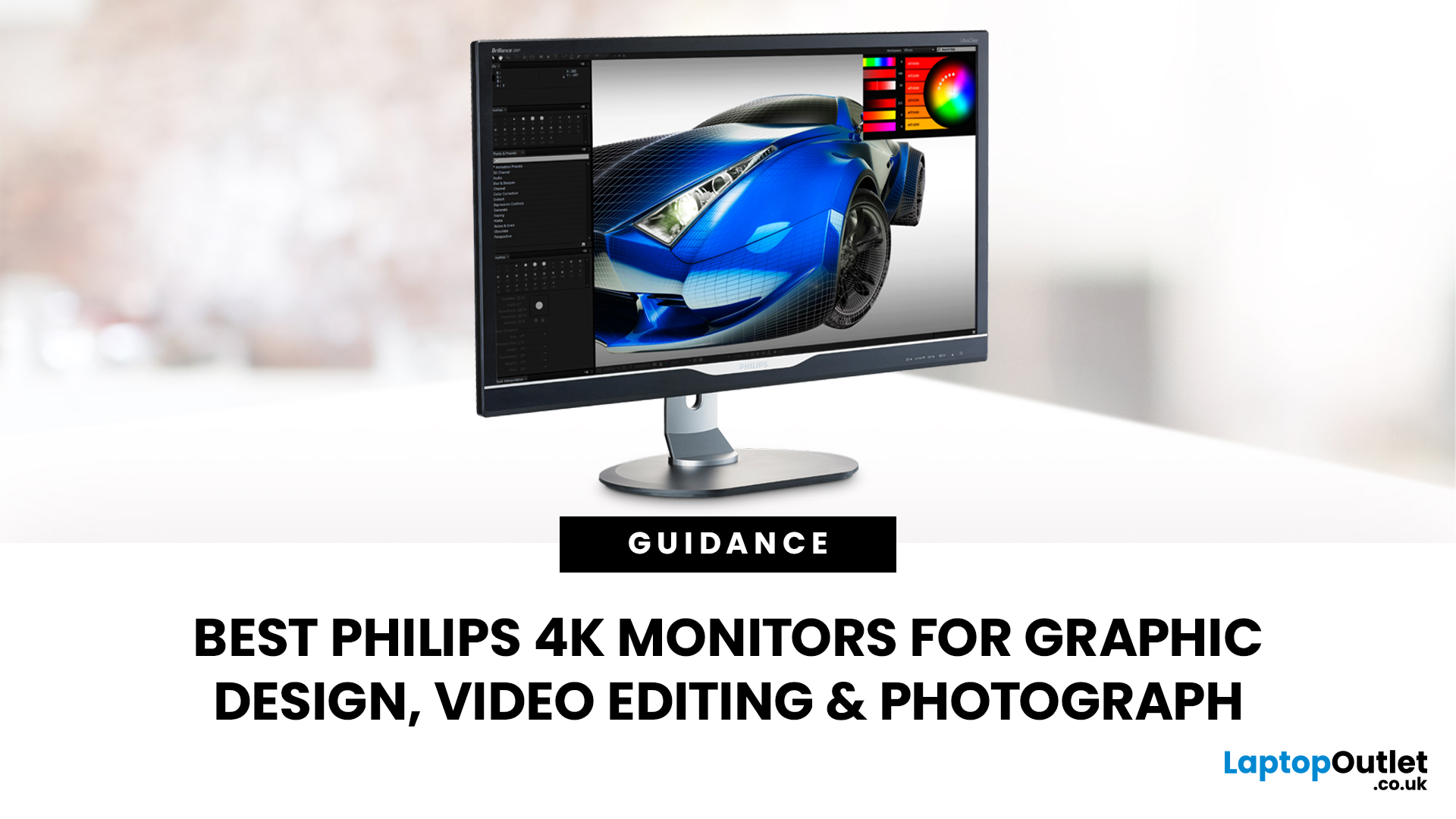 Best Philips 4K Monitors for Graphic Design, Video Editing and Photography
Creative work depends on display quality, from colour accuracy to detail clarity.
The best Philips 4K monitors for creative work include the 27E1N1800AE for affordable 4K clarity, the 27E1N1900AE for convenient USB-C laptop connectivity and the curved 328E1CA for a larger editing workspace. A 27-inch IPS model suits most designers and photographers, while a 31.5-inch VA display offers stronger contrast and more room for video timelines. Choose according to colour requirements, connectivity, available desk space and your everyday creative workflow needs.
These 4K monitors deliver four times Full HD resolution for sharper visuals and more workspace, but panel type, colour performance and connectivity are just as important.
This guide highlights the best Philips 4K options for design, video editing and photography. It also highlights key considerations so you can compare different computer monitors for designers more effectively.
Best Philips 4K Monitors at a Glance
| Philips Monitor | Best For |
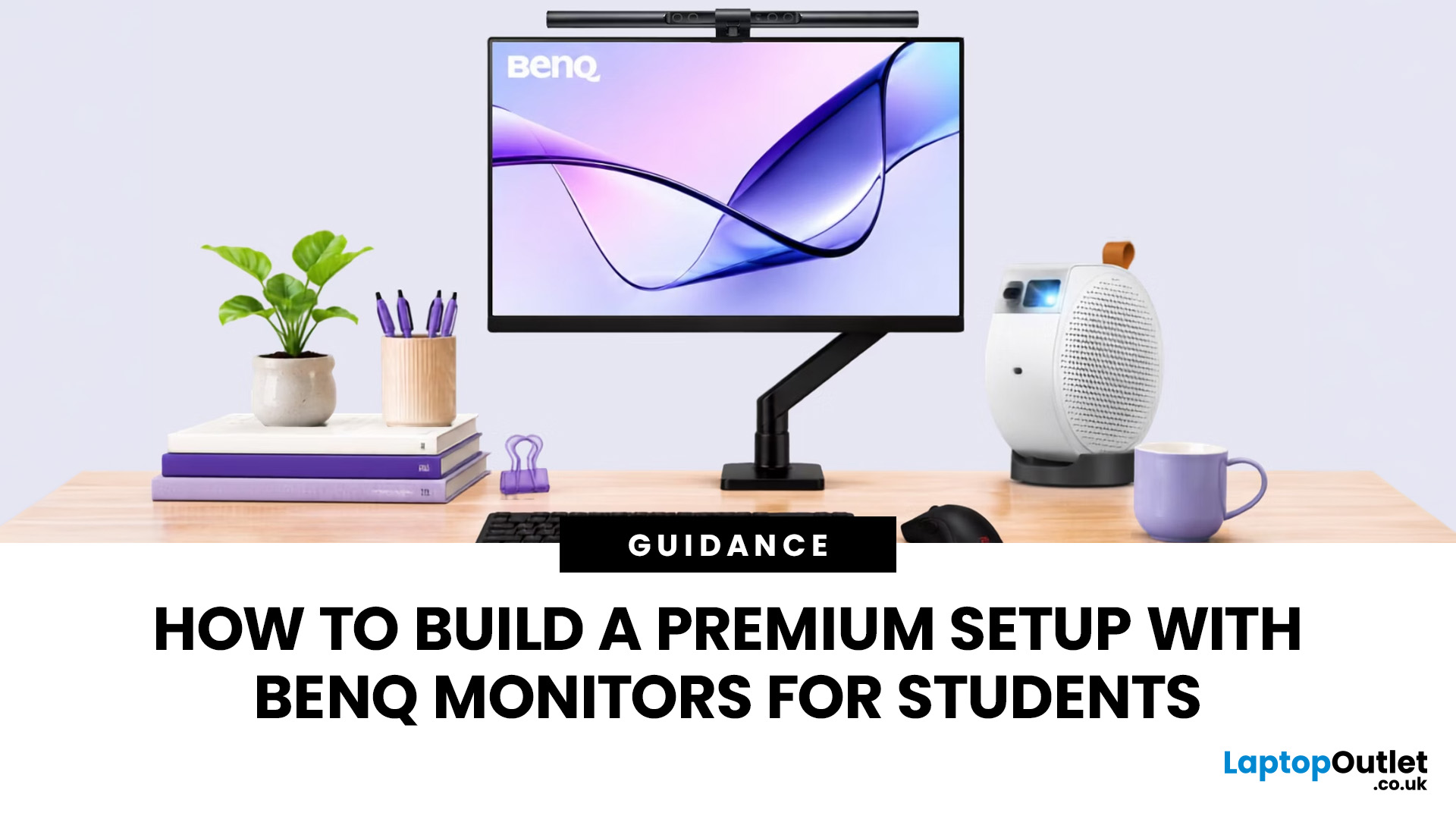 How to Build a Premium Setup with BenQ Monitors for Students
BenQ monitors for students can create a more comfortable and capable workspace for coursework, research, creative projects and downtime. The right display should suit your course, desk space, laptop and daily routine rather than simply offer the highest resolution. For many students, the strongest setup combines clear text, useful screen space, simple connectivity and enough versatility for life beyond studying.
A premium student monitor setup is not defined by one specification. A compact high-resolution screen may work better in university accommodation, while a larger display can make research, timelines and spreadsheets easier to manage. Room lighting, USB-C charging, ergonomics and gaming needs also influence the decision. This guide compares BenQ's Mac-focused MA Series with a faster mixed-use alternative and explains where each approach makes practical sense.
Compare the Best BenQ Monitors for Students in 2026
| Model | Display | Colour and HDR | Laptop Connection | Best Student Use |
|
|
 How to Fix a Dell Monitor That Won’t Turn On
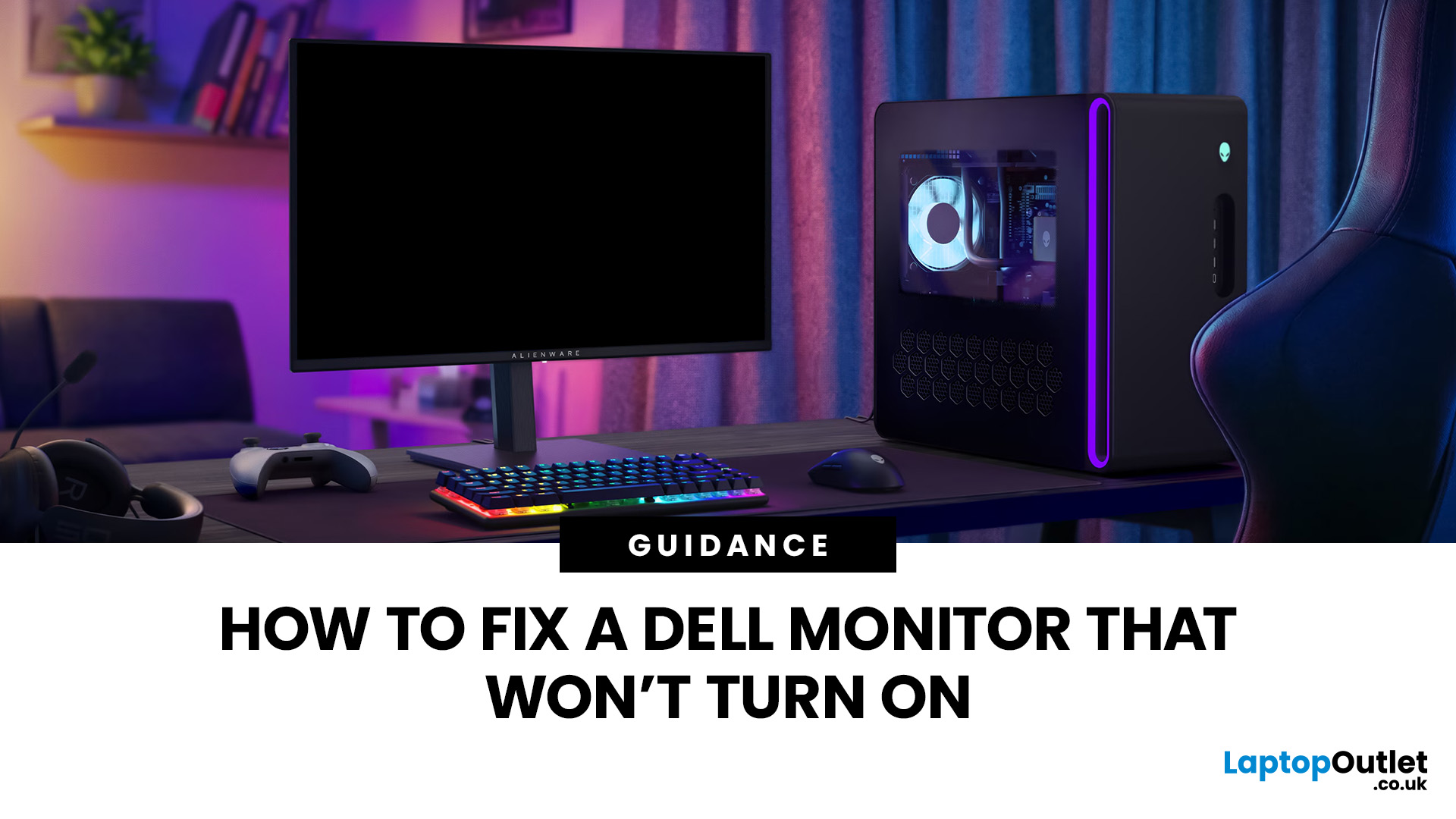
If your Dell monitor won’t turn on, don’t assume the screen is dead straight away. The issue could be as simple as a loose power cable, the wrong input source, or a dodgy HDMI connection.
The key is to identify what your monitor is actually doing. Is there no power light at all? Does the screen stay black even though the power LED is on? Or are you seeing a “No Signal” message?
Let’s work through the checks in the right order so you can find the problem without randomly swapping settings or buying hardware you might not need.
First, Check What Your Dell Monitor is Doing
A Dell monitor not turning on can mean a few different things.
| What You See | What to Check First |
| No power light | Socket, power cable, adapter and monitor power |
| Power light but black screen | Video cable, PC output and monitor diagnostics |
| “No Signal” message | HDMI/DisplayPort connection and input source |
| Screen works briefly then goes blank | PC, graphics connection or display hardware |
Making this distinction matters because a monitor