



How Lenovo is Powering FIFA World Cup 2026 with AI-Driven Broadcast Innovation
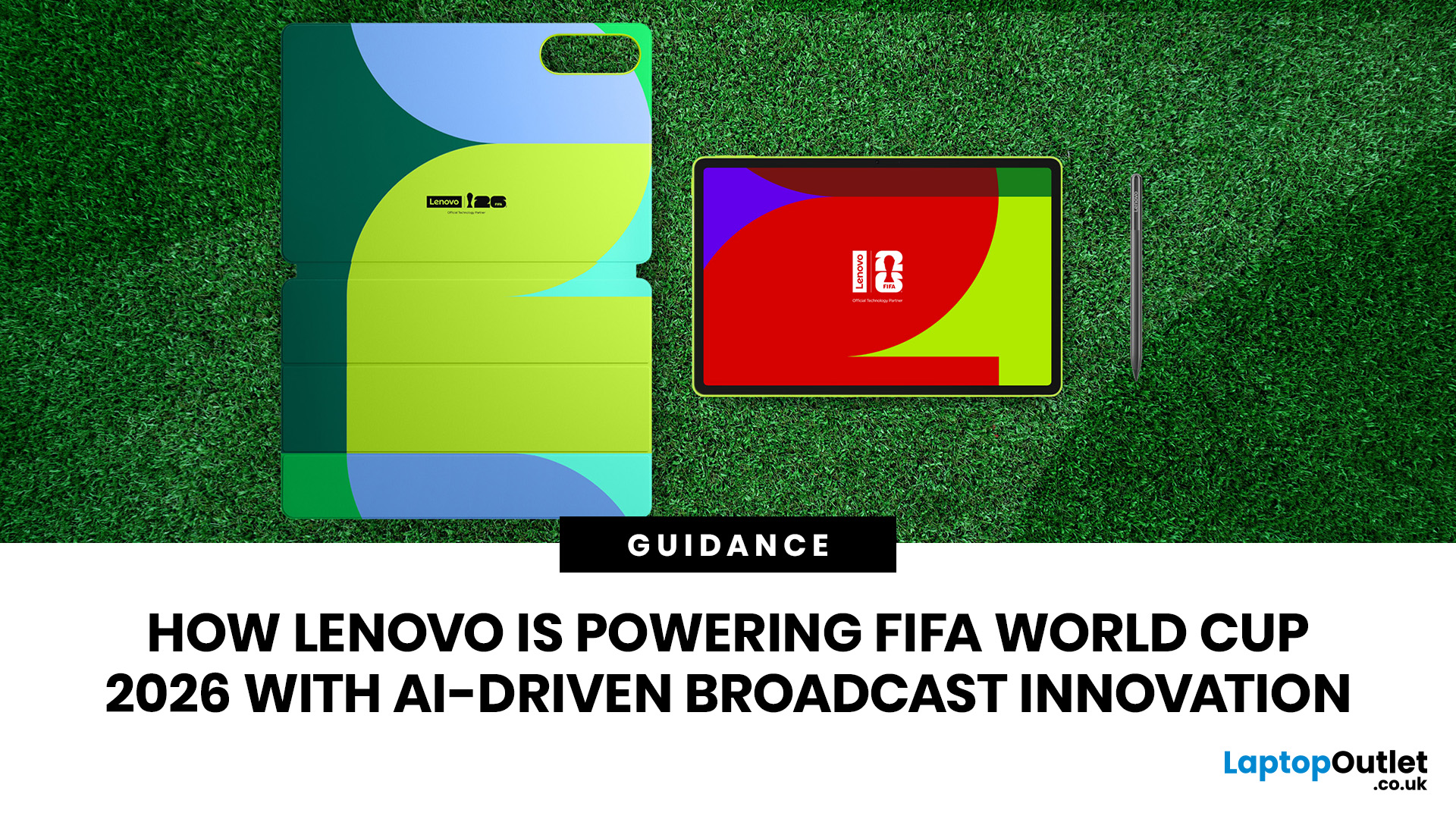
Lenovo technology is helping FIFA deliver a smarter and more connected FIFA World Cup 2026. Through advanced AI technology, intelligent infrastructure, and innovative broadcasting tools, Lenovo is transforming how matches are produced, analysed, and experienced by fans, broadcasters, teams, and tournament organisers worldwide.
The FIFA World Cup 2026 is in full swing across Canada, Mexico, and the United States, bringing unprecedented broadcasting demands. As the first 48-team FIFA World Cup with 104 matches, the tournament generates huge volumes of live video, data, and analysis that must be delivered instantly to global audiences.
This is where Lenovo technology plays a crucial role. Through the Lenovo FIFA partnership, Lenovo is supporting FIFA World Cup 2026 broadcasting with Lenovo AI-powered infrastructure, edge computing, connected devices, and near real-time IPTV delivery. Behind every match, Lenovo helps broadcasters manage complex workflows, ensuring fans enjoy a faster, smarter and more immersive viewing experience.
Lenovo and FIFA: A Proper Big-Match Technology Partnership
Lenovo is FIFA’s Official Technology Partner for FIFA World Cup 2026 and FIFA Women’s World Cup 2027. The partnership covers AI innovation, devices, data centre infrastructure, services and solutions that support fan experiences, global broadcasts, and football analytics.
This matters because the FIFA World Cup is not just 90 minutes on a screen. Behind every match are live feeds, data pipelines, production teams, venue systems, IPTV screens, match officials, security teams, coaches, analysts, and millions of fans expecting instant access.
The Lenovo FIFA partnership brings together football’s biggest stage and Lenovo’s full-stack technology approach. It connects Lenovo infrastructure solutions, AI-ready devices like Lenovo laptops with AI features, servers, edge systems, Motorola mobile devices and software-led services into one tournament-wide technology backbone.
Why Lenovo Technology Matters at World Cup Scale

At club level, a slow replay or delayed feed is annoying. At the FIFA world cup, it becomes a global problem.
World Cup broadcasting technology has to work across stadiums, media areas, fan zones, VIP spaces, operational hubs and global broadcast partners. Every second matters because the modern fan expects live action, clean visuals, instant clips and match data before the commentator has finished the sentence.
Lenovo technology is being used to support near real-time access to live match action, smarter operational monitoring and faster issue detection. That is the difference between “the feed dropped” and “we never noticed a problem”.
Even reliable devices need the right support plan, which is why our guide on Common Lenovo Laptop Issues: Quick Solutions & UK Support Pathways is useful for users who want to troubleshoot performance, battery, display, or connectivity problems before they interrupt live streaming.
FIFA World Cup 2026 Broadcasting is a Different Beast
FIFA World Cup broadcasting in 2026 is bigger because the tournament itself is bigger. There are 48 teams, 104 matches, and host cities spread across North America. That scale changes the entire broadcast challenge.
More matches mean more content. More venues mean more systems to manage. More fans mean more pressure on live distribution. More digital platforms mean more demand for highlights, stats, clips, and behind-the-scenes moments.
And let’s be honest, football fans in 2026 have zero patience. They want the replay now. They want the offside graphic now. They want the tactical breakdown before half-time. They want the “how did he miss that?” angle instantly. That is why AI in sports media is no longer a fancy extra. It is becoming part of the core production setup.
What Makes This Broadcast Operation So Intense?
|
BROADCAST DEMAND |
WHAT IT MEANS DURING FIFA WORD CUP 2026 |
HOW LENOVO TECHNOLOGY HELPS |
|
Multi-venue match coverage |
Matches take place across three countries |
Centralised monitoring and connected infrastructure |
|
Near real-time video delivery |
Fans, media and officials need fast access to live action |
IPTV delivery with reduced latency |
|
Massive video data |
Stadium feeds create huge volumes of match content |
ThinkSystem servers process and distribute live feeds |
|
Broadcast resilience |
Any delay can hit global audiences |
Edge infrastructure supports local processing |
|
Smarter fan experiences |
Fans expect more angles, data and insight |
Lenovo AI supports visualisation, analysis and engagement |
How Lenovo AI is Supporting Live Broadcast Innovation
Lenovo AI is being used to power smarter, faster, and more resilient broadcast workflows across FIFA World Cup 2026. The goal is not to replace the human production team. It is to give them better tools, faster signals, and cleaner data under serious matchday pressure.
According to Lenovo’s 2026 tournament technology update, the company is deploying servers at the International Broadcast Center in Dallas, Texas. These systems support computing power, devices, and AI-driven solutions for the most expansive broadcast operation in FIFA World Cup history.
Lenovo is also deploying more than 17,000 Lenovo and Motorola devices, alongside 200+ engineers across venues and Team Base Camp training sites. That is not marketing fluff. That is boots-on-the-ground technical support for a tournament that cannot afford downtime.
Lenovo Artificial Intelligence in the Broadcast Flow
Lenovo’s artificial intelligence is working across several parts of the tournament experience. It supports video delivery, operational control, match analysis, fan engagement, and intelligent content workflows.
One of the key broadcast updates is Lenovo’s role in reducing IPTV delays to under five seconds. That gives fans, officials, media teams, and VIP areas near real-time access to match action across more than 1,000 screens in FIFA venues.
That is huge. In football, five seconds can be the difference between seeing the goal live and hearing the stadium explode before the screen catches up.
Where Lenovo AI Fits in
Lenovo AI is helping support:
- live broadcast, streaming, and IPTV delivery
- near real-time monitoring of stadium and tournament technology systems
- rapid incident detection and resolution
- AI-enabled 3D player avatars for clearer offside visualisation
- AI-stabilised Referee View footage
- tactical insight tools for teams and analysts
This is AI technology doing actual graft, not just sitting in a press release looking clever. For users who want the same always-ready performance in a travel-friendly setup, our guide to the Best Ultraportable and Lightweight Lenovo Laptops in 2026 breaks down models suited for hybrid work, content checks, match streaming and everyday productivity on the move.
AI Video Production: Faster Clips, Smarter Angles, Better Football
AI video production is changing how sports content gets made. In a tournament this big, broadcasters are not only showing full matches. They are producing highlights, tactical clips, replay packages, social content, referee explainers, player-focused edits, and data-led segments.
That workload is massive.
AI helps by making footage easier to process, tag, search and package. It can support production teams by identifying key moments, linking video with match data and speeding up the journey from live action to usable content.
This is where AI sports broadcasting starts to feel different from older football coverage. It is less about simply pointing cameras at the pitch and more about building a complete, intelligent media layer around the match.
The Fan Experience is Getting Smarter
Fans are getting more than the standard camera angle. Lenovo-supported AI-driven innovations include 3D player avatars for offside decisions and stabilised Referee View footage that reduces motion blur.
That matters because football decisions can get messy. A tight offside call or a fast referee-view clip can confuse casual fans. Better visualisation makes the game easier to understand without killing the drama.
The VAR chat will still be loud. It is football. But clearer visuals help fans see why a call has been made.
AI-Driven Innovations Fans Can Actually Notice
|
INNOVATION |
WHAT FANS SEE |
WHY IT MATTERS |
|---|---|---|
|
AI-enabled 3D player avatars |
More realistic offside visuals |
Clearer decision explanations |
|
Stabilised Referee View |
First-person match footage with less blur |
Better view of fast incidents |
|
Near real-time IPTV |
Faster venue-screen match access |
Less delay across fan zones and media areas |
|
Smart content delivery |
Quicker highlights and match clips |
More content during and after matches |
|
Football AI Pro |
Deeper team analysis |
Better tactical preparation behind the scenes |
Football AI Pro: Data Analysis for All 48 Teams
One of the most interesting Lenovo FIFA developments is Football AI Pro. This generative AI knowledge assistant is designed to support all 48 participating teams with pre-match and post-match analysis.
That is a big deal because top-level data analysis usually depends on budget, staff, and technical resources such as high-performance Lenovo desktop and other Lenovo display solutions. The biggest nations often have huge analytics departments. Smaller teams may not have the same setup.
Football AI Pro helps level the pitch by giving every team access to advanced insights using FIFA-owned and organised football data. It can generate validated insights in text, video, graphs and 3D visualisations.
Important Detail: It is Not Used During Live Play

Football AI Pro supports teams before and after matches, not during live play. That keeps the tool focused on preparation, review, and performance analysis rather than real-time tactical coaching during the match.
That detail matters for trust. AI in football has to be useful without turning the sport into a video game.
Why this Matters for Coaches and Analysts
For coaches, the tool can support tactical preparation. For analysts, it makes huge datasets easier to interpret. For players, it can help turn raw numbers into visual insights they can actually use.
This is the kind of Lenovo AI use case that feels practical. It is not “AI for the sake of AI”. It is AI helping teams understand patterns, space, movement and performance.
The Role of Lenovo Infrastructure Solutions
Behind the slick visuals and smart insights sits the heavy-duty infrastructure. Lenovo infrastructure solutions are powering the systems that ingest, process and distribute live match data across the tournament ecosystem.
Lenovo ThinkSystem servers, including ThinkSystem SR635 V3 technology, are supporting high-volume live video workflows. These systems help manage video data coming from stadiums and distribute FIFA’s IPTV live feed across multiple channels.
This is where edge computing becomes important. Cloud-only workflows can struggle when live broadcast environments need ultra-low latency. Processing closer to the action helps reduce delays and keeps the broadcast operation more responsive.
Edge Computing: The Unsung Midfielder
Edge computing is like the midfielder who does the dirty work. It might not make the highlight reel, but the whole team plays better because it is there.
For FIFA world cup broadcasting, edge systems help process data closer to venues and operational hubs. That supports faster decision-making, quicker content movement and more reliable live production.
In a tournament spread across North America, that is essential.
Broadcast Infrastructure at a Glance
|
LAYER |
ROLE IN TOURNAMENT |
LENOVO CONTRIBUTION |
|---|---|---|
|
Venue technology |
Supports stadium operations and live screens |
Devices, engineers and AI systems |
|
Broadcast infrastructure |
Manages live match feeds and IPTV |
Servers at the International Broadcast Center |
|
Command operations |
Monitors tech systems across the event |
Technology Command Center and Tournament Operation Center support |
|
AI layer |
Enhances decisions, content and analytics |
Football AI, 3D avatars and stabilised Referee View |
|
Fan experience |
Improves access, clarity and engagement |
Near real-time feeds and immersive digital experiences |
AI in Sports Media is Moving from Hype to Matchday Reality
For years, AI in sports media sounded like something for future tournaments. FIFA World Cup 2026 shows that future is already on the pitch.
AI is now supporting how matches are analysed, explained, distributed and experienced. It is part of broadcast operations, fan engagement, referee-view content and tactical intelligence.
The best part is that the technology is not trying to steal the show. Football is still about the players, the goals, the pressure, and the chaos. AI is there to make the coverage sharper and the experience cleaner.
That is how ai driven innovations should work. They should make the game feel closer, not colder.
The Real Win: Less Lag, More Context
Modern fans watch football across TVs, phones, laptops, stadium screens and social platforms. They move between live coverage, short clips, tactical threads and reaction videos.
Broadcasting has to keep up with that behaviour.
Lenovo’s role in World Cup broadcasting technology is about delivering the speed and control needed for that modern fan journey. When a goal goes in, the whole content machine kicks off. Replays, stats, graphics, angles, and clips all need to move fast.
No one wants last-minute drama served five minutes late.
The Link Between World Cup Tech and Workplace Tech
The scale is different, obviously. A home office is not the International Broadcast Center.
But the principle is the same. Whether it is a global football tournament or a business workflow, people need technology that processes information quickly, displays it clearly and keeps things moving.
That is why Lenovo technology has a strong story in 2026. It connects AI, devices, infrastructure and user experience in a way that feels practical rather than gimmicky. For professionals who need durability, security and reliable performance on the move, the Lenovo ThinkPad series range reflects the same work-first mindset seen in tournament technology: fast access to data, smooth multitasking and dependable performance when the pressure is on.
Lenovo FIFA Partnership: Why it Feels Bigger Than Sponsorship
Some sponsorships are just a logo on a board. The Lenovo FIFA partnership is deeper because it sits inside the actual tournament operation.
Lenovo is supporting the technology backbone behind broadcasts, AI insights, venue systems and digital fan experiences. That gives the brand a real role in how the tournament is delivered.
This is not just Lenovo FIFA branding around the pitch. It is technology working in the background so the football can stay front and centre.
What We Know From Official 2026 Updates
The strongest available information comes directly from FIFA and Lenovo’s 2026 announcements. These sources confirm Lenovo’s Official Technology Partner status, the use of AI-enabled infrastructure, the Dallas broadcast deployment, the 17,000+ device rollout, 200+ engineers, Football AI Pro, 3D player avatars and stabilised Referee View.
The exact broadcast experience still varies by market, rights holder and viewing platform. However, the core Lenovo role is clear: infrastructure, AI, devices and services are supporting one of the biggest live sports productions ever staged.
That specificity is what makes the story credible.
Why This World Cup is a Broadcast Technology Benchmark

FIFA World Cup 2026 is setting a new standard for live event technology because it combines scale, speed and AI under genuine pressure.
There are more teams, more matches and more digital expectations than ever. Broadcasters have to serve traditional TV viewers, streaming audiences, in-stadium fans, media teams and social-first football communities at the same time.
That is a lot of moving parts.
Lenovo’s AI-powered infrastructure helps make that possible by supporting low-latency video, operational control, smart analytics and more immersive viewing experiences.
In football terms, it is a full-system press. Devices, servers, engineers, AI tools and edge computing are all working together.

Lenovo Technology is Changing How the World Watches Football
The FIFA World Cup 2026 is already delivering the drama. Goals, nerves, tight calls, underdog moments and proper group-stage chaos are all part of the show.
Behind that show, Lenovo technology is helping power a smarter broadcast operation. From AI video production and IPTV delivery to Football AI Pro, 3D avatars and live operational control, Lenovo is showing how AI can support the world’s biggest sporting event without taking the spotlight away from the game.
That is the real story. The best technology in football does not feel like a distraction. It makes the match clearer, faster and more connected. And at this world cup, Lenovo is helping make that happen.

Most Asked Questions
What is Lenovo’s role in FIFA World Cup 2026?
Lenovo is FIFA’s Official Technology Partner for FIFA World Cup 2026. Its role includes supporting broadcast operations, AI-powered infrastructure, devices, data centre systems, fan experiences and tournament technology services across the event.
How is Lenovo AI being used in FIFA World Cup 2026 broadcasting?
Lenovo AI is supporting near real-time IPTV delivery, operational monitoring, AI-enabled 3D player avatars, stabilised Referee View footage and smarter content workflows. It helps broadcasters, officials, teams and fans access clearer, faster and more useful match information.
What is Football AI Pro?
Football AI Pro is a generative AI knowledge assistant developed by FIFA and Lenovo for all 48 participating teams. It supports pre-match and post-match analysis using FIFA football data, with insights delivered through text, video, graphs and 3D visualisations.
Why is AI sports broadcasting important in 2026?
AI sports broadcasting is important because fans expect instant highlights, clearer decisions, richer data and faster live coverage. AI helps production teams process video, manage content and explain complex football moments more effectively.
How does Lenovo technology improve the fan experience?
Lenovo technology improves the fan experience through reduced IPTV latency, smarter venue systems, AI-driven innovations, clearer offside visualisation, stabilised referee footage and more immersive digital content. The result is a faster, sharper and more connected way to watch the FIFA World Cup.
| Read More: |
| LG vs Lenovo Laptops: Compact Performance or Business Powerhouse? |
| Best Core i5 Lenovo Laptops in 2026 |
| Best Lenovo LOQ Laptops for Budget Gaming in 2026 |
Related Articles


Last Updated: February 19, 2026
New year, new goals and let’s be honest, maybe a laptop that doesn’t sound like it’s about to take off every time you open a browser. If an upgrade is on your 2026 checklist, New Year Laptop Deals are one of the smartest (and calmest) times to buy.
Unlike peak sales seasons where everything disappears in minutes, New Year brings steady, genuinely good discounts across cheap laptops, premium models, gaming machines, and even business-grade devices. Whether you’re shopping for work, study, gaming, or just everyday life, this is where value really shows up.
In this guide, we’ll break down the best laptops New Year deals, highlight savings on ASUS, HP, Lenovo, and explain how to choose the right laptop—without drowning in specs or hype.
Why New Year Is the Best Time to Buy a Laptop
While Black Friday grabs attention, January quietly delivers better long-term value. Retailers clear remaining stock, refresh product lines, and offer strong discounts across multiple categories.
Here’s why New
Last Updated: January 21, 2026
For years, Lenovo has quietly done something most tech brands struggle with:
making devices that actually make sense for real people.
- Not flashy-for-the-sake-of-it.
- Not overpriced because of a logo.
- Not confusing hybrids that don’t know what they want to be.
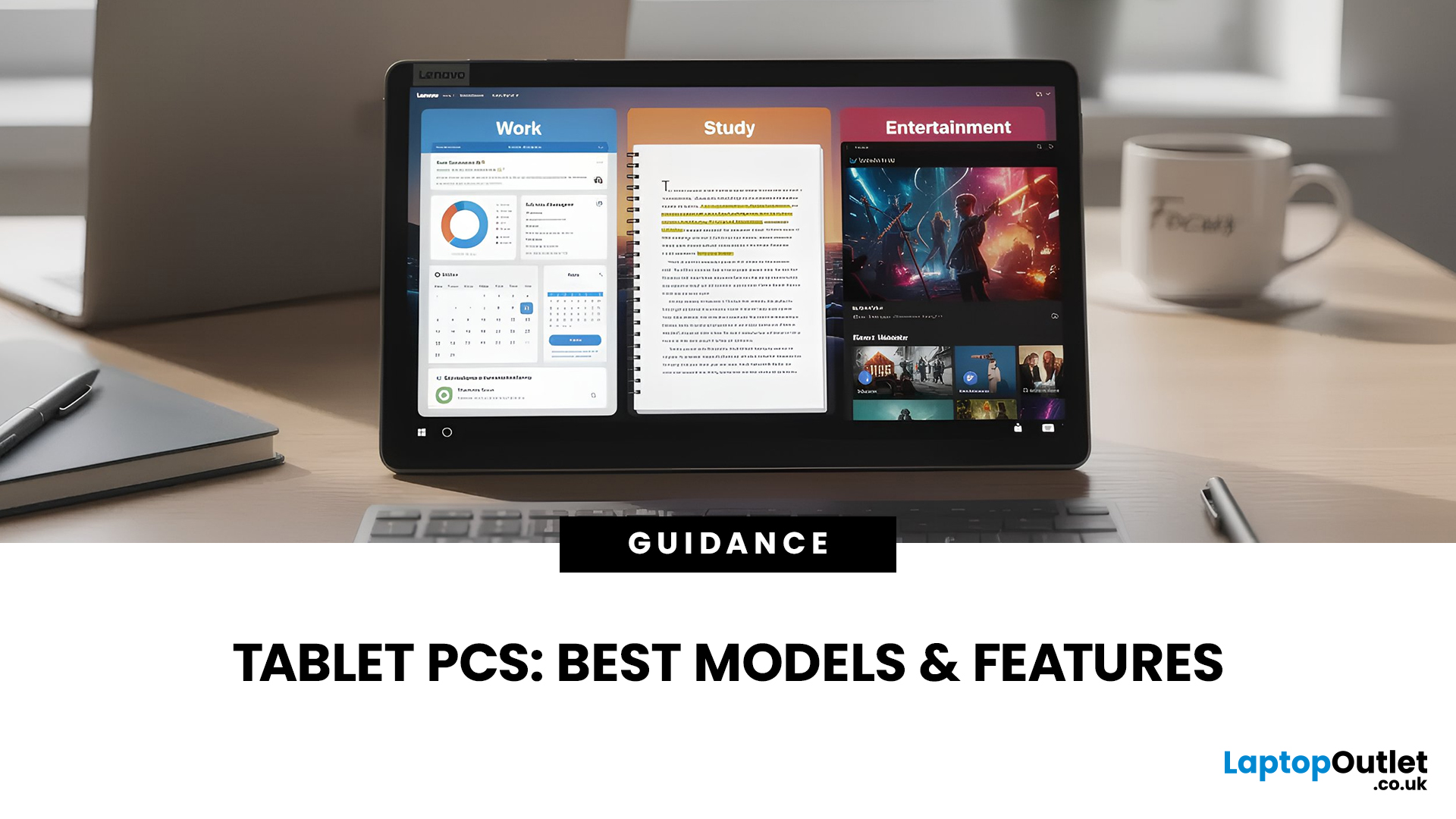
In 2026, Lenovo Tablet PCs feel more relevant than ever, especially if you care about value, flexibility, and devices that work just as well for studying, working, streaming, or light creativity.
This isn’t about hype.
It’s about what Lenovo tablets actually do well, where they fit best, and why they’re still one of the smartest tablet choices in the UK right now.
Why Lenovo Tablet PCs Still Matter in 2026
The tablet market has split into extremes. On one end, you’ve got ultra-premium devices that cost as much as laptops. On the other, budget tablets that struggle with basic multitasking.
Lenovo lives in the sweet spot.
Lenovo tablet PCs focus on:
- Practical performance
- Reliable build quality
- Sensible pricing
- Clear use cases
That’s

Last Updated: January 27, 2026
Intel has remained a titan in the world of PC gaming for decades. Their processors power some of the most capable high-performance gaming desktops on the market today.
Recently, we have seen a massive shift in how these chips operate. The evolution from the classic Core i-series to the brand-new Ultra Core processors marks a new era. These advancements are not just about speed; they are redefining the entire gaming experience.
If you want a top-tier machine, understanding how Intel CPUs work in gaming desktops is essential.
The Role of a CPU in Gaming
The CPU acts as the brain of your computer. It handles every logic calculation and physics instruction required for your game.
CPU vs GPU: Understanding the Balance
The GPU handles the visuals and graphics rendering. Meanwhile, the CPU manages physics, logic, and artificial intelligence.
You need a strong balance between both components to avoid lag. If one is too slow, the other cannot perform at its full potential during intense sessions.

Last Updated: January 28, 2026
Let’s be honest — when your tech lets you down, waiting is the last option you want. Maybe your laptop stopped working the night before a deadline, your PC failed mid-project, or you’ve just realised you need a new device now, not next week. That’s exactly where Laptop Outlet next-day / priority delivery comes in. If you need fast, reliable tech delivery in the UK, this guide explains how Laptop Outlet’s next-day service works, what you can order, and why it’s the smart choice for urgent tech needs.
Why Speed Matters When Ordering Tech Online
When your laptop or PC breaks, everything slows down — work, study, gaming, even staying connected. Waiting days for a replacement just isn’t practical. With next-day laptop delivery, you don’t have to put life on pause. Laptop Outlet’s express service is built for:
- Last-minute replacements
- Urgent work-from-home setups
- Business and study deadlines
- Time-sensitive gifts or upgrades
If speed matters to you, Laptop Outlet Express shipping delivers when

Last Updated: January 27, 2026
The world of PC gaming has changed forever thanks to a massive leap in graphics innovation. If you have looked at modern gaming desktop PCs recently, you have likely seen the term "RTX" everywhere.
But what is NVIDIA RTX technology exactly? It is not just a fancy label on a box. It represents a total shift in how your computer creates the images you see on screen.
By combining clever artificial intelligence with raw power, NVIDIA has made games look like Hollywood films while keeping them running smoothly.
Introduction to NVIDIA RTX Technology
NVIDIA RTX (Ray Tracing Texel eXtreme) is more than just a brand name. it is a high-end computing platform. It combines specialized hardware cores with advanced software to create lifelike visuals.
A Brief History of NVIDIA Graphics Cards
Before RTX, we had the GTX (Giga Texel Shader eXtreme) series. These cards were powerful, but they relied on "rasterisation." This is a method where a 3D scene is squashed into 2D pixels on your screen. It worked

Last Updated: January 27, 2026
Building or buying a high-end gaming PC is an exciting journey for any enthusiast. The market moves fast, and staying updated on the latest hardware is essential for the best experience.
In this gaming desktop PC breakdown, we will explore the core parts that make a machine powerful. We will look at the latest processors from AMD and Intel, the incredible graphics power of NVIDIA RTX and Radeon RX, alongside other core components.
Whether you want to play the newest AAA titles or compete in esports, understanding these parts is vital. Let us dive into the modern world of gaming PC technologies.
Understanding Gaming Desktop PCs
A gaming desktop PC is a high-performance computer designed specifically to handle demanding video games. Unlike standard PCs, these machines focus on graphical power and fast processing speeds. They use specialised parts that can handle high heat and heavy workloads.
While gaming laptops and consoles are popular, the desktop remains the "gold standard" for several

Last Updated: February 11, 2026
Choosing the right desktop PC can feel a bit like picking a side in a long-running tech rivalry. HP, Dell, and Lenovo are three of the biggest names and for good reason. They all offer reliable, powerful desktops that suit everything from casual home use to hardcore business workloads and creative setups.
But when it comes to HP vs Dell vs Lenovo desktop PCs, which brand actually wins for you?
Why Compare HP, Dell, and Lenovo Desktop PCs?
HP, Dell, and Lenovo are all global heavyweights in the PC world. They each offer a wide range of desktops — from budget-friendly towers to powerful workstations and compact all-in-one PCs.
But here’s the thing:
Not all desktop PCs are built for the same kind of user.
Some are better for productivity, some for gaming, and others for long-term reliability. Understanding the differences is key before you hit “Add to Basket”.
HP Desktop PCs: Style Meets Performance
HP desktops are known for blending solid performance with modern design. If you like your

Last Updated: February 17, 2026
Lenovo laptops are widely trusted across the world, from ThinkPads in corporate offices to IdeaPads in student halls and Legion machines built for gaming. They’re generally dependable, however, even well-built machines can develop faults over time.
We regularly see the same issues cropping up across different Lenovo ranges, and in most cases the fix is simpler than people expect.
Before assuming your device is finished, it’s worth slowing down and checking a few things properly. Many common Lenovo laptop issues are software-related or power-related rather than serious hardware faults.
Below are some of the most common Lenovo laptop issues, why they occur, and what you can realistically do to solve them.
Quick Diagnostic Check Before You Start
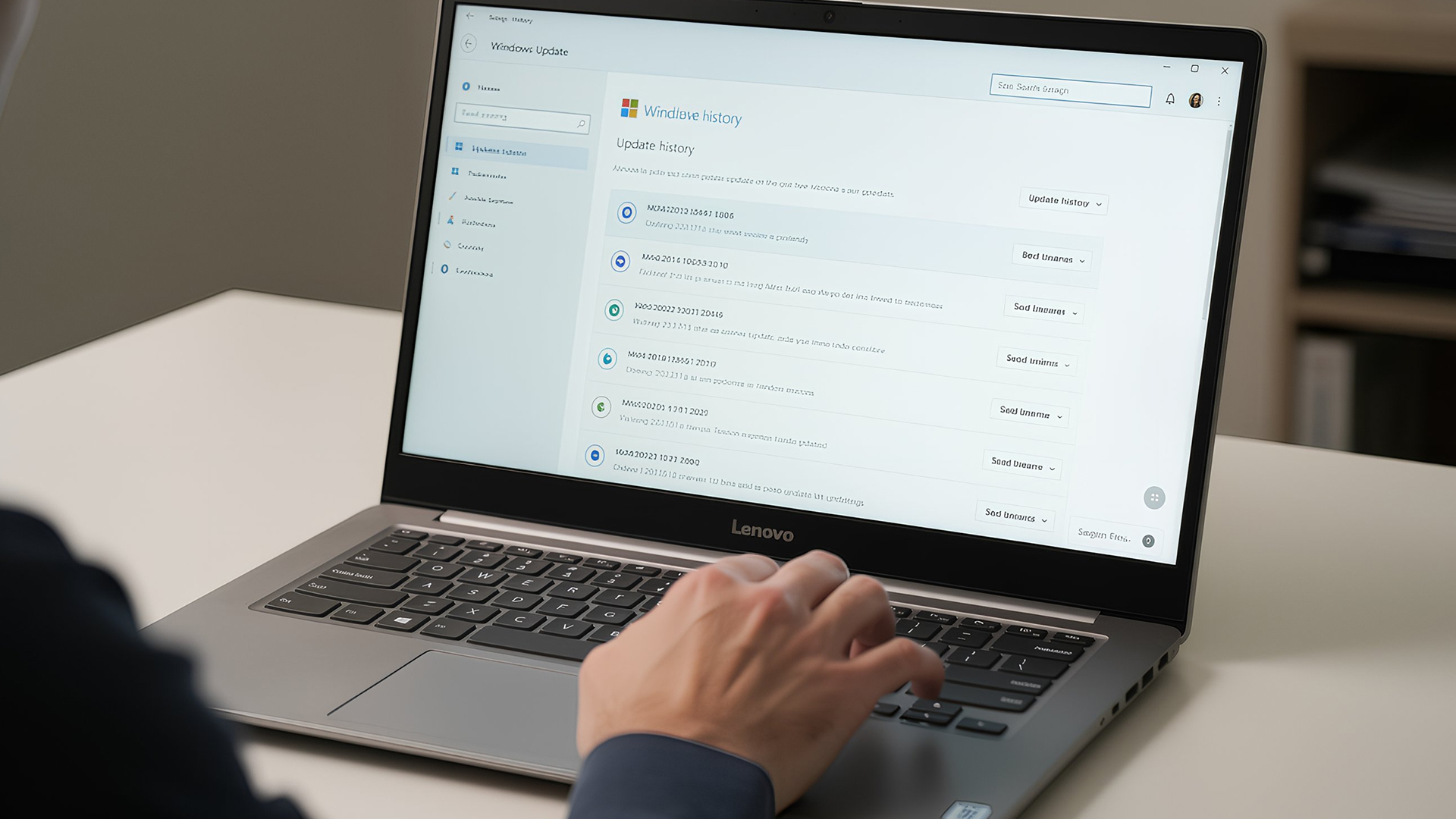
Before diving into specific faults, ask yourself:
- Did this issue begin after a Windows update?
- Has the laptop recently overheated?
- Was it dropped or exposed to liquid?
- Is the battery older than three years?
- Does the problem occur only on battery
Last Updated: June 05, 2026
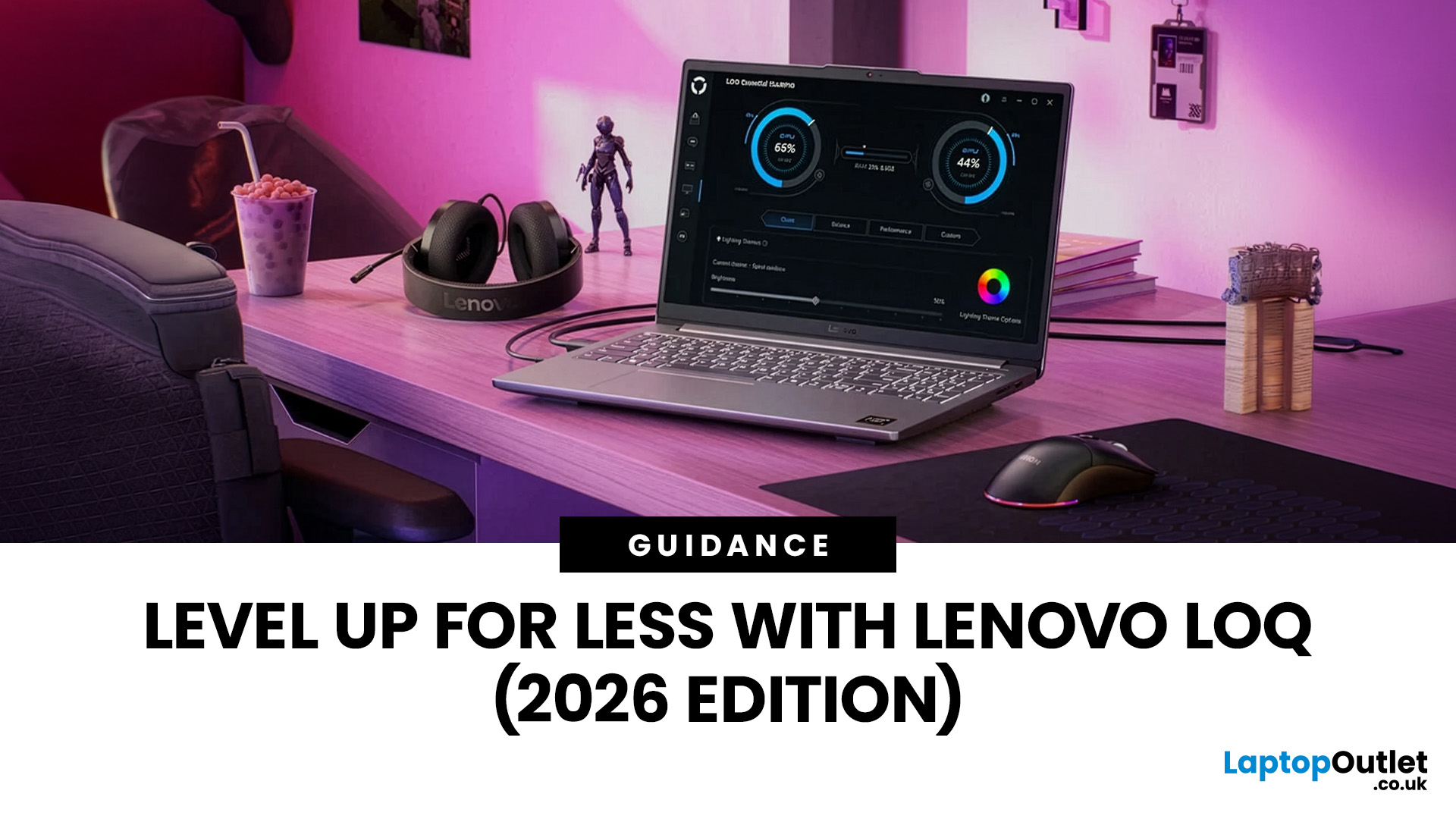
In 2026, you don’t need a four-figure budget to enjoy smooth, high-FPS gaming. With modern RTX 50-series graphics and 16GB RAM becoming the new standard, budget gaming laptops are more powerful and more accessible than ever. That’s where the Lenovo LOQ lineup comes in.
Designed as Lenovo’s entry-level gaming range, LOQ models deliver serious performance without the premium Legion price tag. Whether you’re grinding ranked matches, exploring open-world titles, or just want reliable everyday power, the best Lenovo LOQ laptops strike that sweet spot between price and performance.
In this guide, we’re breaking down the top Lenovo LOQ gaming laptops for 2026, who they’re perfect for, and how to choose the right one without overspending. Let’s get into it.
Why Lenovo LOQ Is Perfect for Budget Gaming in 2026
If you’re looking for a gaming laptop that doesn’t destroy your wallet but still runs modern games smoothly, Lenovo LOQ is basically the sweet spot in 2026.
Lenovo created the LOQ series
Published: March 04, 2026
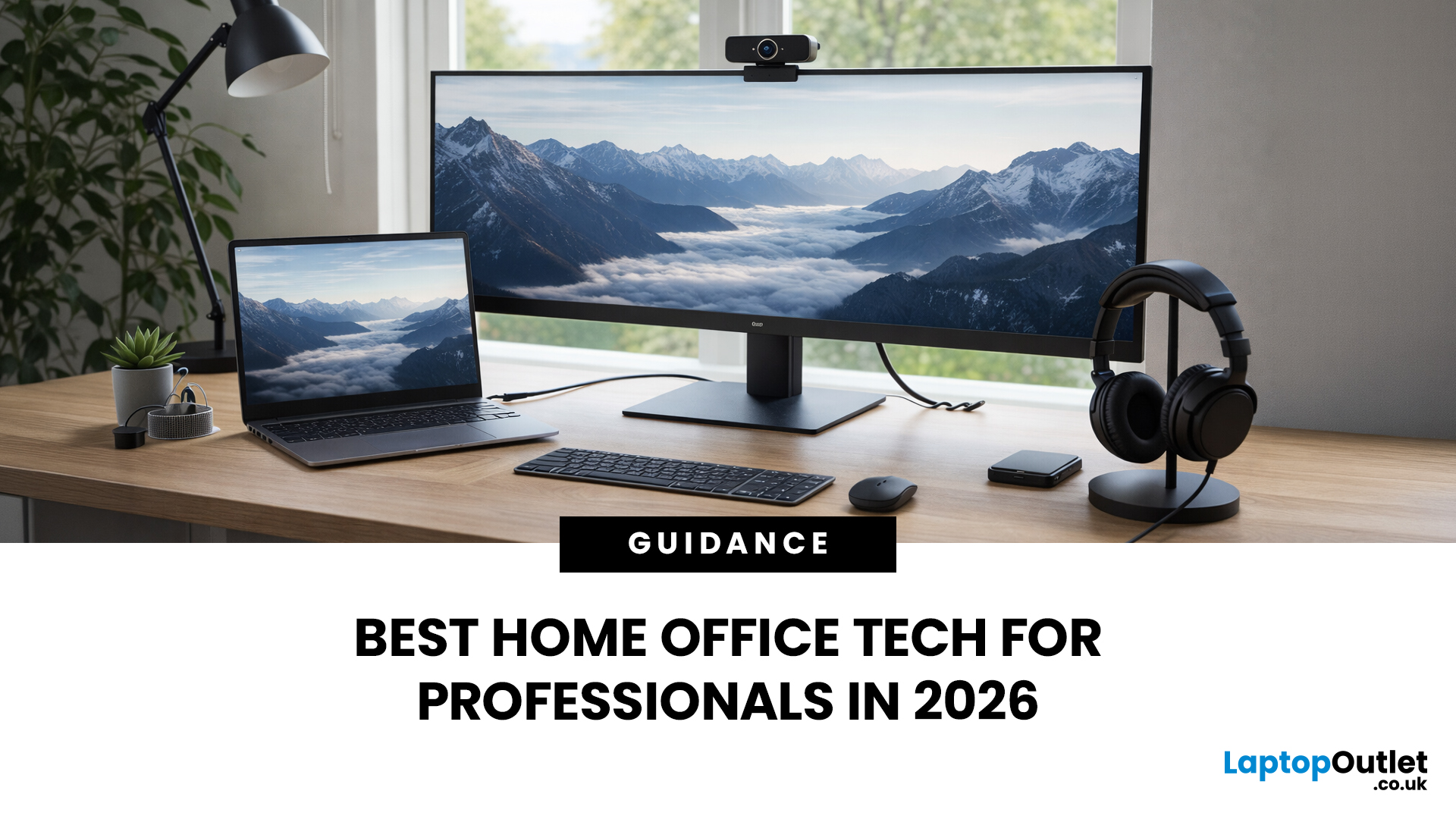
If your remote setup still revolves around “a decent laptop and home Wi-Fi”, you’re behind. In 2026, remote work is judged by output and presence. Your audio quality affects how credible you sound. Your connectivity affects whether clients trust you. Your screen space affects how quickly you work. And your security setup determines whether your business data is actually protected.
Most people still treat home-office tech like: A chair. A webcam. A desk lamp. Useful, yes, but disconnected. What professionals need now is a deliberate tech stack. One that reduces friction, prevents small failures, and works the same way every single day.
That is Remote Work 2.0. It is not about owning more gear. It is about engineering reliability into your workday.
What Remote Work 2.0 Really Means in 2026
For professionals, four elements matter more than anything else:
1. Stable connectivity
If your connection drops mid-presentation, nothing else matters. Wi-Fi 7 and modern mesh systems are no longer

