



The GPU Shortage Hangover: How Graphics Card Prices Have Changed Since 2020 (5-Year Analysis)

GPU price trends, which historically followed steady consumer demand cycles, were hijacked by a series of unprecedented global crises. These events first pushed the cost of graphics cards to astronomical highs, then plunged them into a sharp decline, before finally settling on a new, structurally higher price baseline.
This analysis examines the economic forces that drove this extraordinary five-year shift. We trace the market from the initial chaos of the supply chain fracture, through the speculative peak driven by cryptocurrency mining, and into the current era dominated by the massive enterprise investment in Artificial Intelligence (AI).
The Initial Storm (2020–Mid 2021): Scarcity and Supply Chain Shock
The sharp inflation in GPU prices did not begin with a single factor but with the convergence of two major, simultaneous economic disruptions: a severe global logistics crisis and a dramatic shift in consumer habits.

The Pandemic’s Logistical Fracture
The start of the COVID-19 pandemic led to an immediate, profound disruption in global manufacturing and shipping networks.
- According to the Congressional Research Service, shifting consumer and industrial demands, coupled with production declines and logistical disruptions, led to worldwide shortages of certain semiconductor chips. These chips are the essential components for all graphics cards.
- This supply issue was compounded by geopolitical tensions, including trade conflicts, which had already intensified concerns about the stability of technology supply chains.
- The effect was felt strongly across Europe. Evidence reported by the European Central Bank (ECB) indicated that severe bottlenecks were present in key manufacturing industries, particularly those reliant on electronic components, such as the computer and electrical equipment sectors.
- As per the European Court of Auditors, these global semiconductor supply shortages prompted the European Commission to launch a strategic package, known as the Chips Act, in February 2022 to address the profound supply issues across the bloc.
These supply constraints, where logistics and production capacity could not meet unexpected demand, immediately placed upward pressure on the factory-gate cost of components.
The Surge in Demand for Computing Hardware
As global logistics seized up, consumer demand for personal computing and related electronics soared. Mass shifts to remote working and distance learning meant millions needed new or upgraded equipment worldwide.
- This sudden change in behaviour meant that, according to economic reports, pricing rapidly began to reflect scarcity, risk, and the value of guaranteed supply capacity.
- The shortage did not just affect graphics cards; it strained the entire supply chain, leading to increased costs for manufacturers across various components.
Cryptocurrency Mining’s Artificial Demand
The constrained supply of GPUs was then met by a sudden, immense new demand source: cryptocurrency mining operations. High market valuations, particularly for Ethereum, made it highly profitable for individuals and commercial entities to acquire vast numbers of high-performance graphics cards.
- This demand was inorganic, meaning it came not from the traditional consumer base of gamers and professionals, but from entities looking to maximise computation for profit.
- The phenomenon severely limited stock availability in typical retail channels, making it extremely difficult for everyday consumers in the UK to purchase graphics cards at the Manufacturer’s Suggested Retail Price (MSRP).
- According to a Princeton University Senior Thesis, an estimate suggested that Bitcoin mining alone may have cost the GPU market around £653 million due to increased demand and price distortion in the period leading up to 2020.
The Quantitative Peak and Speculative Pricing (Mid 2021)
The confluence of the supply shortage and the massive, profit-driven demand from miners resulted in prices soaring well beyond official retail guidance. This created a large, highly lucrative secondary market driven by speculators, or 'scalpers'.
The Direct Correlation to Cryptocurrency Value
The link between a cryptocurrency’s value and the cost of the hardware needed to mine it was quantified in detail by academic research. A paper published on ResearchGate studied the secondary market prices of high-efficiency Nvidia cards during the peak period of June to September 2021.
The study found a significant positive correlation between the daily price returns of Ethereum (ETH) and the daily price changes of the most effective mining GPUs.
- RTX 3080: A one percent increase in the price of Ethereum correlated with a 0.22 percent increase in the secondary market price of the Nvidia GeForce RTX 3080 Founder's Edition card.
- RTX 3060ti: A one percent increase in the price of Ethereum correlated with a 0.19 percent increase in the price of the Nvidia GeForce RTX 3060ti Founder's Edition card.
The correlation was strongest for the cards that offered the best mining efficiency, confirming that price distortion was being driven by bulk buyers prioritising profitable computational power over pure gaming performance.
Price Premium Analysis on the Secondary Market
During this speculative peak, graphics cards were routinely sold on the secondary market for massive premiums over their official MSRP. This phenomenon was documented in the same ResearchGate study.
Peak Secondary Market GPU Pricing vs. MSRP (June–Sept 2021)
|
Nvidia GeForce Model |
Average Secondary Price (% of Launch MSRP) |
Primary Driver |
|
RTX 3060ti |
257% |
Highest Mining Efficiency / Low MSRP |
|
RTX 3080 |
238% |
High Efficiency / High Performance |
|
RTX 3070 |
221% |
Strong Mining Performance |
|
RTX 3090 |
154% |
Highest Performance / Lower Mining Efficiency Ratio |
Source:Adapted from ResearchGate paper on GPU Prices and Cryptocurrency Returns (2022)
The data shows that the RTX 3060ti commanded the highest relative premium (257%) despite not being the most powerful card. This confirms the pricing was driven by mining profitability rather than traditional consumer value.
The Market Correction and Deflationary Hangover (2022–2023)
The bubble burst with a technological shift in the cryptocurrency sector, triggering a sharp and severe market correction. This period is the "shortage hangover," where oversupply and collapsing demand led to rapid deflation in consumer prices.

The Ethereum 'Merge' Shockwave
The primary catalyst for the widespread price collapse was the fundamental change to the Ethereum network. In September 2022, the network transitioned from the energy-intensive Proof-of-Work (PoW) consensus model—which required massive numbers of GPUs—to a Proof-of-Stake (PoS) model.
- This transition, known as 'The Merge,' effectively removed the single largest source of inorganic demand for high-end graphics cards overnight.
- The immediate market consequence was a vast increase in the supply of used hardware as miners liquidated their inventory. This market shock severely redefined the business model for graphics card manufacturers. The resulting collapse in demand and flood of after-market graphics cards caused market prices to plummet sharply, reversing the extreme inflation seen during the shortage.
The effect was quantified in consumer pricing: key high-end consumer graphics cards saw their market prices plummet by approximately 57%between January 2022 and July 2022.
Price Plunge and Hardware Deflation in 2023
The price correction continued throughout 2023 as manufacturers adjusted inventory and core input costs stabilised. This powerful sectoral deflation in hardware prices occurred even as general UK consumer prices remained high.
- An official UK government report noted that in 2023, official estimates of producer price inflation fell, with prices stabilising from June onwards. This signalled the widespread reversal of the cost pressure placed on UK manufacturing during the shortage years.
- The broader manufacturing sector reflected this relief. Office for National Statistics (ONS) data confirms that the Producer Price Index (PPI) for All manufactured products (Output PPI) saw its annual inflation rate slow dramatically throughout 2023.
- Annual producer input prices (the cost of raw materials and fuels) began to fall, reaching a drop of 2.6% in the year to October 2023. Furthermore, annual output prices (factory gate prices) for all manufactured products also turned negative, falling by 0.6% in the year to October 2023. This significant decline in the cost pressures faced by UK manufacturers directly contributed to the normalisation of hardware pricing and other goods.
The AI Supercycle: A New Structural Baseline (2024–2025+)
The GPU market crash was immediately followed by the emergence of a new, structurally robust demand source: the global revolution in Generative AI. This shift has transitioned the market from temporary volatility to permanent structural cost inflation, placing a new, higher baseline on GPU pricing.

Enterprise Demand’s Overwhelming Power
The massive, immediate global shift towards building and deploying Large Language Models (LLMs) and complex AI applications has replaced cryptocurrency mining as the dominant, high-capital driver for advanced GPU silicon.
- UK Focus: The UK Government has identified Artificial Intelligence (AI) as a key priority. According to the 2024 AI Sector Study, the UK’s AI ecosystem has grown significantly, increasing to more than 5,800 AI companies, an 85% increase over the past two years. This growth confirms substantial domestic enterprise demand for the high-performance computing required for AI development and deployment.
- Global Investment: Advanced GPUs are now essential components for AI training and inference in large data centres. Investment drivers identified in research from the University of Iowa show that the rapid adoption of AI technologies is creating significant demand for GPUs, which are the backbone of this technological revolution. The projected global AI market, expected to exceed £1.435 trillion by 2030, acts as a major tailwind for GPU sales.
- Infrastructure Priority: This massive corporate demand prioritises the allocation of the highest-end chips directly to large infrastructure providers, who can easily absorb the high costs.
Structural Cost Increases in Advanced Manufacturing
Crucially, the new, high price baseline for GPUs is underpinned by a permanent structural increase in the cost of producing advanced semiconductors—the core silicon component of every modern graphics card.
The historical trend where devices became exponentially more powerful while becoming more affordable (often called Moore’s Law) has reached an economic inflection point. Manufacturing the most advanced silicon is now far more complex and capital-intensive than ever before.
- Wafer Cost Inflation: Reports confirm that Taiwan Semiconductor Manufacturing Company (TSMC), a dominant global manufacturer of advanced logic, is leveraging its technological leadership to raise prices.
- This includes plans to increase prices for its most advanced process nodes (5nm and newer) by 5–10%. This rise in the foundational cost of silicon will directly impact the price of new-generation GPUs from manufacturers like Nvidia and AMD.
- Generational Cost Leap: The manufacturing cost for future component generations is rising steeply. Wafers produced on the upcoming 2-nanometre (2nm) node are projected to see price surges of over 50% compared to the price of their 3nm predecessors.

Conclusion: The Long-Term GPU Price Trends (Beyond 2025)
The five-year journey of the GPU market—from scarcity to speculation, and then to deflation and structural inflation—has created a permanent market shift. Consumers in the UK must navigate an environment where graphics card pricing is dictated by forces far larger than the gaming industry alone.
The most significant change is the substitution of transient, speculative demand (crypto mining) with massive, persistent enterprise capital demand (AI data centres).
|
Period |
Primary Price Driver |
UK Consumer Impact |
|
2020–Mid 2021 |
Global Supply Chain Failure & Pandemic Demand |
Extreme Scarcity, High Secondary Market Premiums |
|
Mid 2021–2022 |
Cryptocurrency Mining Profitability |
Secondary Market Prices Surged |
|
2022–2023 |
Ethereum 'Merge' & Inventory Correction |
Sharp Price Plunge, Sectoral Deflation in Hardware Costs |
|
2024–2025+ |
AI Data Centre Enterprise Demand & Structural Manufacturing Costs |
New, Higher MSRP Baseline for Advanced Cards |
The market is now bifurcated: the highest-end chips are fundamentally infrastructure commodities sold to corporations, making their prices resistant to typical consumer market factors. While the cost of mid-range and lower-end cards will continue to fluctuate based on gaming cycles and manufacturer inventory, the baseline MSRP for new, advanced graphics cards will be permanently elevated. This is an irreversible consequence of the astronomical capital required to manufacture the next generation of semiconductor technology.
A return to the affordability of the pre-2020 era is not expected. Future GPU price trends will be determined by the investment cycles of global AI infrastructure providers and the structural cost increases in advanced semiconductor fabrication.
Related Articles


Last Updated: September 09, 2025
Time to Switch or Upgrade Your GPU?
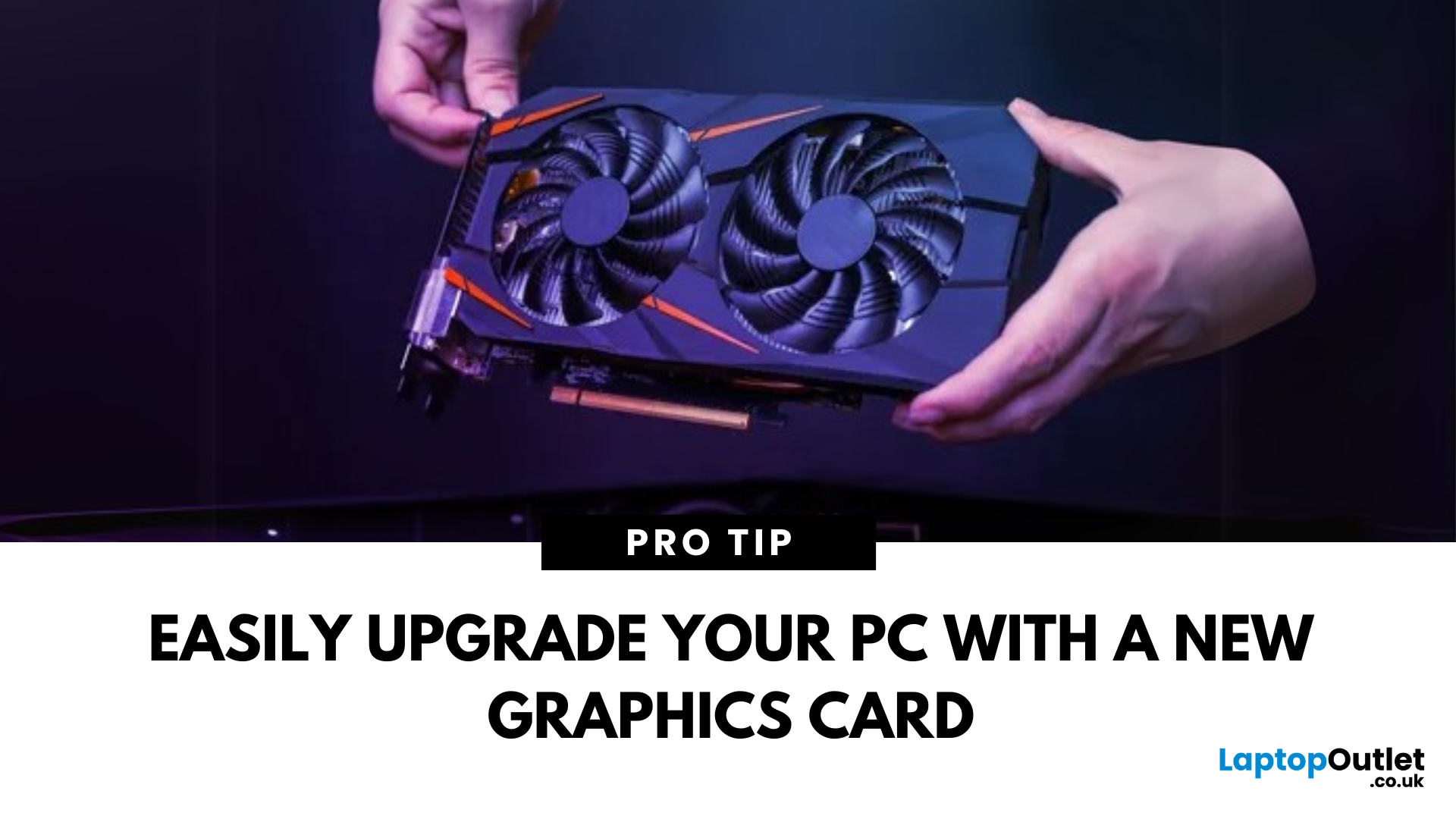
Whether you're upgrading to a new GPU, troubleshooting hardware issues, or cleaning your PC, knowing how to safely remove your graphics card is essential. Follow this simple, step-by-step guide to do it without damaging your system.
1. What You’ll Need
- A Philips screwdriver
- Anti-static wristband (recommended)
- A clean, flat workspace
Optional: compressed air for cleaning dust around the GPU
2. Turn Off Your PC and Unplug Everything
- Shut down your PC completely
- Unplug the power cable and all connected peripherals (monitor, mouse, etc.)
Hold the power button for 3–5 seconds to discharge remaining power
3. Open the PC Case
- Use a screwdriver to remove the side panel (usually the left side)
- Place the screws somewhere safe—you’ll need them later
4. Ground Yourself
- Wear an anti-static wristband or touch a grounded metal object to prevent static discharge
5. Locate the Graphics Card
- It’s the large card connected to the motherboard’s
Last Updated: September 09, 2025
Time for a GPU Upgrade?
Whether you're chasing better gaming performance, smoother rendering, or next-gen AI capability, installing a new graphics card (GPU) is one of the best PC upgrades you can make. Here's how to safely and properly install your new GPU.
1. What You’ll Need
- Your new graphics card
- A Philips screwdriver
- An anti-static wrist strap (recommended)
- A clean, flat workspace
Optional: compressed air to clean out dust before installing the new GPU
2. Prepare Your PC
- Shut down your computer
- Unplug the power cable and all peripherals
- Hold the power button for 5 seconds to discharge remaining power
3. Open the Case and Remove the Old GPU (If Needed)
- Unscrew and remove the side panel of your PC case
- Disconnect power cables from your existing GPU
- Unscrew the GPU bracket
- Release the PCIe latch and gently pull out the old card
- If you’re installing a GPU for the first time, skip to the next step
4. Insert the New Graphics Card
- Locate the PCIe x16
Last Updated: March 04, 2026
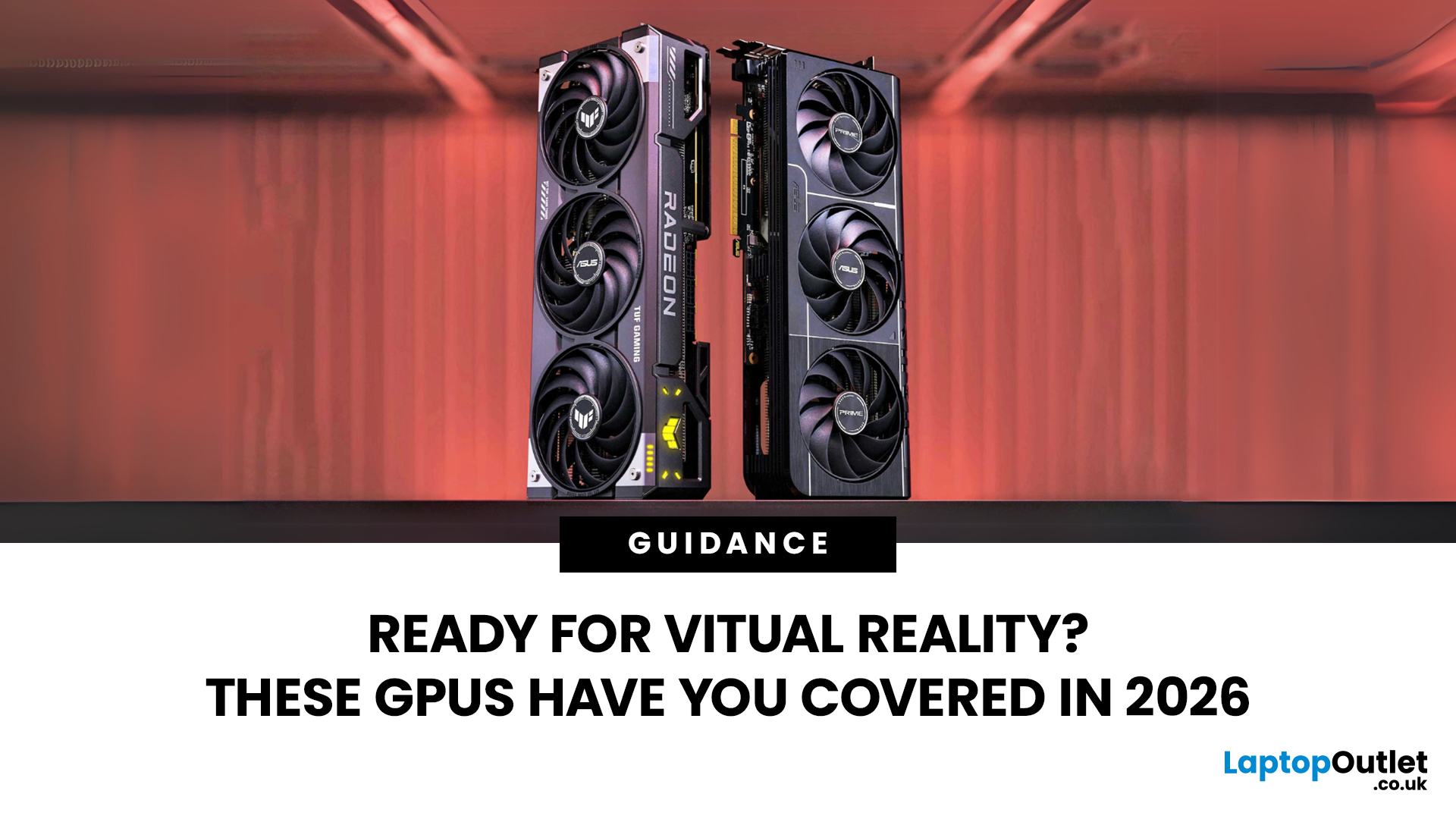
Virtual reality is the way forward when looking for total immersion and enjoying entertainment in another dimension. Whether you're stepping into alien landscapes, racing through hyper-realistic circuits, or exploring entire worlds from your living room, VR takes everything you love about gaming and cranks it up to another level. But to truly make the most of it, your PC needs to be more than just average; it needs serious graphical muscle.
If you plan to upgrade your system for a smoother, sharper, and more responsive VR experience, choosing the best graphics card for virtual reality experiences is key. And with so many options now on the market, narrowing it down can be daunting. That's why we've done the legwork for you.
Unlike standard gaming, virtual reality demands more from your hardware. Take it as running dual high-resolution displays - except one is strapped to your face, and every frame counts. Frame rates need to stay consistently high, latency needs to be minimal, and
Last Updated: September 09, 2025
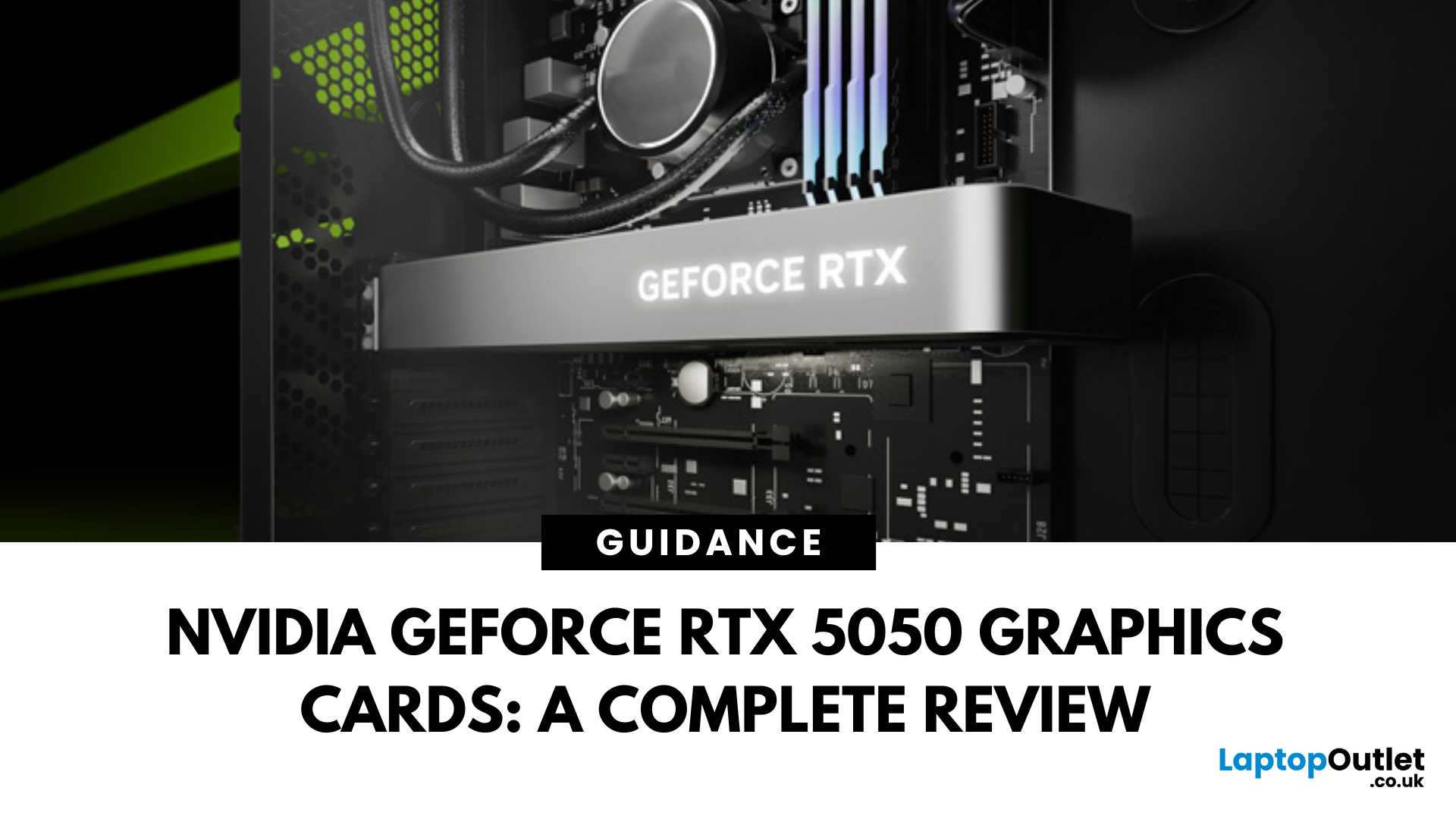
The RTX 5050 arrives as a timely and much-needed addition to NVIDIA’s mid-range line-up. With GPU prices escalating and older models ageing out of relevance, this card positions itself as a smart compromise between performance, features, and affordability. Targeted at gamers, upgraders, and budget-conscious users alike, it strikes an appealing balance that’s increasingly rare in the entry-level space. If you're considering an RTX 5050 upgrade, this RTX 5060 graphics cards review has something for you.
Architecture & Specifications: A Capable Foundation
Under the hood, the RTX 5050 is built on NVIDIA’s Blackwell architecture, the same foundation used in high-end models like the RTX 5090 graphics card. This gives it access to 5th-gen Tensor cores and 4th-gen RT cores, cutting-edge tech for a budget-friendly GPU. The card features 2,560 CUDA cores, a boost clock of up to 2,570 MHz, and 8GB of GDDR6 memory with 320 GB/s bandwidth. Despite its modest memory interface, performance stays sharp
Last Updated: September 09, 2025
Let’s face it. Graphics cards are expensive. And while everyone wants that shiny new GPU to max out game settings or improve their creative workloads, it’s not always realistic. Between supply issues, steep prices and rapid technology cycles, buying a new graphics card can often feel like a luxury rather than a necessity.
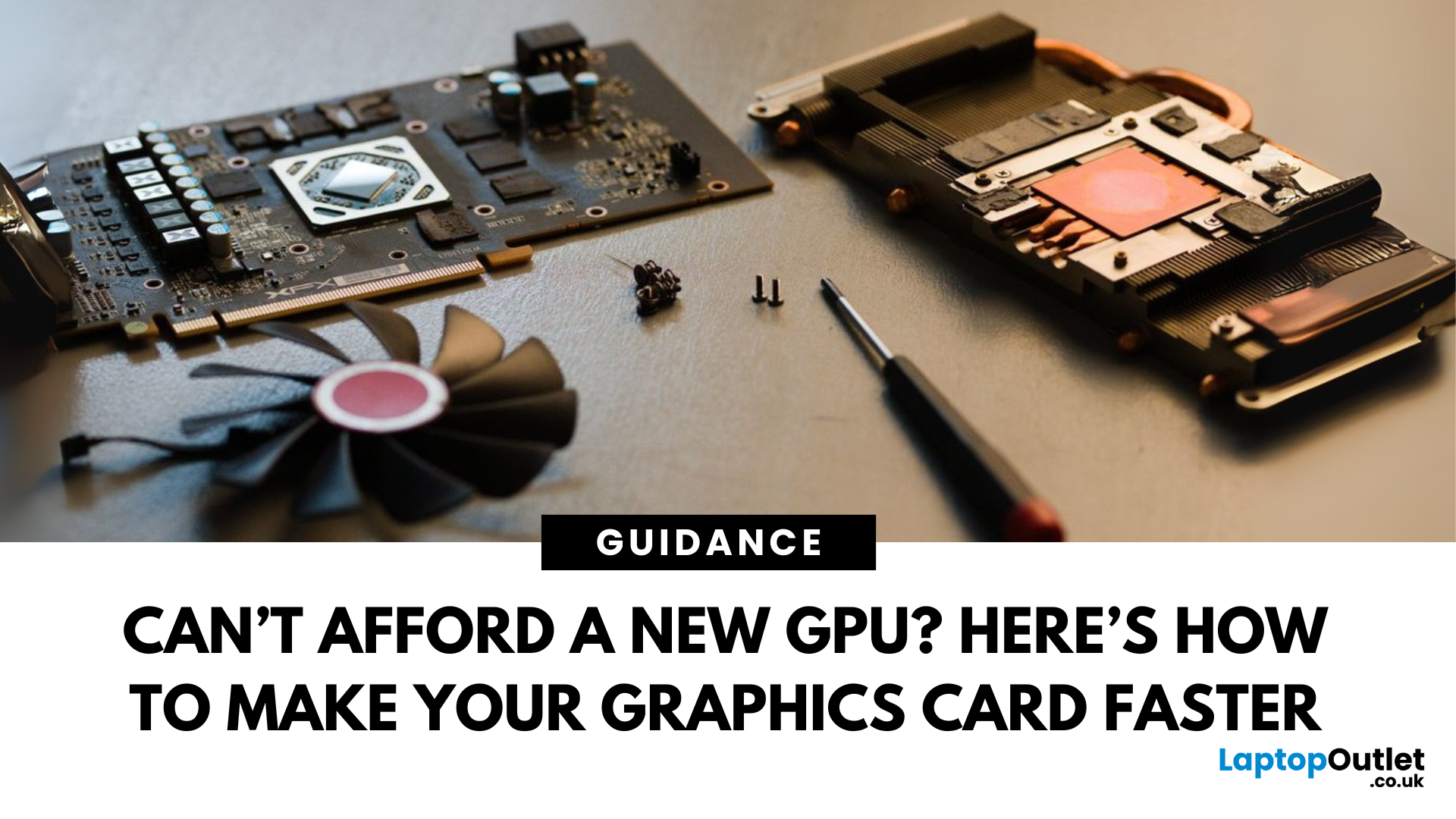
The good news is that you don’t need to replace your GPU to breathe new life into your gaming rig or workstation. With a little time, care, and smart system tweaks, you can get more performance out of your current card and make it run quieter, cooler and faster.
In this guide, we’ll walk you through practical ways to improve your GPU’s performance, longevity, and efficiency without splashing out on brand-new hardware. If you’re looking to upgrade graphics card performance without replacing it entirely, you’re in the right place.
Tips to Make your Graphics Card Faster Without Upgrading It
-
Clean and Maintain Your GPU for a Performance Boost
Before we even touch the software
Last Updated: February 25, 2026
We’ve been deep in the trenches with today’s top-tier GPUs, testing them across real-world gaming sessions, editing timelines, and production rigs. This isn’t just another spec dump. It’s a curated breakdown of what actually matters when you're pushing pixels or chasing frames. Whether you're building for buttery 4K gameplay or need something that won’t choke on a multi-cam 8K edit, we’ve cut through the marketing noise to highlight what each card nails (and where it stumbles). No filler, no fluff, just the kind of insight we’d want before dropping serious cash on a new GPU.
ASUS GeForce RTX 5090 ROG Astral 32GB OC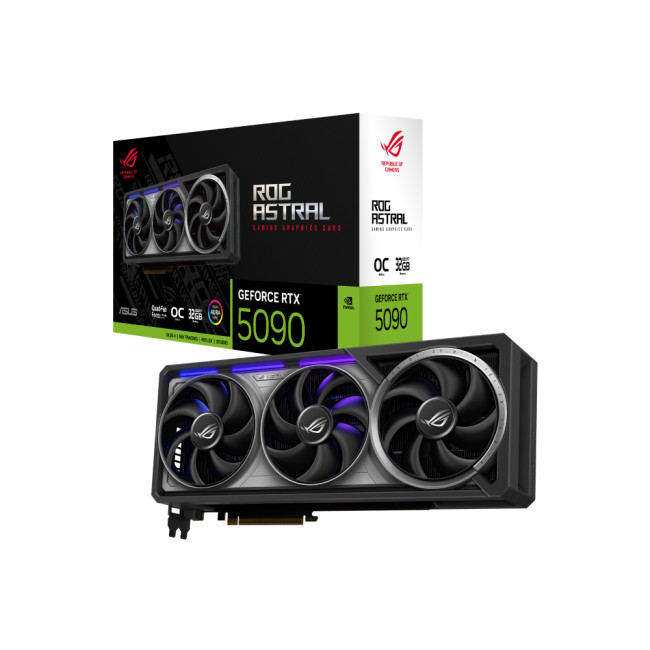
Also Known As:
- ROG STRIX RTX 5090
- NVIDIA GeForce RTX 5090 ROG Astral OC
- The Beast from the Future
Overview & Standout Features
The ASUS RTX 5090 ROG Astral isn’t just a GPU; it’s a flex. This monster packs 32GB of next-gen GDDR7 VRAM, triple axial-tech fans, and more RGB than your setup probably needs (but still wants). ASUS has taken NVIDIA’s flagship and strapped
Last Updated: September 22, 2026
Choosing the right graphics card starts with what you actually want your PC to do. Your monitor resolution and refresh rate, games or software, VRAM requirements, power supply, case space and available budget all matter more than simply buying the newest GPU.
To choose the right graphics card, match the GPU to your monitor resolution, refresh rate, games or software, and budget. Check real-world performance, VRAM, power-supply requirements, physical size, cooling and supported features such as ray tracing and upscaling. For 2026, compare current NVIDIA, AMD and Intel options rather than relying on model names or generation alone when making your choice.
This graphics card buying guide explains how to choose a graphics card for gaming, content creation and everyday GPU-accelerated workloads, while covering the specifications and compatibility checks that matter in 2026.
Quick Graphics Card Buying Checklist
Before comparing individual GPUs, check these seven things:
- Resolution: Are you gaming
Last Updated: October 30, 2025
Setting the Scene
Alex: First of all, thanks for having this discussion, Jamie. I’m in the process of upgrading my rig, and I want to get the best GPU for gaming I can afford. But there are so many options out there, and I’m a bit lost, especially with the new 50-series from NVIDIA, and the still-very-solid 40-series.
Jamie: No problem, Alex, happy to help. Upgrading the graphics card is probably the biggest single component decision in a gaming rig (other than maybe the monitor or CPU). So, it’s good that we step through it together.
Why is the Graphics Card Matters
Alex: So, to start with: why is the graphics card so important for a gaming rig?
Jamie: In short, the GPU is what actually renders your game frames, handles complex calculations for lighting, shadows, textures, and especially if you’re gaming at higher resolutions (1440p, 4K) or using high refresh rates. If you pair everything else well (CPU, RAM, storage, PSU, cooling), the graphics card becomes a bottleneck if it’s too
Published: November 03, 2025
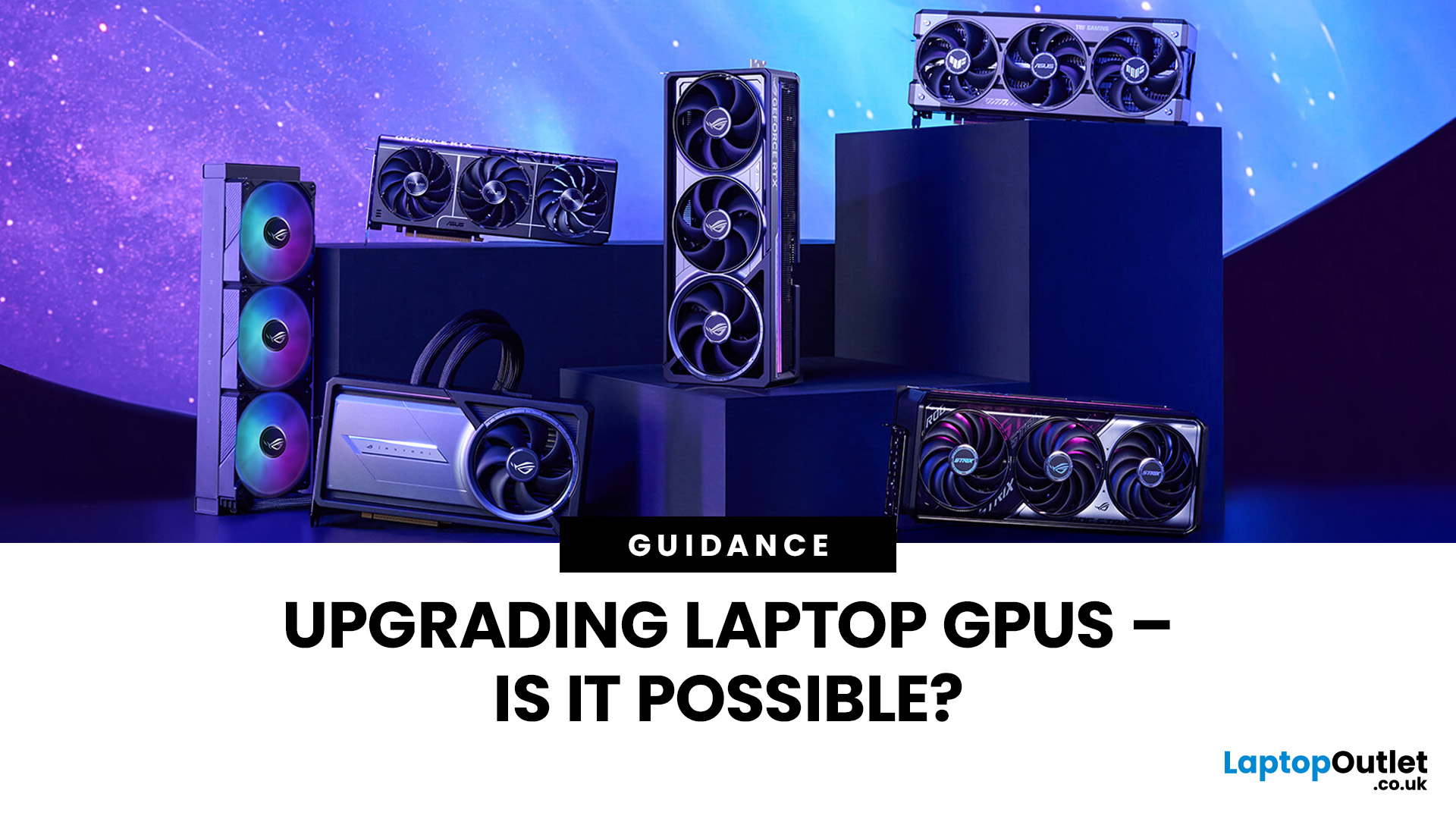
Let’s be honest: laptops are bloody brilliant. Sleek, portable, and increasingly powerful, what’s not to love? But then you try running a modern game on “Ultra” or crunching a 4K video edit and your laptop’s fan sounds like it’s preparing for takeoff. That’s when the thought creeps in: Can I replace the graphics card on my laptop? Well, grab a cuppa and settle in. We’re diving into the surprisingly sticky world of laptop GPU upgrades.
First Things First: What Exactly is a Laptop GPU?
A GPU (Graphics Processing Unit), often referred to as a graphics card, is what makes the pretty things on your screen look… well, pretty. Whether you're gaming, editing videos, running simulations, or just watching Netflix in glorious HD, it’s your GPU doing the heavy lifting.
Now, in desktop PCs, the graphics card is typically a large, separate component that you can easily yank out and replace. But in laptops, things get a little trickier.
Can You Replace a Laptop Graphics Card?
The Brutal Truth: In
Last Updated: February 23, 2026
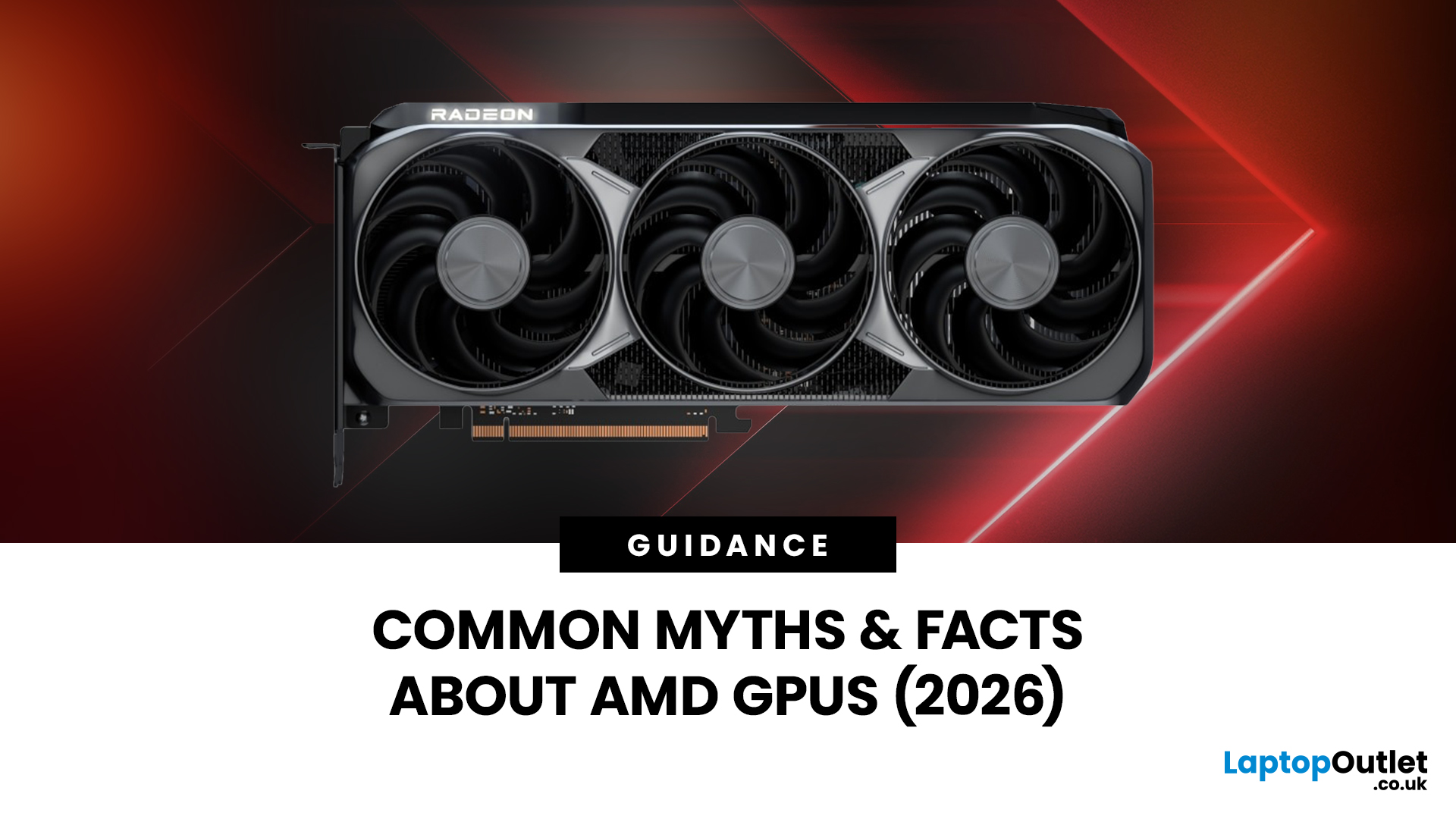
Are you looking to upgrade your gaming rig this year? If so, you have likely encountered the fierce debate between AMD and NVIDIA GPUs. As we move through 2026, the graphics card market is more competitive than ever.
However, old reputations die hard. Many gamers still make buying decisions based on information from five or ten years ago. To help you get the best value for your money, we are busting the biggest misconceptions.
Here are the top 10 myths and facts about AMD graphics cards in 2026.
1. Myth: AMD Drivers are Unstable and Crash Frequently
The Fact: AMD’s software suite is now one of the most stable in the industry.
This is perhaps the oldest myth in the book. Years ago, some users faced "black screen" issues. However, in 2026, the AMD Software: Adrenalin Edition 26.1.1 is a highly polished tool. AMD has moved to a unified driver branch that ensures high stability across both old and new cards.
While no software is perfect, the frequency of "driver timeouts" on modern Radeon

