



How to Remove a Graphics Card

Time to Switch or Upgrade Your GPU?
Whether you're upgrading to a new GPU, troubleshooting hardware issues, or cleaning your PC, knowing how to safely remove your graphics card is essential. Follow this simple, step-by-step guide to do it without damaging your system.
1. What You’ll Need
- A Philips screwdriver
- Anti-static wristband (recommended)
- A clean, flat workspace
Optional: compressed air for cleaning dust around the GPU
2. Turn Off Your PC and Unplug Everything
- Shut down your PC completely
- Unplug the power cable and all connected peripherals (monitor, mouse, etc.)
Hold the power button for 3–5 seconds to discharge remaining power
3. Open the PC Case
- Use a screwdriver to remove the side panel (usually the left side)
- Place the screws somewhere safe—you’ll need them later
4. Ground Yourself
- Wear an anti-static wristband or touch a grounded metal object to prevent static discharge
5. Locate the Graphics Card
- It’s the large card connected to the motherboard’s PCIe x16 slot, usually near the bottom
- It will be secured to the case with screws and clipped into the motherboard
6. Unscrew and Disconnect the Card
- Remove the screws that secure the GPU bracket to the case
- If your GPU has power cables, gently unplug them from the card
7. Release the PCIe Slot Lock
- There’s usually a small plastic latch at the end of the PCIe slot
- Gently press or pull it (depending on design) to unlock the GPU
8. Gently Remove the Graphics Card
- With the lock released and cables unplugged, gently pull the card straight out of the slot
- Avoid bending or twisting—it should come out smoothly
Pull with both hands—one near the backplate, one supporting the PCB
9. Store or Replace Your GPU
- Place the removed card in an anti-static bag if storing it
- If installing a new one, reverse these steps to mount and connect it
Final Thoughts: Clean, Safe GPU Removal for Upgrades or Repairs
Removing a graphics card is a straightforward process—just take your time and follow the steps carefully. Whether you’re upgrading to a newer model or troubleshooting an issue, safely removing your GPU helps protect both your card and your system.
Looking to upgrade? Check out Laptop Outlet’s latest range of powerful GPUs and gaming-ready desktops.
FAQs: GPU Removal Questions Answered
1. Can I remove a GPU while the PC is on?
No—always power down and unplug your system first.
2. Do I need to uninstall drivers before removing a GPU?
Not required, but recommended if you’re installing a different brand GPU (e.g. switching from AMD to NVIDIA).
3. What if my GPU is stuck in the slot?
Double-check the PCIe latch—don’t force it. It may still be locked.
4. Do laptops have removable GPUs?
Most laptops do not—GPUs are soldered to the motherboard.
5. Will removing the GPU affect my PC?
If it’s your only display output, your PC won’t show a screen until a new GPU is installed or integrated graphics is enabled.
Read More:
| What are Good Graphics Cards |
| What Does a Graphics Card Do |
| Top Budget Nvidia Graphics Cards for 2025 |
Related Articles

Last Updated: July 01, 2025
Introduction
Gaming laptops today utilise the latest GPU technologies to deliver unmatched performance. These technologies make laptops fast and robust, making gaming an enjoyable and immersive experience.
Graphic Revolution: How Have Graphics Evolved?
Graphics, or GPUs, have evolved over the years, featuring modern technologies today to deliver an uninhibited gaming performance. You can trace the graphic revolution back to the 1950s and 1970s; the evolution is commendable.
Here is a brief look into how graphics have evolved over the years.
| Year | Type Of Graphics |
| 1950s-1970s |
|
| 1970s–1980s |
|
| 1980s |
|
| 1990s |
|
Last Updated: September 01, 2026
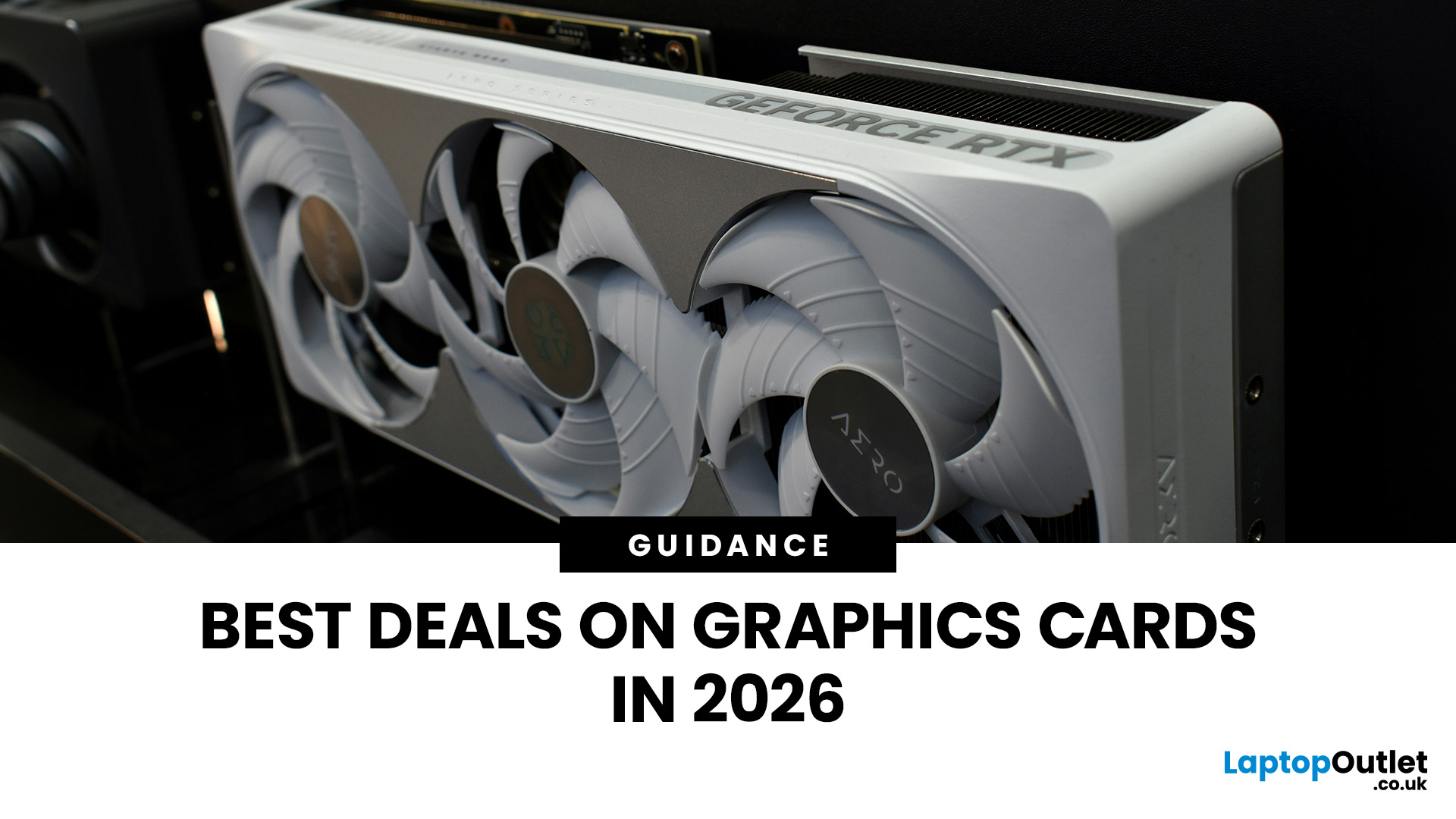
Looking for portable graphics cards? Graphics cards are an essential component for gamers, creative professionals, and tech enthusiasts. As the market evolves, new models are released with cutting-edge technology, while older ones become more affordable. Whether you are looking for the latest high-performance GPUs or seeking budget-friendly options, 2026 presents some fantastic deals on graphics cards.
In this blog, we will explore the best deals on gaming graphics cards, including RTX and AMD GPUs, and help you find the most value-packed choices from top brands. Whether you are searching for discounts on AMD graphics cards or affordable Nvidia graphics cards, we have you covered.
Why 2026 is a Great Year for Buying a Graphics Card
The GPU market in 2026 has stabilised significantly compared to previous years, making it an ideal time to grab some of the best deals. Key factors influencing the affordability of graphics cards this year include:
- Increased Supply: Manufacturers have ramped

Last Updated: October 02, 2025
Want to Know Your GPU? Here's How
Whether you’re gaming, editing videos, or just curious—knowing what graphics card (GPU) you have matters. It affects performance, display quality, and what software your laptop can handle. Good news: it’s easy to check.
How to Find Out What Graphics Card You Have on Windows
1. Use Device Manager
- Press Windows + X, then select Device Manager
- Click the Display Adapters dropdown
- You’ll see the name of your graphics card listed
- This method works for both integrated (e.g. Intel HD) and dedicated GPUs (e.g. NVIDIA, AMD)
2. Use System Information
- Press Windows + R to open Run
- Type msinfo32 and press Enter
- Navigate to Components > Display
- Look for Adapter Type and Adapter Description
3. Use DirectX Diagnostic Tool (dxdiag)
- Press Windows + R, type dxdiag, and hit Enter
- Go to the Display tab
- Your GPU details will be listed under “Device”
4. Use Task Manager (Quick Check)
- Press Ctrl + Shift + Esc to open Task Manager
- Go to the

Last Updated: September 09, 2025
Exploring the Latest and Greatest in GPU Tech!
If you're wondering what makes a graphics card "good," you're not alone. Whether you're a gamer, a creator, or just love a snappy desktop experience, the right GPU (graphics processing unit) can completely redefine the way your system performs. With the release of Nvidia's 50 Series and AMD's latest GPUs, there's much to get excited about. But what actually makes a graphics card good? And which are the best graphics cards out there at the moment?
Let's break it down, human-style—no jargon overload, no fluffy nonsense, just real talk about real performance.
What Makes a Graphics Card 'Good'?
At its core, a good graphics card delivers consistent performance, reliable cooling, and future-ready features. Whether gaming at 4K, editing high-resolution video, or running AI software, a good GPU doesn't slow down when pushed.
The best graphics card should offer:
- Solid FPS (frames per second) across modern titles
- Support for ray tracing

Last Updated: September 09, 2025
The Engine Behind Visual Power
Whether you're gaming, editing videos, or just watching YouTube, your device’s visuals are powered by a graphics card. But what exactly does it do—and do you need a powerful one? Let’s break down what a graphics card (GPU) is and why it matters.
What Is a Graphics Card?
A graphics card, or GPU (Graphics Processing Unit), is a specialised piece of hardware responsible for rendering images, videos, and animations on your screen.
It turns data into visuals—everything you see on your monitor runs through the GPU
What Does a Graphics Card Actually Do?
- Renders 2D and 3D graphics
- Processes high-resolution video and games
- Powers graphical user interfaces (GUIs)
- Enables faster photo and video editing, 3D rendering, and simulations
- Handles hardware acceleration for apps like browsers, games, and design tools
Types of Graphics Cards
1. Integrated GPU: Built into the CPU (e.g., Intel Iris, AMD Radeon Vega)
- Lower performance, uses shared memory

