



Why 7" FHD Is the Sweet Spot for Handheld PCs in 2026?
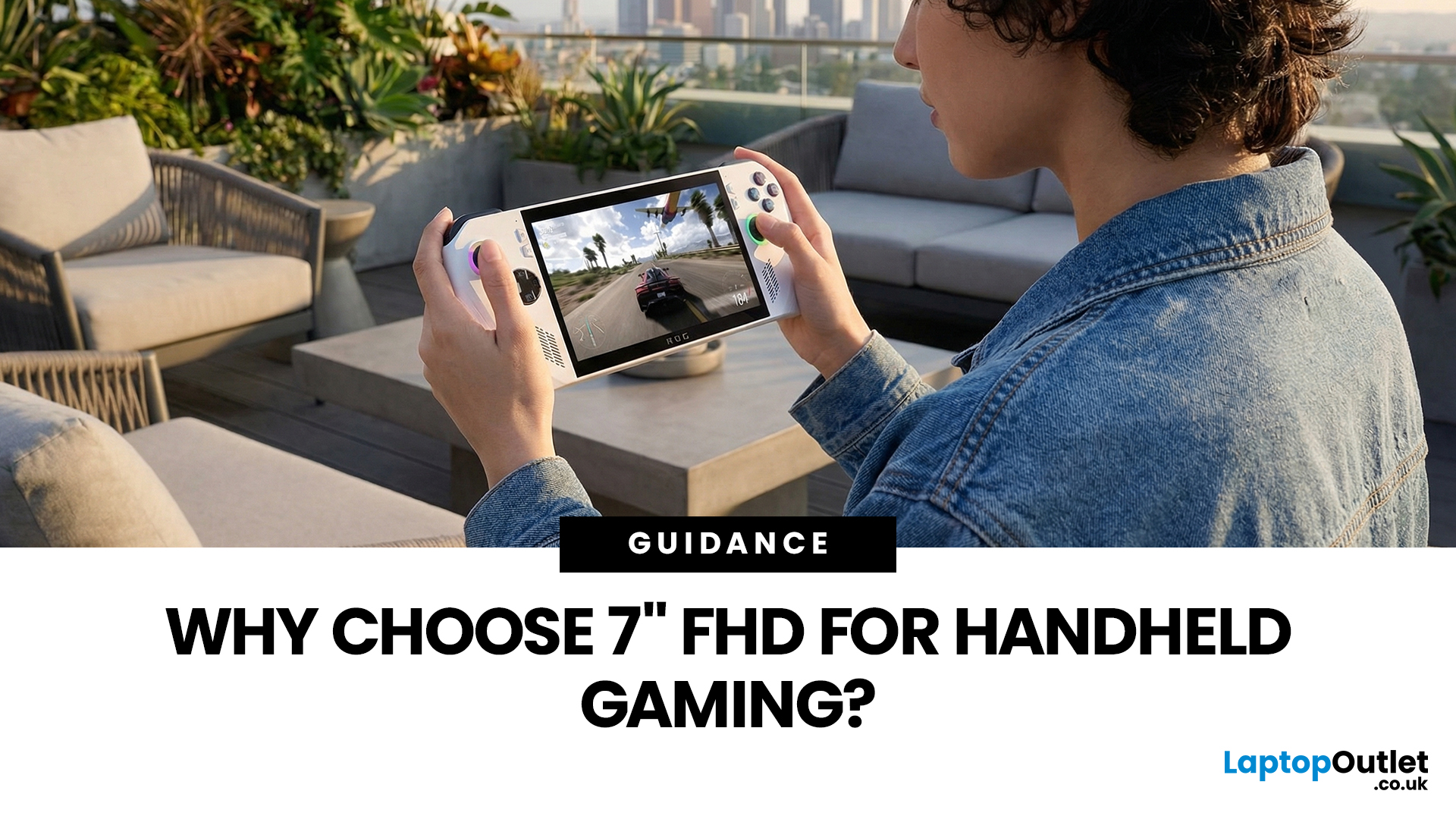
The world of portable gaming has moved at a cracking pace over the last few years. We have seen screens get bigger, resolutions climb higher, and processors become more efficient.
However, as we settle into 2026, a clear winner has emerged for the average gamer. While 8-inch or 9-inch "mega-handhelds" have their fans, the 7-inch FHD handheld display remains the definitive sweet spot for the market.
At Laptop Outlet, we see the data and hear the feedback from our community. Players want a device that feels like a handheld, not a tablet with controllers glued to the sides. They want a screen that looks sharp without killing the battery in forty minutes.
Here is why the 7-inch 1080p formula is still the king of the hill.
Perfect Pixel Density for the Human Eye
When we talk about screen quality, resolution is only half the story. The real hero is pixel density, often measured in pixels per inch (PPI). A 7-inch FHD handheld display features a 1920 x 1080 resolution. On a screen this size, that equates to roughly 315 PPI.
To put that into perspective, a standard 27-inch 1440p monitor only has about 108 PPI. Even a premium 4K laptop usually sits around 280 PPI. Because you hold a handheld closer to your face than a desktop monitor, that extra density matters.
At 315 PPI, the image is "retina-grade." This means your eyes cannot distinguish individual pixels at a normal playing distance. Everything from character models to fine text in RPGs looks incredibly crisp.
Avoiding the Diminishing Returns of QHD
Going higher than 1080p on a 7-inch panel is a case of diminishing returns. You are essentially asking the hardware to work harder for detail that the human eye can barely perceive on such a small canvas. While some "halo" products experiment with 1440p, the added clarity is negligible compared to the massive hit on performance.
Balancing Performance and Battery Life
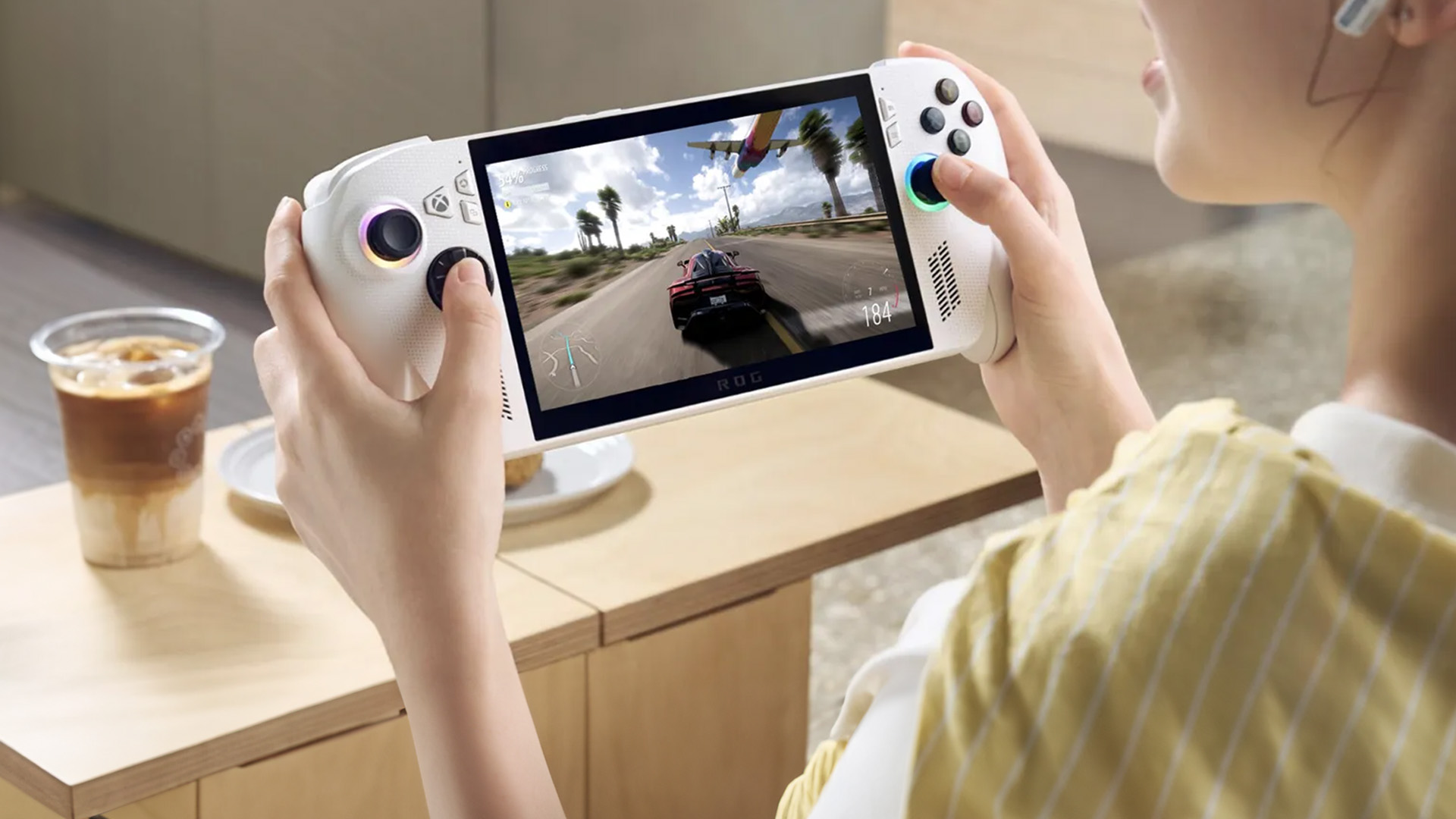
In 2026, we have some brilliant mobile chips like the AMD Ryzen Z2 Extreme and the latest Intel Core Ultra series. These chips are powerful, but they still have limits. Pushing a game at 1440p or 1600p requires significantly more graphical grunt than running it at 1080p.
When you use a 7-inch FHD handheld display, you allow the GPU to breathe. Instead of struggling to hit 30 FPS at a massive resolution, the device can easily reach 60 or even 90 FPS at 1080p. This results in a much smoother gaming experience.
Efficiency Is Still the Biggest Hurdle
Furthermore, battery life remains the biggest hurdle for portable PC gaming. A 1080p panel uses fewer pixels and requires less backlight power than a QHD equivalent. By sticking to the FHD sweet spot, devices like the ASUS ROG Ally series or the MSI Claw can squeeze out that extra hour of gameplay. Nobody wants to be tethered to a wall socket when they are halfway through a commute.
Ergonomics and True Portability
There is a reason we call them "handhelds." If a device gets too large, it loses its soul. We have seen 8.8-inch and 9-inch devices enter the market recently, such as the Lenovo Legion Go successors. While they offer a "big screen" feel, they often come with a weight penalty.
A device built around a 7-inch FHD handheld display stays within the "golden weight" range of 600g to 650g. This is light enough to hold for a couple of hours without your wrists feeling the strain. It also fits much more easily into a standard tech sling or a small backpack.
The Comfort Factor for Long Sessions
The 7-inch form factor strikes the best balance between immersion and comfort. It provides enough screen real estate to enjoy cinematic titles like Cyberpunk 2077 or Monster Hunter Wilds, but it remains compact enough to be a genuine travel companion. Larger devices often feel top-heavy, leading to quicker hand fatigue during intense boss fights.
Compatibility with Modern Upscaling
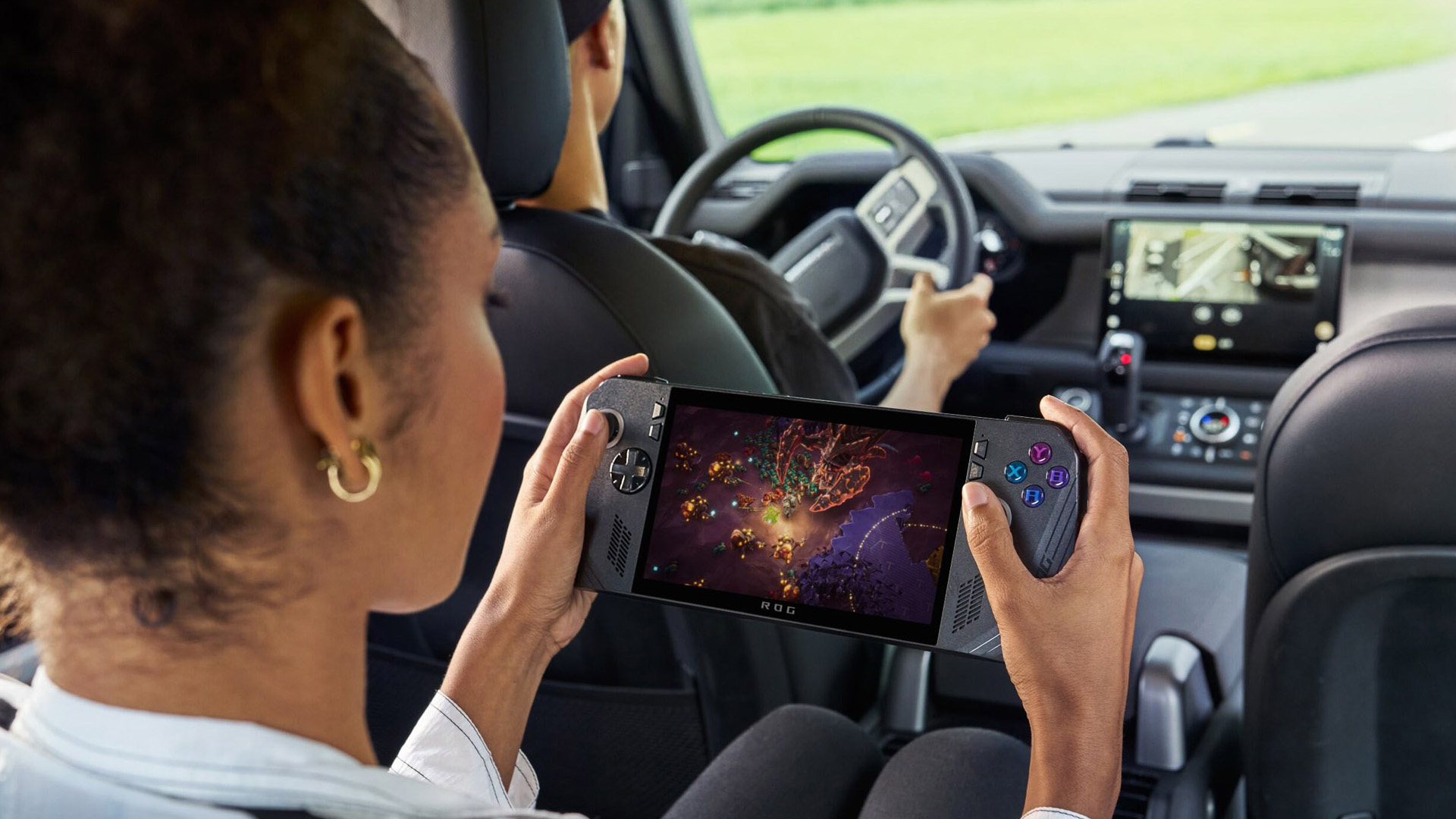
In 2026, we do not always play at native resolution. Technologies like NVIDIA DLSS, AMD FSR, and Intel XeSS are now industry standards. These tools allow a game to render at a lower resolution (like 720p) and upscale it to 1080p using AI.
On a 7-inch FHD handheld display, upscaled images look nearly identical to native ones. Because the screen is small, the "shimmering" or artifacts sometimes seen with upscaling on large TVs are virtually invisible. This allows gamers to use "Performance" modes to get massive frame rate boosts while the image still looks like a clean 1080p output. It is a win-win for everyone involved.
Why 1080p Beats 800p in 2026
You might wonder why we don't just stick to the 800p resolution found on the original Steam Deck. While 800p is great for battery life, the jump to 1080p is quite noticeable for modern Windows-based handhelds.
Most PC games are designed with a 16:9 aspect ratio and 1080p as the baseline. When you run these games on a 1080p screen, the UI and menus look exactly as the developers intended. Text is easier to read, and you avoid the "letterboxing" or stretching that can happen on non-standard resolutions.
For a versatile device that might also be used for web browsing or light office work, the extra vertical and horizontal pixels of an FHD screen are a godsend.
The Sweet Spot for the Pocket and the Palm
Cost is the final piece of the puzzle. Manufacturing 7-inch FHD panels is now highly efficient. This allows manufacturers to put better quality tech into the screen—like 120Hz or 144Hz refresh rates and VRR (Variable Refresh Rate)—without the price skyrocketing.
Devices with a 7-inch FHD handheld display often represent the best value for money in our shop. You get a premium, high-refresh experience that feels "next-gen" without paying the "early adopter" tax associated with experimental larger screens or ultra-high resolutions.

Performance Meets Portability
As we look through our current stock at Laptop Outlet, it is clear that the 7-inch 1080p handheld is the benchmark for a reason. It respects the hardware limits of 2026 while delivering a visual punch that satisfies even the pickiest gamers. It is the perfect blend of sharp visuals, smooth frame rates, and comfortable handling.
If you are looking for a new handheld this year, do not be swayed solely by the biggest numbers on the box. The best experience comes from the right balance, not the highest specs.

In Case You Were Wondering...
Is a 7-inch screen big enough for AAA games?
Yes, the high pixel density ensures that even small details in massive open-world games remain perfectly clear and highly immersive.
Does 1080p resolution drain the battery quickly?
While it uses more than 720p, 1080p is very efficient on 7-inch panels, especially when paired with modern battery-saving processors.
Can I see the pixels on a 7-inch FHD screen?
No, the pixel density is so high that the image appears perfectly smooth to the human eye at normal playing distances.
Are 8-inch handhelds better than 7-inch ones?
Bigger screens offer more viewable area but are often heavier and less portable, making 7-inch screens the better choice for travel.
Do I need a higher resolution than FHD?
On a screen this small, anything higher than 1080p offers very little visual gain while significantly lowering your game’s frame rate.
Is 120Hz important on a 7-inch display?
Absolutely, a high refresh rate makes motion look much smoother, which is especially noticeable on a sharp 1080p handheld screen.
Will Windows 11 look good on this screen?
Yes, Windows 11 handles scaling brilliantly on 1080p displays, ensuring that icons and text are sharp and easy to navigate.
Related Articles

Last Updated: October 21, 2025
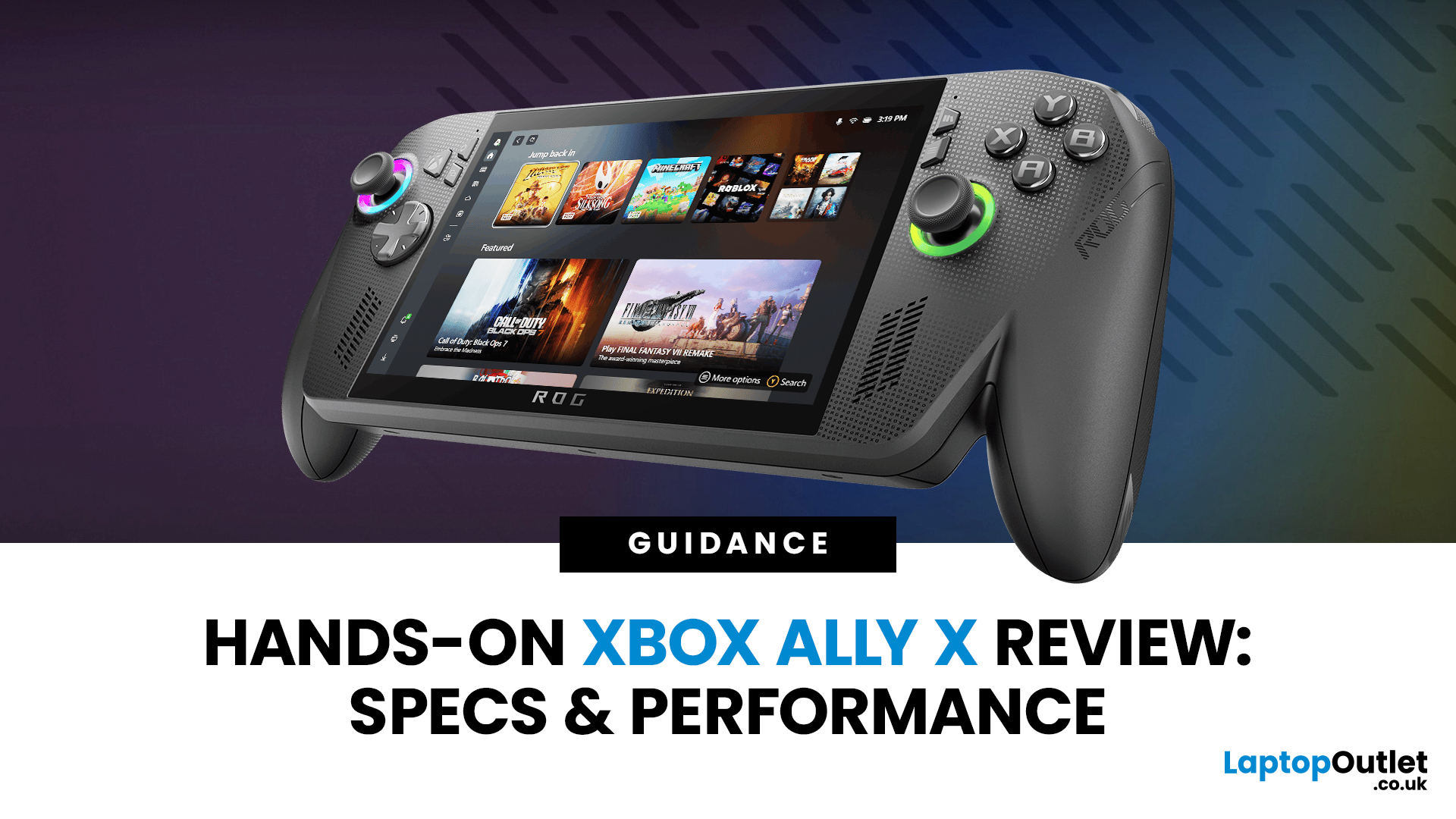
I’ll be honest, I’ve been waiting eagerly to try the Xbox Ally X ever since Microsoft and ASUS announced it. The idea of a proper Xbox handheld gaming machine, one that blurs the line between console and PC, had me curious but also sceptical. After all, we’ve seen plenty of handheld PCs already, and most of them promise the world but trip over Windows bloat or weak battery life.
When I finally picked up the Ally X, my first reaction was: this thing feels serious. It’s not a toy, it’s not a Switch, and it’s definitely not a Steam Deck clone. It feels like a machine built for Xbox fans first, but with the flexibility of a full Windows 11 PC under the hood. In this Xbox Ally X review, I’ve spent as much time diving into the specs, benchmarks, software, and real-world use as I could. Here’s my take and whether it lives up to the hype.
Xbox Ally X vs Ally: Do You Really Need the Upgrade?
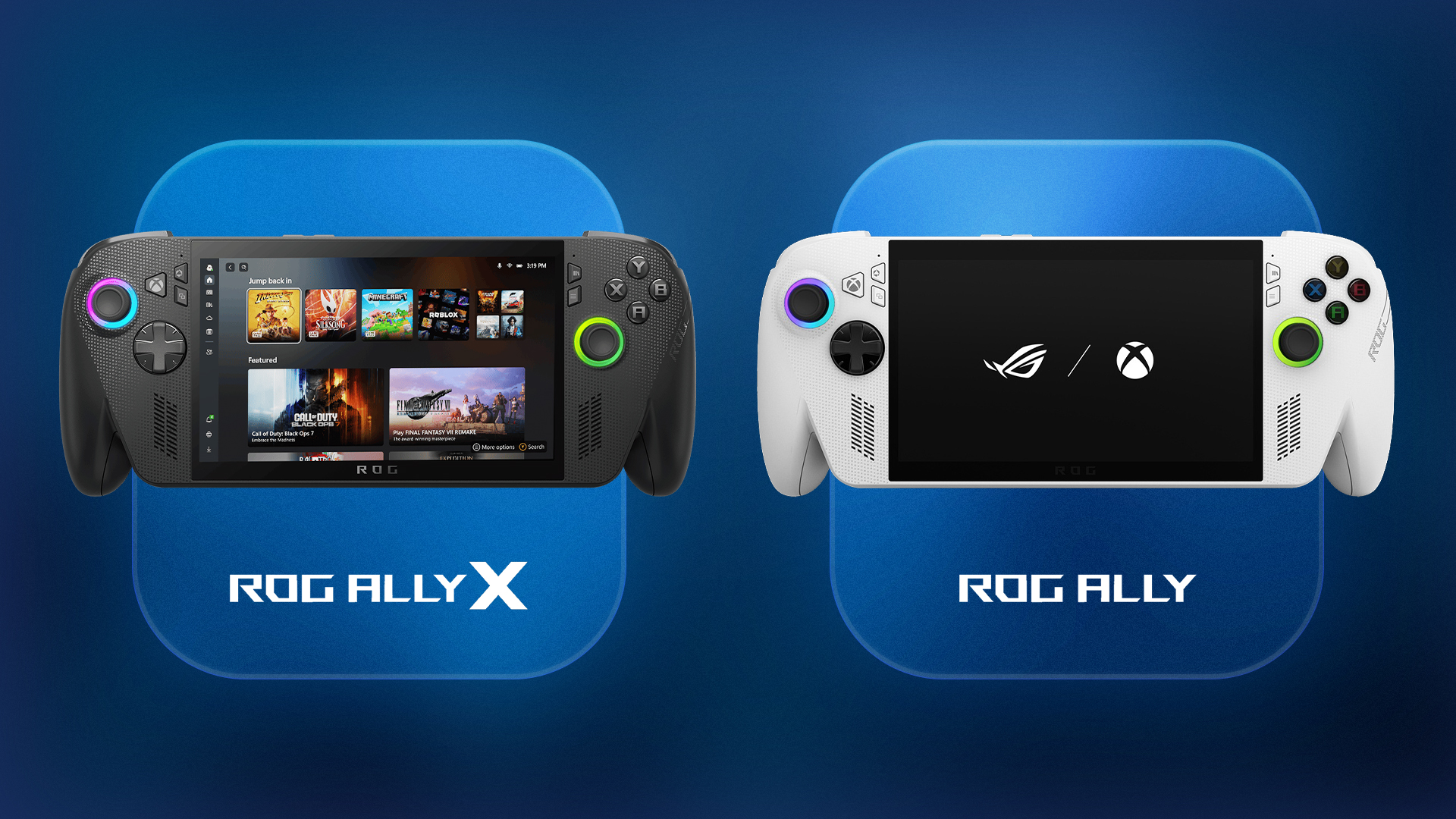
The Xbox Ally X launch date was 16th October 2025, arriving alongside the standard ROG Ally. Microsoft
Last Updated: September 01, 2026
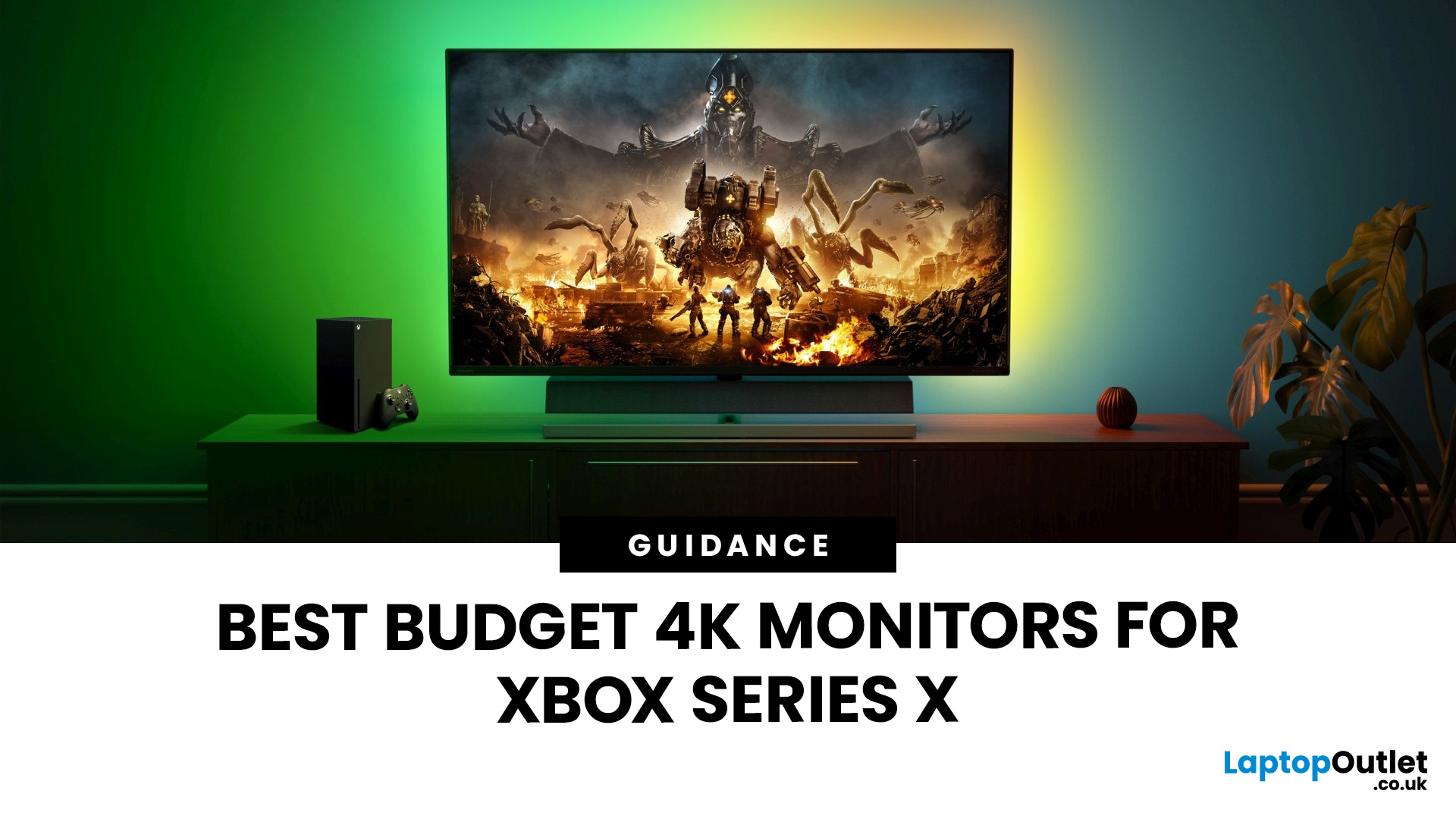
If you're looking to unlock true next-gen performance on your Xbox Series X without stretching your budget, you’re in the right place. The console is capable of extraordinary visuals, which includes from razor-sharp 4K resolution and buttery-smooth 120Hz gameplay to HDR brilliance and ultra-low latency. But to experience these features properly, you need the right display. That’s why we’ve curated a detailed guide to the best budget-friendly 4K monitors for Xbox Series X, helping you choose a display that enhances every moment of your gaming while keeping your wallet happy.
Why a 4K Monitor is Ideal for Xbox Series X
The Xbox Series X was built for 4K gaming. While you can play on lower resolutions, a monitor that fully supports the console’s capabilities will significantly improve your experience. Here’s why a 4K monitor for next-gen consoles is the perfect match:
True 4K Resolution
With a 4K monitor, you get four times the pixel density of 1080p, giving you:
- Sharper textures
- Improved

Last Updated: January 21, 2026
Android tablets have evolved into powerful, versatile devices that can easily replace laptops for many users. You need to stream content, work on the go, game at high frame rates, or manage everyday tasks, so choosing the best Android tablet PC can significantly enhance your experience.
In this in-depth guide, we’ll explore the best android tablets in the UK, covering top rated Android tablets, productivity-focused models, and the best gaming tablet options available today. We’ll also help you understand what features matter most and how Android tablets compare with alternatives like convertibles and Windows-based devices.
Why Choose an Android Tablet PC?
Android tablet PCs are popular in the UK for several key reasons:
- User-friendly interface with access to millions of apps on Google Play
- Wide price range, from affordable everyday tablets to premium powerhouses
- Excellent battery life, ideal for travel and work
- Strong gaming performance with optimised mobile titles
- Flexible use cases

Last Updated: January 27, 2026
Building or buying a high-end gaming PC is an exciting journey for any enthusiast. The market moves fast, and staying updated on the latest hardware is essential for the best experience.
In this gaming desktop PC breakdown, we will explore the core parts that make a machine powerful. We will look at the latest processors from AMD and Intel, the incredible graphics power of NVIDIA RTX and Radeon RX, alongside other core components.
Whether you want to play the newest AAA titles or compete in esports, understanding these parts is vital. Let us dive into the modern world of gaming PC technologies.
Understanding Gaming Desktop PCs
A gaming desktop PC is a high-performance computer designed specifically to handle demanding video games. Unlike standard PCs, these machines focus on graphical power and fast processing speeds. They use specialised parts that can handle high heat and heavy workloads.
While gaming laptops and consoles are popular, the desktop remains the "gold standard" for several

Last Updated: February 11, 2026
Choosing the right desktop PC can feel a bit like picking a side in a long-running tech rivalry. HP, Dell, and Lenovo are three of the biggest names and for good reason. They all offer reliable, powerful desktops that suit everything from casual home use to hardcore business workloads and creative setups.
But when it comes to HP vs Dell vs Lenovo desktop PCs, which brand actually wins for you?
Why Compare HP, Dell, and Lenovo Desktop PCs?
HP, Dell, and Lenovo are all global heavyweights in the PC world. They each offer a wide range of desktops — from budget-friendly towers to powerful workstations and compact all-in-one PCs.
But here’s the thing:
Not all desktop PCs are built for the same kind of user.
Some are better for productivity, some for gaming, and others for long-term reliability. Understanding the differences is key before you hit “Add to Basket”.
HP Desktop PCs: Style Meets Performance
HP desktops are known for blending solid performance with modern design. If you like your
Published: February 09, 2026
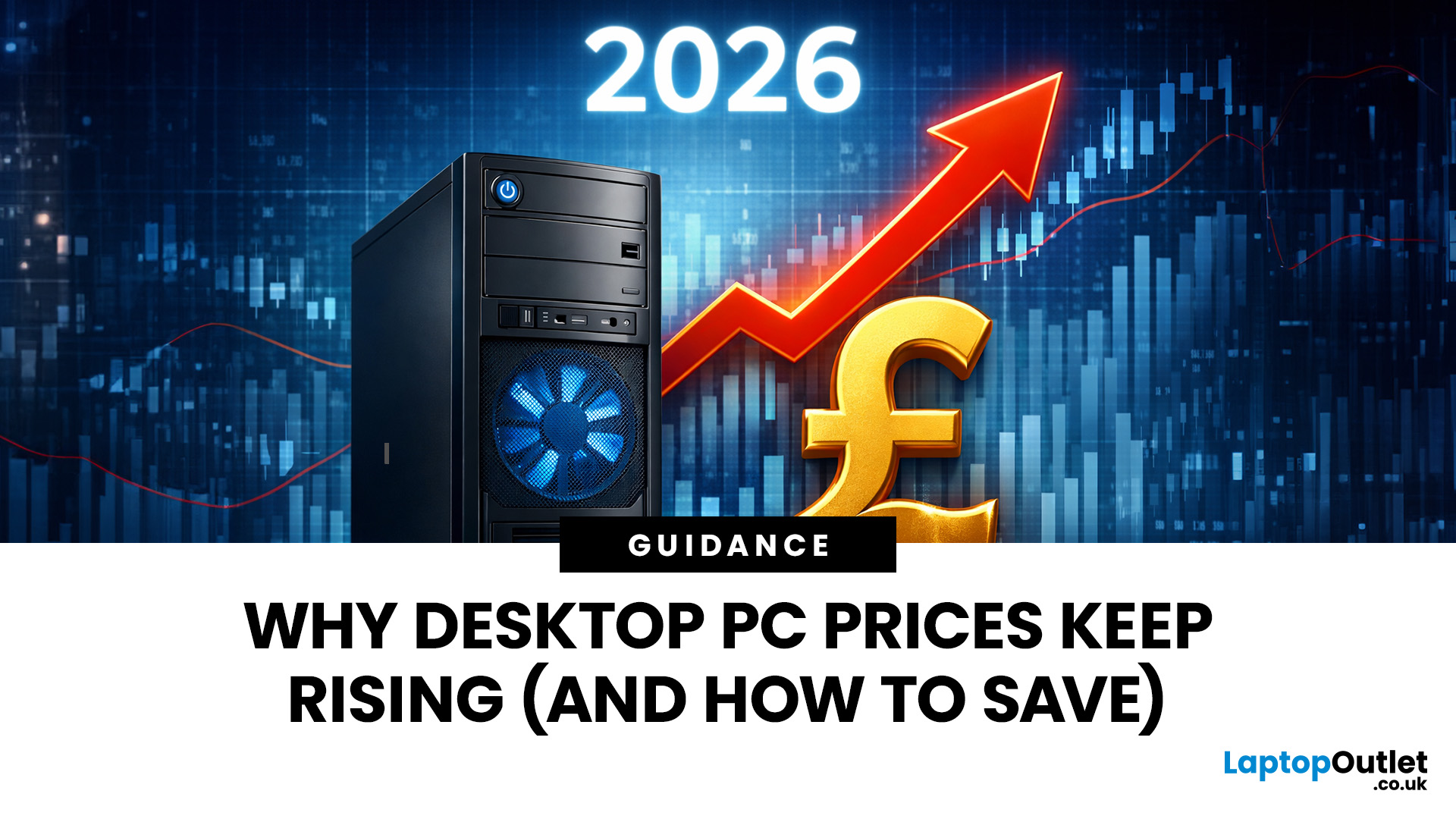
If you have been browsing for a new PC lately, you might have noticed a bit of a price shock. Whether you are looking for a sleek all-in-one for your home office or a powerful gaming rig, the numbers on the price tags in 2026 are noticeably higher than they were just a couple of years ago.
Many UK buyers are left scratching their heads, asking the same question: why are desktop PCs expensive all of a sudden? It is a fair question. In this guide, we will break down exactly what is driving these costs and, more importantly, how you can still find incredible value.
Key Reasons Desktop PC Prices Are Rising
Understanding the "why" behind the price hike helps you time your purchase better. Here are the primary factors driving the market today.
The "AI Squeeze" on Components
The biggest culprit isn't a lack of chips, but a shift in what those chips are used for. Huge data centres are currently buying up almost 70% of the world’s advanced memory (DRAM) and storage (NAND) to power AI models.
Last Updated: March 06, 2026
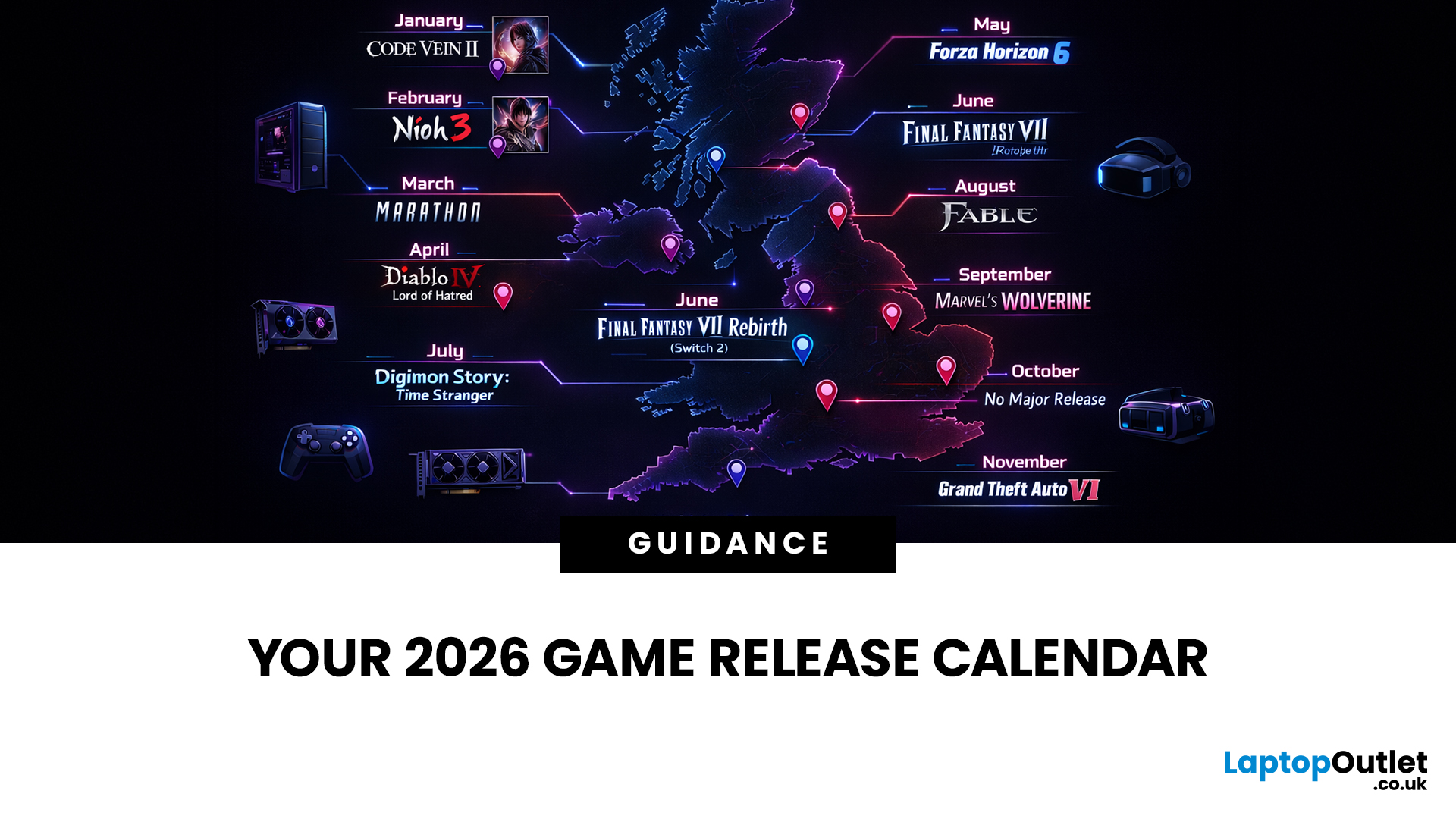
If you’re trying to plan your backlog (or your annual leave), this is your 2026 upcoming games list in one place, with confirmed release dates and clearly labelled release windows where a specific day isn’t locked yet.
This guide is built for people who want a clean answer to: “What’s coming out in 2026, and when?” — including release dates on Switch/Switch 2, PS5, Xbox Series X|S, and PC.
Last Updated: Friday, 6 March 2026
How We Verify Release Dates (so you can trust the calendar)
We only list a game under a month when it has a confirmed date (day + month) from a reliable source (publisher/dev announcement, platform store listing, or established release calendar). For wider coverage, we cross-check against frequently updated release schedules.
Labels You’ll See:
- Confirmed date = the day is publicly announced/listed
- Release window = “Spring 2026 / Q3 2026 / 2026” (no day yet)
- Early Access = date refers to EA launch, not 1.0
Quick timezone note (important): some PC store pages show a
Published: March 12, 2026
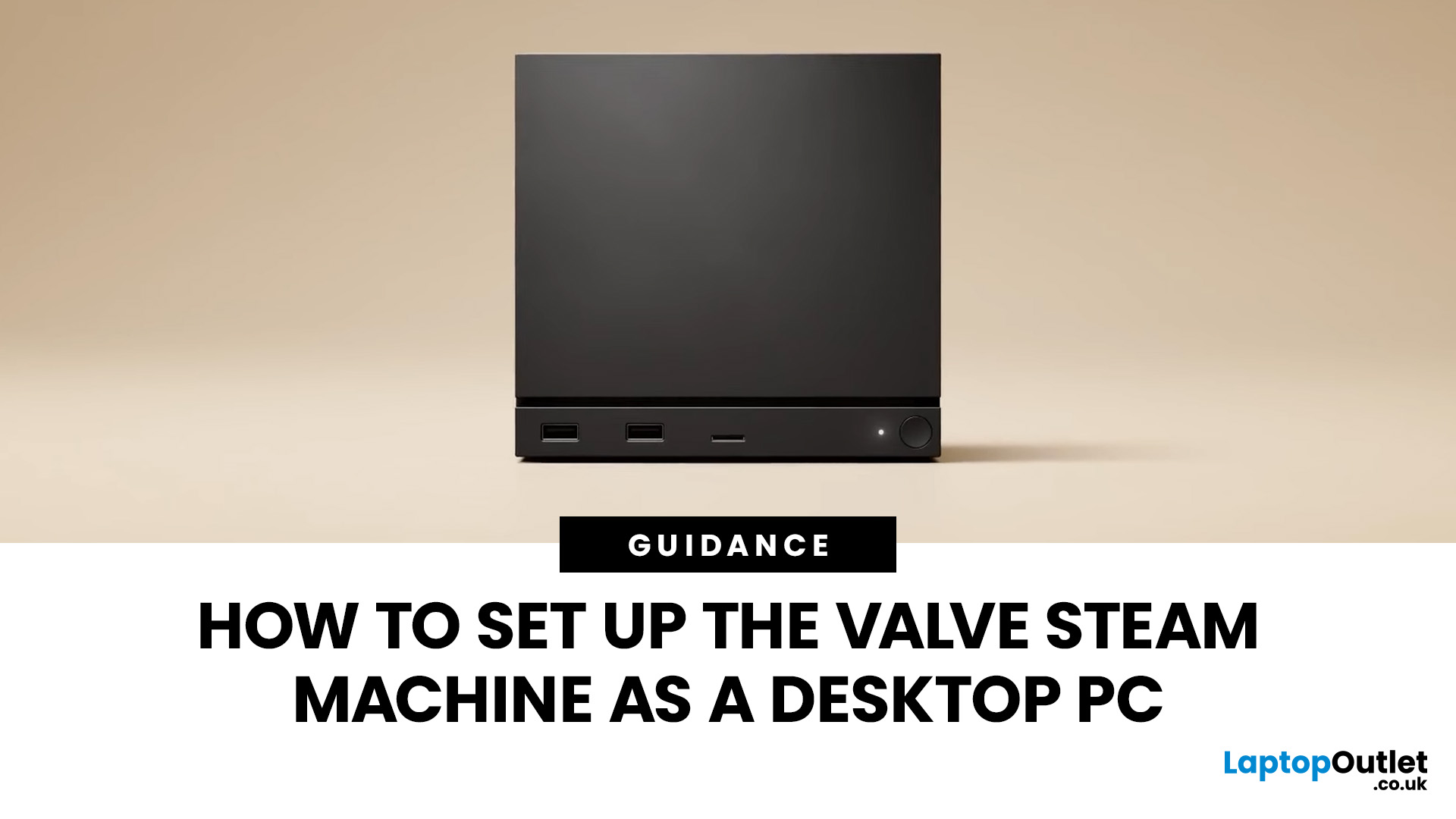
If you have an old Valve Steam Machine tucked away under the telly or on a shelf, you might be wondering whether it can still do more than launch games. The good news is that, with the right setup, it can absolutely pull double duty as a compact desktop computer for everyday use.
This guide walks you through a practical Valve Steam Machine setup for desktop use, from connecting a monitor and peripherals to accessing SteamOS desktop mode and making the system feels more like a standard PC. Whether you want a lightweight machine for web browsing, media streaming, or casual home computing, repurposing a Steam Machine can be a clever and cost-effective option.
What is a Valve Steam Machine?
A Valve Steam Machine was originally designed as a living-room gaming PC. It brought PC gaming closer to the console experience, usually running SteamOS and focusing on controller-friendly play from the sofa.
That said, the hardware inside many Steam Machines is still capable of handling basic desktop
Published: March 23, 2026
2026 is looking stacked for Xbox. We’ve already got big names locked in like Fable, Forza Horizon 6, Beast of Reincarnation and Kiln, plus newer drops like Planet of Lana II and Crimson Desert, adding even more hype. For UK players, it’s a solid mix of huge adventures, racing, RPGs, co-op chaos, and Game Pass day-one wins. Best part? This isn’t just rumour season anymore. A bunch of these games already have confirmed dates or release windows, so the Xbox 2026 lineup is starting to look very real.
Why 2026 Looks Like a Major Year for Xbox
The headline reason 2026 feels big is simple: Xbox is balancing first-party prestige with broad genre coverage. Fable gives the platform its big fantasy action-RPG return, Forza Horizon 6 handles the open-world racing crowd, Beast of Reincarnation adds a fresh action-RPG from Game Freak, and Kiln brings a more playful multiplayer angle from Double Fine. Xbox Wire confirmed all four at Developer_Direct, and all four are planned for release in 2026.
There
Last Updated: April 06, 2026
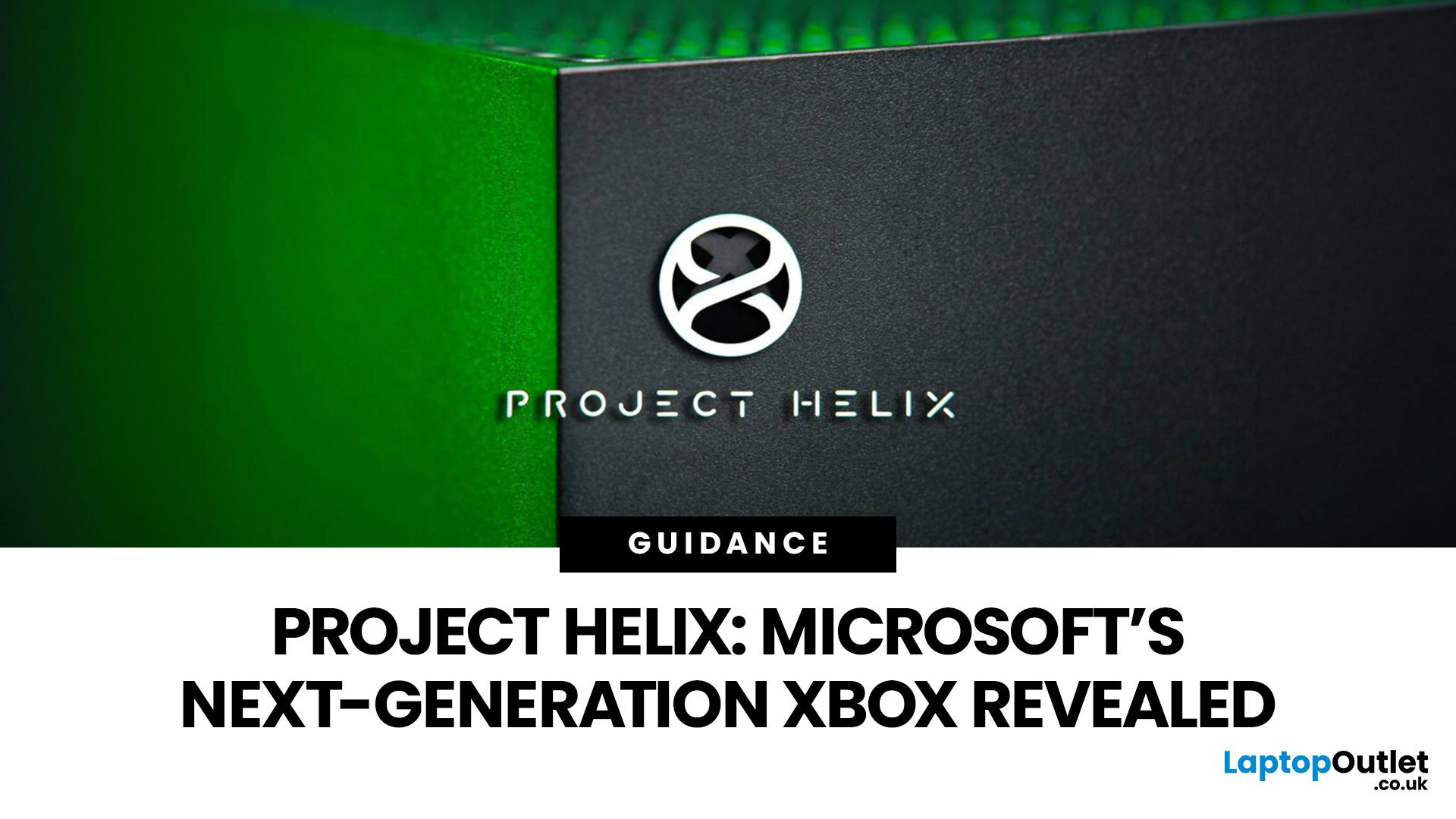
The gaming industry is once again on the brink of transformation, and Microsoft appears ready to lead the charge. Enter Project Helix, the rumoured next-generation Xbox console that could redefine not only console gaming but the entire ecosystem connecting Xbox, PC, and cloud platforms.
With increasing competition from Sony, rapid advancements in hardware, and the growing dominance of cloud gaming, Microsoft’s strategy has evolved far beyond traditional consoles. Project Helix is expected to embody this evolution, merging power, flexibility, and innovation into one unified gaming experience.
In this deep dive, we’ll explore everything we know (and what we can reasonably expect) about Project Helix, including its potential features, hardware specifications, release window, and how it could shape the future of gaming.
What Is Project Helix?
Project Helix is widely believed to be Microsoft’s codename for its upcoming next-gen Xbox console, likely targeting a release around 2026 or beyond.

