



AMD RDNA 5 Rumours: Leaks, Specs, Release Date & What to Expect
AMD RDNA 5 is the rumoured next-generation graphics architecture from AMD, expected to succeed the RDNA 4-based Radeon RX 9000 series. Based on credible leaks as of mid-2026, RDNA 5 is reportedly built on TSMC's N3P process node and is expected to introduce Neural Arrays, Radiance Cores, and GDDR7 graphics memory. Multiple OEM partners and industry sources point to a mid-to-late 2027 consumer launch window, with AMD itself yet to confirm any details publicly.
If you keep an eye on the GPU market, you will have noticed the buzz growing around AMD RDNA 5. AMD's current lineup, the Radeon RX 9000 series built on RDNA 4, has only recently settled into the market, yet the tech community is already looking ahead to what Team Red has in store next.
To be clear from the outset: AMD has not officially confirmed RDNA 5 by name, nor announced a release date or specifications for its next-generation consumer GPUs. Everything covered in this blog is based on leaks, patent filings, industry sources, and credible rumours gathered up to July 2026. Nothing here should be treated as confirmed until AMD says so.
That said, the picture building from these sources is genuinely interesting. Here is a thorough look at what is reportedly coming.
What Is AMD RDNA 5? Understanding the Architecture Roadmap
Before diving into the rumours, it helps to understand where AMD RDNA 5 sits in the company's GPU architecture lineage and why it is attracting so much attention from enthusiasts and industry watchers alike.
The RDNA Architecture Family So Far
AMD's Radeon RX graphics cards have been powered by the RDNA GPU architecture since 2019. Each generation has brought meaningful improvements to performance, efficiency, and feature support.
|
Generation |
Architecture |
GPU Series |
Process Node |
Key Feature |
|
RDNA 1 |
GFX10 |
Radeon RX 5000 |
TSMC 7nm |
Introduced RDNA architecture |
|
RDNA 2 |
GFX10.3 |
Radeon RX 6000 |
TSMC 7nm (N7) |
Hardware ray tracing, Infinity Cache |
|
RDNA 3 |
GFX11 |
Radeon RX 7000 |
TSMC 5nm (N5) |
Chiplet design, DisplayPort 2.1 |
|
RDNA 4 |
GFX12 |
Radeon RX 9000 |
TSMC 4nm (N4P) |
FSR 4, improved RT, mid-range focus |
|
RDNA 5 (rumoured) |
GFX13 |
Radeon RX 10000 (?) |
TSMC 3nm (N3P) |
Neural Arrays, Radiance Cores, GDDR7 |
Why RDNA 5 Is Drawing More Attention Than Usual
RDNA 4 was largely a mid-range play. AMD stepped back from the flagship GPU market, leaving enthusiasts without a high-end Radeon option capable of taking on Nvidia's top-tier cards. According to leaks, RDNA 5 is rumoured to change that significantly, reportedly targeting Nvidia's upcoming RTX 60-series at the high end for the first time in years.
Additionally, AMD's close collaboration with both Sony and Microsoft on next-generation console hardware means that RDNA 5 is expected to underpin the PlayStation 6 and Xbox "Project Helix" APUs, giving the architecture a far broader reach than a typical GPU generation.
Note on Naming: RDNA 5 vs UDNA
Some leaks and industry documents refer to AMD's next architecture as "UDNA" rather than "RDNA 5," suggesting a possible move towards a unified architecture that covers both gaming and compute workloads. As of mid-2026, AMD has not confirmed which name it will use at launch.AMD RDNA 5 Leaks: Where the Rumours Are Coming From
Not all leaks are equal. Before weighing up the RDNA 5 rumours, it is worth knowing which sources have been driving the conversation and why their claims carry varying degrees of credibility.
Key Leakers and Sources
The most widely cited sources on AMD RDNA 5 include hardware leaker Kepler_L2, who has a strong track record with AMD-related disclosures and was reportedly accurate on early PlayStation 5 Pro details. The YouTube channel Moore's Law is Dead (MLID) has published several leaks citing unnamed OEM partner sources. Videocardz.com and WCCFtech have also consolidated and corroborated various reports.
A key validation point came at Computex 2026, where multiple AMD board partners reportedly confirmed to tech outlet Tweakers that they were expecting RDNA 5 GPU shipments in 2027, lending real-world supply chain backing to the timing claims.
GFX13 in the Linux Kernel and LLVM
One of the more concrete pieces of evidence is not a rumour at all. References to GFX13 architecture and GFX1310, which are believed to be internal AMD designations for RDNA 5 silicon, have been spotted in AMD's contributions to the Linux kernel and LLVM compiler. This kind of software enablement work typically happens well ahead of hardware launch and is considered a reliable early indicator of a product in development.
RDNA 5 Release Date: What the Rumours Suggest
The release date question is probably the most common one in the RDNA 5 conversation right now. The honest answer is that nothing is confirmed, but the rumours have converged on a clearer window than they had six months ago.
The Emerging Release Window
As of mid-2026, the most consistently cited estimate for the RDNA 5 release date is mid-to-late 2027. Kepler_L2, considered one of the more reliable AMD leakers, stated in December 2025 that a mid-2027 release was the target, and that 2026 would be largely quiet for new Radeon GPU launches.
This aligns with reports from Computex 2026, where one OEM partner reportedly expected RDNA 5 desktop GPUs in Q2 or Q3 of 2027. Another board partner was reportedly more cautious, suggesting late 2027 or even early 2028 for retail availability. The divergence between partners suggests production timelines are still being finalised.
What Could Delay or Accelerate a Launch
Two factors are reportedly influencing AMD's timeline. First, there is a significant global shortage of GDDR7 memory, driven by strong AI accelerator demand. Board partners have noted that memory pricing and supply availability remain a real concern for launch planning. Second, AMD may be keeping an eye on when Nvidia's RTX 60-series launches, which is also reportedly targeted around 2027, to time its release for maximum competitive impact.
Rumoured AMD RDNA 5 Specs: Everything Leaked So Far
The rumoured AMD RDNA 5 specs cover a wide range of claimed improvements, from the process node to the Compute Unit structure, memory configuration, and power envelopes. Here is what the leaks are suggesting across different tiers.
Process Node: TSMC N3P High Confidence
Multiple credible leakers have reportedly claimed that RDNA 5 silicon has been taped out on TSMC's N3P process node. This is a step up from the TSMC N4P node used for RDNA 4. Compared to the older TSMC N5, the N3P node is said to offer around 18% higher speeds, 36% lower power consumption, and a 24% reduction in chip area. If accurate, this should deliver meaningful efficiency gains even before any architectural changes are factored in.
Compute Unit Structure: A Rumoured Redesign Medium Confidence
One of the more significant rumoured changes concerns the Compute Unit (CU) architecture itself. AMD has used 64 shader processors per CU across its recent Radeon generations. Multiple leaks suggest that RDNA 5 could double this to 128 cores per CU, which would substantially change how raw core counts compare between generations.
If this redesign is accurate, a flagship chip with 96 CUs would contain approximately 12,288 shader processors, which is considerably higher than anything in AMD's current consumer lineup. Separately, leaker MLID has cited an "AT0" flagship die with a figure of 154 CUs using a different counting methodology. Both sets of figures may refer to the same chip described with different counting conventions.
Memory: GDDR7 Across the Stack High Confidence
Multiple independent leaks point to GDDR7 graphics memory being used across most of the RDNA 5 lineup. MLID's sourced document reportedly shows GDDR7 modules running at 36 Gbps, which would be faster than the 30 Gbps chips used in Nvidia's RTX 5080. The absence of 8GB VRAM options is also reportedly confirmed; the minimum across the RDNA 5 stack is expected to be 12GB.
Some entry-level and laptop-oriented variants may reportedly use LPDDR6 memory combined with large on-chip caches to manage costs while maintaining acceptable bandwidth.
Rumoured RDNA 5 Lineup: Expected Cards
Based on the AMD Radeon RDNA 5 leaks, the desktop lineup is rumoured to carry the Radeon RX 10000 series branding (though AMD has not confirmed this naming scheme). Four die configurations, codenamed AT0 through AT4 and internally related to the "Alpha Trion" project, are reportedly planned.
|
Rumoured Model |
Die (Codename) |
Est. CUs |
VRAM |
Bus Width |
Est. Target |
UK Price (Est.) |
|
Radeon RX 10900 XT (?) |
AT0 (Alpha Trion 0) |
~96-154 CUs |
36 GB GDDR7 |
384-bit |
Flagship / RTX 6090 |
~£1,000-£1,400 |
|
Radeon RX 10700 XT (?) |
AT2 XL |
~64 CUs |
18 GB GDDR7 |
192-bit |
High-End / RTX 5080 |
~£550-£750 |
|
Radeon RX 10070 GRE (?) |
AT3 |
~48 CUs |
16 GB GDDR7 |
160-bit |
Upper-Mid |
~£350-£500 |
|
Radeon RX 10060 XT (?) |
AT4 |
~32-44 CUs |
12 GB GDDR7 |
128-bit |
Mid-Range |
~£200-£320 |
All model names, specs, and pricing are estimated based on leaked information and are entirely unconfirmed. UK prices are illustrative estimates derived from USD rumours and typical UK GPU market pricing.
Note on Naming Scheme
AMD has not confirmed whether the RX 10000 branding will be used. After the RX 9000 series, a naming refresh would make sense, but AMD may opt for a different structure entirely. Treat any model names in leaks as placeholders rather than final product designations.Whatever RDNA 5 eventually brings, there is no need to wait around if you need a GPU today. Browse our current range of reliable AMD graphics cards for solid, ready-to-ship performance right now.
AMD RDNA 5 Architecture: The Three Reported Pillars
The most credible and officially hinted-at aspects of RDNA 5 are its three core architectural innovations, first previewed by AMD alongside Sony as part of Project Amethyst. These are the building blocks the rumoured next-gen Radeon GPU will reportedly be designed around.
| Neural Arrays | Radiance Cores | Universal Compression |
|---|---|---|
| Clusters of Compute Units working together as a unified AI engine for machine learning tasks, upscaling, and neural rendering. | Dedicated hardware blocks for faster and more efficient real-time ray tracing and path tracing, reportedly AMD's biggest RT revision yet. | An adaptive compression system that evaluates and compresses GPU data in real time, reducing memory bandwidth pressure throughout the pipeline. |
Neural Arrays: AI Acceleration Built Into the Architecture
According to AMD's own published information through Project Amethyst, Neural Arrays are designed to group Compute Units together so they function as a single, co-ordinated AI engine rather than independent processing blocks. This is intended to improve throughput for neural network tasks, including the machine learning models underpinning next-generation upscaling and frame generation.
The thinking here is that AI acceleration should be deeply integrated into the GPU's fabric, rather than bolted on as a separate unit. This reportedly improves both efficiency and the quality of AI-assisted rendering techniques like those planned for FSR Diamond.
Radiance Cores: The Ray Tracing Overhaul
Radiance Cores are described by AMD as new dedicated hardware blocks specifically designed for ray and path tracing. This represents what is reportedly AMD's most significant ray tracing redesign since RDNA 2 first introduced hardware-accelerated RT support. Leaked performance estimates suggest that Radiance Cores could improve ray tracing efficiency by at least 30% per CU over RDNA 4.
Importantly, Radiance Cores reportedly incorporate lateral acceleration hardware for larger-scale ray traversal and intersection calculations, an approach already used by Intel in its Xe architecture. If AMD executes on this, the cumulative improvement in ray tracing performance versus RDNA 3, including the higher CU count, could be very substantial.
Universal Compression: Stretching Memory Bandwidth Further
Universal Compression is AMD's reported solution to the bandwidth demands of modern rendering. By compressing data as it moves through the GPU pipeline and into VRAM, the architecture reduces how much raw bandwidth the GPU needs to achieve any given visual output. This is particularly valuable because even GDDR7 has limits, and higher resolutions with ray tracing active are extremely bandwidth-intensive.
Some analysts suggest that this compression approach means AMD might not need to go beyond a 384-bit memory bus for the flagship, even when targeting performance at the level of Nvidia's best cards.
FSR Diamond: AMD's Next-Generation Upscaling Suite
Alongside the hardware rumours, AMD has officially confirmed one piece of next-generation technology that is very likely linked to RDNA 5: FSR Diamond, announced at GDC 2026.
FSR Diamond is the successor to the current FSR Redstone suite used on the Radeon RX 9000 series. Unlike its predecessor, FSR Diamond is reportedly built from the ground up for machine learning hardware, requiring dedicated neural acceleration to function at its full potential. The four headline features of FSR Diamond are:
- ML-Based Upscaling: Machine learning-driven image reconstruction for sharper, more temporally stable output than algorithm-based approaches.
- ML Multi-Frame Generation (MFG): AI-generated intermediate frames to boost perceived frame rates, similar in concept to Nvidia's DLSS Frame Generation.
- Ray Regeneration: Neural techniques to improve the quality of ray-traced effects without a proportional compute cost increase.
- Neural Rendering: A broader AI-driven rendering pipeline designed for next-generation game engines.
FSR Diamond has been confirmed as natively co-engineered with Microsoft and is described as optimised for Xbox Project Helix hardware. AMD confirmed a "deep co-engineering partnership" with Microsoft. Given that Project Helix and desktop RDNA 5 GPUs are reportedly built on the same underlying GPU silicon, FSR Diamond support on desktop Radeon cards is widely expected to follow.
What This Means for PC Gamers
FSR Diamond's Microsoft backing is significant. It suggests game developers building for Xbox Project Helix will automatically integrate FSR Diamond support, which should translate to wider PC game compatibility than AMD has managed with some previous FSR versions.Expected AMD RDNA 5 Performance: What Leaks Are Suggesting
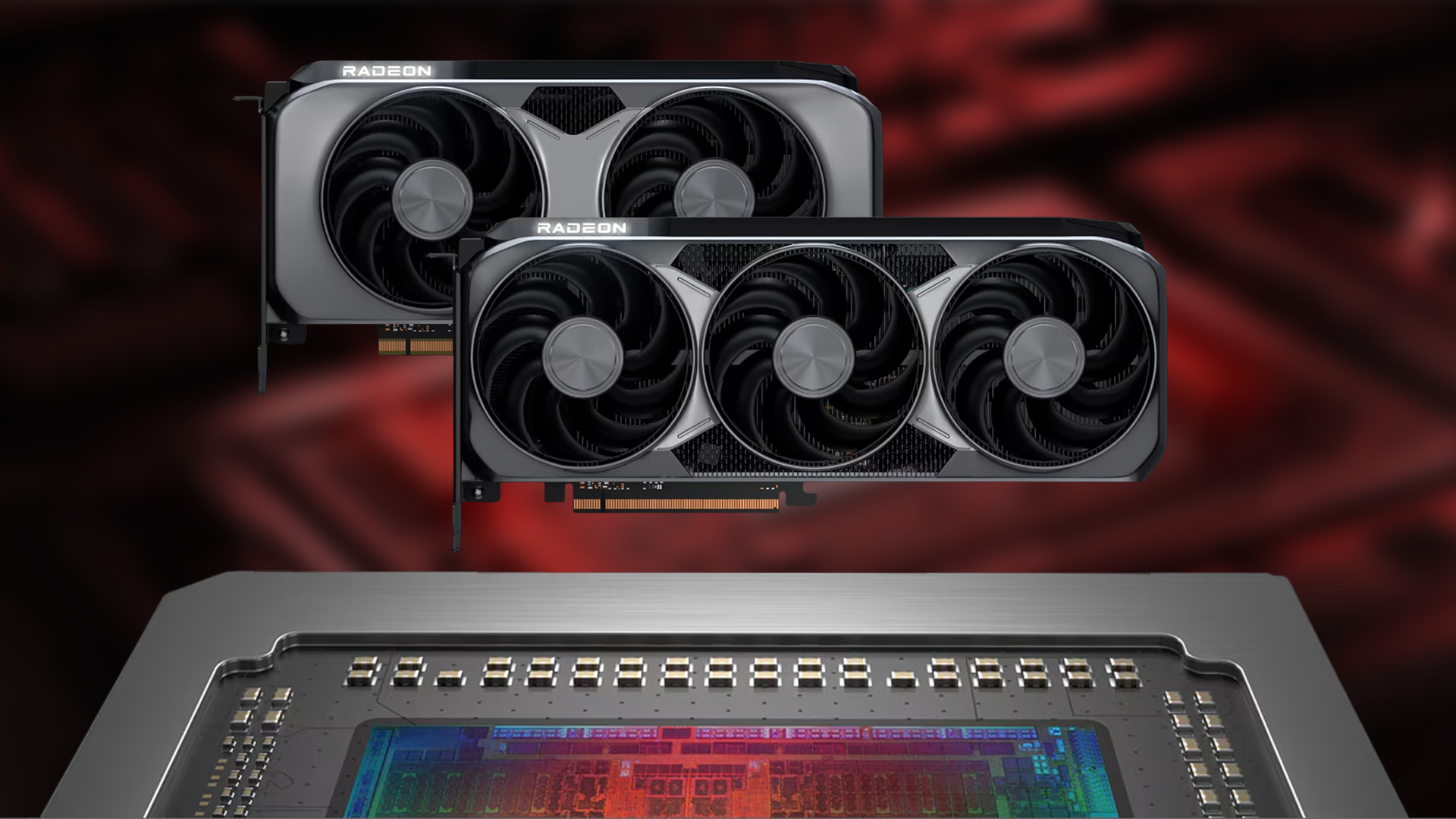
Raw performance estimates for unreleased hardware should always be treated with caution. That said, several leaked data points are giving enthusiasts an early sense of what RDNA 5 might deliver relative to current cards.
Rasterisation: Solid IPC Gains Rumoured
Leaked claims suggest RDNA 5 will deliver approximately 5 to 10% more instructions per clock (IPC) than RDNA 4 at the same clock speed, alongside roughly a 10% improvement in rasterisation performance per CU. These are relatively modest per-CU numbers, but when combined with a significantly higher CU count in the flagship configuration, the total rasterisation uplift versus the RX 9070 XT could be substantial.
Some estimates put the flagship RDNA 5 performance in rasterised workloads at up to 1.8 times that of the RX 7900 XT, which would be a very significant generational jump from RDNA 3.
Ray Tracing: Reportedly AMD's Biggest Generational Leap Yet
The ray tracing performance story is where RDNA 5 rumours become most exciting. The combination of Radiance Cores, a higher CU count, and improved instruction throughput is reportedly expected to produce a much larger generational improvement in ray tracing than in rasterisation. Some analyst estimates suggest the total improvement in ray-traced workloads versus RDNA 3 could be in the region of 2.3x, which would finally put AMD in a genuinely competitive position at the high end of ray-traced gaming.
The AT3 chip (rumoured 48 CUs) reportedly performs comparably to the current RX 9070 in raster workloads, but considerably better in ray tracing scenarios. This suggests that the architectural changes are particularly targeted at closing AMD's historical gap in RT performance.
AI and Machine Learning Workloads
AMD has explicitly stated that AI acceleration is a central focus for the next generation. The Neural Arrays architecture, combined with FSR Diamond's ML requirements, suggests that RDNA 5 will have significantly more capable machine learning hardware than any previous Radeon GPU. This will benefit both gaming upscaling and creative or productivity workloads that rely on AI acceleration.
Rumoured Performance Uplift vs RDNA 4 (AT0 Flagship)
- Rasterisation IPC: +5 to +10% per CU at same clocks
- Rasterisation total: Estimated large uplift due to higher CU count
- Ray tracing per CU: Reportedly +30% minimum
- Ray tracing total: Estimated +100% or more over RDNA 3 flagship
- AI/ML performance: Expected significant uplift via Neural Arrays
- Memory bandwidth: Up to ~1.7 TB/s for flagship (384-bit GDDR7 at 36 Gbps)
All figures are estimates based on leaked pre-production information.
Console Connections: PlayStation 6, Xbox Project Helix & RDNA 5
One reason RDNA 5 has generated more public visibility than previous AMD GPU generations is its reported role in both next-generation gaming consoles. This console link also adds credibility to the 2027 timeline, since console production schedules tend to be less flexible than PC component launches.
Project Amethyst and the PlayStation 6
AMD and Sony have openly confirmed their collaboration on next-generation console hardware under the name Project Amethyst. AMD directly attributed the Neural Arrays, Radiance Cores, and Universal Compression developments to this partnership. The PlayStation 6 is reportedly powered by a semi-custom APU using RDNA 5 GPU architecture paired with AMD Zen 5 CPU cores, targeting a 2027 launch.
The PS6 SoC is internally codenamed Orion Pax according to leaks. Some reports suggest the PS6 ray tracing performance could potentially exceed that of the current RTX 5080 in certain scenarios, based on how Radiance Cores are optimised for the console's custom silicon.
Xbox Project Helix
AMD has also confirmed a "deep co-engineering partnership" with Microsoft for Xbox Project Helix. This next-generation Xbox is reportedly using an RDNA 5-based APU codenamed Ultra Magnus in leaks. FSR Diamond is officially confirmed as natively integrated into Project Helix hardware, which means the Xbox launch is likely to be a key proving ground for RDNA 5 technology before or alongside the desktop GPU release.
Console Timing as a Launch Signal
Because the PlayStation 6 and Xbox Project Helix are reportedly both targeting a 2027 window, and desktop RDNA 5 GPUs are expected to share the same GPU chiplet design, analysts treat the console timeline as a reasonably firm lower bound for when desktop RDNA 5 silicon will be production-ready. This is one reason the mid-2027 estimate carries more weight than most GPU release predictions.If you are planning on building a Radeon-powered setup at home in the meantime? Take a look at our current AMD Radeon gaming desktops for a capable rig.
AMD RDNA 5 Price Expectations: UK Perspective
Pricing for RDNA 5 is entirely speculative at this stage. No official MSRPs have been shared, and even leaked estimates vary considerably. Here is a reasonable framework for thinking about what to expect.
What the Architecture Suggests About Pricing
AMD's last flagship GPU, the Radeon RX 7900 XTX, launched at $999 (around £849 at the time). With RDNA 4, AMD moved down-market, avoiding the very high end altogether. If RDNA 5 returns AMD to the enthusiast segment, a flagship card targeting Nvidia's RTX 6090 class is unlikely to be cheap.
Estimates circulating in the tech community suggest a top-end RDNA 5 flagship could be priced in the $1,000 to $1,500 range, which would translate to approximately £850 to £1,300 in the UK depending on exchange rates, import duties, and retailer margins at the time of launch.
Factors That Could Push Prices Higher
- GDDR7 memory costs: GDDR7 remains a relatively scarce and expensive component, particularly with ongoing AI-driven demand. Analysts predict further memory price increases in Q3 and Q4 2026, which could feed into 2027 GPU launch prices.
- TSMC N3P production costs: Advanced process nodes are significantly more expensive to produce on than previous generations, and those costs tend to be reflected in launch MSRPs.
- Competitive dynamics: If Nvidia's RTX 60 series launches around the same time with premium pricing, AMD may position RDNA 5 aggressively or hold pricing high depending on relative performance.
Mid-Range and Entry-Level Pricing
For the mid-range tiers, AMD has historically delivered better price-to-performance ratios, and the success of the RX 9070 XT at around £400-£500 suggests the company is well aware of where value-focused UK buyers sit. Mid-range RDNA 5 options in the AT3 tier could reasonably be expected somewhere around £350 to £500 at launch, though this is purely speculative.
A Note on Early Pricing
GPU launch pricing and real-world UK availability pricing can differ substantially, particularly for AMD cards, which have historically seen partner markups and variable availability. The figures above are informed estimates only and should not be used for budgeting purposes.AMD Radeon Roadmap: Where RDNA 5 Fits the Bigger Picture
Looking at AMD's broader plans, RDNA 5 sits within a much larger strategic shift for the company, one that involves aligning GPU development more closely with AI compute, console partnerships, and a potential move towards a unified architecture.
The UDNA Direction
Some internal AMD documentation and leaks refer to the next GPU generation as UDNA rather than RDNA 5. The "U" reportedly stands for "Unified," indicating a possible convergence of AMD's gaming (RDNA) and compute (CDNA) GPU architectures into a single design platform. This would allow AMD to leverage AI and compute improvements directly in gaming products, and vice versa.
As of mid-2026, AMD has not confirmed whether it will use the RDNA 5 or UDNA name publicly, nor has it disclosed the final architecture name on its official roadmap materials for consumer products.
Zen 6 and the APU Connection
RDNA 5 GPU architecture is also expected to appear in AMD's next-generation APUs based on the Zen 6 CPU architecture, codenamed "Medusa Halo." Leaked details suggest the high-end Medusa Halo APU could feature up to 48 RDNA 5 Compute Units in its integrated graphics, potentially making it one of the most capable integrated GPU solutions ever seen in a laptop or desktop APU. This is relevant for buyers looking at future Ryzen gaming laptops, as RDNA 5 iGPU performance could be substantially higher than any current integrated GPU solution.
Should You Wait for AMD RDNA 5 or Buy RDNA 4 Now?
This is the practical question most readers probably want answered. Here is a straightforward breakdown to help you think through the decision without hype.
Reasons You Might Want to Wait
- You are building a high-end gaming PC and want AMD's return to the enthusiast segment with Radiance Cores and 36GB VRAM options.
- You are heavily invested in ray tracing and path tracing games, and RDNA 5's reported Radiance Cores improvements would meaningfully change your experience.
- You want FSR Diamond's full ML-based upscaling and multi-frame generation on future games.
- Your current GPU is still performing adequately and skipping one generation is viable for you.
Reasons You Might Be Better Off Buying RDNA 4 Now
- RDNA 5 is reportedly over a year away at minimum. Waiting 12 to 18 months is a long time without an upgrade if your current hardware is struggling.
- RDNA 4 cards like the RX 9070 XT offer genuinely strong 1440p and 4K performance at competitive UK prices right now.
- RDNA 5's flagship pricing, if the £850+ rumours are accurate, may be significantly higher than RDNA 4's mid-range sweet spot.
- RDNA 5 launch prices are typically higher than where they settle after 3 to 6 months in the market.
- There is always a risk that RDNA 5's launch window slips further, as supply chain conditions remain unpredictable.
Keen to see what's already available in AMD's current line-up? Check today's Radeon GPU offers before prices move again. You can also browse other affordable AMD components and build around proven, current-generation hardware.
Our Recommendation
If your GPU is still meeting your gaming needs, there is no harm in keeping an eye on RDNA 5 developments as 2027 approaches. But if you are playing at 1080p or 1440p and struggling, the current RX 9070 or RX 9070 XT represents solid value without the uncertainty of waiting. Buying RDNA 4 now and selling before RDNA 5 launches is also a viable route for those who want to stay current.
Radeon’s Most Ambitious Leap Yet—If the Leaks Hold Up
The picture building around AMD RDNA 5 is promising, but it remains firmly in rumour territory. Based on the most credible leaks available as of July 2026, a mid-to-late 2027 launch window looks plausible, with TSMC N3P production reportedly underway and OEM partners aligning expectations.
Rumoured features such as Neural Arrays, Radiance Cores, GDDR7 support, and FSR Diamond suggest this could be AMD's most ambitious Radeon generation in years, with a genuine return to the high-end GPU market. Until AMD confirms anything officially, treat all of this as informed speculation and plan your upgrades accordingly.
Fancy something powerful while you wait for the rumours to firm up? Have a look at our best gaming graphics cards currently available.

A Few More Things to Keep in Mind...
Is RDNA 5 officially confirmed by AMD?
No, AMD has not officially confirmed RDNA 5 by name. The company references next-generation Radeon technology but has not publicly announced the architecture, specifications, or release date.
When is RDNA 5 expected to launch?
Based on the most credible leaks from OEM partners and industry sources as of mid-2026, a mid-to-late 2027 consumer launch window currently appears most likely for desktop Radeon GPUs.
Will RDNA 5 improve ray tracing performance?
Reportedly, yes. Radiance Cores are said to boost ray tracing efficiency by at least 30% per CU, potentially making RDNA 5 a genuine rival to Nvidia's top-tier cards in ray-traced workloads.
Which Radeon graphics cards are expected to use RDNA 5?
Current leaks suggest a Radeon RX 10000 series with four rumoured dies (AT0 to AT4) spanning enthusiast to entry-level. Expected names include the Radeon RX 10900 XT and RX 10700 XT.
Should I wait for RDNA 5 instead of buying RDNA 4?
With RDNA 5 not expected until mid-to-late 2027, waiting over a year is a personal choice. RDNA 4 cards like the RX 9070 XT offer excellent performance and value right now.
Related Articles

Published: October 23, 2025
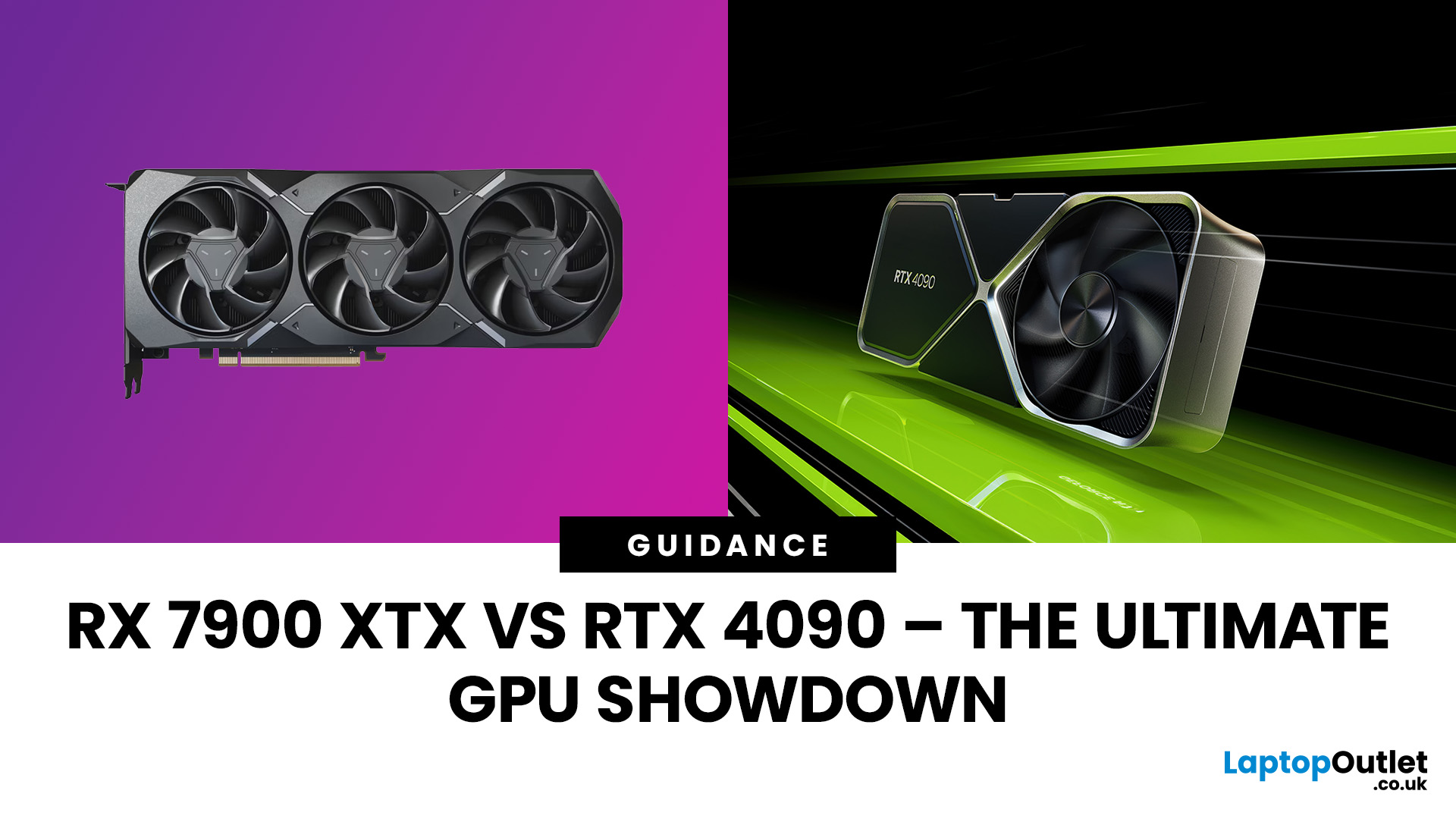
The AMD Radeon RX 7900 XTX and NVIDIA RTX 4090 are 2025’s top-tier GPUs, built for 4K gaming and professional workloads. The RTX 4090 leads in raw power, ray tracing, and AI acceleration, while the RX 7900 XTX challenges it with lower cost and strong raster performance. This isn’t about branding, it’s about what delivers the best performance per pound. In this breakdown, we’ll compare specs, gaming benchmarks, ray tracing, AI workloads, thermals, and overall value to determine which flagship GPU truly dominates.
Specification Overview
Before comparing real-world performance, it’s important to see how these two GPUs differ on paper. The RTX 4090 is built on NVIDIA’s Ada Lovelace architecture, while the RX 7900 XTX uses AMD’s RDNA 3 designs. Both target 4K gaming, but their hardware layouts, power needs, and pricing tell very different stories.
| Specification | AMD Radeon RX 7900 XTX | NVIDIA GeForce RTX 4090 |
| Architecture | RDNA 3 | Ada Lovelace |
| GPU Process | 5 nm + 6 nm (chiplet) | 4 nm monolithic |
Last Updated: February 23, 2026
Are you looking to upgrade your gaming rig this year? If so, you have likely encountered the fierce debate between AMD and NVIDIA GPUs. As we move through 2026, the graphics card market is more competitive than ever.
However, old reputations die hard. Many gamers still make buying decisions based on information from five or ten years ago. To help you get the best value for your money, we are busting the biggest misconceptions.
Here are the top 10 myths and facts about AMD graphics cards in 2026.
1. Myth: AMD Drivers are Unstable and Crash Frequently
The Fact: AMD’s software suite is now one of the most stable in the industry.
This is perhaps the oldest myth in the book. Years ago, some users faced "black screen" issues. However, in 2026, the AMD Software: Adrenalin Edition 26.1.1 is a highly polished tool. AMD has moved to a unified driver branch that ensures high stability across both old and new cards.
While no software is perfect, the frequency of "driver timeouts" on modern Radeon
Last Updated: November 19, 2025
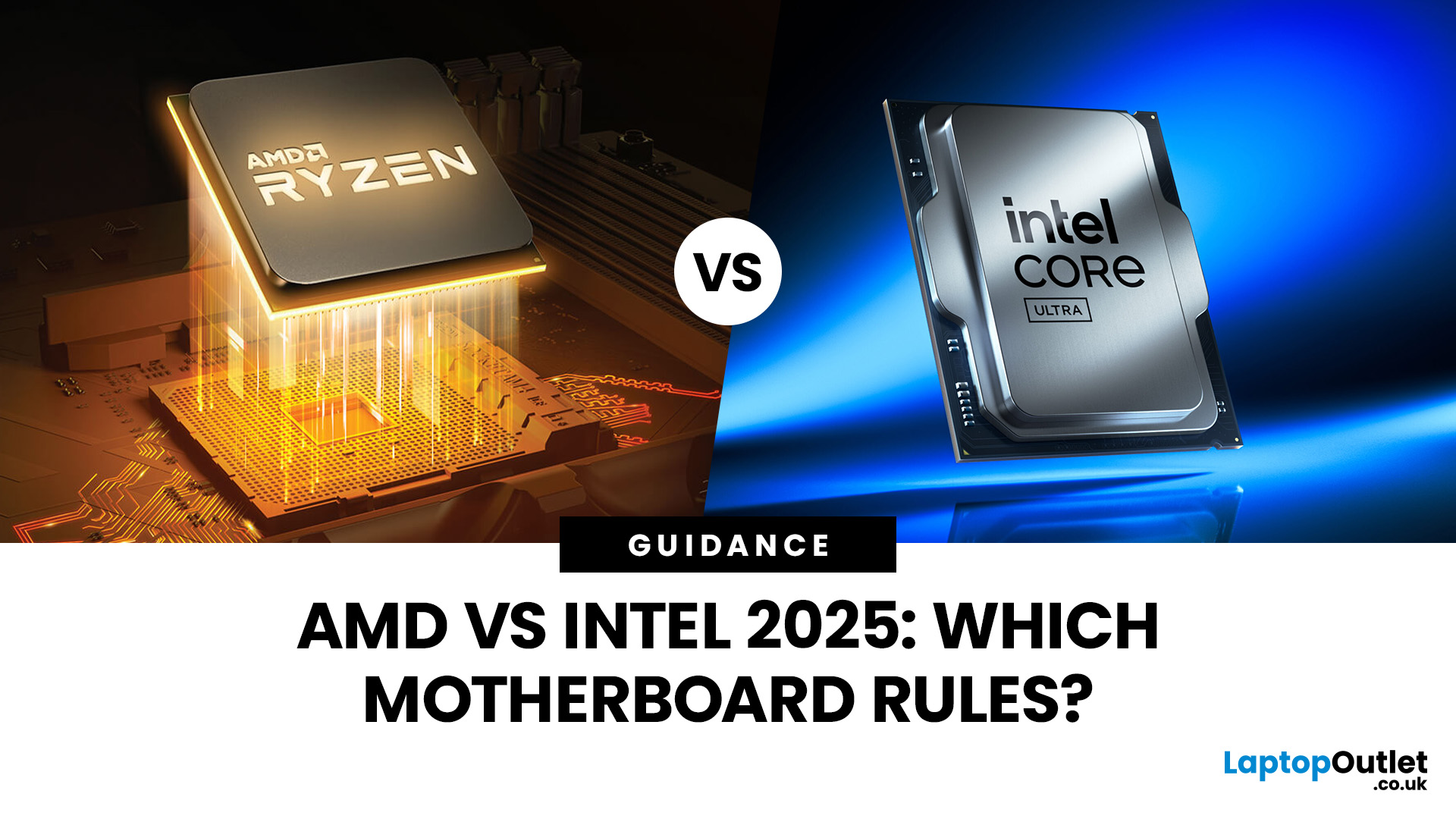
When you’re building or upgrading a PC, choosing the right motherboard can feel a little intimidating — especially when it comes down to the age-old rivalry of AMD vs Intel motherboards.
Both brands make fantastic hardware, but each has its strengths. Whether you’re planning a high-end gaming rig, a creative workstation, or an everyday PC, the motherboard you choose will shape your system’s performance, features, and future-proofing.
In this guide, we’ll compare Intel vs AMD motherboards across performance, chipsets, memory, overclocking, and more. By the end, you’ll know exactly which option suits your needs in 2025.
What Exactly is a Motherboard?
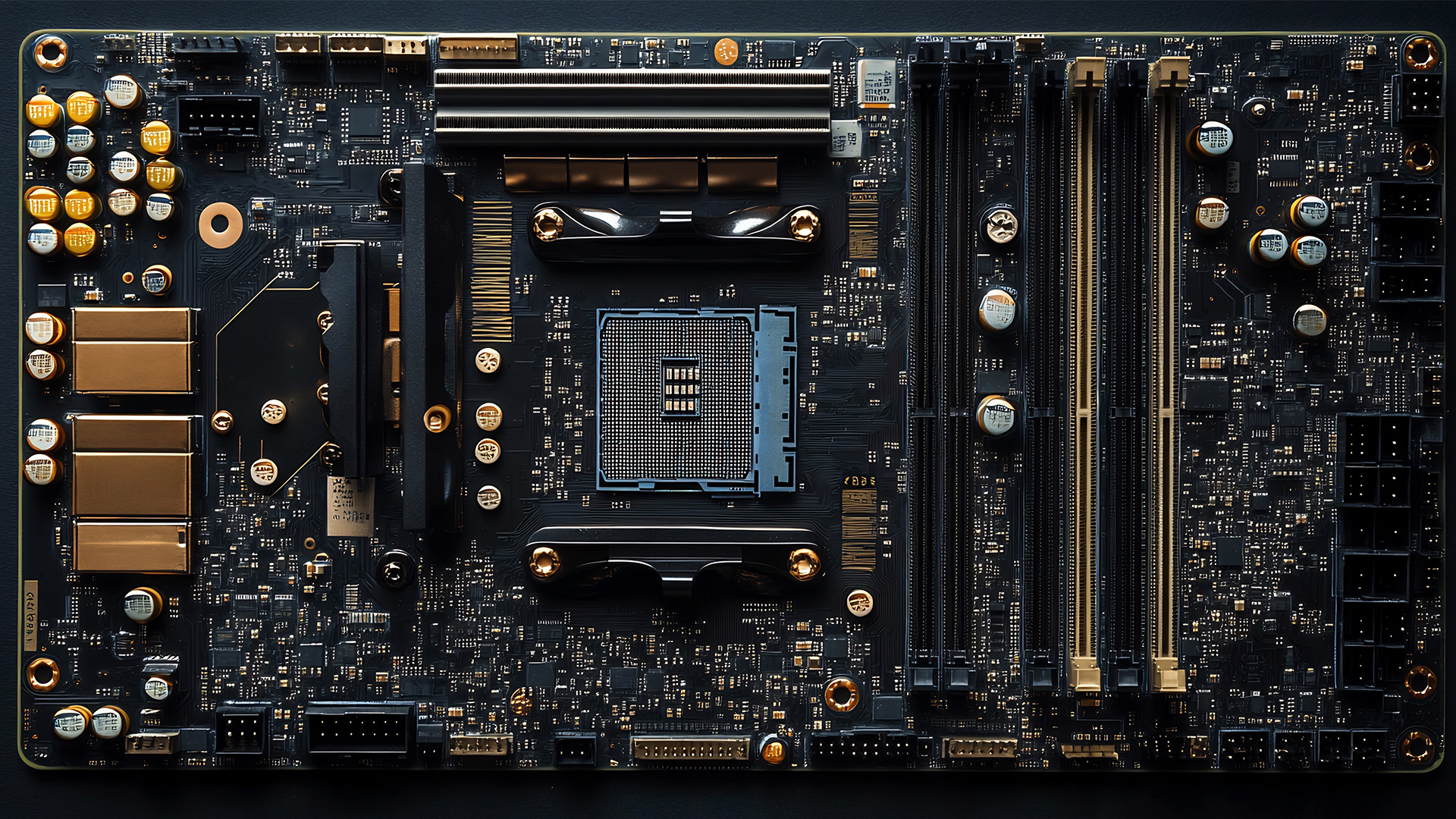
Before diving into the AMD vs Intel motherboards comparison, let's briefly clarify what a motherboard is and why it's so important.
Often called the 'mainboard' or 'system board,' the motherboard is the central printed circuit board (PCB) in a computer. It is, quite simply, the foundation and communication hub for all other components.
It houses

Last Updated: December 30, 2025
If your current rig is starting to stutter or you are simply ready to jump into the next generation of visual fidelity, there is no better time to act. The New Year graphics card deals are finally here.
Whether you are a competitive esports player, a 4K gaming enthusiast, or a professional video editor, the right GPU is the heart of your system. This year, we are seeing incredible NVIDIA GPU discounts and an extensive AMD Radeon sale New Year event.
In this guide, we will explore the best graphics cards for gaming and work, ensuring you find the perfect match for your monitor and your budget.
Top New Year Graphics Card Deals for 2026
We have hand-picked eight of the most impressive NVIDIA RTX GPUs and AMD Radeon GPUs currently available. Let’s explore the right card for your setup.
1. MSI GeForce RTX 5060 GAMING 8GB OC Graphics Card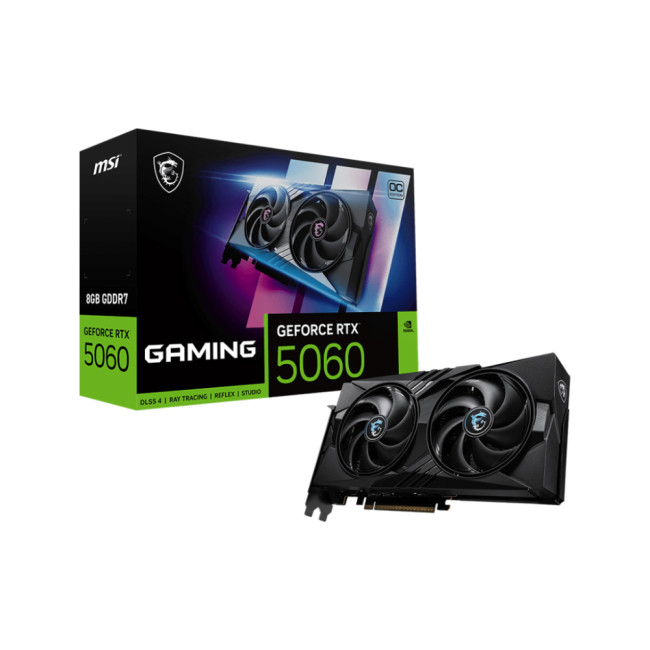
Key Specifications
- GPU: NVIDIA GeForce RTX 5060 (Blackwell Architecture)
- Memory: 8GB GDDR7
- Memory Speed: 28 Gbps
- Memory Interface: 128 bit
- Core

Last Updated: January 14, 2026
From smooth 1080p gameplay to breathtaking 4K visuals, AMD graphics cards put serious gaming power right at your fingertips. You want smooth gameplay, great visuals, and good value for money, without paying more than you need to. That’s exactly where AMD graphics cards come into the picture.
AMD has become one of the most popular choices for gamers in the UK thanks to its strong performance, competitive pricing, and wide range of options for every type of player. Whether you’re after the best AMD graphics cards for high-end gaming, searching for cheap AMD graphics cards to get started, or are curious about the new AMD graphics cards hitting the market, this guide is here to help.
Why AMD Graphics Cards are a Smart Choice for Gamers
AMD has earned a strong reputation among PC gamers by offering powerful GPUs at competitive prices. If you want excellent gaming performance without overspending, AMD often delivers some of the best value on the market.
Great Performance for the Price
One
Published: January 13, 2026
Choosing the right graphics card is one of the most important decisions when building or upgrading a gaming PC, and XFX graphics cards UK gamers trust continue to stand out for performance, reliability and value. As one of AMD’s most established board partners, XFX focuses exclusively on Radeon GPUs, delivering powerful gaming performance at highly competitive prices. We offer a wide range of XFX graphics cards deals, making it easier for you to access cutting-edge AMD technology without overspending. Whether you’re upgrading an older system, building a new gaming rig or searching for better value than current NVIDIA options, XFX delivers a compelling alternative. This guide explores everything you need to know about XFX GPUs, including performance, pricing, comparisons, and how to find the best XFX GPU deals UK buyers can rely on.
Why XFX Graphics Cards Are a Trusted Choice for AMD Gamers
XFX has built a strong reputation by focusing entirely on AMD hardware. Unlike brands that split
Last Updated: January 27, 2026
Over the past decade, AMD has transformed from an underdog in the CPU market to a dominant force in gaming PCs.
With its Ryzen series, AMD has consistently delivered processors that combine high performance, competitive pricing, and innovative features. For UK gamers, this has meant more choice, better value, and the ability to build powerful rigs without overspending.
In this guide, we’ll explore exactly how AMD processors work in gaming PCs, the key features that make them stand out, and the benefits they bring to gamers.
Understanding AMD Processors in Gaming PCs
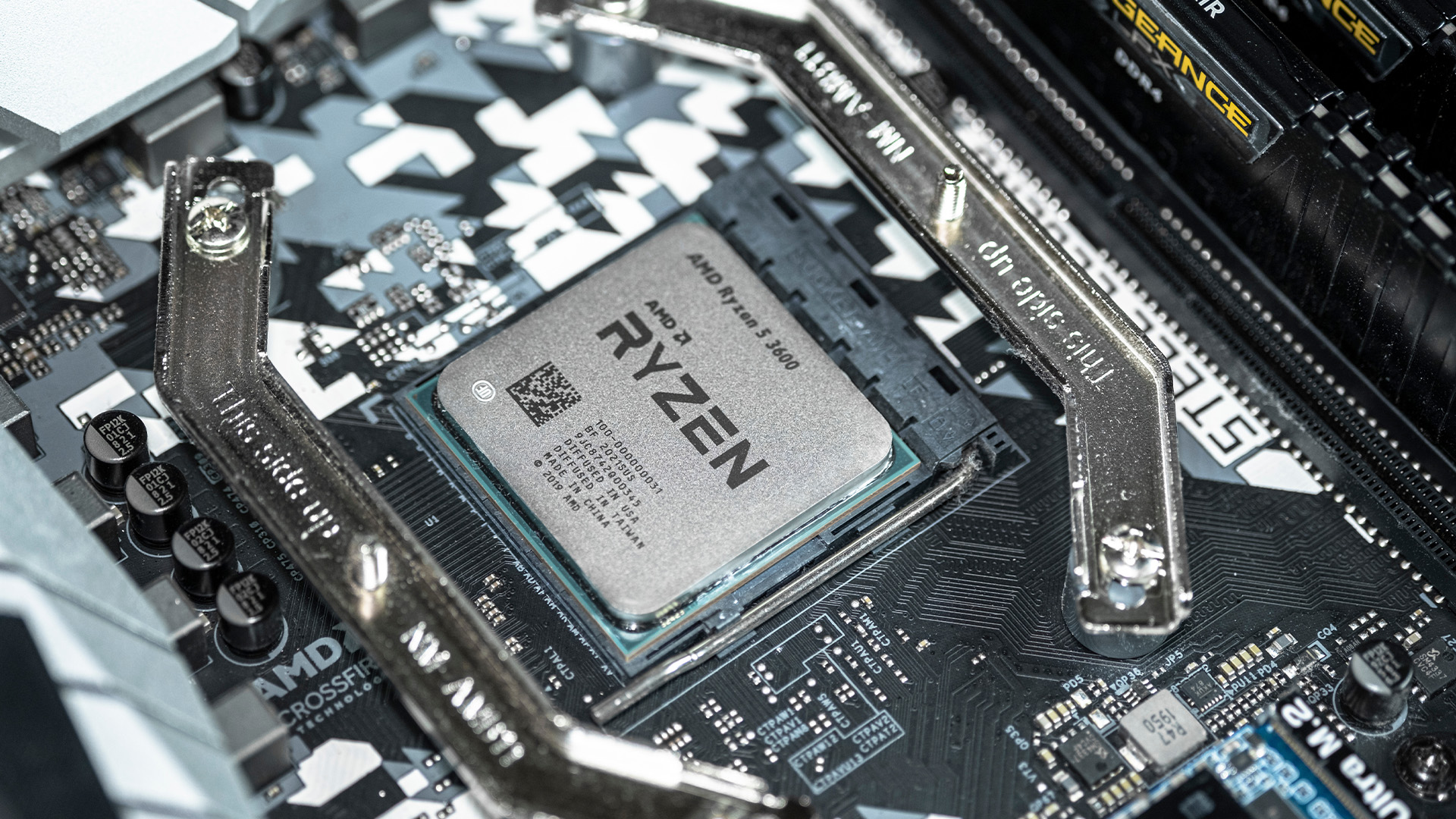
In any gaming setup, the Central Processing Unit (CPU) acts as the primary coordinator. It handles complex AI logic, processes game physics, and manages all background system tasks while your graphics card renders the visuals.
AMD has revolutionised this space by moving away from traditional "monolithic" chip designs where everything is on one piece of silicon. Instead, the modern AMD CPU architecture uses a modular

Last Updated: January 27, 2026
Building or buying a high-end gaming PC is an exciting journey for any enthusiast. The market moves fast, and staying updated on the latest hardware is essential for the best experience.
In this gaming desktop PC breakdown, we will explore the core parts that make a machine powerful. We will look at the latest processors from AMD and Intel, the incredible graphics power of NVIDIA RTX and Radeon RX, alongside other core components.
Whether you want to play the newest AAA titles or compete in esports, understanding these parts is vital. Let us dive into the modern world of gaming PC technologies.
Understanding Gaming Desktop PCs
A gaming desktop PC is a high-performance computer designed specifically to handle demanding video games. Unlike standard PCs, these machines focus on graphical power and fast processing speeds. They use specialised parts that can handle high heat and heavy workloads.
While gaming laptops and consoles are popular, the desktop remains the "gold standard" for several

Last Updated: February 03, 2026
Choosing a new processor used to be a simple choice between raw power and budget value. However, as we move through 2026, the landscape has shifted.
The rivalry of Intel vs AMD desktop processors has reached a fever pitch, with both "Team Blue" and "Team Red" offering incredible technology that caters to very specific types of users.
This guide breaks down everything you need to know about the current market to help you decide which brand deserves a spot in your desktop PC.
The State of the Market in 2026
As we move through 2026, both manufacturers have moved beyond simple core-count wars.
Intel has doubled down on its "Arrow Lake" and "Nova Lake" architectures, focusing heavily on integrated AI NPUs (Neural Processing Units) and a refined tiled architecture.
Meanwhile, AMD continues to dominate the enthusiast market with its Zen 5 architecture, led by the legendary 3D V-Cache technology.
Intel’s Current Strategy: The AI PC Era
Intel has successfully transitioned to its LGA 1851 socket.
Last Updated: April 07, 2026
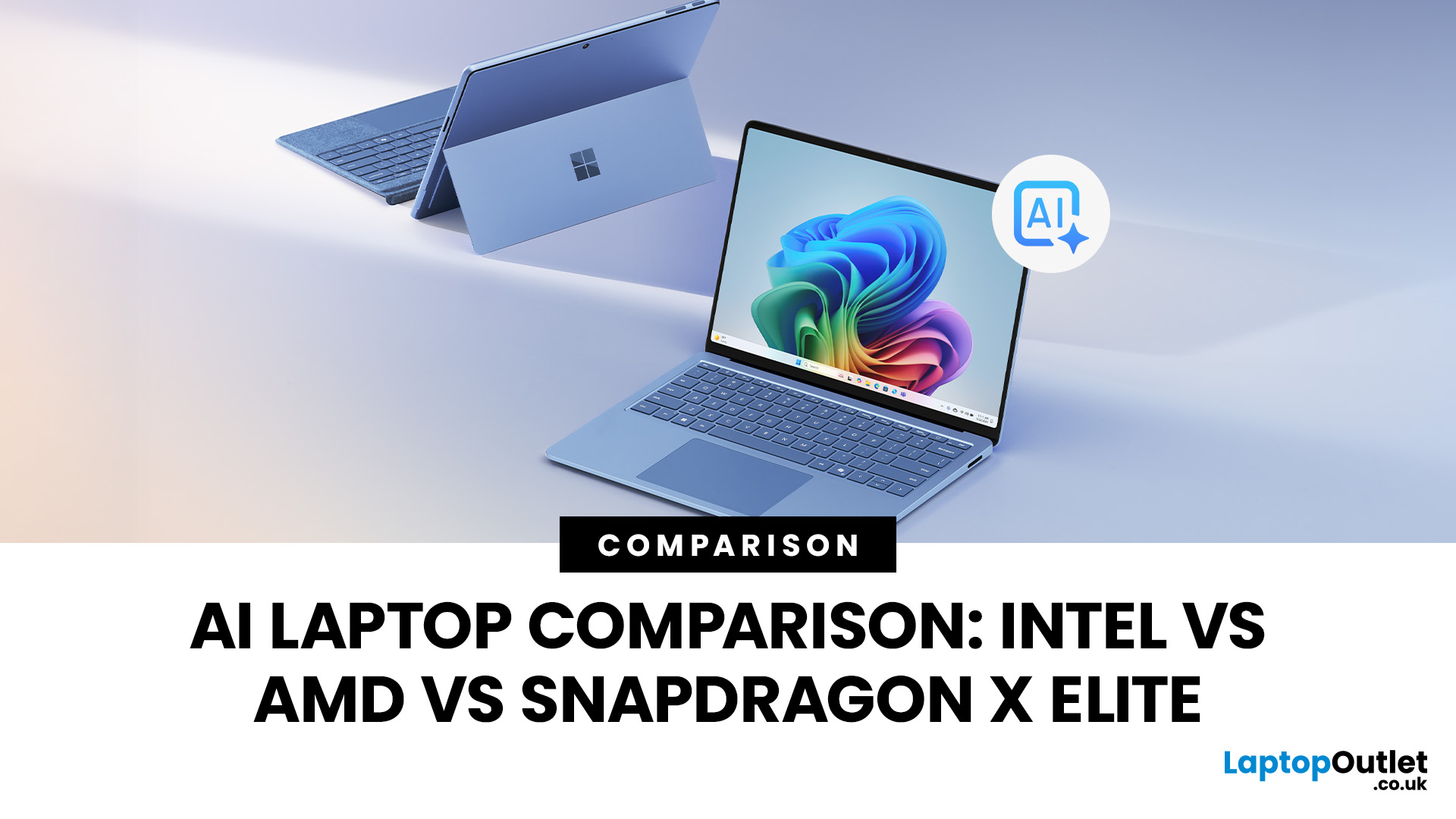
Buying an AI laptop in 2026 should be a quick decision. You pick a size, set a budget, and choose the “best” chip, right? In reality, the AI label is doing far too much work. Two laptops can sit side by side, both advertised as “AI-powered”, yet behave completely differently once you start writing documents, editing photos, joining video calls, or trying the latest Windows features.
That confusion usually comes down to one thing: people treat “AI laptop” as a single spec, when it’s really a mix of three engines working together.
- CPU: the general performance engine for everything you already do
- GPU: the visual and creative engine, also used for some AI workloads
- NPU: the efficiency engine for AI tasks that are built to run locally
This guide compares the 3 platforms shoppers are most likely to cross-shop when searching for an AI laptop today: Intel Core Ultra 200V (Lunar Lake), AMD Ryzen AI 300 (XDNA 2), and Qualcomm Snapdragon X Elite. We’ll keep it practical, explain the specs, and help

