



How to Optimise Your PC for Gaming

Unlock Your Gaming Rig’s Full Potential
Even the best games can lag if your PC isn’t tuned for performance. Whether you’ve got a brand-new gaming rig or a modest setup, here’s how to optimise your PC for gaming to boost FPS, reduce lag, and keep gameplay smooth.
Update Your Graphics Card Drivers
Outdated drivers are one of the biggest culprits of poor performance.
- For NVIDIA: Use GeForce Experience
- For AMD: Use AMD Adrenalin Software
Updated drivers = improved performance and game-specific optimisations
Enable Game Mode in Windows
- Go to Settings > Gaming > Game Mode
- Turn it ON to prioritise system resources for your game
Optimise In-Game Settings
Reduce or tweak the following:
- Resolution (1080p runs smoother than 1440p or 4K)
- Shadows and Anti-aliasing
- V-Sync (disable for lower input lag)
- Use Preset: Medium or High, not Ultra, for more FPS
Close Background Apps
Use Task Manager (Ctrl + Shift + Esc) to end unnecessary processes like:
- Chrome
- OneDrive sync
- Auto updaters
Clean Up Your Storage
Free up space on your SSD/HDD to improve load times:
- Run Disk Cleanup
- Uninstall unused programs
- Defragment HDDs (skip for SSDs)
Check for Viruses and Malware
Run a scan with:
- Windows Security
- Or third-party tools like Malwarebytes
- Unwanted software can drain CPU/GPU power
Disable Startup Programs
- Go to Task Manager > Startup tab
- Disable non-essential programs
- Faster boot = more resources for gaming
Adjust Power Settings
- Go to Control Panel > Power Options
- Set to High Performance mode
This stops your PC from throttling CPU/GPU performance to save energy
Update Windows & DirectX
- Make sure you’re running the latest Windows updates
- Keep DirectX up to date for best game compatibility
Upgrade Hardware (Optional but Effective)
- Add more RAM (16GB recommended)
- Upgrade to an SSD if you’re still on HDD
- Consider a GPU upgrade if your graphics are outdated
Ready for smoother gameplay? Check out high-performance gaming PCs and upgrades at Laptop Outlet.
FAQs: Optimising PC for Gaming
1. Does more RAM improve gaming performance?
Yes—especially if you upgrade from 8GB to 16GB.
2. Should I overclock my CPU or GPU?
Only if you know how. It can boost performance but raises heat and risks.
3. What internet speed is best for online gaming?
A stable 25–50 Mbps connection is ideal with low latency (ping).
4. Will an SSD help with gaming?
Yes—for faster game loading and system responsiveness.
5. Can antivirus slow down games?
Yes—some can. Use gaming-friendly antivirus or disable during play.
Read More:
| Gaming Desktop PCs vs. Gaming Laptops |
| How to Choose the Right GPU for Your PC in 2025 |
| What Desktop PC Should I Buy |
Related Articles

Last Updated: July 01, 2025
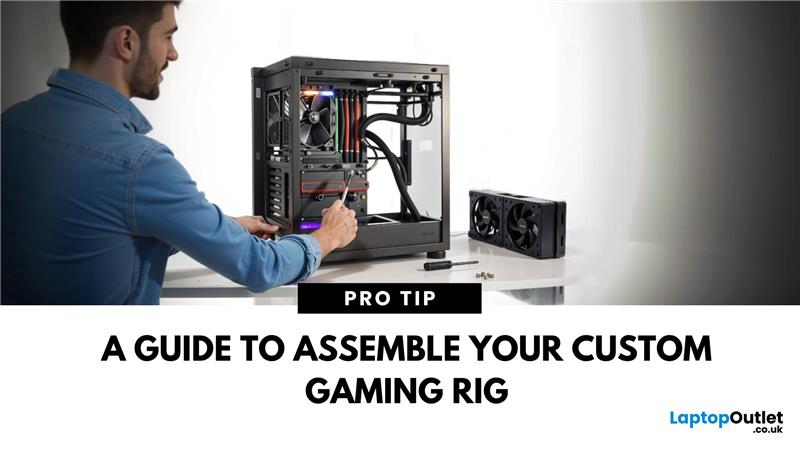
Introduction: Ready to Build Your Dream Gaming PC?
Building a gaming PC isn’t just for tech enthusiasts—it’s the best way to get exactly the performance you want for your budget. Whether you’re after high FPS, 4K visuals, or competitive play, building your own gaming PC gives you full control over your setup. Here’s how to do it, step by step.
What You’ll Need to Build a Gaming PC
Essential Components:
- CPU (Processor)
- GPU (Graphics Card)
- Motherboard
- RAM (Memory)
- Storage (SSD/HDD)
- Power Supply Unit (PSU)
- PC Case
- Cooling System (Stock cooler or aftermarket fans/liquid cooling)
Optional Components:
- RGB lighting
- Additional case fans
- Aftermarket CPU cooler
Step-by-Step: How to Build a Gaming PC
1. Prepare Your Workspace
- Work on a large, flat surface
- Use an anti-static mat or wrist strap
- Gather all your components and tools
2. Install the CPU
- Open the CPU socket on the motherboard
- Align the CPU correctly (check the corner marker)
- Gently place and
Last Updated: August 20, 2026
Buying a new desktop PC can be confusing when you are faced with different processors, graphics cards, RAM capacities, storage options and form factors.
The right choice depends on what you actually need the computer to do. A PC for browsing, studying and office work does not need the same hardware as a gaming desktop or professional workstation.
This guide explains what to look for when buying a desktop PC in 2026, whether you need an affordable home computer, a productive office setup, a powerful gaming PC or a machine for creative work.
Key Factors to Consider Before Buying
Before comparing individual desktop PCs, think about:
- Your main use, such as gaming, work, study or creative applications
- Processor (CPU) performance
- Graphics (GPU) requirements
- RAM capacity
- SSD storage
- Desktop size and form factor
- Upgrade potential
- Connectivity and ports
- Operating system
- Your overall budget
For most buyers, getting a balanced specification is more important than simply choosing the fastest processor
Last Updated: May 23, 2025
A New Era of Computing
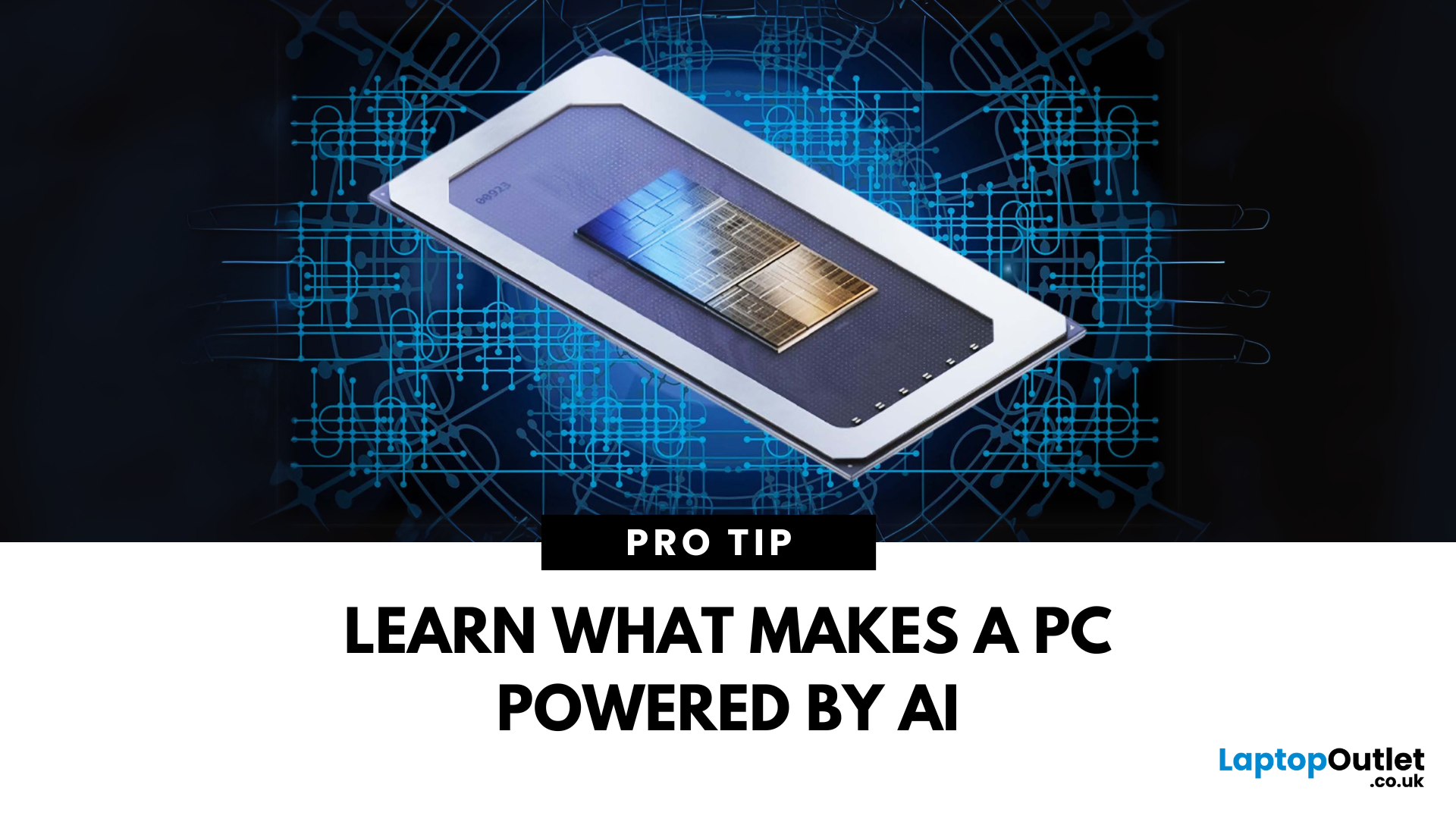
You’ve heard of AI in smartphones and smart homes—but now, AI PCs are becoming the next big thing. From smarter performance to predictive features, AI is transforming how laptops and desktops operate. Here’s everything you need to know about AI PCs and why they matter.
1. What Is an AI PC?
An AI PC is a computer that uses artificial intelligence technologies built directly into its hardware and software to:
- Optimise performance automatically
- Predict user behaviour
- Enhance multitasking and battery life
- Improve security and personalisation
Think of it as a computer that adapts to you, rather than you adapting to it
2. How Does an AI PC Work?
AI PCs use a combination of:
- Dedicated AI processors (like NPUs—Neural Processing Units)
- Machine learning algorithms to predict user needs
- On-device AI models that analyse data without needing the cloud
The result? Faster performance, smarter multitasking, and highly efficient energy use—all in real time.

Last Updated: May 20, 2025
Know What’s Inside Your Machine
Whether upgrading, troubleshooting, or just curious, it’s important to know your PC specs—including your CPU, RAM, GPU, and storage. Here’s how to quickly check your PC’s specifications on Windows.
Use System Settings (For Basic Specs)
Steps:
- Go to Settings > System > About
- Under Device specifications, you’ll see:
- Processor (CPU)
- Installed RAM
- System type (32-bit or 64-bit)
This section also includes your Windows edition and version
Use Task Manager (Quick View of Performance)
Steps:
- Press Ctrl + Shift + Esc to open Task Manager
- Click the Performance tab
View:
- CPU details and usage
- Memory (RAM)
- Disk, GPU, and network activity
Helpful for seeing how your hardware is performing in real time
Use System Information Tool (Detailed Specs)
Steps:
- Press Windows + R, type msinfo32, and press Enter
- Explore details including:
- BIOS version
- Motherboard
- System model
- Memory, CPU, and more
A complete breakdown of your
Last Updated: June 30, 2026
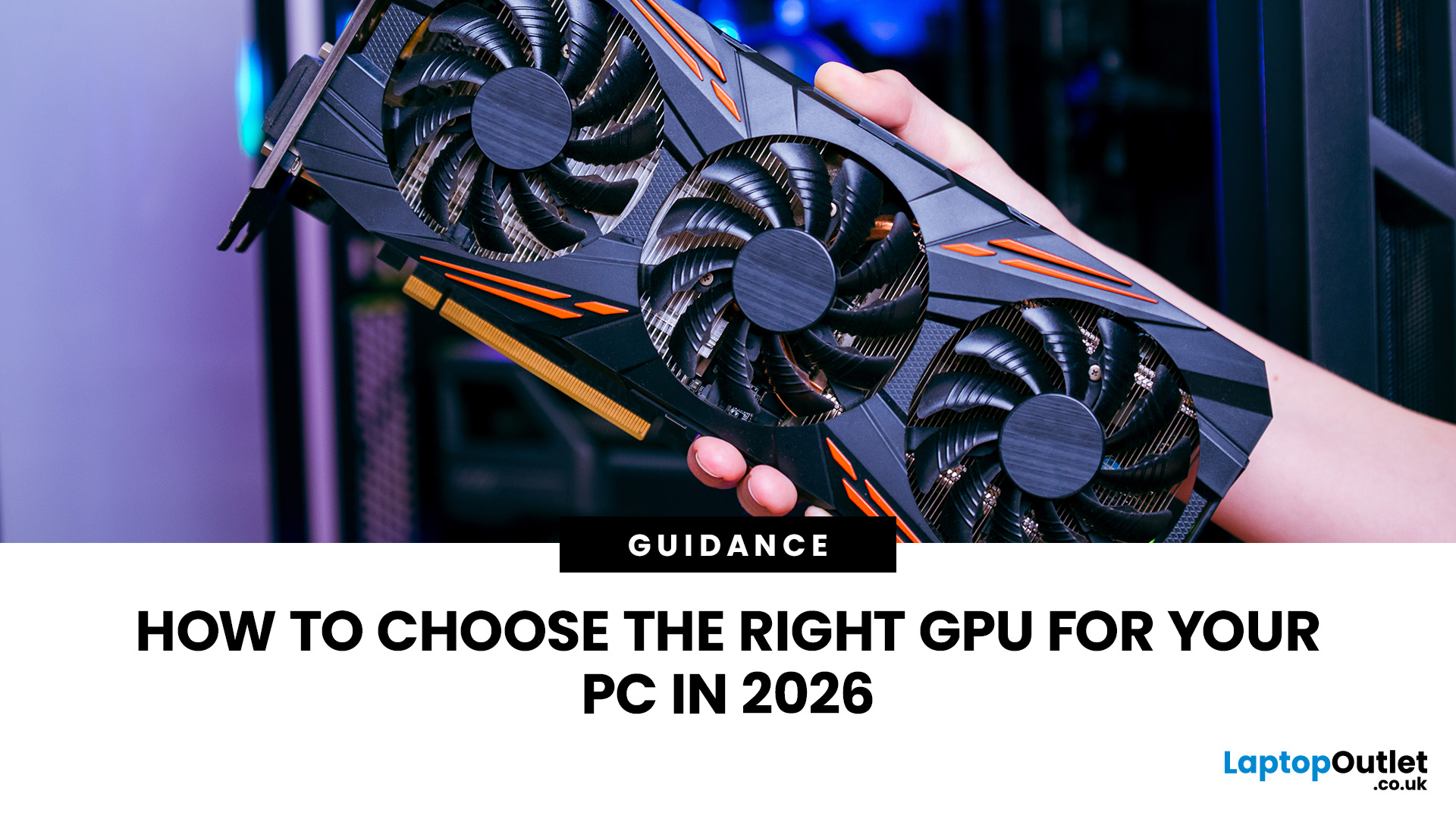
Choosing a GPU in 2026 is not about buying the most expensive graphics card you can afford. It is about buying the right card for your monitor, games, software, power supply, case size, and budget.
That is where many PC builders get it wrong. A powerful GPU can still be a poor choice if your monitor is only 1080p, your case has limited space, your power supply is not ready, or your favourite software works better with another brand. The best GPU for PC gaming is the one that gives you the performance you need without wasting money on power you will not use.
This graphics card buying guide explains how to choose the right GPU for your PC in 2026, what specs matter, how much VRAM you need, and how to pick between NVIDIA, AMD, and Intel graphics cards.
Quick Answer: What Should You Check Before Buying a GPU?Before buying a GPU, check your monitor resolution, refresh rate, main games or software, VRAM requirement, PSU wattage, power connectors, GPU size, case clearance, cooling setup, CPU |

