



What Is an AI PC
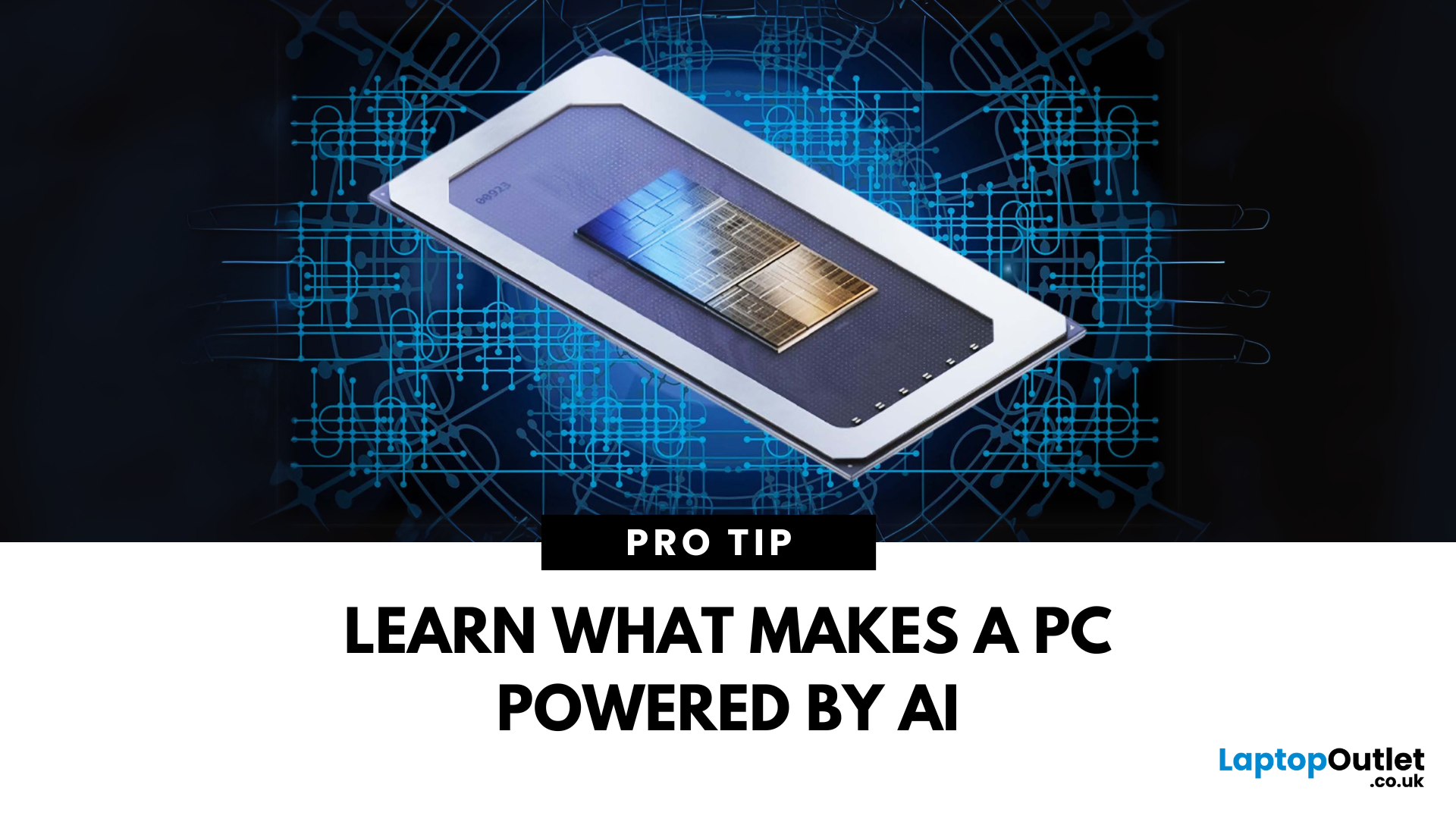
A New Era of Computing
You’ve heard of AI in smartphones and smart homes—but now, AI PCs are becoming the next big thing. From smarter performance to predictive features, AI is transforming how laptops and desktops operate. Here’s everything you need to know about AI PCs and why they matter.
1. What Is an AI PC?
An AI PC is a computer that uses artificial intelligence technologies built directly into its hardware and software to:
- Optimise performance automatically
- Predict user behaviour
- Enhance multitasking and battery life
- Improve security and personalisation
Think of it as a computer that adapts to you, rather than you adapting to it
2. How Does an AI PC Work?
AI PCs use a combination of:
- Dedicated AI processors (like NPUs—Neural Processing Units)
- Machine learning algorithms to predict user needs
- On-device AI models that analyse data without needing the cloud
The result? Faster performance, smarter multitasking, and highly efficient energy use—all in real time.
3. Key Features of AI PCs
- Performance Boosting: AI predicts which apps you'll need and allocates resources accordingly
- Battery Optimisation: Smarter background management extends battery life
- Enhanced Security: AI-powered threat detection for real-time protection
- Smart Collaboration: AI improves video calls with background noise cancellation, auto-framing, and better lighting adjustments
- Creative Assistance: AI tools help with image editing, writing, and presentations
4. Examples of AI in Modern PCs
- Microsoft Copilot integration on Windows 11 devices
- Intel Core Ultra processors with AI acceleration
- HP, Dell, Lenovo laptops featuring AI-driven thermal management
2025 models are increasingly shipping with AI-optimised chips and apps out of the box
5. Benefits of AI PCs
- Seamless multitasking
- Faster responsiveness
- Longer device lifespan
- More personalised user experiences
- Greater energy efficiency
6. Are AI PCs Good for Gaming and Content Creation?
Absolutely. AI enhances gaming with predictive frame rendering and optimises creative workflows like video editing, 3D design, and music production.
7. The Future of AI PCs
AI PCs are just getting started. Future developments could include:
- On-device AI training
- Personalised learning assistants
- Fully adaptive interfaces based on user habits
Final Thoughts: Smarter PCs for a Smarter World
An AI PC is more than just powerful—it’s predictive, adaptive, and built to think ahead. Whether you’re a gamer, creator, or everyday multitasker, AI-powered computers are reshaping what personal computing can do.
Ready to experience the future? Explore Laptop Outlet’s growing range of AI-powered laptops and PCs today.
FAQs: AI PC Questions Answered
1. Do AI PCs replace traditional PCs?
Not exactly—they enhance traditional PCs with smarter, faster performance.
2. Can AI PCs run normal software?
Yes—AI PCs run all traditional apps, but optimise performance automatically.
3. Are AI PCs more expensive?
Currently, AI PCs can carry a slight premium, but prices are becoming more competitive.
4. What’s the difference between an AI chip and a CPU?
An AI chip (like an NPU) handles machine learning tasks, while a CPU manages general processing.
5. Is my laptop already an AI PC?
If it has AI-specific processors (like Intel Core Ultra) or dedicated AI features, it might be!
Read More:
| What Desktop PC Should I Buy |
| How to Build a Gaming PC |
| Does My PC Have Bluetooth |
Related Articles

Last Updated: May 20, 2025
A New Frontier of Artificial Intelligence
You’ve likely seen AI-generated images, videos, or even entire essays—but what powers this technology? Welcome to the world of Generative AI—an AI model designed to create content, not just analyse it. Here’s a beginner-friendly guide to what it is, how it works, and why it matters.
What Is Generative AI?
Generative AI refers to artificial intelligence systems capable of creating original content, including:
- Text (articles, emails, code)
- Images and art
- Videos and animations
- Music and voice
- Synthetic data and simulations
Unlike traditional AI, which analyses or classifies data, Generative AI produces new outputs based on patterns it’s learned.
How Does Generative AI Work?
- It uses machine learning models, often based on neural networks, to:
- Learn patterns from large datasets
- Understand structure (grammar, design, sound, etc.)
- Generate content based on prompts
Popular model types include:
- GPT (Generative Pre-trained
Last Updated: September 24, 2025
Power Meets Intelligence
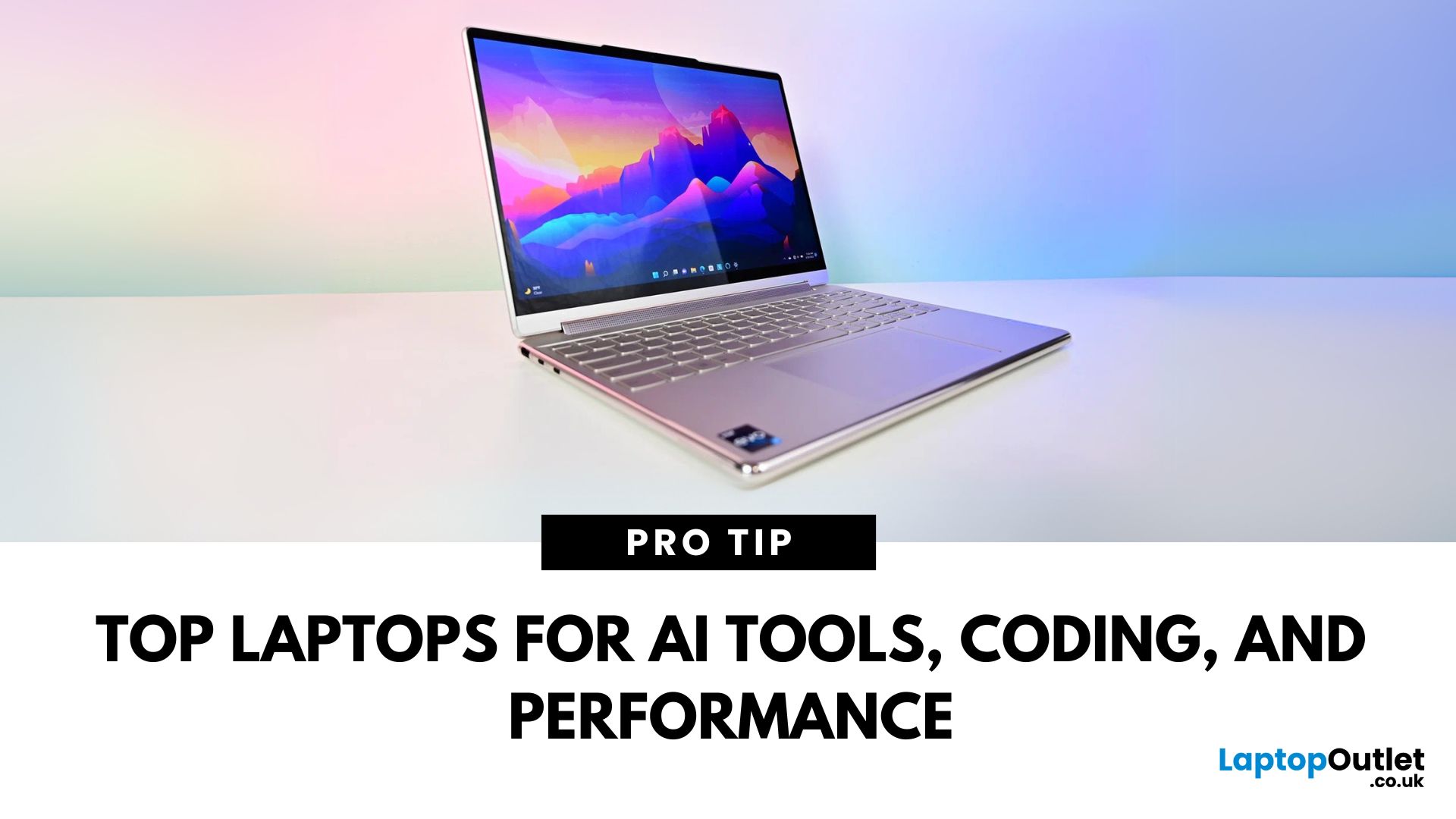
Artificial Intelligence isn’t just a buzzword—it’s a growing career path and essential in modern tech workflows. Whether you’re studying data science, training ML models, or running AI software like TensorFlow or PyTorch, here’s how to choose the best laptop for AI in 2025.
What Makes a Laptop Ideal for AI Work?
To handle AI workloads effectively, your laptop should have:
- High-performance CPU (Intel Core i7/i9, AMD Ryzen 7/9)
- Powerful GPU (NVIDIA RTX or Apple M-series)
- Minimum 16GB RAM (32GB+ preferred for deep learning)
- Fast SSD storage (512GB or more)
- Support for CUDA (for NVIDIA GPU users)
A good display and thermals are also key for long sessions
Best Windows Laptop for AI: Dell XPS 15 (2025)
- CPU: Intel Core i9 (14th Gen)
- GPU: NVIDIA RTX 4070
- RAM: 32GB
- Storage: 1TB SSD
- Why It’s Great: Excellent all-rounder with AI-ready performance and stunning display
Best Mac for AI & Data Science: MacBook Pro M3 Max (2025)
- CPU/GPU: Apple

