



Google Officially Launches the Fitbit Air: Everything You Need to Know
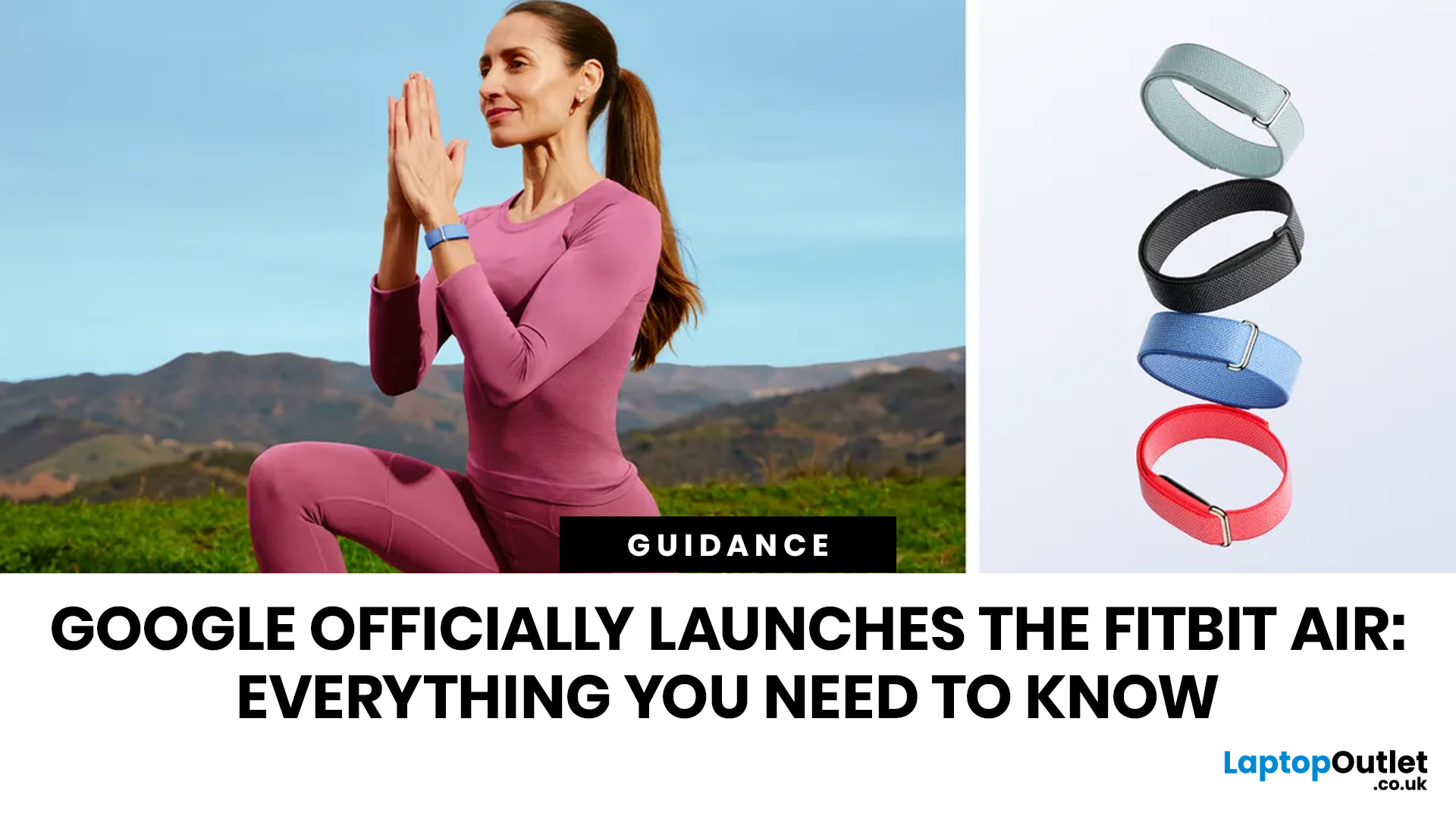
Google officially launched the Google Fitbit Air on 7 May 2026. It is a screenless, lightweight fitness tracker priced at £84.99 in the UK, available to pre-order now and in stores from 26 May 2026. It tracks heart rate, sleep, SpO2, AFib, and more, and works with the new Google Health app on both Android and iOS. Every purchase includes a three-month trial of Google Health Premium.
If you've been eyeing health-monitoring wearables but found them either too pricey, too bulky, or too distracting, the Fitbit Air is Google's direct answer to those concerns. At £84.99, it undercuts most comparable screenless trackers, like Whoop 5.0, significantly while packing in a serious set of sensors.
What Exactly Is the Google Fitbit Air?
The Google Fitbit Air is a screenless wrist-worn health tracker built around a single idea. It is not a traditional smartwatch as it has no display, no buttons, and no screen of any kind. All your data lives in the companion app on your phone.
Google describes it as the smallest and most affordable Fitbit ever made. It is 25% smaller than the Fitbit Luxe and 50% smaller than the Inspire 3, which is quite a statement. The whole point is that you forget it is there, while it quietly collects meaningful health data in the background.
It works with both Android and iOS, which is worth noting because unlike the Pixel Watch, this is not an Android-exclusive device. iPhone users are fully catered for here.
| Good to know: Because it is a screenless tracker, the Fitbit Air will never buzz at you with WhatsApp messages or distract you with notifications. It is genuinely designed to stay out of your daily life and just collect data. If you want notifications, Google recommends pairing it alongside a Pixel Watch. |
What Does the Google Fitbit Air Look and Feel Like?

The design of the Google Fitbit Air is built around a two-part system: a small oval sensor module that Google calls "the pebble", and a swappable band that holds it in place. Pop the pebble out, swap the band, and pop it back in. Simple as that.
The tracker body itself is made from recycled polycarbonate and PBT plastics, keeping it lightweight and sustainable. It measures just 8.3mm thin, which gives it a very low profile on the wrist.
How Light Is the Fitbit Air?
Very light indeed. The pebble on its own weighs just 5.2 grams. With the included Performance Loop Band attached, the total comes in at 12 grams. To put that into context, a standard 50p coin weighs 8 grams, so you are quite literally wearing less than a couple of coins on your wrist.
This ultra-low weight is central to what makes the Fitbit Air genuinely useful for sleep tracking. Bulkier trackers can be uncomfortable to sleep in, leading users to take them off, which defeats the purpose. The Air is light enough that most people will not notice it overnight.
What Colour Options Are Available?
The standard Fitbit Air comes in four colours for the in-box Performance Loop Band: Obsidian, Fog, Lavender, and Berry. Additional band styles and colours can be purchased separately.
|
Band Style |
Material |
Best For |
Included? |
|
Performance Loop Band |
Recycled textile, micro-adjustable |
Everyday wear, gym, sleep |
Yes (in box) |
|
Active Band |
Silicone, waterproof |
Workouts, swimming |
No (sold separately) |
|
Elevated Modern Band |
Premium materials, watch-like |
Work, smart occasions |
No (sold separately) |
|
Special Edition (Steph Curry) |
Loop Band style, orange & brown |
Sport & style statement |
US only ($129.99) |
How Water-Resistant Is the Fitbit Air?
The Google Fitbit Air is water resistant to 50 metres, which means it can handle swimming pools, showers, and a spell at the beach without any issues. This is a solid rating for a fitness wearable and is more than sufficient for the vast majority of activities.
Google does recommend drying the band thoroughly after prolonged water exposure, as with any wearable device, to keep your skin comfortable and the band in good condition.
Google Fitbit Air: Quick Specs at a Glance
|
Weight (with band) 12g
|
Weight (pebble only) 5.2g
|
Thickness 8.3mm
|
|
Battery Life Up to 7 days |
Fast Charge 5 min = 1 day |
Full Charge Time ~90 minutes
|
|
Water Resistance 50m
|
Bluetooth 5.0
|
GPS None (phone GPS)
|
|
Display None (screenless)
|
Connector USB-C (magnetic)
|
UK Price £84.99
|
What Health and Fitness Features Does the Google Fitbit Air Have?
Do not let the small size fool you. The Google Fitbit Air packs in a proper sensor suite that rivals trackers costing significantly more. The focus is firmly on passive, always-on health monitoring rather than on-demand measurements.
The sensor package includes an optical heart rate monitor, red and infrared sensors for SpO2, a skin temperature sensor, a 3-axis accelerometer, a gyroscope, and a vibration motor for smart alarms. That gives it everything it needs for a genuinely comprehensive picture of your health.
What Does It Track Day-to-Day? Fitbit Features
- 24/7 Heart Rate: Continuous monitoring with readings saved every two seconds for high-fidelity data.
- Heart Rate Variability (HRV): A key indicator of recovery and overall cardiovascular health.
- SpO2 (Blood Oxygen): Monitors blood oxygen saturation throughout the day and night.
- Skin Temperature: Tracks overnight skin temperature trends, which can flag illness, stress, or hormonal changes.
- Resting Heart Rate: A useful long-term cardiovascular health marker.
- Steps and Distance: Standard daily activity tracking.
- Calories Burned: Based on activity and heart rate data.
- Cardio Load: Tracks your weekly cardiovascular training load to help avoid overtraining.
- Daily Readiness Score: Uses HRV, sleep, and recent activity to tell you how ready your body is to train.
- Cycle Health Tracking: Menstrual cycle tracking is built in for relevant users.
Does the Fitbit Air Detect AFib?
Yes, and this is one of the standout health monitoring features of the device. The Google Fitbit Air includes background AFib (atrial fibrillation) detection that is FDA-cleared. It passively monitors your heart rhythm throughout the day and night, and will alert you if it detects an irregular pattern.
It is worth being clear: this is a background passive detection feature, not a manual on-demand ECG. There is no electrocardiogram capability here, so the new Fitbit tracker is not designed to replicate the full clinical health toolkit of a Pixel Watch. But for passive irregular rhythm monitoring, it is genuinely capable.
| Important note: The AFib detection on the Fitbit Air is not intended as a medical device or a substitute for professional medical advice. If you receive an irregular heart rhythm alert, speak to your GP or a medical professional. Do not make any health decisions based solely on wearable data. |
How Does Sleep Tracking Work on the Fitbit Air?
Sleep tracking is where the Fitbit Air genuinely earns its keep. Because it is so light and comfortable, you are far more likely to actually wear it overnight compared to a bulkier smartwatch. Google claims the sleep data on the Fitbit Air is 15% more accurate than on previous Fitbit devices.
The device automatically detects when you fall asleep, no need to tell it, and tracks light, deep, and REM sleep stages throughout the night. In the morning, you get a sleep score in the Google Health app, along with detailed breakdowns and trend analysis over time.
The Smart Wake feature is a nice touch for light sleepers. It analyses your sleep cycle and aims to wake you during your lightest sleep phase within a 30-minute window before your alarm time, so you start the day feeling more refreshed rather than being jolted out of deep sleep.
Does It Track Workouts Automatically?
Yes. The Google Fitbit Air supports automatic exercise detection and will recognise common activities without you having to manually start a session. Over time, the automatic detection gets better and more personalised to your movement patterns.
You can also kick off a workout from the Google Health app on your phone before you head out, or log a session manually afterwards. One clever trick: with Google Health Premium, you can snap a photo of your gym's circuit training whiteboard and the AI coach will help you log and track it.
| Handy tip: The Fitbit Air can broadcast your heart rate to compatible gym equipment and third-party devices via Bluetooth, just like the Charge 6 could. If your treadmill or rowing machine supports Bluetooth heart rate, the Air will connect to it seamlessly. |
How Good Is the Battery Life and Charging on the Fitbit Air?
Battery life is one of the biggest selling points of the Google Fitbit Air, and Google has delivered something genuinely practical here. The lack of a screen means the device can focus all its energy on running sensors rather than lighting up pixels.
You can expect up to seven days of battery life on a single charge with typical usage. That figure is based on testing carried out on pre-production hardware in 2025 with default settings, so your real-world result may vary slightly depending on features enabled and usage patterns.
How Fast Does It Charge?
Fast charging is impressively practical on the Fitbit Air. Just five minutes plugged in will give you a full day of use. That is a real convenience for anyone who charges briefly while in the shower or getting ready in the morning.
A full charge from zero to 100% takes approximately 90 minutes. The device uses a new pill-shaped magnetic charger that connects to USB-C at the other end, which is a very welcome change from the proprietary magnetic cables that Fitbit used to bundle with older devices.
What Charger Does the Fitbit Air Use?
This new Google fitness wearable uses a brand new magnetic charging cradle with a USB-C cable. This is a significant upgrade for existing Fitbit users who have dealt with Fitbit's frustrating proprietary connectors for years. USB-C means you can charge it from most modern laptop chargers, phone chargers, or battery packs you already own.
| Watch out: Older Fitbit chargers are not compatible with the Fitbit Air. The new magnetic USB-C cradle is a different design. Make sure you keep the supplied charger safe, as replacements will likely be sold separately. |
What Software and Ecosystem Powers the Google Fitbit Air?

The software side of the Google Fitbit Air launch is just as significant as the hardware itself. Google has used this moment to retire the Fitbit app brand entirely and launch a completely new platform called the Google Health app.
If you already have the Fitbit app installed, it will automatically update to Google Health from 19 May 2026. No manual reinstallation needed. Your existing data transfers with you. Google Fit users will be migrated to the Google Health ecosystem later in 2026, and Google Fit itself will be shut down before the end of the year.
What Is the Google Health App?
The Google Health app is a redesigned, four-tab experience that brings together all your health and fitness data in one place. It can pull in data from your Fitbit Air, a Pixel Watch, Health Connect, Apple Health, and even your medical records, depending on your region.
One genuinely impressive feature: for the first time, you can pair both a Pixel Watch and a Fitbit Air to the same Google Health app simultaneously. Previously, the old Fitbit app would only support one device at a time. Now you can switch between them throughout the day, with the app handling the data from both without double-counting.
What Is Google Health Coach and How Does It Work?
Google Health Coach is the AI-powered heart of the new platform, built on Gemini. It will become publicly available from 19 May 2026 as part of Google Health Premium. Think of it as a personal trainer, sleep coach, and wellness advisor, all rolled into one, available 24 hours a day.
The Coach can do things like:
- Create personalised weekly fitness plans based on your goals and current fitness level.
- Analyse your sleep patterns and suggest practical improvements.
- Assess your recovery data and tell you whether to push hard or take it easy on a given day.
- Provide guidance based on your medical records if you choose to connect them.
- Use natural language conversation, so you can simply ask it things like "Why have I been sleeping so badly this week?"
- Scan photos of gym equipment or workout plans and turn them into tracked sessions.
| Good to know: Google has confirmed that your health data within the Google Health app will not be used for Google Ads. Your personal health information stays within the health platform. |
Is Google Health Premium Required?
No, it is optional. The Fitbit Air works perfectly well for basic health monitoring without any subscription. Core tracking features such as heart rate, sleep stages, steps, and AFib detection are all available for free.
Google Health Premium unlocks the full Google Health Coach experience, personalised plans, and more advanced coaching insights. Every Fitbit Air purchase includes a free three-month trial of Google Health Premium, which gives you a solid opportunity to decide whether you want to continue paying for it.
|
Feature |
Free (No Subscription) |
Google Health Premium |
|
24/7 Heart Rate |
✅ |
✅ |
|
Sleep Tracking & Score |
✅ |
✅ |
|
AFib Detection |
✅ |
✅ |
|
SpO2 & Skin Temp |
✅ |
✅ |
|
Daily Readiness Score |
✅ |
✅ |
|
Google Health Coach (Gemini AI) |
❌ |
✅ |
|
Personalised Weekly Fitness Plans |
❌ |
✅ |
|
Sleep Coaching Insights |
❌ |
✅ |
|
Medical Records Integration |
❌ |
✅ (select regions) |
|
Advanced Cardio Load Analysis |
Limited |
✅ Full access |
What Does Google Health Premium Cost After the Free Trial?
After the three-month free trial, Google Health Premium renews at $9.99 per month (approximately £8 per month) or $99.99 per year (approximately £79 per year) in the US. UK-specific pricing has yet to be formally confirmed at the time of writing, so keep an eye on the Google Store for updated figures.
If you subscribe to Google AI Pro or Google AI Ultra, Google Health Premium is included at no extra cost as part of those plans, which is a decent bonus if you are already paying for either of them.
How Much Does the Google Fitbit Air Cost in the UK?
The Google Fitbit Air is priced at £84.99 in the UK, which makes it one of the most competitively priced dedicated health trackers available right now. It is available to pre-order now directly from the Google Store in the UK, with shipping confirmed from 26 May 2026.
Every purchase includes three months of Google Health Premium free of charge. That is a genuinely useful trial that gives you full access to the Gemini-powered Google Health Coach right from the moment the device arrives at your door.
What Is Included in the Box?
- Google Fitbit Air (pebble tracker unit)
- Performance Loop Band (in your chosen colour)
- Magnetic USB-C charging cradle and cable
- 3-month Google Health Premium trial (new and returning eligible users)
- Quick start guide
Are There Any UK Launch Deals?
Yes, there is a launch promotion running on the Google Store in the UK. When you buy a Fitbit Air before 31 May 2026, you receive £35 in Google Store credit after your order ships. That is enough to put towards a spare band or accessories of your choice.
|
Edition |
UK Price |
What You Get |
|
Fitbit Air (Standard) |
£84.99 |
Tracker + Performance Loop Band + 3 months Google Health Premium |
|
Accessory Bands |
From £29.99 (approx.) |
Active Band, Elevated Modern Band, additional colours |
|
Special Edition (Steph Curry) |
US only (£129.99) |
Tracker + Limited Edition Performance Band in orange/brown |
|
Google Health Premium (after trial) |
~£8/month (TBC UK) |
Full AI Health Coach, personalised plans, advanced coaching |
Who Is the Google Fitbit Air Actually Best For?
The Google Fitbit Air is not trying to replace your smartwatch, and it is important to understand that before you buy. It is a purpose-built health monitoring device for people who want rich data without the bulk, the notifications, or the constant screen-checking.
Here is an honest breakdown of who will get the most out of this new Fitbit tracker:
It Is Great If You...
- Struggle to wear a tracker overnight: At 12g, this genuinely disappears on your wrist. If you have ever ditched a tracker because it was too bulky to sleep in, the Air is worth considering.
- Want serious health data without a subscription model: The core tracking features work without paying monthly fees, which is a distinct advantage over some rival trackers.
- Already use a Pixel Watch: The Fitbit Air is the perfect companion for Pixel Watch users who want something lighter for sleep and recovery tracking, whilst keeping the full smartwatch experience during the day.
- Are health-conscious but not a hardcore athlete: The Daily Readiness Score, Cardio Load, and sleep analysis are genuinely useful for anyone who wants to be proactive about their wellbeing.
- Use an iPhone: Unlike many Google wearables, the Fitbit Air fully supports iOS, making it a rare cross-platform option in Google's hardware lineup.
- Want AFib peace of mind: If background atrial fibrillation monitoring is something you want, the Fitbit Air delivers FDA-cleared background detection at a very accessible price point.
You Might Want to Think Twice If You...

- Need GPS tracking: There is no built-in GPS. Outdoor route mapping requires your paired phone to be with you. If you run or cycle without your phone, this is a real limitation.
- Want on-demand ECG: There is no manual ECG function. This is passive AFib detection only. The Pixel Watch is the better option if you want on-demand cardiac monitoring.
- Rely heavily on smartwatch features: No calls, no notifications, no apps, no contactless payments. The Fitbit Air does not try to do any of those things.
- Want a standalone device: You need a compatible Android or iOS smartphone to set up and use the Fitbit Air. It does not function independently.

Is the Google Fitbit Air Worth It?
The Google Fitbit Air is one of the most compelling wearable devices launched in 2026. At £84.99, it delivers serious health monitoring capabilities without the distraction of a screen, the bulk of a smartwatch, or the need for a mandatory monthly subscription.
Whether you are a fitness enthusiast, a busy professional wanting passive health monitoring, or an iPhone user seeking an Android-agnostic wearable, the new Fitbit tracker is well worth serious consideration before it ships on 26 May 2026.

A Little More Info...
What is the UK price of the Google Fitbit Air?
The Google Fitbit Air costs £84.99 in the UK, including a three-month Google Health Premium trial. It is available on the Google Store.
When does the Google Fitbit Air ship in the UK?
The Google Fitbit Air ships from 26 May 2026 in the UK. Pre-orders opened on 7 May 2026 via the Google Store.
Does the Google Fitbit Air have a screen?
No. The Fitbit Air is completely screenless. All data is viewed in the Google Health app on your paired Android or iOS smartphone.
How long does the Fitbit Air battery last?
The Fitbit Air offers up to seven days of battery life. Five minutes of fast charging delivers a full day of use.
Does the Fitbit Air work with iPhone?
Yes. The Fitbit Air is compatible with iOS 16.4 or above and Android 11 or above. A Google Account is required to set it up.
Does the Google Fitbit Air have GPS?
No. The Fitbit Air does not have built-in GPS. Outdoor activity route tracking requires your paired smartphone to be carried with you.
Is Google Health Premium subscription required for the Fitbit Air?
No. Core tracking features are free. Google Health Premium is optional, unlocking the Gemini-powered AI Health Coach and advanced personalised plans.
| Read More: |
| Google Fitbit Air vs. WHOOP: Which Screenless Tracker Is Worth Your Money |
| Top 7 Fitness Tech Trends to Look Out for in 2026 |
| How to Pair Apple Watch to a New Phone? |
Related Articles

Last Updated: May 21, 2025
Last Updated: October 03, 2025
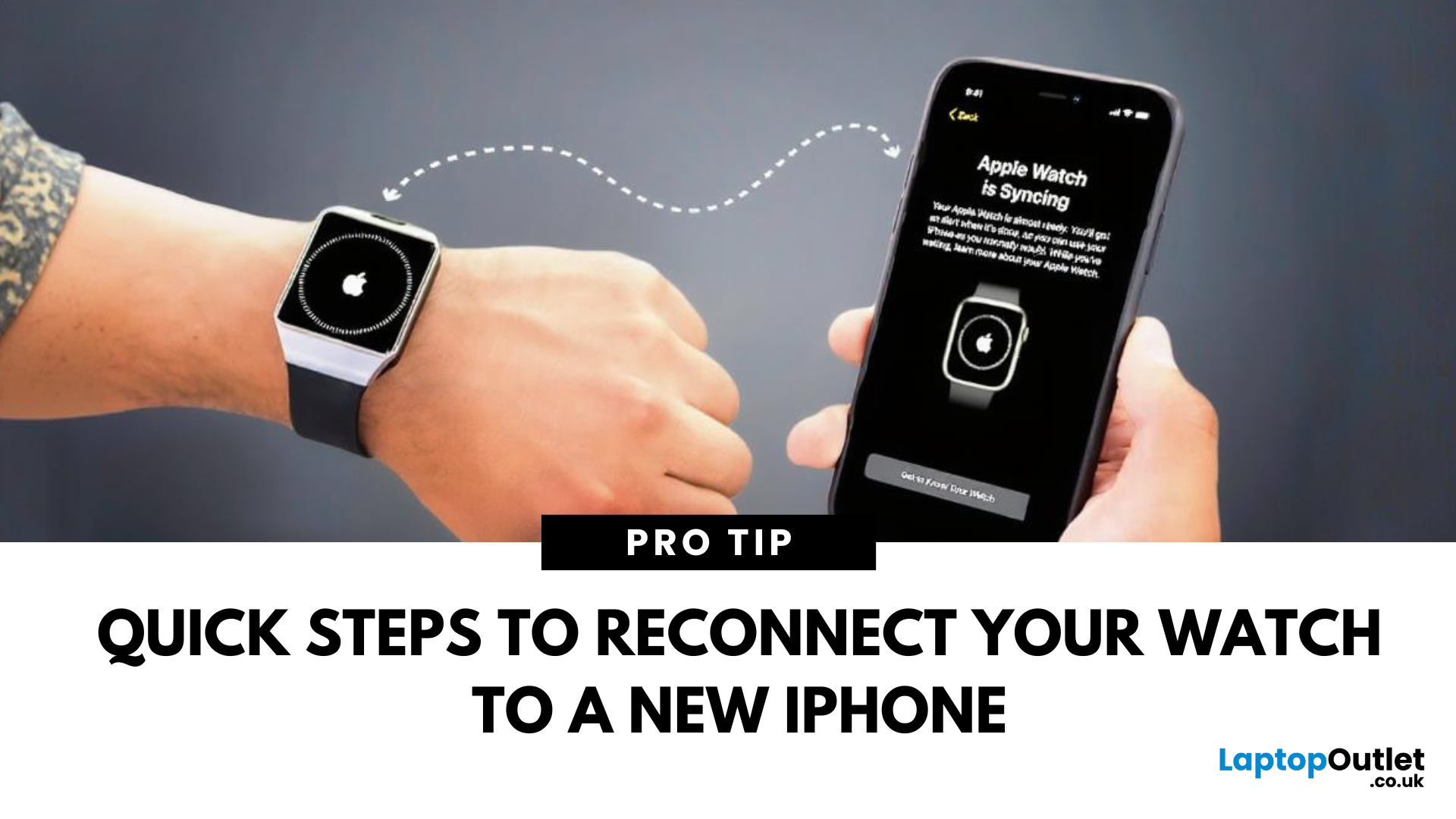
New iPhone, Same Watch? Here’s How to Pair It
Upgrading to a new iPhone? Great! But what about your Apple Watch? You’ll need to pair it to your new phone and transfer all your settings, apps, and data. Here’s how to do it step by step without losing your watch data.
How to Pair Apple Watch to a New iPhone – Step by Step
1. Back Up Your Old iPhone
Your Apple Watch data is included in your iPhone backup.
Steps:
- Go to Settings > [Your Name] > iCloud > iCloud Backup
- Tap Back Up Now
Alternatively, back up via iTunes or Finder on a computer.
2. Unpair Your Apple Watch from Your Old iPhone
- Open the Watch app on your old iPhone
- Tap All Watches > Info icon (i) next to your watch
- Tap Unpair Apple Watch
- Confirm and enter your Apple ID password
This creates a backup of your watch on your old iPhone.
3. Set Up Your New iPhone
Restore your new iPhone from your latest iCloud or iTunes backup so it includes your Apple Watch data.
4. Pair Apple Watch with New iPhone
- Bring
Last Updated: December 24, 2025
Technology never stands still, and if the past few years have taught us anything, it’s that innovation moves fast. As we look ahead, tech trends 2026 are shaping up to be smarter, faster and more user-focused than ever before. From AI-powered laptops to next-level PCs and sustainable tech, the future is all about performance with purpose. So, whether you’re upgrading your setup, planning ahead, or just love staying in the know, here’s a breakdown of the biggest tech trends set to define 2026.
AI Everywhere: Smarter Devices, Smarter Decisions
Artificial Intelligence is no longer a “nice to have” by 2026, it’s expected to be built into almost every device we use. We’re talking about laptops that learn your preferences, PCs that optimise performance in real time, and software that adapts to how you work or play.
AI-driven features such as predictive battery management, real-time security monitoring and intelligent multitasking will become standard. For users, this means less time managing
Last Updated: April 21, 2026
The world of computing is changing fast. We are no longer just looking for faster processors or thinner designs. Today, the focus has shifted to intelligence.
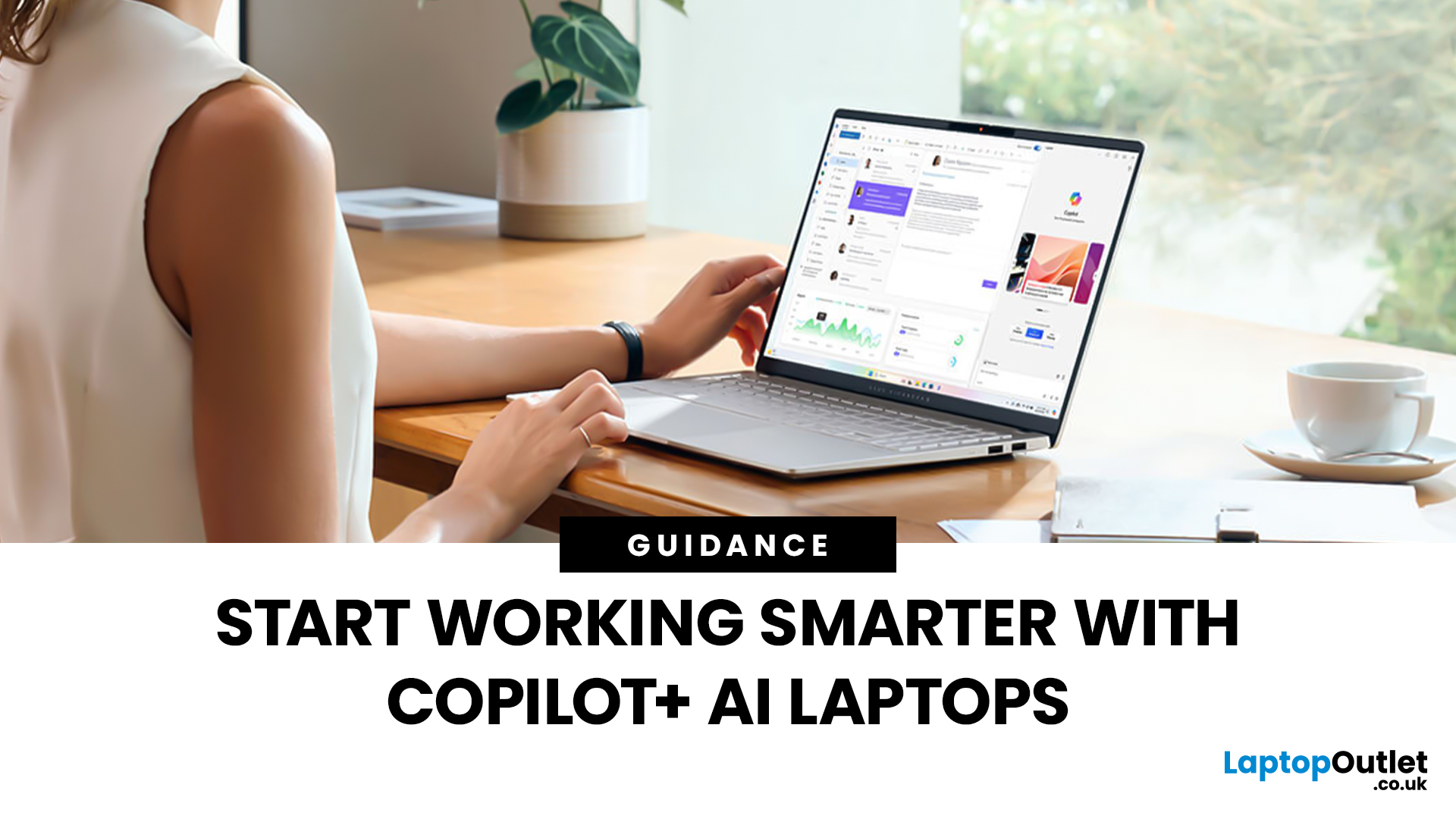
To understand this shift, we need to look at a new category of devices: Copilot+ Laptops. These are not just standard computers; they are AI-powered laptops designed to think, learn, and assist you in real-time.
Whether you are a busy professional, a digital artist, or a student, Windows Copilot+ PCs offer a new way to interact with technology. By integrating hardware and software more tightly than ever before, these machines handle complex tasks with ease.
In this guide, we will explore why these next-generation Windows laptops are the ultimate choice for your next upgrade.
What are Copilot+ Laptops?
Copilot+ Laptops are a new class of Windows 11 laptops with dedicated hardware for advanced Artificial Intelligence (AI) tasks. They offer enhanced performance, security, and unique features that run locally on the device.
Unlike

Last Updated: March 10, 2026
Every year, the back-to-school season brings a rush of shopping. But in 2026, it is not just about stationery and backpacks. Tech has become one of the biggest spending categories on every student's list.
Whether you are a parent, a student, or simply trying to stay informed, knowing the latest back-to-school tech trends can save you time, money, and a few headaches.
So, what are students actually buying this year? Let's break it down.
Why Tech Is Now a Back-to-School Essential
Learning has changed. Most schools and universities across the UK now expect students to have access to their own devices. Hybrid learning, digital coursework, and online collaboration tools have made tech a necessity rather than a luxury.
In fact, a growing number of UK schools have moved to fully digital classrooms. This means students need reliable, capable devices from day one.
Parents and students are also more tech-savvy than ever. They know what to look for. And they are not just buying cheap.
Published: March 16, 2026
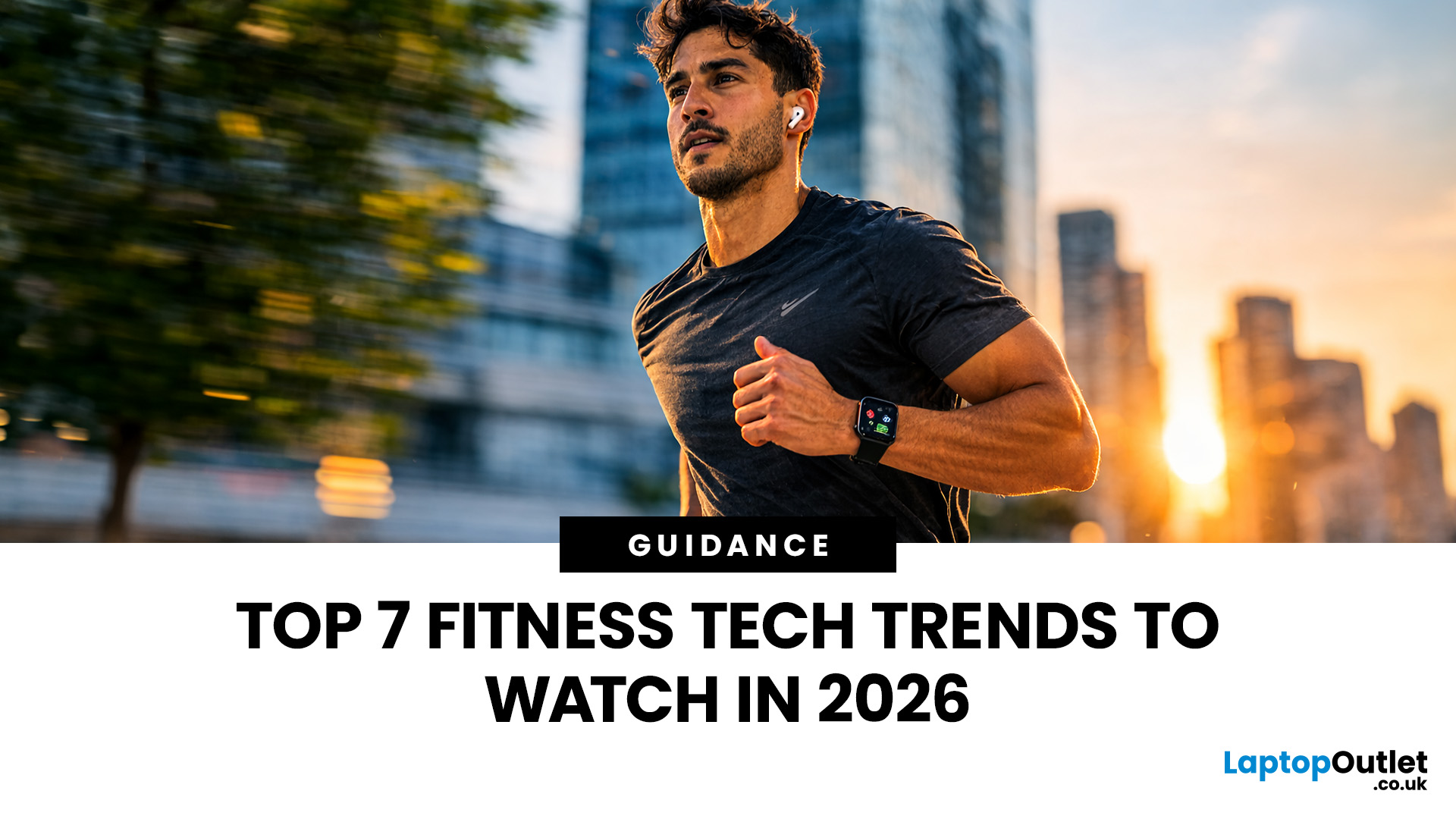
Whether you're a dedicated gym-goer or just trying to stay a bit more active, technology is making it easier than ever to reach your health goals. The fitness tech trends 2026 landscape is packed with impressive innovations, from AI-driven coaching to next-generation health trackers. Here's a look at the seven trends worth keeping an eye on this year.
1. AI-Powered Personal Coaching
AI fitness apps and devices are no longer just logging your reps and steps. In 2026, they're acting more like personal trainers.
- AI analyses your movement patterns, heart rate, and recovery data in real time.
- Your training plan adapts daily based on how your body is actually responding.
- These apps work best when paired with capable hardware, such as AI-ready laptops or a modern smartphone, to process data quickly.
This is one of the most significant shifts in future fitness technology right now. You no longer need to pay for a personal trainer to receive genuinely tailored guidance.
2. Next-Level Smartwatches
Last Updated: April 07, 2026
The UK discards roughly 1.6 million tonnes of e-waste every single year. A significant chunk of that is perfectly functional tech that got replaced too soon, machines that still work, still perform, and still have years of life left in them.
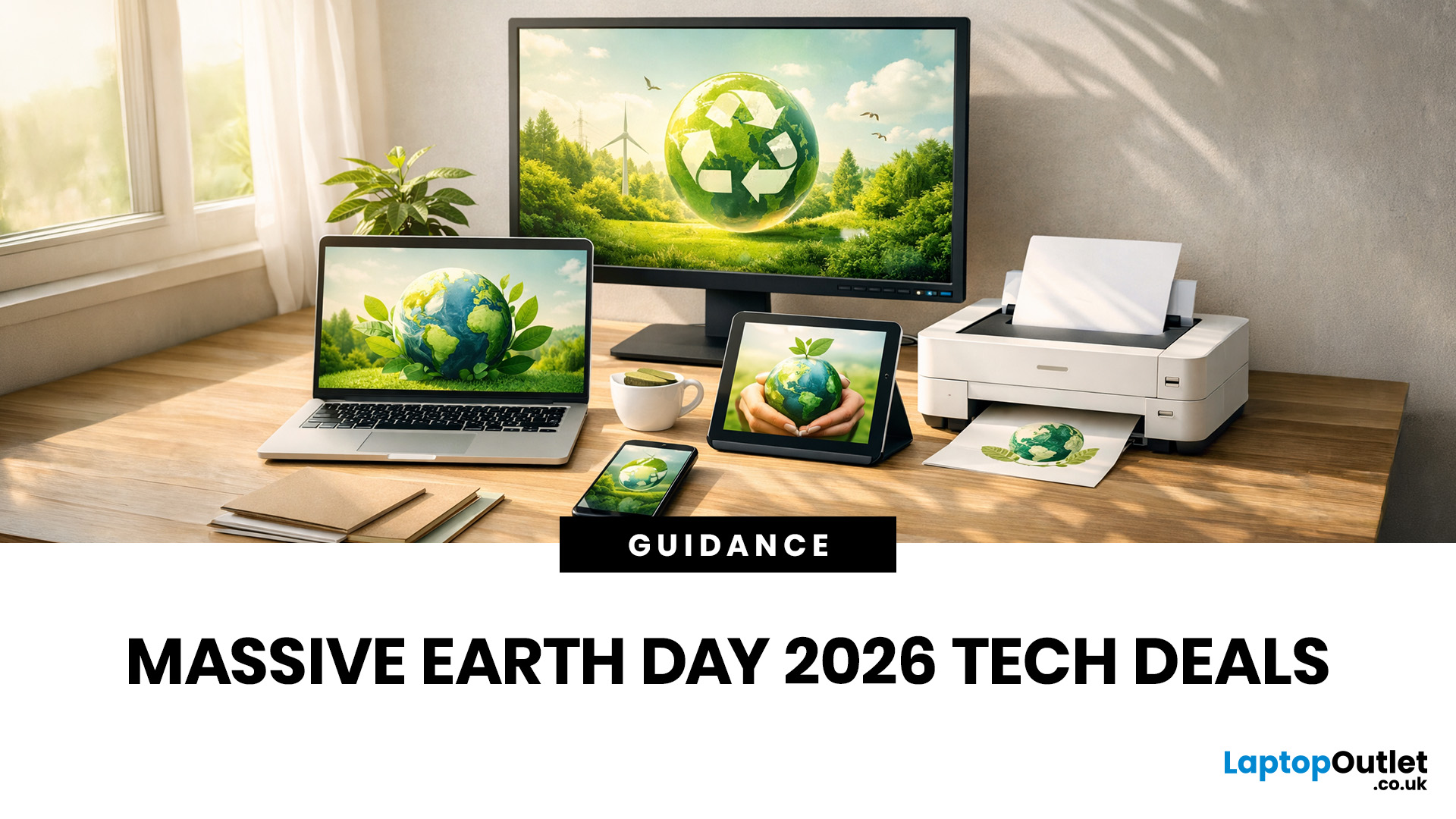
Earth Day 2026 falls on 22nd April, and it's a timely reminder that the most sustainable tech gadget is often the one that already exists. Earth Day deals 2026 at Laptop Outlet are one of the most effective, affordable ways to act on that. No compromise. Just a smarter purchase.
Why Buying New Tech Costs More Than You Think
Manufacturing a single laptop produces up to 400kg of CO2 and draws on rare earth minerals extracted under difficult conditions. When you buy new, that environmental cost is baked in before the device even reaches you. And when it gets discarded a few years later, the damage is compounded.
Refurbished tech breaks that cycle. Every device available during Earth Day tech deals at Laptop Outlet is professionally

Last Updated: April 14, 2026
You need a tablet (well… that’s why you’re here), but figuring out which one actually suits you? That’s where things get tricky.
It’s all gone a bit pear-shaped - there are so many Android tablets out there, each packed with features that sound like they need a dictionary to understand (seriously, who casually says “Magnetoresistive Stylus Support”?). And don’t even get started on the prices.
Finding the right tablet with the right specs and a price that makes sense can quickly turn into a headache.
So, let’s make this easy.
We are going to break down exactly what you need to know, what to look for, what to ignore to choose the best Android tablet for your needs, all in simple, no-jargon language (because no one needs a tech lecture just to buy a tablet).
If you already know what you want, you can jump straight to our full range of android tablets and start browsing.
Otherwise, stick with me, by the end of this, you’ll know exactly which tablet deserves your money.
Quick Picks: Best Android

Last Updated: May 01, 2026
Streaming accounted for over 38% of total TV and video consumption globally last year, overtaking traditional viewing for the first time. That means more people are now watching films on laptops, tablets, and personal screens than ever before, not TVs.
But here’s the problem: most laptops aren’t actually built for a good viewing experience.
You can open the same film on two different laptops and get completely different results. On one, colours look rich, scenes feel immersive, and everything flows smoothly. On another, the image feels dull, brightness struggles in daylight, and the whole experience falls flat - even if the specs look similar on paper.
That’s where most buyers get caught out. Terms like “Full HD,” “OLED,” or “high brightness” sound impressive, but they don’t always translate into a better streaming experience. Many people end up choosing based on performance or price, while overlooking what actually matters for watching films.
This guide breaks that down clearly - focusing
Last Updated: May 01, 2026
By the end of 2025, buying a laptop had become a bigger decision than ever. Global PC shipments climbed to more than 270 million units in 2025, with the final quarter alone reaching 71.5 million units.
On the surface, that sounds like good news: more innovation, more models, more choice. But for buyers, it also means more noise. Bigger spec sheets, bolder marketing claims, AI-ready labels everywhere, and a growing chance of paying for power you do not need or missing the features you actually do.
That is what makes choosing a laptop in 2026 tricky. The best option is not always the most expensive, the most powerful, or the newest on the page. It is the one that fits the way you work, study, stream, create, or game without compromise.
This guide cuts through the clutter and helps you choose with confidence. So, get yourself ready to buy the laptop you are looking for.
How to Choose the Right Laptop in 2026
If you want the quick answer, here’s how to choose the right laptop without overthinking

