



Apple Smart Glasses: Latest Rumours, Features and Release Date
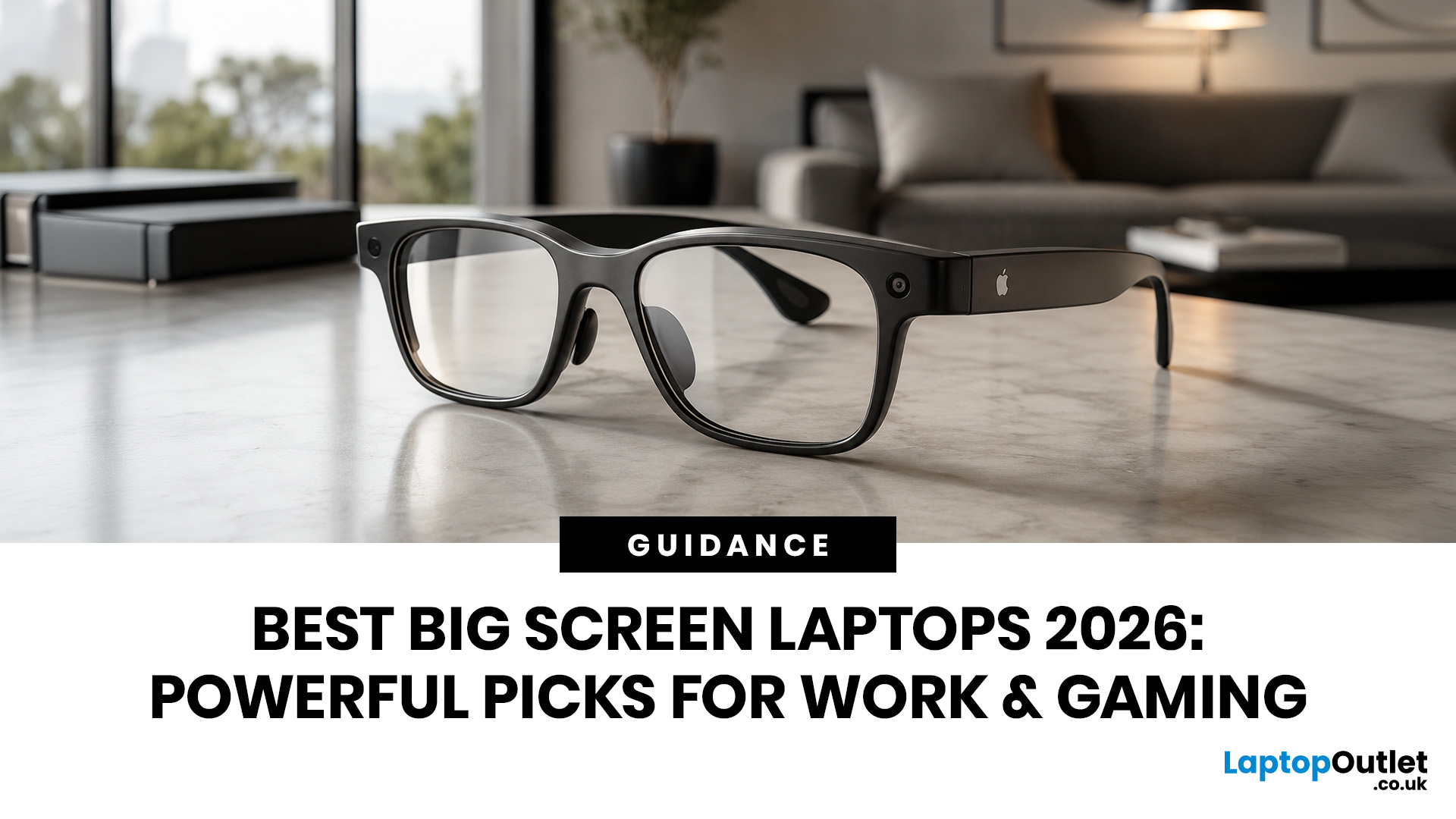
Apple’s highly anticipated smart glasses are rumoured to be currently in development as a lightweight AI accessory to complement the iPhone. Positioned to compete with Meta’s Ray-Ban smart glasses, they are expected to feature built-in cameras, speakers, microphones, and an upgraded Siri, but current reports suggest they may not arrive until 2027, with a possible delay into 2028.
| Important note: Apple has not announced or confirmed Apple smart glasses. Everything below is based on reports, leaks, analyst expectations and industry rumours. Details may change before launch, and some features may never appear in a final product. |
What Are Apple Smart Glasses?
Apple smart glasses are a rumoured wearable product that Apple is reportedly developing as its next major category after Apple Watch and AirPods. Unlike the Apple Vision Pro, which is a full spatial computing headset, these glasses are expected to look like a normal pair of everyday spectacles with hidden smart technology built inside the frames.
The product is reportedly codenamed “N50” or “Project N50” internally at Apple. Based on credible industry reporting, the device would function as an intelligent iPhone accessory rather than a standalone computer. Think of it in the same way you use AirPods or Apple Watch today, but worn on your face.
The direction appears to be firmly AI-first. Apple is reportedly positioning these glasses as a way to bring Apple Intelligence to your eyes and ears throughout the day, without needing to pick up your phone every few minutes.
Discover the latest Apple devices if you want to build a connected setup around iPhone, iPad, Mac, Apple Watch and AirPods.
Apple Smart Glasses Release Date: What the Rumours Say
The release date picture for Apple smart glasses has shifted considerably over the past 18 months. Early leaks pointed to a late 2026 launch, but more recent reports suggest Apple could preview the glasses in late 2026, with consumer availability sometime in 2027. A delay into 2028 remains possible.
Key Milestones in the Rumour Timeline
|
DATE |
RUMOURED MILESTONE |
WHAT WAS REPORTED |
|---|---|---|
|
Nov 2024 |
Apple begins internal research |
Reports emerge that Apple held internal focus group discussions with employees to explore the smart glasses market. Development was said to be in an early research phase. |
|
May 2025 |
Development reportedly accelerates |
Reporting indicates Apple is “ramping up work” and planning to produce large quantities of prototypes by the end of 2025, with an early target around late 2026. |
|
Oct 2025 |
Vision Pro variant reportedly shelved in favour of glasses |
Reports suggest Apple paused development on a cheaper Vision Pro variant, codenamed N100, to redirect resources towards smart glasses. Tim Cook was also reported to be personally focused on the project. |
|
Dec 2025 |
2026 preview + 2027 launch scenario floated |
Reporting suggests Apple may follow its traditional playbook: preview the glasses publicly before launch, then formally release them later. |
|
Feb 2026 |
“Significant progress” reported |
Reports suggest Apple has made meaningful progress in development and that the device could potentially be ready for production around the end of 2026. |
|
Apr 2026 |
Multiple frame designs reportedly in testing |
Reports claim Apple is testing several frame styles, with cameras, microphones and Siri integration expected. A 2026 preview and 2027 release window remains the most widely discussed scenario. |
Could the Launch Slip to 2028?
Yes, it could. Reports have noted that delays relating to Apple’s AI ambitions could push the commercial launch into 2028. Apple’s AI features, particularly the more advanced Siri capabilities tied to these glasses, are still evolving rapidly.
Apple Smart Glasses Design: Frame Styles, Materials and Colours
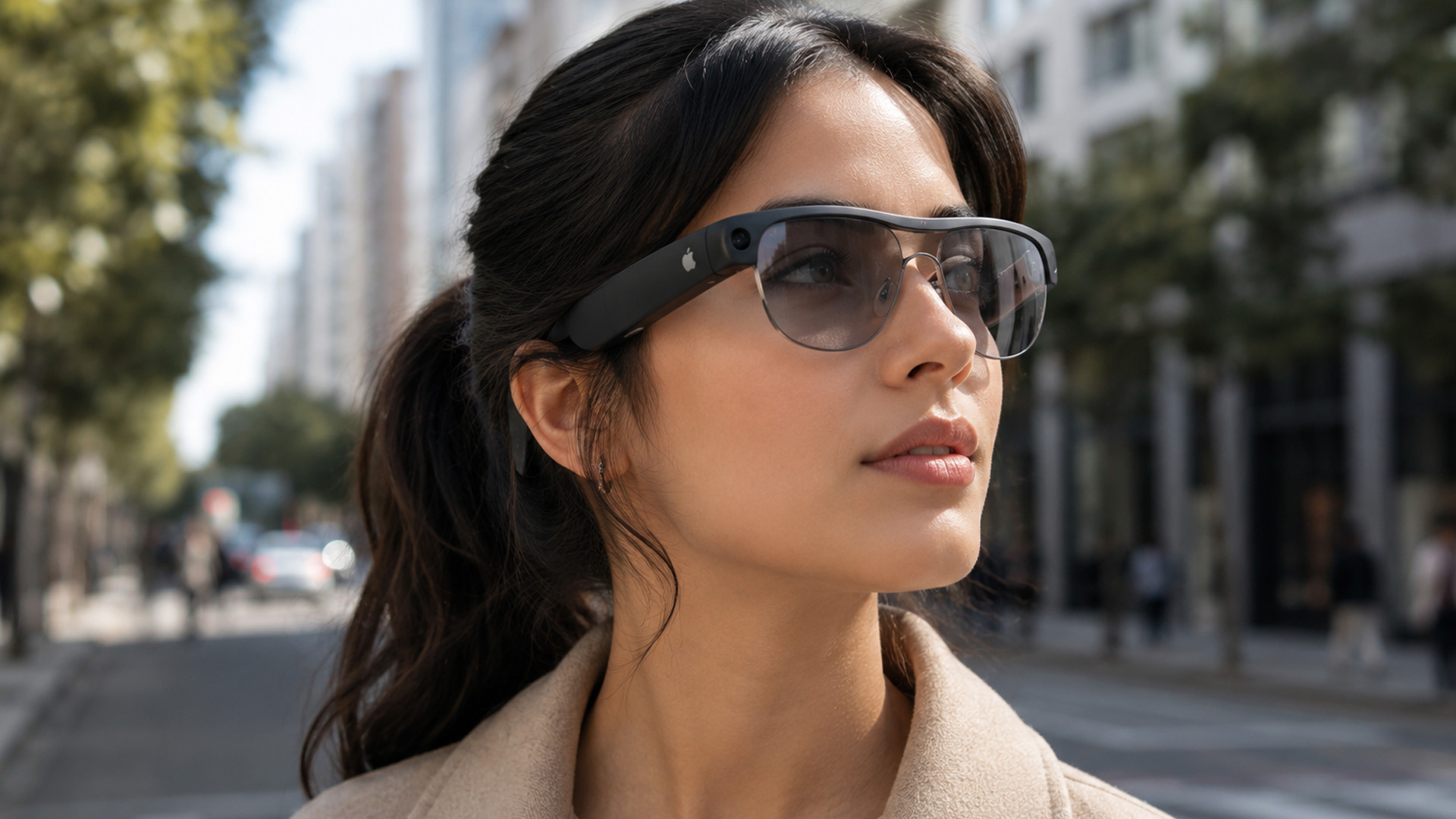
According to industry reports, Apple’s goal is to make the glasses feel recognisably Apple-designed, much like how AirPods stand out from generic wireless earbuds. That is a significant design ambition for a first-generation product.
Rumoured Frame Styles
Reports from April 2026 indicate Apple is currently testing four distinct frame styles internally. It is not yet clear whether all four will ship at launch, or whether Apple will narrow the range closer to release.
- Large rectangular frame: Described as similar in proportion to classic Wayfarer-style frames, broad and bold.
- Slim rectangular frame: A narrower, more understated rectangular option for a subtler look.
- Large oval frame: A rounder, fuller shape offering a different character to the rectangular options.
- Small oval frame: A compact oval style, potentially suited to those who prefer smaller frames.
Offering multiple frame shapes from day one mirrors Apple's strategy with Apple Watch, where different case sizes and strap combinations allowed the product to appeal to a broad audience at launch.
Materials and Finishes
The frames are reportedly constructed from acetate, a material commonly used in premium eyewear because it can feel more durable and luxurious than standard plastic. This suggests Apple may be serious about positioning these as lifestyle accessories rather than purely tech products.
Colour options currently rumoured to be in testing include:
- Black
- Light brown, possibly similar to a tortoiseshell-style finish
- Ocean blue
Additional colourways may be confirmed closer to launch. Apple frequently expands colour ranges between announcement and availability.
Camera Design: Oval, Not Round
One specific detail that has been reported with some consistency is the shape of the camera lenses on the frame. Rather than the circular camera design seen on some rival smart glasses, Apple's cameras are reportedly described as "vertically oriented oval lenses with surrounding indicator lights."
The indicator lights are likely there for privacy signalling, letting people nearby know when the cameras are active. This would be consistent with Apple's stated emphasis on privacy across its products.
Prescription compatibility has also been mentioned in several reports, although the exact mechanism (whether prescription inserts are used, or whether opticians can fit lenses directly) has not been confirmed.
Apple Smart Glasses Features and Specs: What Is Rumoured
The feature set coming into focus across multiple reports points to a product built primarily around hands-free AI assistance. This is not expected to be a display device or a virtual reality headset. Instead, the first-generation model is rumoured to be an AI-first wearable that sees and hears what you do, then responds through audio.
Dual Camera System
Multiple independent reports describe two built-in cameras, each with a distinct purpose:
- High-resolution primary camera: Intended for capturing photos and videos, similar in purpose to your iPhone's rear camera. Rumoured to support 1080p video capture.
- Low-resolution wide-angle secondary camera: Dedicated to reading hand gestures and providing real-time visual context to Siri and Apple Intelligence. Not used for photography.
Notably, reports consistently indicate there will be no LiDAR sensor and no 3D camera in the first generation. These components are reportedly being excluded because they are too energy-intensive for the power constraints of a small glasses frame.
Siri and Apple Intelligence
Apple Intelligence is expected to be central to the entire experience. Think of it as Siri, but meaningfully smarter, with a greater ability to understand context, process multimodal inputs (camera + voice), and respond in a genuinely useful way.
Reported capabilities include:
- Answering questions about what you are looking at in real time
- Playing music and managing media playback
- Making and receiving phone calls
- Sending and reading messages
- Providing turn-by-turn navigation directions
- Setting reminders and timers
- Live language translation of signs, menus, and speech
Apple has been rebuilding Siri with large language model capabilities. A more capable, reasoning-oriented Siri is reportedly one of the most important elements of the glasses experience, since there is no screen to fall back on.
Visual Intelligence
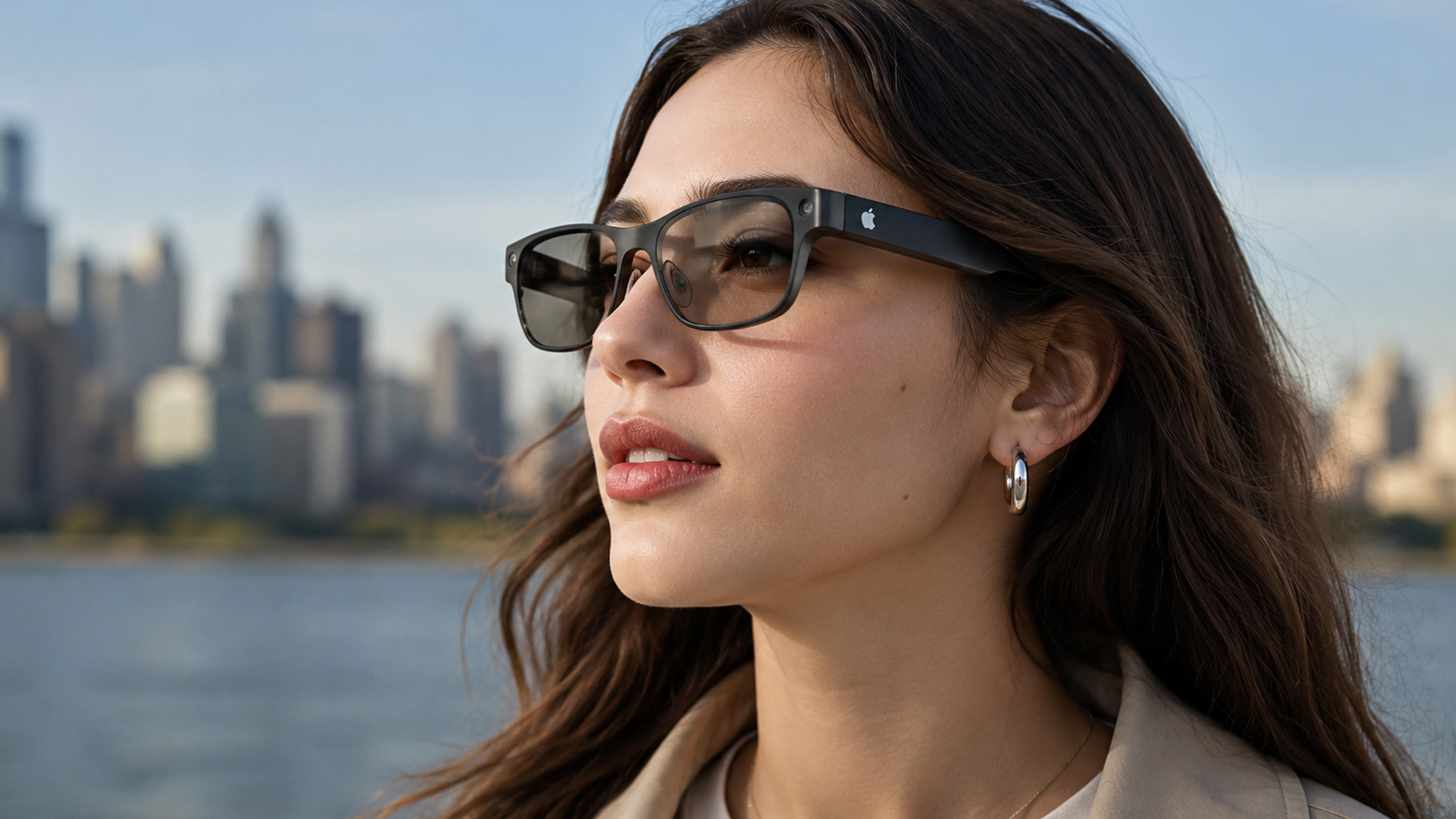
Visual Intelligence is reportedly the headline AI feature. Using the cameras on the glasses, the system can:
- Identify objects, plants, animals, and landmarks in your surroundings
- Scan and translate text from signs, menus, or documents
- Recognise products and look up information or prices
- Provide contextual suggestions based on your environment
- Help you remember where you may have left things, such as keys or bags, if the system previously captured enough visual context
This builds on the Visual Intelligence feature already present in recent iPhone models, but makes it ambient and hands-free. You look at something; Siri tells you about it, without you needing to lift your phone.
Audio: Speakers and Microphones
Built-in speakers and microphones are confirmed in nearly every report. The audio experience is expected to be open-ear (similar to the bone-conduction or directional speaker approach used by some competitors), preserving spatial awareness while delivering audio privately to the wearer.
The microphones will handle voice commands for Siri and enable phone call functionality. Spatial audio, given Apple's deep investment in that technology across AirPods, is a natural expectation, though it has not been specifically confirmed for the glasses.
The N401 Chip: What It Is and Why It Matters
One of the most technically significant rumours is that Apple is developing a custom chip specifically for the smart glasses, reportedly codenamed N401. This matters because it tells us a lot about how the device is designed to work.
- Architecture: Reportedly based on the Apple Watch S-series chip design, not an M-series chip (like in MacBook or iPad Pro). This is the right call for a small, battery-constrained wearable.
- Purpose: Expected to be optimised for two specific tasks: controlling multiple cameras and running on-device AI inference. Nothing else.
- Thermal management: The chip must run without a fan and without generating noticeable heat near your temples. Watch-derived architecture addresses this directly.
- Battery strategy: Computationally heavy tasks will reportedly be offloaded to a paired iPhone via Bluetooth. The glasses handle what they can locally; your iPhone handles the rest. This is similar to how Apple Watch works with iPhone.
What Will Not Be in the First Generation
Just as important as what Apple is reportedly including is what has been specifically excluded from the first model. Being clear about this helps set realistic expectations.
- No AR display: No heads-up display, no holographic overlays, no augmented reality visuals of any kind in the first version.
- No LiDAR sensor: Omitted for power efficiency reasons.
- No 3D camera: Same reasoning; too energy-intensive for current battery constraints.
- No standalone operation: These glasses are expected to require a paired iPhone to function fully, similar to Apple Watch without cellular.
A second, more advanced model with a built-in display is reportedly in development separately and could arrive as late as 2028. That version would represent the true "Apple Glass" AR experience that has been rumoured since the early 2020s.
| Worth Exploring: Since Apple Smart Glasses are expected to rely heavily on iPhone pairing, shop iPhone models that support Apple’s newest features. Interested in Apple Intelligence beyond iPhone? Browse Apple iPads built for productivity, entertainment and creative work. |
Apple Smart Glasses UK Price: What to Expect
Apple has made absolutely no announcement about pricing, and no reliable leak has produced a confirmed number. However, based on what has been reported and where the smart glasses market currently sits, it is possible to make some reasonable estimates.
Analyst pricing estimates and market comparisons suggest a starting price somewhere in the range of approximately £400 to £800 in the UK, depending on which features and frame configurations Apple launches with. Premium configurations with prescription inserts or sunglasses variants could push that figure higher.
|
Pricing Scenario |
Est. UK Price (Unconfirmed) |
Context |
|---|---|---|
|
Base model, standard frames |
~£399 to £499 |
Entry-level, competing with smart glasses market broadly |
|
Mid-tier configuration |
~£549 to £699 |
With premium frame style or additional sensors |
|
Prescription insert option |
Additional £100 to £300 |
Estimated optician add-on cost on top of base price |
|
Sunglasses variant |
~£499 to £799 |
Tinted lenses + UV protection variant |
Apple typically adds a premium over US pricing when converting for the UK market, to account for VAT at 20% and import/logistics costs. Any US price you see in reports should not be directly converted at the currency exchange rate; the UK RRP will generally be higher in proportional terms.
Should You Wait or Buy Something Now?

Apple Smart Glasses sound amazing, but they are still just a rumour. If you want smart tech on your face today, you have a choice to make.
Wait if...
- You love the Apple ecosystem: Waiting ensures perfect integration with your iPhone, Apple Watch, and iCloud.
- You want advanced AR: Apple will likely focus on true augmented reality, projecting digital images onto the real world.
- You have a flexible budget: Apple tech is premium, so these glasses will likely carry a high price tag.
Other options available right now...
If you do not want to wait years for a rumour, several excellent smart glasses are already available in the UK.
- Ray-Ban Meta Smart Glasses: These look like stylish, classic sunglasses but feature built-in cameras, open-ear speakers, and AI voice assistance.
- Amazon Echo Frames (3rd Gen): A great option for everyday prescription lenses, focusing heavily on audio and hands-free Alexa control.
Besides smart glasses, you can also shop smartwatches for health, fitness and everyday notifications.

The Takeaway
Apple smart glasses remain an unconfirmed product. However, the volume and consistency of credible reports make it clear that development is well under way. A late 2026 preview followed by a late 2027 consumer launch appears to be the most realistic timeline. If you are already in the Apple ecosystem, they could be a natural next step alongside your iPhone, Apple Watch, and other Apple wearables.
If you want a more immersive headset experience today, browse virtual reality tech instead of waiting for Apple’s rumoured smart glasses.

Things You Might Want to Know...
When will Apple smart glasses be released in the UK?
Based on the latest reports, a UK release is currently expected in late 2027, with a possible reveal at an Apple event in late 2026.
How much will Apple smart glasses cost in the UK?
No price is confirmed. Analyst estimates suggest roughly £399 to £499 for a base model, depending on the final feature set and Apple's UK pricing strategy.
Will Apple smart glasses have augmented reality?
Not in the first generation. No in-lens AR display is expected at launch. A second-generation AR display model is rumoured for around 2028.
Do Apple smart glasses need an iPhone?
Yes, reportedly. They are expected to function as an iPhone accessory, relying on Bluetooth pairing for AI processing and full connectivity features.
What AI features will Apple smart glasses have?
They are rumoured to feature Apple Intelligence, next-gen Siri (iOS 27), Visual Intelligence for object recognition, live translation, and contextual answers about the wearer's surroundings.
Will Apple smart glasses support prescription lenses?
Prescription and sunglasses variants are widely rumoured, though details on how these will work or how much they will cost have not been confirmed.
How are Apple smart glasses different from the Apple Vision Pro?
The Vision Pro is a heavy spatial computing headset. Apple smart glasses are lightweight everyday eyewear with AI features, designed for all-day wear as an iPhone companion device.
| Read More |
| iPhone Fold: Release Date, Price and Specs Rumours |
| Apple Ultra Devices: Why Apple is Going All-In on Ultra-Premium Tech |
| Apple’s Next Big Move: From MacBook Neo to Ultra Devices |
Related Articles

Published: March 10, 2026
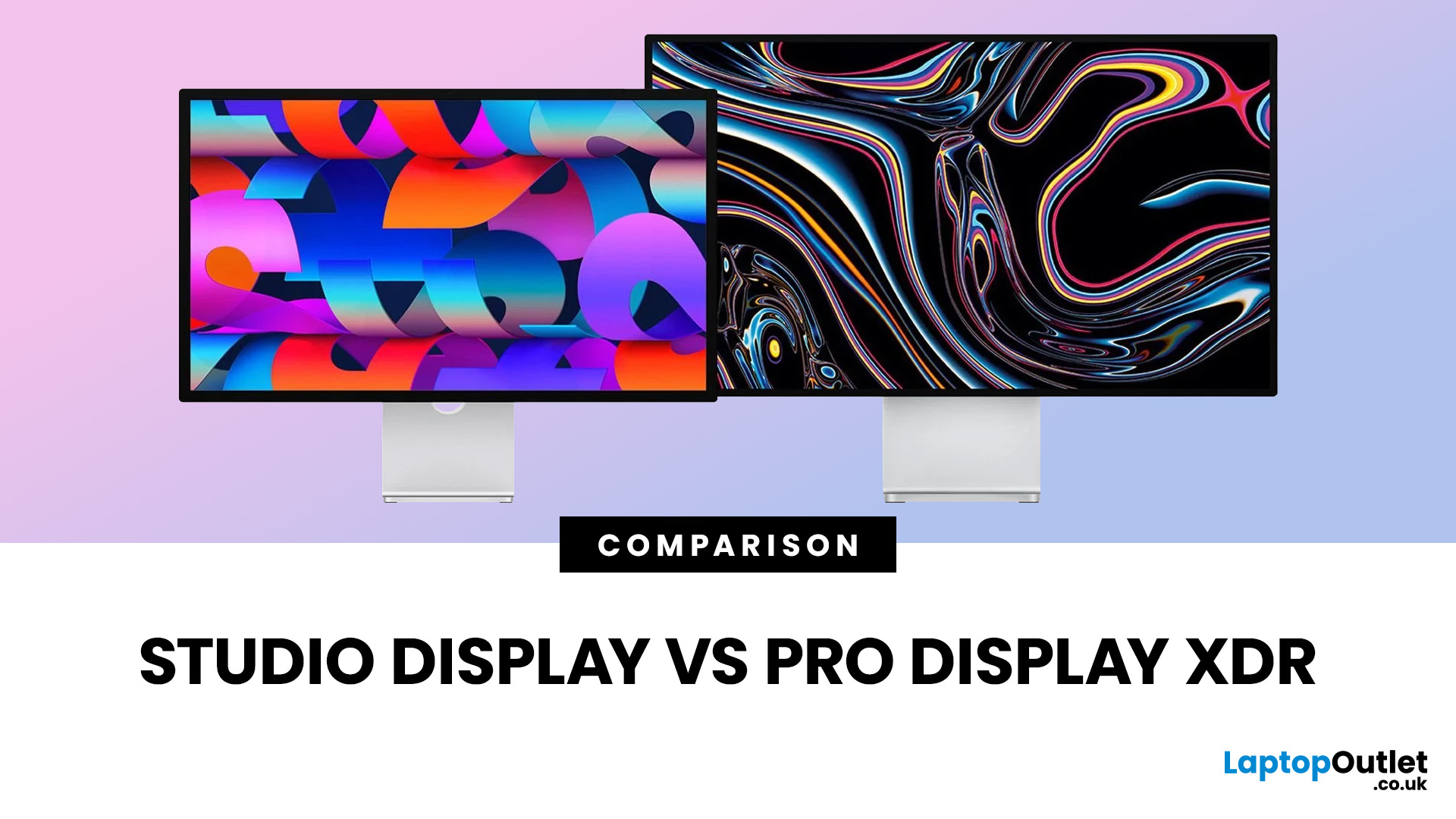
If you are comparing Apple Studio Display XDR vs Studio Display in 2026, the main thing to understand is simple: Apple’s monitor lineup is now split into two clearer tiers than before. The Studio Display is the mainstream option for creators, professionals, and general Mac users, while the Studio Display XDR is the higher-end model for people who need stronger HDR, higher brightness, wider colour support, smoother motion, and more specialised reference modes. Apple announced both as part of its current display family in March 2026, with the standard Studio Display starting at £1,499 and the Studio Display XDR starting at £2,999.
That means this is no longer a messy comparison between a regular Apple monitor and an older niche flagship. Apple now sells two current 27-inch 5K displays with the same broad design language, the same camera and speaker system, and the same Thunderbolt 5-based connectivity. The difference is what sits underneath the panel. Studio Display is the better fit for

Published: March 12, 2026
Apple’s new MacBook Air M5 is officially here, and after spending time testing it myself, I can confidently say one thing: it’s fast. Like, open-all-my-tabs, edit-4K, switch-between-apps-without-thinking fast. But benchmarks and real use aren’t always the same thing. So, I ran several tests, used it for everyday work, and compared it with previous Air models to answer the real question: Are the MacBook Air M5 benchmarks strong enough to justify the upgrade?
For UK buyers in particular, this is shaping up to be one of the easiest MacBooks to recommend in 2026. Apple kept the thin, fanless design that people already love, but added the new M5 chip, improved base storage, faster wireless connectivity, and stronger performance across both benchmarks and daily workflows. Let’s break down the numbers and the real-world experience.
MacBook Air M5 Overview
Like iPhone 17e, iPad Air M4, and MacBook M5 Pro and M5 Max, Apple announced the MacBook Air M5 on 3 March 2026, with availability beginning

Published: March 12, 2026
The foldable phone market is growing fast. And 2026 is shaping up to be its most exciting year yet.
Samsung's Galaxy Z Fold 7 is already here, refined and polished after seven generations. Apple's iPhone Fold, set to arrive in autumn 2026, is the most anticipated foldable debut in smartphone history. So, when it comes to iPhone Fold vs Galaxy Z Fold 7, which one is actually worth your money?
This foldable smartphone buying guide covers every major spec, feature, and difference between the two. Whether you are a longtime Samsung user or a loyal iPhone owner eyeing something new, read on.
| Important note: The iPhone Fold has not been officially announced at the time of writing. All iPhone Fold details are based on credible leaks, analyst reports from Ming-Chi Kuo and Mark Gurman (Bloomberg), and supply-chain sources. |
Full Specs at a Glance: Apple iPhone Fold vs Galaxy Z Fold 7
Here is a complete, detailed Galaxy Z Fold 7 specs comparison against the expected iPhone Fold. Every

Published: March 13, 2026
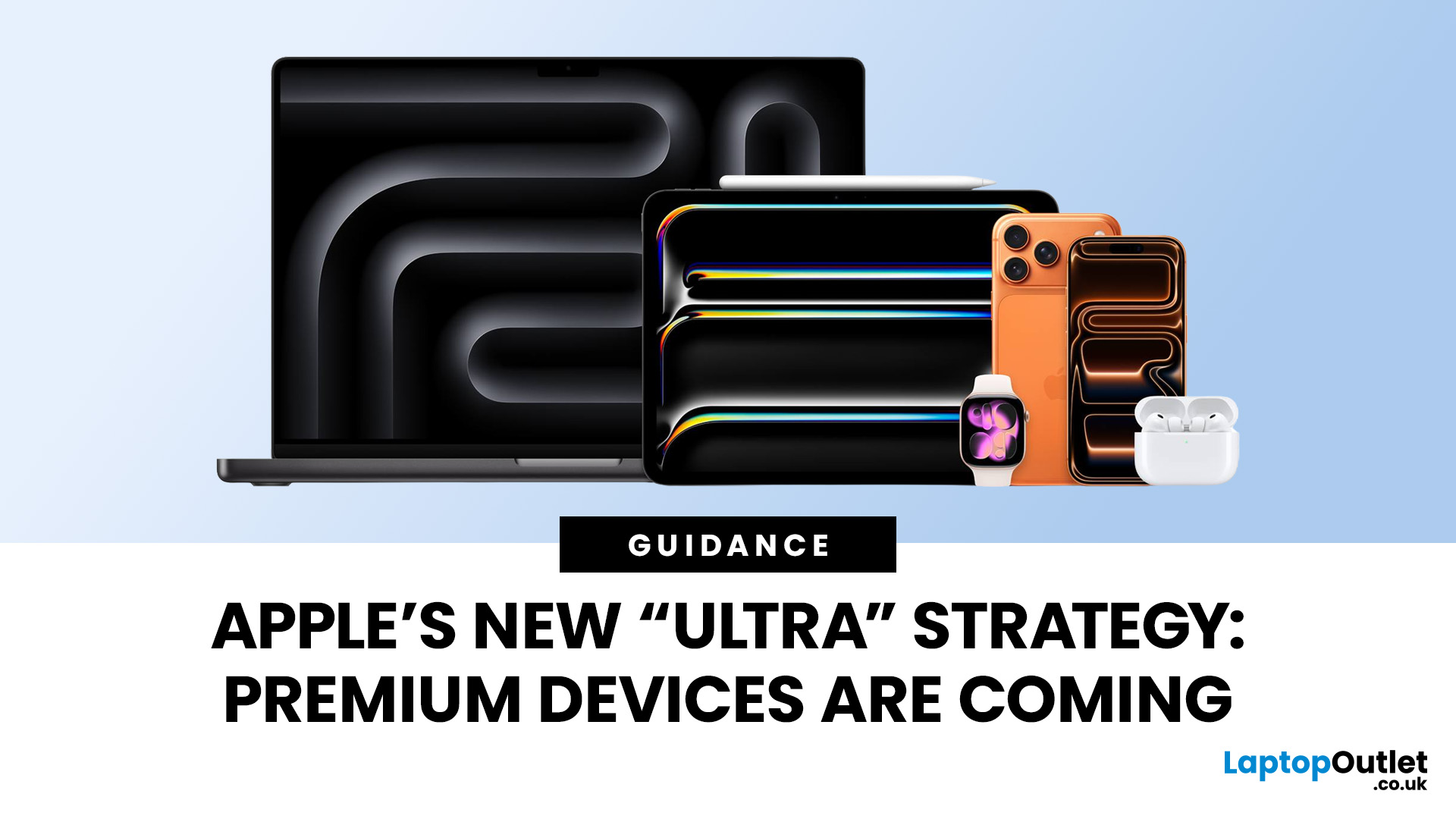
Apple is entering a new era of product strategy. For years, the company has dominated the premium tech market with devices like the iPhone Pro and MacBook Pro. But now Apple appears to be expanding its ecosystem in two directions at once: more affordable devices and ultra-premium hardware.
The recent MacBook Neo release indicates that Apple has a budget-friendly laptop to attract students and first-time Mac users. At the same time, industry reports indicate Apple is building a lineup of Ultra devices that will sit above its current Pro models.
This shift highlights what many analysts now call the Apple Ultra strategy, a long-term plan to stretch Apple’s ecosystem from entry-level devices all the way to cutting-edge luxury hardware. From the MacBook Neo at the affordable end to devices like iPhone Ultra, MacBook Ultra, and AirPods Ultra, Apple’s premium device roadmap is becoming more ambitious than ever.
MacBook Neo: Apple’s New Entry-Level Laptop
The MacBook Neo is expected to become
Published: March 13, 2026
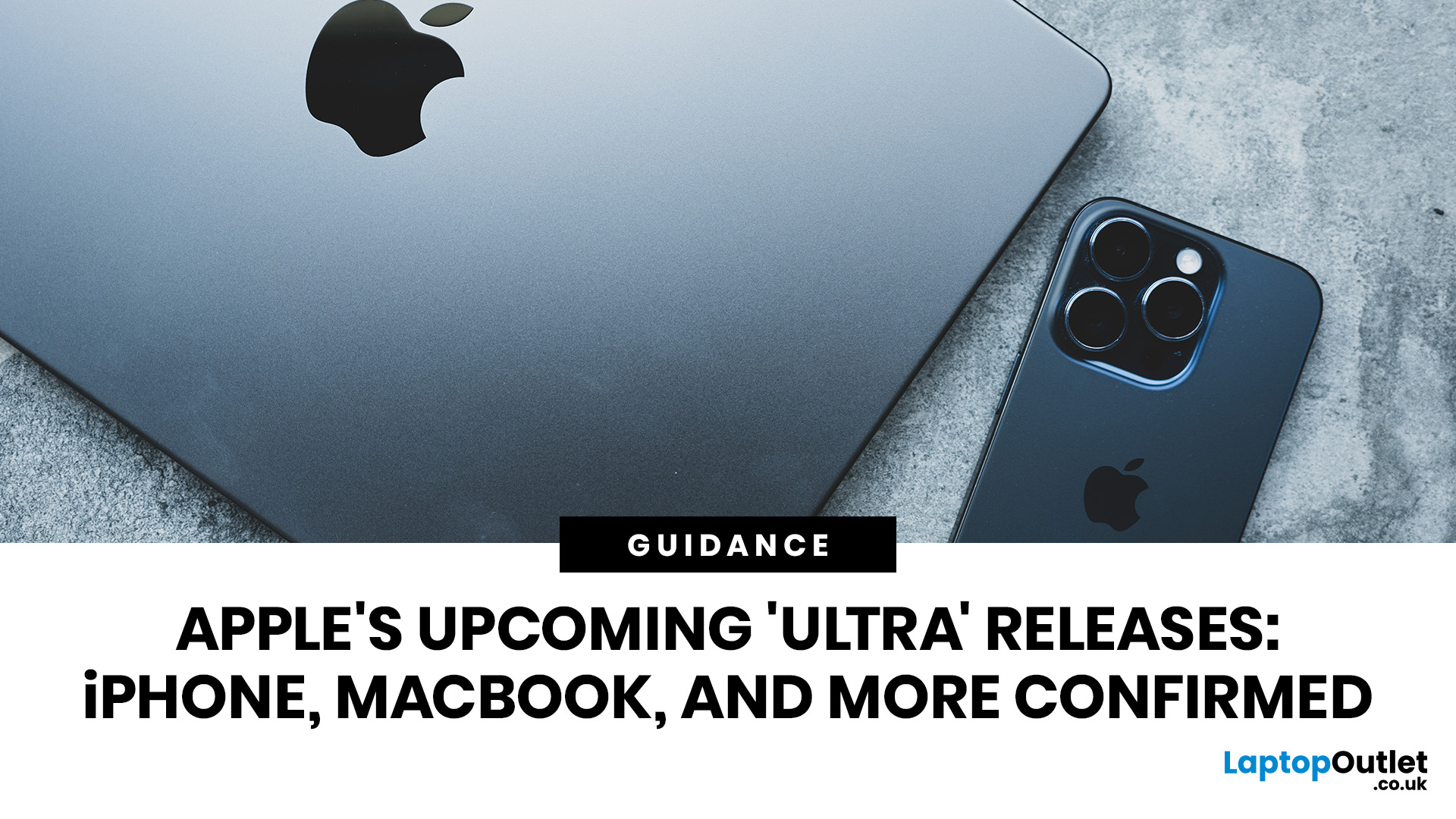
Apple has always been known for premium tech. But now the company is pushing things even further. Reports suggest Apple is introducing a brand-new ultra-premium tier of products, with devices that sit above the current “Pro” lineup.
From the iPhone Ultra and Apple Fold to AirPods Ultra and MacBook Ultra, Apple’s next wave of hardware could redefine what “flagship” means. And with Apple’s 50th anniversary approaching in 2026, the company appears to be preparing some of its most ambitious devices yet.
Apple Ultra Devices Strategy: A New Super-Premium Tier
For years, Apple’s product hierarchy was simple:
- Standard models (iPhone, iPad, MacBook Air)
- Pro devices for professionals
- Occasional high-end models like the Apple Watch Ultra
But Apple is now reportedly creating a new “Ultra” category above Pro, focused on extreme performance, premium materials, and experimental tech. Analysts say Apple is planning Ultra-tier devices across the iPhone, Mac, and AirPods lineup, expanding the concept
Published: March 16, 2026
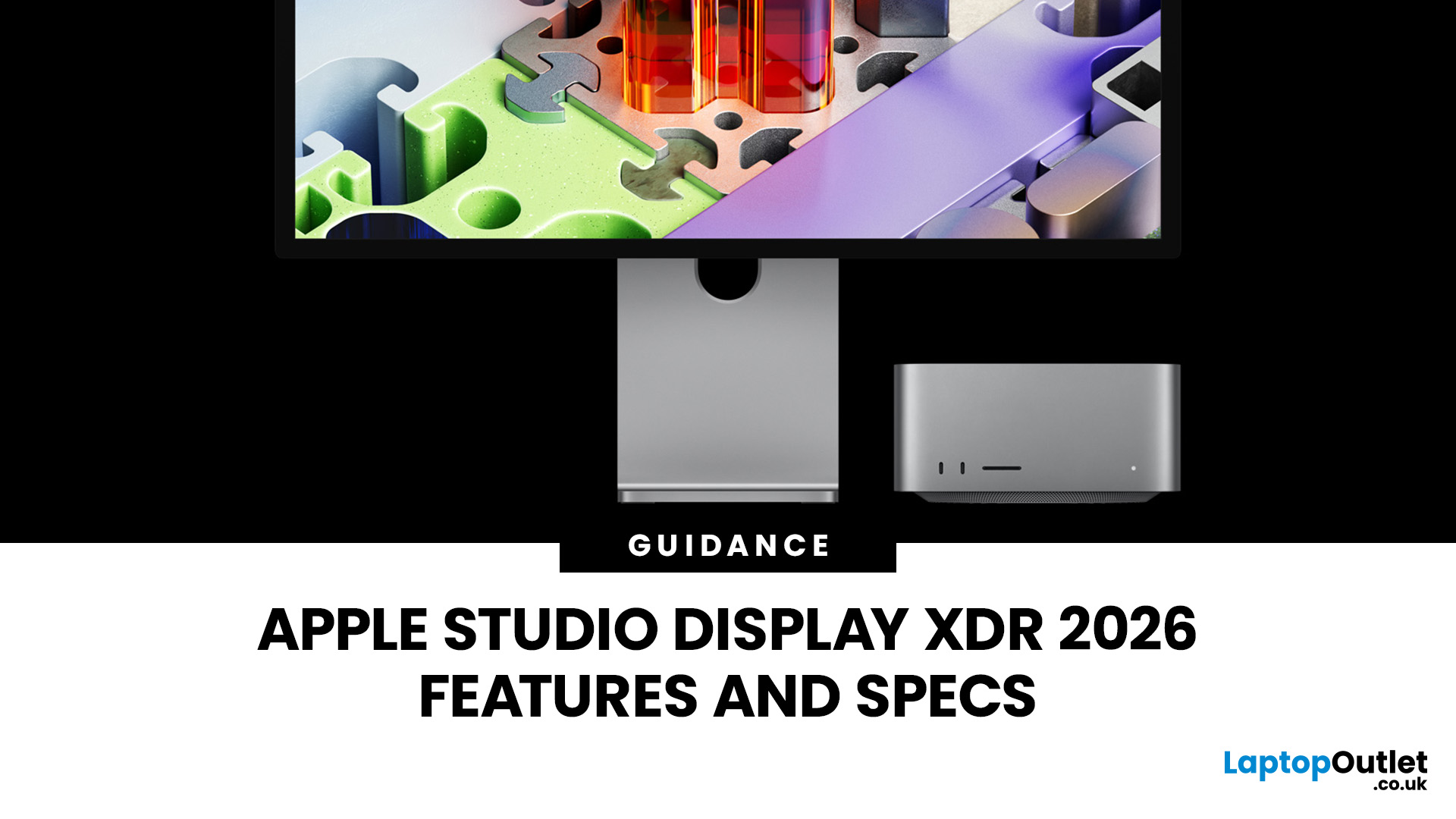
The Apple Studio Display XDR has finally arrived, and it is genuinely something special. Announced on 3rd March 2026 and available from 11th March 2026, this is Apple's answer to professionals who demand the very best from a desktop display.
It replaces the long-discontinued Pro Display XDR and sits at the top of Apple's new two-tier monitor lineup. Whether you are a video editor, 3D artist, or creative professional, this guide covers everything you need to know, from specs and performance to price and who it is actually for.
What Is the Apple Studio Display XDR?
The Apple Studio Display XDR is a 27-inch professional monitor with a 5K Retina XDR panel, mini-LED backlighting, and a 120Hz refresh rate. It is designed for workflows like HDR video editing, 3D rendering, colour grading, and even diagnostic radiology.
It replaces the older Pro Display XDR, which had been Apple's flagship monitor since 2019. The new model is smaller at 27 inches (down from 32 inches)
Published: March 31, 2026
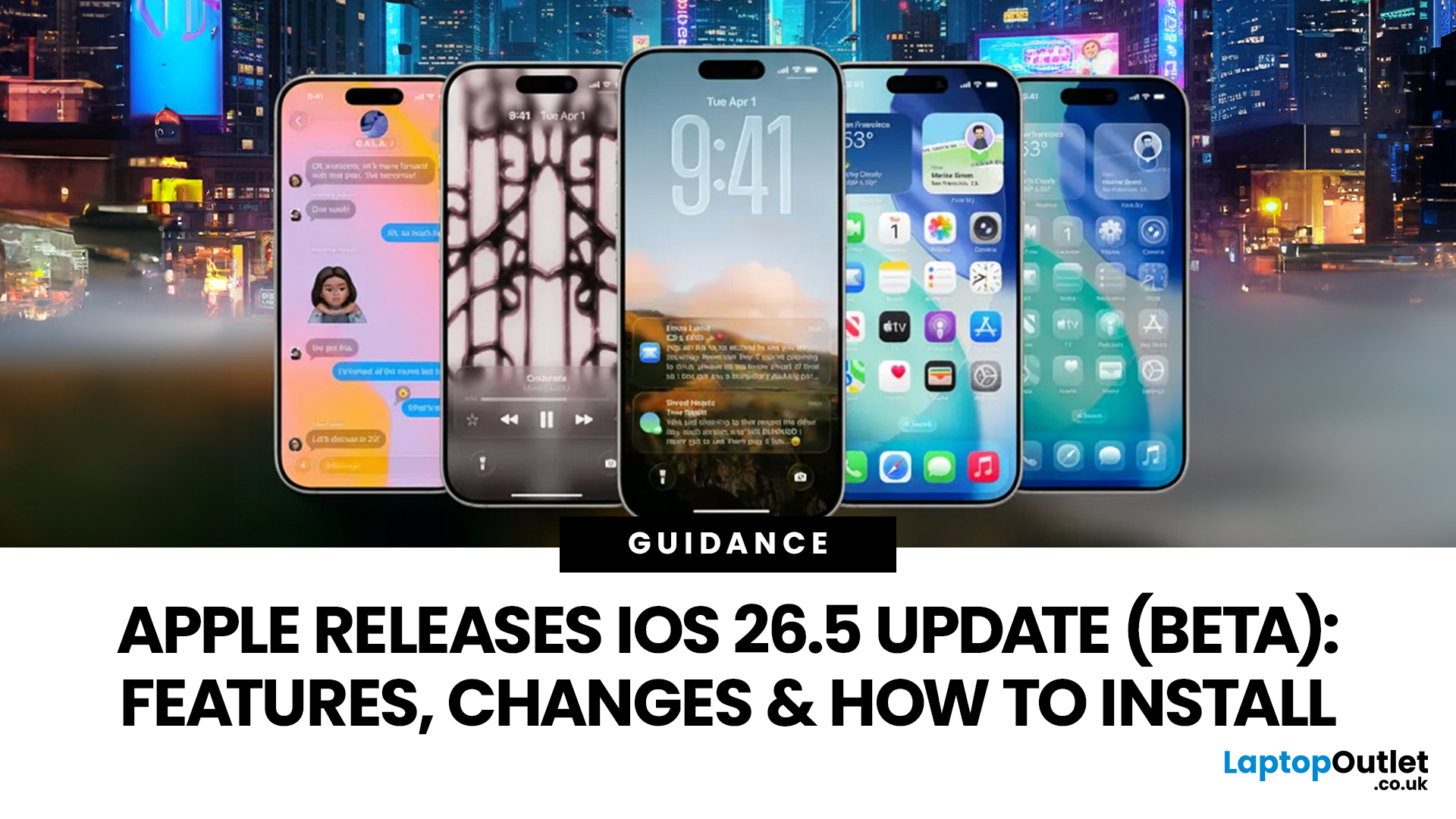
Apple has rolled out iOS 26.5 beta, giving developers and early testers a first look at the next iPhone software update. While this is not Apple's biggest beta release this year, it still brings a number of important changes worth paying attention to. From improvements in Messages to new additions in Apple Maps, the latest iOS beta shows that Apple is continuing to refine the iPhone experience ahead of a wider rollout.
For anyone searching for what’s new in the iOS 26.5 update, the early answer is simple. This update is more focused on practical improvements than headline-grabbing changes. The biggest talking points so far include the return of RCS end-to-end encryption, new Apple Maps features, smaller system updates, and the continued absence of the major Siri improvements many users have been waiting for.
If you want a full breakdown of the iOS 26.5 beta features, the key changes, and how to install the update on your iPhone, here is everything you need to know.
Apple iOS 26.5 Beta

Last Updated: June 10, 2026
Quick Summary
You can factory reset an iPad without a passcode using Recovery Mode on a Mac or Windows PC. This removes the screen lock, erases the iPad, and restores it to factory settings. However, a reset does not remove Activation Lock. If the iPad is linked to an Apple ID, you will still need the correct Apple ID password, the previous owner’s help, or proof of purchase for Apple Support.
Forgot your iPad passcode or seeing “iPad Unavailable”? You can factory reset it using Recovery Mode, a computer, or the lock-screen erase option.
However, a reset does not bypass Activation Lock. If the iPad is linked to an Apple ID, you’ll need the account details, the previous owner’s help, or proof of purchase for Apple Support.
Quick Answer: Can You Factory Reset an iPad Without Apple ID or Passcode?
Yes, you can erase a locked or disabled iPad without the screen passcode by using iPad Recovery Mode on a Mac or Windows PC. This removes the screen lock and restores the iPad to factory settings.
Last Updated: June 10, 2026
Quick answer: Apple is rolling out a new premium tier above its Pro range, and 2026 is the year it takes shape. Confirmed and strongly rumoured Apple Ultra releases include the iPhone Ultra, the MacBook Ultra, AirPods Ultra, and the Apple Watch Ultra 4.
For the first time, the word "Ultra" is migrating from a single smartwatch and a line of desktop chips onto iPhones, laptops, and earbuds. This is not a naming exercise. It signals a genuine leap in technology, ambition, and price. Here is everything you need to know, right now.
Note: Apple has not officially confirmed most of the products below. This article summarises current Apple leaks, analyst reports, and industry rumours.
What Exactly Is Apple's "Ultra" Strategy?
Until recently, Apple's product tiers were fairly straightforward: standard, Air, and Pro. Ultra was reserved for chips (like the M2 Ultra) and the Apple Watch Ultra, both of which signalled the absolute best in class. Now Apple is expanding that logic across
Last Updated: September 10, 2026
No more leaks. No more “Apple might”.
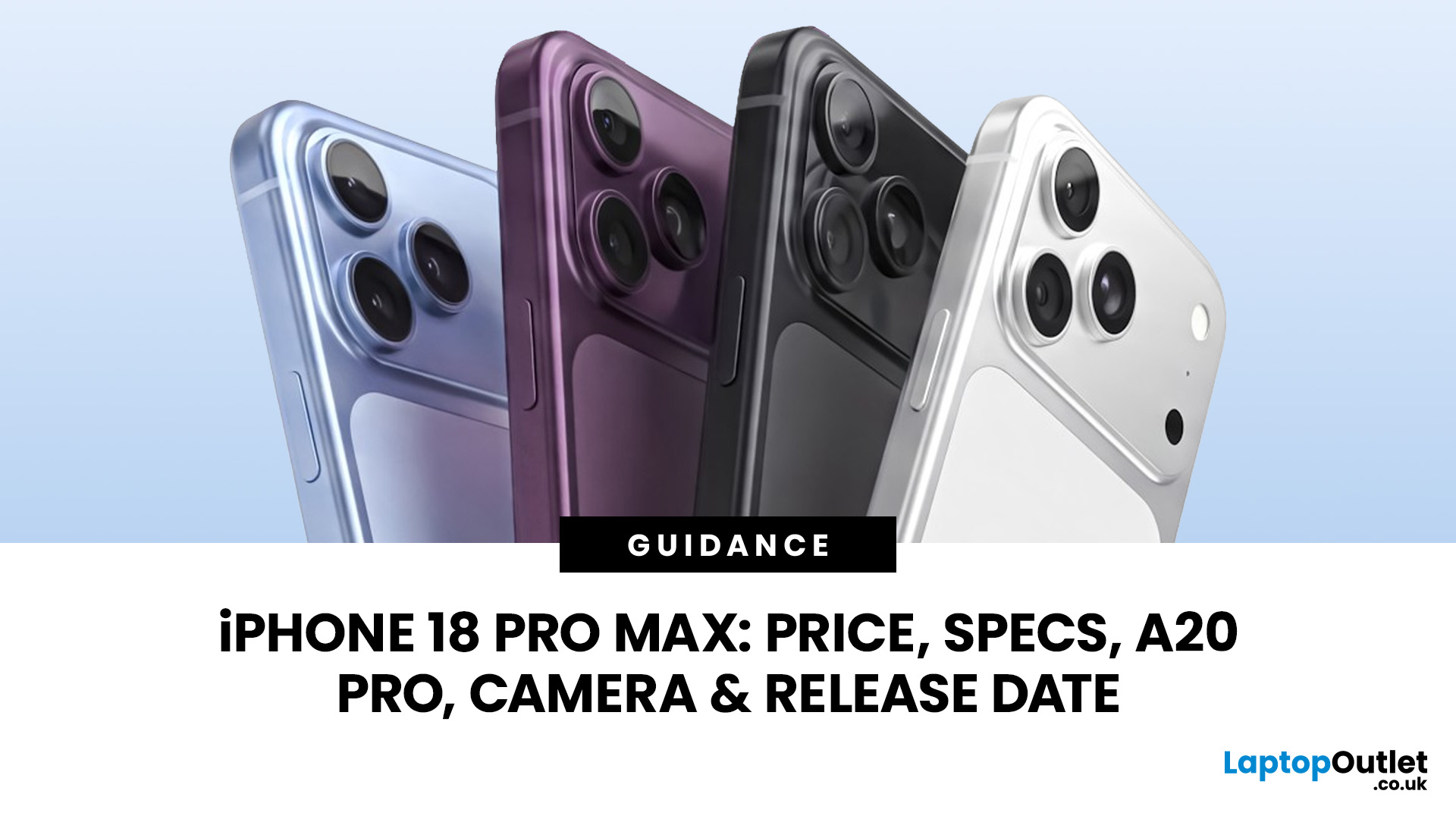
Apple officially announced the iPhone 18 Pro Max on 9th September 2026, alongside the iPhone 18 Pro. The new flagship brings the 2nm A20 Pro chip, a redesigned Dynamic Island, a 48MP Main camera with variable aperture, Apple’s C2 modem, longer battery life and Siri AI through iOS 27.
In the UK, the iPhone 18 Pro Max starts at £1,299, with pre-orders opening on 12 September and general availability beginning on 18th September 2026.
So, what actually changed – and does it offer enough over the iPhone 17 Pro Max to justify upgrading?
iPhone 18 Pro Max Specs at a Glance
| Feature | iPhone 18 Pro Max |
| UK starting price | £1,299 |
| Pre-orders | 12 September 2026 |
| Availability | 18 September 2026 |
| Display | 6.9-inch Super Retina XDR OLED |
| Resolution | 2868 x 1320 at 460ppi |
| Refresh rate | ProMotion up to 120Hz |
| Chip | A20 Pro |
| Manufacturing process | 2nm |
| GPU | 7-core GPU with Neural Accelerators |
| Neural Engine | Dual 16-core Neural Engine |
| Rear cameras | 48MP Main + 48MP Ultra Wide + 48MP |

