



iPhone Duo (Formerly iPhone Fold): Release Date, Price & Specs

Update: Apple has officially introduced its first foldable iPhone. The device widely referred to in leaks as the iPhone Fold is officially called iPhone Duo. It was announced on 9 September 2026, with UK pre-orders opening on 16 October and availability from 23 October.
Apple has always taken a different route with foldables. While Samsung and Google have sold folding phones for years, Apple waited until 2026 to enter the category. The rumours are over: the first Apple foldable is official, with confirmed pricing, displays, cameras, battery claims and launch dates.
If you searched for iPhone Fold, that was the working name used across years of reporting. Apple has chosen a different retail name, but the product those reports were describing is now the iPhone Duo.
Quick answer: iPhone Duo starts at £1,999 in the UK. Pre-orders open at 1pm on Friday, 16 October 2026, and general availability begins on Friday, 23 October 2026.
iPhone Duo Specs: A Quick Glance
Here is the confirmed picture of Apple's first foldable iPhone following the September launch.
|
Feature |
Confirmed detail |
|
Official name |
iPhone Duo |
|
Announcement |
9 September 2026 |
|
UK pre-order |
16 October 2026 from 1pm |
|
UK availability |
23 October 2026 |
|
UK starting price |
£1,999 for 256GB |
|
Storage |
256GB, 512GB, 1TB, 2TB |
|
Design |
Titanium foldable design with precision hinge |
|
Inner display |
7.6-inch Super Retina XDR OLED folding display |
|
Outer display |
5.4-inch Super Retina XDR OLED display |
|
Refresh rate |
ProMotion up to 120Hz on both displays |
|
Chip |
A20 Pro, built on a 2nm process |
|
RAM |
Not published by Apple |
|
Rear cameras |
48MP Fusion Main + 48MP Fusion Ultra Wide |
|
Authentication |
Touch ID in the side button |
|
Battery claim |
Up to 44 hours video playback on outer display; 31 hours on inner display |
|
Wireless |
C2 modem, N1 chip, Wi-Fi 7, Bluetooth 6, Thread |
|
SIM |
Dual eSIM only; no physical SIM card |
|
Colours |
Star White and Night Sky |
|
Weight |
254g |
From iPhone Fold Rumours to iPhone Duo
For years, reports used names such as iPhone Fold and, later, iPhone Ultra. Apple did not use either at launch. On 9 September 2026, the company confirmed iPhone Duo as the official name of its first foldable iPhone.
That means several parts of the earlier rumour cycle are no longer useful. The old September shipping estimates, £1,599 starting-price predictions, 12GB RAM claims, 5,400 to 5,800mAh battery estimates and liquid-metal hinge descriptions should not be treated as confirmed specifications. Apple now provides direct figures for the areas it chooses to publish.
iPhone Duo Release Date in the UK
Apple announced iPhone Duo on Wednesday, 9 September 2026. UK customers will be able to pre-order it from 1pm on Friday, 16 October, with general availability beginning on Friday, 23 October 2026.
- Announcement: 9 September 2026
- UK pre-order: 16 October 2026 from 1pm
- UK availability: 23 October 2026
- Launch colours: Star White and Night Sky
iPhone Duo Price in the UK
The iPhone Duo sits above the iPhone 18 Pro range in Apple's UK pricing. Apple has confirmed four storage options, including a 2TB configuration that was missing from earlier rumours.
|
Storage |
Apple UK price |
|
256GB |
£1,999 |
|
512GB |
£2,199 |
|
1TB |
£2,599 |
|
2TB |
£3,199 |
The previous £1,599 to £2,099 estimates are therefore outdated. The official base price is £1,999, while the 1TB model is £2,599 and the new 2TB model reaches £3,199.
Apple Foldable Phone Design: What Is Confirmed?
iPhone Duo uses a book-style foldable format with a grade 5 titanium frame and hinge cover. Apple describes the precision hinge as supporting the centre of the display so it can sit flat when open, while an integrated magnet array provides a secure closure.
Dimensions, Weight and Build
- Open depth: 5.2mm
- Folded depth: 11.3mm
- Weight: 254g
- Front protection: Ceramic Shield 2
- Rear protection: Ceramic Shield
- Water and dust resistance: IP68
Apple calls iPhone Duo its thinnest iPhone ever when open. It is also substantially wider when unfolded than a normal iPhone, which is what creates the tablet-like workspace inside.
Buttons, Touch ID and Colours
Touch ID is built into the side button, allowing the phone to be unlocked whether it is open or closed. Camera Control is also included for faster access to camera functions. The two launch finishes are Star White and Night Sky.
iPhone Duo Display Technology
Display technology is the centrepiece of the device. The outer screen is designed to work as a complete iPhone display when the phone is closed, while the inner screen provides Apple's largest display ever on an iPhone.
|
Display |
Type |
Resolution |
Density |
|
Inner display |
7.6-inch Super Retina XDR OLED folding display |
1878 x 2670 |
430 ppi |
|
Outer display |
5.4-inch Super Retina XDR OLED display |
1398 x 2034 |
460 ppi |
- ProMotion with adaptive refresh rates up to 120Hz on both displays
- Always-On display on both screens
- Up to 3,000 nits peak outdoor brightness
- Nano-texture finish on the inner display to reduce glare and minimise crease visibility
- Apple Pencil (USB-C) support is planned for later in 2026
What About the Fold Crease and Hinge?
The earlier blog described a near-invisible or crease-free panel as a rumour. Apple's confirmed wording is more measured: the inner display uses a premium nano-texture finish that reduces glare and reflections and minimises crease visibility. It should not be described as completely crease-free without independent long-term testing.
The hinge itself is a precision design that supports the centre of the display when open. Apple has not published the earlier rumoured liquid-metal alloy description, so that claim has been removed from the confirmed specification.
iPhone Duo Camera Specifications
The iPhone Duo has a 48MP Dual Fusion rear camera system. It does not use the triple-camera setup found on iPhone 18 Pro, but the 48MP Main sensor also provides a 2x optical-quality Telephoto option.
- 48MP Fusion Main: 26mm, f/1.6 aperture, sensor-shift optical image stabilisation
- 48MP Fusion Ultra Wide: 13mm, f/2.2 aperture, 120-degree field of view
- Zoom: 0.5x, 1x and 2x optical-quality options, with digital zoom up to 10x
- Front camera: 12MP Centre Stage camera
- Inner camera: under-display FaceTime camera for 1080p video
The folding design also enables Duo Preview, Smart Take and hands-free shooting positions. Video recording on the Fusion Main camera reaches 4K Dolby Vision at up to 120fps.
Apple iPhone Duo Battery Life
Apple has not published an mAh capacity for iPhone Duo, so the old 5,400 to 5,800mAh figure should be removed. Instead, Apple confirms a dual-battery system with one battery on each side of the device.
- Typical use: up to 24 hours
- Video playback using outer display: up to 44 hours
- Video playback using inner display: up to 31 hours
- USB-C fast charging: up to 50% in around 20 minutes with a 60W-capable or higher adapter
- MagSafe: up to 25W wireless charging
- Qi2: up to 25W wireless charging
These are Apple's own rated figures rather than independent battery-test results, so real-world endurance will still depend on display use, network conditions and workload.
Apple iPhone Duo Performance
A20 Pro Chip
iPhone Duo uses the same A20 Pro generation as iPhone 18 Pro. Apple confirms that the chip is built on a 2nm process and paired with a custom vapour chamber for sustained performance.
- 6-core CPU with 2 super cores and 4 efficiency cores
- 7-core GPU with Neural Accelerators
- Dual 16-core Neural Engine
- Hardware-accelerated ray tracing
- Up to 35% better sustained performance than iPhone 17 Pro, according to Apple
Apple does not publish an official RAM capacity for iPhone Duo. The earlier 12GB LPDDR5 claim has therefore been removed from the confirmed specification.
Software: iOS 27 for a Foldable iPhone
iPhone Duo runs the iOS 27 generation, with Apple saying retail units will be available with iOS 27.1. The interface adapts to the phone's different poses and orientations rather than simply stretching a standard iPhone layout.
- Side-by-side apps for multitasking on the inner display
- Duo FaceTime for sharing a call across the outer and inner displays
- Flexible viewing angles for hands-free use
- Apple Intelligence and Siri AI integration
iPhone Duo Connectivity and Wireless Features
Several connectivity details that were rumours are now confirmed. iPhone Duo uses Apple's C2 cellular modem and N1 wireless networking chip.
- 5G: sub-6GHz 5G with 4x4 MIMO for the UK model
- Wi-Fi 7 with 2x2 MIMO
- Bluetooth 6
- Thread networking technology
- Second-generation Ultra Wideband chip
- Dual eSIM: two active eSIMs, with no physical SIM card support
- USB-C with USB 3 data transfer up to 10Gb/s
iPhone Duo vs Galaxy Z Fold7: How Do They Compare?
Samsung remains the more established foldable manufacturer, while Apple is entering the category for the first time. The comparison is now based on confirmed specifications from Apple and Samsung rather than pre-launch leaks.
|
Feature |
iPhone Duo |
Galaxy Z Fold7 |
|
Design |
Titanium frame and hinge cover |
Advanced Armor Aluminium frame |
|
Weight |
254g |
215g |
|
Thickness open |
5.2mm |
4.2mm |
|
Thickness folded |
11.3mm |
8.9mm |
|
Inner display |
7.6-inch OLED, up to 120Hz |
8.0-inch Dynamic AMOLED 2X, up to 120Hz |
|
Outer display |
5.4-inch OLED, up to 120Hz |
6.5-inch Dynamic AMOLED 2X, up to 120Hz |
|
Chip |
A20 Pro |
Snapdragon 8 Elite for Galaxy |
|
Rear cameras |
48MP Main + 48MP Ultra Wide |
200MP Main + 12MP Ultra Wide + 10MP Telephoto |
|
Telephoto |
2x optical-quality from Main sensor |
3x optical telephoto |
|
Authentication |
Touch ID in side button |
Side fingerprint sensor |
|
Battery claim |
Up to 44h outer / 31h inner video playback |
4,400mAh; up to 24h video playback |
|
Wireless |
Wi-Fi 7, Bluetooth 6 |
Wi-Fi 7, Bluetooth 5.4 |
|
SIM |
Dual eSIM only |
Nano-SIM + eSIM |
|
UK launch price |
From £1,999 |
£1,799 launch RRP |
|
Software |
iOS 27 generation |
Android with One UI 8 |
The Galaxy Z Fold7 is lighter, thinner and gives you larger inner and cover displays, along with a dedicated telephoto camera. iPhone Duo offers the Apple ecosystem, the A20 Pro platform, an under-display FaceTime camera, Apple Pencil support and Apple's new foldable-specific iOS features. Battery claims should not be compared as a direct laboratory result because Apple and Samsung use different test methods.
iPhone Duo Pre-Order Details
Apple has now confirmed the UK ordering schedule, replacing the earlier September pre-order estimates.
- Pre-orders open: 1pm on Friday, 16 October 2026
- General availability: Friday, 23 October 2026
- Starting storage: 256GB
- Starting price: £1,999
- Retail channels: Apple and selected network providers and retailers
What Has Apple Officially Confirmed?
Apple has now confirmed the product name, launch schedule and core specifications. The old statement that Apple had said nothing about the device is no longer accurate.
|
Detail |
Status |
|
Official product name |
Confirmed: iPhone Duo |
|
Announcement date |
Confirmed: 9 September 2026 |
|
UK pre-order |
Confirmed: 16 October 2026 |
|
UK availability |
Confirmed: 23 October 2026 |
|
Starting price |
Confirmed: £1,999 |
|
A20 Pro chip |
Confirmed |
|
7.6-inch inner / 5.4-inch outer displays |
Confirmed |
|
48MP Dual Fusion cameras |
Confirmed |
|
Touch ID |
Confirmed |
|
C2 modem / N1 chip |
Confirmed |
|
Dual eSIM only |
Confirmed |
|
RAM capacity |
Not published by Apple |
|
Battery capacity in mAh |
Not published by Apple |

Should You Buy the iPhone Duo?
Okay the decision now comes down to whether the new foldable format is worth the premium rather than whether Apple will launch it at all. iPhone Duo is aimed at buyers who want a larger screen for multitasking, media and flexible viewing while staying inside the Apple ecosystem.
- Consider iPhone Duo if you want Apple's first foldable, regularly multitask on mobile, value the 7.6-inch inner display and are comfortable with a £1,999 starting price.
- Consider another iPhone if you want a lighter device, a dedicated telephoto camera, a lower price or a more conventional form factor.
If you want to compare other options, see the latest mobile phones and current Apple products available at Laptop Outlet.

Just So You Know...
When will the iPhone Fold be released in the UK?
The device previously known in rumours as the iPhone Fold is officially iPhone Duo. UK pre-orders open on 16 October 2026, with availability from 23 October.
How much does the iPhone Duo cost in the UK?
Apple prices iPhone Duo from £1,999 for 256GB. The 512GB model is £2,199, 1TB is £2,599 and 2TB is £3,199.
Will iPhone Duo have Face ID?
No. Apple uses Touch ID in the side button for authentication. The inner display does include an under-display FaceTime camera, but Apple does not list Face ID.
Does iPhone Duo have a visible crease?
Apple says the inner display's nano-texture finish minimises crease visibility. It does not claim the screen is completely crease-free, so long-term visibility needs independent testing.
Will iPhone Duo work on 5G in the UK?
Yes. The UK model supports sub-6GHz 5G and uses Apple's C2 cellular modem. It also includes Wi-Fi 7, Bluetooth 6 and the N1 wireless chip.
What storage options does iPhone Duo come in?
Apple offers 256GB, 512GB, 1TB and 2TB capacities. The device uses dual eSIM and does not support a physical SIM card.
| Read More: |
| Which iPhone Should You Buy in 2026? Complete Buying Guide |
| iPhone 18 Release Date: Expected Price, Features & Buying Guide |
| MacBook Pro M5 Launched: Everything You Need to Know |
Related Articles

Last Updated: May 06, 2026
Your Apple AirPods are a brilliant piece of kit, but sometimes the default name – usually something like '[Your Name]'s AirPods' – just doesn't feel personal enough.
Perhaps you have multiple pairs, or maybe you've bought them second-hand and want to shake off the previous owner's tag. Whatever your reason, learning how to rename AirPods is a simple process that helps you personalise your wireless earbuds.
This comprehensive guide will walk you through the simple steps to rename AirPods across all the common platforms.
Renaming Your AirPods on iPhone or iPad (The Easiest Way)
Renaming your AirPods on an iOS or iPadOS device is arguably the simplest method. The change will then update automatically on any other Apple device you own that uses the same Apple ID.
Steps to Rename Your AirPods on iPhone or iPad
- Ensure Connection: Make sure your AirPods are connected to your iPhone or iPad. The quickest way to do this is to open the AirPods case lid near your unlocked device, or place the AirPods

Last Updated: December 31, 2025
With the right timing and the right specs, you can land an upgrade that feels genuinely transformative: faster performance, longer battery life, sharper screens, and smoother workflows for work, study, and downtime. New Year promotions are also one of the easiest moments to buy smarter. Stock moves quickly, retailers rotate lines, and discounts get sharper as people reset budgets and goals, meaning the best-value Apple kit often sells out first. That’s why this guide focuses on what to look for, what to prioritise, and how to choose the right Apple device for your needs.
Why New Year is the Best Time to Buy Apple Tech
Apple gear holds value well, which is great when you own it, but it also means discounts can feel harder to find at other times of the year. Around New Year, pricing tends to loosen up across multiple categories, making it easier to upgrade without compromising on model quality. Here’s why New Year shopping is ideal:
- Retail Stock Rotation: end-of-year inventory clears,
Last Updated: September 15, 2026
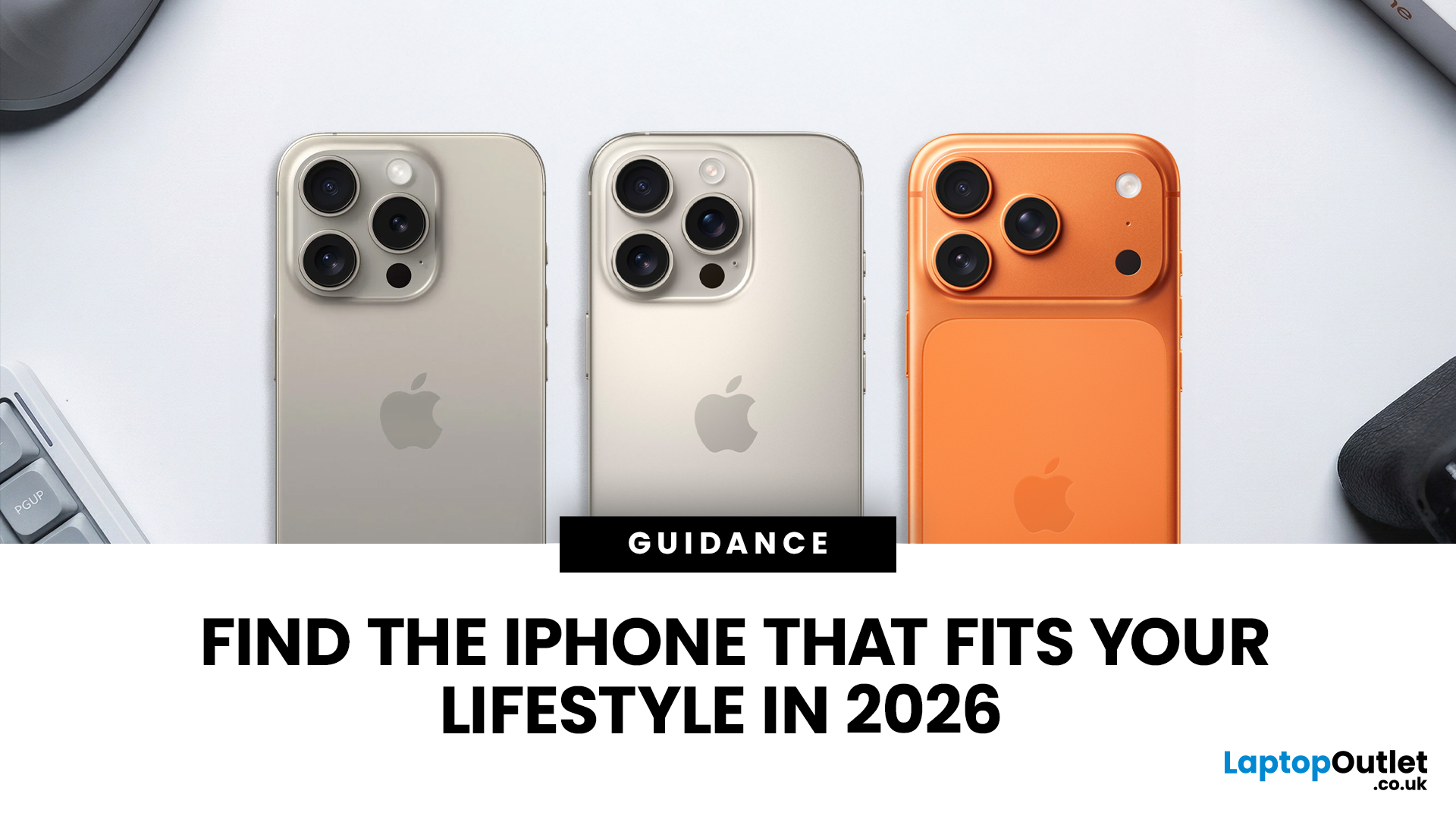
Buying an iPhone in September 2026 is a little different from earlier in the year. Apple has now announced the iPhone 18 Pro and iPhone 18 Pro Max, while the iPhone Duo brings a completely new foldable option. At the same time, the iPhone Air, iPhone 17, iPhone 17e and iPhone 16 remain available from Apple in the UK.
The best choice should not be automatically the newest or most expensive model. It depends on how much you want to spend, the size you prefer, how much you use the camera, how long you need the battery to last and whether you are comfortable waiting for a newly announced model to go on sale. This iPhone buying guide focuses on those practical differences so you can make a clear decision without paying for features you are unlikely to use.
Quick answer
Best overall for most buyers: iPhone 17. It has a 6.3-inch 120Hz ProMotion display, A19 chip, dual 48MP camera system and 256GB storage as standard.
Best premium choice: iPhone 18 Pro or Pro Max. Pre-orders open 12 September and
Last Updated: March 04, 2026
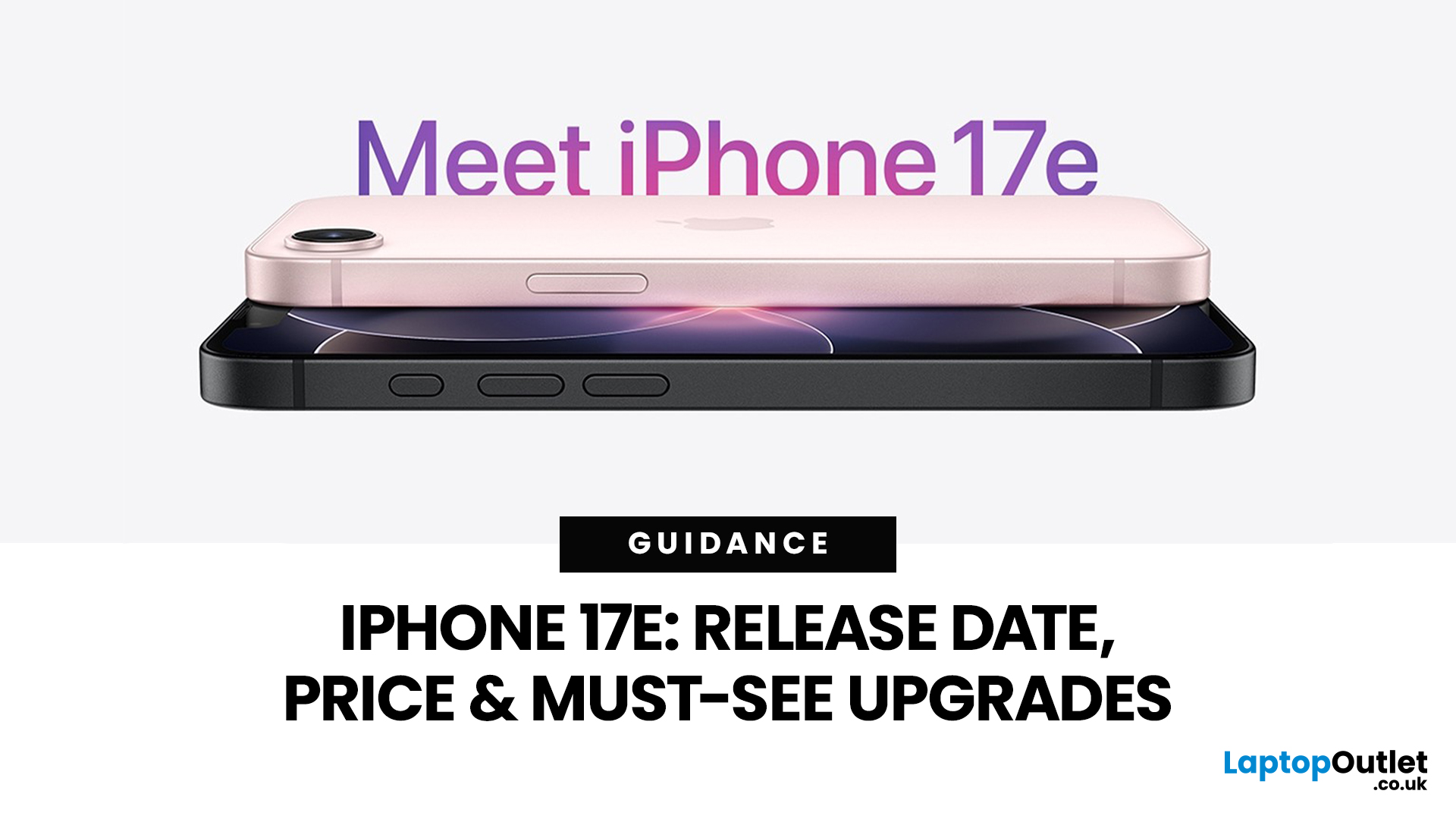
Your complete guide to Apple’s newest “value” iPhone for UK buyers, with the latest confirmed details on launch timing, pricing, key upgrades, and answers to the most searched questions online.
Release Date - When UK Buyers Can Get It
Apple has officially announced that the iPhone 17e will be available in early March 2026:
- Preorders begin: 4th March 2026
- General availability (in-store & online): 11th March 2026 9 (We’ve outlined the biggest launch-day advantages in our article.)
This continues Apple’s recent pattern of spring launches for its more affordable iPhone models, offering a separate window from the big autumn flagship releases.
If you want a deeper breakdown of real-world speed, gaming ability and camera quality, read our full blog on iPhone 17e camera and performance.
UK Pricing - How Much It Costs in the United Kingdom
In the UK, Apple has positioned the iPhone 17e as a competitively priced smartphone that still delivers meaningful upgrades:
- 256 GB: around £599 (base model)
Last Updated: March 04, 2026
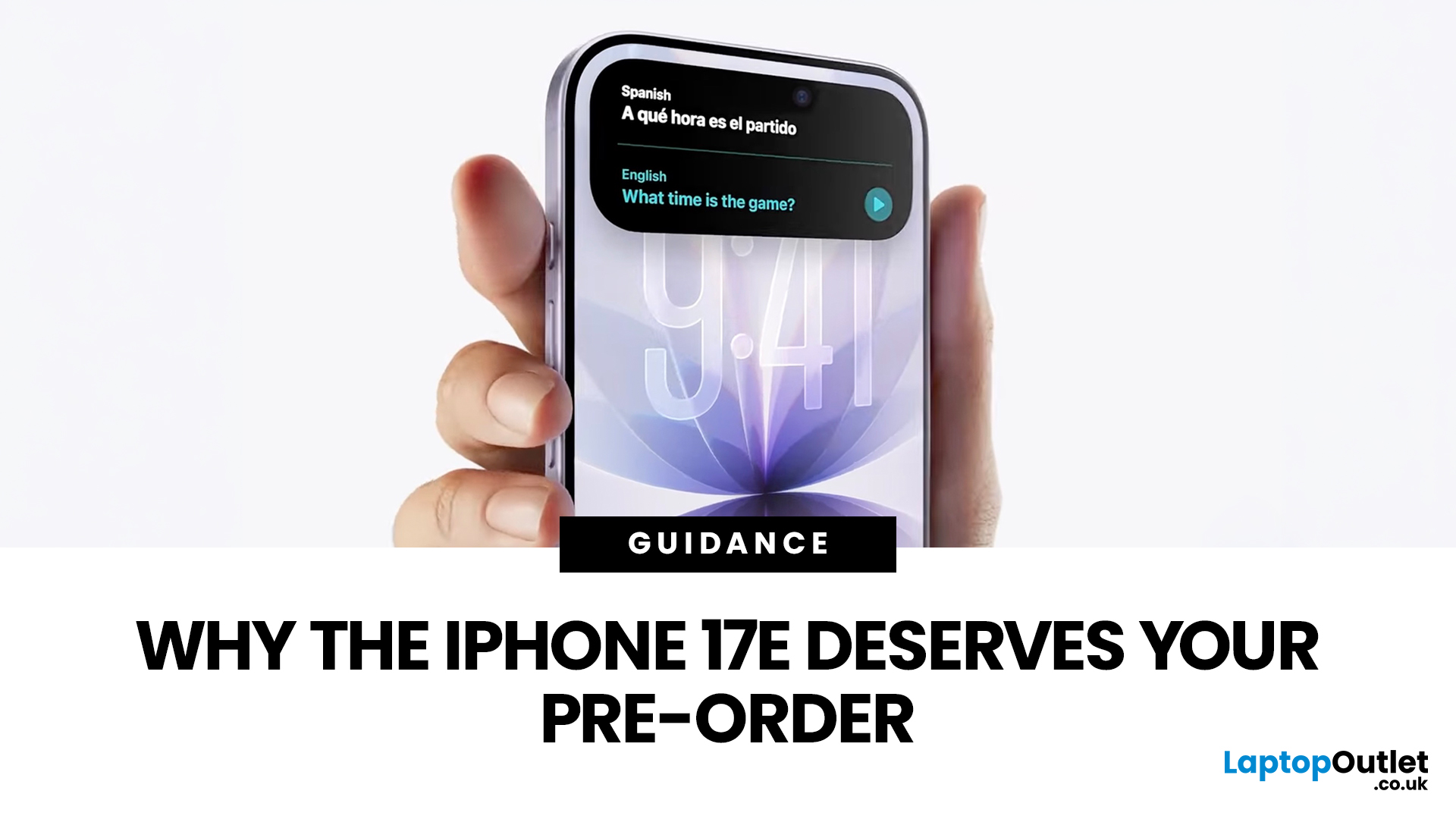
If you’re in the UK and you’ve been waiting for an iPhone that hits the sweet spot between price, features, and longevity, the iPhone 17e is shaping up to be exactly that. Apple’s UK Store listing shows pre-orders open at 2:15 pm on 4th March, with availability from 11 March, starting at £599.
So… should you place an iPhone 17e pre-order as soon as it opens? Here are the top 5 reasons UK buyers might genuinely want to.
Quick UK iPhone 17e facts (at a glance)
- UK pre-order date & time: 2:15pm on 4th March
- UK availability: 11th March
- UK price: £599 (256GB) / £799 (512GB)
- Colours: Black, White, Soft Pink
- Standout upgrades: MagSafe (up to 15W), 48MP Fusion camera, A19 chip, Ceramic Shield 2
1) You’ll have the best shot at getting the colour + storage you actually want
Pre-orders aren’t just hype, they’re practical.
When demand spikes, it’s usually specific combinations that go first (popular colour + storage). With iPhone 17e you’ve got three colours (including the new Soft Pink) and two
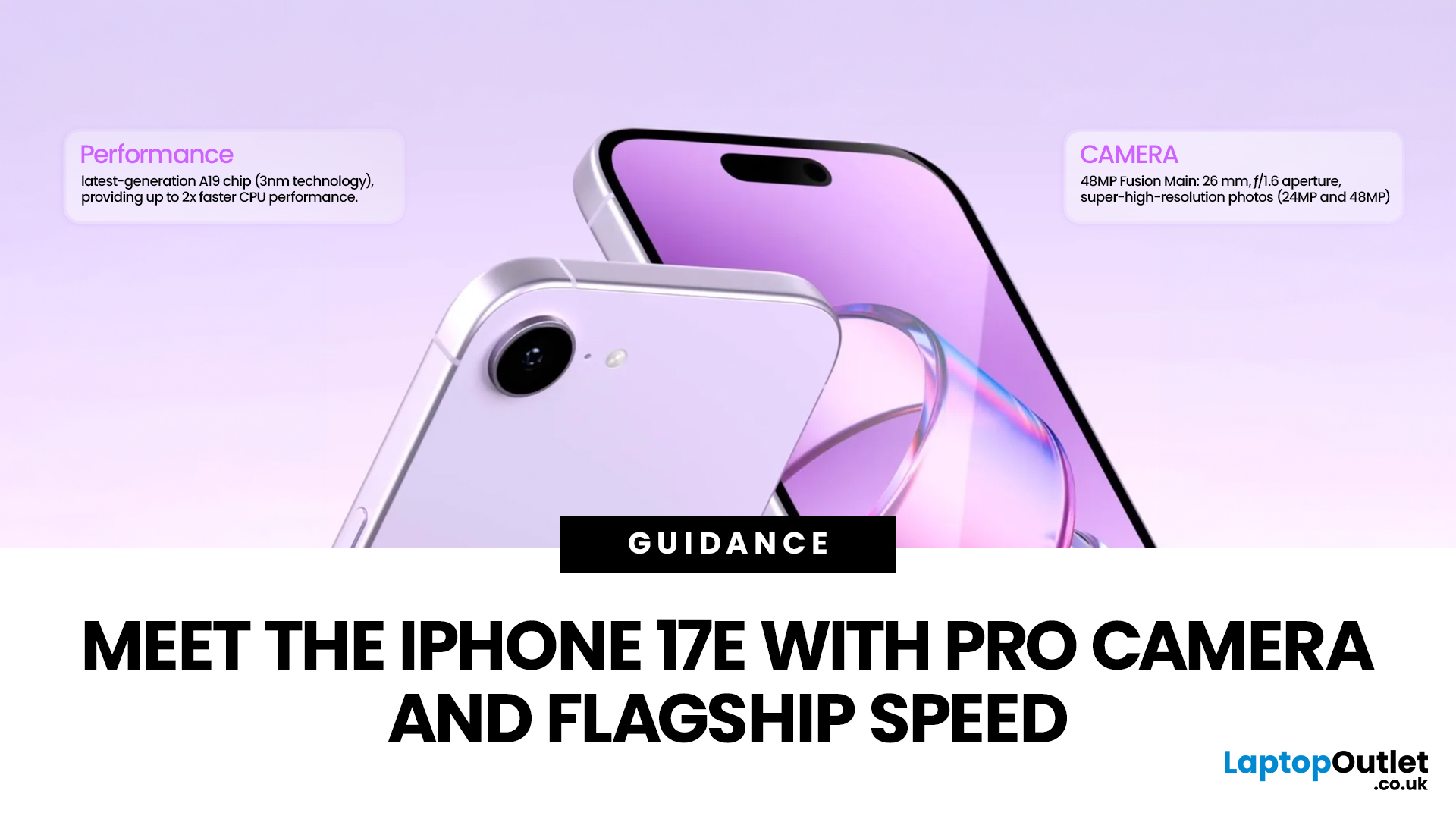
Last Updated: March 04, 2026
Apple launched the iPhone 17e on 2 March 2026, and it has already caught a lot of attention. Priced at £599 with 256GB of base storage, it sits as the most affordable entry point into the iPhone 17 family. That is £200 less than the standard iPhone 17, yet the two share the same A19 chip generation.
But affordable does not mean basic. This iPhone packs serious upgrades, particularly in camera and performance. So, is it worth your money in 2026? Let us break it all down.
iPhone 17e Camera System: What's New in 2026
The iPhone 17e camera is one of the biggest talking points of this release. Apple has kept a single rear camera setup, but what it does with that one sensor is genuinely impressive.
48MP Fusion Camera: A 2-in-1 System
The rear camera features a 48MP Fusion sensor with an f/1.6 aperture and optical image stabilisation. On the surface, the megapixel count matches the iPhone 16e. However, Apple has made meaningful improvements underneath.
The most notable addition is the optical-quality
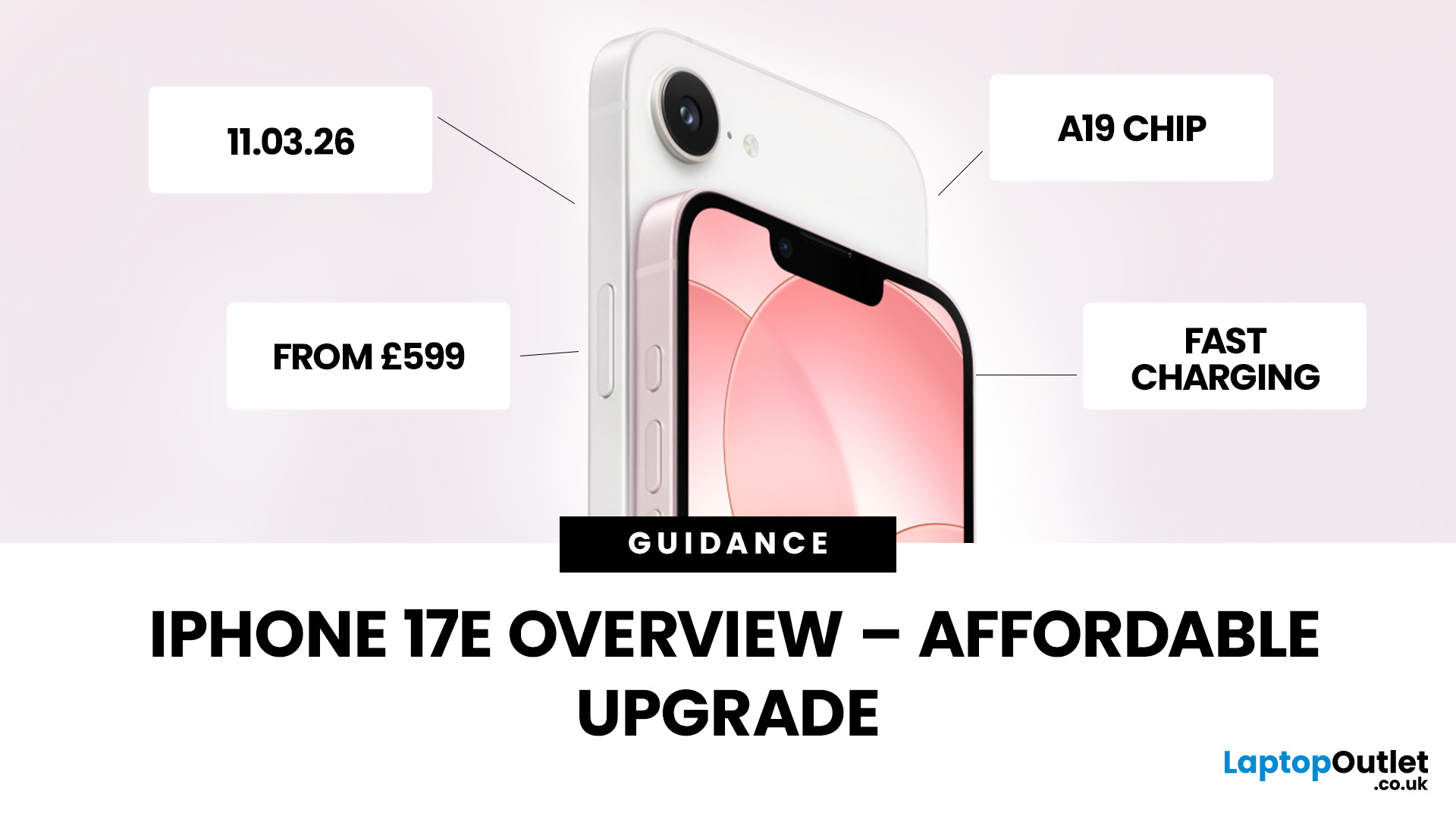
Last Updated: March 04, 2026
Apple has officially unveiled the iPhone 17e, positioning it as the most affordable way to get into the iPhone 17 lineup in 2026. If you’re in the UK and weighing up whether this is the right upgrade, here’s everything you need to know, including the iPhone 17e release date, UK price, specs, colours, features, and how it compares to the iPhone 17 and iPhone 16e.
iPhone 17e Release Date (UK)
Apple confirmed that pre-orders begin on 4 March, with the iPhone 17e available from 11 March.
That means UK buyers won’t have long to wait, and as with previous launches, early stock could sell quickly, especially for popular colours and higher storage configurations.
iPhone 17e UK Price and Storage
The iPhone 17e starts at £599 in the UK for the 256GB model, with the 512GB version priced at £799 .
Apple is also offering 0% finance options, with monthly payments available from £24.95 per month over 24 months.
What this means for UK buyers
- It’s £200 cheaper than the standard iPhone 17, which starts
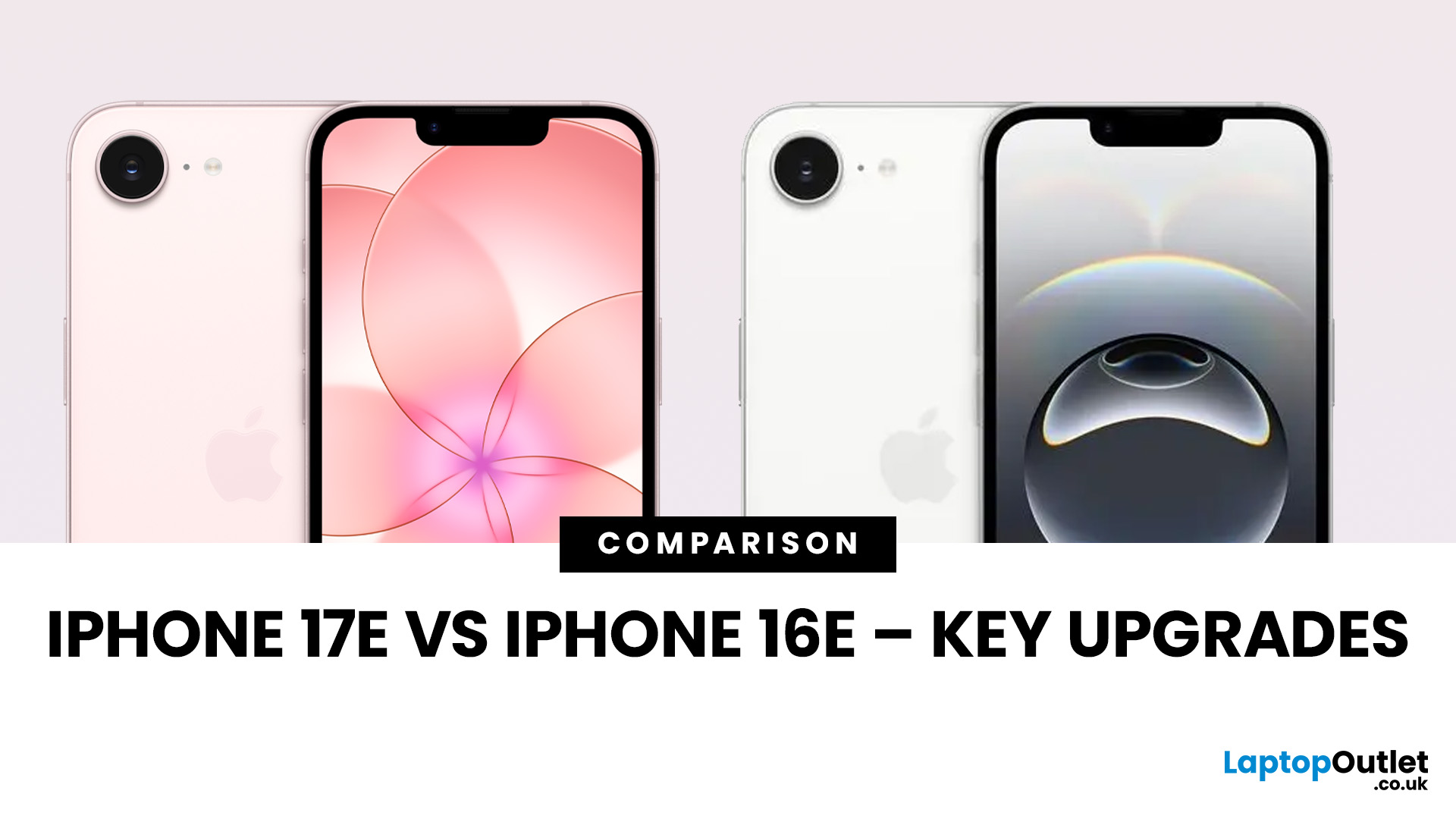
Last Updated: March 04, 2026
Apple’s “e” iPhones are the simple buys in the lineup: modern OLED screen, strong main camera, long battery, and a price that does not try to compete with the Pro models. The iPhone 17e keeps that formula but fixes a couple of pain points from the iPhone 16e and adds upgrades that matter in daily use, not just on a spec sheet.
If you are deciding between iPhone 17e vs iPhone 16e, the short version is this: iPhone 17e is the better long-term buy because it brings MagSafe back, doubles the base storage, and moves to the newer A19 chip, while keeping the same starting price in major markets like the UK.
Quick Answer: Which One Should You Buy?
Buy iPhone 17e if you want the smarter default choice
You should choose iPhone 17e if you care about any of these:
- MagSafe accessories and better wireless charging convenience
- More storage without paying extra
- A newer chip for longer iOS and Apple Intelligence headroom
- Slight durability improvements on the front glass
Buy iPhone 16e if the discount
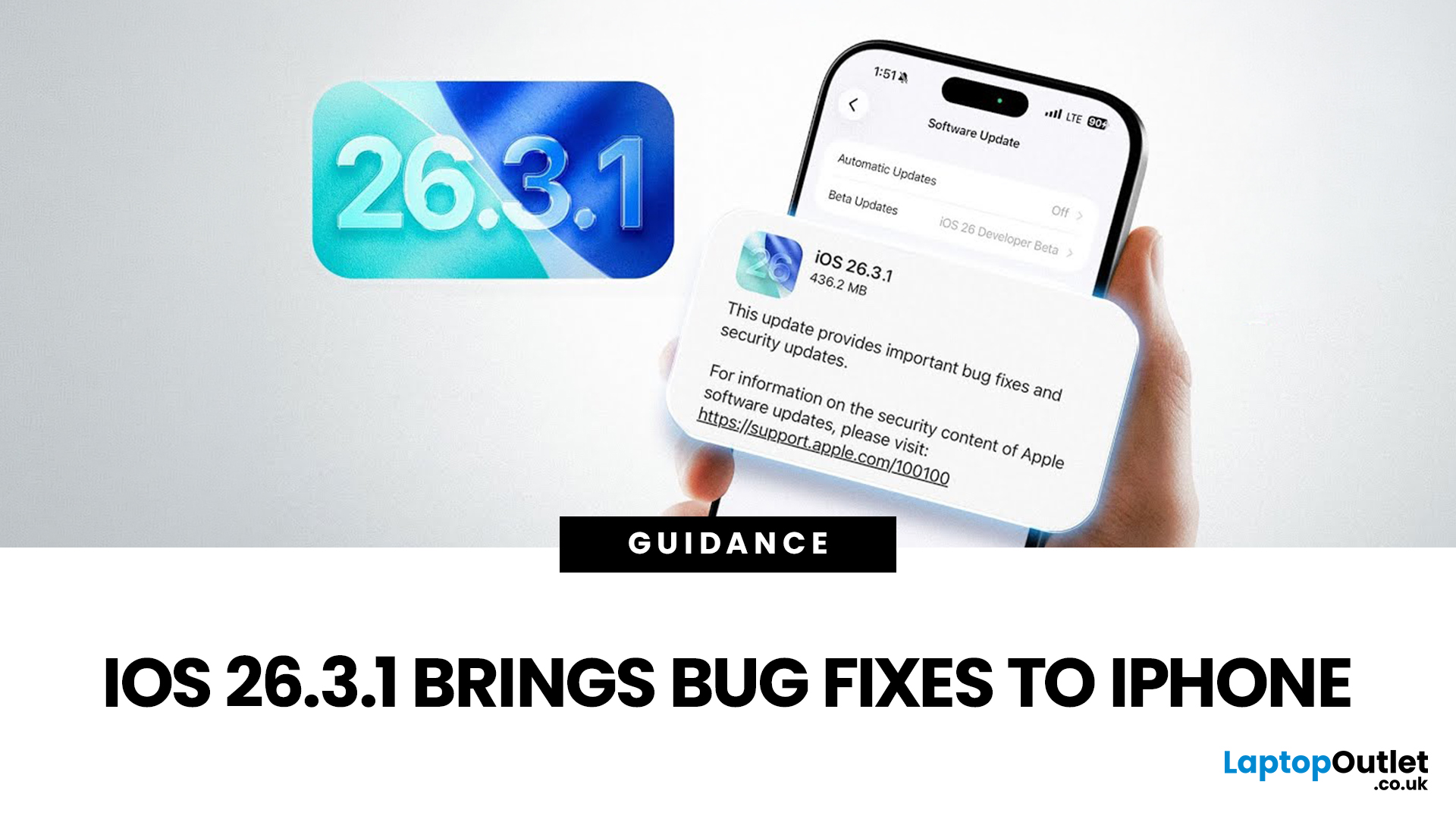
Published: March 05, 2026
Apple has officially rolled out the iOS 26.3.1 update for iPhone users, bringing several important bug fixes, security patches, and performance improvements. While this is not a major feature update, it focuses on improving system stability and fixing issues reported in the previous iOS 26.3 version.
Minor iOS updates like iOS 26.3.1 are important because they often resolve bugs that affect everyday performance, connectivity, and device security. If you own a compatible iPhone, installing the iOS 26.3.1 update can help ensure smoother performance and better protection against vulnerabilities.
In this guide, we’ll cover the iOS 26.3.1 release date, features, download steps, supported devices, and answer the common question: Should you update to iOS 26.3.1?
iOS 26.3.1 Release Date
Apple released the iOS 26.3.1 update on March 04, 2026, after the launch of iOS 26.3, aiming to fix several issues discovered after the previous version went live.
Typically, Apple rolls out minor updates like
Last Updated: March 06, 2026
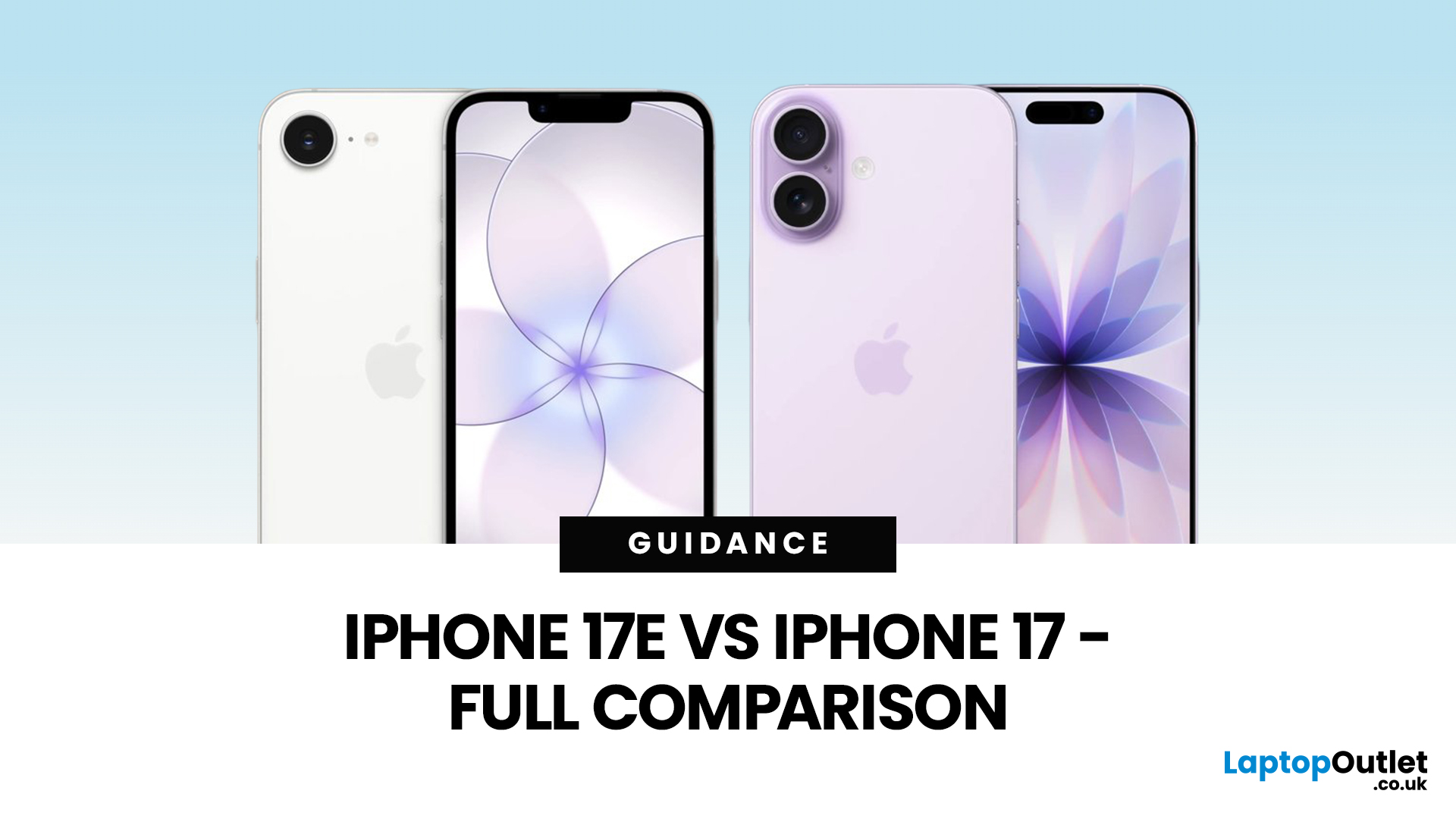
Apple has done that thing again where two phones look nearly the same… until you’re about to pay and suddenly it’s “wait, why am I spending £200 more?” If you’re deciding between iPhone 17 vs iPhone 17e, you’re basically trying to answer one question: will you feel the upgrades, or is it just spec-sheet sparkle?
The iPhone 17e (sometimes written as iPhone 17 e) is Apple’s newest “value” iPhone, designed to give you the essentials without the flagship price tag. In the UK, the iPhone 17e price starts at £599 for 256GB, while the standard iPhone 17 starts at £799 for 256GB, that’s the main reason the difference between iPhone 17 and 17e matters so much.
On paper, the iPhone 17e vs iPhone 17 looks closer than you might expect. Both share the A19-generation performance, but the iPhone 17 adds upgrades you’ll notice daily, especially smoother screens and more flexible cameras.
We cover everything UK shoppers need: size, display, cameras, battery, charging, connectivity, price, and iPhone 17e

