



How Many USB Ports Does My Motherboard Have?

When you start plugging in devices and suddenly run out of USB slots, the first question that comes to mind is a simple one: how many USB ports does my motherboard actually have?
This is something most users never think about until they hit a limitation. Whether you are building a PC, upgrading an old system, or just trying to understand why you need a USB hub, the answer always comes back to your motherboard USB ports.
The tricky part is that the total number of USB ports is not always obvious at first glance. Some are visible on the back of the PC, others are internal, and some are supported but not even active unless you connect the right headers.
This guide breaks everything down in a practical way and helps you discover how to check the total USB ports supported by your motherboard.
Why Motherboard USB Ports Matter More Than You Think
Motherboard USB ports define how many devices your system can handle directly. That includes keyboards, mice, external drives, webcams, printers, VR headsets, capture cards, phone charging cables, and more.
If your motherboard has limited USB support, you will quickly feel constrained. On the other hand, a well-equipped motherboard gives you flexibility without relying on hubs or expansion cards.
The important thing to understand is that USB ports are not just physical holes at the back of your PC. They are controlled by the motherboard chipset and CPU, which set the maximum number of ports your system can support.
2 Types of USB Ports on a Motherboard
Before counting anything, you need to understand that motherboard USB ports come in two categories.
Rear I/O USB Ports
These are the USB ports you see on the back of your PC case. They are built directly into the motherboard’s rear I/O panel and are ready to use out of the box.
This is the number most people assume is the total, but it is only part of the picture.
Internal USB Headers
Internal USB headers are connectors on the motherboard used to power front panel USB ports on your PC case or additional USB brackets.
For example:
- Front USB ports on your case
- USB ports on AIO coolers
- RGB controllers
- Card readers
Each internal header can support one or more USB ports, depending on the USB version.
How Many USB Ports Does a Motherboard Usually Have?
There is no single number that applies to all motherboards. The total depends on the chipset, form factor, and manufacturer design.
Typical USB Port Counts by Motherboard Type
Entry-level motherboards usually support:
- 6 to 8 total USB ports
Mid-range motherboards often support:
- 8 to 12 total USB ports
High-end motherboards can support:
- 12 to 16 or even more USB ports
This includes both rear I/O ports and internal headers combined.
Understanding USB Versions on Your Motherboard
Not all USB ports are equal. The total count is important, but so is the USB version.
Common USB Types You Will See
- USB 2.0: Older, slower, still common for keyboards and mice
- USB 3.2 Gen 1: Faster, often labelled as USB 3.0
- USB 3.2 Gen 2: Even faster, ideal for external SSDs
- USB Type-C: Modern reversible connector, speed depends on version
Your motherboard may support many USB ports overall, but only a few high-speed ones.
How to Check How Many USB Ports Your Motherboard Has
This is where most users get confused. There are three reliable ways to check.
Check the Motherboard Specification Sheet
The most accurate method is checking the official motherboard specifications.
Search for your motherboard model on the manufacturer’s website and look for a section labelled USB or Connectivity.
You will usually see something like:
- USB ports (Rear)
- USB headers (Internal)
The internal headers are often written as:
- 2 x USB 2.0 headers (supports 4 USB ports)
- 1 x USB 3.2 Gen 1 header (supports 2 USB ports)
This is where the real total comes from.
Look Directly at the Motherboard
If you already have access to the motherboard, you can physically count:
- USB ports on the rear I/O panel
- Internal USB headers on the board itself
Internal headers are usually labelled clearly on the PCB, often near the bottom edge of the motherboard.
This method works well if you are comfortable opening your PC case.
Check Through BIOS or System Information
Some BIOS interfaces list USB controller information, but this is not always user-friendly.
In Windows, Device Manager can show USB controllers, but it does not give a clean total number of supported ports. This method is useful for troubleshooting, not for accurate counting.
How Internal USB Headers Translate into Ports
This is an important detail many people miss.
- One USB 2.0 header usually supports two USB 2.0 ports
- One USB 3.2 Gen 1 header usually supports two USB 3 ports
- USB Type-C headers usually support one port
So, if your motherboard lists:
- 2 x USB 2.0 headers
- 1 x USB 3.2 header
That alone adds up to 6 internal USB ports, before counting rear ports.
Why Your Case Matters for USB Ports
Your motherboard may support many USB ports, but your PC case determines how many you can actually use on the front.
If your case only has:
- 2 front USB ports
Then extra motherboard headers will remain unused unless you add brackets or expansion panels.
This mismatch is very common in budget builds.
Can You Add More USB Ports to a Motherboard?
Yes, but there are limits.
You can add:
- PCIe USB expansion cards
- USB hubs
However, these do not increase native motherboard USB ports. They share bandwidth and rely on existing controllers. For high-speed devices, native motherboard USB ports are always better.
Common Mistakes When Counting Motherboard USB Ports
Many users make the same errors.
- Counting only rear USB ports
- Ignoring internal headers
- Assuming all USB ports are the same speed
- Forgetting case limitations

Putting It All Together
So, how many USB ports does your motherboard have? The real answer is a combination of rear I/O ports and internal headers, all defined by the chipset and motherboard design.
If you rely on many peripherals, checking motherboard USB ports before buying is essential. Always review the official specification sheet and match it with your case and usage needs.
Once you understand how USB ports are counted and supported, you can plan your setup properly and avoid unnecessary upgrades later.

Key Questions About Motherboard USB Connectivity
How do I find out how many USB ports my motherboard supports?
The most reliable way is to check the official motherboard specification page on the manufacturer’s website. Look for USB details under rear I/O ports and internal USB headers. Internal headers usually support more than one USB port, so include those in the total count.
Do internal USB headers count as USB ports?
Yes, internal USB headers absolutely count. They are designed to power front panel USB ports on your PC case or additional USB brackets. A single header can support one or two USB ports depending on the USB version.
Why does my motherboard have fewer USB ports than advertised?
This usually happens because some USB ports are internal and require a compatible PC case or expansion bracket to be used. If your case does not support all available headers, those ports remain unused even though the motherboard supports them.
Are all motherboard USB ports the same speed?
No, USB ports can vary in speed and functionality. Most motherboards include a mix of USB 2.0, USB 3.2, and USB Type-C ports. High-speed devices like external SSDs should always be connected to faster USB ports for best performance.
Can I increase the number of USB ports on my motherboard?
You can add more USB ports using PCIe expansion cards or USB hubs. However, these rely on existing controllers and bandwidth. They do not increase the native USB support of the motherboard itself.
Does the motherboard chipset affect USB port availability?
Yes, the chipset plays a major role in determining how many USB ports a motherboard can support and which USB versions are available. Higher-end chipsets generally support more USB ports and faster USB standards.
| Read More: |
| Where to find motherboard model |
| How many USB ports does my motherboard have |
| How to Update BIOS Without Display: A Step-by-Step Guide |
Related Articles

Last Updated: June 19, 2026
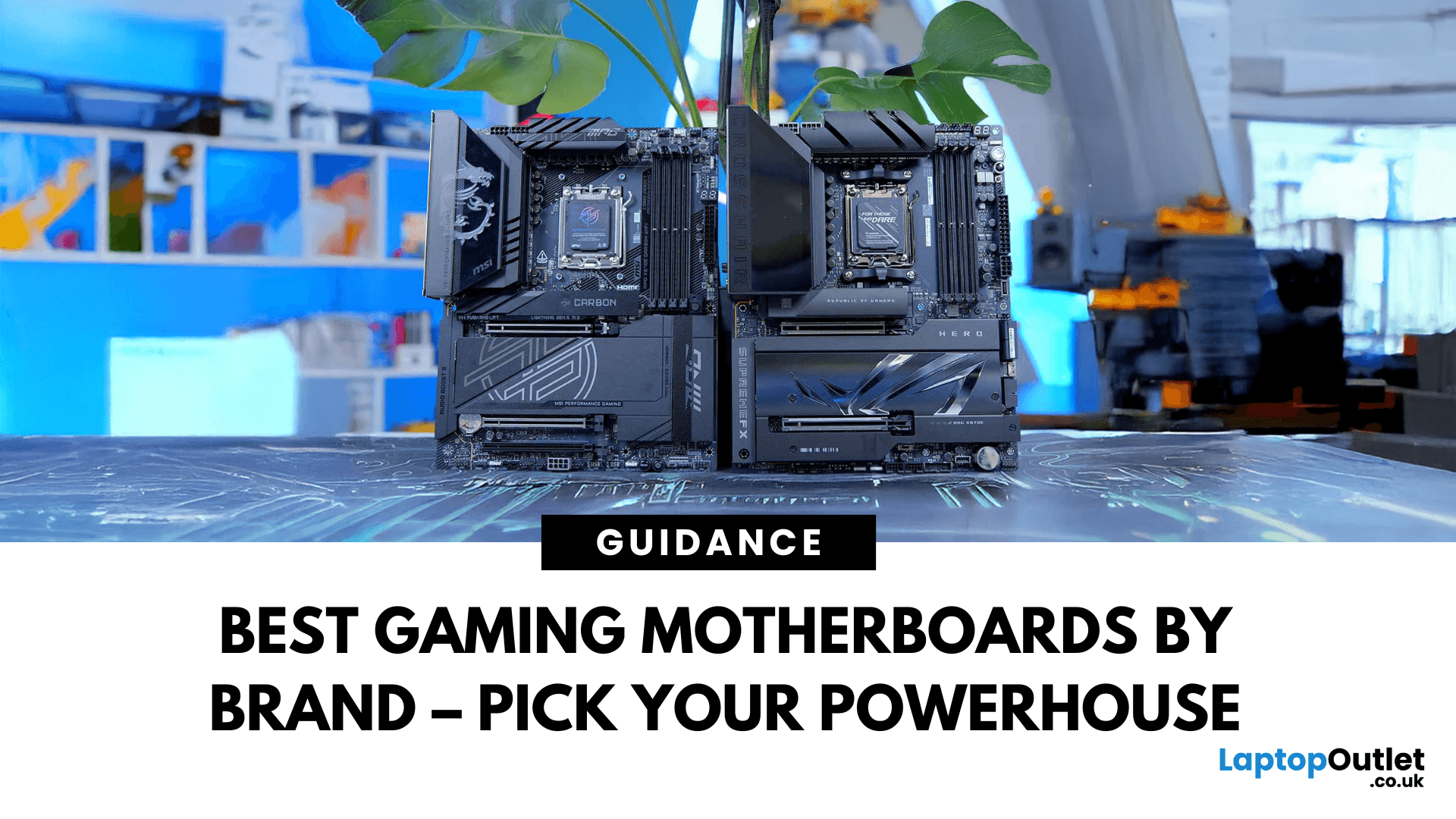
Building a solid gaming rig begins with choosing the right motherboard. It's the backbone - the component that connects everything: CPU, memory, GPU, storage, peripherals. Get it wrong, and you'll hinder performance or limit future upgrades. Pick it well, and you open the door to overclocking, lightning-fast connectivity, and seamless multitasking. Simply put, a good motherboard ensures your CPU, GPU, RAM, and storage all communicate seamlessly. It powers your connectivity, influences your upgrade path, and even impacts thermals and system stability. If you care about board performance, you should care about the brand which makes it all happen.
In this guide, we'll take a closer look at the best-known and most trusted gaming motherboards brands worldwide, including ASUS, MSI, Gigabyte, and ASRock. These manufacturers have built a reputation across global gaming and enthusiast communities for offering reliable, performance-driven hardware that caters to everyone from casual builders to elite

Last Updated: November 20, 2025
“I Remember When … ”
Hello - I’m the motherboard, and I’ve watched the tech world spin faster than ever. Let me take you back.
In the earlier days of my life (think DDR3 memory, PCIe 2.0/3.0 lanes), I was pretty simple: socket + chipset + RAM slots + some PCIe lanes. Many PCs built in those days lived 3‑5 years before an upgrade.
But around 2022–2024, things started to shift dramatically. Two big inflection points:
- Memory: the shift from DDR4 to DDR5. Suddenly I had to support faster speeds, higher capacities, new signalling.
- Interconnect: the jump to PCIe 5.0, and major upgrades in storage (NVMe M.2) and connectivity (WiFi 6/6E, faster LAN).
For example, a recent spec sheet shows a modern board supporting DDR5 up to 9000 MT/s, PCIe 5.0 x16 for graphics, and 10 GbE LAN + WiFi 7.
From my end, I felt I was becoming more than just a support structure - I was the gateway to future performance.
Watching the Market Shift
While I evolve technically, the business around me

Last Updated: October 22, 2026
When it comes to motherboards for content creators, 2025 brings a new generation of platforms built for creators, streamers, and professionals. These boards go far beyond gaming specifications — they’re designed for high-performance workflows, advanced connectivity, and AI-enhanced creative control. Whether you’re editing 8K footage, producing music, or streaming live, choosing the right Streaming PC motherboard ensures your setup remains powerful, stable, and efficient.
This guide highlights the best motherboards for content creators and streamers in 2025, focusing on connectivity, expandability, and reliability, essential traits for professionals building a Creator PC build motherboard or a high-performance workstation.
What Makes a Motherboard Ideal for Content Creation?
Before exploring the best workstation motherboards, let’s examine what separates a good motherboard from a truly creator-focused one.
Chipset and CPU Compatibility
Modern DDR5 motherboards for creators should feature
Last Updated: October 22, 2026
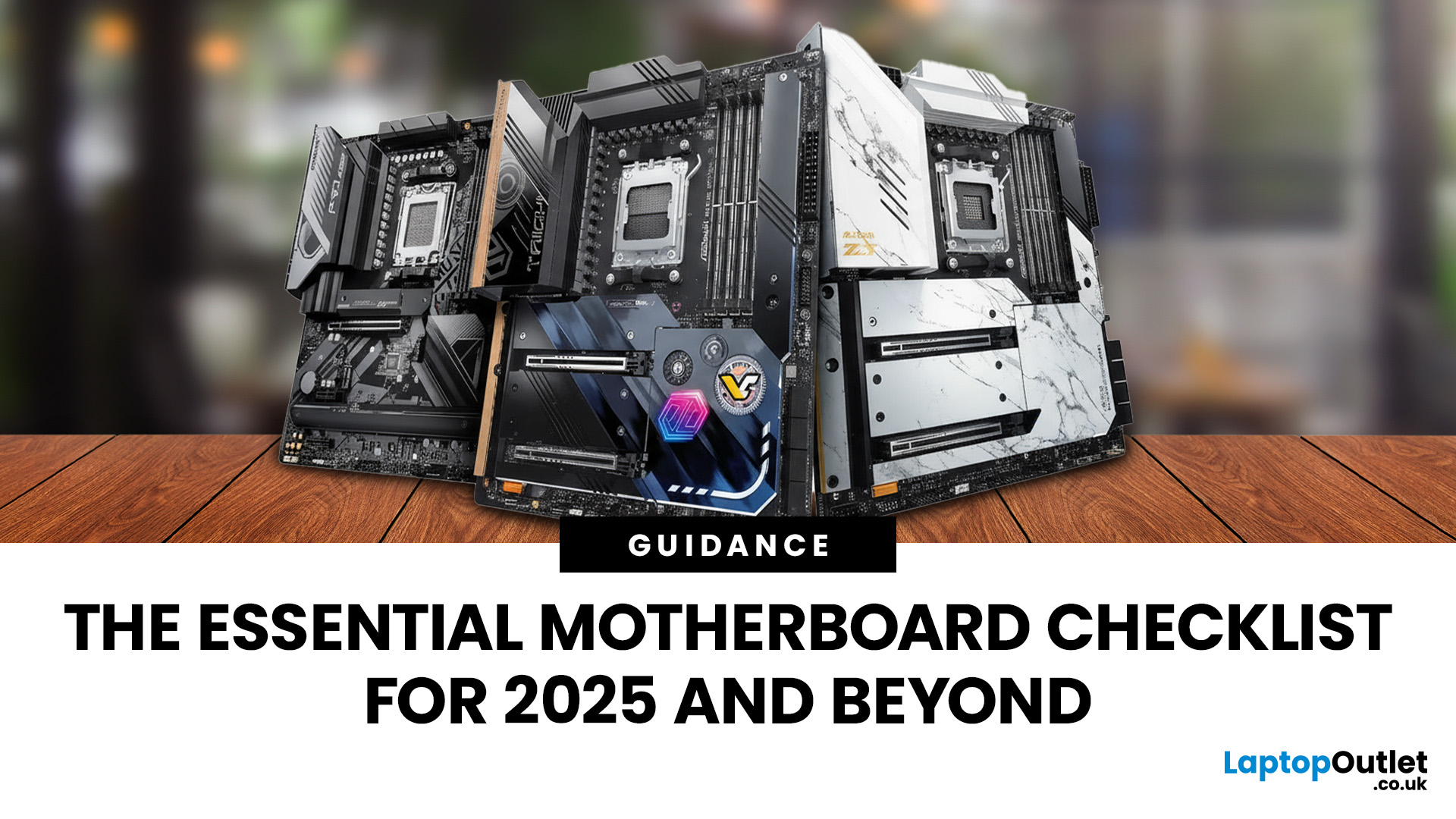
When building a new PC in 2025, choosing the right motherboard is the best long-term decision you can make. It’s the backbone of your system, and opting for an upgrade-ready motherboard means focusing on key technologies like DDR5 memory, fast PCIe standards, and next-gen connectivity.
This guide explores the essential features that define future-proof motherboards and highlights some top models for both AMD and Intel platforms.
If you are just starting your PC build, you should read our guide on how to choose the right motherboard.
Key Future-Proofing Features for 2025
What exactly makes a motherboard “future-proof”? It comes down to technologies that won't become bottlenecks for your most powerful components over the next five years.
- DDR5 Memory Support: This is non-negotiable. DDR5 compatible motherboards offer significantly higher bandwidth and speed than their predecessors.
- PCIe 5.0 Connectivity: This is crucial for both the primary graphics slot (for next-gen GPUs) and at least
Last Updated: October 22, 2026
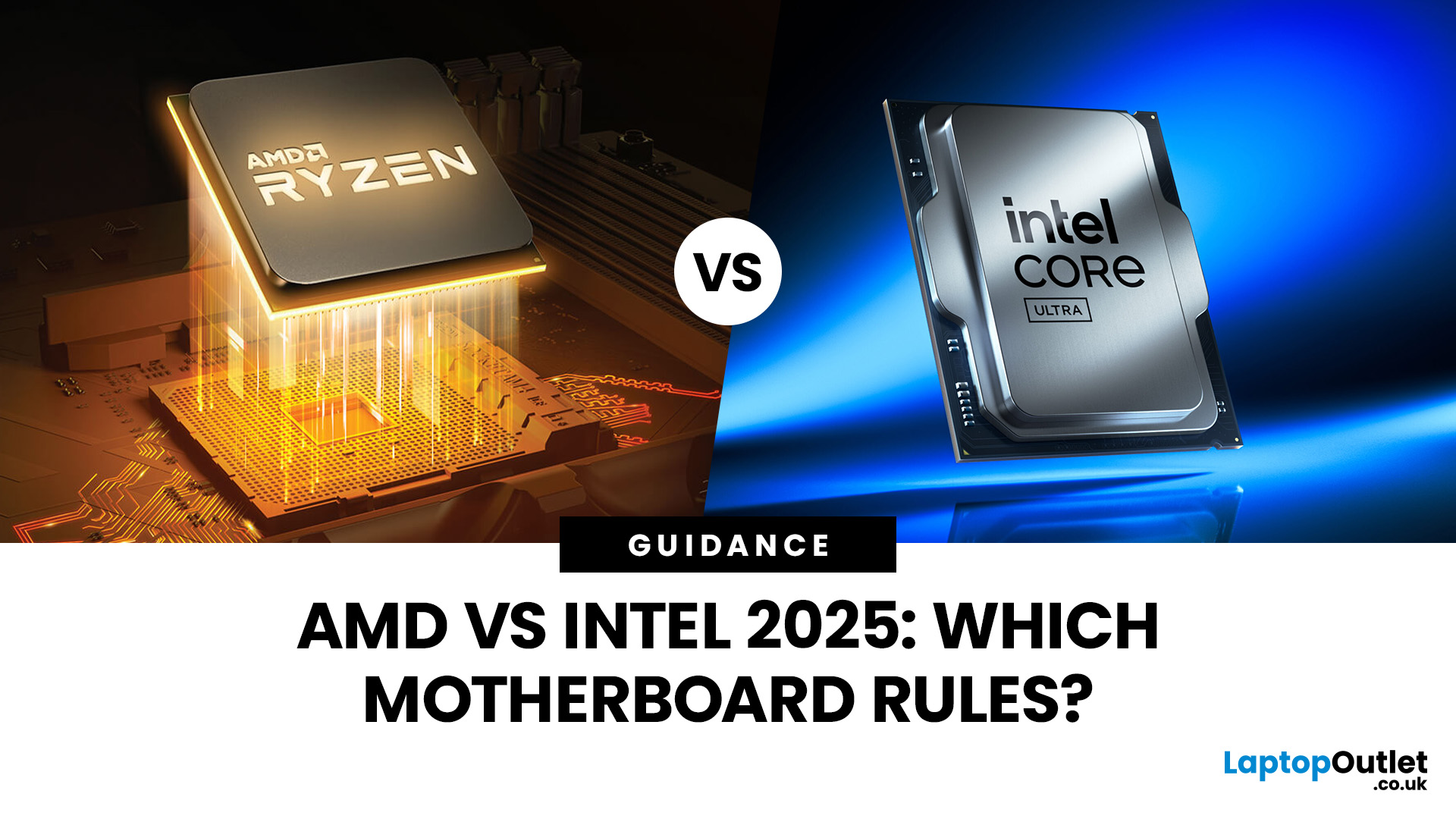
When you’re building or upgrading a PC, choosing the right motherboard can feel a little intimidating — especially when it comes down to the age-old rivalry of AMD vs Intel motherboards.
Both brands make fantastic hardware, but each has its strengths. Whether you’re planning a high-end gaming rig, a creative workstation, or an everyday PC, the motherboard you choose will shape your system’s performance, features, and future-proofing.
In this guide, we’ll compare Intel vs AMD motherboards across performance, chipsets, memory, overclocking, and more. By the end, you’ll know exactly which option suits your needs in 2025.
What Exactly is a Motherboard?
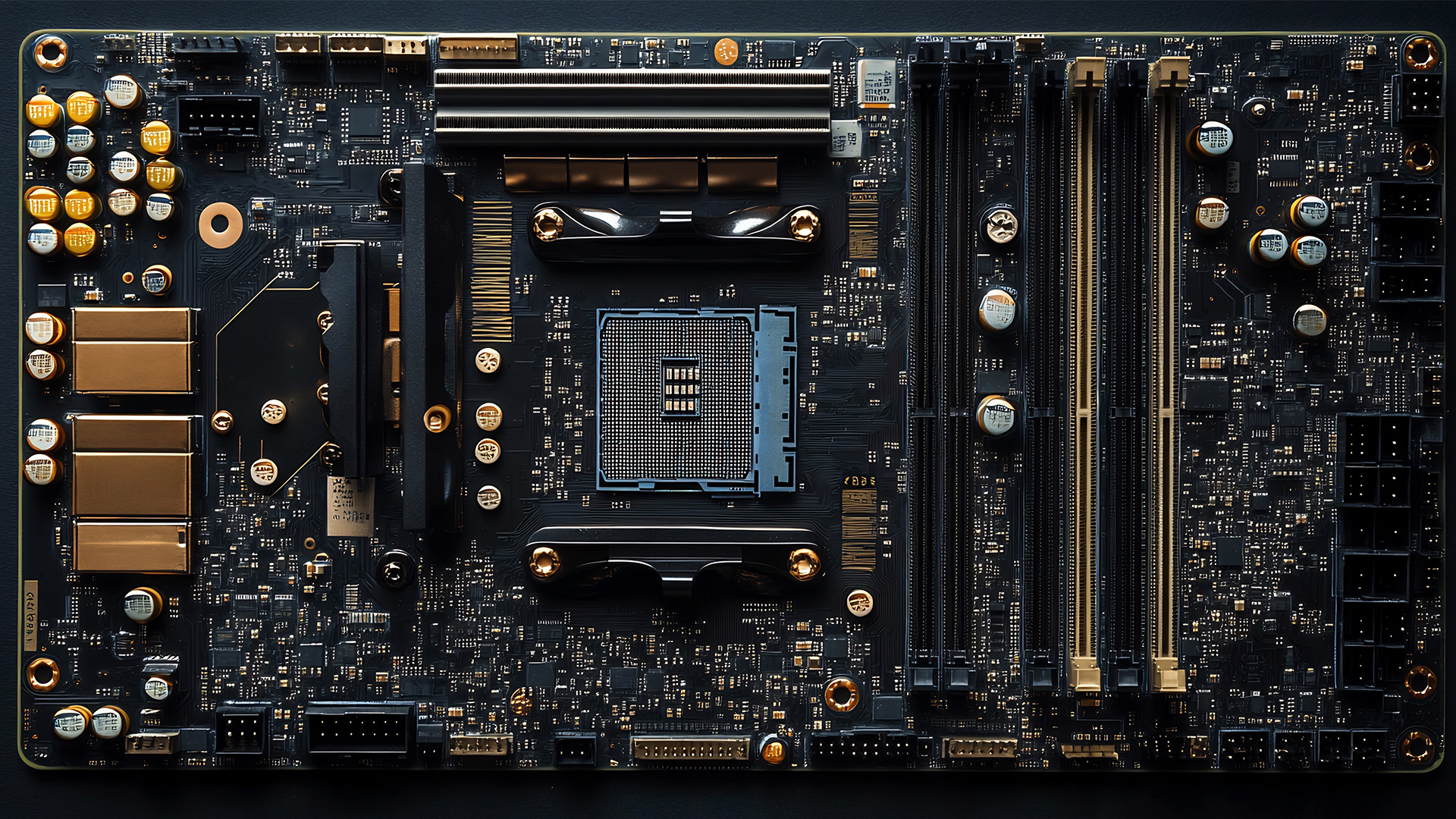
Before diving into the AMD vs Intel motherboards comparison, let's briefly clarify what a motherboard is and why it's so important.
Often called the 'mainboard' or 'system board,' the motherboard is the central printed circuit board (PCB) in a computer. It is, quite simply, the foundation and communication hub for all other components.
It houses
Last Updated: December 03, 2025
The motherboard is the central nervous system of your computer. Every component, from the CPU and RAM to the GPU and storage drives, connects to it.
Making the right choice here is crucial. A well-chosen board ensures smooth performance, effortless upgrades, and long-term stability for your entire desktop PC build.
If you’re wondering how to choose the right motherboard to suit your needs, you’ve come to the right place. This comprehensive motherboard buying guide will take you through every essential step to help you lay the best foundation for your next project.
Step 1: CPU Choice Defines the Socket (AMD vs Intel)
The first and most crucial step when selecting a motherboard is choosing your CPU (Central Processing Unit). The processor dictates which socket type and chipset your motherboard must have.
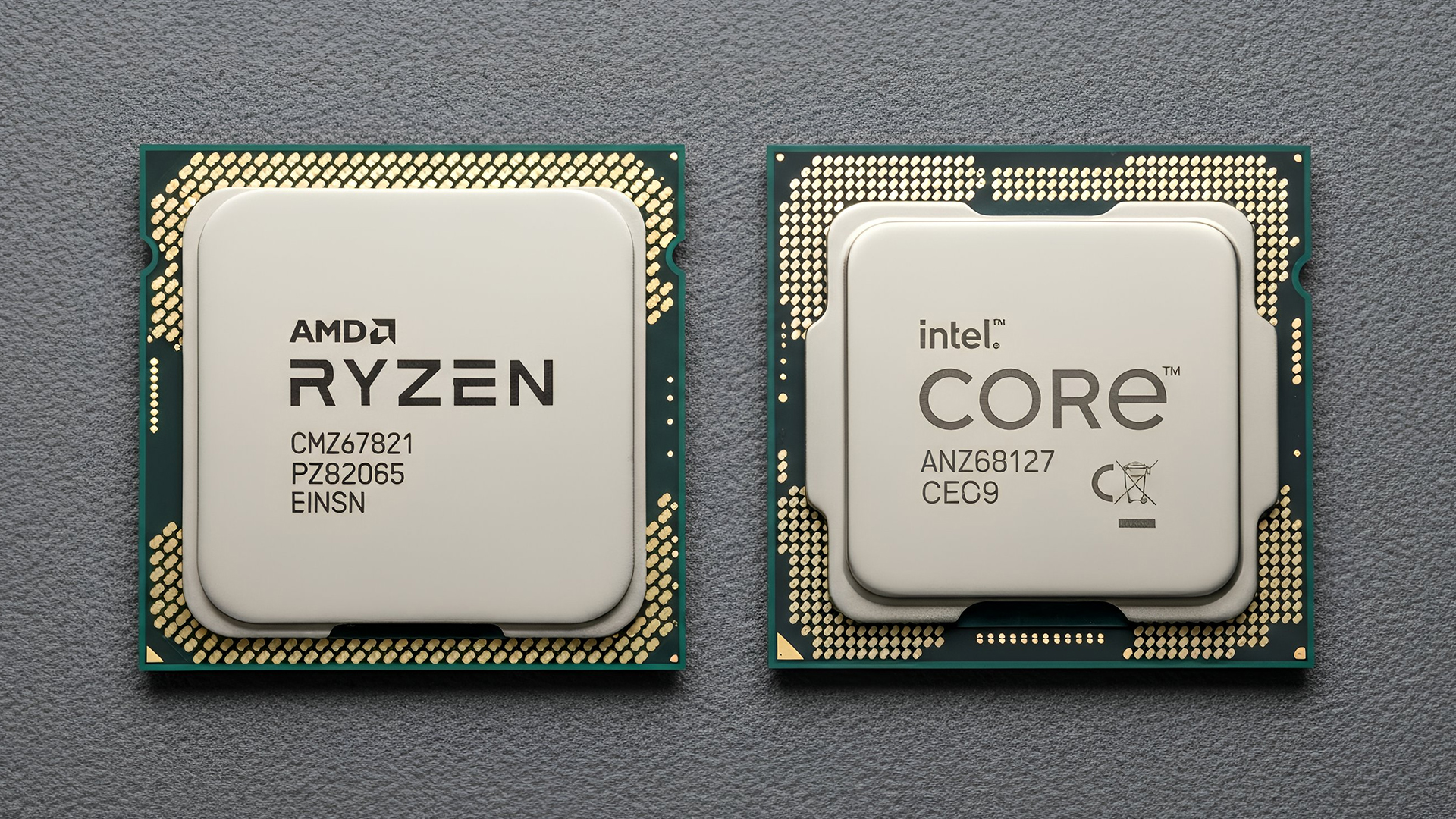
AMD vs Intel Motherboards
- AMD motherboards are known for value and longevity. Platforms like AM5 often maintain compatibility across several CPU generations, allowing for future upgrades

Last Updated: June 05, 2026
If you’re upgrading your gaming rig or building one from scratch in 2025, the motherboard you choose is going to set the tone for your entire PC. Whether you’re aiming for an affordable setup or an ultra-high-end powerhouse, the motherboard is the foundation - determining not just what components you can use today, but how future-ready your system will be.
This guide takes you through the best motherboards for gaming PCs in 2025, handpicked for performance, features, and value. You’ll find AMD and Intel options, from budget boards with modern DDR5 support to premium PCIe 5.0 powerhouses. Every recommendation is researched using up-to-date 2025 benchmarks, market data, and UK availability, ensuring you can make an informed purchase that fits your budget and build goals.
Why the Motherboard Matters in 2025

With the launch of AMD’s Ryzen 9000 and Intel’s 15th-gen “Arrow Lake” CPUs, the motherboard landscape has changed considerably. New chipsets like AMD B650E and Intel Z890 bring cutting-edge

Last Updated: May 06, 2026
year is more than just a fresh calendar; it’s one of the best times of the year to upgrade your PC hardware for less. As retailers clear stock, introduce refreshed product lines, and compete for attention during seasonal sales, motherboard New Year deals 2026 unlock savings that simply aren’t available during regular months. Whether you’re planning a brand-new desktop build, upgrading an ageing system, or finally pairing a powerful CPU with a compatible board, New Year sales make high-end components far more affordable.
New Year Sale on AMD Motherboards
This New Year, AMD motherboard discounts make it easier than ever to build or upgrade your PC with powerful AM5 boards at lowered prices.
1. ASUS TUF GAMING X870E-PLUS WIFI7 ATX AMD Socket AM5 Motherboard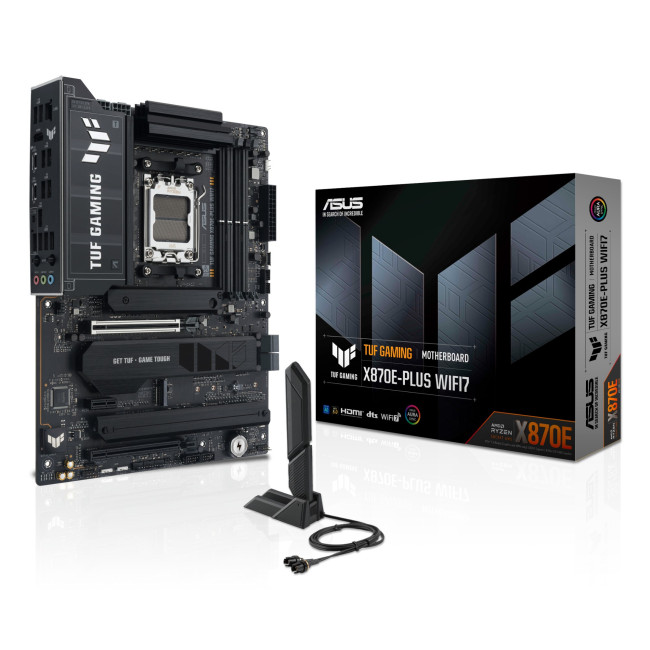
This flagship TUF board typically sits in the upper mid-range price bracket, but New Year Sale pricing often brings it into compelling territory compared to standard retail tags, shaving a noticeable percentage off regular prices.

