



How to Set Up an Android Phone for a Child
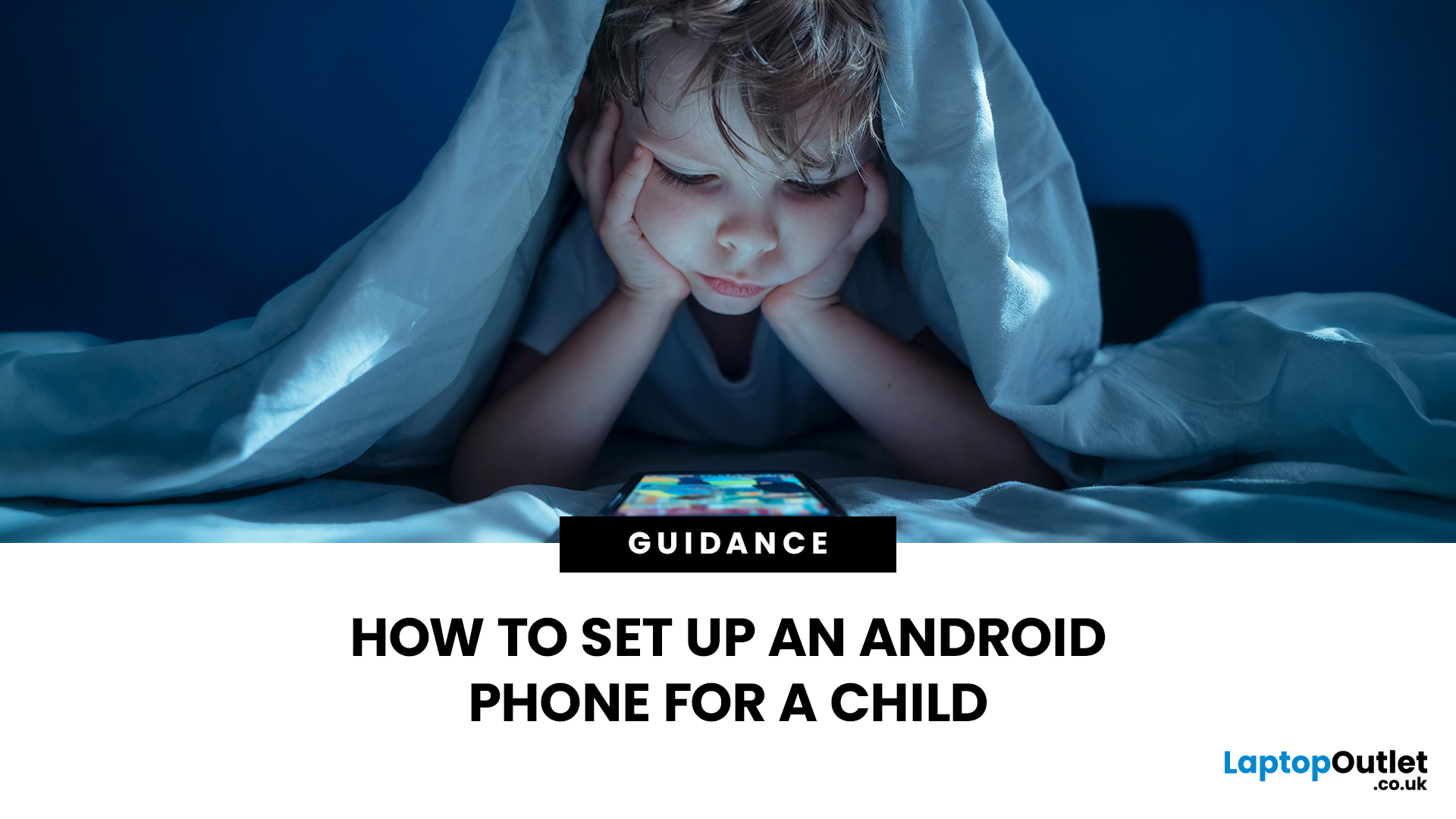
Giving your child a phone makes it easier to stay in touch, but the default Android setup may not match your family’s rules. The safest approach is to give them their own Google Account, switch on Android parental controls and use Google Family Link when you want remote supervision.
Eligible Android 17 devices also have a dedicated Parental Controls area in Settings for screen time, downtime, app limits, and Google Play filters. Family Link adds features such as School Time, purchase approvals, location and remote app management.
Prepare the Phone Before Your Child Uses it
If it is a hand-me-down, back up anything you need, remove your personal accounts and data, then factory-reset it. Install the latest Android and security updates available for that model, add a strong screen lock and keep the parent PIN or recovery details private.
For children under 13 in the UK, a parent can create and manage their Google Account through Family Link. Google lists 13 as the minimum age for managing your own account in countries without a higher threshold, including the UK. Supervision can continue for older children and teens.
Expert Tip: Use your child’s real date of birth. Age-based controls and account options depend on it, so entering an older age to bypass restrictions can weaken the setup.
Set Up Android Parental Controls
On Android 17, go to Settings > Parental controls and create a parental controls PIN. You can set a daily device limit, schedule downtime, restrict individual apps and apply Google Play content filters.
Android 17 expanded these built-in controls across devices that update to the new OS. On older versions, look for Digital Wellbeing & parental controls or Google > Parental controls; menus can vary between Samsung, Google Pixel, OPPO and other brands.
For broader supervision, connect the child’s account to Google Family Link. It supports supervised Android devices running Android 6.0 or later and lets you manage key settings from your own Android phone or iPhone.

Control Apps, Downloads and Purchases
In Family Link, select your child and open Controls > Google Play. You can apply content restrictions, require approval for downloads or purchases, block apps and manage permissions such as location, camera and microphone access.
Purchase approvals only cover transactions made through Google Play’s billing system, so they do not stop every possible payment inside every service.
Check more than an app’s age rating. Look for public chat, user-generated content, location sharing, in-app spending or contact with strangers. These features can matter more than the app category itself.
Make Google Search and Chrome Safer
Family Link gives you separate controls for Search and Chrome. SafeSearch can be set to Filter, while Chrome can try to block explicit sites, block specific websites or allow only approved sites. For younger children, approved sites only gives you tighter control. For older children, filtered access may be more practical.
No filter is perfect. Google notes that SafeSearch may not be enforced if a child uses another search app, so check which browsers and search tools are installed and block alternatives where necessary.
Choose the Right YouTube Experience
Google gives parents two main options: YouTube Kids and a supervised YouTube account.
YouTube Kids is designed for younger viewers and lets you manage content levels and search. A supervised YouTube account gives older children broader access while still letting you choose a content setting and block channels.
Whichever option you choose, review the settings occasionally instead of treating the first setup as permanent.
Set Screen Time, Downtime and School Time
Family Link can set a daily screen-time limit and separate limits for individual apps. You can also schedule Downtime, while School Time can reduce distractions during selected hours and keep approved apps or essential communication available.
Keep useful tools such as calling, messaging or maps available where appropriate, then place tighter limits on games, social media, and entertainment.
Expert Tip: Agree the rules with your child first. A clear routine for homework, bedtime and weekends is easier to follow than limits that change constantly.
Review Location, Calls and Contacts
If location sharing is enabled, Family Link can show the location of your child’s Android device. You can also create family places and receive arrival or departure alerts.
On supported setups, Family Link can restrict calls and texts to parent-managed contacts or approved groups. This can suit younger children who only need to contact family and a small circle of trusted people.
Explain when and why location is being used. The phone also needs to be powered on and connected for location information to update reliably. Furthermore, if apps become slow or start behaving unexpectedly, see how to clear cache on an Android phone without removing your personal files.

Lock Down Privacy and Security
Before handing over your child’s Android phone:
- Install available Android and Google Play system updates.
- Use a secure PIN, password or biometric lock.
- Review camera, microphone, contacts and location permissions.
- Remove saved payment cards you do not want available.
- Keep Google Play Protect enabled and avoid unknown app sources.
- Add trusted emergency contacts.
- Recheck Family Link after major Android updates.
Choosing an Android Phone for a Child
You do not need the most expensive handset. Prioritise reliable battery life, enough storage for school and everyday apps, a durable case, current security updates and an Android version that still receives manufacturer support.
At Laptop Outlet, you can compare Android phones across different screen sizes, storage capacities and price points. A refurbished Android phone can also work well as a first device if it still receives suitable security support and has the battery condition you expect.
If your family already uses a particular interface, Samsung or OPPO phones may feel more familiar. What matters most is whether the handset supports the controls, updates and practical features your child needs.

Final Checklist
To set up an Android phone for a child properly, create a supervised account, enable parental controls, manage downloads and permissions, filter web content, choose the right YouTube experience and set realistic screen-time rules. Add location or contact restrictions where they are useful.
Review the setup every few months. Children’s needs, apps and Android features change, so parental controls should change with them.

FAQs
Can I set up an Android phone without Family Link?
Yes. Android 17 includes built-in parental controls for screen time, downtime, apps and Play content filters. Family Link is more useful when you want remote management, download approvals, School Time or device location.
What age can a child manage a Google Account in the UK?
Google currently lists 13 as the minimum age for managing your own Google Account in countries without a higher threshold, including the UK. Younger children can use a parent-managed Family Link account, and supervision can continue after 13.
Can Family Link read my child’s messages?
Family Link is for supervision, not secret monitoring. Google says it cannot remotely check a child’s screen, read emails or messages, inspect Chrome history or listen to calls. Some contact controls can still limit who a child may call or text.
Does Family Link work if the parent uses an iPhone?
Yes. Google supports the Family Link app on Android, iPhone or iPad with iOS 16 or later, and compatible Chromebooks. The child’s phone still needs to be a supported Android device for Android-specific supervision features.
Is YouTube Kids enough to keep a child safe online?
YouTube Kids offers a more restricted experience and lets parents control content and search, but no filter is perfect. Keep the correct supervised profile signed in, review its settings regularly and combine YouTube controls with wider app and web restrictions.
| Read More: |
| Refurbished Mobile Phones: Are They Worth It? |
| Best Android Phones UK – Top Picks for Every Budget |
| How To Choose A Protective Case For Your Phone |
Related Articles


Last Updated: December 31, 2025
New year, new goals, and the perfect new tablet to help you reach them. Whether you want to be more productive at work, excel in your studies, or simply enjoy better entertainment, the New Year tablet deals at Laptop Outlet are officially live.
This season, our New Year tech sale brings a massive shift in value, where "budget" no longer means "basic." From the latest iPads at great prices and cheap tablets running Android to the best Microsoft Surface tablet PC deals, there has never been a better time to upgrade.
If you have been waiting for the right moment to grab a bargain, your wait ends here.
Top New Year Tablet Deals for 2026
We have curated a list of the top six tablets available right now. These devices represent the best balance of price, performance, and features.
1. TCL NXTPAPER 11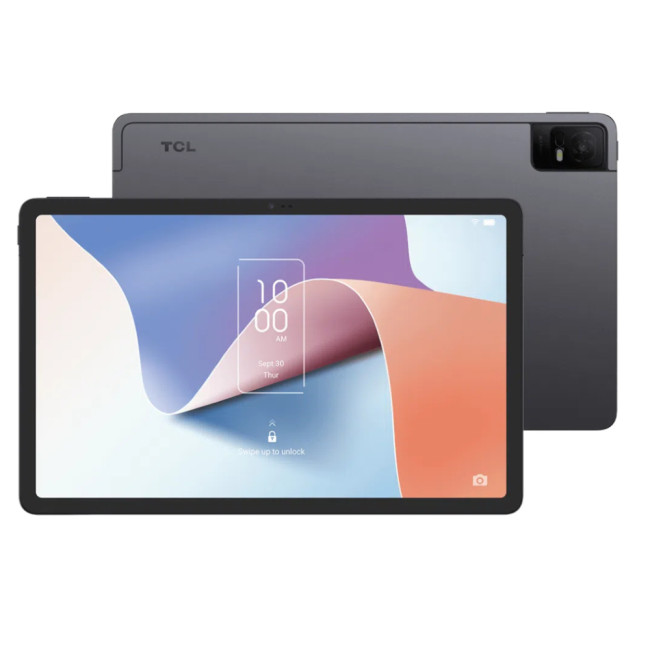
- Processor: MediaTek Helio P60T Octa-core
- Memory: 4GB RAM
- Storage: 128GB
- Display: 10.9-inch 2K (2000 x 1200) NXTPAPER 2.0 Technology
- Graphics: PowerVR GE8320
- Cameras: 8MP Rear, 8MP Front
Last Updated: April 28, 2026
Finding the right device can feel overwhelming with so many options hitting the market. Whether you want a professional camera, a battery that lasts all weekend, or a budget-friendly workhorse, the current market has something for everyone.
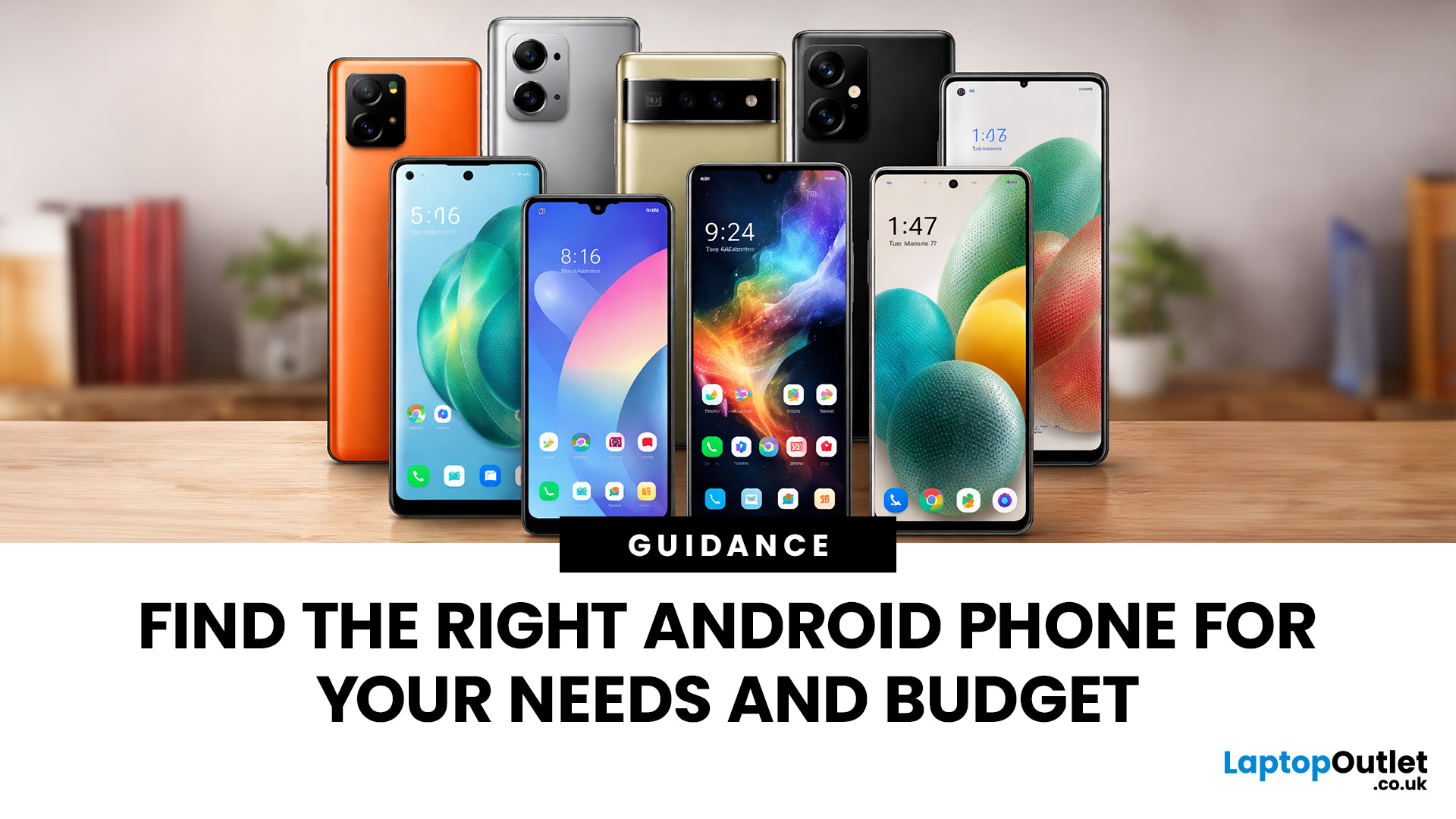
At Laptop Outlet, we make the choice easy. We have curated a selection of the finest Android phones UK shoppers can buy right now. From affordable entry-level models to the most advanced latest phones, our guide ensures you get the best tech for your specific needs.
Why Choose Android in 2026?
Android remains the most versatile operating system in the world. When you shop for Android devices, you aren't just buying a phone; you are buying into an ecosystem of customisation and choice.
Unlike iPhones, Android allows you to select hardware from various manufacturers like Samsung, Google, OPPO, ASUS, and Xiaomi, ensuring there is a design and price point for everyone. You will find that current Android models offer incredible battery life, stunning

Last Updated: January 21, 2026
Android tablets have evolved into powerful, versatile devices that can easily replace laptops for many users. You need to stream content, work on the go, game at high frame rates, or manage everyday tasks, so choosing the best Android tablet PC can significantly enhance your experience.
In this in-depth guide, we’ll explore the best android tablets in the UK, covering top rated Android tablets, productivity-focused models, and the best gaming tablet options available today. We’ll also help you understand what features matter most and how Android tablets compare with alternatives like convertibles and Windows-based devices.
Why Choose an Android Tablet PC?
Android tablet PCs are popular in the UK for several key reasons:
- User-friendly interface with access to millions of apps on Google Play
- Wide price range, from affordable everyday tablets to premium powerhouses
- Excellent battery life, ideal for travel and work
- Strong gaming performance with optimised mobile titles
- Flexible use cases

Last Updated: April 14, 2026
You need a tablet (well… that’s why you’re here), but figuring out which one actually suits you? That’s where things get tricky.
It’s all gone a bit pear-shaped - there are so many Android tablets out there, each packed with features that sound like they need a dictionary to understand (seriously, who casually says “Magnetoresistive Stylus Support”?). And don’t even get started on the prices.
Finding the right tablet with the right specs and a price that makes sense can quickly turn into a headache.
So, let’s make this easy.
We are going to break down exactly what you need to know, what to look for, what to ignore to choose the best Android tablet for your needs, all in simple, no-jargon language (because no one needs a tech lecture just to buy a tablet).
If you already know what you want, you can jump straight to our full range of android tablets and start browsing.
Otherwise, stick with me, by the end of this, you’ll know exactly which tablet deserves your money.
Quick Picks: Best Android
Published: April 13, 2026
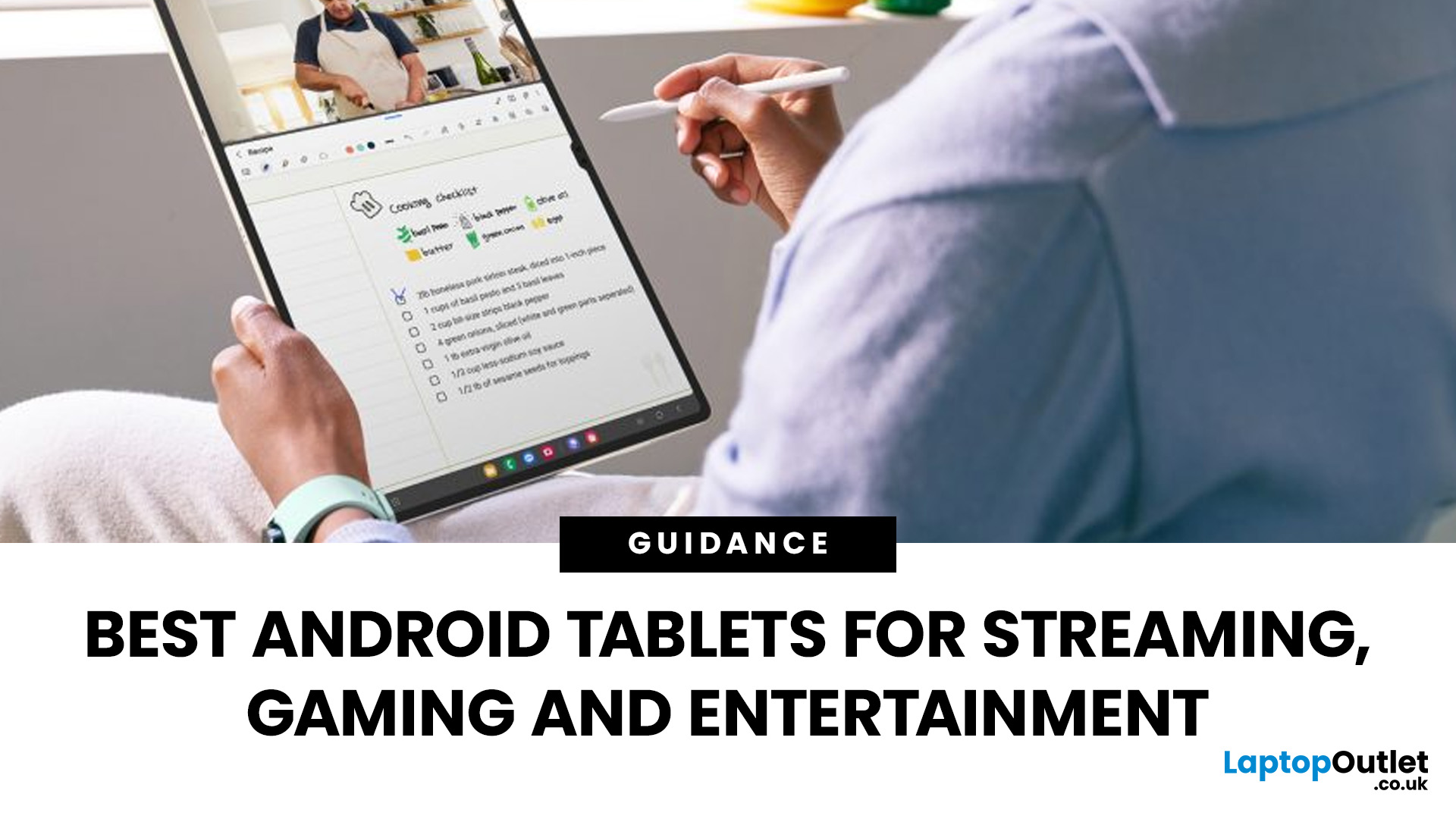
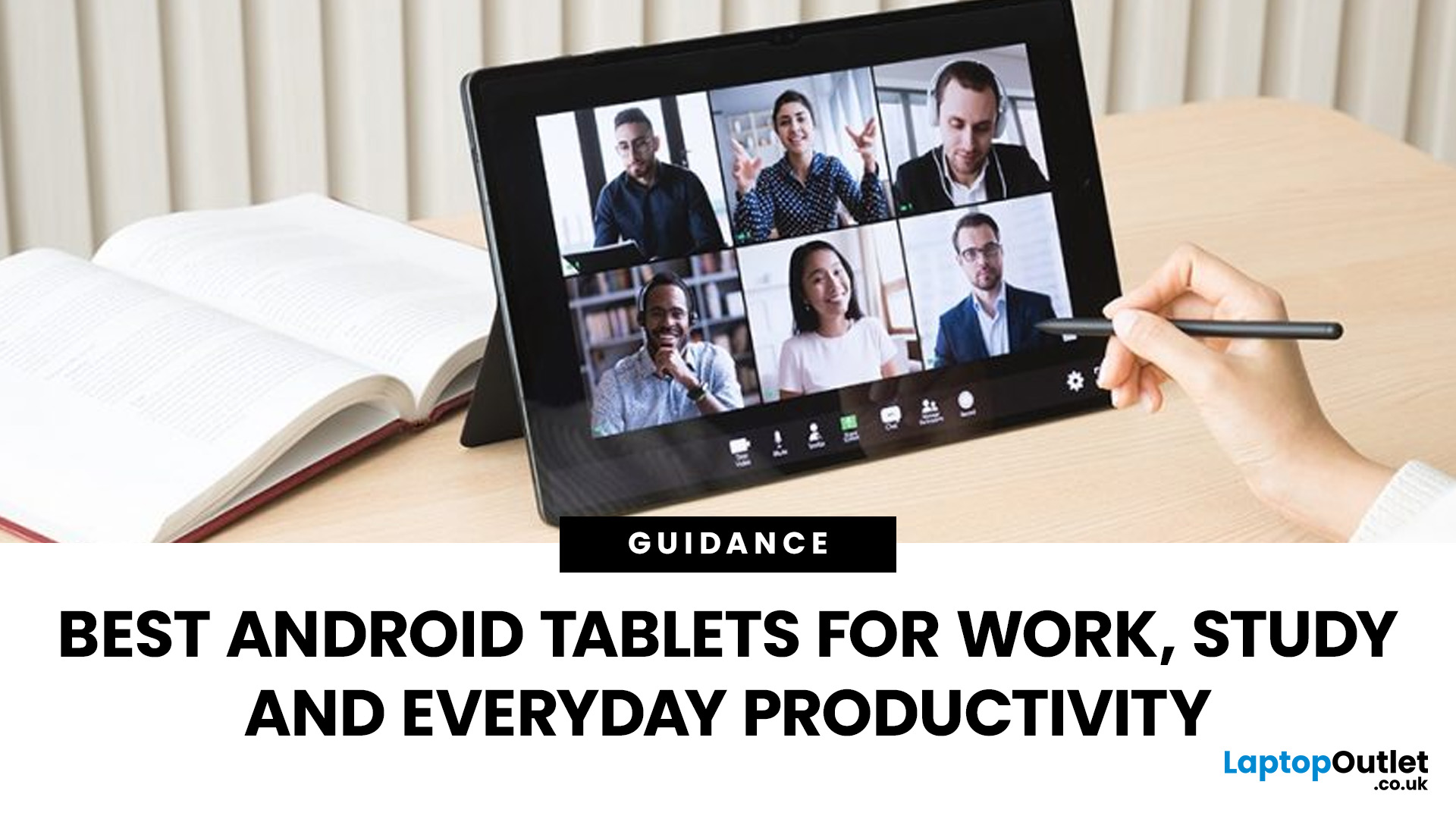
Looking for a tablet that’s built more for watching, playing, and relaxing than working? You’re not alone, Android tablets have quietly become some of the best-value options for streaming and gaming in 2026.
- Big-screen Android tablets are now sharper, louder, and more immersive
- Mid-range processors comfortably handle streaming and casual gaming
- Battery life and audio quality now matter more than raw performance
Streaming, gaming, and genera l entertainment are now the main reasons people pick up tablets again. While flagship devices still exist, most buyers today are leaning toward practical, well-balanced options that deliver strong visuals, solid audio, and long battery life, without pushing into premium pricing.
What actually makes a tablet good for streaming and gaming?
Before jumping into specific models, it helps to understand what separates a good tablet from a great entertainment device.
A strong Android tablet for streaming and gaming isn’t just about specs, it’s about how everything
Last Updated: April 13, 2026
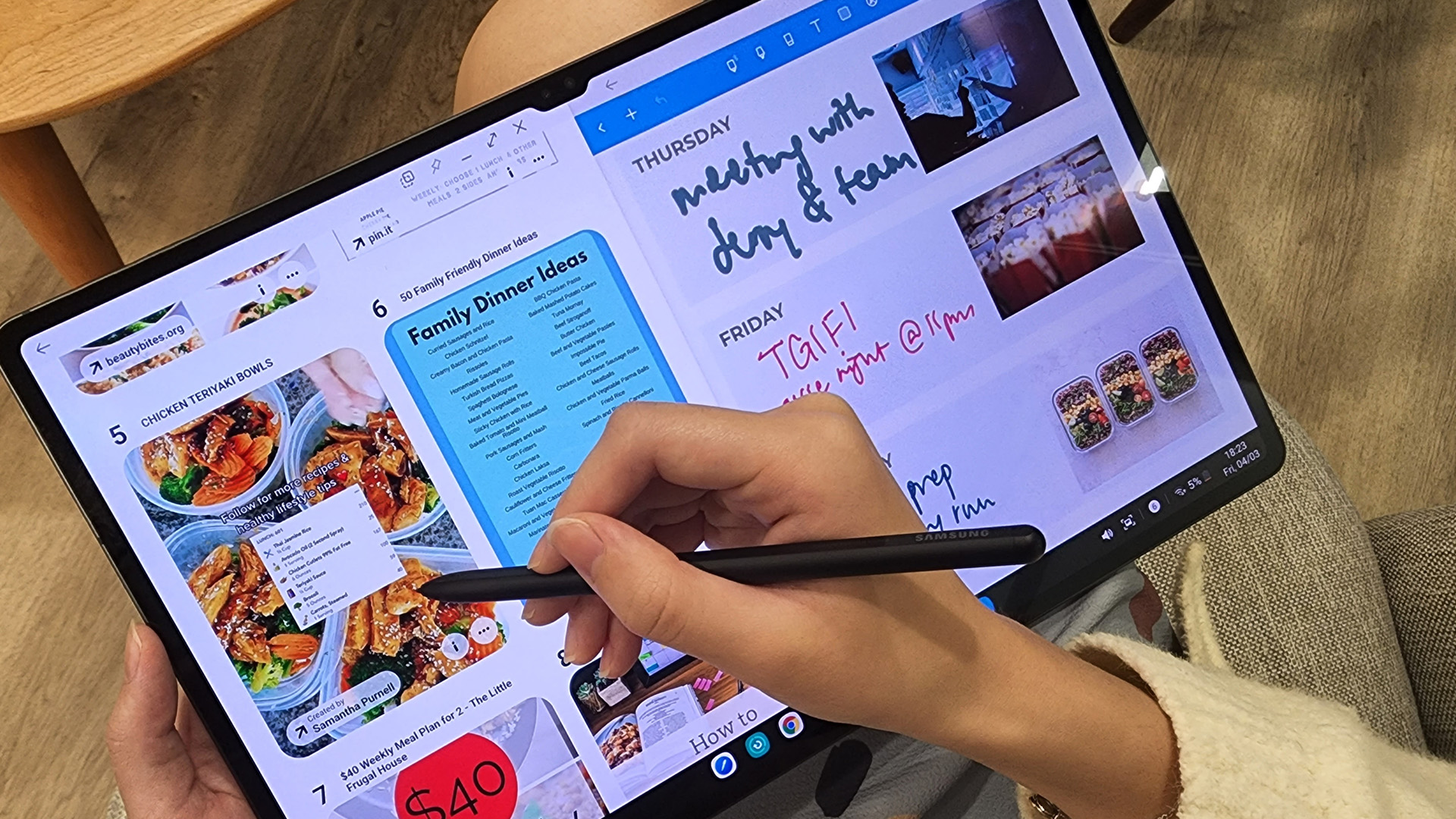
Trying to stay productive these days without the right device? Not happening.
Whether you’re switching between lectures, juggling work tasks, replying to emails, or just trying to organise your day without losing your mind… you need something that can actually keep up.
That’s where Android tablets come in.
They’re lighter than laptops, more powerful than you’d expect, and way more flexible for everyday productivity - whether you’re a student, a professional, or somewhere in between.
But here’s the catch: not all tablets are built for productivity. Some are great for Netflix… but struggle the moment you open 3 tabs. Others look powerful on paper but don’t deliver where it matters.
So, in this guide, we’re breaking down the best Android tablets for work and study, helping you find the right balance between performance, usability, and value, without overcomplicating things.
Quick Picks: Best Android Tablets for Work and Study (2026)
If you just want the highlights, here’s a quick look at
Published: April 14, 2026
Choosing a tablet sounds easy… until you actually start looking.
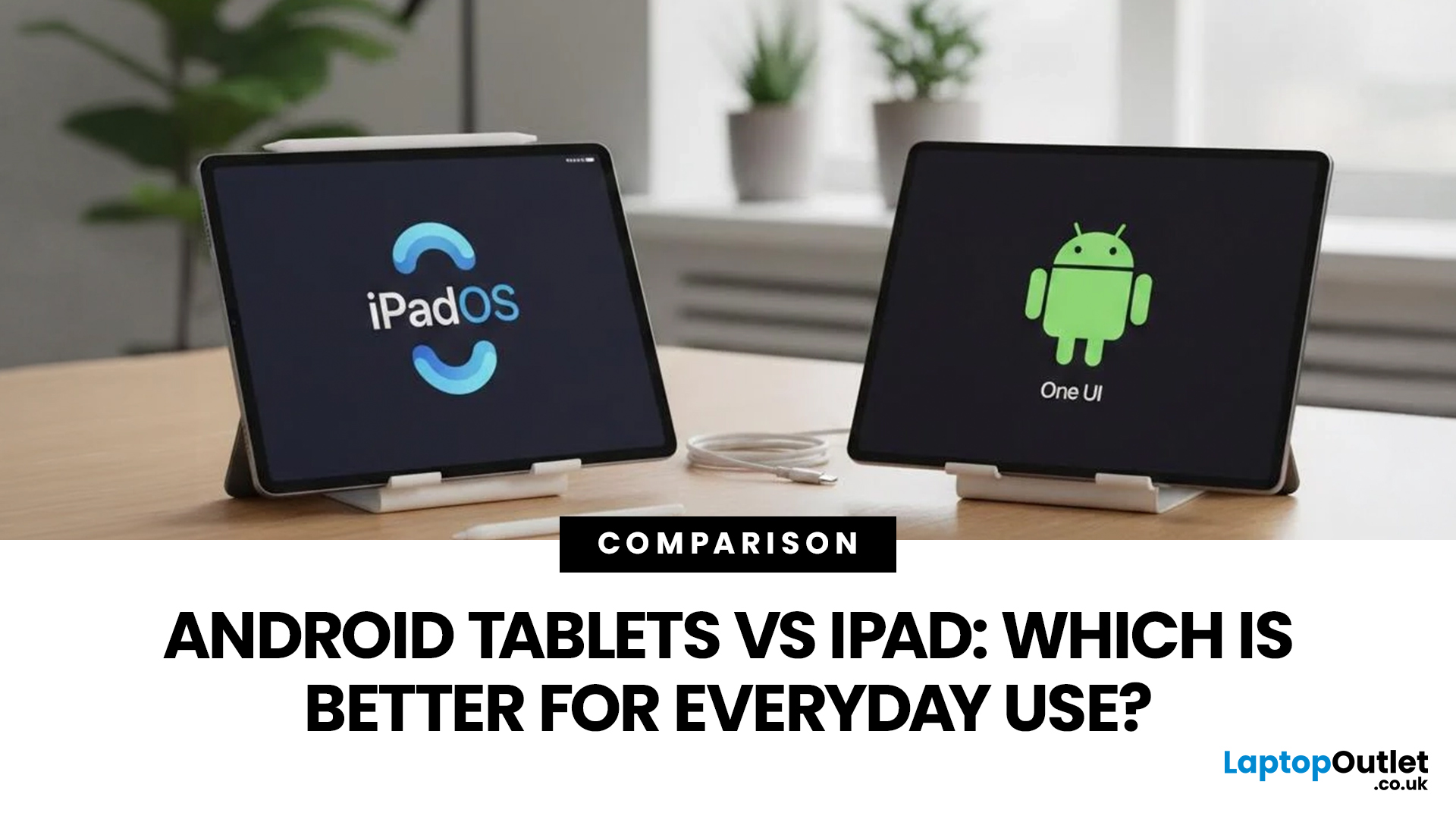
Suddenly, it turns into a full-on ecosystem debate. Do you go for the clean, premium Apple experience? Or do you choose the flexibility, variety and better-value world of Android?
That’s exactly why so many buyers end up stuck between Android tablets vs iPad.
On one side, iPads have the polished reputation, smooth performance and that classic Apple “it just works” appeal. On the other, Android tablets give you more choice, more price points, more freedom and a way easier entry into the tablet world without your bank account crying in the background.
And if you’re an everyday buyer, that choice matters even more.
Because you’re probably not buying a tablet to do one ultra-specific thing. You want something that fits into daily life. Something good for streaming, scrolling, studying, replying to emails, joining video calls, browsing, shopping, taking notes, maybe even getting a bit of work done when needed.
So in this guide,
Last Updated: June 10, 2026
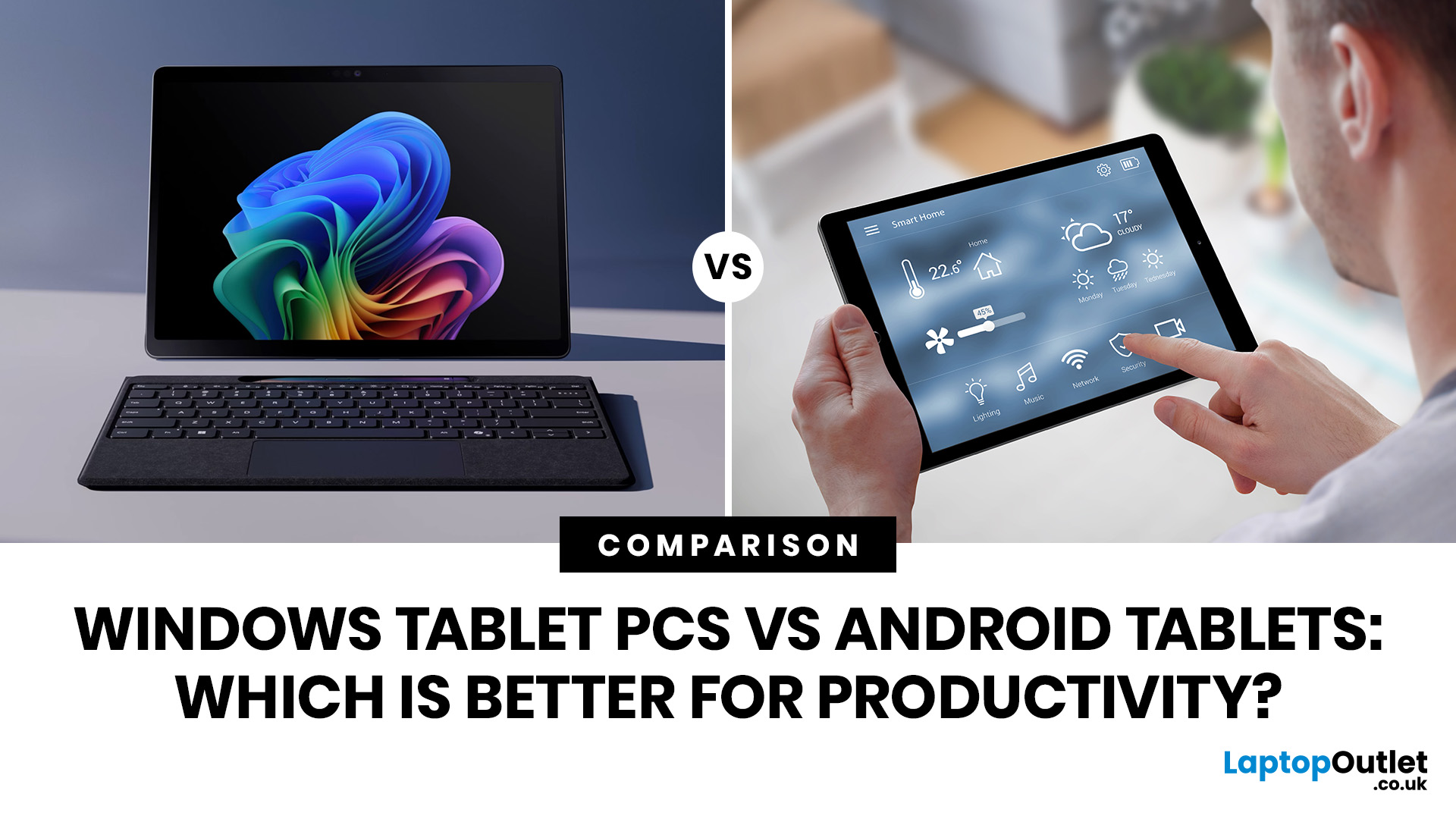
When comparing Windows tablet PCs vs Android tablets, Windows is usually better for productivity-heavy tasks like multitasking, office work and business use, while Android tablets are better for portability, value and lighter everyday productivity.
When comparing Windows tablet PCs vs Android tablets, the best choice depends on how you work. Some users need laptop-style performance for spreadsheets, email, browser tasks and multitasking, while others prefer a portable device for note-taking, research, video calls and everyday flexibility.
That is why the Android vs Windows tablets debate matters. Windows tablets offer a more PC-like experience with stronger multitasking, while Android tablets focus on portability, convenience and app-based productivity.
For buyers in the UK, the best option depends on whether you value desktop-style software, keyboard-led productivity and business features, or a lighter, more affordable system that is easy to carry and simple to use. If you are browsing
Last Updated: April 27, 2026
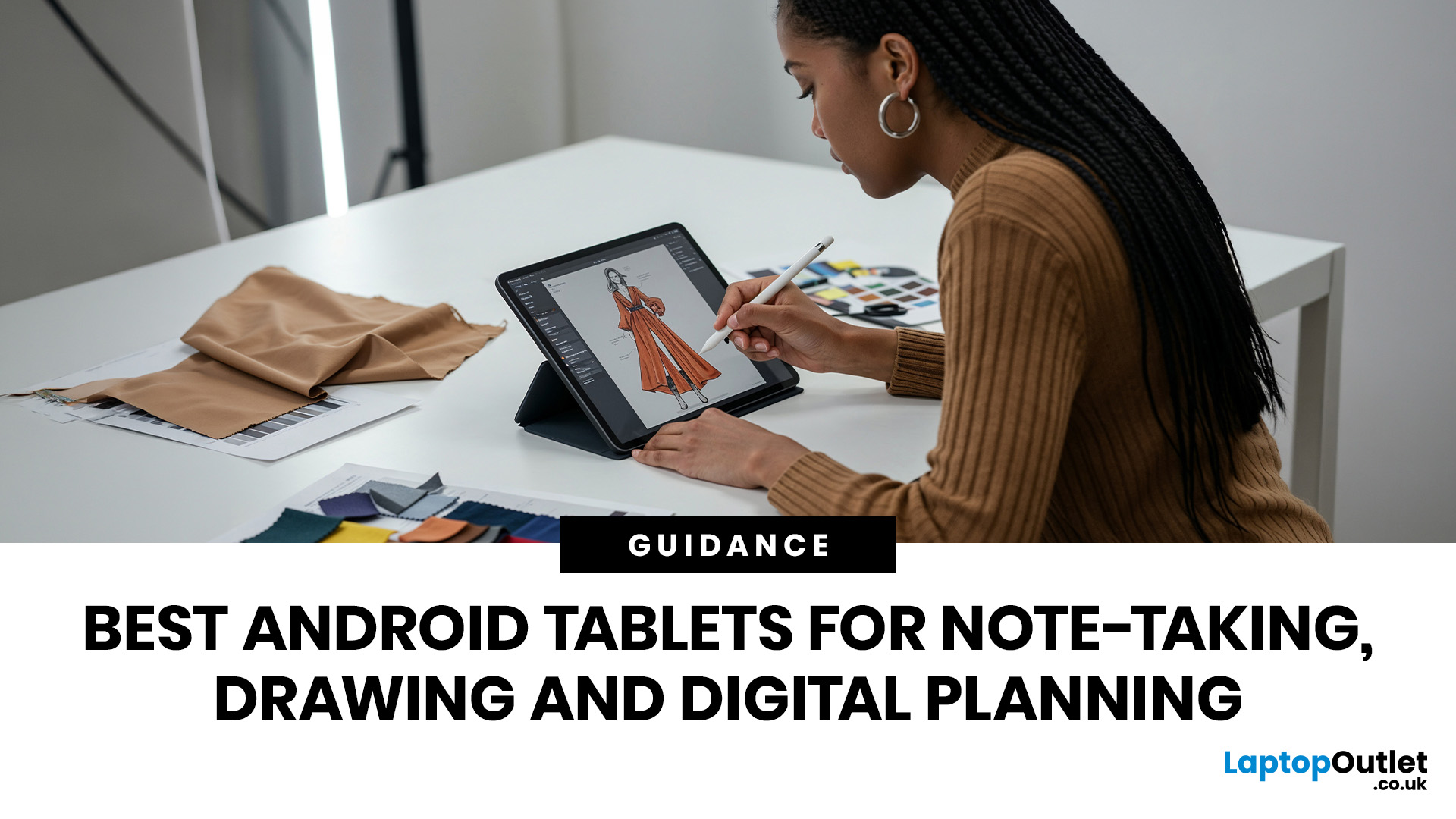
If you are looking for the best Android tablets for note taking and drawing, the key is finding a tablet that feels natural for writing, sketching and digital planning. The best options combine stylus support, a clear display, good portability and enough performance for everyday work, study and creative use.
Not every user needs the same thing. Some want a simple tablet for notes and journaling, while others need a more capable device for drawing, annotating PDFs, and multitasking. That is why choosing among today’s Android tablets with stylus support is really about finding the right fit for your routine.
Android stands out because it offers plenty of choice across features, pricing, and everyday usability. Whether you want a compact planner-friendly device or a more flexible all-rounder, there is a wide range of Android tablets to explore.
Quick answer: what should you look for?
Before going too deep, here is the short version. The best Android tablets for note taking and drawing usually
Last Updated: June 10, 2026
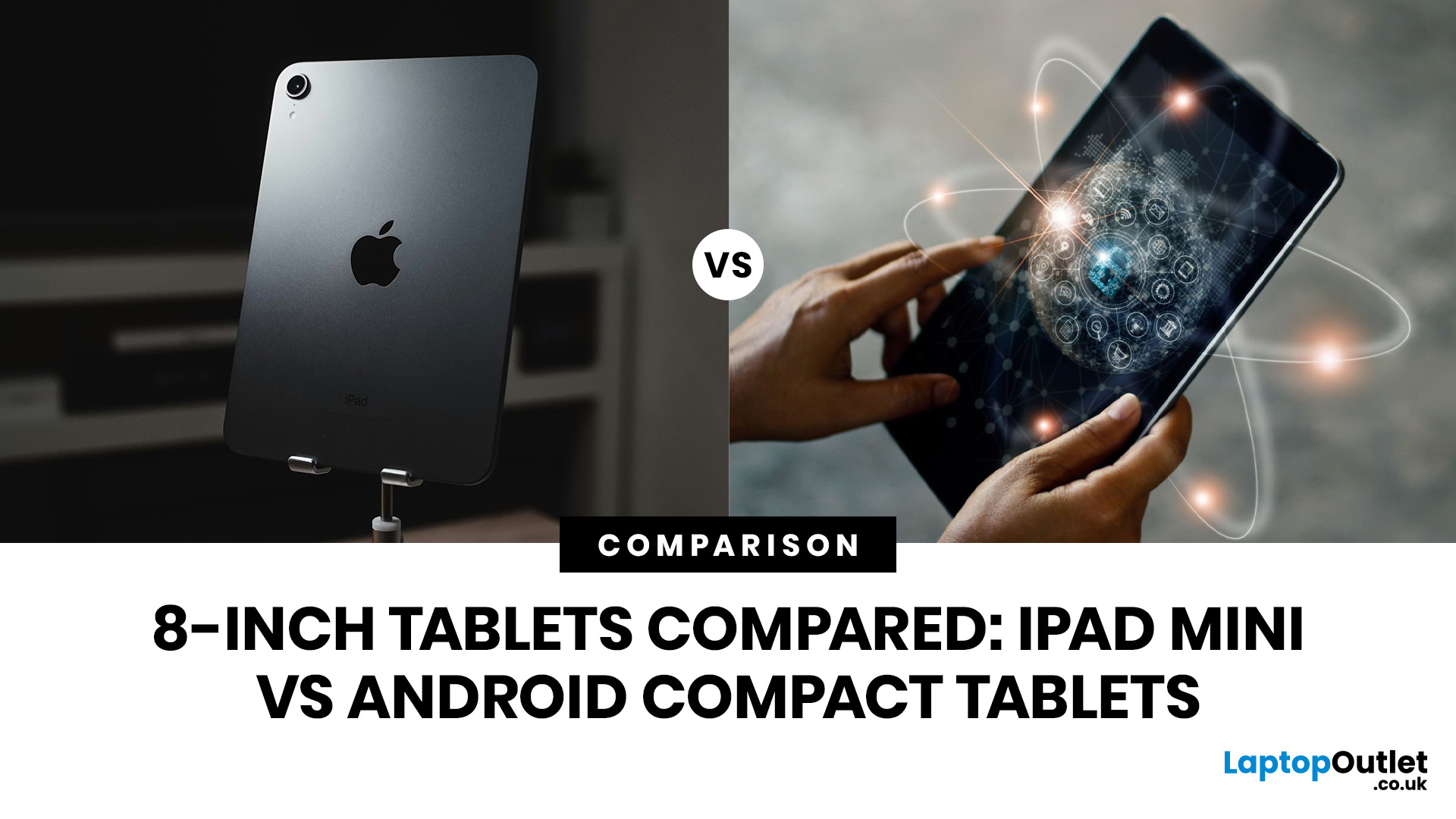
Quick Answer: The iPad mini is the better choice if you want premium performance, a sharper display, Apple Pencil support and long-term everyday speed. Android compact tablets are better if you want a more affordable small tablet for reading, browsing, streaming, video calls and casual use. For most buyers, the iPad mini wins on power and quality, while Android wins on value and budget-friendly practicality.
Small tablets are perfect when you want more screen than a phone but do not want to carry a 11-inch or 13-inch full size tablet everywhere. For reading, commuting, streaming, travelling and light everyday use, the real buying decision often comes down to iPad mini vs Android compact tablets.
In this guide, we compare both options across display quality, performance, software, battery, storage, connectivity, value and use cases so you can decide which compact tablet makes more sense for you.
Quick Comparison: iPad mini or Android Compact Tablet?
If you want the most powerful small tablet

