



Apple vs Dell Laptops: A Side-by-Side Comparison (2025)
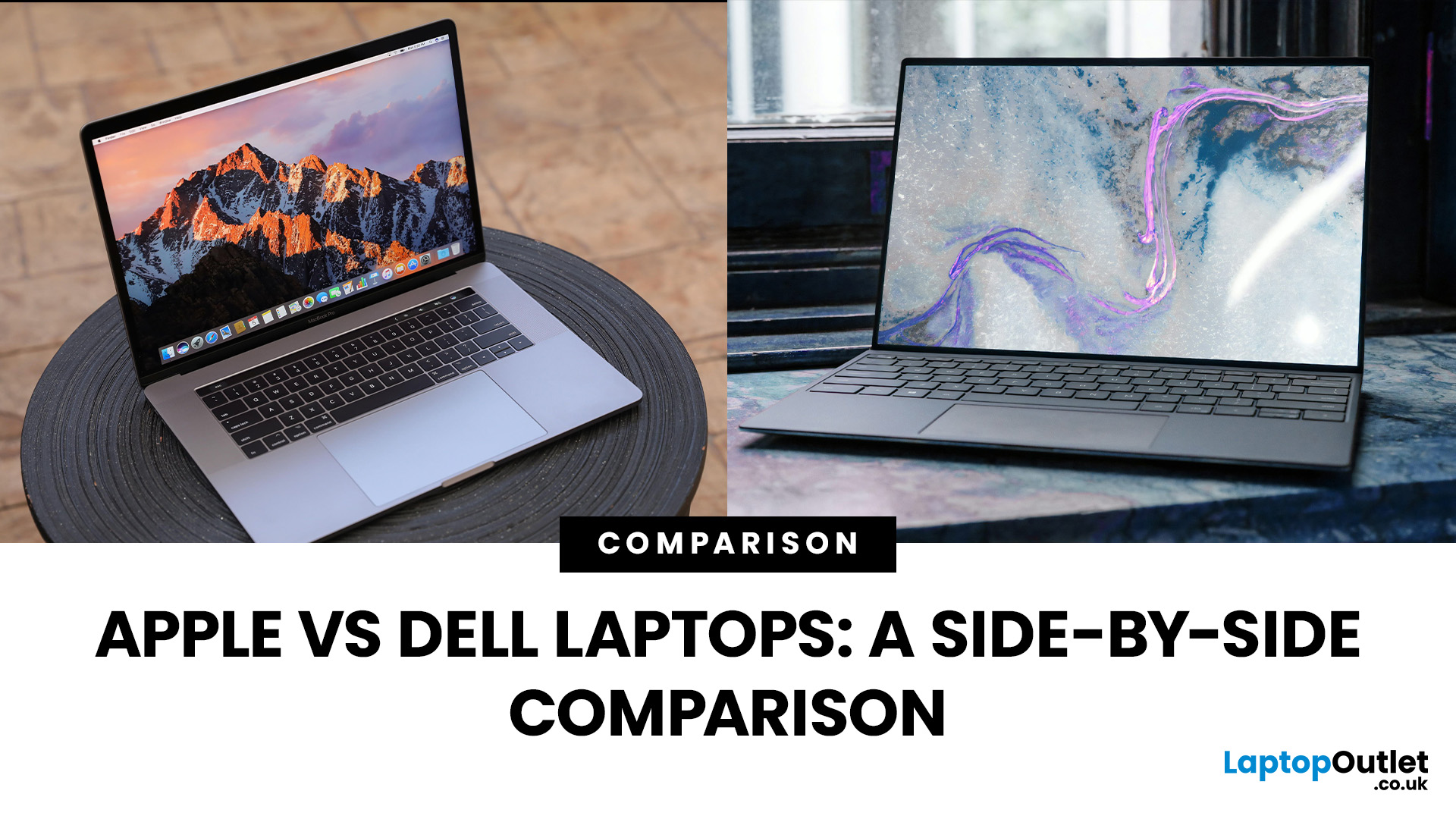
Choosing between Apple vs Dell laptops in 2025 is less about which brand is “better” overall and more about which suits your needs best. Apple’s MacBooks are known for their premium build, exceptional battery life, and smooth macOS ecosystem, while Dell offers a wider range of laptops—from affordable everyday machines to high-end XPS ultrabook delivering flexibility, Windows compatibility, and value across budgets. This comparison breaks down the key differences in performance, design, battery life, displays, and pricing to help you decide which brand delivers the right balance for your work or personal use.
What’s the Main Difference Between Apple and Dell?
Apple (MacBook Air/Pro) focuses on seamless macOS integration, class-leading battery life, and quiet, efficient performance on Apple silicon (M-series). Hardware is premium, but upgrades/ports are limited, and prices skew higher. On the other hand, Dell (XPS/Inspiron/Latitude/Alienware) offers a wider spread from budget to premium with Windows flexibility, varied ports, and strong mid-range value.
Apple vs Dell Laptops: Feature Comparison Table
|
Category |
Apple (MacBook Air/Pro) |
Dell (XPS / Inspiron / Latitude) |
|
Design & Build |
Premium aluminium, minimalist, very light |
Premium (XPS) to practical (Inspiron); wide materials/finishes |
|
Performance |
M-series chips: fast, cool, efficient |
Latest Intel/Qualcomm platforms; praised for speed |
|
Battery life |
Air 13-inch M3: 15h13m; Pro 14-inch M3: 14h+. |
XPS 13: “exceptional battery life”; Inspiron 14 Plus lauded for endurance. |
|
Display quality |
Excellent colour-accurate Retina/Liquid Retina panels |
Bright, sharp panels on XPS; Inspiron varies by spec |
|
Ports & upgrades |
Mostly USB-C/Thunderbolt; no user-upgradeable RAM/SSD |
More variety across ranges; some models offer more ports |
|
OS & apps |
macOS with seamless ecosystem (iPhone/iPad) |
Windows 11 with widest software and peripheral support |
|
UK pricing (typical RRP) |
MacBook Air (M3) from around £1,099 (Apple UK). |
XPS 13 commonly £1,300–£1,600; Inspiron lines frequently far lower depending on config and promos. |
1) Performance & Everyday Experience
- Apple: M-series chips deliver strong single-core and multi-core performance with minimal fan noise, instant wake, and consistent speed in creative and office apps. The experience is polished and stable across macOS. If you need quiet power and pro-app optimisation, Apple is the better choice for professionals.
- Dell: XPS models with the latest platforms are genuinely quick. Inspiron 14 Plus is “surprisingly brilliant” for the money, offering excellent performance for mainstream users. However, if you value raw value and Windows flexibility, Dell could be the right fit.
2) Battery Life & Portability
- Apple: MacBook Air 13-inch (M3) lasted 15 hours 13 minutes in Tom’s Guide’s web test; the 14-inch MacBook Pro (M3) cleared 14 hours - both impressive for real-world travel days. If you need the most consistent all-day endurance, Apple is the better choice for road warriors.
- Dell: The 2024 XPS 13 is also praised for exceptional battery life, and several mid-range Inspiron models deliver long runtimes. Battery can vary more across Dell’s broad catalogue, but the best examples compete closely. However, if you value long life with broader configuration choice and pricing, Dell could be the right fit.
3) Display & Media
- Apple: Retina/Liquid Retina displays are colour-accurate and bright, favoured by photographers and video editors who need reliable out-of-the-box colour. If colour accuracy and consistent quality matter most, Apple is the better choice for creators.
- Dell: XPS panels are bright and sharp and can be configured high-res or OLED; Inspiron screens vary by price/spec, sometimes prioritising value. However, if you value choice (OLED/high-refresh/price tiers), Dell could be the right fit.
4) Ports, Upgrades & Connectivity
- Apple: Modern MacBooks lean on USB-C/Thunderbolt. You’ll likely rely on hubs for HDMI/USB-A. Storage and RAM are not user-upgradeable. If you’re happy with a minimalist port layout and planning your spec upfront, Apple is the better choice for simplicity.
- Dell: Depending on series, you’ll often find more varied I/O (USB-A, HDMI on some Inspiron/Latitude) and, in certain business models, better serviceability. However, if you value out-of-box port variety and occasional user serviceability, Dell could be the right fit.
5) Operating System & Ecosystem
- Apple: macOS is tightly integrated with iPhone/iPad (AirDrop, Messages, Continuity), which can save hours in creative and comms workflows. If you live in the Apple ecosystem or use mac-optimised apps, Apple is the better choice.
- Dell: Windows 11 offers the broadest app support, enterprise tools, and peripheral compatibility plus easier paths for niche software. However, if you value Windows familiarity, legacy compatibility, and IT flexibility, Dell could be the right fit.
6) Pricing & Value in the UK
- Apple: Upfront prices are higher and discounts are modest; residual values are strong. Apple UK lists the MacBook Air (M3) from around £1,099. If total ownership value and longevity matter, Apple is the better choice for some buyers.
- Dell: A broader ladder of prices from very accessible Inspiron deals to premium XPS. UK promos frequently reduce mid-range models significantly. However, if you value headline specs per pound and frequent discounts, Dell could be the right fit.
Pros & Cons
|
Brand |
Pros |
Cons |
|
Apple (MacBook) |
Class-leading battery life Quiet Efficient performance Superb displays Seamless macOS ecosystem Strong resale value |
Higher entry price Limited ports No user-upgradeable RAM/SSD |
|
Dell (XPS/Inspiron) |
Wide price range Windows flexibility Strong mid-range value XPS has excellent performance & battery Generally more ports/configs |
Display/finish can vary on cheaper lines Battery life varies by spec Premium XPS can be pricey |
Final Advice
If you want long battery life, premium build, and seamless macOS integration, Apple’s MacBooks are the stronger choice—especially for creative professionals or those already in the Apple ecosystem. If you need flexibility, wider pricing options, more ports, and Windows compatibility, Dell offers better value across a broader range, from budget-friendly machines to high-end ultrabooks.
In short: MacBooks for premium polish and ecosystem synergy; Dell laptops for versatile value and choice across budgets.
FAQs
Are MacBooks really better for battery life than Dell laptops?
Often, yes. Independent tests show the MacBook Air 13-inch (M3) at 15h+ and the MacBook Pro 14-inch (M3) at 14h+. Top Dell ultrabooks like the XPS 13 also post exceptional battery life, but results vary more across Dell’s wider range.
Which brand offers better value in the UK?
Dell typically offers a wider pricing ladder and more frequent discounts (especially on Inspiron), while Apple holds value well over time. Check UK promos before buying.
Is Apple or Dell better for creatives?
For colour-critical work and apps tuned for macOS, Apple is a strong pick. Dell is excellent if you need Windows-only tools or prefer a specific display spec (e.g., OLED) at a lower price.
Do MacBooks have enough ports?
MacBooks focus on USB-C/Thunderbolt. You may need a hub. Many Dell models (particularly outside XPS) include USB-A/HDMI for easier legacy connectivity.
What about business and IT manageability?
Dell’s business-class lines (Latitude/Precision) add manageability and serviceability features; Apple offers centralised management via Apple Business Manager and MDM profiles. Choose the platform your IT stack supports best.
Summary
In 2025, Apple vs Dell laptops is a choice between Apple’s efficiency, battery life, and tight macOS ecosystem versus Dell’s broader price range, Windows flexibility, and strong value in mid-range and business lines. Apple MacBooks (M-series) deliver excellent performance and endurance; Dell laptops (XPS and Inspiron)balance features, price, and portability often with more ports and configuration choices.
Related Articles

Last Updated: July 16, 2025
Last Updated: July 01, 2025
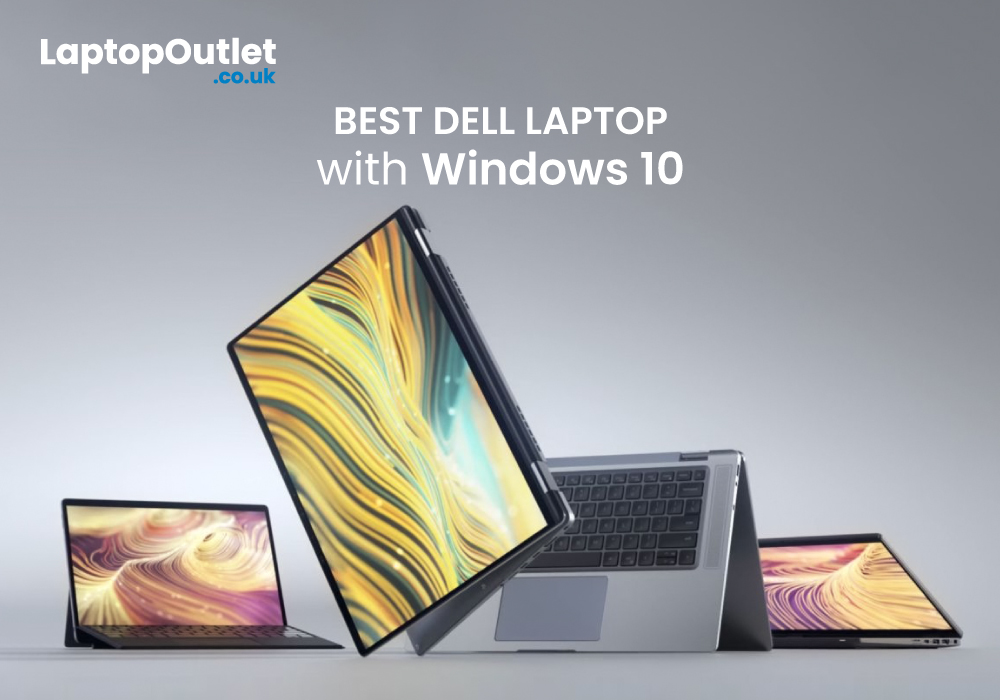
The Microsoft owned Windows platform is one of the most popular operating systems, holding a whopping 76% market share as for November 2022. Windows has achieved this much popularity by targeting normal everyday users who mainly prefer a platform providing productivity-packed tools rather than targeting security.
On the other hand, Dell is one of the largest technology brands and counts for more than 18% of global PC shipments. Dell laptops are specifically popular for providing reliable and long-lasting performance at quite affordable price tags. While the icing on the cake is the excellent customer support which Dell always provides for its customers.
Top Dell Laptops with Windows 10
If you are looking for a laptop to cater to your day-to-day tasks without costing you a hefty amount of money, then a Dell laptop with Windows 10 OS is one of the best options to go for. Dell Windows laptops come packed with a range of state-of-the-art features to elevate your user experience.
Let’s
Last Updated: April 03, 2026
Are you looking for power and durability packed in a single device? Fortunately, this article has got you covered!
Whether you are a student taking your laptop on the bus or an engineer who uses a computer in a construction site, it is crucial to have a laptop that can handle this all efficiently and effectively. Not every computer is designed to withstand extreme temperatures, dust, water, drops, and daily bumps. Thankfully, many laptop brands, such as Dell, have started to pass their devices against military durability standards.
These laptops are slim, lightweight, and designed to stay productive during the worst environments, including extreme weather, accidents, spills, rain, spray, dust, and dirt.
The endurance and capability of Dell rugged laptops make them a top-notch choice for every type of user, like hospital workers, first responders, armed forces, industrial workers, farm workers, and industry workers.
So, to help you decide , we have tested and reviewed the best
Last Updated: December 12, 2025
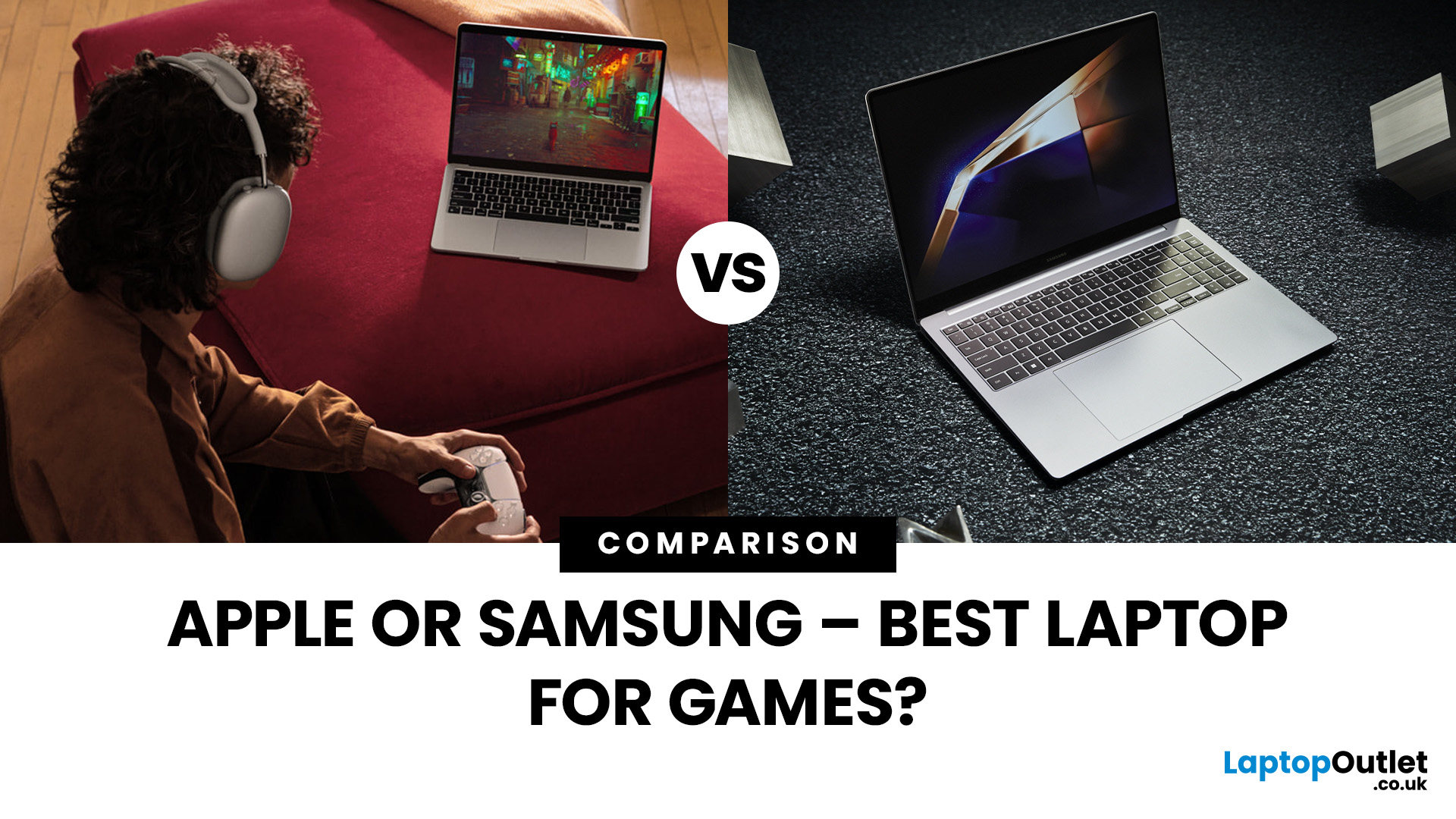
Are you in the market for a new gaming laptop and wondering what to choose between Samsung or Apple?
If you're even remotely familiar with the gaming arena, then you've no doubt heard of two big names which emerged as frontrunners in the high-stakes race of gaming laptops: Samsung and Apple. The latest Samsung models are super thin and ultraportable, and gaming on them may be mediocre if you stick to older titles. On the other hand, Apple laptops are technically suitable for demanding tasks like video editing and creative design as they have powerful CPUs, but the price may dig a big hole in your pocket. So, what to choose?
To provide you with a definitive answer, this guide covers everything from hardware and performance to laptops' design and user experience.
So, let's get started!
Samsung Laptops (Window-Based)
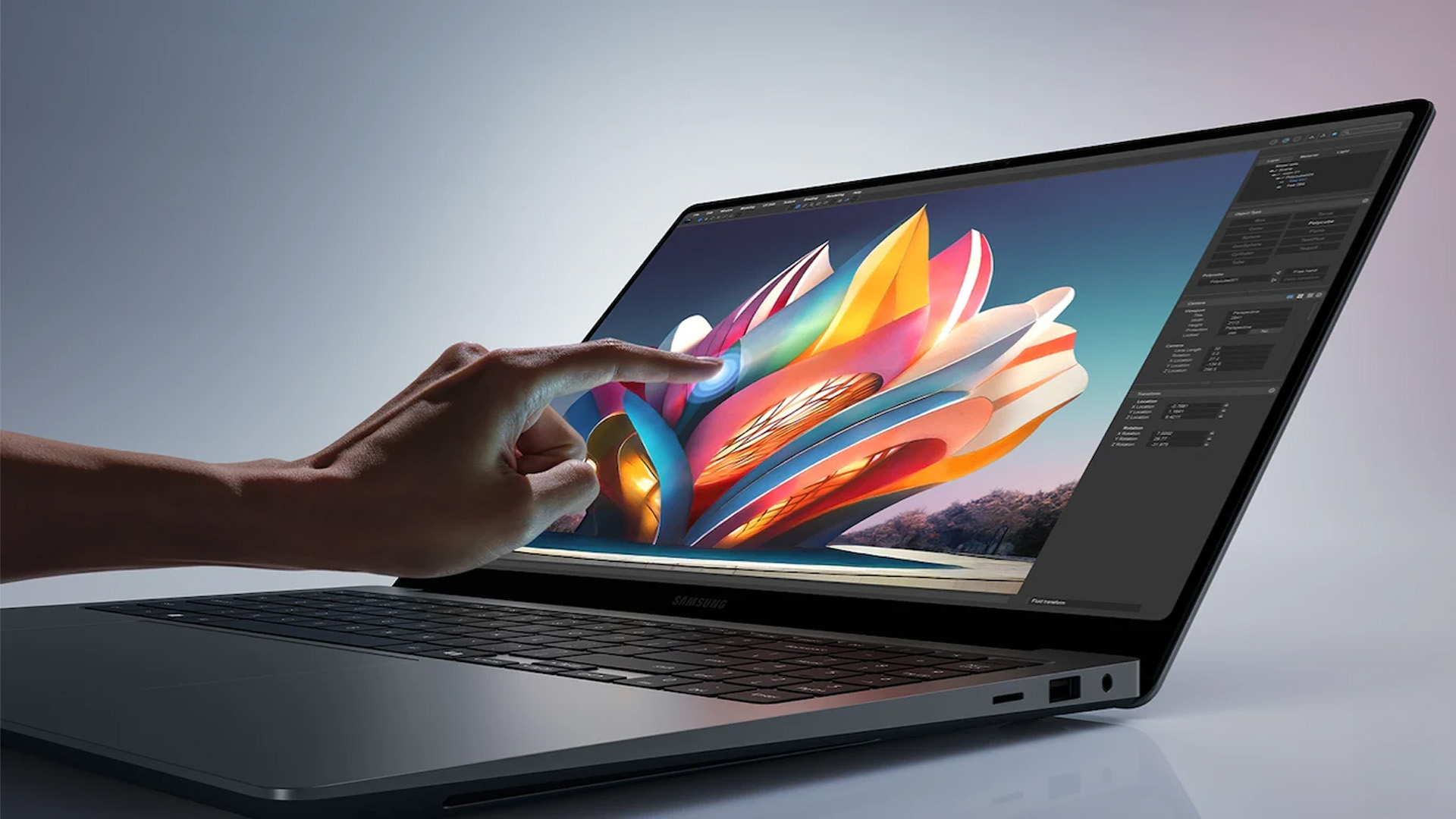
Samsung stands out among the top leading electronics brands in the world. Their laptops are best known for their innovative designs, spectacular build quality, colour-accurate

