


Refurbished OPPO Find X8 Pro 512GB 16GB RAM 6.7" QHD+ AMOLED 5G ColorOS Smartphone



Secure Payment

Free UK Shipping

Easy Return
SKU: CPH2659-Black-CG




OPPO Find X8 Pro Smartphone
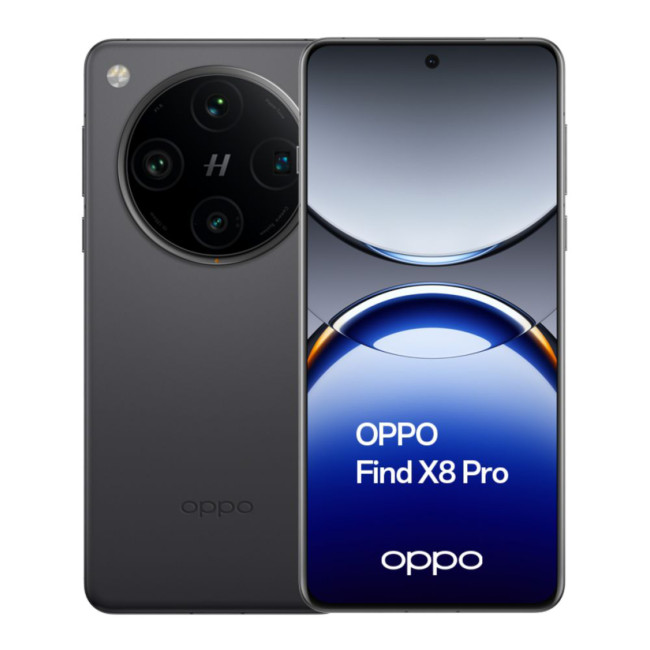
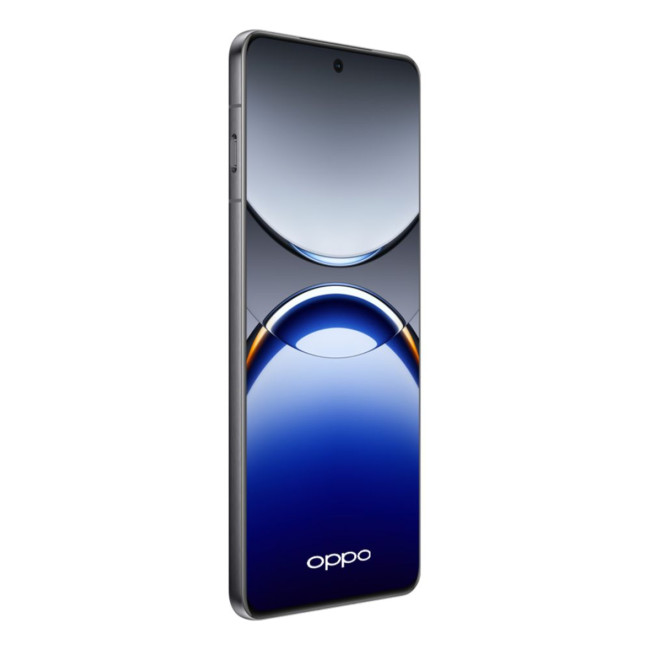
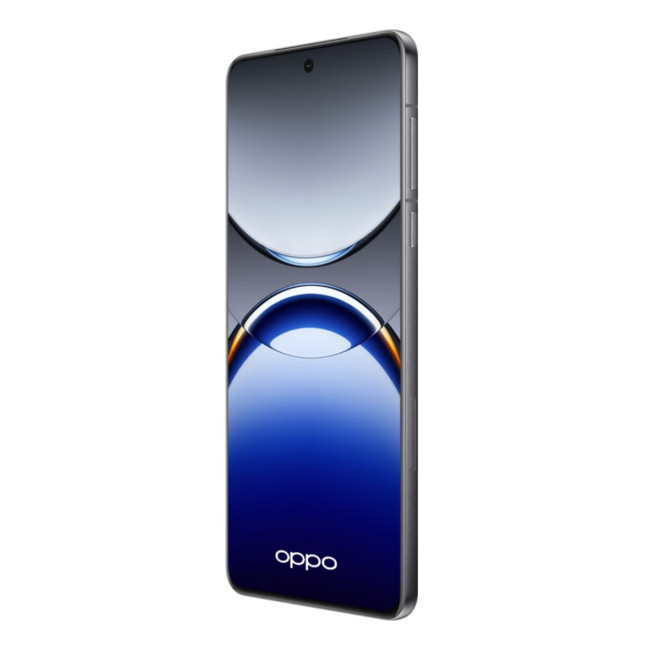
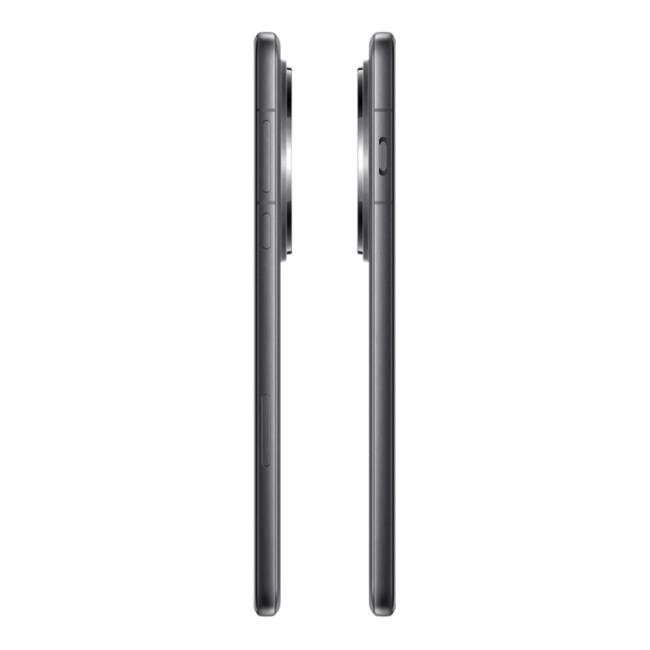
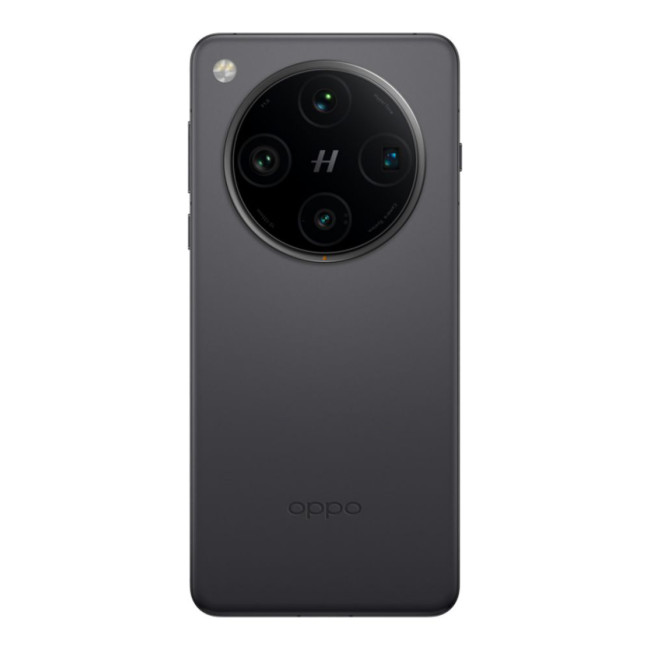
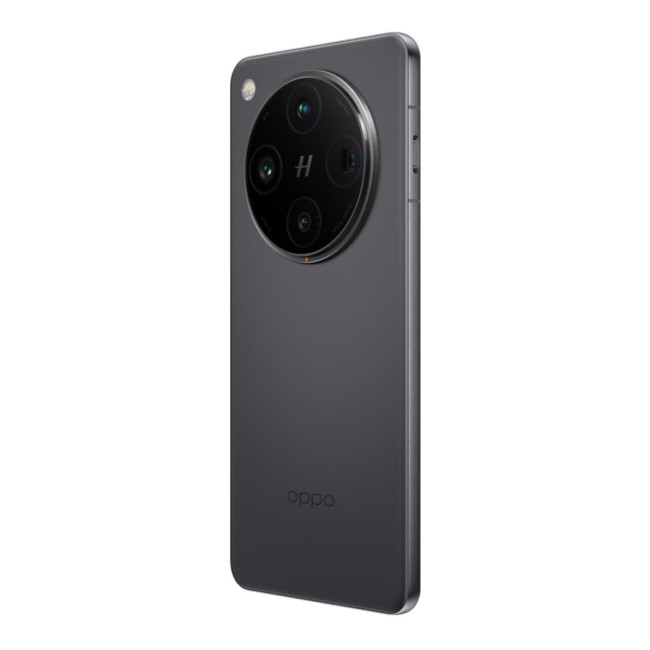
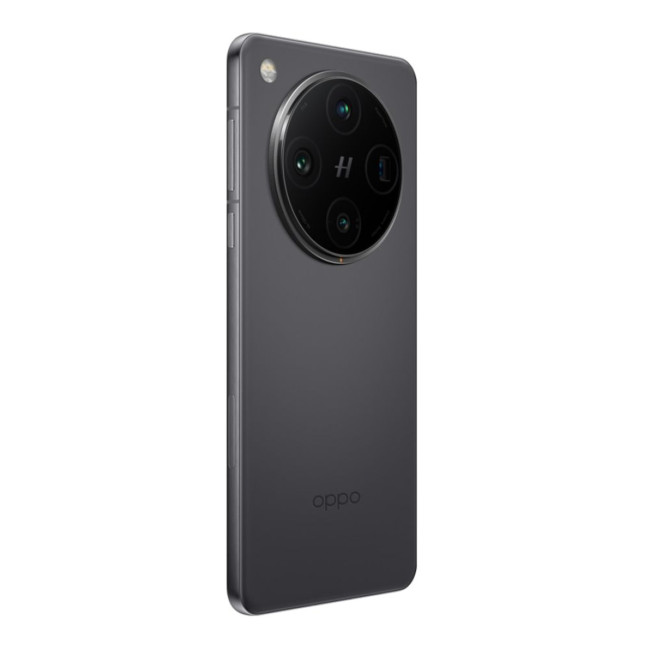
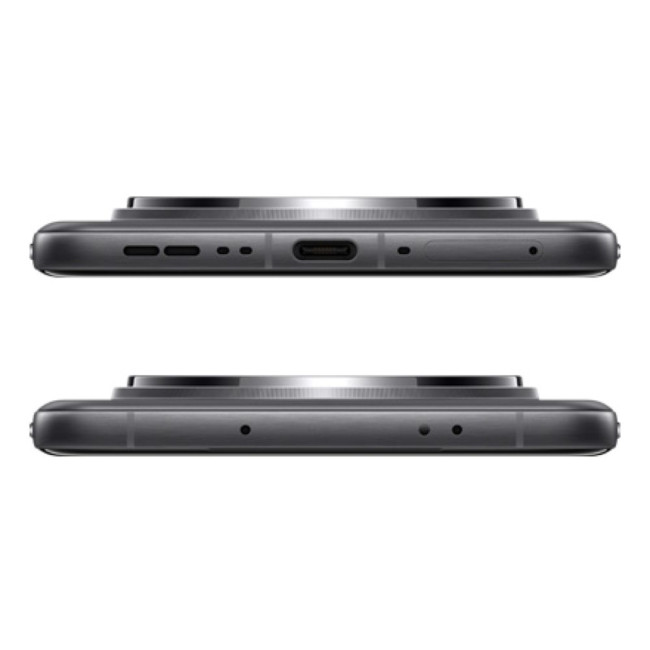
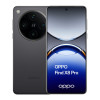
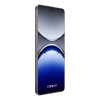
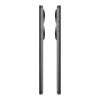
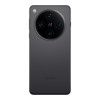
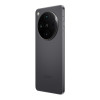
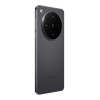
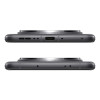
The OPPO Find X8 Pro is structured as a high-end smartphone that blends a refined exterior with a modern design approach. Its form reflects a balance between slimness and durability, with materials arranged to create a clean and minimal appearance. The device is designed to sit comfortably in hand while maintaining a premium look. Attention is given to the placement of buttons, camera housing, and overall symmetry, contributing to a cohesive structure. This design direction focuses on consistency and usability rather than bold or experimental styling choices.
Display and Visual Interaction
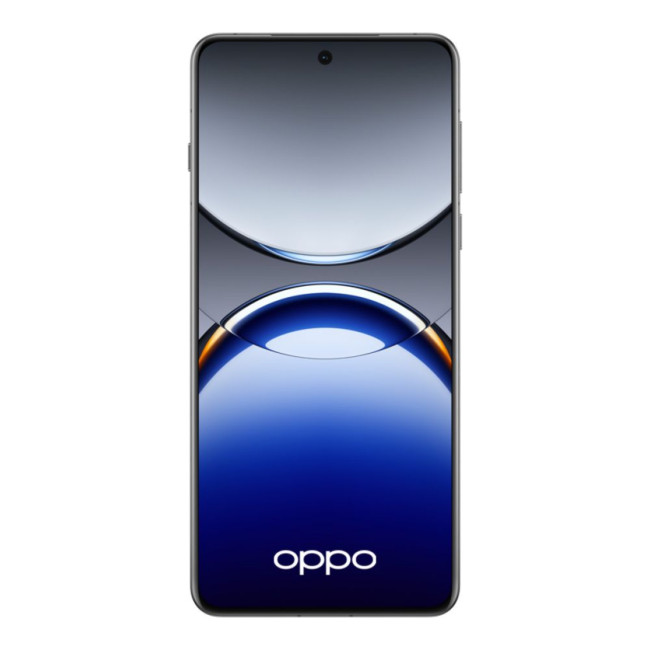
The smartphone features a large display designed to support immersive viewing, with high resolution and smooth refresh rate capabilities depending on configuration. The screen structure emphasizes clarity and responsiveness, making it suitable for browsing, streaming, and general interaction. Color reproduction and brightness levels are arranged to adapt across different lighting conditions. The inclusion of advanced panel technology suggests a focus on visual depth and smooth transitions. These aspects are described in a neutral manner, allowing users to interpret how the display aligns with their everyday usage patterns.
Processing and Internal Platform
The device is built around a modern mobile chipset platform, structured to handle multitasking, application management, and background processes efficiently. This setup integrates CPU, GPU, and AI-related components into a unified system, reflecting current smartphone architecture trends. The internal configuration is arranged to support a wide range of applications, from everyday tasks to more demanding mobile workloads. The focus remains on how the platform is organized rather than defining specific performance levels, allowing flexibility in how it may be perceived in different usage scenarios.
Camera System and Imaging Approach
The OPPO Find X8 Pro includes a multi-camera system designed to capture images across various conditions. The arrangement typically features multiple lenses, each structured for different focal lengths and shooting styles. Image processing is supported by software enhancements that contribute to clarity and detail. The camera module is integrated into the overall design, maintaining visual consistency with the device body. These elements are presented without claims, focusing on the structure and versatility of the imaging system rather than guaranteeing specific photographic results.
Memory, Storage, and Software Environment
The smartphone offers different memory and storage configurations, supporting multitasking and file management across applications. RAM is structured to handle simultaneous processes, while internal storage provides space for media, apps, and system data. The device operates on a customized software interface layered over the Android platform, offering a structured user experience with various features and settings. The combination of hardware and software is designed to create a cohesive environment, described in a neutral tone without suggesting fixed outcomes or performance expectations.
Battery and Connectivity Features
The device includes a built-in battery designed to support daily usage depending on activity levels and settings. Charging capabilities may include wired and wireless options, structured to align with modern smartphone standards. Connectivity features include support for 5G networks, Wi-Fi, Bluetooth, and positioning systems. Additional elements such as sensors and security features are integrated into the overall system. These aspects are outlined in a general and humanized way, allowing users to consider how the smartphone fits into their routine without making specific claims.
| Condition | |||||||||||
|---|---|---|---|---|---|---|---|---|---|---|---|
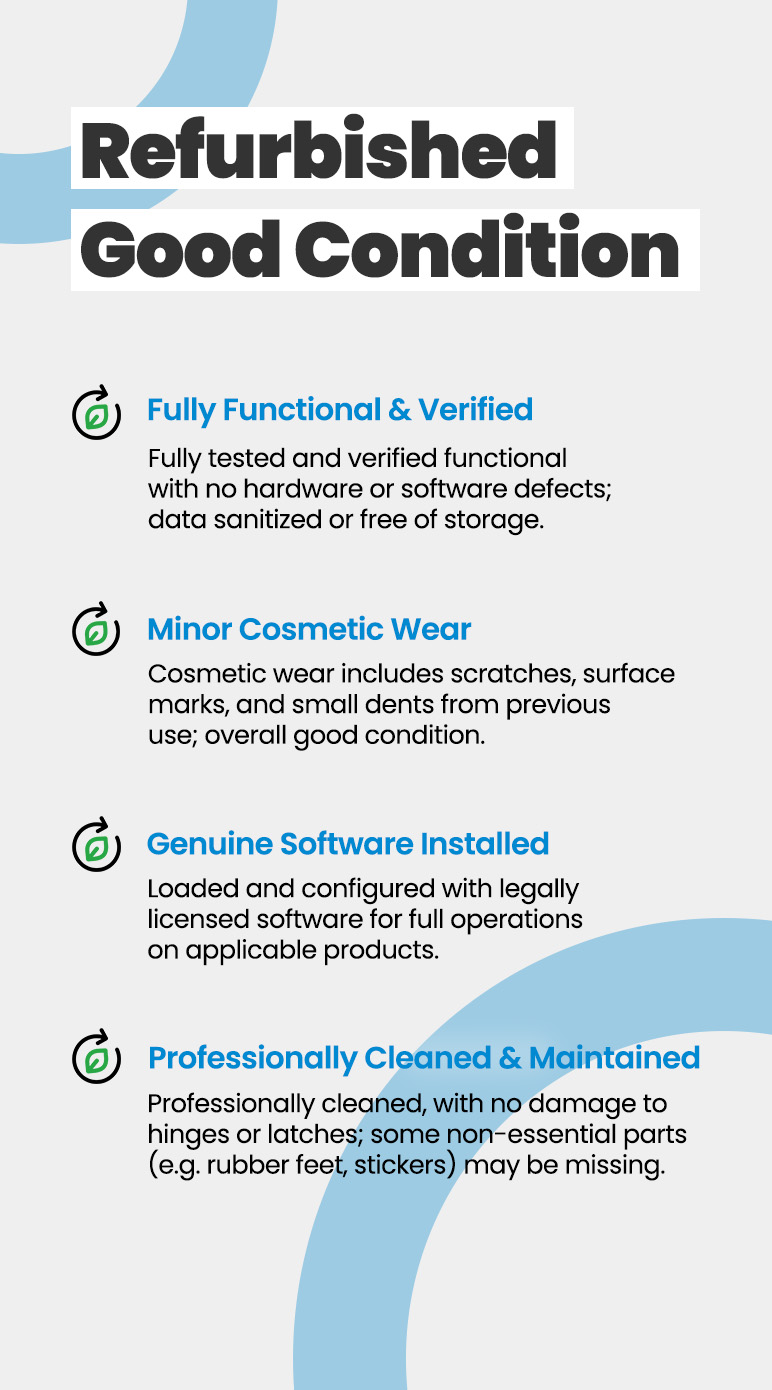
| Condition | Refurbished - Good | ||||||||||
| Product Identifiers | |||||||||||
| Sku | CPH2659-BLACK-CG | ||||||||||
| MPN | CPH2659-Black | ||||||||||
| EAN | 6932169356770 | ||||||||||
| Type | Smartphone | ||||||||||
| Form Factor | Bar | ||||||||||
| Brand | OPPO | ||||||||||
| Series | Find X | ||||||||||
| Model | Find X8 Pro | ||||||||||
| Processor | |||||||||||
| Processor | MediaTek | ||||||||||
| Type | MediaTek | ||||||||||
| Model | Dimensity 9400 | ||||||||||
| Core Count | 8 | ||||||||||
| General | |||||||||||
| Weight | 100 | ||||||||||
| Warranty | 1 Year | ||||||||||
| Colour | Space Black | ||||||||||
| Item Weight | 210 g | ||||||||||
| Dimensions | (WxDxH) 162.23 mm x 76.67 mm x 8.25 mm | ||||||||||
| Connectivity | |||||||||||
| Connectivity | USB-C | ||||||||||
| Display | |||||||||||
| Screen Size | 6.78" | ||||||||||
| Touchscreen | Yes | ||||||||||
| Display Type | QHD+ | ||||||||||
| Refresh Rate | 120 Hz | ||||||||||
| Maximum Resolution | 1264 X 2780 | ||||||||||
| Screen Shape | Bar | ||||||||||
| Memory (RAM) | |||||||||||
| Ram Size | 16 GB | ||||||||||
| Ram | 16 GB | ||||||||||
| Storage | |||||||||||
| Storage Capacity | 512 GB | ||||||||||
| Ports & Interfaces | |||||||||||
| Connectivity | USB-C | ||||||||||
| Features | |||||||||||
| Front Camera Type | Single camera | ||||||||||
| Front Camera Resolution | 32 MP | ||||||||||
| Rear Camera Type | Quad camera | ||||||||||
| Rear Camera Resolution | 50 MP | ||||||||||
| Second Rear Camera Resolution | 50 MP | ||||||||||
| Third Rear Camera Resolution | 50 MP | ||||||||||
| Fingerprint Sensor | Yes | ||||||||||
| Wireless Charging | Yes | ||||||||||
| Network | |||||||||||
| Mobile Network Generation | 5G | ||||||||||
| Wifi Standards | Wi-Fi 7 (802.11be) | ||||||||||
| SIM Card Slot | Dual SIM | ||||||||||
| SIM Card Type | Nano SIM + eSIM | ||||||||||
| Other Specifications | |||||||||||
| Operating System | ColorOS 15 | ||||||||||
| Warranty | 1 Year | ||||||||||
| Colour | Space Black | ||||||||||
| Model Information | |||||||||||
| Brand | OPPO | ||||||||||
| Model | Find X8 Pro | ||||||||||
Loading...