


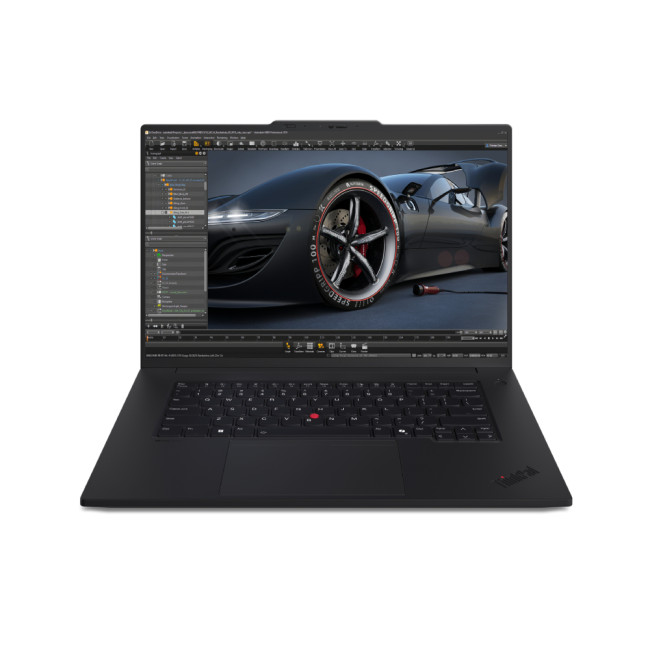
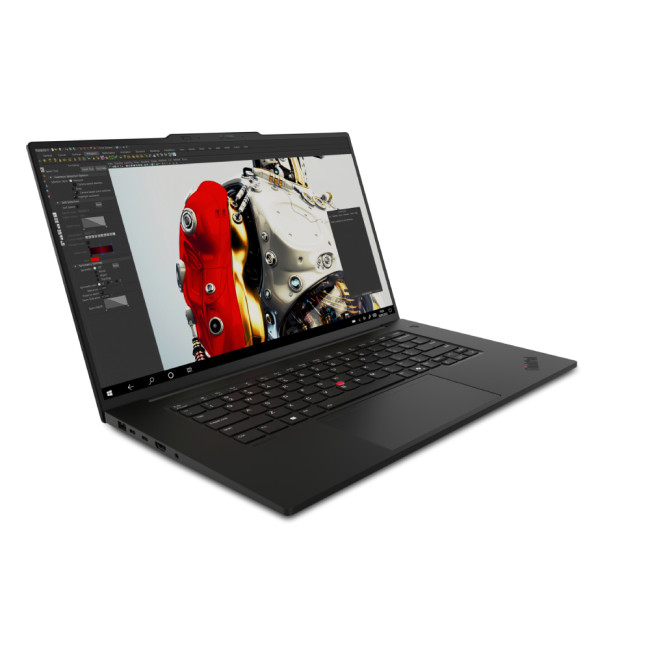
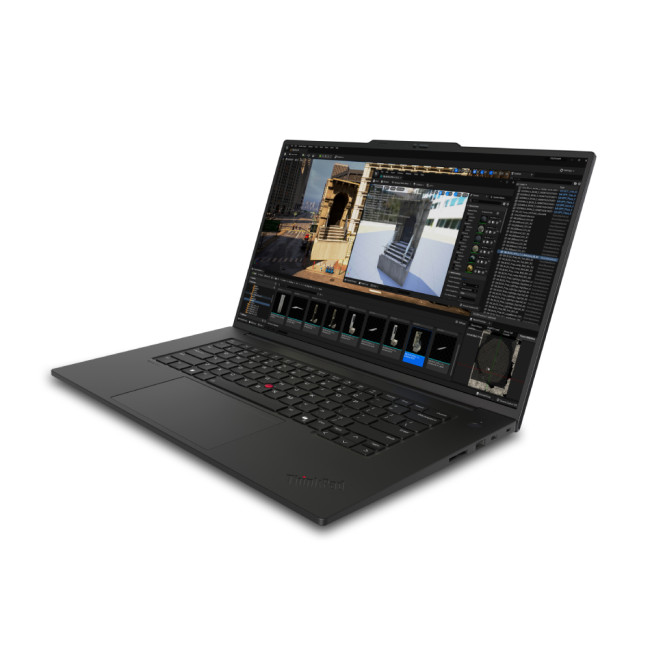
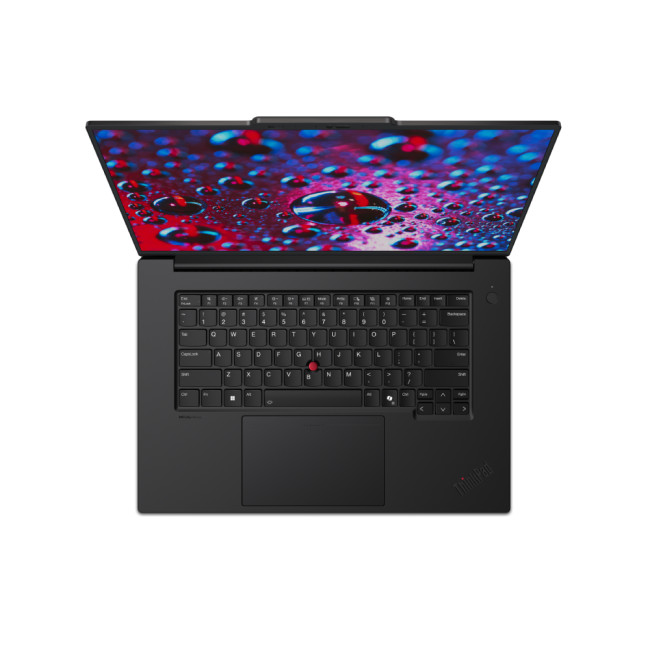
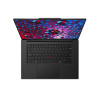
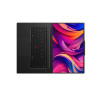
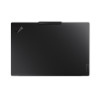
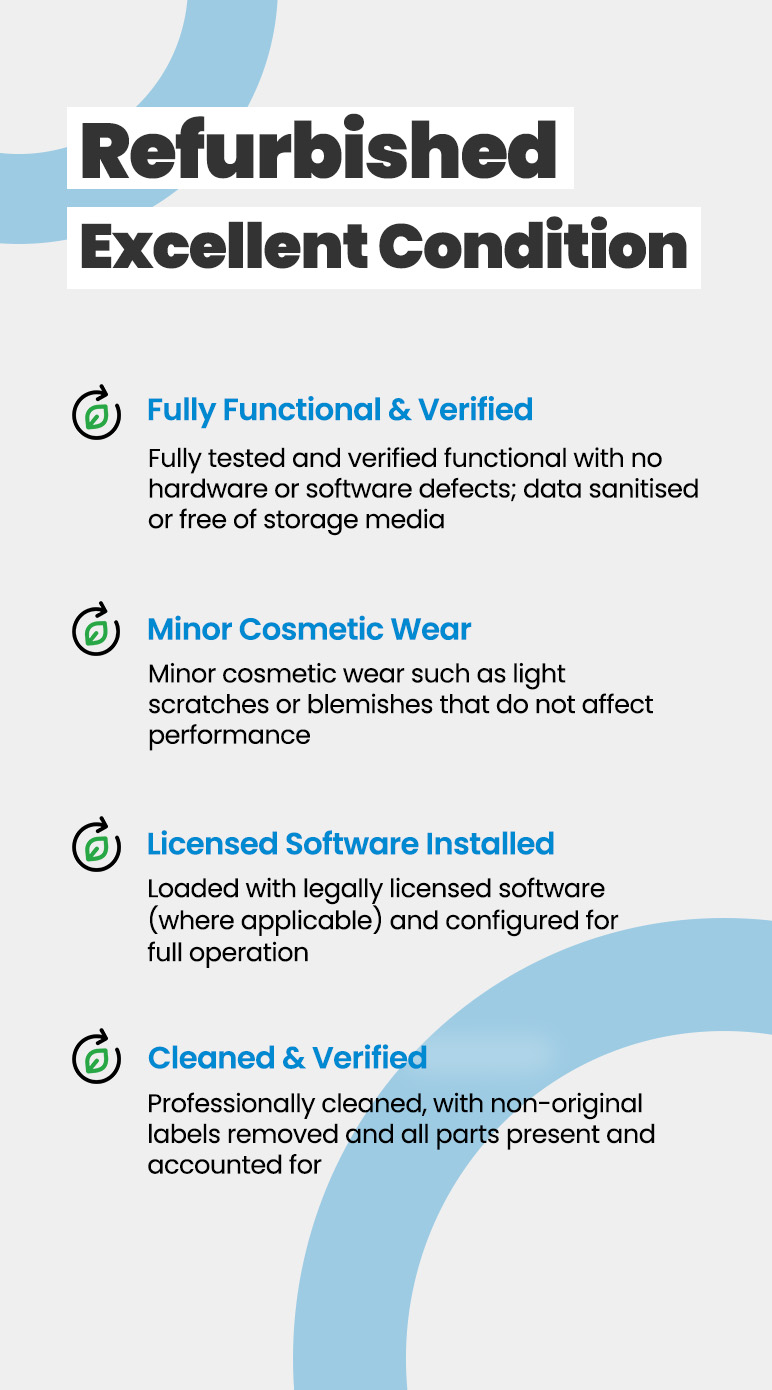
Refurbished Lenovo ThinkPad P1 Gen 7 Intel Core Ultra 7 155H 64GB RAM 1TB SSD 16" RTX 2000 ada Windows 11 Pro Business Laptop



Secure Payment

Free UK Shipping

Easy Return
SKU: 21KVS29B00-AG




Lenovo ThinkPad P1 Gen 7 (16-inch, Intel) Mobile Workstation
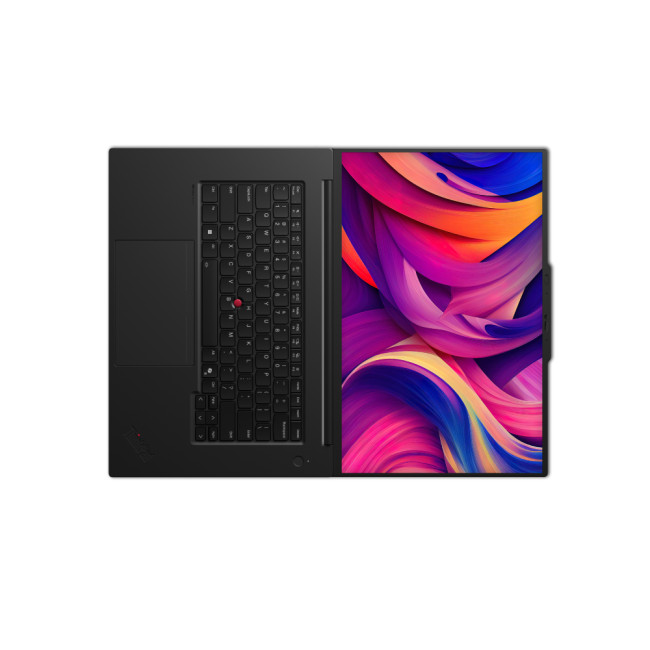
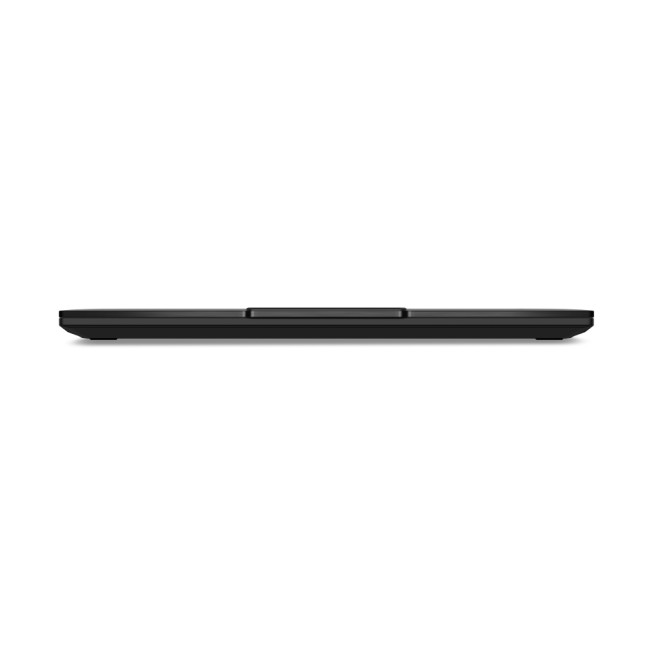
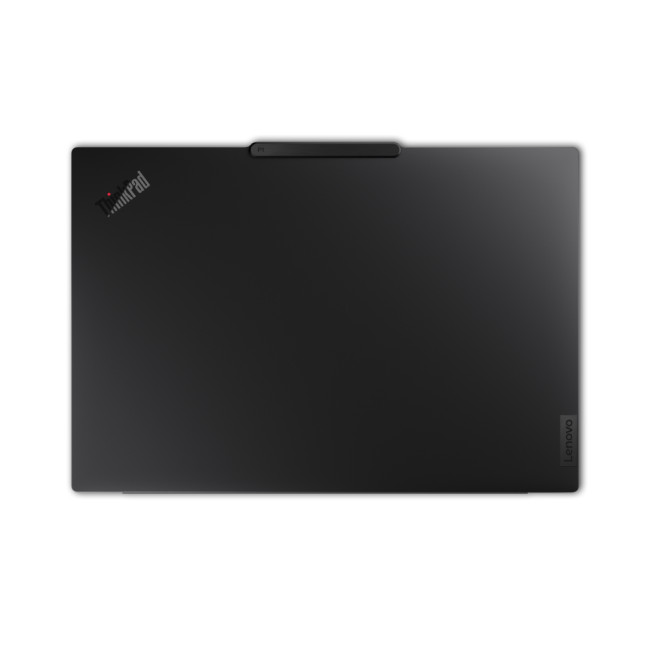
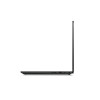
The Lenovo ThinkPad P1 Gen 7 is presented as a premium mobile workstation with a 16-inch form factor, designed to combine portability with a larger working area. Its structure follows the familiar ThinkPad design language, featuring a clean, minimal exterior with a slim yet solid build. The chassis appears refined while maintaining durability, making it suitable for professional environments as well as mobile setups. Despite its larger screen size, the device is structured to remain relatively portable, allowing it to fit into workflows that involve both desk-based and on-the-go usage.
Display and Visual Experience
This model includes a 16-inch display with multiple configuration options, including high-resolution panels that may extend beyond standard levels depending on the setup. IPS and OLED variants are referenced, offering differences in color representation and contrast. The screen is designed to support detailed visuals for tasks such as content creation, design work, and general productivity. Anti-glare properties and brightness levels are structured to maintain visibility in different lighting conditions. These features are outlined neutrally, allowing users to interpret how the display aligns with their preferences.
Processing and Platform Configuration
The laptop is based on Intel Core Ultra processors, which include a hybrid architecture and integrated AI-related capabilities. These processors are paired with modern system components to support multitasking and professional workflows. The internal structure is arranged to handle a variety of computing tasks, including complex applications and everyday operations. This configuration reflects a modern platform that integrates CPU, GPU, and AI elements within a unified system. The details are presented without performance claims, focusing instead on how the hardware components are organized.
Graphics and Workstation Capabilities
Dedicated NVIDIA RTX graphics options are included in certain configurations, supporting visual processing for design, rendering, and other graphical workloads. Integrated graphics are also part of the platform, depending on the model. The workstation classification suggests compatibility with professional software environments, while maintaining a flexible approach to usage. The graphics setup is structured to handle different types of visual tasks, without emphasizing specific output levels. This balanced presentation allows users to consider how the system fits their particular requirements.
Memory, Storage, and Internal Structure
The ThinkPad P1 Gen 7 includes DDR5 memory options with varying capacities, supporting multitasking and data handling across applications. Storage is provided through PCIe NVMe solid-state drives, with configurations that may support higher capacities and expansion. The internal layout reflects a modern design approach, where components are arranged efficiently within a compact chassis. This structure allows for flexibility depending on configuration, while maintaining a streamlined system design. The information is presented clearly, focusing on availability and structure rather than specific usage outcomes.
Connectivity and Practical Usage
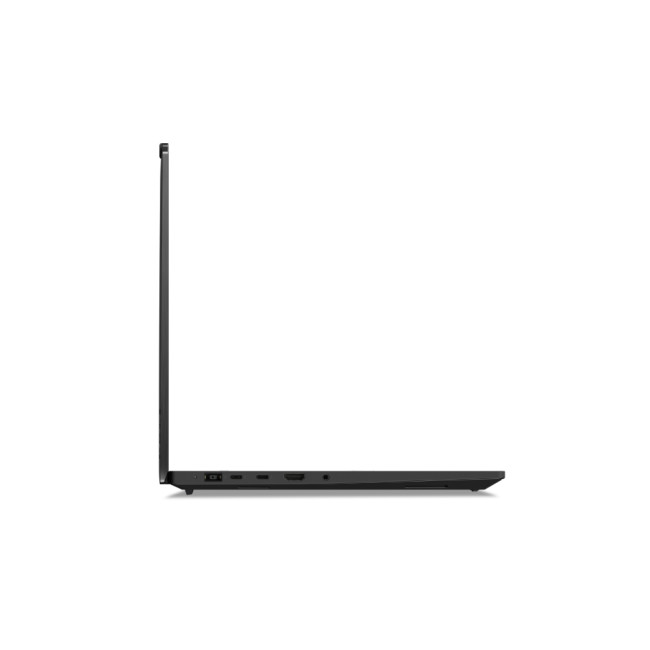
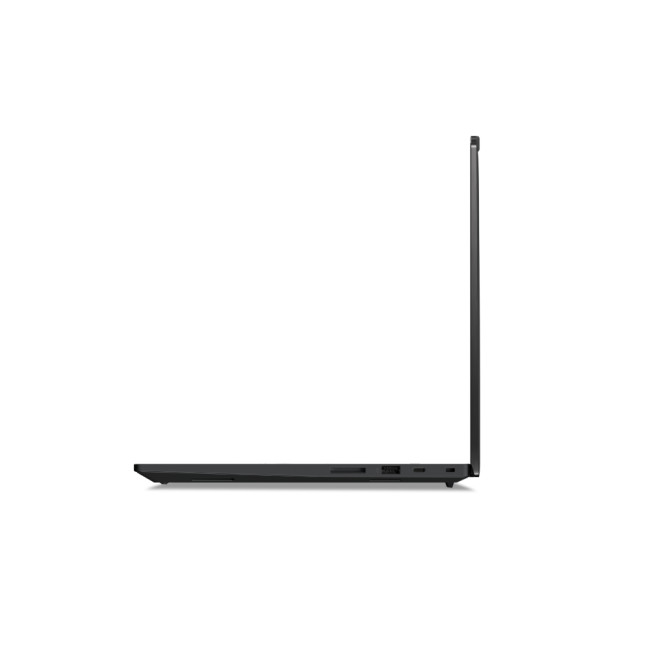
A wide range of connectivity options is included, such as Thunderbolt ports, USB-A interfaces, HDMI output, and support for wireless technologies like Wi-Fi and Bluetooth. Additional features such as a high-quality keyboard, webcam with privacy options, and security-related elements are part of the overall setup. The arrangement of these features supports integration into professional workflows and different working environments. The device is presented in a practical and neutral way, allowing users to determine how it fits into their daily usage without relying on fixed expectations.
| Processor | |||||||||||
|---|---|---|---|---|---|---|---|---|---|---|---|
| Processor | Intel Core Ultra 7 155H 16-Core (3.8GHz Intel Turbo Boost up to 4.8GHz) | ||||||||||
| Processor Family | Intel Core Ultra 7 | ||||||||||
| Processor Model | Intel Core Ultra 7 155H 16-Core | ||||||||||
| Processor Number | 155H | ||||||||||
| Processor Core Count | 16-Core | ||||||||||
| Processor Generation | Intel Core Ultra 7 Series 1 | ||||||||||
| Display | |||||||||||
| Screen | 16" | ||||||||||
| Screen Resolution | 2560 x 1600 | ||||||||||
| Display Type | IPS | ||||||||||
| Graphics | |||||||||||
| Graphics | Dedicated NVIDIA RTX 2000 Ada | ||||||||||
| Graphics Type | NVIDIA | ||||||||||
| Graphics Card Memory | 8 GB GDDR6 | ||||||||||
| Storage | |||||||||||
| Solid State Drive | 1 TB | ||||||||||
| Total Storage | 1 TB | ||||||||||
| RAM | |||||||||||
| RAM | 64 GB | ||||||||||
| Max RAM Capacity | 64 GB | ||||||||||
| Connectivity | |||||||||||
| Featured Connectivity | USB | USB-C | HDMI | Wi-Fi | Bluetooth | Audio Jack | SD Card Reader | ||||||||||
| Bluetooth | Bluetooth 5.4 | ||||||||||
| Wireless LAN | Wi-Fi 7 (802.11be) | ||||||||||
| USB Ports | 1x USB 3.2 Type-A, 1x USB 3.2 Gen 2 Type-C | ||||||||||
| Card Reader | SD Card Reader | ||||||||||
| Connections | USB | USB-C | HDMI | Wi-Fi | Bluetooth | Audio Jack | SD Card Reader | ||||||||||
| Operating System & Software | |||||||||||
| Operating System | Microsoft Windows 11 Pro | ||||||||||
| Camera | |||||||||||
| Integrated Webcam | Integrated Webcam with Microphone | ||||||||||
| Sound | |||||||||||
| Speakers | Integrated Stereo Speaker | ||||||||||
| Keyboard | |||||||||||
| Lighting | Backlit | ||||||||||
| Product Detail | |||||||||||
| Weight | 1.82 kg | ||||||||||
| Recommended For | Creating | ||||||||||
| Colour | Black | ||||||||||
| General Information | |||||||||||
| Warranty | 1 Year | ||||||||||
Loading...