


Refurbished HP ProBook 4 G1i AI Intel Core Ultra 5 225U 24GB RAM 512GB SSD 16" WUXGA Windows 11 Pro Laptop

Secure Payment

Free UK Shipping

Easy Return
SKU: CK8X1ET#ABU-AG




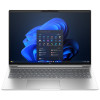
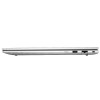
HP ProBook 4 G1i Notebook AI PC (16-inch, Intel Core Ultra 5 225U, 24GB RAM, 512GB SSD)
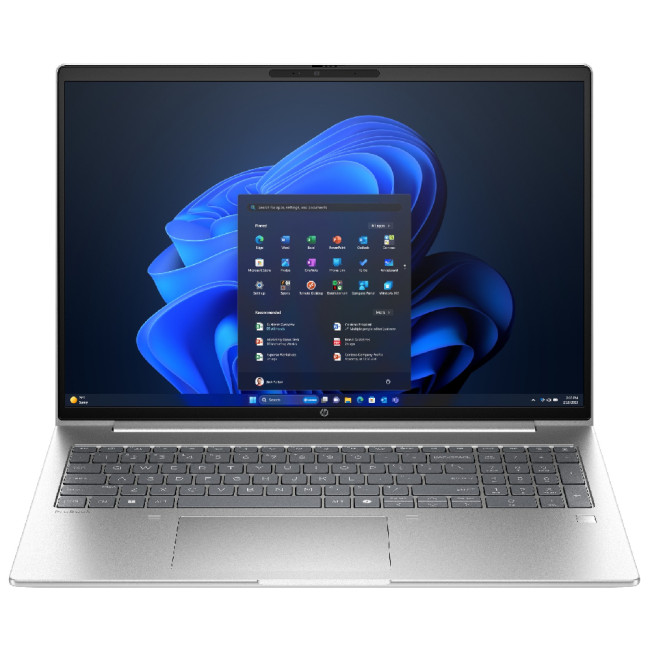
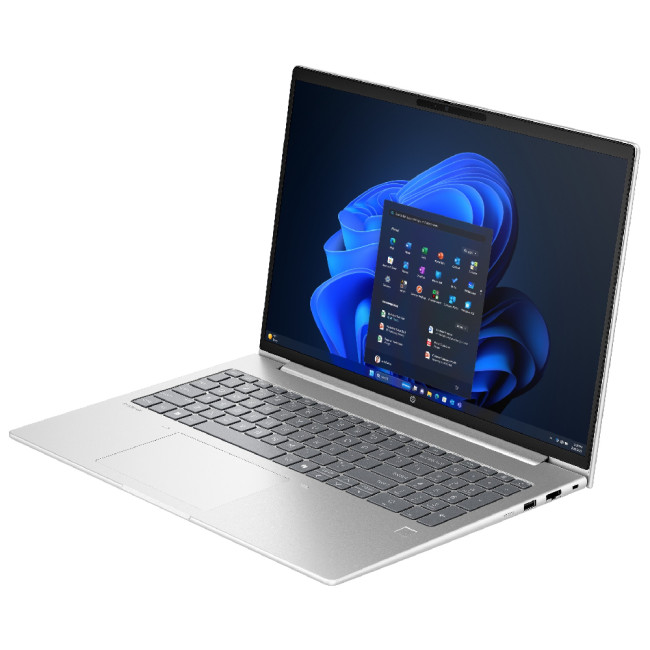
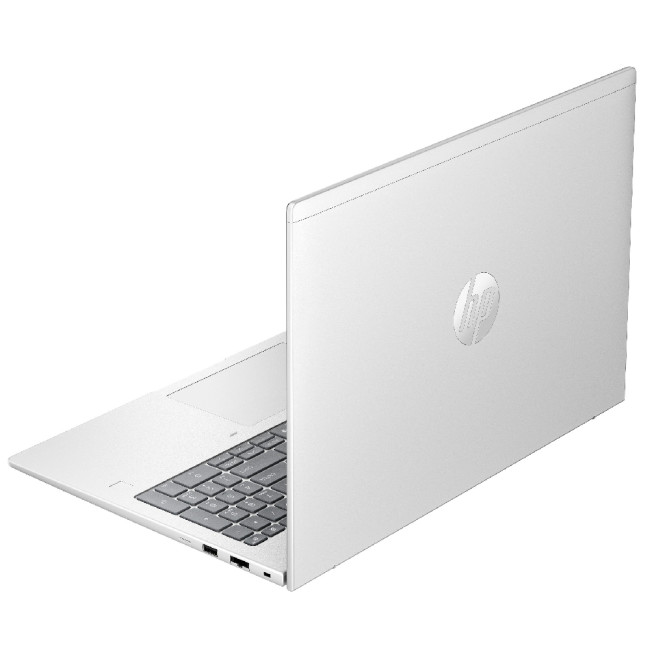
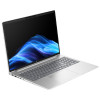
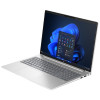
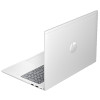
The HP ProBook 4 G1i is presented as a business-oriented laptop with a 16-inch form factor that provides a larger working area while maintaining a structured and professional design. Its exterior follows a clean and minimal approach, often associated with workplace environments. The chassis appears durable, with a layout that supports daily use across office or remote settings. Its size suggests it is best suited for desk-based work, though it can still be carried when needed. The overall build reflects practicality, focusing on usability rather than decorative design elements.
Display and Visual Characteristics
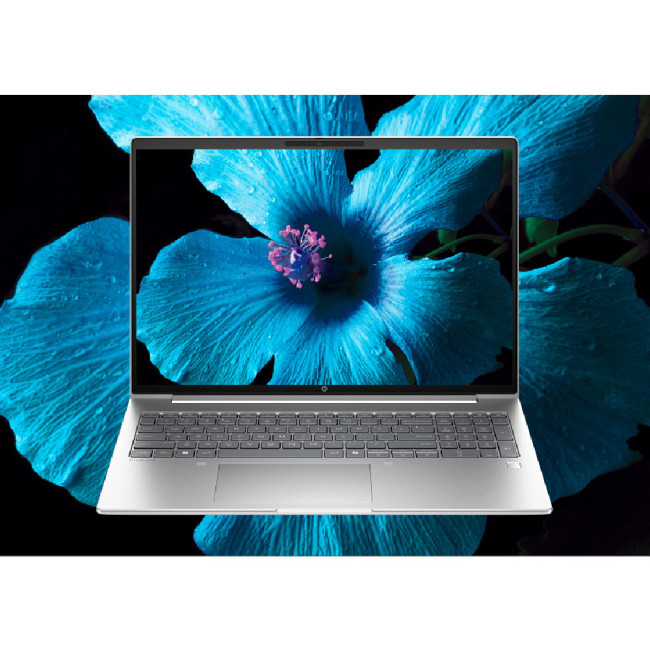
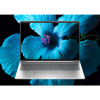
This model includes a 16-inch WUXGA display with a resolution of 1920 × 1200, offering a slightly taller viewing area compared to standard Full HD screens. The IPS panel is commonly associated with consistent viewing angles and stable color output. Brightness levels around 300 nits and an anti-glare coating help maintain visibility in different lighting conditions. The screen structure supports tasks such as document work, browsing, and general productivity. These features are outlined in a neutral manner, allowing users to interpret how the display fits into their workflow.
Performance and Processing Setup
The laptop is powered by an Intel Core Ultra 5 225U processor, which includes a hybrid core structure and integrated AI-related capabilities. This processor is paired with 24GB of DDR5 memory and a 512GB solid-state drive, forming a modern internal configuration. The setup is generally structured to handle multitasking, office applications, and general computing tasks. Integrated Intel graphics are included for handling visual workloads. These specifications are presented without performance claims, focusing instead on how the components are arranged within the system.
Storage, Memory, and Internal Design
The inclusion of DDR5 memory reflects a newer generation of system memory, supporting efficient multitasking and responsiveness. Storage is handled through a PCIe NVMe SSD, which is commonly associated with faster data access compared to traditional drives. The internal design may allow for upgrades in certain configurations, depending on the model. This structure supports flexibility for users who may need additional capacity over time. The information is presented clearly, focusing on how memory and storage are organized rather than defining specific performance expectations.
Connectivity and Functional Features
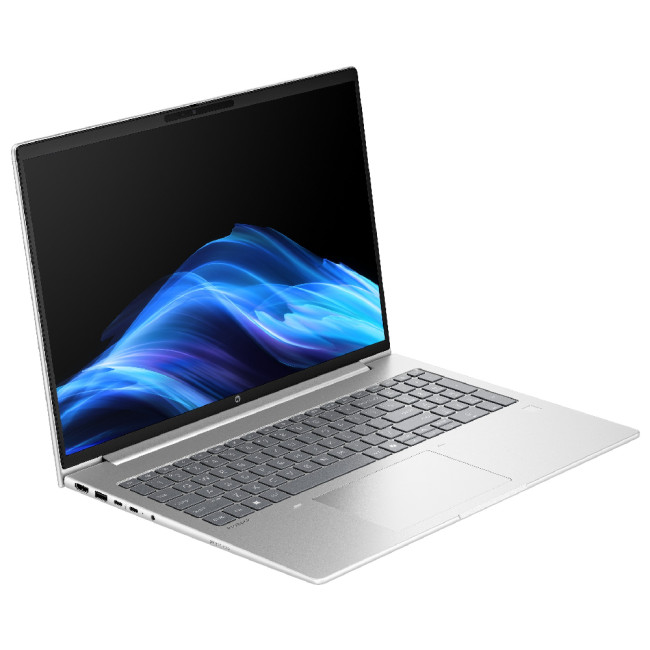
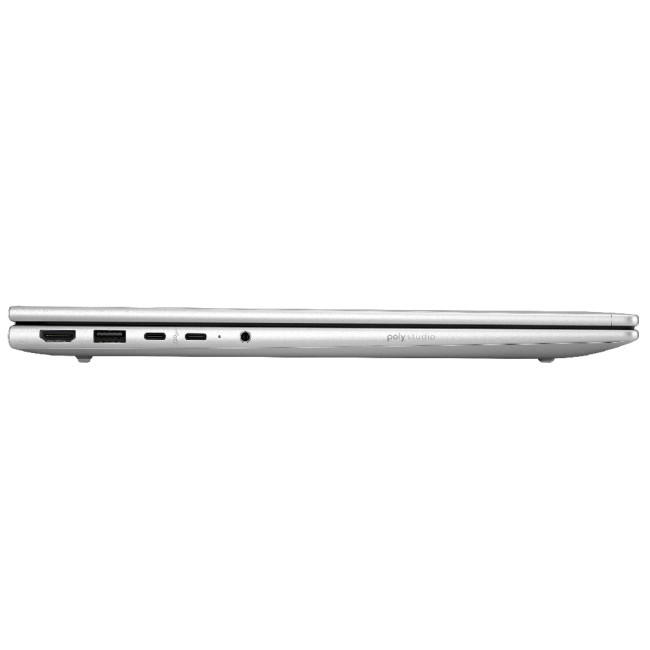
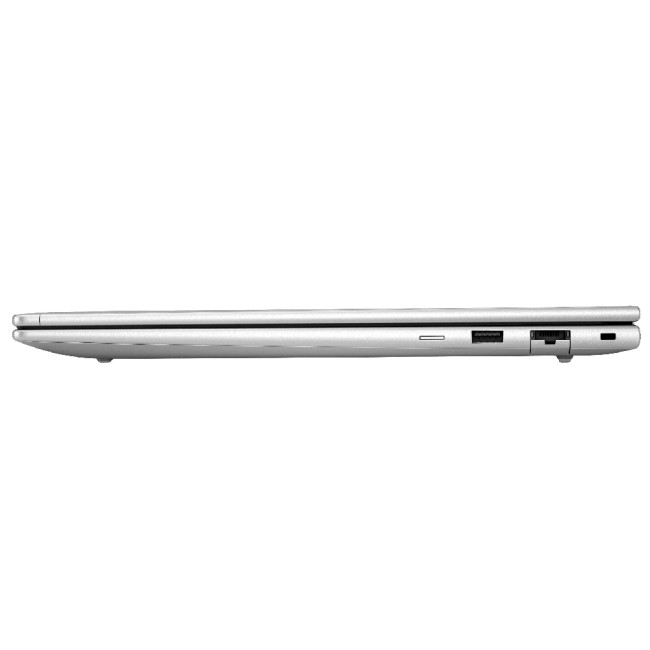
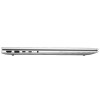
A range of connectivity options is included, such as USB-C ports with power delivery and display support, USB-A ports, HDMI output, and an RJ-45 Ethernet connection. Wireless features include Wi-Fi 6E and Bluetooth support, enabling modern network connectivity. Additional elements such as a fingerprint reader, backlit keyboard, and HD webcam are part of the overall configuration. The arrangement of these features appears practical, supporting integration into both office and home setups. These details are outlined in a straightforward manner, focusing on accessibility and usability.
Battery and Everyday Usability
The device includes a battery around 56Wh, designed to support daily usage depending on workload and system settings. Charging is handled through a USB-C power adapter, which is commonly used in modern laptops. Its weight, starting at around 1.7 kg, reflects a balance between portability and a larger screen size. The overall experience is presented in a neutral way, focusing on consistency and everyday practicality. This allows users to consider how the laptop fits into their routine without relying on fixed assumptions or performance guarantees.
| Processor | |||||||||||
|---|---|---|---|---|---|---|---|---|---|---|---|
| Processor | Intel Core Ultra 5 225U 12-Core (3.8GHz Intel Turbo Boost up to 4.8GHz) | ||||||||||
| Processor Family | Intel Core Ultra 5 | ||||||||||
| Processor Model | Intel Core Ultra 5 225U 12-Core | ||||||||||
| Processor Number | 225U | ||||||||||
| Processor Core Count | 12-Core | ||||||||||
| Processor Generation | Intel Core Ultra Series 2 | ||||||||||
| Display | |||||||||||
| Screen | 16" | ||||||||||
| Screen Resolution | 1920 x 1200 | ||||||||||
| Display Type | IPS | ||||||||||
| Graphics | |||||||||||
| Graphics | Integrated Intel | ||||||||||
| Graphics Type | Intel | ||||||||||
| Storage | |||||||||||
| Solid State Drive | 512 GB | ||||||||||
| Total Storage | 512 GB | ||||||||||
| RAM | |||||||||||
| RAM | 24 GB | ||||||||||
| Connectivity | |||||||||||
| Featured Connectivity | HDMI | USB | ||||||||||
| Bluetooth | Bluetooth 5.3 | ||||||||||
| Wireless LAN | Wi-Fi 6E (802.11ax) | ||||||||||
| USB Ports | 2x USB 3.2 Type-A, 1x USB 3.2 Type-C | ||||||||||
| RJ45 | 1x Rjfourfive | ||||||||||
| Connections | HDMI | USB | ||||||||||
| Operating System & Software | |||||||||||
| Operating System | Microsoft Windows 11 Pro | ||||||||||
| Camera | |||||||||||
| Integrated Webcam | Integrated Webcam with Microphone | ||||||||||
| Sound | |||||||||||
| Speakers | Integrated Stereo Speaker | ||||||||||
| Keyboard | |||||||||||
| Lighting | No Lighting | ||||||||||
| Product Detail | |||||||||||
| Weight | 1.74 kg | ||||||||||
| Recommended For | Business | ||||||||||
| Colour | Silver | ||||||||||
| General Information | |||||||||||
| Warranty | 1 Year | ||||||||||
Loading...