


Refurbished AOC G4 Q27G4XF 27" Fast IPS QHD 180Hz 1ms DisplayPort HDMI Height Adjustable Gaming Monitor

Secure Payment

Free UK Shipping

Easy Return
SKU: RFB-Q27G4XF




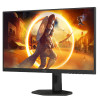
AOC Q27G4XF 27 QHD Gaming Monitor
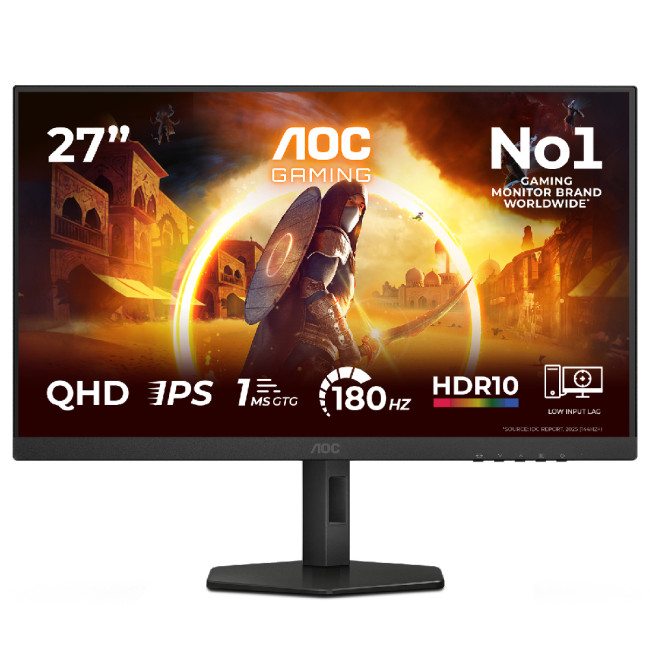
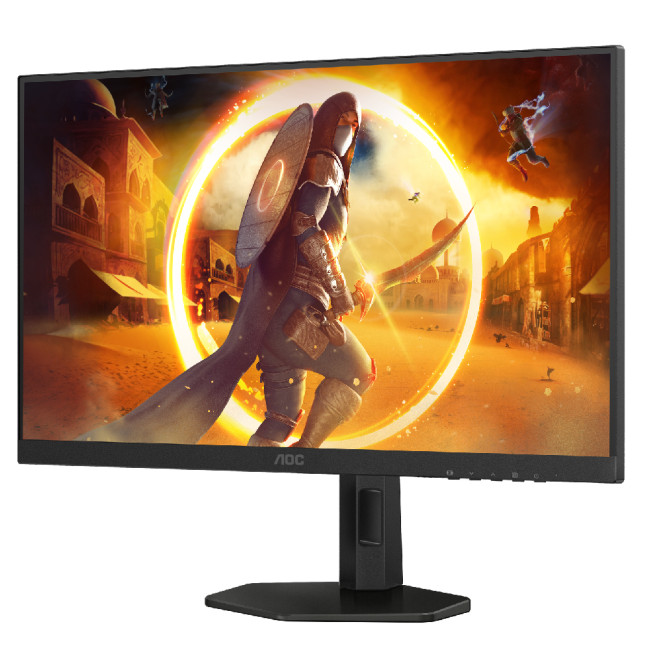
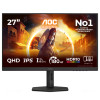
This 27-inch monitor is presented as part of a gaming-oriented display range, featuring a Quad HD resolution of 2560 × 1440 pixels. The screen size provides a larger viewing area that can accommodate different types of content, including games, media, and general computing tasks. The 16:9 aspect ratio supports standard widescreen formatting, allowing content to appear in a familiar layout. The flat panel design contributes to a consistent viewing surface, while the anti-glare coating is typically included to help reduce reflections in different lighting conditions.
Fast IPS Panel and Visual Output
The monitor incorporates a Fast IPS panel, which is commonly associated with balanced color reproduction and wide viewing angles. This type of panel is generally used to maintain visual consistency when viewed from different positions. The display is also linked with a wide color range, which may allow for more varied tones and detail in on-screen content. Brightness and contrast values are presented within standard ranges for monitors in this category, contributing to a viewing experience that remains usable across different tasks without emphasizing extreme performance characteristics.
Refresh Rate and Response Handling
A refresh rate of up to 180Hz is referenced on the page, indicating how frequently the screen updates the image per second. This is paired with response time figures such as 1 ms (GtG) and 0.5 ms (MPRT), which are typically used to describe how quickly pixels change between states. These elements are commonly included in displays designed for fast-moving visuals. The information is presented in a way that outlines technical capabilities without making direct claims about performance outcomes, allowing users to interpret how these figures may relate to their own usage preferences.
Adaptive Sync and Image Stability
The monitor includes references to adaptive synchronization technologies, which are generally used to align the displays refresh rate with the output of connected hardware. Compatibility with systems such as Adaptive Sync or similar standards is noted as part of the feature set. These technologies are typically associated with reducing visual inconsistencies such as tearing or stuttering. The page presents these elements in a general manner, focusing on how synchronization may support smoother transitions between frames rather than making absolute performance statements.
Physical Design and Adjustability
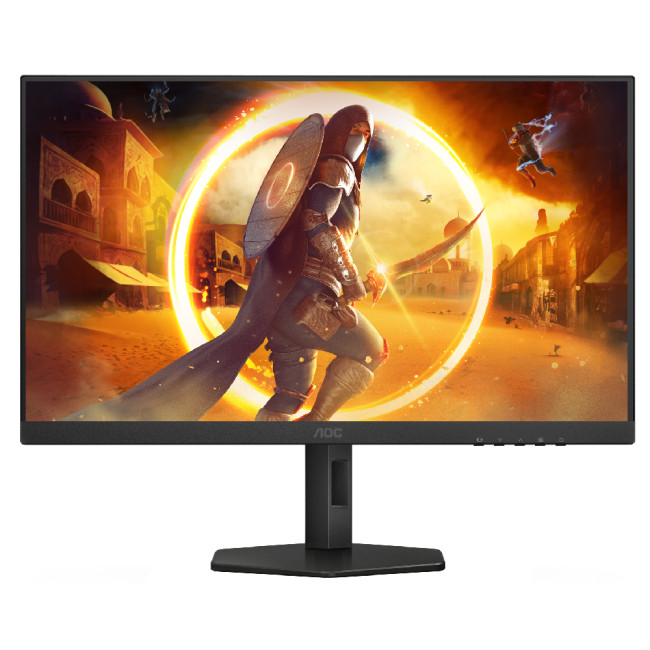
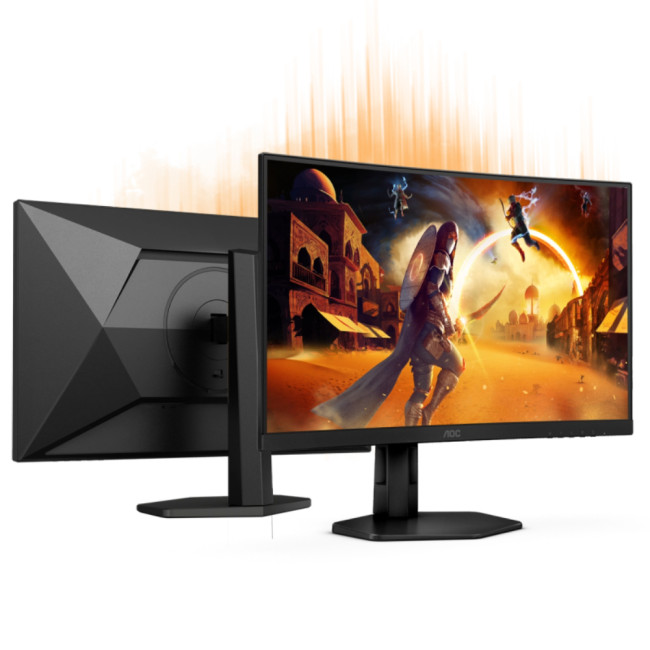
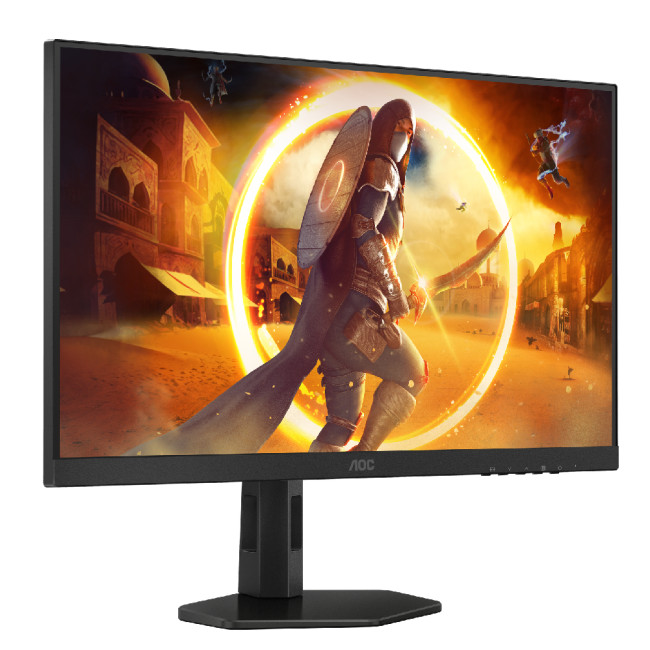
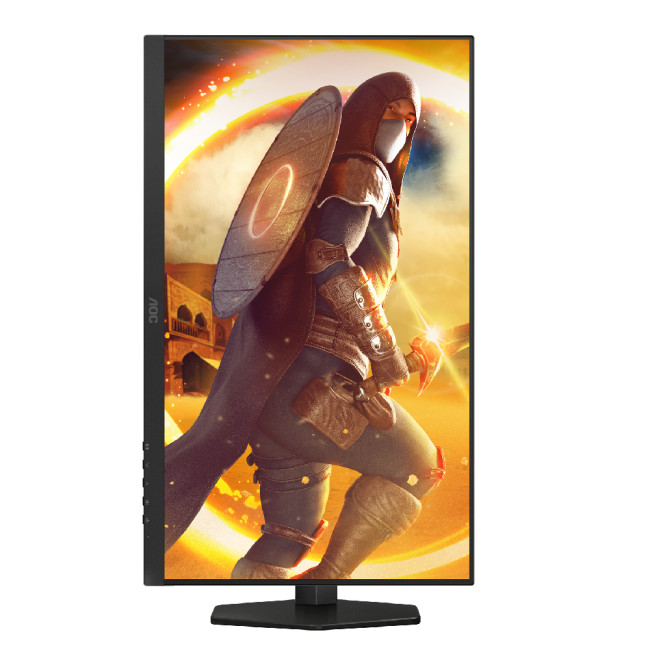
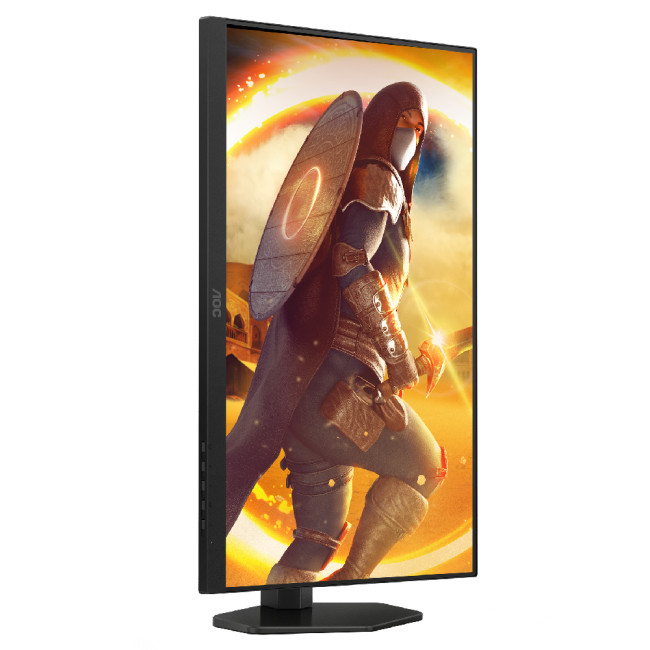
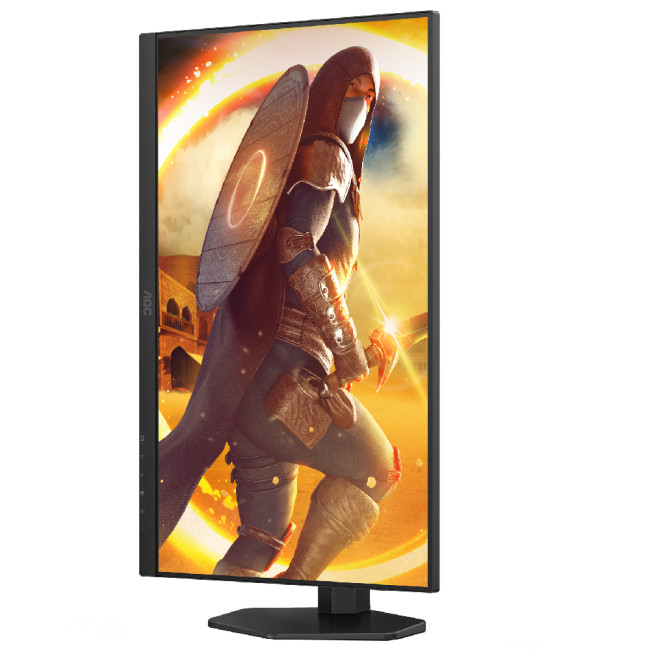
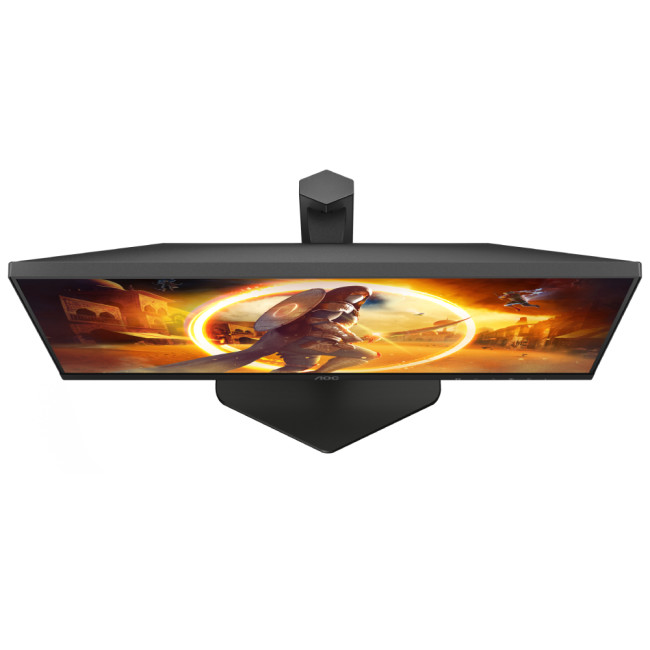
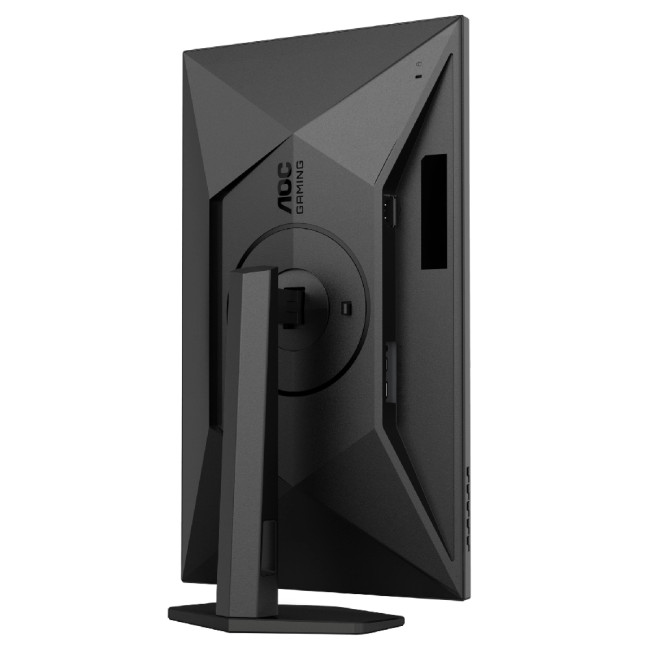
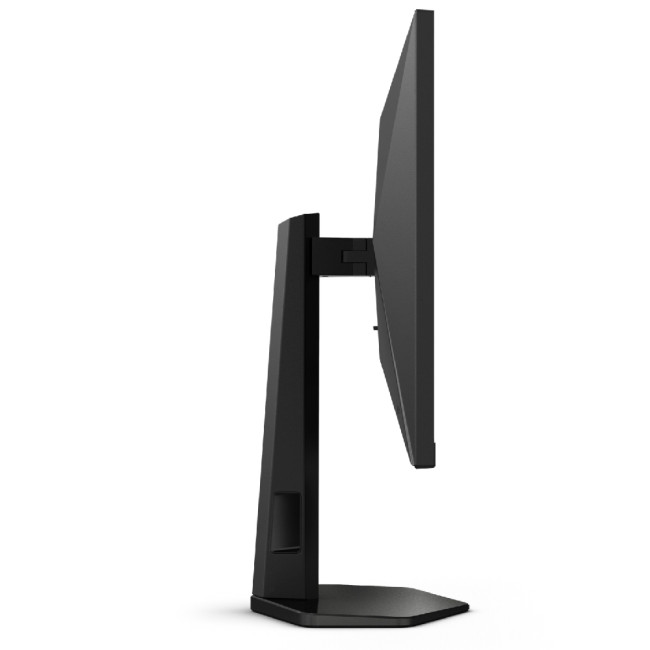
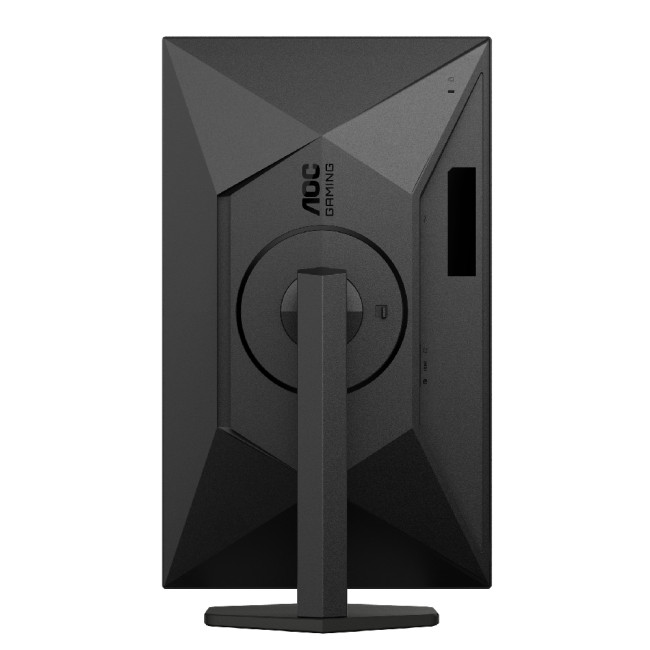
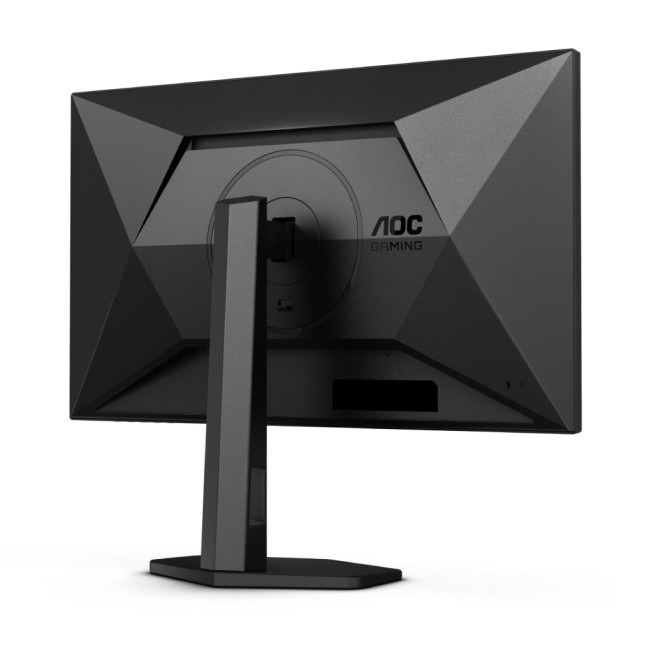
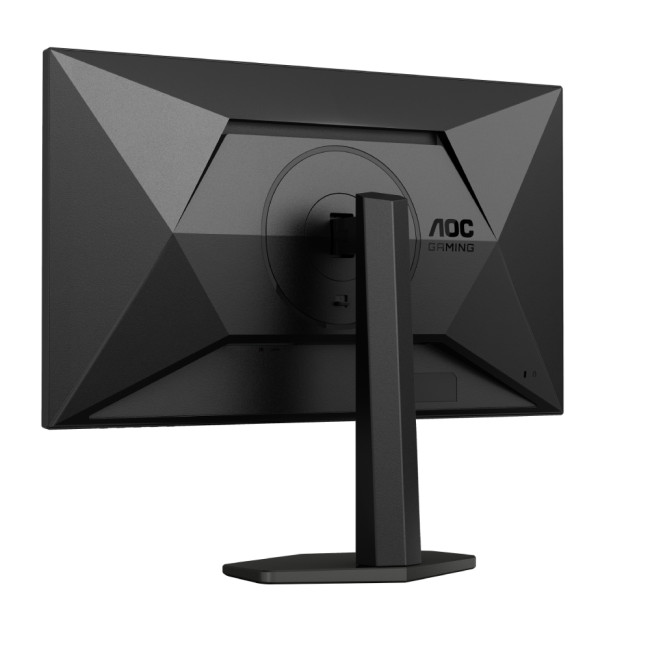
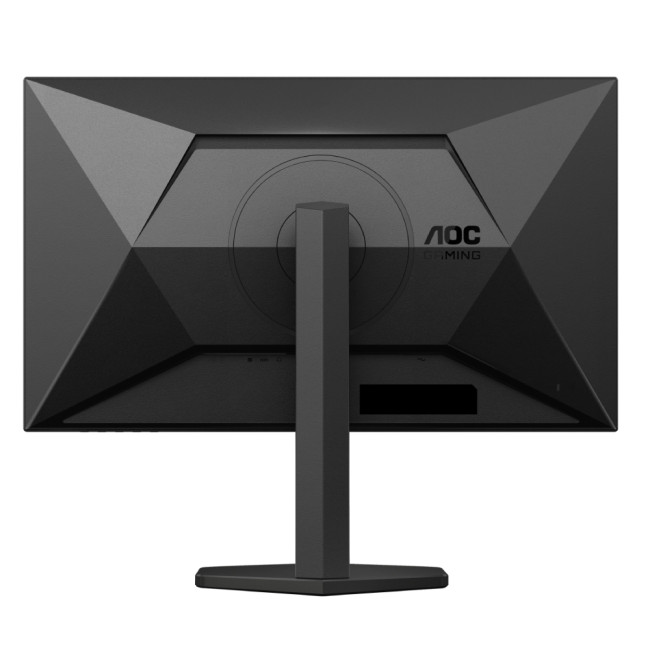
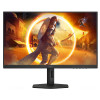
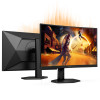
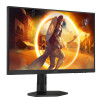
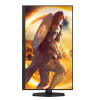
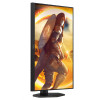
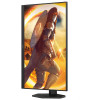
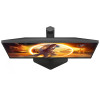
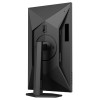
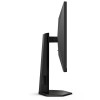
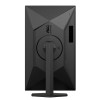
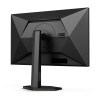
The structure of the monitor includes a three-sided frameless design that gives it a modern appearance, along with a stand that supports height adjustment and positioning flexibility. The base is described as compact, which may help maintain desk space for other equipment. Additional ergonomic features such as tilt, swivel, or pivot adjustments are commonly referenced in similar setups, allowing users to adapt the viewing angle. The overall design appears to focus on practicality and adaptability, supporting different seating positions and workspace arrangements without emphasizing any specific design advantage.
Connectivity and General Features
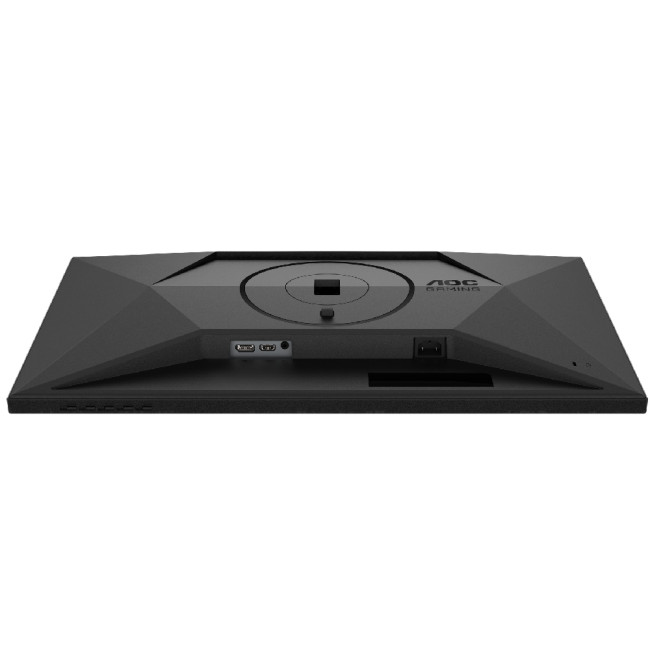
Connectivity options include commonly used ports such as HDMI and DisplayPort, along with a headphone output for audio support. These interfaces allow the monitor to connect with a variety of devices, including desktops and gaming systems. The feature set may also include software-based controls or menu systems that allow users to adjust settings according to their preferences. The information is presented in a straightforward way, outlining available connections and functions without highlighting any single feature as a defining characteristic of the device.
| Display | |||||||||||
|---|---|---|---|---|---|---|---|---|---|---|---|
| Screen Size | 27" | ||||||||||
| Touchscreen | No | ||||||||||
| Display Type | 2560 x 1440 | ||||||||||
| Panel Type | Fast IPS LED | ||||||||||
| Brightness | 300 cd/m² | ||||||||||
| Refresh Rate | 180 Hz | ||||||||||
| Response Time | 1 ms | ||||||||||
| Maximum Resolution | |||||||||||
| Screen Shape | Flat | ||||||||||
| Anti-glare Screen | Yes | ||||||||||
| Display Number of Colours | 16.7 Million Colours | ||||||||||
| Ports & Interfaces | |||||||||||
| connectivity | HDMI | DisplayPort | ||||||||||
| Display Ports | 1x 1.4 | ||||||||||
| Built-in USB Hub | No | ||||||||||
| Headphone Out | Yes | ||||||||||
| Features | |||||||||||
| Adaptive Sync | Yes | ||||||||||
| Low Blue Light Technology | Yes | ||||||||||
| Flicker-free Technology | Yes | ||||||||||
| Aspect Ratio | 16:9 | ||||||||||
| Height Adjustable | Yes | ||||||||||
| Pivot/Swivel | Yes | ||||||||||
| Other Specifications | |||||||||||
| Most Suitable For | Gaming | ||||||||||
| VESA Mounting | Yes | ||||||||||
| General | |||||||||||
| Colour | Black | ||||||||||
| Weight | 3.44 kg | ||||||||||
| Dimensions (H x W x D) | (WxHxD) 516.0 x 613.9 x 207.7 mm | ||||||||||
| Warranty | 1 Year | ||||||||||
Loading...