



Security Features of Microsoft Surface Laptops: Protecting Business Data
Modern laptop security goes far beyond antivirus software. Microsoft Surface laptops combine hardware, firmware and Windows 11 protections to help secure your identity, files and business data from threats ranging from stolen credentials to firmware-level attacks.
Current Surface security features include Secured-core PC protections, TPM 2.0, Microsoft Pluton on supported devices, Secure Boot, BitLocker, Windows Hello, virtualisation-based security, and Microsoft-built Surface UEFI. Many of these protections operate automatically before you even sign in to Windows.
How Secure Are Microsoft Surface Laptops?
Microsoft uses what it describes as a chip-to-cloud security approach for Surface. Rather than relying on one security application, protection is built across the hardware, firmware, operating system, identity and cloud-management layers.
Since late 2021, Microsoft says every Surface device supplied with Windows 11 has been a Secured-core PC. Current Surface Laptop for Business models continue that approach with Windows 11 Pro, Microsoft Pluton and hardware-backed security enabled by default.
This makes security particularly relevant when comparing Microsoft Surface laptops for professional use, where a compromised account or stolen device could expose company information.
Secured-Core Protection Starts Before Windows
Some of the most important Surface laptop security features operate before Windows has fully loaded.
Secure Boot checks the signatures of components involved in the boot process and helps prevent unauthorised boot software from loading. Surface devices can also use technologies such as Dynamic Root of Trust Measurement (DRTM) to help establish a trusted state during startup.
Microsoft's newer Firmware Attack Surface Reduction, or FASR, goes further by reducing the amount of executable firmware involved in the boot process. Microsoft currently notes that FASR applies to Intel-designed Surface products rather than Qualcomm or AMD-based Surface devices.
Together, these technologies help defend against bootkits and other sophisticated attacks that try to compromise a computer below the Windows operating system. Built-in protection is only part of the picture, so it is also worth understanding how to protect your laptop from modern cyber threats such as phishing, ransomware and credential theft.
TPM 2.0 Protects Your Security Keys
Every Surface device shipped with Windows 11 includes TPM 2.0. A Trusted Platform Module is a secure cryptographic component used to generate, protect, and manage sensitive keys.
Windows features including BitLocker, Windows Hello and System Guard can use the TPM rather than leaving important cryptographic material exposed to normal system memory.
If you want a deeper explanation, our guide to what TPM 2.0 means for Windows 11 explains why Microsoft made hardware-backed security part of the Windows 11 baseline.
What About Microsoft Pluton?
Microsoft Pluton brings another layer of hardware-based security directly into supported processors. It is designed to protect credentials, identities, encryption keys and other sensitive information inside an isolated security environment.
Pluton is enabled on current Surface Copilot+ PCs. One important change is that Pluton does not necessarily act as the TPM on every new chipset. Microsoft says some newer platforms now use the processor vendor's firmware TPM or another TPM 2.0 implementation while Pluton continues providing its additional isolated security functions.
That distinction is worth knowing because Pluton and TPM 2.0 are related, but they are not always the same component.
Windows Hello Makes Sign-In Harder to Steal
Passwords can be copied, reused or entered into convincing phishing pages. Windows Hello reduces this exposure by letting you authenticate using a device-specific PIN or, on compatible hardware, biometric recognition.
On supported systems, Windows Hello Enhanced Sign-in Security isolates biometric authentication using virtualisation-based security. Microsoft states that Enhanced Sign-in Security is enabled by default on Copilot+ PCs, although compatible biometric hardware is still required.
This protection is particularly useful on Windows 11 laptops used for hybrid work, where the device regularly moves between the office, home and public locations.
Passkeys Add Phishing-Resistant Authentication
Windows 11 also supports passkeys through Windows Hello.
Instead of transmitting a reusable password, passkeys use public-key cryptography. The private key remains protected on your device, while Windows Hello can use your face, fingerprint or PIN to authorise access.
Because the credential is tied to the legitimate website or application, passkeys are designed to resist conventional password-phishing attacks.
Expert Tip: If an important work account supports passkeys or FIDO2 authentication, consider using them instead of relying solely on a password and SMS verification.
BitLocker Protects Data if Your Surface Is Stolen
Physical loss remains one of the simplest ways for sensitive information to leave an organisation.
BitLocker encrypts entire Windows volumes so that someone cannot simply remove the SSD, connect it to another computer and read the files. It can work with TPM 2.0 to protect the keys required to unlock encrypted data.
Windows 11 version 24H2 also broadened eligibility for automatic Device Encryption, making encryption available across more compatible PCs. Encryption is most useful when you also know how recovery works, so familiarise yourself with how to use BitLocker and find your recovery key before you actually need it.
If your Surface contains confidential company data, verify that encryption is active rather than assuming it is. You should also make sure the BitLocker recovery key is stored securely before you need it.
VBS and Memory Integrity Defend the Windows Kernel
Virtualisation-based security, or VBS, uses hardware virtualisation to create an isolated environment for particularly sensitive Windows security processes.
Hypervisor-protected Code Integrity, commonly shown in Windows Security as Memory integrity, builds on this isolation. It helps prevent untrusted or malicious code from being injected into important kernel processes.
Surface Secured-core PCs also support protections such as Kernel DMA Protection, which can help prevent malicious external devices from directly accessing system memory.
These protections are more sophisticated than simply "isolating every operation". They create security boundaries around specific high-value parts of Windows where successful attacks could otherwise gain extensive system privileges.
Surface UEFI Gives IT Teams Deeper Control
Surface also uses Microsoft-engineered UEFI firmware.
On supported commercial Surface devices, administrators can use Device Firmware Configuration Interface profiles through Microsoft Intune to manage firmware settings remotely. This can include controlling boot settings or restricting individual hardware components without relying on traditional BIOS passwords.
That capability is particularly relevant when assessing business laptops for a managed company fleet. An organisation may need centralised control over cameras, USB access, wireless connectivity and firmware configuration as well as normal Windows policies.
Windows 11 Adds Application-Level Protection
Not every security feature on a Surface laptop is Surface-exclusive. Windows 11 provides another layer above the hardware and firmware protections.
For example, Smart App Control can use Microsoft's application intelligence and Windows code-integrity systems to prevent potentially dangerous, unknown or unsigned code from running when the feature is available and enabled.
Microsoft Defender Antivirus, Windows Firewall and reputation-based protection also form part of the wider Windows Security environment.
The important point is that Surface combines these operating-system protections with hardware-backed security instead of relying on software alone. The security baseline is also one of the major differences when comparing Windows 11 with Windows 10, especially now that standard Windows 10 support has ended.
How to Keep Your Surface Laptop Secure
Built-in security still depends on sensible configuration and maintenance. If you use a Microsoft Surface laptop for work, check the following:
- Install Windows and Surface firmware updates promptly. Microsoft continues to release security, firmware and Windows Hello fixes for supported Surface hardware through Windows Update.
- Confirm BitLocker or Device Encryption is active, particularly before storing confidential documents locally.
- Set up Windows Hello and use passkeys for supported accounts.
- Keep Secure Boot and Memory integrity enabled unless you have a genuine compatibility reason to change them.
- Store your recovery key securely somewhere separate from the laptop.
- Use Intune and DFCI where appropriate if you are responsible for company-owned Surface devices.
If you are considering newer Copilot+ laptops, also check the exact processor, Windows edition and management requirements rather than assuming every configuration exposes identical business features.
Are Surface Laptops Suitable for Secure Business Use?
Surface laptops provide a strong security foundation, especially when Windows 11 Pro, Secured-core protection, Microsoft Pluton, BitLocker and centralised device management are used together.
However, hardware cannot protect a business on its own. Account security, software patching, access controls, backups and staff awareness remain essential parts of protecting sensitive information.
At Laptop Outlet, we recommend checking the exact Windows edition and security capabilities of a Surface configuration against your organisation's requirements. Features such as Windows 11 Pro, Intune management and particular biometric or firmware-management options can differ between consumer and commercial configurations.

Final Thoughts
The biggest change in Microsoft Surface security is that protection now begins long before an antivirus scan. TPM 2.0, Pluton, Secure Boot, Secured-core PC architecture, BitLocker, Windows Hello, passkeys, VBS and Surface UEFI work at different layers to protect the device, identity and data.
For businesses, the practical benefit is defence in depth. Losing one security layer does not automatically mean losing control of the entire laptop.
Keep Windows and Surface firmware updated, enable encryption and passwordless authentication, and check the security capabilities of the exact configuration you use. Those steps allow the built-in security features of Microsoft Surface laptops to provide the protection they were designed for.

FAQs
Are Microsoft Surface laptops secure?
Yes. Current Surface laptops combine TPM 2.0, Secure Boot, BitLocker, Windows Hello and virtualisation-based security. Surface devices supplied with Windows 11 also use Microsoft's Secured-core PC protections to help defend hardware, firmware, identities and stored data.
What security features do Microsoft Surface laptops have?
Microsoft Surface security features can include TPM 2.0, Microsoft Pluton, Secure Boot, BitLocker encryption, Windows Hello, Memory Integrity, virtualisation-based security and Surface UEFI. Exact capabilities can vary by Surface model, processor and Windows edition.
Does Microsoft Surface have built-in antivirus protection?
Yes. Surface laptops running Windows 11 include Microsoft Defender Antivirus and Windows Security as part of the operating system. These work alongside hardware-backed protections such as TPM 2.0 and Secure Boot to provide multiple layers of security.
What is Microsoft Pluton on a Surface laptop?
Microsoft Pluton is a security processor integrated into supported processors. It creates an isolated environment for protecting credentials, identities, encryption keys and other sensitive information. On new 2026 silicon, Pluton does not necessarily function as the device's TPM.
Is Windows Hello safer than using a password?
Windows Hello can reduce the risks associated with stolen or reused passwords by letting you sign in with biometrics or a device-specific PIN. Windows 11 also supports passkeys through Windows Hello for phishing-resistant authentication on compatible websites and applications.
| Read More: |
| Windows 11 Laptop Security Features for Business Users |
| How to Choose the Right Surface Laptop Based on Your Needs |
| Windows 11 Copilot+ Features: AI Tools That Boost Productivity |
Related Articles

Last Updated: December 17, 2025
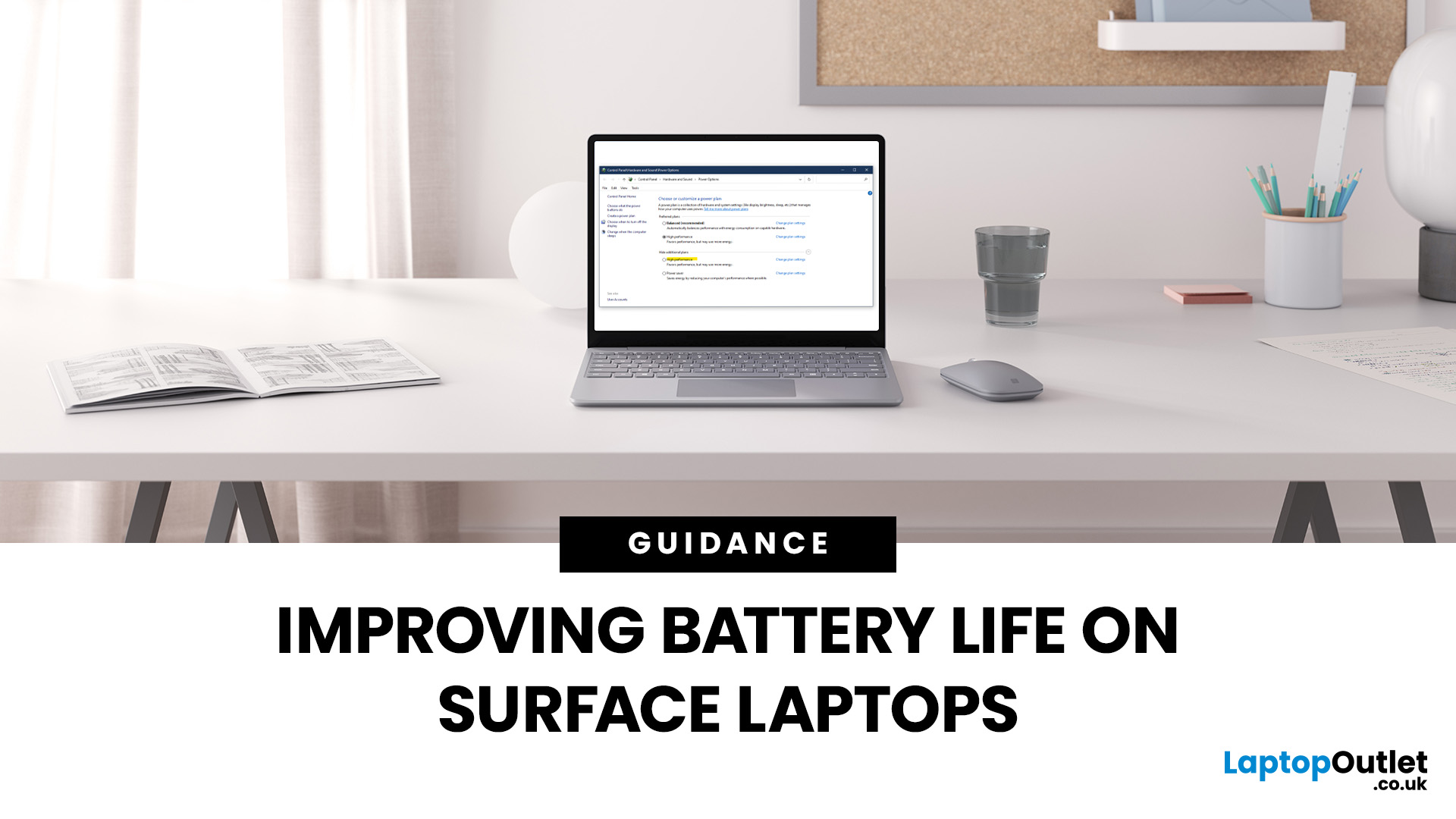
Microsoft Surface devices are known for their sleek designs, strong performance, and portability. But as with any laptop, battery life is crucial for keeping you productive throughout the day. In this guide, we’ll break down practical tips, smart charging habits, and troubleshooting steps that can extend your laptop’s battery and overall lifespan. From Surface battery saver settings to dealing with overheating issues, you’ll find actionable advice to help you get the most from your Surface device.
Why Battery Life Matters on Surface Laptops
Surface Laptops are designed to balance performance with portability. But when battery drains too quickly, it affects both productivity and convenience. Extended battery life means fewer interruptions, less reliance on chargers, and improved device longevity, essential for students, professionals, and travellers.
For those considering upgrades or cheap Microsoft laptops, understanding these tips will also help you maintain your device better in the
Last Updated: December 17, 2025
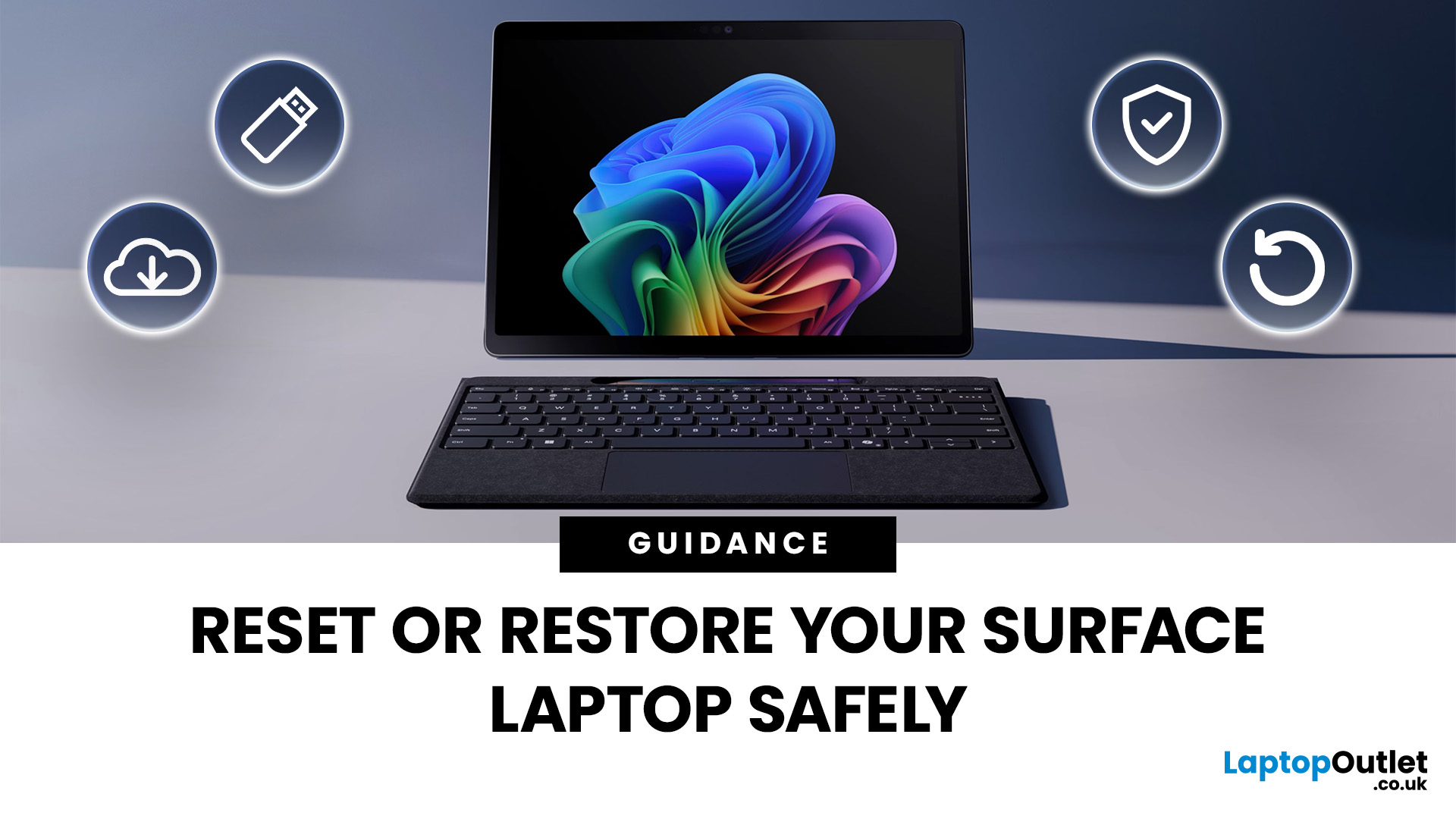
Every laptop has its “fresh start” button, but few make it as straightforward (and a little nerve-wracking) as the Microsoft Surface range. Think of it like spring-cleaning your room: sometimes you just need to clear the clutter, dust the corners, and start again - only with files and settings instead of old socks and takeaway boxes.
Resetting or restoring a Surface Laptop isn’t just about fixing glitches; it’s also about regaining performance, solving stubborn errors, or preparing the device for resale. But here’s the catch - doing it the wrong way could mean losing precious files, apps, or even your BitLocker recovery key.
Let's walk through safe, step-by-step methods to reset your Surface Laptop without unnecessary headaches. Whether you want a full wipe, a soft restore, or just a system refresh, you’ll find practical tips, backup strategies, and troubleshooting solutions.
Resetting Your Surface Laptop Safely
- Pre-checks first: Charge the battery, note your BitLocker key, and disconnect
Last Updated: July 10, 2026
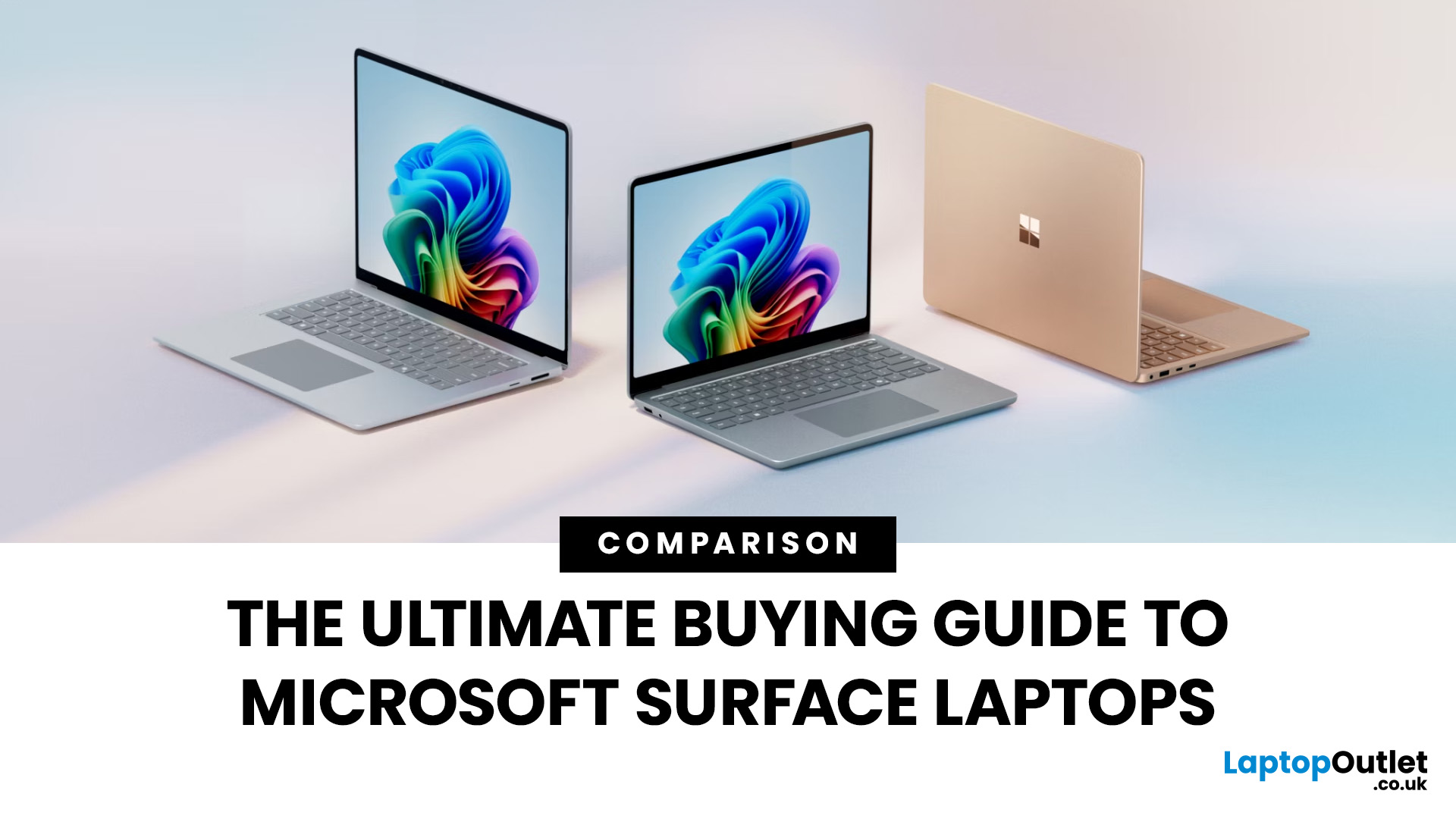
The Microsoft Surface Laptop series has redefined what modern laptops can offer, combining premium design, strong performance, and seamless integration with Windows. With so many models available, from the lightweight Surface Laptop Go to the powerful Surface Laptop Studio, buyers often ask: Which Surface is right for me? That’s where a Microsoft Surface Laptop Buying Guide becomes essential.
Surface laptops stand out for more than just portability and style. With the rise of Copilot+ PC Surface benefits, AI-powered features like Windows Recall and productivity tools make these devices more than laptops; they’re intelligent companions for work, study, and creativity.
Why Choose Microsoft Surface?
Microsoft Surface laptops have earned a reputation as premium devices that combine design elegance, reliable performance, and powerful software integration. For many buyers, the appeal of Surface lies in how seamlessly it blends hardware and software, something only a handful of manufacturers
Published: September 26, 2025
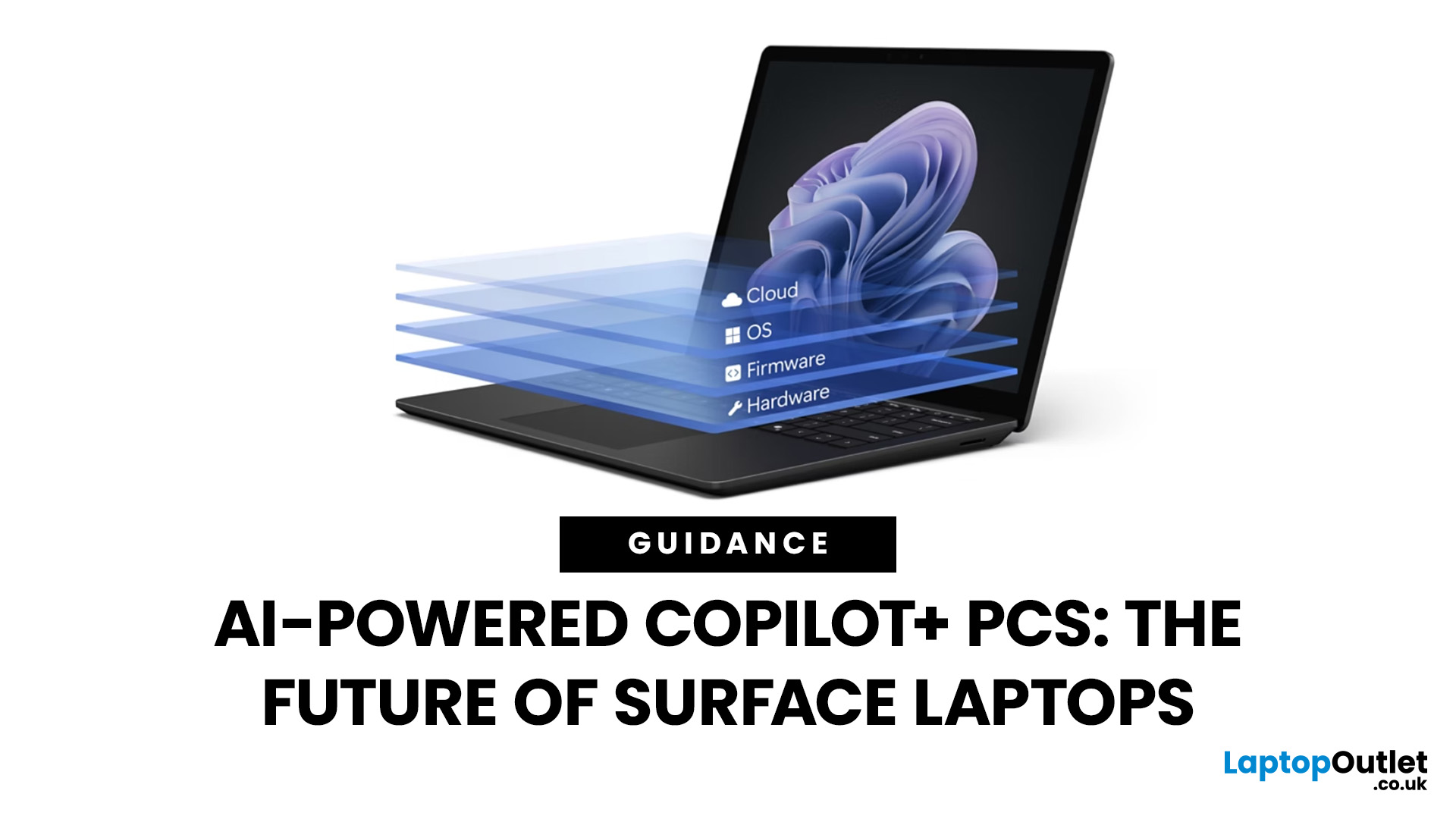
Artificial intelligence is no longer confined to data centres or specialised software - it has entered the very heart of personal computing. With the rise of Copilot+ PCs, Microsoft is redefining what a modern laptop can achieve by embedding advanced AI capabilities directly into everyday workflows. Unlike conventional machines, these devices are designed from the ground up to harness AI, powered by dedicated neural processing units (NPUs) and seamless integration with Windows 11.
Among the growing range of Copilot+ PCs, Microsoft Surface laptops stand out as the true flagships. Built to optimise productivity, creativity, and collaboration, they combine elegant design with cutting-edge technology, delivering features such as Windows Recall, Click to Do, and intelligent multitasking. Together with the Snapdragon X processor, Surface laptops provide unrivalled speed, efficiency, and battery life - all tailored for AI-driven performance. As a result, they are more than just laptops; they are
Last Updated: October 08, 2025
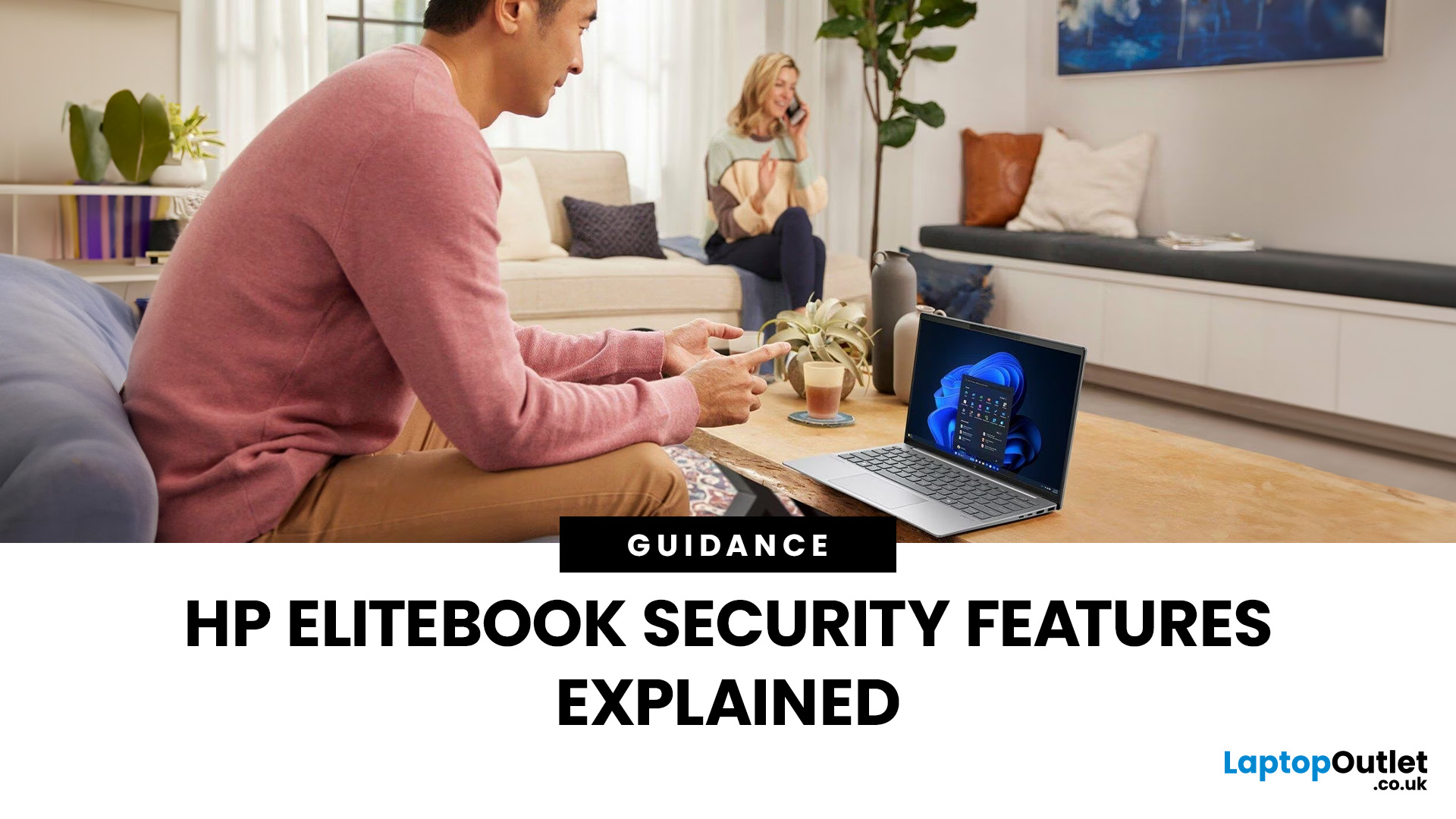
In today’s world of hybrid work, digital threats are more sophisticated than ever. That’s why businesses and professionals turn to HP EliteBook laptops security, a suite of features designed to keep sensitive data safe, reduce cyber risks, and ensure peace of mind. EliteBooks are not only built with premium materials and powerful processors, but also with security as a core principle.
This guide will break down the advanced protections that make HP EliteBook laptops some of the most secure devices on the market. From HP Wolf Security and Sure Click to advanced threat containment and credential protection, we’ll explain how these laptops safeguard your work, your data, and your identity.
Why Choose HP EliteBook Laptops for Security?
EliteBooks go beyond traditional antivirus software by building security into every layer,firmware, operating system, and even hardware. Unlike consumer-grade laptops, they offer enterprise-grade security tools that protect against malware, phishing, and firmware-level
Last Updated: March 27, 2026
Business laptops are not what they used to be. Forget those chunky grey bricks you dragged to meetings — 2026 is all about AI business laptops. And no, that’s not just another bit of marketing fluff. These machines are actually smart enough to protect your files, stretch your battery, and even take meeting notes while you’re busy zoning out. If you’re running a business, freelancing, or just want a laptop that makes your workday less painful, let’s break down why these AI-packed beasts are worth a look.
What Makes a Laptop “AI Business Ready”?
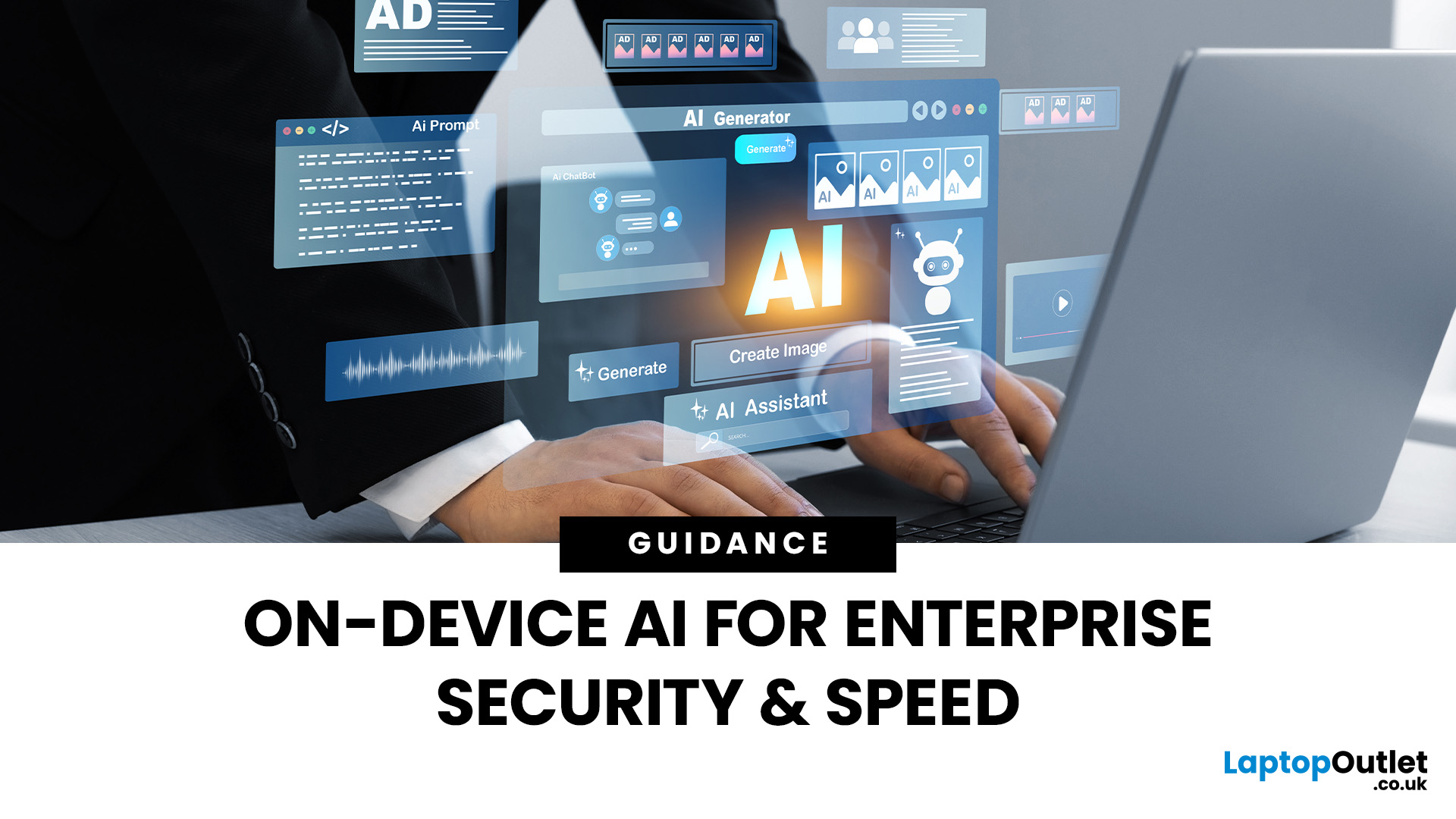
Right, so what’s all this on-device AI about? In plain English: the laptop’s got extra brains built into it (NPUs and fancy processors) that don’t need the cloud to work. That means:
- Security features happen locally — no faffing about with servers.
- Productivity boosts are instant — your laptop reacts in real time.
- Less reliance on dodgy Wi-Fi — AI features still work offline.
So instead of just being “fast,” these laptops are clever too.
Why On-Device

Last Updated: November 04, 2025
In today’s connected world, security is a top priority, especially for businesses handling sensitive data and remote workflows. Microsoft’s latest operating system brings advanced protection designed for the modern workforce. Windows 11 security features deliver multiple layers of defence, offering a robust shield against cyber threats, ransomware, and data breaches.
Compared to its predecessor, Windows 11 vs Windows 10 security shows clear improvements in encryption, authentication, and hardware-based protection. Whether you’re an enterprise leader or a small business owner, investing in Windows 11 laptops with advanced security ensures your data, devices, and users remain protected, wherever work happens.
What Makes Windows 11 the Most Secure OS Yet
Enhanced Hardware-Based Protection
Windows 11 is built for zero-trust security, meaning protection starts from the chip level. All certified Windows 11 business laptops include:
- Trusted Platform Module (TPM) 2.0 – A secure crypto-processor
Last Updated: November 18, 2025
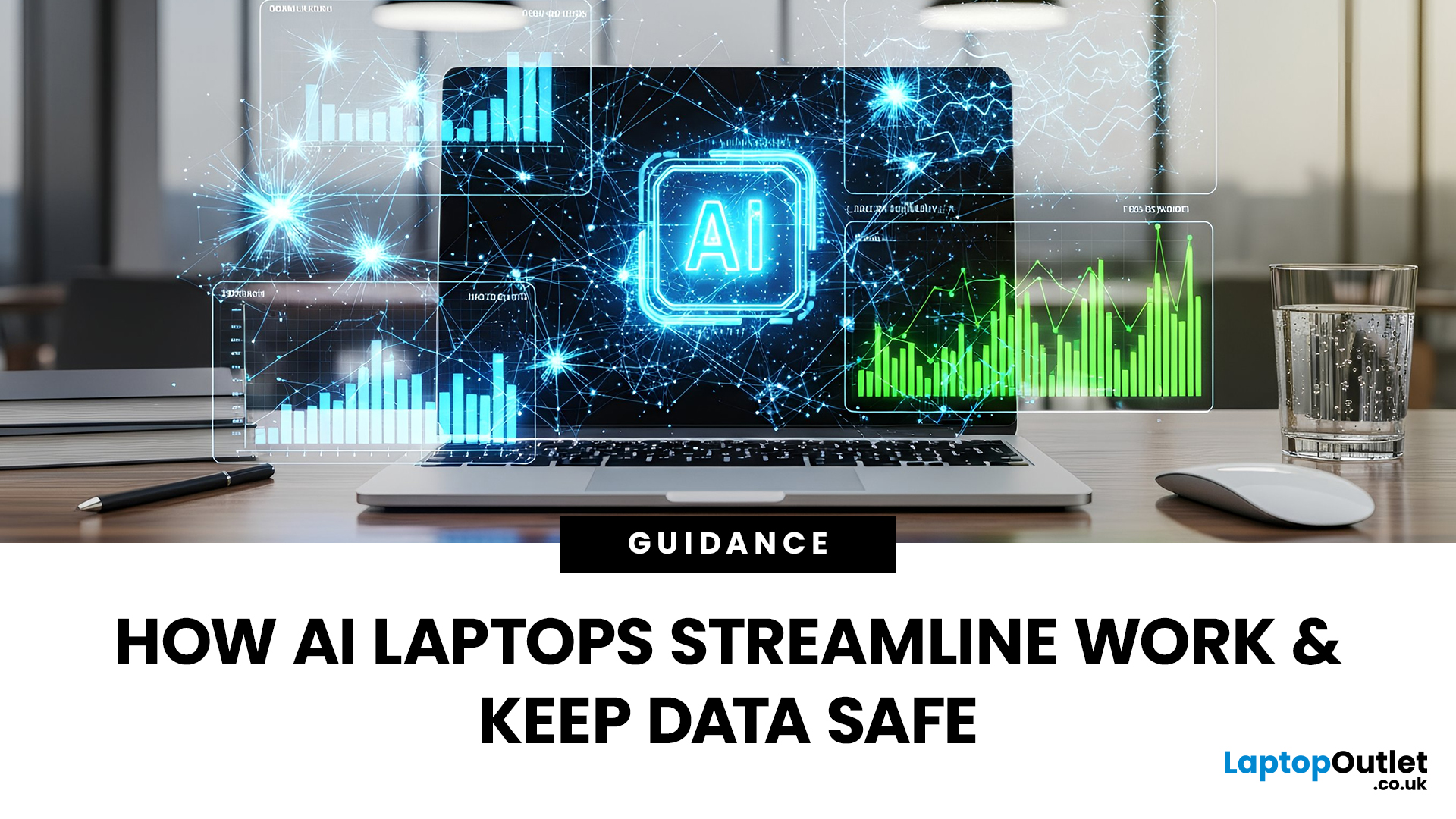
Staying competitive means leveraging technology that works smarter, faster, and more securely. Artificial Intelligence (AI) is transforming industries worldwide, from streamlining workflows to enhancing cybersecurity. A particularly exciting innovation within this revolution is the AI laptop, a new class of computing devices designed to optimise productivity and protect sensitive data.
The Rise of AI for Business
AI has evolved from a futuristic concept into a core driver of efficiency across all sectors. Companies use it to analyse data, automate decisions, enhance customer experiences, and predict market trends. According to recent studies, organisations that integrate AI into their daily operations report higher productivity, lower operational costs, and improved employee satisfaction.
However, until recently, much of this innovation happened in the cloud. Now, with AI chips and neural processing units (NPUs) embedded in personal devices, AI is moving to the edge, directly onto the

Last Updated: February 23, 2026
Your laptop is no longer just a work tool. It is the central hub of your entire digital life — your online banking, work documents, personal photographs, saved passwords, and private messages all live on that one device.
Because laptops hold so much valuable information, they have become a prime target for cybercriminals. Threats are growing more sophisticated every year, and simply installing an antivirus and hoping for the best no longer cuts it.
This guide gives you a clear, practical look at how to protect your laptop in 2026 — covering the latest cybersecurity threats, the most important laptop security trends, and the everyday habits that genuinely make a difference.
Understanding Modern Laptop Security Threats
Before you can defend yourself, you need to understand what you are up against. Here is a breakdown of the biggest threats facing UK laptop users today.
| Threat Category | Core Description | Impact on Users |
| Phishing & Spear Phishing | Deceptive emails or messages crafted to steal |

Last Updated: January 15, 2026
Life in the UK is now deeply digital. We shop online, manage our online banking on the move, book travel, and stay connected through emails and apps. Our laptops, tablets, and smartphones are almost always connected to the internet.
That constant connection brings convenience, but it also brings risk. The UK has one of the highest internet usage rates in Europe, which makes everyday users a prime target for cybercrime. Phishing emails, fake websites, SMS scams, and data theft are becoming more common.
So, it is natural to ask: what is Norton Internet Security, and do you really need it?
This guide explains everything. We will break down the essential Norton Antivirus features, and how they provide robust protection against the unique threats facing UK users today.
What is Norton?
Norton is one of the most trusted names in global cybersecurity. While it started as a simple antivirus program, it has evolved into a comprehensive security suite now often referred to as Norton 360.
Today,

