



Essential Features to Consider When Choosing a Laptop Docking Station in the UK
Quick Answer
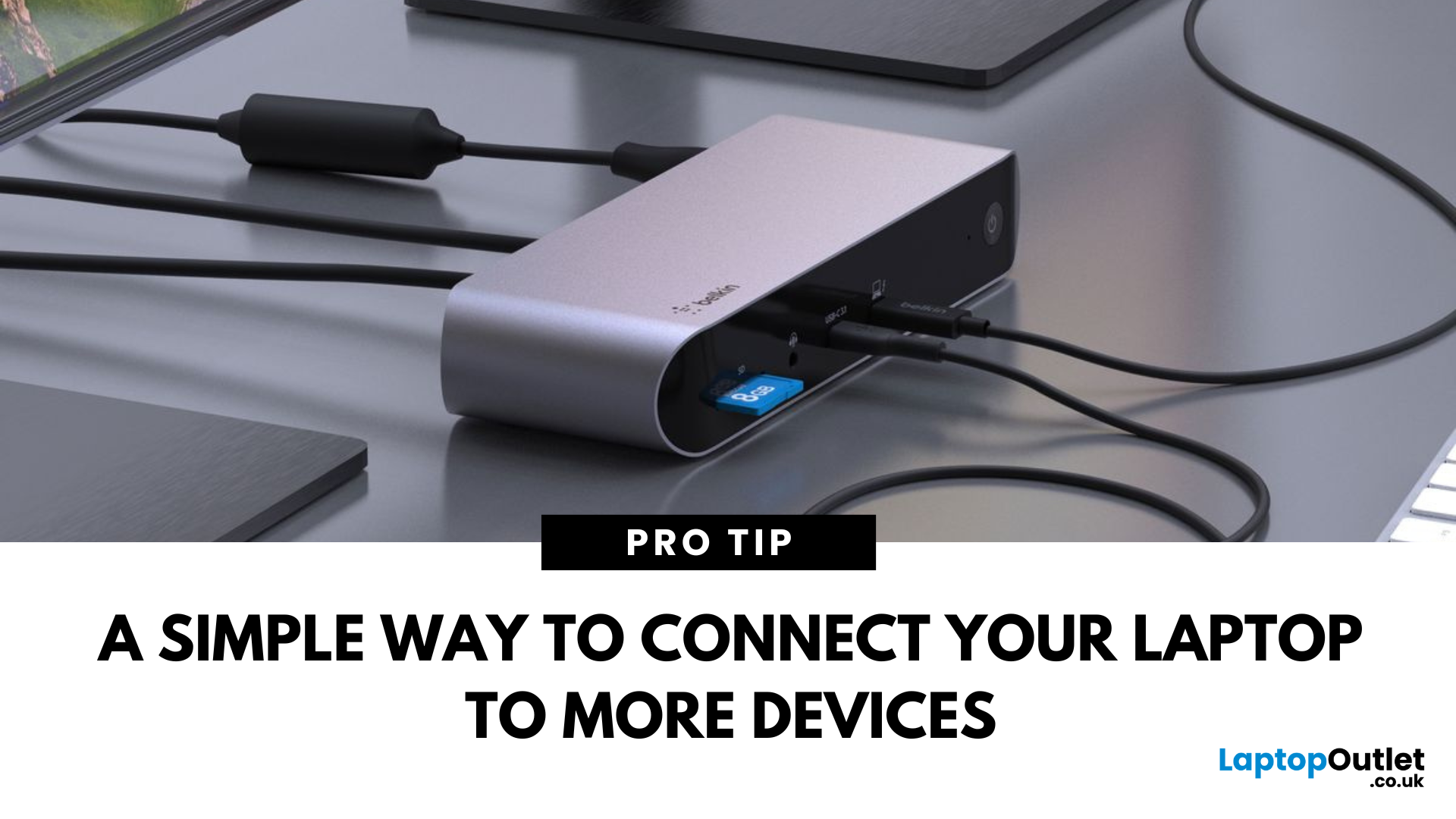
A laptop docking station expands your laptop’s connectivity by allowing you to connect monitors, keyboards, mice, storage devices and other peripherals through one connection. When choosing a laptop docking station in the UK, check compatibility, USB-C or Thunderbolt support, monitor requirements, charging capability, data speeds and the ports you actually need.
Modern laptops are designed to be thinner, lighter and more portable, but this often means they include fewer built-in ports. Many laptops now rely heavily on USB-C connections, making it harder to connect multiple monitors, wired networks, external storage and desktop accessories without additional hardware.
A laptop docking station provides a simple way to transform a portable laptop into a more complete workstation. With one connection, users can access multiple peripherals while keeping their workspace organised.
Docking stations are especially useful for:
- Home office setups
- Hybrid working environments
- Business users
- Professionals using multiple displays
- Anyone who wants a cleaner desk setup
However, choosing the right dock is not just about buying the model with the most ports. The best option depends on your laptop compatibility, required connections, display setup and daily workload.
What Is a Laptop Docking Station?
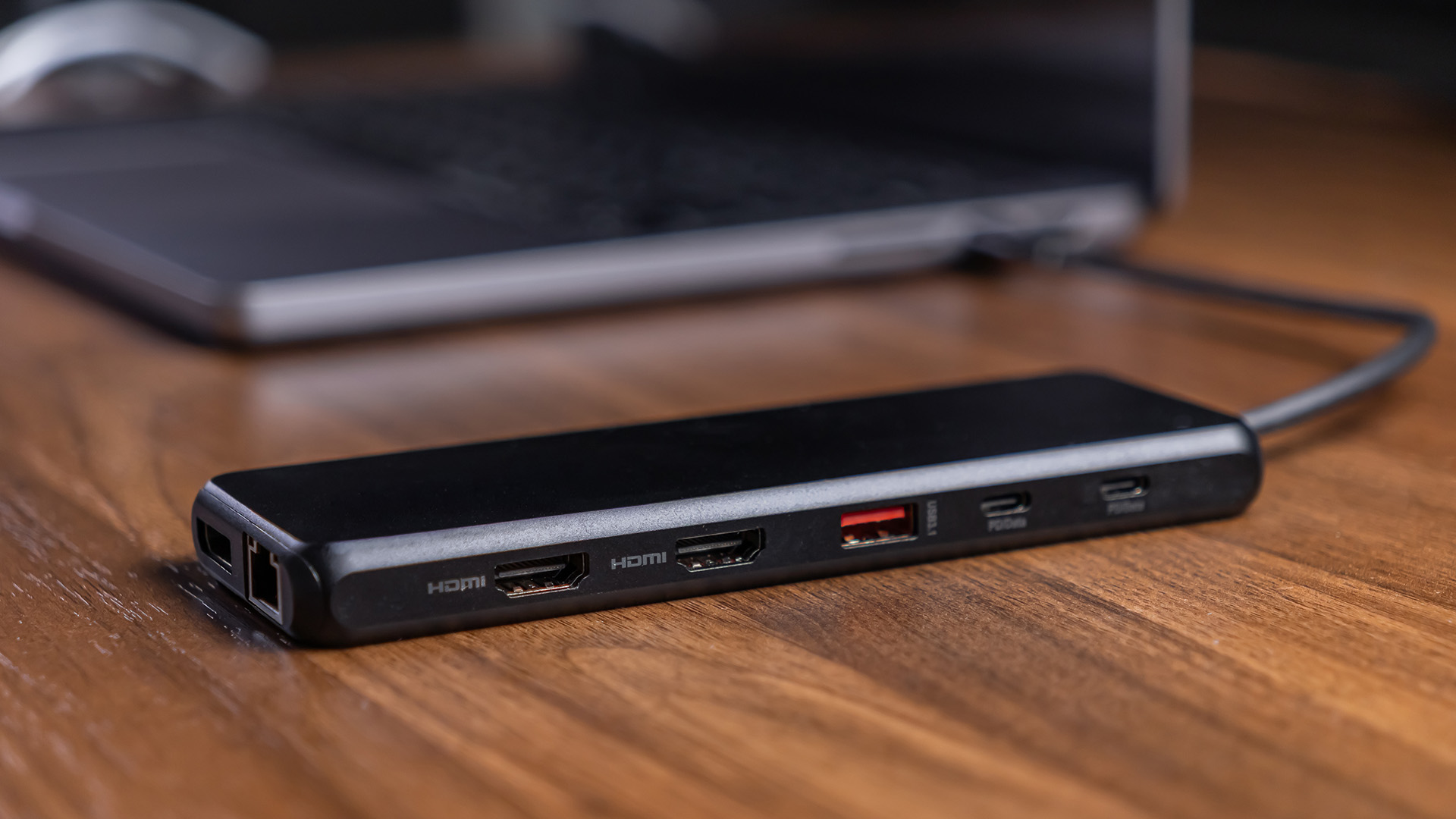
A laptop docking station is an accessory that adds extra connectivity to a laptop through a single connection. It allows users to connect external devices such as:
- Monitors
- Keyboards
- Mice
- External storage
- Ethernet networks
- Audio devices
Most modern docking stations connect through:
- USB-C
- Thunderbolt
- USB4
A docking station is designed to make a laptop work more like a desktop computer while keeping the flexibility of a portable device.
For example, a home worker can connect:
- A large external monitor
- Keyboard and mouse
- Webcam
- External SSD
- Wired internet connection
Then disconnect one cable when they need to take the laptop elsewhere.
Laptop Docking Station vs USB Hub: What Is the Difference?
Although they are often confused, docking stations and USB hubs serve different purposes.
A USB hub mainly adds extra USB connections for simple accessories such as:
- Keyboards
- Mice
- USB drives
A docking station usually provides more advanced connectivity, including:
- HDMI or DisplayPort outputs
- Ethernet
- USB-C charging
- Multiple monitor support
- Higher-speed connections
If you only need extra USB ports, a hub may be enough. If you want to create a full workstation, a docking station is usually the better option.
Why Use a Laptop Docking Station?
Create a Desktop-Style Laptop Setup
A docking station allows users to enjoy the comfort of a desktop workspace while keeping the portability of a laptop.
This is useful for tasks such as:
- Working with spreadsheets
- Video meetings
- Programming
- Content creation
- Multitasking across multiple applications
For hybrid workers, a docking station can save time by removing the need to reconnect several cables every day.
Connect Multiple Monitors
One of the main reasons people buy docking stations is to increase screen space.
Depending on the laptop and dock, users may connect:
- One external monitor
- Two monitors
- Multiple high-resolution displays
However, monitor support depends on:
- Laptop graphics capability
- USB-C specification
- Thunderbolt support
- Available bandwidth
A common mistake is assuming every USB-C dock can support multiple 4K monitors. USB-C describes the connector type, but the features available depend on the technology behind the port.
Key Features to Consider Before Buying a Laptop Docking Station
Check Laptop Compatibility First
Before choosing a docking station, check what your laptop actually supports.
Important questions include:
- Does your USB-C port support video output?
- Does it support USB-C Power Delivery?
- Does your laptop support Thunderbolt?
- How many external displays can your laptop handle?
- How much charging power does your laptop require?
A premium docking station will not automatically improve performance if your laptop cannot use its advanced features.
USB-C vs USB4 vs Thunderbolt: Which Docking Standard Do You Need?
USB-C, USB4 and Thunderbolt are closely related but offer different capabilities.
|
Connection |
Suitable For |
Best Use |
|
USB-C |
Everyday users |
Accessories, monitors and general productivity |
|
USB4 |
Modern laptops |
Higher-speed connections and advanced setups |
|
Thunderbolt 4 |
Professionals |
Multiple displays, storage and demanding workloads |
|
Thunderbolt 5 |
Future-focused users |
High-performance displays and extreme bandwidth needs |
For most office users, a quality USB-C docking station is often enough.
Professionals working with large files, multiple monitors or demanding workflows may benefit from Thunderbolt technology. Current docking station guides increasingly highlight Thunderbolt 4, USB4 and multi-display support as key buying factors.
Consider the Ports You Actually Need
A docking station should match your daily setup.
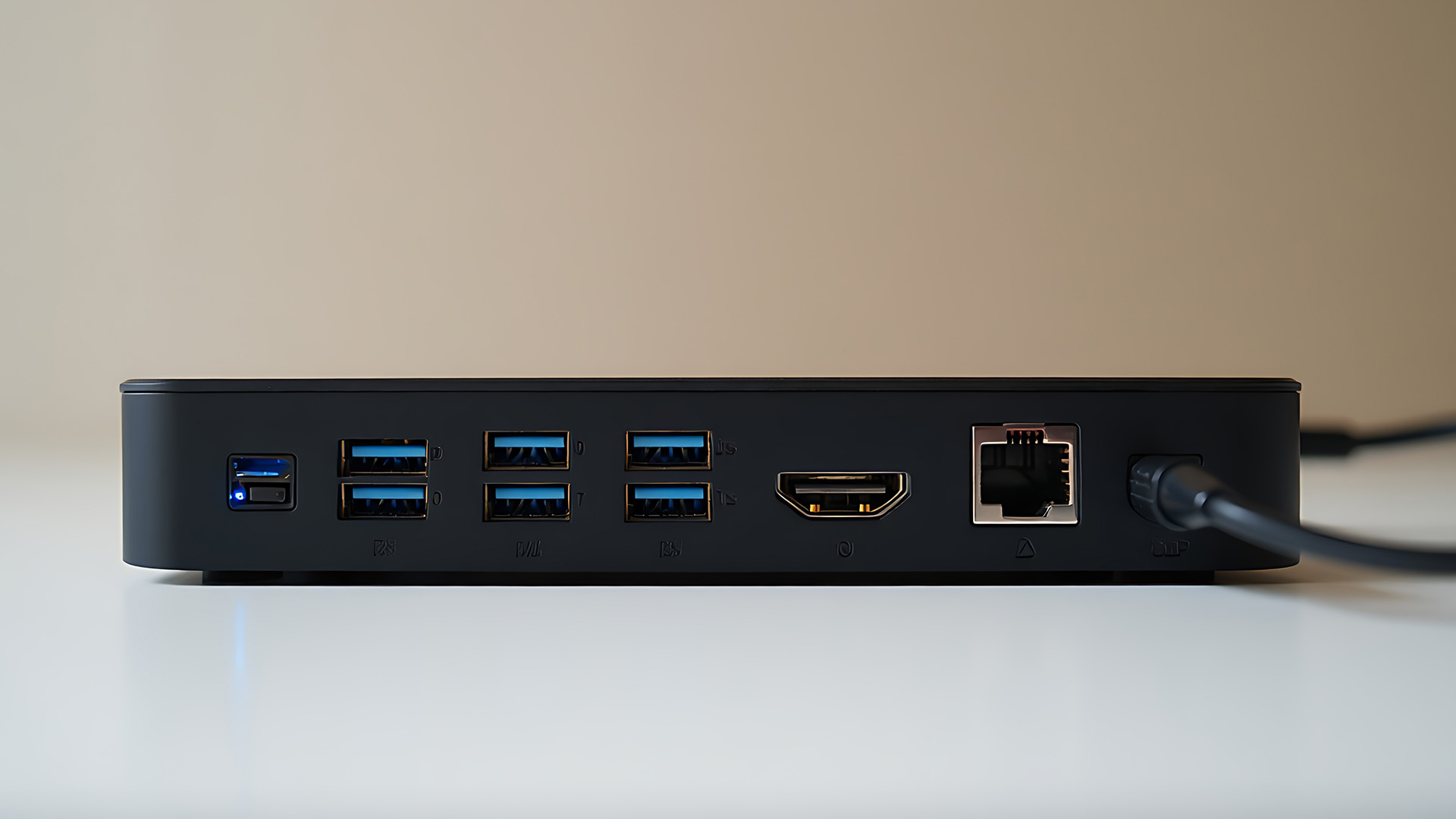
USB-A and USB-C Ports
Useful for connecting:
- Keyboards
- Mice
- Webcams
- External drives
- Headsets
Users transferring large files should consider faster USB connections.
HDMI and DisplayPort
These connections allow you to attach external monitors.
Consider:
- Screen resolution
- Refresh rate
- Number of displays
For example:
- Full HD suits everyday office tasks.
- QHD provides more workspace.
- 4K is useful for detailed creative work and larger displays.
If you are upgrading your workstation, you can also explore Laptop Outlet’s range of monitors to match your docking setup.
Ethernet Connection
Many thin laptops no longer include Ethernet ports.
A dock with Ethernet can provide:
- Stable wired connections
- Reliable video meetings
- Faster local network access
This makes it useful for business users and home offices.
Power Delivery and Laptop Charging
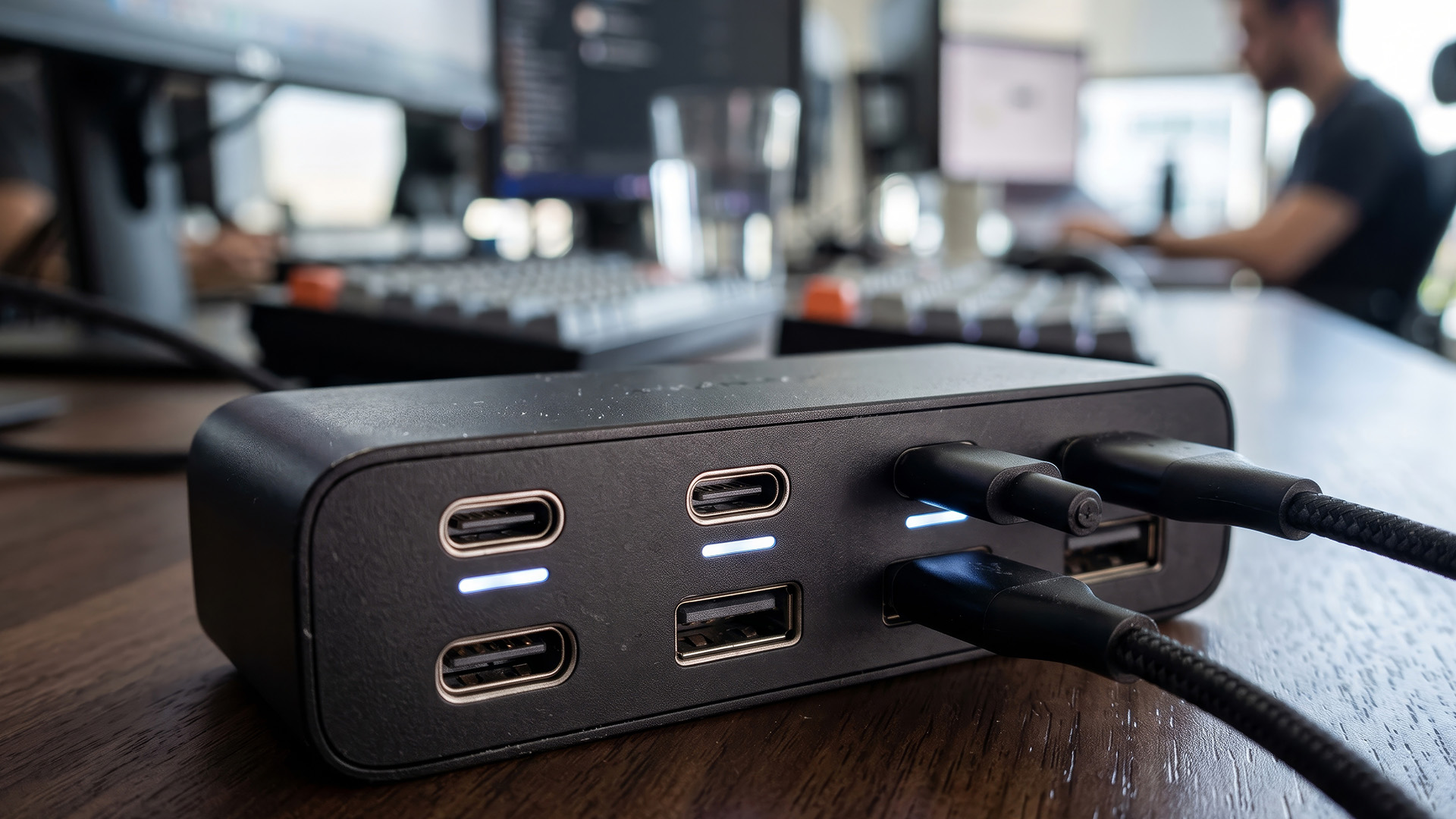
Many docking stations support USB-C Power Delivery, allowing a single cable to handle:
- Charging
- Display output
- Data transfer
However, charging capability depends on:
- Dock wattage
- Laptop requirements
- Manufacturer specifications
Lightweight laptops may charge easily through a dock, while gaming laptops and mobile workstations may still require their original power adapter.
USB-C Docking Station vs Thunderbolt Docking Station
|
User Type |
Recommended Option |
|
Everyday office user |
USB-C docking station |
|
Home worker |
USB-C dock with monitor support |
|
Dual-monitor setup |
USB-C, USB4 or Thunderbolt depending on laptop |
|
Creative professional |
Thunderbolt dock |
|
Large file workflows |
Thunderbolt or USB4 |
The right choice depends on your needs rather than simply choosing the highest specification.
Best Laptop Docking Station Setup for Different Users
|
Best for Home Office Users Look for:
A simple USB-C docking station is often enough for productivity tasks. |
|
Best for Business Users Business users may benefit from:
Brands such as Lenovo, Dell and HP offer docking solutions designed around business laptop ecosystems. |
|
Best for Creative Professionals Creative users should prioritise:
Thunderbolt and USB4 docks may be better suited for workflows involving large files. |
|
Best for Gaming Laptop Users A docking station can improve convenience but will not increase gaming performance. It can help with:
However, gaming performance still depends on the laptop’s processor and graphics hardware. |
Common Laptop Docking Station Mistakes
Buying Without Checking Compatibility
Always confirm:
- Laptop support
- Display compatibility
- Charging requirements
- Connection standards
Choosing Too Many Ports
More ports do not always mean better value.
Choose based on your actual setup rather than paying for unused features.
Ignoring Display Requirements
Check:
- Resolution
- Refresh rate
- Number of monitors
- Available outputs
Expecting a Dock to Upgrade Your Laptop
A docking station cannot:
- Improve processing power
- Upgrade graphics
- Add RAM
- Increase internal storage

Are Laptop Docking Stations Worth Buying?
A laptop docking station can make a portable laptop more practical by adding extra connections for monitors, accessories, storage devices and networks. Choosing the right model depends on compatibility, required ports, display needs and performance expectations.
USB-C docks are suitable for many everyday users, while USB4 and Thunderbolt options are better suited to advanced setups. Before buying, check your laptop specifications carefully to ensure the dock supports the features you need.
Ready to improve your laptop setup? Explore Laptop Outlet’s docking stations to find USB-C and Thunderbolt options designed for home offices, business workspaces and multi-monitor setups.

What People Also ask...
What should I look for in a laptop docking station?
Look for compatibility with your laptop, the required ports, monitor support, charging capability and whether it uses USB-C, USB4 or Thunderbolt.
Can a docking station connect two monitors?
Yes, many docking stations support dual monitors, but the exact capability depends on your laptop hardware, dock specifications and connection standard.
Is USB-C or Thunderbolt better for a docking station?
USB-C is suitable for most everyday users, while Thunderbolt is better for demanding workflows requiring higher bandwidth and advanced display support.
Do laptop docking stations charge laptops?
Some docking stations support USB-C Power Delivery and can charge compatible laptops, but charging speed depends on wattage requirements.
Are docking stations compatible with all laptops?
No. Compatibility depends on the laptop ports, operating system and supported connection standards. Always check specifications before purchasing.
| Read More: |
| What are the Benefits of Using a Docking Station? |
| What Is a Docking Station |
| How to connect Asus Chromebook to external monitor |
Related Articles

Last Updated: May 23, 2025
Simplify Your Laptop Setup
Ever feel limited by the number of ports on your laptop? That’s where a docking station comes in. Whether you're a remote worker, gamer, or creative pro, a docking station lets you turn your laptop into a full desktop workstation—with just one plug.
What Is a Docking Station?
A docking station is a device that connects to your laptop and expands its connectivity by offering multiple ports and features, such as:
- Extra USB ports
- HDMI or DisplayPort outputs
- Ethernet
- Audio jacks
- SD card readers
- Charging capabilities
Think of it as a hub that makes your laptop more powerful and easier to use with external devices
What Does a Docking Station Do?
- Connects multiple monitors
- Links external keyboards, mice, printers
- Provides wired internet (Ethernet)
- Charges your laptop and accessories
- Enables fast data transfer via USB-C or Thunderbolt
Types of Docking Stations
- Powered (AC adapter): Best for permanent workstations with charging support
Last Updated: June 19, 2026
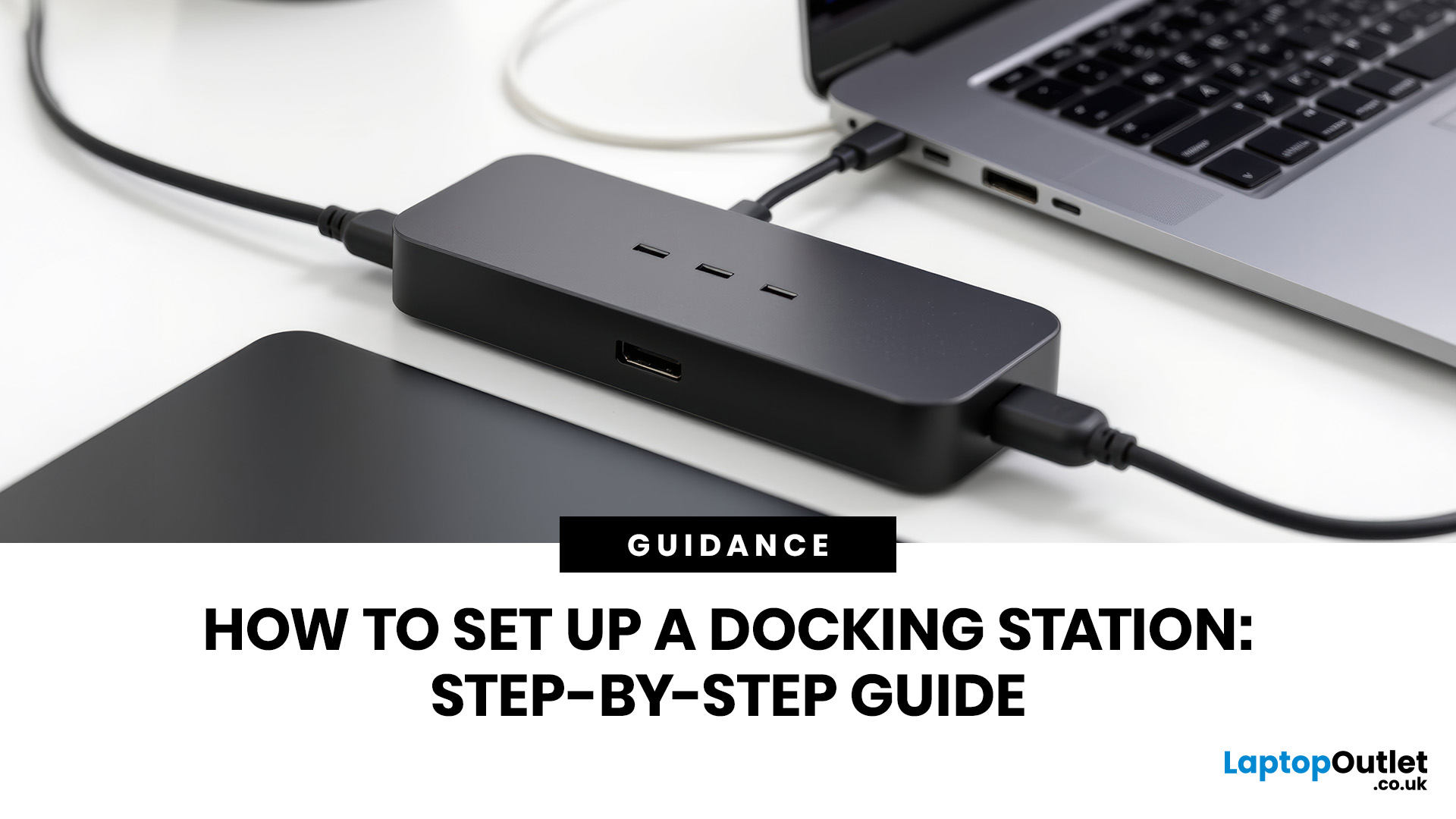
A docking station can turn your laptop into a cleaner, more comfortable desktop setup. Instead of plugging in your monitor, charger, keyboard and mouse, Ethernet cable and other accessories one by one, you can connect most of them through a single dock.
That sounds simple, but docking-station setup can become confusing when USB-C, Thunderbolt, HDMI, DisplayPort, power delivery, and dual monitors all come into play. A dock may physically connect to your laptop, but that does not always mean every feature will work. Your laptop port, dock specification, cable quality and monitor setup all matter.
This guide explains how to set up a docking station step by step, how to connect a dock to a laptop, how to configure single- or dual-monitor setups, and what to check if your docking station is not working. This guide caters to real laptop users who want a practical desk setup without wasting money on features they may not need.
Quick Answer: How Do You Set Up a Docking Station?
To set up a docking
Last Updated: August 20, 2026
OLED laptops are already known for deep blacks, rich colour and fast pixel response, but a newer display design is pushing brightness further.
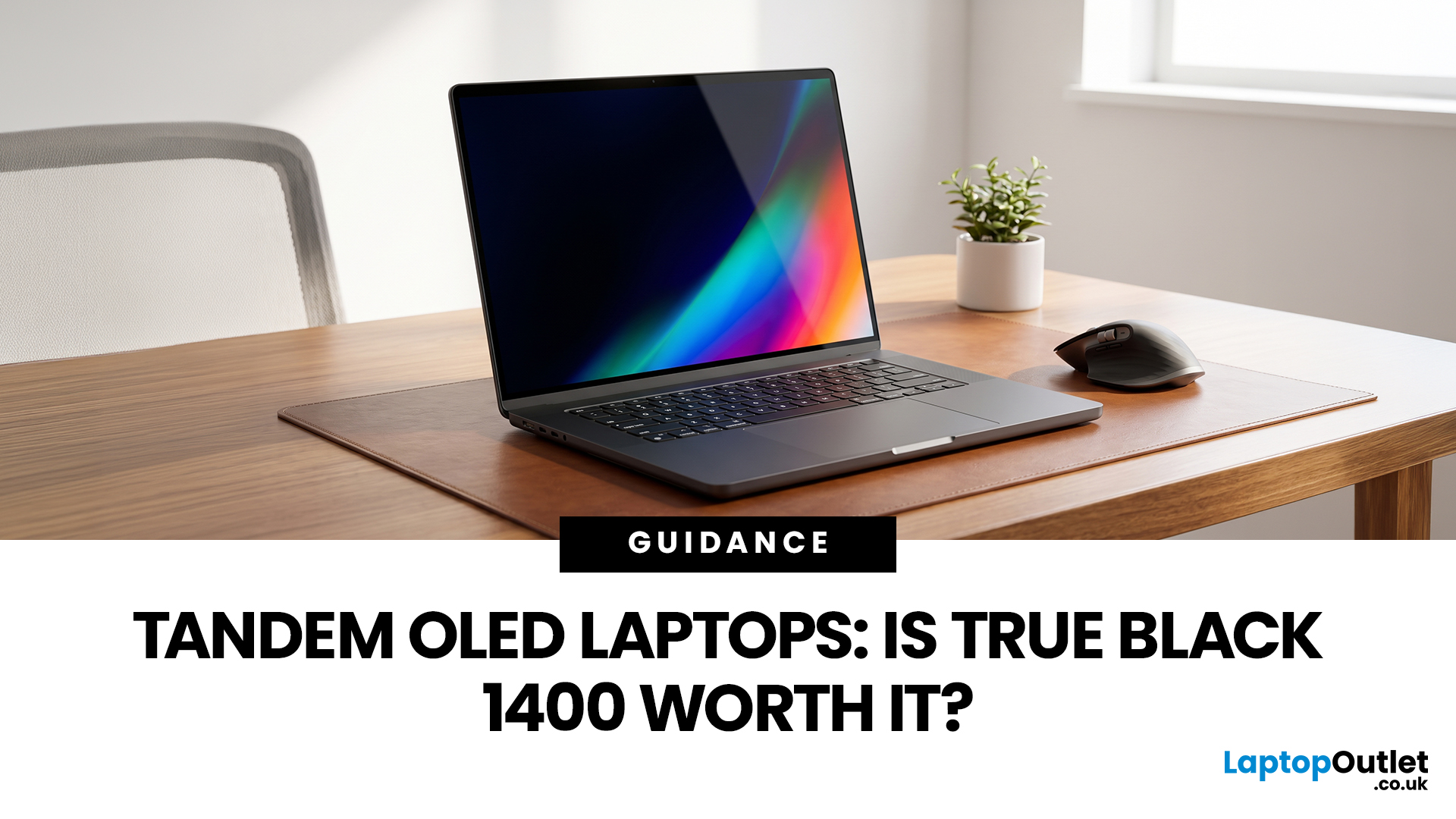
Tandem OLED laptops use stacked light-producing layers to deliver stronger HDR highlights while retaining the pixel-level control that makes OLED attractive.
That improvement now has an official benchmark. VESA introduced DisplayHDR True Black 1400 in July 2026 as its highest True Black certification tier, aimed at next-generation OLED screens for professional HDR creation and premium entertainment. The first certified laptop display shows that tandem OLED is becoming a buying consideration.
Understanding the Real Impact of True Black 1400 Displays
DisplayHDR True Black 1400 is worth considering if you edit HDR video, review colour-critical content, watch high-quality HDR films

Last Updated: August 17, 2026
Last Updated: August 06, 2026

Last Updated: August 07, 2026
Travel exposes a laptop to crowded trains, small café tables, airport queues, limited sockets and long periods inside a backpack. A lightweight touchscreen laptop addresses these problems by combining easier portability with direct, phone-like control.
It can be quicker to tap, scroll, zoom, sign or annotate when there is little room for a mouse. The right model can also replace a separate tablet, when it has a 360-degree hinge and pen support.
However, weight alone is not enough. Battery endurance, screen visibility, keyboard comfort, charging options, durability and software compatibility all determine whether a device is genuinely suitable for journeys.
Why Does a Lightweight Touchscreen Laptop Suit Travel?
1. It Reduces the Weight You Carry All Day
A lighter computer makes a noticeable difference when it shares a backpack with a charger, phone, headphones, water bottle and travel documents. For regular commuting or cabin-only trips, the complete kit matters more than the laptop weight
Last Updated: August 11, 2026
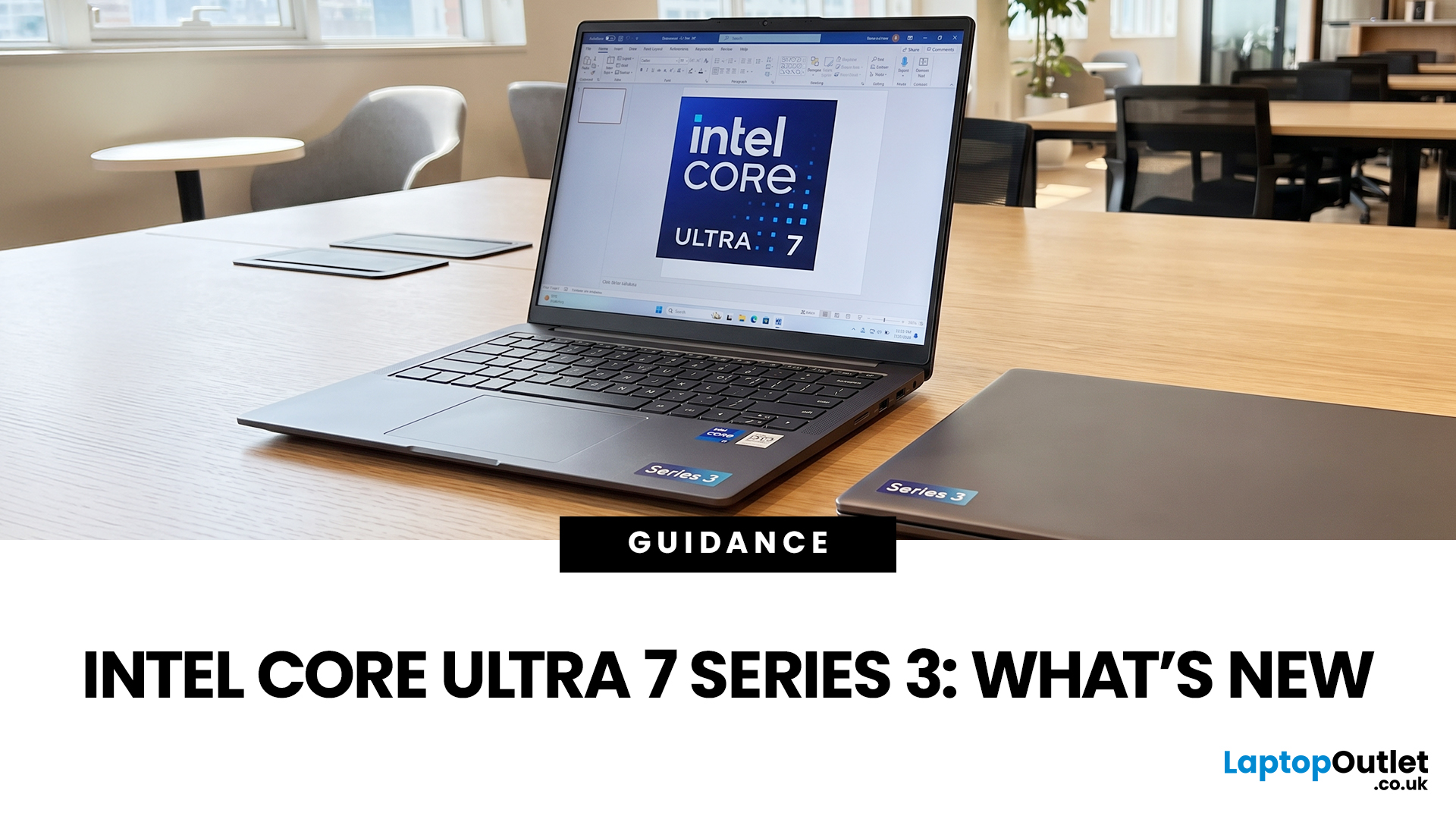
If you’re considering an Intel Core Ultra 7 Series 3 laptop in 2026, the processor name is only part of the story. Intel’s latest Core Ultra Series 3 generation brings a new architecture, Intel 18A process technology, built-in AI acceleration and updated graphics capabilities.
However, different Series 3 processors can have significantly different core and graphics configurations, so it is important to look beyond the “Core Ultra 7” label when choosing a laptop.
Series 3 is aimed at modern laptops that need to balance

Last Updated: August 17, 2026
An HP OMEN laptop moves plenty of air during gaming and other demanding work. That airflow can draw dust, lint and pet hair towards its intake vents. As debris builds up, cooling may become louder, airflow can weaken and sustained performance can suffer.
The safest approach is to start with external cleaning. Only remove the bottom cover when deeper cleaning is necessary and you have checked the service instructions for your exact OMEN model. This guide covers both methods, essential safety precautions and post-cleaning checks.
Why HP OMEN Fan Cleaning Matters
Gaming laptops generate considerable heat because the processor and dedicated graphics chip can remain under heavy load for long periods. Their fans draw cooler air through the chassis and push warm air across the heatsink fins towards the exhausts.
Effective laptop fan dust removal prevents debris from reducing the space available for air to pass through. A thin layer of dust may only increase noise, while a compacted blockage can

Published: August 17, 2026
Dell laptops are built for everything from everyday study to demanding business workloads, but any device can develop faults over time. Common Dell laptop problems can involve slow performance, charging, overheating, displays, connectivity, or startup. The useful first step is not replacing parts at random, but identifying exactly what the laptop is doing. In this guide, you’ll learn how to recognise common symptoms, try safe, practical Dell laptop troubleshooting steps and decide when a repair or replacement makes practical sense.
What are the Most Common Dell Laptop Problems?
Slow Performance and System Lag
A Dell laptop may slow down because of too many startup apps, limited free storage, demanding background processes or outdated software. These Dell laptop issues often appear as slow boot times, freezing, or delayed app launches.
Battery Draining Too Quickly
Fast battery drain can result from high brightness, heavy workloads, background activity or an ageing battery. If runtime has

Published: August 18, 2026
Carrying a heavy laptop between home, work, university and client meetings can quickly become inconvenient. A slim laptop offers a more portable alternative, combining a thinner design with the performance needed for everyday computing, study, business and entertainment.
However, buyers should compare processor performance, RAM, screen quality, ports, cooling and upgradeability before choosing. The best lightweight laptop balances low weight with the features and power required for its intended daily use.
The right thin and light laptop reduces bag weight without losing key features, but performance, battery life and connectivity vary, so understanding the trade-offs is important before choosing.
Why Heavy Laptops Are Becoming a Dealbreaker
A larger,

